 30 views
Can Dental Work Be Repaired or Replaced Later?
Nereden Başlayacağını
Bilmiyor musun?
Doğru uzmanı en uygun fiyat garantisiyle bulun
Which treatments can be redone?
It helps to know what’s easy to replace vs. hard to undo:
- Fillings, crowns, and veneers can often be replaced
- Braces and aligners can be adjusted or restarted
- Implants and extractions are difficult to reverse
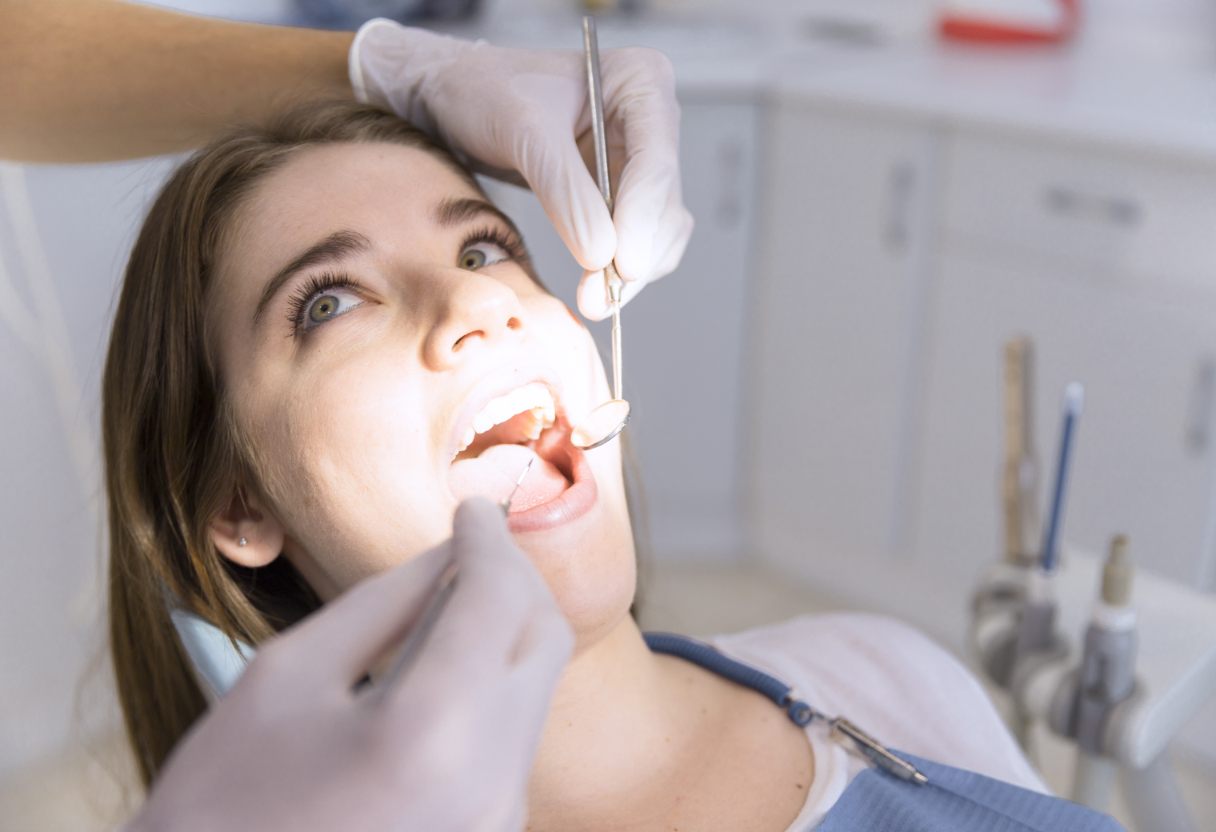
Which Dental Treatments Can Be Redone and Which Are Hard to Undo?
Many dental procedures can be adjusted later, but some changes are easier than others. A dentist can usually improve results if your bite, comfort, or appearance is not right.
Often repairable or replaceable
- Fillings: can be replaced if they chip, leak, or stain.
- Crowns and bridges: can often be remade, though the tooth underneath may need additional work.
- Veneers: can be replaced, but they typically require ongoing coverage once the tooth surface has been prepared.
- Dentures: can be relined, repaired, or remade as your gums change.
- Implant crowns: the visible tooth can often be changed without removing the implant.
Harder to reverse
- Tooth reduction for crowns or veneers: natural enamel does not grow back.
- Extractions: replacing a removed tooth usually means an implant, bridge, or denture.
- Implant placement: removing or repositioning an implant can be complex and may involve healing time.
If you are unsure, ask what would happen if the result needs a redo and what options exist for your specific case.
HealRoad can help you compare clinics and ask upfront questions about what is reversible, what is not, and how revisions are handled during planning.
Which Dental Treatments Can Be Redone and Which Are Hard to Undo?
Many dental procedures can be adjusted later, but some changes are easier than others. A dentist can usually improve results if your bite, comfort, or appearance is not right.
Often repairable or replaceable
- Fillings: can be replaced if they chip, leak, or stain.
- Crowns and bridges: can often be remade, though the tooth underneath may need additional work.
- Veneers: can be replaced, but they typically require ongoing coverage once the tooth surface has been prepared.
- Dentures: can be relined, repaired, or remade as your gums change.
- Implant crowns: the visible tooth can often be changed without removing the implant.
Harder to reverse
- Tooth reduction for crowns or veneers: natural enamel does not grow back.
- Extractions: replacing a removed tooth usually means an implant, bridge, or denture.
- Implant placement: removing or repositioning an implant can be complex and may involve healing time.
If you are unsure, ask what would happen if the result needs a redo and what options exist for your specific case.
HealRoad can help you compare clinics and ask upfront questions about what is reversible, what is not, and how revisions are handled during planning.
Which treatments can be redone?
It helps to know what’s easy to replace vs. hard to undo:
- Fillings, crowns, and veneers can often be replaced
- Braces and aligners can be adjusted or restarted
- Implants and extractions are difficult to reverse
Repair-friendly choices
- Documented materials and lab details
- Conservative methods that preserve tooth structure
- Easy future fixes: re-cement, reline, or replace
Hard to repair later
- Unknown brands, shades, or cement used
- Aggressive prep that limits future options
- “One-and-done” work with no plan for replacement
Planning for Future Fixes: Materials, Methods, and What Ages Well
Most dental work can be adjusted, repaired, or replaced later, but some choices make future changes simpler than others. If you are planning ahead, ask how the restoration could be maintained over time, not just how it will look on day one.
Materials: think repairability and compatibility
- Some ceramics are very strong but may be harder to patch if they chip; others are easier to polish or repair chairside.
- Metal-free and metal-based options can both work well, but they may behave differently with gums, opposing teeth, and imaging.
- Ask what cement or bonding method will be used, because it can affect how easily a crown or veneer can be removed later.
Methods: choose designs that leave options
- Conservative tooth preparation usually preserves more structure for future treatments.
- For implants, confirm that parts (implant system, abutment, screw) are standard and traceable, so replacements are easier to source.
- Request copies of scans, X-rays, and lab details to support any future dentist.
HealRoad can help you compare clinic plans and materials side by side, so you can choose options that are easier to maintain or update later.
Planning for Future Fixes: Materials, Methods, and What Ages Well
Most dental work can be adjusted, repaired, or replaced later, but some choices make future changes simpler than others. If you are planning ahead, ask how the restoration could be maintained over time, not just how it will look on day one.
Materials: think repairability and compatibility
- Some ceramics are very strong but may be harder to patch if they chip; others are easier to polish or repair chairside.
- Metal-free and metal-based options can both work well, but they may behave differently with gums, opposing teeth, and imaging.
- Ask what cement or bonding method will be used, because it can affect how easily a crown or veneer can be removed later.
Methods: choose designs that leave options
- Conservative tooth preparation usually preserves more structure for future treatments.
- For implants, confirm that parts (implant system, abutment, screw) are standard and traceable, so replacements are easier to source.
- Request copies of scans, X-rays, and lab details to support any future dentist.
HealRoad can help you compare clinic plans and materials side by side, so you can choose options that are easier to maintain or update later.
Repair-friendly choices
- Documented materials and lab details
- Conservative methods that preserve tooth structure
- Easy future fixes: re-cement, reline, or replace
Hard to repair later
- Unknown brands, shades, or cement used
- Aggressive prep that limits future options
- “One-and-done” work with no plan for replacement
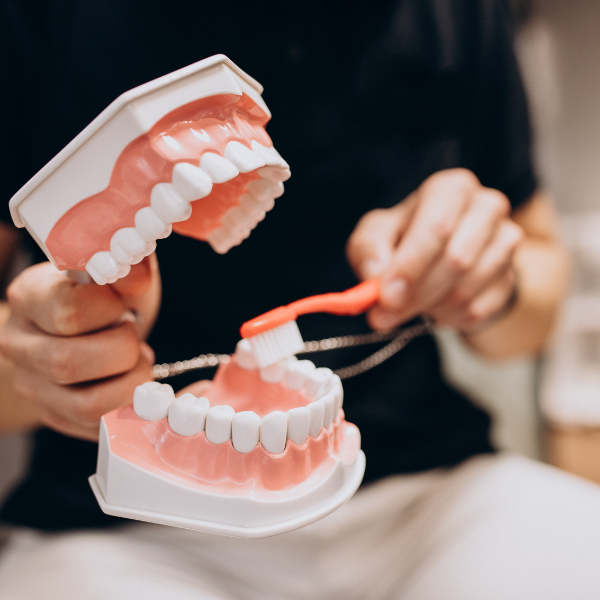
When a “Repair” Isn’t Enough: Signs It’s Time to Replace the Work
Small chips, loose cement, or minor bite adjustments can sometimes be corrected without starting over. But certain problems suggest the restoration itself may no longer be a good fit for your tooth or your mouth.
Clues that replacement may be the safer option
- Repeated fixes in the same spot (the issue returns soon after polishing, re-cementing, or patching).
- Persistent pain or sensitivity when chewing or with hot/cold, especially if it is new or worsening.
- Visible gaps, dark edges, or trapped food around a crown, veneer, or filling.
- Cracks, fractures, or a “rocking” feeling in the restoration.
- Inflamed gums or bad taste near the work that does not settle with good hygiene.
- Bite changes such as a tooth feeling too high, jaw soreness, or new headaches.
If you notice any of these, book an exam and X-rays. The right choice depends on what is happening underneath, and your dentist can explain whether repair is reasonable or replacement is more predictable.
If you are comparing options abroad, HealRoad can help you review clinics with clear treatment details and ask the right questions before committing.
When a “Repair” Isn’t Enough: Signs It’s Time to Replace the Work
Small chips, loose cement, or minor bite adjustments can sometimes be corrected without starting over. But certain problems suggest the restoration itself may no longer be a good fit for your tooth or your mouth.
Clues that replacement may be the safer option
- Repeated fixes in the same spot (the issue returns soon after polishing, re-cementing, or patching).
- Persistent pain or sensitivity when chewing or with hot/cold, especially if it is new or worsening.
- Visible gaps, dark edges, or trapped food around a crown, veneer, or filling.
- Cracks, fractures, or a “rocking” feeling in the restoration.
- Inflamed gums or bad taste near the work that does not settle with good hygiene.
- Bite changes such as a tooth feeling too high, jaw soreness, or new headaches.
If you notice any of these, book an exam and X-rays. The right choice depends on what is happening underneath, and your dentist can explain whether repair is reasonable or replacement is more predictable.
If you are comparing options abroad, HealRoad can help you review clinics with clear treatment details and ask the right questions before committing.
Ask the right follow-up questions
Get clarity on records, warranties, and who helps if problems show up later.
Choosing a Dentist With Long-Term Support in Mind: Records, Warranties, and Follow-Up
Dental work can often be adjusted, repaired, or replaced later, but it is much easier when your dentist plans for long-term support from day one.
Before you start, ask for these practical basics
- Your records in writing: treatment summary, tooth numbers, materials used, lab details, and shade information.
- Copies of imaging: scans, X-rays, photos, and bite records (plus how you can access them later).
- A clear warranty policy: what is covered, what is excluded (for example, accidents or untreated gum disease), and whether lab fees or visits are included.
- Follow-up plan: when check-ups happen, who to contact if something feels off, and typical response times.
- Coordination options: whether they can communicate with your local dentist if you are traveling or moving.
If anything is unclear, ask for it in a simple email or message. Details vary by procedure and patient, so confirm specifics with your clinician before committing.
HealRoad can help you compare clinics with transparent aftercare details and keep your questions organized before and after treatment planning.
Choosing a Dentist With Long-Term Support in Mind: Records, Warranties, and Follow-Up
Dental work can often be adjusted, repaired, or replaced later, but it is much easier when your dentist plans for long-term support from day one.
Before you start, ask for these practical basics
- Your records in writing: treatment summary, tooth numbers, materials used, lab details, and shade information.
- Copies of imaging: scans, X-rays, photos, and bite records (plus how you can access them later).
- A clear warranty policy: what is covered, what is excluded (for example, accidents or untreated gum disease), and whether lab fees or visits are included.
- Follow-up plan: when check-ups happen, who to contact if something feels off, and typical response times.
- Coordination options: whether they can communicate with your local dentist if you are traveling or moving.
If anything is unclear, ask for it in a simple email or message. Details vary by procedure and patient, so confirm specifics with your clinician before committing.
HealRoad can help you compare clinics with transparent aftercare details and keep your questions organized before and after treatment planning.
Ask the right follow-up questions
Get clarity on records, warranties, and who helps if problems show up later.
Conclusion
Dental work can often be repaired or replaced later, but the best option depends on the cause of failure and the condition of the tooth, gums, and bite. If something feels loose, painful, or looks damaged, see a dentist early, because small problems are often easier and less expensive to fix than delayed failures.
References


- Longevity of defective direct restorations treated by minimally invasive techniques or complete replacement in permanent teeth: A systematic review (PubMed)
- Dental Amalgam Fillings (FDA)
- Dental Crowns: Types, Procedure & Care (Cleveland Clinic)
- Dental Prosthesis (Trabzon Oral and Dental Health Hospital, Republic of Türkiye Ministry of Health)
- National Institute of Dental and Craniofacial Research (NIDCR) - Tooth Decay
Article Contributors

Heal Road Editor
Editor

Heal Road Writer
Writer
- Views
- 30 views
- Reading Time
- Last Updated