 207 views
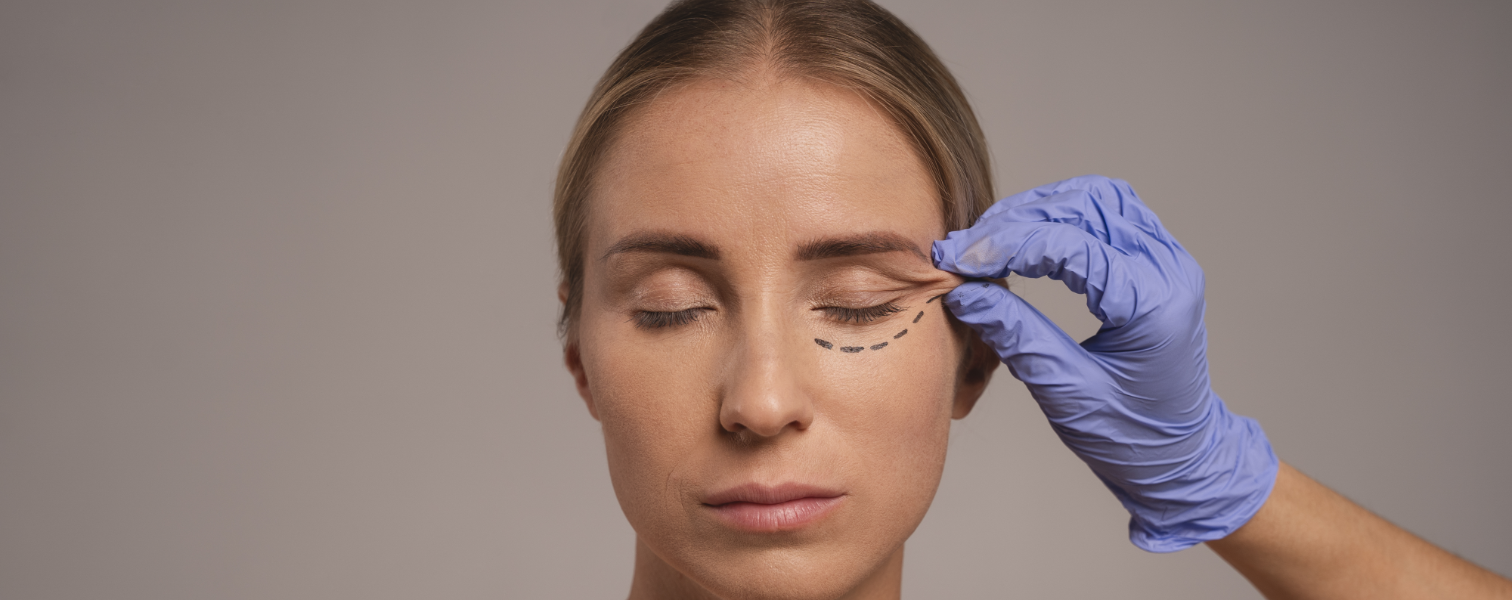
A Step-by-Step Guide to Blepharoplasty in Turkey
Nereden Başlayacağını
Bilmiyor musun?
Doğru uzmanı en uygun fiyat garantisiyle bulun

Your Heal Road consultant can help you compare clinics and plan your blepharoplasty journey in Turkey.
In-Depth Research and Selecting the Right Blepharoplasty Clinic
Before planning your blepharoplasty in Turkey, take time to research and choose a reputable clinic and experienced oculoplastic/plastic surgeon. Turkey is a popular destination for eyelid surgery, with well-established clinics in Istanbul, Ankara, Antalya, and Izmir. The right choice helps you achieve natural-looking results, reduces complication risk, and ensures a smoother recovery especially when traveling internationally.
When comparing providers, focus on the points below:
Surgeon Credentials and Eyelid-Specific Experience
Prioritize surgeons who regularly perform upper blepharoplasty, lower blepharoplasty, or combined procedures. Ask about board certification, years of experience, and how many eyelid surgeries they perform monthly. Eyelid anatomy is delicate specialized experience matters for both aesthetics and eye safety.
Clinic Accreditation, Safety Standards, and Anesthesia Support
Look for clinics/hospitals with recognized quality standards (e.g., JCI, ISO, or national accreditation). Confirm who provides anesthesia (an anesthesiologist vs. sedation-only setup), what monitoring is used, and whether emergency protocols are in place.
Before-and-After Photos (Comparable Cases)
Request high-quality before-and-after photos of patients with similar eyelid concerns (hooded upper lids, under-eye bags, asymmetry). Pay attention to natural crease placement, symmetry, and whether results look refreshed rather than “overdone.”
Patient Reviews and Realistic Expectations
Check verified reviews across multiple platforms and look for consistent feedback about communication, cleanliness, aftercare, and satisfaction with results. Be cautious of clinics promising “perfect” outcomes ethical providers discuss limitations, healing timelines, and potential risks.
Transparent Pricing and What the Package Includes
Ask for a written quote that clearly lists what’s included: surgeon and facility fees, anesthesia, pre-op tests, medications, follow-up visits, and any extras like accommodation, airport transfers, and interpreter services. Transparent pricing helps you avoid unexpected costs.
Consultation Quality and Personalized Surgical Plan
A reliable clinic will offer a thorough consultation (in-person or online), review your medical history, discuss your goals, and explain the recommended technique (skin-only vs. skin + fat repositioning, transconjunctival approach for lower lids, etc.). You should receive clear pre-op instructions and a recovery plan before booking.
In-Depth Research and Selecting the Right Blepharoplasty Clinic
Before planning your blepharoplasty in Turkey, take time to research and choose a reputable clinic and experienced oculoplastic/plastic surgeon. Turkey is a popular destination for eyelid surgery, with well-established clinics in Istanbul, Ankara, Antalya, and Izmir. The right choice helps you achieve natural-looking results, reduces complication risk, and ensures a smoother recovery especially when traveling internationally.
When comparing providers, focus on the points below:
Your Heal Road consultant can help you compare clinics and plan your blepharoplasty journey in Turkey.
Surgeon Credentials and Eyelid-Specific Experience
Prioritize surgeons who regularly perform upper blepharoplasty, lower blepharoplasty, or combined procedures. Ask about board certification, years of experience, and how many eyelid surgeries they perform monthly. Eyelid anatomy is delicate specialized experience matters for both aesthetics and eye safety.
Clinic Accreditation, Safety Standards, and Anesthesia Support
Look for clinics/hospitals with recognized quality standards (e.g., JCI, ISO, or national accreditation). Confirm who provides anesthesia (an anesthesiologist vs. sedation-only setup), what monitoring is used, and whether emergency protocols are in place.
Before-and-After Photos (Comparable Cases)
Request high-quality before-and-after photos of patients with similar eyelid concerns (hooded upper lids, under-eye bags, asymmetry). Pay attention to natural crease placement, symmetry, and whether results look refreshed rather than “overdone.”
Patient Reviews and Realistic Expectations
Check verified reviews across multiple platforms and look for consistent feedback about communication, cleanliness, aftercare, and satisfaction with results. Be cautious of clinics promising “perfect” outcomes ethical providers discuss limitations, healing timelines, and potential risks.
Transparent Pricing and What the Package Includes
Ask for a written quote that clearly lists what’s included: surgeon and facility fees, anesthesia, pre-op tests, medications, follow-up visits, and any extras like accommodation, airport transfers, and interpreter services. Transparent pricing helps you avoid unexpected costs.
Consultation Quality and Personalized Surgical Plan
A reliable clinic will offer a thorough consultation (in-person or online), review your medical history, discuss your goals, and explain the recommended technique (skin-only vs. skin + fat repositioning, transconjunctival approach for lower lids, etc.). You should receive clear pre-op instructions and a recovery plan before booking.

Initial Online Consultation and Candidacy Evaluation
After you have shortlisted a clinic and surgeon in Turkey, the next step is an initial online consultation. Many clinics offer this remotely (often at no cost) to review your goals, answer questions, and confirm whether you are a good candidate for blepharoplasty (eyelid surgery). This stage helps your surgeon plan a safe, natural-looking result and gives you a clear idea of the expected timeline, recovery, and costs before you travel.
Your Goals and Main Concerns
You will discuss what bothers you most such as upper eyelid heaviness, under-eye bags, asymmetry, or a tired appearance. Your surgeon will clarify whether you need upper blepharoplasty, lower blepharoplasty, or a combined approach, and whether additional procedures (e.g., brow lift or skin resurfacing) might be more appropriate for your goals.
Medical History and Safety Screening
A detailed review of your medical history is essential. Expect questions about medications and supplements (including blood thinners), allergies, smoking/vaping, prior facial or eye surgery, and conditions that can affect healing. Your team may also ask about eye health such as dry eye symptoms, contact lens use, thyroid eye disease, glaucoma, or vision changes to ensure surgery is safe and to reduce the risk of postoperative irritation or exposure.
Photo/Video Assessment and Candidacy
You may be asked to send clear, well-lit photos (front and side views, eyes open/closed, looking up/down) or join a video call so the surgeon can assess eyelid skin excess, fat protrusion, lid position, and overall facial balance. This evaluation helps determine whether you are a suitable candidate and what technique is likely to provide the most natural outcome.
Treatment Plan, Expectations, and Next Steps
Your surgeon will explain the recommended plan, where incisions are typically placed, anesthesia options, and what results are realistic. You should also review recovery milestones (swelling/bruising, time off work, when you can wear makeup or contacts), potential risks, and aftercare requirements. If you decide to proceed, the clinic will outline pre-op instructions, required tests (if any), travel timing, and scheduling for surgery and follow-up.
Initial Online Consultation and Candidacy Evaluation
After you have shortlisted a clinic and surgeon in Turkey, the next step is an initial online consultation. Many clinics offer this remotely (often at no cost) to review your goals, answer questions, and confirm whether you are a good candidate for blepharoplasty (eyelid surgery). This stage helps your surgeon plan a safe, natural-looking result and gives you a clear idea of the expected timeline, recovery, and costs before you travel.
Your Goals and Main Concerns
You will discuss what bothers you most such as upper eyelid heaviness, under-eye bags, asymmetry, or a tired appearance. Your surgeon will clarify whether you need upper blepharoplasty, lower blepharoplasty, or a combined approach, and whether additional procedures (e.g., brow lift or skin resurfacing) might be more appropriate for your goals.
Medical History and Safety Screening
A detailed review of your medical history is essential. Expect questions about medications and supplements (including blood thinners), allergies, smoking/vaping, prior facial or eye surgery, and conditions that can affect healing. Your team may also ask about eye health such as dry eye symptoms, contact lens use, thyroid eye disease, glaucoma, or vision changes to ensure surgery is safe and to reduce the risk of postoperative irritation or exposure.
Photo/Video Assessment and Candidacy
You may be asked to send clear, well-lit photos (front and side views, eyes open/closed, looking up/down) or join a video call so the surgeon can assess eyelid skin excess, fat protrusion, lid position, and overall facial balance. This evaluation helps determine whether you are a suitable candidate and what technique is likely to provide the most natural outcome.
Treatment Plan, Expectations, and Next Steps
Your surgeon will explain the recommended plan, where incisions are typically placed, anesthesia options, and what results are realistic. You should also review recovery milestones (swelling/bruising, time off work, when you can wear makeup or contacts), potential risks, and aftercare requirements. If you decide to proceed, the clinic will outline pre-op instructions, required tests (if any), travel timing, and scheduling for surgery and follow-up.
| Country | Price (EUR €) |
|---|---|
| Türkiye | € 2,200 |
| Poland | € 3,200 |
| Hungary | € 3,600 |
| Germany | € 5,500 |
Use our Calculation Module to Find Out
The Cost of Blepharoplasty
Calculate My Cost
Personalized Surgical Plan, Pricing, and Scheduling Your Procedure
After your consultation, your surgeon will create a personalized blepharoplasty plan based on your eyelid anatomy, skin quality, eye shape, and goals (e.g., reducing upper lid hooding, smoothing under-eye bags, or both). This plan should clearly outline:
- Procedure type: upper blepharoplasty, lower blepharoplasty, or combined surgery
- Surgical approach: skin-only vs. skin + muscle, fat removal vs. fat repositioning, and whether a transconjunctival (inside the eyelid) approach is suitable
- Anesthesia plan: local anesthesia with sedation vs. general anesthesia (depending on complexity and clinic protocol)
- Expected scar placement and how it will be concealed in natural creases
- Safety checks: assessment for dry eye, eyelid laxity, and any factors that could affect healing
Next, you’ll receive a price quote. In Turkey, clinics often offer packages for international patients, which may include:
- Pre-op evaluation and required blood tests
- Surgeon, anesthesia, and operating room fees
- Hospital/clinic stay (if needed)
- Medications and post-op supplies (e.g., ointment, eye drops)
- Follow-up visits and suture removal (if applicable)
- Airport transfers, hotel accommodation, and interpreter support (varies by provider)
Before you book, ask for a written breakdown of what is included and what may be extra (for example, additional nights of accommodation, revision policies, or treatment for unexpected complications). Once confirmed, you can schedule your surgery and plan travel most patients are advised to stay in Turkey long enough for early follow-up and to ensure initial healing is progressing as expected.
Personalized Surgical Plan, Pricing, and Scheduling Your Procedure
After your consultation, your surgeon will create a personalized blepharoplasty plan based on your eyelid anatomy, skin quality, eye shape, and goals (e.g., reducing upper lid hooding, smoothing under-eye bags, or both). This plan should clearly outline:
- Procedure type: upper blepharoplasty, lower blepharoplasty, or combined surgery
- Surgical approach: skin-only vs. skin + muscle, fat removal vs. fat repositioning, and whether a transconjunctival (inside the eyelid) approach is suitable
- Anesthesia plan: local anesthesia with sedation vs. general anesthesia (depending on complexity and clinic protocol)
- Expected scar placement and how it will be concealed in natural creases
- Safety checks: assessment for dry eye, eyelid laxity, and any factors that could affect healing
Next, you’ll receive a price quote. In Turkey, clinics often offer packages for international patients, which may include:
- Pre-op evaluation and required blood tests
- Surgeon, anesthesia, and operating room fees
- Hospital/clinic stay (if needed)
- Medications and post-op supplies (e.g., ointment, eye drops)
- Follow-up visits and suture removal (if applicable)
- Airport transfers, hotel accommodation, and interpreter support (varies by provider)
Before you book, ask for a written breakdown of what is included and what may be extra (for example, additional nights of accommodation, revision policies, or treatment for unexpected complications). Once confirmed, you can schedule your surgery and plan travel most patients are advised to stay in Turkey long enough for early follow-up and to ensure initial healing is progressing as expected.
| Country | Price (EUR €) |
|---|---|
| Türkiye | € 2,200 |
| Poland | € 3,200 |
| Hungary | € 3,600 |
| Germany | € 5,500 |
Use our Calculation Module to Find Out
The Cost of Blepharoplasty
Calculate My Cost

 Share Photos
& Get a Plan

 Travel to Turkey
 Pre-Op Tests
& Surgeon Review
Traveling to Turkey and Pre-Op Preparations for Eyelid Surgery
Once your blepharoplasty dates are confirmed, your clinic team will typically help coordinate the logistics of your trip to Turkey. Many providers arrange airport pick-up and comfortable transfers to your hotel or clinic accommodation, so you can arrive rested and focused on your upcoming procedure.
Before surgery, you’ll attend a pre-operative consultation with your surgeon to review your goals, confirm the surgical plan (upper lids, lower lids, or both), and discuss expected results, recovery, and aftercare. This visit is also the time to share your full medical history, current medications and supplements, and any prior eye conditions or surgeries.
Pre-Op Assessment and Planning
Your surgeon will examine your eyelids and surrounding anatomy, assessing skin laxity, fat pads, lid position, and symmetry. Pre-op photos may be taken for planning and documentation. If you have symptoms such as dry eye, irritation, or contact lens intolerance, tell your team this can influence the surgical approach and post-op care.
Medical Checks (If Needed)
Depending on your health status and the type of anesthesia planned, you may be asked to complete routine checks such as blood pressure assessment and basic blood tests. Your clinic will advise what’s required based on your medical history and local protocols.
Medication and Lifestyle Guidelines
- Blood thinners and supplements: Inform your surgeon if you take aspirin, anticoagulants, anti-inflammatories, vitamin E, fish oil, or herbal supplements. Do not stop prescribed medication unless your surgeon and prescribing doctor advise it.
- Smoking and alcohol: Avoid smoking and limit alcohol before surgery, as both can impair healing and increase complication risk.
- Fasting: If sedation or general anesthesia is planned, you’ll receive clear instructions on when to stop eating and drinking.
What to Pack for Blepharoplasty
- Dark sunglasses (for light sensitivity and privacy)
- Any prescribed eye drops/ointments (or plan to obtain them locally)
- Comfortable clothing that doesn’t need to be pulled over your head
- Travel-friendly cold compresses (if recommended by your clinic)
- Your medication list and key medical documents
Plan Your First 48 Hours
Arrange for rest after surgery and avoid scheduling sightseeing immediately. You’ll typically be advised to keep your head elevated, use cold compresses as directed, and avoid strenuous activity. Your clinic will also confirm your follow-up appointment schedule before you fly home.
Traveling to Turkey and Pre-Op Preparations for Eyelid Surgery
Once your blepharoplasty dates are confirmed, your clinic team will typically help coordinate the logistics of your trip to Turkey. Many providers arrange airport pick-up and comfortable transfers to your hotel or clinic accommodation, so you can arrive rested and focused on your upcoming procedure.
Before surgery, you’ll attend a pre-operative consultation with your surgeon to review your goals, confirm the surgical plan (upper lids, lower lids, or both), and discuss expected results, recovery, and aftercare. This visit is also the time to share your full medical history, current medications and supplements, and any prior eye conditions or surgeries.
Share Photos& Get a Plan
Travel to Turkey
Pre-Op Tests& Surgeon Review
Pre-Op Assessment and Planning
Your surgeon will examine your eyelids and surrounding anatomy, assessing skin laxity, fat pads, lid position, and symmetry. Pre-op photos may be taken for planning and documentation. If you have symptoms such as dry eye, irritation, or contact lens intolerance, tell your team this can influence the surgical approach and post-op care.
Medical Checks (If Needed)
Depending on your health status and the type of anesthesia planned, you may be asked to complete routine checks such as blood pressure assessment and basic blood tests. Your clinic will advise what’s required based on your medical history and local protocols.
Medication and Lifestyle Guidelines
- Blood thinners and supplements: Inform your surgeon if you take aspirin, anticoagulants, anti-inflammatories, vitamin E, fish oil, or herbal supplements. Do not stop prescribed medication unless your surgeon and prescribing doctor advise it.
- Smoking and alcohol: Avoid smoking and limit alcohol before surgery, as both can impair healing and increase complication risk.
- Fasting: If sedation or general anesthesia is planned, you’ll receive clear instructions on when to stop eating and drinking.
What to Pack for Blepharoplasty
- Dark sunglasses (for light sensitivity and privacy)
- Any prescribed eye drops/ointments (or plan to obtain them locally)
- Comfortable clothing that doesn’t need to be pulled over your head
- Travel-friendly cold compresses (if recommended by your clinic)
- Your medication list and key medical documents
Plan Your First 48 Hours
Arrange for rest after surgery and avoid scheduling sightseeing immediately. You’ll typically be advised to keep your head elevated, use cold compresses as directed, and avoid strenuous activity. Your clinic will also confirm your follow-up appointment schedule before you fly home.
Blepharoplasty Surgery Day: What to Expect


08:00
Check-in &Pre-Op Marking
09:00
Anesthesia &Preparation
09:30-11:30
BlepharoplastyProcedure
12:30
Recovery &Discharge
You’ll arrive at the clinic/hospital, complete paperwork, have vitals checked, and review the plan; the surgeon marks the eyelids while you’re sitting upright.
Most cases use local anesthesia with light sedation; the team cleans the area, protects the eyes, and confirms the final incision lines before starting.
The surgeon removes or repositions excess skin/fat (upper, lower, or both) and closes incisions with fine sutures—typically 1–2 hours depending on complexity.
You’ll rest in recovery with cold compresses and monitoring, receive medications and aftercare instructions, and usually go back to your hotel the same day with an escort.
Blepharoplasty Surgery Day: What to Expect
Blepharoplasty (eyelid surgery) is usually performed as a day-case procedure in Turkey, meaning you typically go home the same day. Depending on whether you’re having upper eyelids, lower eyelids, or both, the operation commonly takes around 45–120 minutes. Your clinic will guide you through each step to keep you comfortable and informed.
1) Arrival, check-in, and final review
You’ll check in, confirm your medical history and medications, and review consent forms. Your surgeon will re-check your surgical plan, answer last-minute questions, and take pre-op photos.
2) Marking and preparation
With you sitting upright, the surgeon marks the natural eyelid creases and planned incision lines. The area is then cleaned and prepped in a sterile way to reduce infection risk.
3) Anesthesia (local, sedation, or general)
Many patients have local anesthesia (numbing injections) with or without IV sedation. In some cases especially combined procedures general anesthesia may be recommended. Your team will monitor you throughout.
4) The procedure (upper and/or lower lids)
- Upper blepharoplasty: incision is typically placed in the natural eyelid crease; excess skin and sometimes a small amount of fat is removed or repositioned, then the incision is closed with fine sutures.
- Lower blepharoplasty: the incision may be just under the lash line or inside the eyelid (transconjunctival). Fat may be repositioned to smooth under-eye hollows, and excess skin may be tightened if needed.
5) Immediate recovery and discharge
After surgery, you’ll rest in a recovery area while swelling and comfort are assessed. You may receive cold compress guidance, eye ointment/drops, and pain relief instructions. Most patients go back to their hotel the same day with a plan for follow-up and suture removal (if non-dissolving sutures are used).
What you may feel afterward (normal early effects)
- Mild soreness, tightness, and watery eyes
- Swelling and bruising around the eyelids
- Temporary blurred vision from ointment
- Light sensitivity and dryness
Your clinic will also tell you what symptoms are not expected and when to contact the team urgently.
Blepharoplasty Surgery Day: What to Expect
Blepharoplasty (eyelid surgery) is usually performed as a day-case procedure in Turkey, meaning you typically go home the same day. Depending on whether you’re having upper eyelids, lower eyelids, or both, the operation commonly takes around 45–120 minutes. Your clinic will guide you through each step to keep you comfortable and informed.
Blepharoplasty Surgery Day: What to Expect
08:00
Check-in &Pre-Op Marking
09:00
Anesthesia &Preparation
09:30-11:30
BlepharoplastyProcedure
12:30
Recovery &Discharge
You’ll arrive at the clinic/hospital, complete paperwork, have vitals checked, and review the plan; the surgeon marks the eyelids while you’re sitting upright.
Most cases use local anesthesia with light sedation; the team cleans the area, protects the eyes, and confirms the final incision lines before starting.
The surgeon removes or repositions excess skin/fat (upper, lower, or both) and closes incisions with fine sutures—typically 1–2 hours depending on complexity.
You’ll rest in recovery with cold compresses and monitoring, receive medications and aftercare instructions, and usually go back to your hotel the same day with an escort.
1) Arrival, check-in, and final review
You’ll check in, confirm your medical history and medications, and review consent forms. Your surgeon will re-check your surgical plan, answer last-minute questions, and take pre-op photos.
2) Marking and preparation
With you sitting upright, the surgeon marks the natural eyelid creases and planned incision lines. The area is then cleaned and prepped in a sterile way to reduce infection risk.
3) Anesthesia (local, sedation, or general)
Many patients have local anesthesia (numbing injections) with or without IV sedation. In some cases especially combined procedures general anesthesia may be recommended. Your team will monitor you throughout.
4) The procedure (upper and/or lower lids)
- Upper blepharoplasty: incision is typically placed in the natural eyelid crease; excess skin and sometimes a small amount of fat is removed or repositioned, then the incision is closed with fine sutures.
- Lower blepharoplasty: the incision may be just under the lash line or inside the eyelid (transconjunctival). Fat may be repositioned to smooth under-eye hollows, and excess skin may be tightened if needed.
5) Immediate recovery and discharge
After surgery, you’ll rest in a recovery area while swelling and comfort are assessed. You may receive cold compress guidance, eye ointment/drops, and pain relief instructions. Most patients go back to their hotel the same day with a plan for follow-up and suture removal (if non-dissolving sutures are used).
What you may feel afterward (normal early effects)
- Mild soreness, tightness, and watery eyes
- Swelling and bruising around the eyelids
- Temporary blurred vision from ointment
- Light sensitivity and dryness
Your clinic will also tell you what symptoms are not expected and when to contact the team urgently.
Immediate Aftercare, Swelling Management, and Early Recovery
The first 48–72 hours after blepharoplasty are when swelling and bruising are typically most noticeable. Your surgeon in Turkey will provide tailored aftercare instructions and may prescribe pain relief, antibiotic ointment or drops, and lubricating eye drops to protect the eyes and support healing. Mild tightness, watery eyes, light sensitivity, and a “gritty” sensation can be normal early on, but symptoms should gradually improve day by day.
- Keep your head elevated: Sleep on your back with 2–3 pillows (or a wedge) for the first week to help reduce swelling.
- Use cold compresses as directed: Apply cool compresses intermittently during the first 24–48 hours (avoid direct ice on the skin and do not press on the eyelids).
- Protect the incision area: Keep the eyelids clean and dry, use only the ointments/cleansers recommended by your surgeon, and avoid rubbing or pulling the lids.
- Manage discomfort safely: Take prescribed medications exactly as instructed. Avoid aspirin/ibuprofen or other blood-thinning products unless your surgeon approves, as they can increase bruising.
- Avoid strain and heavy activity: No heavy lifting, bending, intense exercise, or swimming for at least 1–2 weeks (or as advised) to reduce bleeding risk and swelling.
- Limit screen time and dry-eye triggers: Rest your eyes, use lubricating drops if prescribed, and avoid smoky/dusty environments.
- Skip makeup and contact lenses: Do not apply eye makeup until cleared (often ~2 weeks). Avoid contact lenses until your surgeon says it’s safe.
- Sun protection is essential: Wear dark sunglasses outdoors and use sunscreen around (not on) incisions once permitted to help prevent pigmentation changes.
- Attend follow-ups: Stitches (if non-dissolving) are commonly removed around day 5–7, and your clinic will monitor healing closely during your stay in Turkey.
When to contact your surgeon urgently: increasing pain on one side, sudden vision changes, severe swelling that worsens rapidly, heavy bleeding, fever, or signs of infection (spreading redness, warmth, pus). These symptoms are not typical and should be assessed immediately.
Immediate Aftercare, Swelling Management, and Early Recovery
The first 48–72 hours after blepharoplasty are when swelling and bruising are typically most noticeable. Your surgeon in Turkey will provide tailored aftercare instructions and may prescribe pain relief, antibiotic ointment or drops, and lubricating eye drops to protect the eyes and support healing. Mild tightness, watery eyes, light sensitivity, and a “gritty” sensation can be normal early on, but symptoms should gradually improve day by day.
- Keep your head elevated: Sleep on your back with 2–3 pillows (or a wedge) for the first week to help reduce swelling.
- Use cold compresses as directed: Apply cool compresses intermittently during the first 24–48 hours (avoid direct ice on the skin and do not press on the eyelids).
- Protect the incision area: Keep the eyelids clean and dry, use only the ointments/cleansers recommended by your surgeon, and avoid rubbing or pulling the lids.
- Manage discomfort safely: Take prescribed medications exactly as instructed. Avoid aspirin/ibuprofen or other blood-thinning products unless your surgeon approves, as they can increase bruising.
- Avoid strain and heavy activity: No heavy lifting, bending, intense exercise, or swimming for at least 1–2 weeks (or as advised) to reduce bleeding risk and swelling.
- Limit screen time and dry-eye triggers: Rest your eyes, use lubricating drops if prescribed, and avoid smoky/dusty environments.
- Skip makeup and contact lenses: Do not apply eye makeup until cleared (often ~2 weeks). Avoid contact lenses until your surgeon says it’s safe.
- Sun protection is essential: Wear dark sunglasses outdoors and use sunscreen around (not on) incisions once permitted to help prevent pigmentation changes.
- Attend follow-ups: Stitches (if non-dissolving) are commonly removed around day 5–7, and your clinic will monitor healing closely during your stay in Turkey.
When to contact your surgeon urgently: increasing pain on one side, sudden vision changes, severe swelling that worsens rapidly, heavy bleeding, fever, or signs of infection (spreading redness, warmth, pus). These symptoms are not typical and should be assessed immediately.

Follow-Up Appointments, Stitch Removal, and Healing Milestones
Follow-up care is a key part of blepharoplasty in Turkey. Your surgeon will schedule check-ups to confirm that swelling and bruising are resolving normally, the incisions are healing well, and your eyelid position and symmetry are developing as expected.
- First review (typically within 2–5 days): incision check, cleaning guidance, and assessment for early issues such as excessive swelling, bleeding, or signs of infection.
- Stitch removal (often around day 5–10): if non-dissolvable sutures were used, they are usually removed at this visit. Some techniques use dissolvable stitches that do not require removal.
- Early healing (week 1–2): bruising and swelling generally improve significantly; most patients feel comfortable returning to desk work and light daily activities, depending on individual recovery and surgeon advice.
- Intermediate healing (weeks 3–6): incision lines continue to soften; residual puffiness may persist, especially in the morning. Your surgeon may clear you for exercise and makeup based on healing progress.
- Final maturation (2–6+ months): scars fade and refine, and the final contour becomes more apparent. Some subtle tightness, dryness, or sensitivity can take longer to settle.
If you are traveling home soon after surgery, ask your clinic how remote follow-ups are handled (photo check-ins or video calls) and who to contact if concerns arise. Seek urgent medical advice if you develop worsening pain, sudden vision changes, increasing redness or discharge, fever, or significant one-sided swelling.
Follow-Up Appointments, Stitch Removal, and Healing Milestones
Follow-up care is a key part of blepharoplasty in Turkey. Your surgeon will schedule check-ups to confirm that swelling and bruising are resolving normally, the incisions are healing well, and your eyelid position and symmetry are developing as expected.
- First review (typically within 2–5 days): incision check, cleaning guidance, and assessment for early issues such as excessive swelling, bleeding, or signs of infection.
- Stitch removal (often around day 5–10): if non-dissolvable sutures were used, they are usually removed at this visit. Some techniques use dissolvable stitches that do not require removal.
- Early healing (week 1–2): bruising and swelling generally improve significantly; most patients feel comfortable returning to desk work and light daily activities, depending on individual recovery and surgeon advice.
- Intermediate healing (weeks 3–6): incision lines continue to soften; residual puffiness may persist, especially in the morning. Your surgeon may clear you for exercise and makeup based on healing progress.
- Final maturation (2–6+ months): scars fade and refine, and the final contour becomes more apparent. Some subtle tightness, dryness, or sensitivity can take longer to settle.
If you are traveling home soon after surgery, ask your clinic how remote follow-ups are handled (photo check-ins or video calls) and who to contact if concerns arise. Seek urgent medical advice if you develop worsening pain, sudden vision changes, increasing redness or discharge, fever, or significant one-sided swelling.
Your Heal Road consultant can help coordinate your post-op check-ins and support you after you return home.
Flying Home and Long-Term Care for Lasting Results
Most patients can fly home a few days after blepharoplasty in Turkey, once your surgeon confirms you’re healing well. Before you leave, make sure you understand your medication plan, wound-care steps, and how to reach your clinic for post-op questions. Many clinics also offer virtual follow-ups to monitor your recovery after you return home.
Before You Fly (Typically Days 3–7):
- Get clearance to travel: Your surgeon will check swelling, bruising, incision sites, and vision comfort before approving a flight.
- Pack smart: Bring prescribed ointment/drops, pain relief as advised, clean gauze/cotton pads, and sunglasses for light sensitivity.
- Plan for comfort: Choose a direct flight if possible and arrange assistance with luggage to avoid bending or straining.
Flight-Day Tips:
- Keep your head elevated: Use a neck pillow and avoid sleeping face-down.
- Hydrate and move: Drink water and take short walks during the flight when safe to reduce stiffness and support circulation.
- Protect your eyes: Use sunglasses and avoid rubbing your eyes. If your surgeon recommended lubricating drops, use them as directed.
Early Recovery at Home (First 2 Weeks):
- Swelling and bruising are expected: They usually peak in the first few days and gradually improve. Cold compresses may be recommended early on follow your surgeon’s instructions.
- Incision care: Keep the area clean and apply ointment/drops exactly as prescribed. Don’t pick at scabs.
- Activity limits: Avoid heavy lifting, intense exercise, and anything that raises blood pressure for the period your surgeon specifies.
- Watch for red flags: Seek urgent medical care if you develop sudden vision changes, severe or worsening pain, rapidly increasing swelling on one side, fever, or significant bleeding.
Settling Results (Weeks 3–6):
- Return to normal routines gradually: Many patients resume desk work sooner, but workouts and swimming should wait until cleared.
- Scar and skin care: Use sun protection (hat/sunglasses and SPF around the area if approved) to help scars fade and reduce pigmentation changes.
- Makeup and contact lenses: Only restart when your surgeon confirms it’s safe.
Long-Term Care for Lasting Results:
- Protect the eye area from sun exposure: UV protection supports better scar maturation and helps maintain a refreshed look.
- Maintain healthy habits: Good sleep, hydration, and avoiding smoking can support long-term skin quality.
- Keep follow-ups: Attend scheduled check-ins (in person or virtual) and share clear photos if requested so your surgeon can track healing.
Flying Home and Long-Term Care for Lasting Results
Most patients can fly home a few days after blepharoplasty in Turkey, once your surgeon confirms you’re healing well. Before you leave, make sure you understand your medication plan, wound-care steps, and how to reach your clinic for post-op questions. Many clinics also offer virtual follow-ups to monitor your recovery after you return home.
Before You Fly (Typically Days 3–7):
- Get clearance to travel: Your surgeon will check swelling, bruising, incision sites, and vision comfort before approving a flight.
- Pack smart: Bring prescribed ointment/drops, pain relief as advised, clean gauze/cotton pads, and sunglasses for light sensitivity.
- Plan for comfort: Choose a direct flight if possible and arrange assistance with luggage to avoid bending or straining.
Flight-Day Tips:
- Keep your head elevated: Use a neck pillow and avoid sleeping face-down.
- Hydrate and move: Drink water and take short walks during the flight when safe to reduce stiffness and support circulation.
- Protect your eyes: Use sunglasses and avoid rubbing your eyes. If your surgeon recommended lubricating drops, use them as directed.
Early Recovery at Home (First 2 Weeks):
- Swelling and bruising are expected: They usually peak in the first few days and gradually improve. Cold compresses may be recommended early on follow your surgeon’s instructions.
- Incision care: Keep the area clean and apply ointment/drops exactly as prescribed. Don’t pick at scabs.
- Activity limits: Avoid heavy lifting, intense exercise, and anything that raises blood pressure for the period your surgeon specifies.
- Watch for red flags: Seek urgent medical care if you develop sudden vision changes, severe or worsening pain, rapidly increasing swelling on one side, fever, or significant bleeding.
Settling Results (Weeks 3–6):
- Return to normal routines gradually: Many patients resume desk work sooner, but workouts and swimming should wait until cleared.
- Scar and skin care: Use sun protection (hat/sunglasses and SPF around the area if approved) to help scars fade and reduce pigmentation changes.
- Makeup and contact lenses: Only restart when your surgeon confirms it’s safe.
Long-Term Care for Lasting Results:
- Protect the eye area from sun exposure: UV protection supports better scar maturation and helps maintain a refreshed look.
- Maintain healthy habits: Good sleep, hydration, and avoiding smoking can support long-term skin quality.
- Keep follow-ups: Attend scheduled check-ins (in person or virtual) and share clear photos if requested so your surgeon can track healing.
Your Heal Road consultant can help coordinate your post-op check-ins and support you after you return home.

Essential Tips for a Smooth Blepharoplasty Experience in Turkey
- Choose a board-certified, oculoplastic-experienced surgeon: Prioritize surgeons who regularly perform upper and/or lower eyelid surgery and can show consistent, natural-looking before-and-after results for cases similar to yours.
- Confirm what’s included in your package then get it in writing: Ask whether the quote covers surgeon/anesthesia fees, hospital/clinic costs, medications, post-op visits, transfers, and any revision policy. Clarify what would create additional charges.
- Share your full medical and eye history early: Disclose dry eye symptoms, contact lens use, prior eye surgery (e.g., LASIK), thyroid eye disease, allergies, bleeding disorders, and all medications/supplements (including aspirin/NSAIDs, vitamin E, fish oil, and herbal products).
- Use your consultation to align on goals and technique: Discuss whether you need upper blepharoplasty, lower blepharoplasty, or both; skin-only vs. fat repositioning/removal; transconjunctival vs. external approach; and whether additional procedures (e.g., brow lift) are recommended for best balance.
- Plan travel around swelling and follow-up timing: Arrive at least 1–2 days before surgery for assessment, and stay long enough for early checks and suture removal if needed (often around 5–7 days for upper lids). Avoid scheduling important events immediately after travel.
- Prepare your recovery essentials before surgery day: Bring cold compresses/gel packs, preservative-free artificial tears (if advised), sunglasses, a brimmed hat, and button-up tops. Arrange a companion for the first 24–48 hours if possible.
- Follow pre-op instructions carefully to reduce bruising and risk: Stop smoking/vaping as advised, avoid alcohol close to surgery, and pause blood-thinning medications/supplements only with your prescribing doctor’s approval. Ask about fasting rules if sedation/general anesthesia is planned.
- Protect your eyes and incisions during healing: Keep the head elevated, use cold compresses as directed, avoid rubbing the eyes, and follow wound-care instructions precisely. Do not wear contact lenses or eye makeup until your surgeon confirms it’s safe.
- Know what’s normal vs. urgent after blepharoplasty: Mild swelling, bruising, tightness, and temporary dryness are common. Seek urgent medical help for severe or worsening pain, sudden vision changes, significant bleeding, fever, or rapidly increasing swelling.
- Be patient with results and scarring: Early swelling can mask the final outcome. Most bruising improves within 1–2 weeks, while refinement can continue for several months. Use sun protection to help scars fade and follow your surgeon’s scar-care guidance.
Essential Tips for a Smooth Blepharoplasty Experience in Turkey
- Choose a board-certified, oculoplastic-experienced surgeon: Prioritize surgeons who regularly perform upper and/or lower eyelid surgery and can show consistent, natural-looking before-and-after results for cases similar to yours.
- Confirm what’s included in your package then get it in writing: Ask whether the quote covers surgeon/anesthesia fees, hospital/clinic costs, medications, post-op visits, transfers, and any revision policy. Clarify what would create additional charges.
- Share your full medical and eye history early: Disclose dry eye symptoms, contact lens use, prior eye surgery (e.g., LASIK), thyroid eye disease, allergies, bleeding disorders, and all medications/supplements (including aspirin/NSAIDs, vitamin E, fish oil, and herbal products).
- Use your consultation to align on goals and technique: Discuss whether you need upper blepharoplasty, lower blepharoplasty, or both; skin-only vs. fat repositioning/removal; transconjunctival vs. external approach; and whether additional procedures (e.g., brow lift) are recommended for best balance.
- Plan travel around swelling and follow-up timing: Arrive at least 1–2 days before surgery for assessment, and stay long enough for early checks and suture removal if needed (often around 5–7 days for upper lids). Avoid scheduling important events immediately after travel.
- Prepare your recovery essentials before surgery day: Bring cold compresses/gel packs, preservative-free artificial tears (if advised), sunglasses, a brimmed hat, and button-up tops. Arrange a companion for the first 24–48 hours if possible.
- Follow pre-op instructions carefully to reduce bruising and risk: Stop smoking/vaping as advised, avoid alcohol close to surgery, and pause blood-thinning medications/supplements only with your prescribing doctor’s approval. Ask about fasting rules if sedation/general anesthesia is planned.
- Protect your eyes and incisions during healing: Keep the head elevated, use cold compresses as directed, avoid rubbing the eyes, and follow wound-care instructions precisely. Do not wear contact lenses or eye makeup until your surgeon confirms it’s safe.
- Know what’s normal vs. urgent after blepharoplasty: Mild swelling, bruising, tightness, and temporary dryness are common. Seek urgent medical help for severe or worsening pain, sudden vision changes, significant bleeding, fever, or rapidly increasing swelling.
- Be patient with results and scarring: Early swelling can mask the final outcome. Most bruising improves within 1–2 weeks, while refinement can continue for several months. Use sun protection to help scars fade and follow your surgeon’s scar-care guidance.
Conclusion


Article Contributors

Heal Road Editor
Editor

Heal Road Writer
Writer
- Views
- 207 views
- Reading Time
- Last Updated