 220 views
A Step-by-Step Guide to Botox in Turkey
Nereden Başlayacağını
Bilmiyor musun?
Doğru uzmanı en uygun fiyat garantisiyle bulun

Your Heal Road consultant can help you compare clinics and plan safe, well-supported Botox treatment in Turkey.
Researching Botox Clinics in Turkey and Choosing the Right Provider
Before booking Botox in Turkey, take time to research clinics and select a provider with strong medical standards and a track record of natural-looking results. Turkey has many reputable aesthetic clinics especially in Istanbul, Ankara, Antalya, and Izmir but outcomes depend heavily on the injector’s expertise, product authenticity, and aftercare. Use the checklist below to choose confidently and reduce the risk of complications or disappointing results.
Verify medical credentials and injector experience
Prioritize clinics where injections are performed by a licensed physician (e.g., dermatologist or plastic surgeon) or an appropriately qualified medical professional under physician oversight. Ask how long they have been injecting, how often they perform Botox treatments, and whether they routinely treat your specific concern (forehead lines, frown lines, crow’s feet, masseter slimming, etc.).
Confirm product authenticity and traceability
Request the brand name in advance and confirm the clinic uses sealed, traceable products from reputable manufacturers. A trustworthy clinic will be transparent about what is being used and will not hesitate to discuss storage, batch/lot information, and expected duration of results.
Review real patient results (not just marketing photos)
Look for consistent, natural outcomes in before-and-after photos and video testimonials especially for cases similar to yours. Pay attention to symmetry, brow position, and whether results look refreshed rather than “frozen.”
Read independent reviews and assess communication quality
Check reviews across multiple platforms and note patterns: punctuality, cleanliness, pain management, follow-up responsiveness, and how the clinic handles concerns. Clear communication ideally with an English-speaking coordinator or interpreter matters for consent, expectations, and aftercare.
Ask about consultation, dosing approach, and safety protocols
A reputable provider will assess your facial anatomy, discuss your goals, and explain a dosing plan (units and injection points) tailored to you. They should also screen for contraindications (pregnancy/breastfeeding, neuromuscular disorders, certain medications) and explain potential side effects and rare risks.
Look for transparent pricing and what it includes
Botox pricing may be quoted per area or per unit. Ask for a written breakdown, what brand is included, whether a follow-up review is included, and if there are any additional fees (consultation, touch-up policy, medications).
Confirm aftercare and follow-up support
Choose a clinic that provides clear aftercare instructions and a defined follow-up plan (often 10–14 days) to assess results. This is especially important if you are traveling and need guidance if swelling, bruising, or asymmetry occurs.
- Red flags: extremely low prices, unclear product brand, pressure to book immediately, refusal to discuss units/dosing, or injections offered in non-clinical settings.
Researching Botox Clinics in Turkey and Choosing the Right Provider
Before booking Botox in Turkey, take time to research clinics and select a provider with strong medical standards and a track record of natural-looking results. Turkey has many reputable aesthetic clinics especially in Istanbul, Ankara, Antalya, and Izmir but outcomes depend heavily on the injector’s expertise, product authenticity, and aftercare. Use the checklist below to choose confidently and reduce the risk of complications or disappointing results.
Your Heal Road consultant can help you compare clinics and plan safe, well-supported Botox treatment in Turkey.
Verify medical credentials and injector experience
Prioritize clinics where injections are performed by a licensed physician (e.g., dermatologist or plastic surgeon) or an appropriately qualified medical professional under physician oversight. Ask how long they have been injecting, how often they perform Botox treatments, and whether they routinely treat your specific concern (forehead lines, frown lines, crow’s feet, masseter slimming, etc.).
Confirm product authenticity and traceability
Request the brand name in advance and confirm the clinic uses sealed, traceable products from reputable manufacturers. A trustworthy clinic will be transparent about what is being used and will not hesitate to discuss storage, batch/lot information, and expected duration of results.
Review real patient results (not just marketing photos)
Look for consistent, natural outcomes in before-and-after photos and video testimonials especially for cases similar to yours. Pay attention to symmetry, brow position, and whether results look refreshed rather than “frozen.”
Read independent reviews and assess communication quality
Check reviews across multiple platforms and note patterns: punctuality, cleanliness, pain management, follow-up responsiveness, and how the clinic handles concerns. Clear communication ideally with an English-speaking coordinator or interpreter matters for consent, expectations, and aftercare.
Ask about consultation, dosing approach, and safety protocols
A reputable provider will assess your facial anatomy, discuss your goals, and explain a dosing plan (units and injection points) tailored to you. They should also screen for contraindications (pregnancy/breastfeeding, neuromuscular disorders, certain medications) and explain potential side effects and rare risks.
Look for transparent pricing and what it includes
Botox pricing may be quoted per area or per unit. Ask for a written breakdown, what brand is included, whether a follow-up review is included, and if there are any additional fees (consultation, touch-up policy, medications).
Confirm aftercare and follow-up support
Choose a clinic that provides clear aftercare instructions and a defined follow-up plan (often 10–14 days) to assess results. This is especially important if you are traveling and need guidance if swelling, bruising, or asymmetry occurs.
- Red flags: extremely low prices, unclear product brand, pressure to book immediately, refusal to discuss units/dosing, or injections offered in non-clinical settings.
Initial Online Consultation and Suitability Assessment
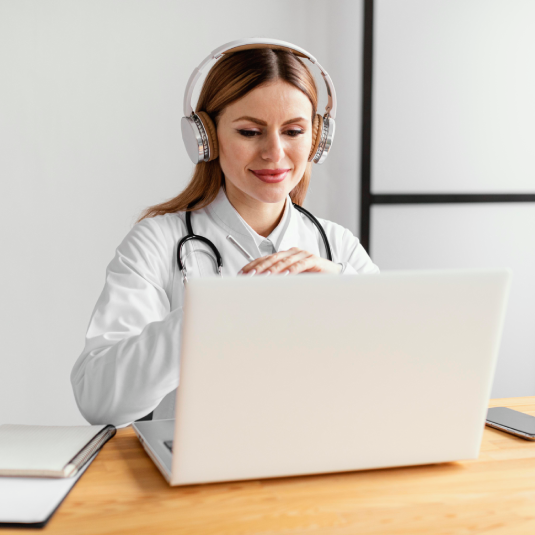
After choosing a reputable clinic for Botox in Turkey, the next step is an online consultation. Many providers offer this remotely (often via WhatsApp, email, or video call), allowing you to discuss your goals, share photos, and receive an initial plan before you travel. This stage helps confirm whether Botox is appropriate for you, which areas may benefit, and what results you can realistically expect.
Your Goals and Treatment Areas
You’ll be asked what you want to improve such as forehead lines, frown lines (11s), crow’s feet, brow lift, or jaw slimming / teeth grinding (masseter). The clinician will explain how Botox works, how long results typically last, and whether another option (e.g., dermal filler or skin treatments) may be more suitable for your concern.
Medical History and Safety Screening
A suitability assessment includes a review of your medical history, current medications and supplements, allergies, and any previous injectable treatments. Be prepared to mention if you are pregnant or breastfeeding, have a neuromuscular condition (e.g., myasthenia gravis), a history of facial nerve problems, active skin infection at the planned injection sites, or if you’ve had recent facial surgery these factors can affect eligibility and safety.
Photos, Facial Movement Check, and Dose Planning
You may be asked to send clear photos (front and side) and short videos showing facial expressions (raising eyebrows, frowning, smiling, squinting). This helps the clinician assess muscle strength, facial symmetry, and wrinkle pattern, and to estimate an appropriate dose range. Final dosing and injection points are always confirmed in person after a full facial assessment.
Setting Expectations, Risks, and Aftercare
Your provider should outline expected onset and peak effect, typical longevity, and key risks such as temporary bruising, headache, asymmetry, or eyelid/brow droop (rare). You’ll also receive pre- and post-treatment guidance such as avoiding alcohol and certain blood-thinning medications/supplements where medically appropriate, not rubbing the area after injections, and planning your schedule around any potential minor swelling or bruising.
- Tip: Ask which brand is used (e.g., onabotulinumtoxinA, abobotulinumtoxinA), who performs the injections, and whether a touch-up policy is available if minor adjustments are needed.
Initial Online Consultation and Suitability Assessment
After choosing a reputable clinic for Botox in Turkey, the next step is an online consultation. Many providers offer this remotely (often via WhatsApp, email, or video call), allowing you to discuss your goals, share photos, and receive an initial plan before you travel. This stage helps confirm whether Botox is appropriate for you, which areas may benefit, and what results you can realistically expect.
Your Goals and Treatment Areas
You’ll be asked what you want to improve such as forehead lines, frown lines (11s), crow’s feet, brow lift, or jaw slimming / teeth grinding (masseter). The clinician will explain how Botox works, how long results typically last, and whether another option (e.g., dermal filler or skin treatments) may be more suitable for your concern.
Medical History and Safety Screening
A suitability assessment includes a review of your medical history, current medications and supplements, allergies, and any previous injectable treatments. Be prepared to mention if you are pregnant or breastfeeding, have a neuromuscular condition (e.g., myasthenia gravis), a history of facial nerve problems, active skin infection at the planned injection sites, or if you’ve had recent facial surgery these factors can affect eligibility and safety.
Photos, Facial Movement Check, and Dose Planning
You may be asked to send clear photos (front and side) and short videos showing facial expressions (raising eyebrows, frowning, smiling, squinting). This helps the clinician assess muscle strength, facial symmetry, and wrinkle pattern, and to estimate an appropriate dose range. Final dosing and injection points are always confirmed in person after a full facial assessment.
Setting Expectations, Risks, and Aftercare
Your provider should outline expected onset and peak effect, typical longevity, and key risks such as temporary bruising, headache, asymmetry, or eyelid/brow droop (rare). You’ll also receive pre- and post-treatment guidance such as avoiding alcohol and certain blood-thinning medications/supplements where medically appropriate, not rubbing the area after injections, and planning your schedule around any potential minor swelling or bruising.
- Tip: Ask which brand is used (e.g., onabotulinumtoxinA, abobotulinumtoxinA), who performs the injections, and whether a touch-up policy is available if minor adjustments are needed.
| Country | Price (EUR €) |
|---|---|
| Türkiye | € 150 – € 350 |
| Poland | € 250 – € 500 |
| Hungary | € 280 – € 550 |
| Germany | € 350 – € 800 |
Use our Calculation Module to Find Out
The Cost of Botox in Turkey
Calculate My Cost
Personalized Treatment Plan, Pricing, and Booking Your Appointment
After your consultation, the clinic will create a personalized Botox treatment plan based on your facial anatomy, goals (e.g., softening lines vs. prevention), and medical history. A good plan should clearly outline:
- Target areas (forehead lines, frown lines, crow’s feet, brow lift, masseter/jaw slimming, neck bands, etc.)
- Estimated units per area and the intended effect (natural vs. stronger smoothing)
- Product type (brand used) and how it will be prepared and administered
- Safety considerations (contraindications, pregnancy/breastfeeding status, neuromuscular conditions, medication review)
- Follow-up plan (typical review at ~10–14 days for assessment and possible adjustment)
Pricing in Turkey is usually based on either units used or a fixed price per treatment area. Your final quote can vary depending on the number of areas treated, total units required, injector expertise, and the clinic’s standards (authentic product sourcing, sterile technique, and aftercare support). Ask for a written breakdown that confirms what’s included consultation, treatment, and any follow-up visit.
When you’re ready to proceed, booking is typically straightforward for international patients. Most clinics will request:
- Photos or a short video of facial movement (raising brows, frowning, smiling) for preliminary planning
- Preferred dates and travel details (if you’re coming from abroad)
- A deposit to secure your appointment (confirm refund/rescheduling terms in writing)
- Pre-visit instructions (what to avoid before treatment, what to bring, and timing around events)
Before confirming, verify key details: the injector’s qualifications, the exact product brand, the clinic’s policy on touch-ups, and the expected timeline for results (often noticeable within a few days, with full effect around 1–2 weeks). Clear planning helps you arrive prepared and reduces the risk of surprises on treatment day.
Personalized Treatment Plan, Pricing, and Booking Your Appointment
After your consultation, the clinic will create a personalized Botox treatment plan based on your facial anatomy, goals (e.g., softening lines vs. prevention), and medical history. A good plan should clearly outline:
- Target areas (forehead lines, frown lines, crow’s feet, brow lift, masseter/jaw slimming, neck bands, etc.)
- Estimated units per area and the intended effect (natural vs. stronger smoothing)
- Product type (brand used) and how it will be prepared and administered
- Safety considerations (contraindications, pregnancy/breastfeeding status, neuromuscular conditions, medication review)
- Follow-up plan (typical review at ~10–14 days for assessment and possible adjustment)
Pricing in Turkey is usually based on either units used or a fixed price per treatment area. Your final quote can vary depending on the number of areas treated, total units required, injector expertise, and the clinic’s standards (authentic product sourcing, sterile technique, and aftercare support). Ask for a written breakdown that confirms what’s included consultation, treatment, and any follow-up visit.
When you’re ready to proceed, booking is typically straightforward for international patients. Most clinics will request:
- Photos or a short video of facial movement (raising brows, frowning, smiling) for preliminary planning
- Preferred dates and travel details (if you’re coming from abroad)
- A deposit to secure your appointment (confirm refund/rescheduling terms in writing)
- Pre-visit instructions (what to avoid before treatment, what to bring, and timing around events)
Before confirming, verify key details: the injector’s qualifications, the exact product brand, the clinic’s policy on touch-ups, and the expected timeline for results (often noticeable within a few days, with full effect around 1–2 weeks). Clear planning helps you arrive prepared and reduces the risk of surprises on treatment day.
| Country | Price (EUR €) |
|---|---|
| Türkiye | € 150 – € 350 |
| Poland | € 250 – € 500 |
| Hungary | € 280 – € 550 |
| Germany | € 350 – € 800 |
Use our Calculation Module to Find Out
The Cost of Botox in Turkey
Calculate My Cost

 Online
Consultation

 Plan Your Trip
 Pre-Treatment
Prep
Travel Planning and Pre-Treatment Preparation Before Your Turkey Trip
Planning ahead helps your Botox appointment in Turkey run smoothly and reduces the risk of bruising, swelling, or last-minute delays. Before you book flights, confirm your clinic date and allow enough time for an in-person assessment and treatment then plan to stay at least 24–48 hours after injections in case you need a quick review or touch-up advice.
- Schedule smart: Avoid booking Botox immediately before major events; optimal results typically develop over 3–14 days.
- Travel logistics: Choose accommodation close to the clinic and plan easy transport on treatment day.
- Bring essentials: Passport/ID, a list of medications and supplements, allergy history, and photos of your usual facial expressions (optional but helpful for planning).
Medical information to share with your clinician: Tell your provider if you are pregnant or breastfeeding, have a neuromuscular condition (e.g., myasthenia gravis), a history of facial nerve issues, prior facial surgery, active skin infection, or previous reactions to botulinum toxin products.
- Medication and supplement check: Ask your clinic what to pause. Common bruising-risk items include aspirin/NSAIDs (e.g., ibuprofen), fish oil, vitamin E, ginkgo, and garlic supplements. Do not stop prescribed blood thinners unless your prescribing clinician approves.
- Alcohol and exercise: Consider avoiding alcohol for 24 hours before treatment and skip intense workouts on the day of injections to help minimize bruising.
- Skin prep: Arrive with a clean face (no heavy makeup). If you use strong actives (retinoids/acids), ask whether to pause them for a few days if your skin is easily irritated.
- Plan your post-treatment window: You may be advised to stay upright for several hours after injections and avoid facial massages, saunas/steam rooms, and high heat for 24–48 hours.
Travel Planning and Pre-Treatment Preparation Before Your Turkey Trip
Planning ahead helps your Botox appointment in Turkey run smoothly and reduces the risk of bruising, swelling, or last-minute delays. Before you book flights, confirm your clinic date and allow enough time for an in-person assessment and treatment then plan to stay at least 24–48 hours after injections in case you need a quick review or touch-up advice.
- Schedule smart: Avoid booking Botox immediately before major events; optimal results typically develop over 3–14 days.
- Travel logistics: Choose accommodation close to the clinic and plan easy transport on treatment day.
- Bring essentials: Passport/ID, a list of medications and supplements, allergy history, and photos of your usual facial expressions (optional but helpful for planning).
OnlineConsultation
Plan Your Trip
Pre-TreatmentPrep
Medical information to share with your clinician: Tell your provider if you are pregnant or breastfeeding, have a neuromuscular condition (e.g., myasthenia gravis), a history of facial nerve issues, prior facial surgery, active skin infection, or previous reactions to botulinum toxin products.
- Medication and supplement check: Ask your clinic what to pause. Common bruising-risk items include aspirin/NSAIDs (e.g., ibuprofen), fish oil, vitamin E, ginkgo, and garlic supplements. Do not stop prescribed blood thinners unless your prescribing clinician approves.
- Alcohol and exercise: Consider avoiding alcohol for 24 hours before treatment and skip intense workouts on the day of injections to help minimize bruising.
- Skin prep: Arrive with a clean face (no heavy makeup). If you use strong actives (retinoids/acids), ask whether to pause them for a few days if your skin is easily irritated.
- Plan your post-treatment window: You may be advised to stay upright for several hours after injections and avoid facial massages, saunas/steam rooms, and high heat for 24–48 hours.
Botox Appointment Day: What to Expect During the Procedure


00:00
Check-in &Consultation
00:10
Cleansing &Numbing
00:20-00:35
BotoxInjections
00:35
Aftercare &Follow-up Plan
You’ll complete a quick check-in, review your goals, and the clinician will assess facial movement to map precise injection points.
The skin is cleansed and, if needed, a topical numbing cream or ice is applied to reduce discomfort and minimize bruising risk.
Using a fine needle, small amounts of Botox are injected into targeted muscles; the process is typically quick with minimal pain.
Aftercare is explained (e.g., avoid rubbing, heavy exercise, and lying flat for a few hours) and you’ll be told when to expect results and when to book a review.
Botox Appointment Day: What to Expect During the Procedure
A Botox appointment in Turkey is usually quick and straightforward. Most sessions take 10–30 minutes (longer if you’re treating multiple areas or combining with a consultation). You can typically return to normal daily activities right after, with a few important aftercare rules.
1) Check-in & medical review
Your clinician will confirm your medical history, medications/supplements, allergies, pregnancy/breastfeeding status, and any prior Botox/filler treatments. They’ll also discuss your goals (e.g., softer lines vs. a stronger “frozen” effect) and explain realistic outcomes.
2) Facial assessment & treatment plan
You may be asked to frown, raise your eyebrows, or smile so the injector can assess muscle strength and symmetry. The provider will recommend the target areas (commonly forehead lines, frown lines, crow’s feet) and estimate the number of units needed.
3) Consent, photos & marking (if needed)
Before-and-after photos may be taken for your medical record. Some clinicians lightly mark injection points to guide precise placement.
4) Cleansing & comfort measures
The skin is cleaned, and makeup is removed in the treatment area. Botox injections are done with a very fine needle; topical numbing is not always necessary, but an ice pack or numbing cream may be used if you’re sensitive.
5) The injections
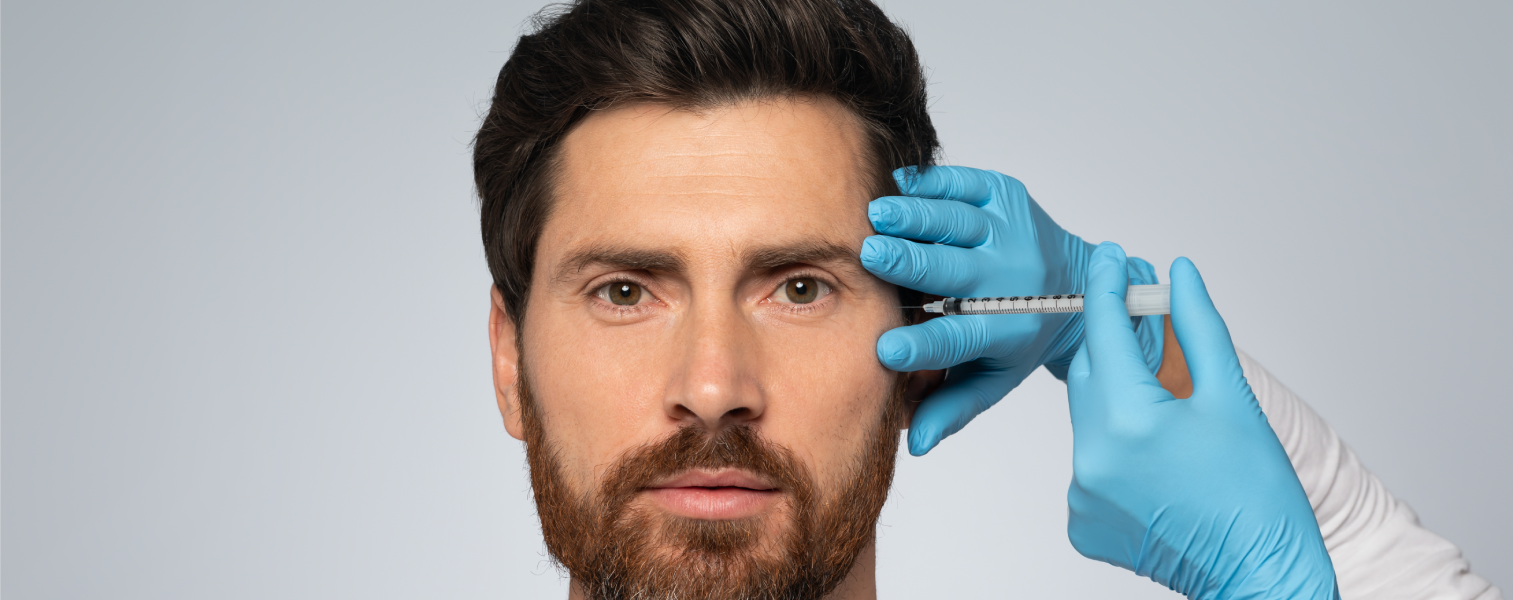
Small amounts of botulinum toxin are injected into specific muscles. You’ll feel brief pinches or stings. The clinician may apply gentle pressure afterward to reduce pinpoint bleeding or bruising.
6) Immediate aftercare instructions
- Stay upright for several hours after treatment.
- Avoid rubbing or massaging the treated areas for 24 hours.
- Skip strenuous exercise, saunas/steam rooms, and very hot showers for 24 hours.
- Minor redness, small bumps, or tenderness can occur and usually settles quickly.
7) When you’ll see results & follow-up
Early changes may appear in 3–5 days, with full results typically in 10–14 days. Many clinics in Turkey offer a short follow-up (often around 2 weeks) to assess symmetry and determine whether a small touch-up is appropriate.
Botox Appointment Day: What to Expect During the Procedure
A Botox appointment in Turkey is usually quick and straightforward. Most sessions take 10–30 minutes (longer if you’re treating multiple areas or combining with a consultation). You can typically return to normal daily activities right after, with a few important aftercare rules.
Botox Appointment Day: What to Expect During the Procedure
00:00
Check-in &Consultation
00:10
Cleansing &Numbing
00:20-00:35
BotoxInjections
00:35
Aftercare &Follow-up Plan
You’ll complete a quick check-in, review your goals, and the clinician will assess facial movement to map precise injection points.
The skin is cleansed and, if needed, a topical numbing cream or ice is applied to reduce discomfort and minimize bruising risk.
Using a fine needle, small amounts of Botox are injected into targeted muscles; the process is typically quick with minimal pain.
Aftercare is explained (e.g., avoid rubbing, heavy exercise, and lying flat for a few hours) and you’ll be told when to expect results and when to book a review.
1) Check-in & medical review
Your clinician will confirm your medical history, medications/supplements, allergies, pregnancy/breastfeeding status, and any prior Botox/filler treatments. They’ll also discuss your goals (e.g., softer lines vs. a stronger “frozen” effect) and explain realistic outcomes.
2) Facial assessment & treatment plan
You may be asked to frown, raise your eyebrows, or smile so the injector can assess muscle strength and symmetry. The provider will recommend the target areas (commonly forehead lines, frown lines, crow’s feet) and estimate the number of units needed.
3) Consent, photos & marking (if needed)
Before-and-after photos may be taken for your medical record. Some clinicians lightly mark injection points to guide precise placement.
4) Cleansing & comfort measures
The skin is cleaned, and makeup is removed in the treatment area. Botox injections are done with a very fine needle; topical numbing is not always necessary, but an ice pack or numbing cream may be used if you’re sensitive.
5) The injections
Small amounts of botulinum toxin are injected into specific muscles. You’ll feel brief pinches or stings. The clinician may apply gentle pressure afterward to reduce pinpoint bleeding or bruising.
6) Immediate aftercare instructions
- Stay upright for several hours after treatment.
- Avoid rubbing or massaging the treated areas for 24 hours.
- Skip strenuous exercise, saunas/steam rooms, and very hot showers for 24 hours.
- Minor redness, small bumps, or tenderness can occur and usually settles quickly.
7) When you’ll see results & follow-up
Early changes may appear in 3–5 days, with full results typically in 10–14 days. Many clinics in Turkey offer a short follow-up (often around 2 weeks) to assess symmetry and determine whether a small touch-up is appropriate.
Immediate Aftercare: The First 24–48 Hours Post-Botox
The first 24–48 hours after Botox are important because the product is settling into the targeted muscles. Most people can return to normal daily activities straight away, but a few simple precautions can help reduce bruising and support an even result.
- Stay upright for 4 hours: Avoid lying down or bending forward for prolonged periods immediately after treatment.
- Don’t rub or massage the area: Skip facials, gua sha, heavy makeup blending, and any pressure on injection sites for at least 24 hours.
- Avoid strenuous exercise for 24 hours: Intense workouts, heavy lifting, and anything that significantly raises your heart rate can increase swelling or bruising.
- Limit heat exposure for 24–48 hours: Avoid saunas, steam rooms, hot yoga, and very hot showers, as heat can worsen redness and swelling.
- Skip alcohol for 24 hours: Alcohol may increase the risk of bruising.
- Be cautious with blood-thinning medicines/supplements: Only change medications if your clinician advises. If you are already prescribed anticoagulants, continue them unless told otherwise.
- Use gentle skincare: Cleanse normally but avoid strong exfoliants or irritating actives on the treated area for 24 hours if your skin feels sensitive.
- Expect mild, temporary effects: Small bumps at injection points, slight redness, a mild headache, or light bruising can occur and usually settle within a day or two.
When to contact your clinic: Seek advice promptly if you develop increasing pain, marked swelling, signs of infection (warmth, pus, fever), vision changes, or significant eyelid/brow drooping. Your provider in Turkey should give you a direct aftercare contact number save it before you leave the clinic.
Immediate Aftercare: The First 24–48 Hours Post-Botox
The first 24–48 hours after Botox are important because the product is settling into the targeted muscles. Most people can return to normal daily activities straight away, but a few simple precautions can help reduce bruising and support an even result.
- Stay upright for 4 hours: Avoid lying down or bending forward for prolonged periods immediately after treatment.
- Don’t rub or massage the area: Skip facials, gua sha, heavy makeup blending, and any pressure on injection sites for at least 24 hours.
- Avoid strenuous exercise for 24 hours: Intense workouts, heavy lifting, and anything that significantly raises your heart rate can increase swelling or bruising.
- Limit heat exposure for 24–48 hours: Avoid saunas, steam rooms, hot yoga, and very hot showers, as heat can worsen redness and swelling.
- Skip alcohol for 24 hours: Alcohol may increase the risk of bruising.
- Be cautious with blood-thinning medicines/supplements: Only change medications if your clinician advises. If you are already prescribed anticoagulants, continue them unless told otherwise.
- Use gentle skincare: Cleanse normally but avoid strong exfoliants or irritating actives on the treated area for 24 hours if your skin feels sensitive.
- Expect mild, temporary effects: Small bumps at injection points, slight redness, a mild headache, or light bruising can occur and usually settle within a day or two.
When to contact your clinic: Seek advice promptly if you develop increasing pain, marked swelling, signs of infection (warmth, pus, fever), vision changes, or significant eyelid/brow drooping. Your provider in Turkey should give you a direct aftercare contact number save it before you leave the clinic.
Follow-Up, Touch-Ups, and Managing Results Over Time
Botox results are not permanent, so planning for follow-up and maintenance is part of getting a natural, consistent outcome especially if you’re travelling to Turkey for treatment.
When you’ll see results (and when to review)
- Initial effect often begins within 3–5 days, with full results typically visible around 10–14 days
- A follow-up check (in person or via video/photos) is commonly recommended at about 2 weeks to assess symmetry and strength
- If a touch-up is needed, it’s usually considered after the 2-week mark earlier adjustments can lead to over-treatment
Touch-ups: what they are and why they happen
- Small top-ups may be used to refine uneven movement (mild asymmetry can occur as muscles relax at different rates)
- Touch-ups are more common for first-time patients, as the ideal dose and placement are being tailored to your facial anatomy
- Bring up any concerns such as a “heavy” brow, uneven smile, or persistent strong lines your injector can advise whether adjustment is appropriate
How long Botox lasts
- Most people notice results lasting around 3–4 months (sometimes shorter at first, sometimes longer with repeat treatments)
- Areas with stronger muscles (e.g., masseter/jawline) may require different dosing and may wear off at a different pace
- Regular treatments are typically spaced at least 3 months apart to reduce the risk of reduced responsiveness over time
Long-term maintenance tips
- Keep a record of your treatment details (areas treated, units used, product brand, and dates) to guide future sessions
- Protect your skin with daily sunscreen and a consistent skincare routine this supports overall wrinkle management alongside Botox
- Book maintenance appointments before the effect fully disappears if you want a smoother, more continuous result
When to contact your clinic
- Reach out if you develop increasing redness, warmth, swelling, significant pain, fever, or any signs of infection
- Contact your provider promptly if you notice eyelid droop, significant asymmetry, or visual symptoms these are uncommon but should be assessed
- If you’re back home, ask your clinic about remote follow-up options and what documentation/photos they need to advise you safely
A good clinic will set expectations clearly, offer an appropriate review window, and help you plan a maintenance schedule that fits your travel plans and desired look.
Follow-Up, Touch-Ups, and Managing Results Over Time
Botox results are not permanent, so planning for follow-up and maintenance is part of getting a natural, consistent outcome especially if you’re travelling to Turkey for treatment.
When you’ll see results (and when to review)
- Initial effect often begins within 3–5 days, with full results typically visible around 10–14 days
- A follow-up check (in person or via video/photos) is commonly recommended at about 2 weeks to assess symmetry and strength
- If a touch-up is needed, it’s usually considered after the 2-week mark earlier adjustments can lead to over-treatment
Touch-ups: what they are and why they happen
- Small top-ups may be used to refine uneven movement (mild asymmetry can occur as muscles relax at different rates)
- Touch-ups are more common for first-time patients, as the ideal dose and placement are being tailored to your facial anatomy
- Bring up any concerns such as a “heavy” brow, uneven smile, or persistent strong lines your injector can advise whether adjustment is appropriate
How long Botox lasts
- Most people notice results lasting around 3–4 months (sometimes shorter at first, sometimes longer with repeat treatments)
- Areas with stronger muscles (e.g., masseter/jawline) may require different dosing and may wear off at a different pace
- Regular treatments are typically spaced at least 3 months apart to reduce the risk of reduced responsiveness over time
Long-term maintenance tips
- Keep a record of your treatment details (areas treated, units used, product brand, and dates) to guide future sessions
- Protect your skin with daily sunscreen and a consistent skincare routine this supports overall wrinkle management alongside Botox
- Book maintenance appointments before the effect fully disappears if you want a smoother, more continuous result
When to contact your clinic
- Reach out if you develop increasing redness, warmth, swelling, significant pain, fever, or any signs of infection
- Contact your provider promptly if you notice eyelid droop, significant asymmetry, or visual symptoms these are uncommon but should be assessed
- If you’re back home, ask your clinic about remote follow-up options and what documentation/photos they need to advise you safely
A good clinic will set expectations clearly, offer an appropriate review window, and help you plan a maintenance schedule that fits your travel plans and desired look.
Your Heal Road consultant can arrange remote follow-up after you return home and help you plan your next Botox session at the right time.
Returning Home: Maintaining Results and Planning Future Treatments
Most people can travel home shortly after Botox in Turkey, as there is typically little to no downtime. Your results will continue to settle over the next 7–14 days. Many clinics offer remote follow-up to check your progress, answer questions, and help you plan maintenance treatments.
First 24 Hours: Protect Your Results
- Stay upright for 4 hours after treatment (avoid lying flat).
- Don’t rub or massage the treated areas to reduce the risk of product migration.
- Avoid strenuous exercise, saunas/steam rooms, and very hot showers for 24 hours.
- Avoid alcohol for 24 hours if possible, as it may worsen bruising.
Days 2–14: When You’ll See the Full Effect
- Early changes may appear within 3–5 days, with full results usually at 10–14 days.
- Minor redness, tenderness, or small bruises can occur and usually resolve quickly.
- If you have an important event, plan Botox at least 2 weeks in advance.
Long-Term Maintenance: How to Make Botox Last
- Most patients repeat treatment every 3–4 months; some may last closer to 4–6 months depending on dose, area, and metabolism.
- Use daily SPF and a consistent skincare routine to support smoother-looking skin.
- Avoid frequent high-heat exposure (e.g., regular saunas) and very intense workouts immediately after treatment days, as these may shorten longevity for some people.
Planning Your Next Session
- A small touch-up may be considered around 2 weeks if needed (only if your clinician advises it).
- Try not to treat too frequently over-treating can lead to a less natural look and may increase the risk of reduced response over time.
- Keep a record of your treated areas and units used so future sessions are consistent, whether in Turkey or at home.
When to Seek Medical Advice
Contact your provider promptly if you experience significant asymmetry, drooping eyelid/brow, vision changes, difficulty swallowing, worsening headache, or any signs of infection. If symptoms are severe or rapidly progressing, seek urgent medical care.
Returning Home: Maintaining Results and Planning Future Treatments
Most people can travel home shortly after Botox in Turkey, as there is typically little to no downtime. Your results will continue to settle over the next 7–14 days. Many clinics offer remote follow-up to check your progress, answer questions, and help you plan maintenance treatments.
First 24 Hours: Protect Your Results
- Stay upright for 4 hours after treatment (avoid lying flat).
- Don’t rub or massage the treated areas to reduce the risk of product migration.
- Avoid strenuous exercise, saunas/steam rooms, and very hot showers for 24 hours.
- Avoid alcohol for 24 hours if possible, as it may worsen bruising.
Days 2–14: When You’ll See the Full Effect
- Early changes may appear within 3–5 days, with full results usually at 10–14 days.
- Minor redness, tenderness, or small bruises can occur and usually resolve quickly.
- If you have an important event, plan Botox at least 2 weeks in advance.
Long-Term Maintenance: How to Make Botox Last
- Most patients repeat treatment every 3–4 months; some may last closer to 4–6 months depending on dose, area, and metabolism.
- Use daily SPF and a consistent skincare routine to support smoother-looking skin.
- Avoid frequent high-heat exposure (e.g., regular saunas) and very intense workouts immediately after treatment days, as these may shorten longevity for some people.
Planning Your Next Session
- A small touch-up may be considered around 2 weeks if needed (only if your clinician advises it).
- Try not to treat too frequently over-treating can lead to a less natural look and may increase the risk of reduced response over time.
- Keep a record of your treated areas and units used so future sessions are consistent, whether in Turkey or at home.
When to Seek Medical Advice
Contact your provider promptly if you experience significant asymmetry, drooping eyelid/brow, vision changes, difficulty swallowing, worsening headache, or any signs of infection. If symptoms are severe or rapidly progressing, seek urgent medical care.
Your Heal Road consultant can arrange remote follow-up after you return home and help you plan your next Botox session at the right time.
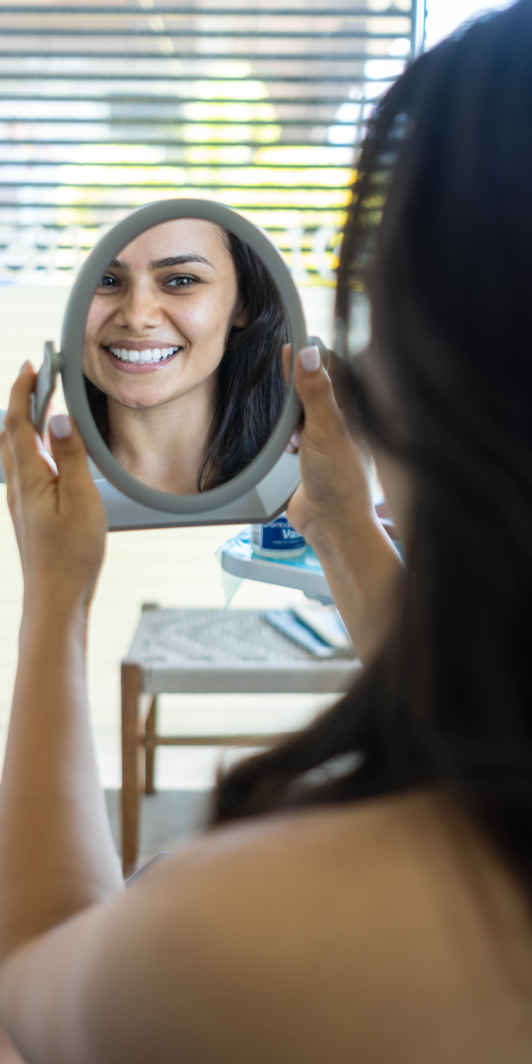
Essential Tips for a Safe, Natural-Looking Botox Experience in Turkey
- Choose a licensed medical provider (not just a beauty salon): Ensure your injections are performed by a qualified physician (e.g., dermatologist or plastic surgeon) or a properly supervised medical professional in a regulated clinic. Ask who will inject you and what their credentials are.
- Verify the product and its authenticity: Request the brand name, batch/lot number, and expiry date. Reputable clinics will document this in your file and open a sealed vial in front of you when appropriate.
- Book a proper consultation first: A safe plan starts with a facial assessment, medical history review, and discussion of your goals (softening lines vs. lifting/balancing). Avoid clinics that skip consultation or push a one-size-fits-all dose.
- Share your full medical history and medications: Tell your clinician about neuromuscular conditions, prior facial procedures, allergies, pregnancy/breastfeeding status, and any blood thinners, supplements, or antibiotics. This helps reduce bruising and complication risk.
- Time your appointment around travel and events: Plan treatment at least a few days before major events and ideally early in your trip so you can attend a follow-up if needed. Results typically start in 3–5 days and peak around 10–14 days.
- Prioritize a “natural” dosing strategy: Ask for conservative dosing and a tailored injection map based on your muscle strength and facial symmetry. It’s usually easier to add a small top-up than to correct an overdone result.
- Understand common side effects vs. red flags: Mild redness, small bumps, headache, or bruising can occur and usually settle quickly. Seek urgent medical advice for drooping eyelid with vision changes, difficulty swallowing/speaking, widespread weakness, or signs of infection.
- Follow aftercare instructions closely: For the first 4–6 hours, avoid rubbing the area, heavy exercise, saunas/steam rooms, and lying flat if advised. Skip facial massage and aggressive skincare treatments for several days unless your clinician says otherwise.
- Schedule a follow-up or top-up window: A check-in at 10–14 days helps fine-tune symmetry and ensure you’re happy with the outcome. Confirm whether a small adjustment is included in your package.
- Keep your long-term plan realistic: Botox is temporary (often 3–4 months). Over-treating too frequently can look unnatural; a consistent, moderate schedule with a trusted clinician usually produces the best, most natural results.
Essential Tips for a Safe, Natural-Looking Botox Experience in Turkey
- Choose a licensed medical provider (not just a beauty salon): Ensure your injections are performed by a qualified physician (e.g., dermatologist or plastic surgeon) or a properly supervised medical professional in a regulated clinic. Ask who will inject you and what their credentials are.
- Verify the product and its authenticity: Request the brand name, batch/lot number, and expiry date. Reputable clinics will document this in your file and open a sealed vial in front of you when appropriate.
- Book a proper consultation first: A safe plan starts with a facial assessment, medical history review, and discussion of your goals (softening lines vs. lifting/balancing). Avoid clinics that skip consultation or push a one-size-fits-all dose.
- Share your full medical history and medications: Tell your clinician about neuromuscular conditions, prior facial procedures, allergies, pregnancy/breastfeeding status, and any blood thinners, supplements, or antibiotics. This helps reduce bruising and complication risk.
- Time your appointment around travel and events: Plan treatment at least a few days before major events and ideally early in your trip so you can attend a follow-up if needed. Results typically start in 3–5 days and peak around 10–14 days.
- Prioritize a “natural” dosing strategy: Ask for conservative dosing and a tailored injection map based on your muscle strength and facial symmetry. It’s usually easier to add a small top-up than to correct an overdone result.
- Understand common side effects vs. red flags: Mild redness, small bumps, headache, or bruising can occur and usually settle quickly. Seek urgent medical advice for drooping eyelid with vision changes, difficulty swallowing/speaking, widespread weakness, or signs of infection.
- Follow aftercare instructions closely: For the first 4–6 hours, avoid rubbing the area, heavy exercise, saunas/steam rooms, and lying flat if advised. Skip facial massage and aggressive skincare treatments for several days unless your clinician says otherwise.
- Schedule a follow-up or top-up window: A check-in at 10–14 days helps fine-tune symmetry and ensure you’re happy with the outcome. Confirm whether a small adjustment is included in your package.
- Keep your long-term plan realistic: Botox is temporary (often 3–4 months). Over-treating too frequently can look unnatural; a consistent, moderate schedule with a trusted clinician usually produces the best, most natural results.
Conclusion


Article Contributors

Heal Road Editor
Editor

Heal Road Writer
Writer
- Views
- 220 views
- Reading Time
- Last Updated