 192 views
A Step-by-Step Guide to Breast Augmentation in Turkey
Nereden Başlayacağını
Bilmiyor musun?
Doğru uzmanı en uygun fiyat garantisiyle bulun

Your Heal Road consultant can help you compare clinics and confirm what’s included before you book.
Comprehensive Research and Choosing the Right Clinic
Before planning your breast augmentation in Turkey, invest time in careful research and choose a reputable, specialist-led clinic. Turkey is a popular destination for aesthetic surgery, with experienced plastic surgeons and modern hospitals in cities such as Istanbul, Ankara, Izmir, and Antalya. The clinic you select will directly affect your safety, implant choice, scar quality, and how natural your final result looks. Use the checklist below to compare providers confidently.
Board-Certified Plastic Surgeon and Relevant Experience:
Confirm your surgeon is a certified plastic surgeon and routinely performs breast augmentation (including your preferred approach such as submuscular/dual-plane placement). Ask how many augmentations they perform monthly, their revision rate, and how they handle complications.
Accredited Hospital/Clinic Standards:
Choose facilities that meet recognized quality and safety standards (e.g., JCI, ISO, or national healthcare accreditation). Ensure the operating theatre, anesthesia team, and emergency protocols are in place for safe surgery.
Implant Brands, Authenticity, and Warranty:
Ask which implant brands are offered (e.g., Mentor, Motiva, Allergan/Natrelle) and request proof of authenticity, serial numbers, and warranty documentation. Discuss implant type (silicone/saline), shape (round/anatomical), profile, and surface options based on your anatomy and goals.
Before-and-After Photos and “Similar Body Type” Results:
Review real before-and-after photos of patients with a similar chest width, breast tissue, and desired size. This helps set realistic expectations for cleavage, upper-pole fullness, and scar placement.
Transparent Pricing and What’s Included:
Request a written quote that clearly lists what is included: surgeon and anesthesia fees, hospital stay, implants, compression bra, medications, tests, follow-ups, and any revision policy. Many clinics provide all-inclusive packages with accommodation, airport transfers, and interpreter support ensure there are no hidden costs.
Consultation Quality and Safety Screening:
A trustworthy clinic will ask about your medical history, smoking status, medications, and prior breast surgery, and will discuss risks such as capsular contracture, implant malposition, infection, and the possible need for future revision. You should receive a clear surgical plan, recovery timeline, and aftercare instructions before you commit.
Comprehensive Research and Choosing the Right Clinic
Before planning your breast augmentation in Turkey, invest time in careful research and choose a reputable, specialist-led clinic. Turkey is a popular destination for aesthetic surgery, with experienced plastic surgeons and modern hospitals in cities such as Istanbul, Ankara, Izmir, and Antalya. The clinic you select will directly affect your safety, implant choice, scar quality, and how natural your final result looks. Use the checklist below to compare providers confidently.
Your Heal Road consultant can help you compare clinics and confirm what’s included before you book.
Board-Certified Plastic Surgeon and Relevant Experience:
Confirm your surgeon is a certified plastic surgeon and routinely performs breast augmentation (including your preferred approach such as submuscular/dual-plane placement). Ask how many augmentations they perform monthly, their revision rate, and how they handle complications.
Accredited Hospital/Clinic Standards:
Choose facilities that meet recognized quality and safety standards (e.g., JCI, ISO, or national healthcare accreditation). Ensure the operating theatre, anesthesia team, and emergency protocols are in place for safe surgery.
Implant Brands, Authenticity, and Warranty:
Ask which implant brands are offered (e.g., Mentor, Motiva, Allergan/Natrelle) and request proof of authenticity, serial numbers, and warranty documentation. Discuss implant type (silicone/saline), shape (round/anatomical), profile, and surface options based on your anatomy and goals.
Before-and-After Photos and “Similar Body Type” Results:
Review real before-and-after photos of patients with a similar chest width, breast tissue, and desired size. This helps set realistic expectations for cleavage, upper-pole fullness, and scar placement.
Transparent Pricing and What’s Included:
Request a written quote that clearly lists what is included: surgeon and anesthesia fees, hospital stay, implants, compression bra, medications, tests, follow-ups, and any revision policy. Many clinics provide all-inclusive packages with accommodation, airport transfers, and interpreter support ensure there are no hidden costs.
Consultation Quality and Safety Screening:
A trustworthy clinic will ask about your medical history, smoking status, medications, and prior breast surgery, and will discuss risks such as capsular contracture, implant malposition, infection, and the possible need for future revision. You should receive a clear surgical plan, recovery timeline, and aftercare instructions before you commit.

Initial Virtual Consultation and Candidacy Assessment
After choosing a shortlist of reputable plastic surgery clinics in Turkey, the next step is to book an initial virtual consultation. Many clinics offer this online assessment at no cost, allowing you to speak directly with your surgeon or patient coordinator, share your goals, and confirm whether you are a suitable candidate for breast augmentation. This consultation also helps the clinic provide a realistic plan, timeline, and preliminary quote before you travel.
Medical History and Safety Screening
You will be asked about your general health, past surgeries, current medications (including blood thinners and supplements), allergies, smoking/vaping, pregnancy or breastfeeding history, and any personal or family history of breast disease. This information helps the surgeon assess anesthesia safety and identify factors that may affect healing and scarring.
Breast Assessment (Photos/Measurements)
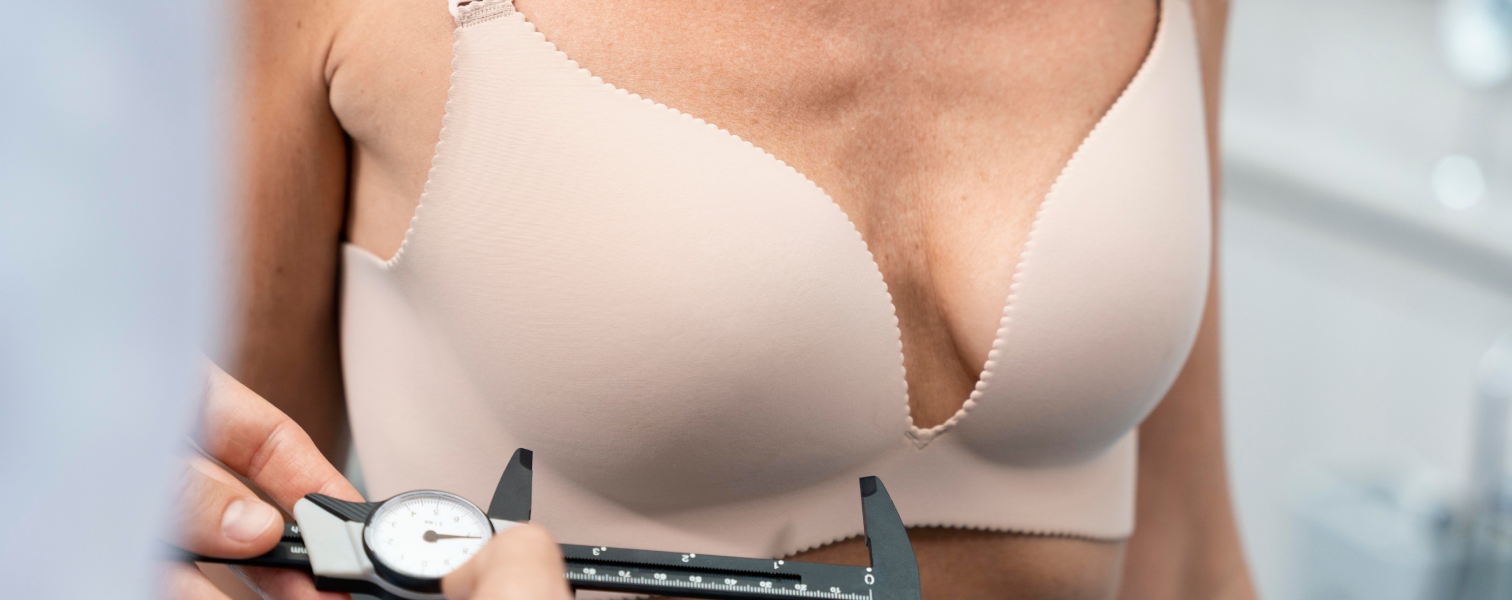
To evaluate your anatomy and plan the most natural result, the clinic may request clear photos (front and side views) and basic measurements. The surgeon will consider skin quality, existing breast volume, chest width, nipple position, and any asymmetry. This is also where they determine whether you may benefit from a breast lift in addition to implants.
Implant Options and Surgical Plan
You will discuss implant size range, profile, and shape (round vs anatomical), as well as the most suitable placement (over or under the muscle) and incision location (inframammary, periareolar, or axillary). The surgeon should explain what is achievable for your body type and how different choices affect cleavage, upper-pole fullness, and long-term support.
Expectations, Risks, and Recovery
A good consultation includes a clear overview of expected outcomes, potential risks (such as infection, capsular contracture, implant malposition, rippling, and changes in nipple sensation), and the typical recovery timeline. You should also receive guidance on time off work, when you can resume exercise, and what aftercare and follow-up will look like once you return home.
Pre-Travel Checklist
- Confirm required tests (e.g., blood work, ECG if indicated) and whether imaging is needed.
- Ask what to stop before surgery (smoking, certain medications/supplements) and for how long.
- Request a written plan outlining implant details, estimated costs, inclusions, and revision policy.
Initial Virtual Consultation and Candidacy Assessment
After choosing a shortlist of reputable plastic surgery clinics in Turkey, the next step is to book an initial virtual consultation. Many clinics offer this online assessment at no cost, allowing you to speak directly with your surgeon or patient coordinator, share your goals, and confirm whether you are a suitable candidate for breast augmentation. This consultation also helps the clinic provide a realistic plan, timeline, and preliminary quote before you travel.
Medical History and Safety Screening
You will be asked about your general health, past surgeries, current medications (including blood thinners and supplements), allergies, smoking/vaping, pregnancy or breastfeeding history, and any personal or family history of breast disease. This information helps the surgeon assess anesthesia safety and identify factors that may affect healing and scarring.
Breast Assessment (Photos/Measurements)
To evaluate your anatomy and plan the most natural result, the clinic may request clear photos (front and side views) and basic measurements. The surgeon will consider skin quality, existing breast volume, chest width, nipple position, and any asymmetry. This is also where they determine whether you may benefit from a breast lift in addition to implants.
Implant Options and Surgical Plan
You will discuss implant size range, profile, and shape (round vs anatomical), as well as the most suitable placement (over or under the muscle) and incision location (inframammary, periareolar, or axillary). The surgeon should explain what is achievable for your body type and how different choices affect cleavage, upper-pole fullness, and long-term support.
Expectations, Risks, and Recovery
A good consultation includes a clear overview of expected outcomes, potential risks (such as infection, capsular contracture, implant malposition, rippling, and changes in nipple sensation), and the typical recovery timeline. You should also receive guidance on time off work, when you can resume exercise, and what aftercare and follow-up will look like once you return home.
Pre-Travel Checklist
- Confirm required tests (e.g., blood work, ECG if indicated) and whether imaging is needed.
- Ask what to stop before surgery (smoking, certain medications/supplements) and for how long.
- Request a written plan outlining implant details, estimated costs, inclusions, and revision policy.
| Implant Option | Typical Range (EUR €) |
|---|---|
| Round silicone implants | € 3,200–€ 4,500 |
| Anatomical (teardrop) silicone implants | € 3,800–€ 5,200 |
| Motiva / premium implant lines | € 4,200–€ 5,800 |
| Revision / implant exchange (case-dependent) | € 4,500–€ 7,500 |
Use our Calculation Module to Find Out
The Cost of Breast Augmentation in Turkey
Calculate My Cost
Implant Options, Surgical Planning, and Scheduling Your Procedure
Once you’ve completed your consultation and confirmed you’re a suitable candidate, the next step is to choose the right implant, finalize your surgical plan, and schedule your breast augmentation in Turkey. Reputable clinics will guide you through each decision based on your anatomy, lifestyle, and aesthetic goals.
Your surgeon will typically discuss the following implant options:
- Filling: Silicone gel (most common for a natural feel) or saline (less common in many markets).
- Shape: Round (adds upper-pole fullness) or anatomical/teardrop (more sloped profile in selected cases).
- Surface: Smooth or textured (availability and surgeon preference vary; ask what is used and why).
- Size and profile: Implant volume (cc) and projection (low/medium/high) to match your chest width and desired fullness.
- Brand and warranty: Request the implant brand, serial numbers, and warranty details for your records.
Next, your surgeon will confirm the surgical approach and key planning details:
- Placement: Over the muscle (subglandular) or under/partly under the muscle (submuscular/dual-plane), depending on your tissue thickness and goals.
- Incision location: Inframammary fold (under-breast crease) is common; alternatives include periareolar (around the areola) or transaxillary (armpit) in selected cases.
- Symmetry planning: If one breast is naturally larger, your plan may include different implant sizes or additional shaping steps.
- Combined procedures: If you have significant sagging, your surgeon may recommend a breast lift (mastopexy) with augmentation for a safer, more stable result.
When it comes to scheduling your procedure, most Turkish clinics offer streamlined coordination for international patients. Before you book flights, confirm the full timeline in writing, including:
- Pre-op testing (bloodwork, imaging if needed) and the date/time of your in-person pre-op assessment.
- Surgery date and expected hospital stay (often same-day discharge or one night, depending on the plan).
- Post-op checks (first dressing change, drain removal if used, and follow-up appointment before you fly home).
- Length of stay in Turkey recommended by your surgeon (commonly around 5–10 days, depending on recovery and travel plans).
- What’s included in your package (transfers, hotel, compression bra, medications, interpreter support, and aftercare access).
Finally, ask for clear instructions on medications to avoid (such as blood-thinning supplements), smoking/vaping restrictions, and when you can safely return to work, exercise, and long-haul travel. Proper planning helps reduce complications and supports the best possible outcome.
Implant Options, Surgical Planning, and Scheduling Your Procedure
Once you’ve completed your consultation and confirmed you’re a suitable candidate, the next step is to choose the right implant, finalize your surgical plan, and schedule your breast augmentation in Turkey. Reputable clinics will guide you through each decision based on your anatomy, lifestyle, and aesthetic goals.
Your surgeon will typically discuss the following implant options:
- Filling: Silicone gel (most common for a natural feel) or saline (less common in many markets).
- Shape: Round (adds upper-pole fullness) or anatomical/teardrop (more sloped profile in selected cases).
- Surface: Smooth or textured (availability and surgeon preference vary; ask what is used and why).
- Size and profile: Implant volume (cc) and projection (low/medium/high) to match your chest width and desired fullness.
- Brand and warranty: Request the implant brand, serial numbers, and warranty details for your records.
Next, your surgeon will confirm the surgical approach and key planning details:
- Placement: Over the muscle (subglandular) or under/partly under the muscle (submuscular/dual-plane), depending on your tissue thickness and goals.
- Incision location: Inframammary fold (under-breast crease) is common; alternatives include periareolar (around the areola) or transaxillary (armpit) in selected cases.
- Symmetry planning: If one breast is naturally larger, your plan may include different implant sizes or additional shaping steps.
- Combined procedures: If you have significant sagging, your surgeon may recommend a breast lift (mastopexy) with augmentation for a safer, more stable result.
When it comes to scheduling your procedure, most Turkish clinics offer streamlined coordination for international patients. Before you book flights, confirm the full timeline in writing, including:
- Pre-op testing (bloodwork, imaging if needed) and the date/time of your in-person pre-op assessment.
- Surgery date and expected hospital stay (often same-day discharge or one night, depending on the plan).
- Post-op checks (first dressing change, drain removal if used, and follow-up appointment before you fly home).
- Length of stay in Turkey recommended by your surgeon (commonly around 5–10 days, depending on recovery and travel plans).
- What’s included in your package (transfers, hotel, compression bra, medications, interpreter support, and aftercare access).
Finally, ask for clear instructions on medications to avoid (such as blood-thinning supplements), smoking/vaping restrictions, and when you can safely return to work, exercise, and long-haul travel. Proper planning helps reduce complications and supports the best possible outcome.
| Implant Option | Typical Range (EUR €) |
|---|---|
| Round silicone implants | € 3,200–€ 4,500 |
| Anatomical (teardrop) silicone implants | € 3,800–€ 5,200 |
| Motiva / premium implant lines | € 4,200–€ 5,800 |
| Revision / implant exchange (case-dependent) | € 4,500–€ 7,500 |
Use our Calculation Module to Find Out
The Cost of Breast Augmentation in Turkey
Calculate My Cost

 Plan
PlanYour Trip

 Confirm
Details
 Pre-Op
Prep
Traveling to Turkey and Pre-Op Preparations
Once your breast augmentation plan is confirmed, your clinic team will help coordinate your travel timeline so you arrive in Turkey with enough time for a final in-person assessment before surgery. Many clinics arrange airport pickup and transport to your hotel, making the process straightforward and reducing stress ahead of your procedure.
After check-in, you’ll attend a pre-operative consultation to review your goals, confirm implant details, and go over the surgical plan and aftercare. This is also the best time to ask last-minute questions and ensure you feel fully informed before moving forward.
In-Person Surgical Consultation and Sizing
Your surgeon will re-check your measurements, skin quality, and breast anatomy, then confirm the agreed implant size, shape (round or anatomical), profile, and placement (over or under the muscle). The incision approach (inframammary, periareolar, or transaxillary) will be discussed based on your anatomy and desired outcome.
Medical Review, Tests, and Anesthesia Assessment
You’ll complete a medical history review and may have routine pre-op testing (commonly blood tests and, when indicated, additional checks). An anesthesia evaluation helps confirm you are fit for general anesthesia and clarifies any relevant allergies, prior reactions, or medication considerations.
Medication, Smoking, and Supplement Guidance
You’ll receive clear instructions on which medications and supplements to avoid before surgery especially those that can increase bleeding risk. If you smoke or vape, you may be advised to stop for a period before and after surgery to support safer healing and reduce complication risk.
What to Pack and Practical Planning
- Front-opening tops and a comfortable outfit for discharge
- Your passport, travel documents, and a list of current medications
- Any required support bra (or confirm if the clinic provides one)
- Plan for rest days in Turkey and avoid scheduling long excursions immediately after surgery
Fasting and Day-Before Instructions
You’ll be given fasting instructions (when to stop food and drink), showering guidance, and what to do on the morning of surgery. Following these steps closely helps reduce anesthesia-related risks and supports a smooth surgical day.
Traveling to Turkey and Pre-Op Preparations
Once your breast augmentation plan is confirmed, your clinic team will help coordinate your travel timeline so you arrive in Turkey with enough time for a final in-person assessment before surgery. Many clinics arrange airport pickup and transport to your hotel, making the process straightforward and reducing stress ahead of your procedure.
After check-in, you’ll attend a pre-operative consultation to review your goals, confirm implant details, and go over the surgical plan and aftercare. This is also the best time to ask last-minute questions and ensure you feel fully informed before moving forward.
PlanYour Trip
ConfirmDetails
Pre-OpPrep
In-Person Surgical Consultation and Sizing
Your surgeon will re-check your measurements, skin quality, and breast anatomy, then confirm the agreed implant size, shape (round or anatomical), profile, and placement (over or under the muscle). The incision approach (inframammary, periareolar, or transaxillary) will be discussed based on your anatomy and desired outcome.
Medical Review, Tests, and Anesthesia Assessment
You’ll complete a medical history review and may have routine pre-op testing (commonly blood tests and, when indicated, additional checks). An anesthesia evaluation helps confirm you are fit for general anesthesia and clarifies any relevant allergies, prior reactions, or medication considerations.
Medication, Smoking, and Supplement Guidance
You’ll receive clear instructions on which medications and supplements to avoid before surgery especially those that can increase bleeding risk. If you smoke or vape, you may be advised to stop for a period before and after surgery to support safer healing and reduce complication risk.
What to Pack and Practical Planning
- Front-opening tops and a comfortable outfit for discharge
- Your passport, travel documents, and a list of current medications
- Any required support bra (or confirm if the clinic provides one)
- Plan for rest days in Turkey and avoid scheduling long excursions immediately after surgery
Fasting and Day-Before Instructions
You’ll be given fasting instructions (when to stop food and drink), showering guidance, and what to do on the morning of surgery. Following these steps closely helps reduce anesthesia-related risks and supports a smooth surgical day.
Breast Augmentation Surgery Day: What Happens


07:30
Admission &Final Markings
08:30
Anesthesia &Safety Checks
09:00-11:30
ImplantPlacement
13:00
Recovery &Discharge Briefing
You’ll check in, review consent, confirm implant size/shape, and your surgeon will do final markings and photos.
The anesthesiologist runs pre-op checks, starts IV access, and you’re placed under general anesthesia for comfort and safety.
Incisions are made (typically inframammary, periareolar, or transaxillary), a pocket is created, implants are positioned, and incisions are closed and dressed.
You wake in recovery, pain control and monitoring continue, a support bra is fitted, and you’ll receive medication and aftercare instructions before discharge.
Breast Augmentation Surgery Day: What Happens
Breast augmentation is usually performed as a day-case procedure under general anesthesia. Most surgeries take around 1–2 hours, followed by a few hours in recovery before you return to your hotel with clear aftercare instructions.
1) Admission, final checks, and markings
After check-in, the team confirms your medical history, allergies, and fasting status. Your surgeon re-checks implant size and plan, answers last-minute questions, and makes surgical markings on your chest while you’re standing.
2) Anesthesia and preparation
In the operating room, you’ll be connected to monitoring equipment (heart rate, blood pressure, oxygen). General anesthesia is administered, and the skin is cleaned and draped in sterile fashion.
3) Incision and implant placement
Your surgeon creates the planned incision (commonly inframammary under the breast, sometimes periareolar or transaxillary depending on your case). A pocket is then prepared either under the pectoral muscle (submuscular/dual-plane) or over the muscle (subglandular). The implant is inserted, positioned, and symmetry is carefully checked.
4) Closure, dressings, and support bra
Incisions are closed with layered sutures. You’ll leave the operating room with dressings and typically a surgical support bra. Drains are not always necessary, but may be used in selected cases.
5) Recovery room monitoring
You’ll wake in the recovery area where nurses monitor comfort, nausea, and vital signs. You may feel tightness, pressure, and soreness this is expected in the first days. Pain relief and antibiotics are provided as prescribed.
6) Discharge and same-day guidance
- Mobilization: You’ll be encouraged to walk gently the same day to support circulation.
- Eating and drinking: Start with fluids, then light food as tolerated.
- Sleeping: Usually on your back with your upper body slightly elevated.
- Transport: You should not drive; arrange transfer back to your accommodation.
Your clinic will schedule your first post-op check and provide a contact number for any concerns such as increasing pain, fever, significant swelling on one side, shortness of breath, or excessive bleeding.
Breast Augmentation Surgery Day: What Happens
Breast augmentation is usually performed as a day-case procedure under general anesthesia. Most surgeries take around 1–2 hours, followed by a few hours in recovery before you return to your hotel with clear aftercare instructions.
Breast Augmentation Surgery Day: What Happens
07:30
Admission &Final Markings
08:30
Anesthesia &Safety Checks
09:00-11:30
ImplantPlacement
13:00
Recovery &Discharge Briefing
You’ll check in, review consent, confirm implant size/shape, and your surgeon will do final markings and photos.
The anesthesiologist runs pre-op checks, starts IV access, and you’re placed under general anesthesia for comfort and safety.
Incisions are made (typically inframammary, periareolar, or transaxillary), a pocket is created, implants are positioned, and incisions are closed and dressed.
You wake in recovery, pain control and monitoring continue, a support bra is fitted, and you’ll receive medication and aftercare instructions before discharge.
1) Admission, final checks, and markings
After check-in, the team confirms your medical history, allergies, and fasting status. Your surgeon re-checks implant size and plan, answers last-minute questions, and makes surgical markings on your chest while you’re standing.
2) Anesthesia and preparation
In the operating room, you’ll be connected to monitoring equipment (heart rate, blood pressure, oxygen). General anesthesia is administered, and the skin is cleaned and draped in sterile fashion.
3) Incision and implant placement
Your surgeon creates the planned incision (commonly inframammary under the breast, sometimes periareolar or transaxillary depending on your case). A pocket is then prepared either under the pectoral muscle (submuscular/dual-plane) or over the muscle (subglandular). The implant is inserted, positioned, and symmetry is carefully checked.
4) Closure, dressings, and support bra
Incisions are closed with layered sutures. You’ll leave the operating room with dressings and typically a surgical support bra. Drains are not always necessary, but may be used in selected cases.
5) Recovery room monitoring
You’ll wake in the recovery area where nurses monitor comfort, nausea, and vital signs. You may feel tightness, pressure, and soreness this is expected in the first days. Pain relief and antibiotics are provided as prescribed.
6) Discharge and same-day guidance
- Mobilization: You’ll be encouraged to walk gently the same day to support circulation.
- Eating and drinking: Start with fluids, then light food as tolerated.
- Sleeping: Usually on your back with your upper body slightly elevated.
- Transport: You should not drive; arrange transfer back to your accommodation.
Your clinic will schedule your first post-op check and provide a contact number for any concerns such as increasing pain, fever, significant swelling on one side, shortness of breath, or excessive bleeding.
Immediate Post-Op Care, Pain Management, and Early Recovery
After breast augmentation in Turkey, your surgeon will give you detailed aftercare instructions and prescribe medications as needed (commonly pain relief, sometimes antibiotics). The first 48–72 hours are usually the most uncomfortable, with tightness, swelling, and mild bruising being normal. Following a structured early-recovery plan helps reduce complications and supports better-looking results.
What to expect in the first week
- Pain/tightness: Often feels like chest pressure or muscle soreness, especially if implants are placed under the muscle.
- Swelling and bruising: Typically peaks around days 2–3, then gradually improves.
- Limited arm movement: Reaching overhead and lifting may feel uncomfortable at first.
- Fatigue: Common after anesthesia and during the first few recovery days.
Pain management and comfort tips
- Take prescribed medications exactly as directed; avoid adding over-the-counter medicines unless your surgeon approves (some can increase bleeding risk).
- Sleep on your back with your upper body elevated to reduce swelling and pressure.
- Use cold compresses only if your surgeon allows, and never place ice directly on the skin.
- Wear the recommended surgical bra/compression garment continuously (except when showering, if permitted) to support the implants and minimize swelling.
Incision and wound care
- Keep dressings clean and dry and follow your clinic’s instructions for showering and changing bandages.
- Do not apply creams, oils, or scar products to incisions until your surgeon confirms the skin is fully closed.
- If you have drains (less common), track output as instructed and attend removal appointments on time.
Activity restrictions (early recovery)
- Avoid heavy lifting, pushing/pulling, intense exercise, and raising your arms repeatedly overhead for the period your surgeon specifies (often 2–6 weeks).
- Take short, gentle walks from day one to support circulation and reduce clot risk.
- Avoid smoking/vaping and limit alcohol, as both can impair healing and increase complication risk.
- Do not drive while taking narcotic pain medication and until you can comfortably perform an emergency stop.
When to contact your surgeon urgently
- Fever, chills, increasing redness/warmth, foul-smelling drainage, or worsening pain that doesn’t improve with medication
- Sudden one-sided swelling, rapidly increasing firmness, or significant asymmetry
- Shortness of breath, chest pain, calf swelling, or severe dizziness
- Excessive bleeding through dressings or concerns about incision opening
Follow-ups in Turkey and travel planning
Most clinics schedule at least one early post-op check before you fly home to assess healing, change dressings, and confirm you’re safe to travel. Ask your coordinator for written aftercare instructions in English, a clear medication plan, and a direct contact number for questions once you return home.
Immediate Post-Op Care, Pain Management, and Early Recovery
After breast augmentation in Turkey, your surgeon will give you detailed aftercare instructions and prescribe medications as needed (commonly pain relief, sometimes antibiotics). The first 48–72 hours are usually the most uncomfortable, with tightness, swelling, and mild bruising being normal. Following a structured early-recovery plan helps reduce complications and supports better-looking results.
What to expect in the first week
- Pain/tightness: Often feels like chest pressure or muscle soreness, especially if implants are placed under the muscle.
- Swelling and bruising: Typically peaks around days 2–3, then gradually improves.
- Limited arm movement: Reaching overhead and lifting may feel uncomfortable at first.
- Fatigue: Common after anesthesia and during the first few recovery days.
Pain management and comfort tips
- Take prescribed medications exactly as directed; avoid adding over-the-counter medicines unless your surgeon approves (some can increase bleeding risk).
- Sleep on your back with your upper body elevated to reduce swelling and pressure.
- Use cold compresses only if your surgeon allows, and never place ice directly on the skin.
- Wear the recommended surgical bra/compression garment continuously (except when showering, if permitted) to support the implants and minimize swelling.
Incision and wound care
- Keep dressings clean and dry and follow your clinic’s instructions for showering and changing bandages.
- Do not apply creams, oils, or scar products to incisions until your surgeon confirms the skin is fully closed.
- If you have drains (less common), track output as instructed and attend removal appointments on time.
Activity restrictions (early recovery)
- Avoid heavy lifting, pushing/pulling, intense exercise, and raising your arms repeatedly overhead for the period your surgeon specifies (often 2–6 weeks).
- Take short, gentle walks from day one to support circulation and reduce clot risk.
- Avoid smoking/vaping and limit alcohol, as both can impair healing and increase complication risk.
- Do not drive while taking narcotic pain medication and until you can comfortably perform an emergency stop.
When to contact your surgeon urgently
- Fever, chills, increasing redness/warmth, foul-smelling drainage, or worsening pain that doesn’t improve with medication
- Sudden one-sided swelling, rapidly increasing firmness, or significant asymmetry
- Shortness of breath, chest pain, calf swelling, or severe dizziness
- Excessive bleeding through dressings or concerns about incision opening
Follow-ups in Turkey and travel planning
Most clinics schedule at least one early post-op check before you fly home to assess healing, change dressings, and confirm you’re safe to travel. Ask your coordinator for written aftercare instructions in English, a clear medication plan, and a direct contact number for questions once you return home.

Follow-Up Visits, Dressing Changes, and Implant Checkups
Follow-up appointments after breast augmentation in Turkey are a key part of safe healing and long-term results. Your surgeon will use these visits to check your incisions, manage dressings, and confirm that your implants are settling as expected.
- First post-op check (typically within 2–7 days): incision review, assessment for swelling/bruising, and guidance on showering, sleeping position, and activity limits.
- Dressing changes and wound care: your team may replace outer dressings, inspect incision edges, and advise how to keep the area clean and dry. If surgical tape or glue is used, you’ll be told when (and when not) to remove it.
- Drain or suture management (if used): drains are not always required, but if you have them, they are usually removed once output is low. Non-dissolving stitches are removed according to your surgeon’s protocol.
- Compression bra / support garment checks: fit and wear-time are reviewed to support healing and help reduce swelling. You’ll be told when you can switch to a softer bra and when underwire is allowed.
- Implant position and “settling” assessments: your surgeon will monitor symmetry, implant height, and early signs of capsular contracture. Mild asymmetry early on is common and often improves as swelling resolves.
- Scar care planning: once incisions are fully closed, you may be advised on silicone gel/sheets, moisturising, sun protection, and when gentle massage is appropriate (only if your surgeon recommends it).
- Ongoing checkups (weeks to months): follow-ups typically continue at intervals such as 2–6 weeks, 3 months, and 6–12 months, depending on your healing and the clinic’s schedule.
If you are travelling home soon after surgery, ask your clinic to arrange a clear remote follow-up plan (photos/video check-ins, a written aftercare schedule, and a local doctor contact if needed). Seek urgent medical advice if you develop fever, increasing redness/warmth, sudden one-sided swelling, severe pain, shortness of breath, or any fluid/pus from the incision.
Follow-Up Visits, Dressing Changes, and Implant Checkups
Follow-up appointments after breast augmentation in Turkey are a key part of safe healing and long-term results. Your surgeon will use these visits to check your incisions, manage dressings, and confirm that your implants are settling as expected.
- First post-op check (typically within 2–7 days): incision review, assessment for swelling/bruising, and guidance on showering, sleeping position, and activity limits.
- Dressing changes and wound care: your team may replace outer dressings, inspect incision edges, and advise how to keep the area clean and dry. If surgical tape or glue is used, you’ll be told when (and when not) to remove it.
- Drain or suture management (if used): drains are not always required, but if you have them, they are usually removed once output is low. Non-dissolving stitches are removed according to your surgeon’s protocol.
- Compression bra / support garment checks: fit and wear-time are reviewed to support healing and help reduce swelling. You’ll be told when you can switch to a softer bra and when underwire is allowed.
- Implant position and “settling” assessments: your surgeon will monitor symmetry, implant height, and early signs of capsular contracture. Mild asymmetry early on is common and often improves as swelling resolves.
- Scar care planning: once incisions are fully closed, you may be advised on silicone gel/sheets, moisturising, sun protection, and when gentle massage is appropriate (only if your surgeon recommends it).
- Ongoing checkups (weeks to months): follow-ups typically continue at intervals such as 2–6 weeks, 3 months, and 6–12 months, depending on your healing and the clinic’s schedule.
If you are travelling home soon after surgery, ask your clinic to arrange a clear remote follow-up plan (photos/video check-ins, a written aftercare schedule, and a local doctor contact if needed). Seek urgent medical advice if you develop fever, increasing redness/warmth, sudden one-sided swelling, severe pain, shortness of breath, or any fluid/pus from the incision.
Your Heal Road consultant can help coordinate virtual follow-ups and support you after you return home.
Heading Home and Long-Term Aftercare for Lasting Results
Most patients can travel home a few days after breast augmentation in Turkey, once your surgeon confirms you’re stable and comfortable. Before you fly, make sure you understand your medication plan, wound-care instructions, activity limits, and how to reach your clinic if you have questions. Long-term results depend on protecting your incisions, supporting the implants while tissues heal, and attending follow-ups (in person or virtually).
Before You Travel Home
- Get your discharge plan in writing: medications, dressing changes, showering guidance, and when to switch to scar care.
- Compression/support bra: confirm how long to wear it and whether underwire is restricted.
- Flight readiness: ask about safe timing to fly, moving around during the flight, and any DVT-prevention advice.
Initial Recovery (First 2 Weeks)
- Swelling, tightness, and mild bruising are common and usually improve day by day.
- Incision care: keep the area clean and dry as directed; avoid soaking (baths, pools, sea) until cleared.
- Activity: short walks are encouraged, but avoid heavy lifting, pushing/pulling, and raising arms repeatedly above shoulder height if your surgeon restricts it.
- Sleep position: typically on your back with your upper body slightly elevated, unless advised otherwise.
Settling In (Weeks 3–6)
- Gradual return to routine: increase activity slowly; follow your surgeon’s timeline for driving, work, and exercise.
- Implant “drop and fluff”: the breasts often soften and settle over time; early asymmetry can be normal.
- Scar care: once incisions are fully closed, your surgeon may recommend silicone gel/sheets and gentle massage (only if instructed).
Long-Term Aftercare (2–12 Months and Beyond)
- Protect scars from sun: use high-SPF or keep scars covered to reduce darkening.
- Supportive bras: good support can help comfort and maintain your result, especially during exercise.
- Routine check-ups: attend scheduled follow-ups with your Turkish clinic and maintain regular breast health checks locally.
- Know what to watch for: increasing redness, warmth, fever, sudden swelling, worsening pain, fluid leakage, or breathing/leg symptoms require urgent medical review.
If you’re ever unsure whether a symptom is normal, contact your surgical team promptly early advice can prevent small issues from becoming bigger problems.
Heading Home and Long-Term Aftercare for Lasting Results
Most patients can travel home a few days after breast augmentation in Turkey, once your surgeon confirms you’re stable and comfortable. Before you fly, make sure you understand your medication plan, wound-care instructions, activity limits, and how to reach your clinic if you have questions. Long-term results depend on protecting your incisions, supporting the implants while tissues heal, and attending follow-ups (in person or virtually).
Before You Travel Home
- Get your discharge plan in writing: medications, dressing changes, showering guidance, and when to switch to scar care.
- Compression/support bra: confirm how long to wear it and whether underwire is restricted.
- Flight readiness: ask about safe timing to fly, moving around during the flight, and any DVT-prevention advice.
Initial Recovery (First 2 Weeks)
- Swelling, tightness, and mild bruising are common and usually improve day by day.
- Incision care: keep the area clean and dry as directed; avoid soaking (baths, pools, sea) until cleared.
- Activity: short walks are encouraged, but avoid heavy lifting, pushing/pulling, and raising arms repeatedly above shoulder height if your surgeon restricts it.
- Sleep position: typically on your back with your upper body slightly elevated, unless advised otherwise.
Settling In (Weeks 3–6)
- Gradual return to routine: increase activity slowly; follow your surgeon’s timeline for driving, work, and exercise.
- Implant “drop and fluff”: the breasts often soften and settle over time; early asymmetry can be normal.
- Scar care: once incisions are fully closed, your surgeon may recommend silicone gel/sheets and gentle massage (only if instructed).
Long-Term Aftercare (2–12 Months and Beyond)
- Protect scars from sun: use high-SPF or keep scars covered to reduce darkening.
- Supportive bras: good support can help comfort and maintain your result, especially during exercise.
- Routine check-ups: attend scheduled follow-ups with your Turkish clinic and maintain regular breast health checks locally.
- Know what to watch for: increasing redness, warmth, fever, sudden swelling, worsening pain, fluid leakage, or breathing/leg symptoms require urgent medical review.
If you’re ever unsure whether a symptom is normal, contact your surgical team promptly early advice can prevent small issues from becoming bigger problems.
Your Heal Road consultant can help coordinate virtual follow-ups and support you after you return home.

Essential Tips for a Successful Breast Augmentation Experience in Turkey
- Choose a board-certified plastic surgeon and accredited clinic: Verify the surgeon’s credentials, specialization in breast surgery, hospital/clinic licensing, and anesthesia standards. Ask how often they perform breast augmentation and request recent, comparable before-and-after photos.
- Have a thorough consultation (virtual and in-person): Discuss your goals, lifestyle, and medical history. Confirm implant type (silicone vs. saline), shape, profile, size range, incision options, and placement (over vs. under the muscle) to match your anatomy and desired outcome.
- Prioritize safety over “package deals”: Ensure the quote includes surgeon, anesthesia, operating room fees, implants, garments, medications, and follow-ups. Clarify what happens if a revision or complication requires additional care.
- Confirm implant brand, warranty, and documentation: Ask for the implant manufacturer, serial numbers, and warranty details. Keep your implant card and operative report for future check-ups or imaging.
- Plan travel with recovery in mind: Arrive at least 1–2 days before surgery and stay long enough for early follow-ups (commonly 7–10 days total, depending on your surgeon’s protocol). Choose accommodation with easy access, an elevator, and a comfortable sleeping setup.
- Follow pre-op instructions precisely: Stop smoking/vaping as advised, avoid blood-thinning medications/supplements (e.g., aspirin/NSAIDs, vitamin E, fish oil) if instructed, and complete any required labs or imaging. Disclose all medications and allergies to your team.
- Arrange support for the first 48–72 hours: Have a companion or clinic-provided nurse to help with meals, medications, and mobility. You’ll have limited arm movement and should avoid lifting or sudden reaching.
- Commit to post-op care and activity restrictions: Wear the recommended surgical bra, follow wound-care guidance, and attend all check-ups. Avoid heavy lifting, intense exercise, and sleeping on your stomach until cleared.
- Know what’s normal vs. urgent: Some swelling, tightness, and asymmetry early on can be expected. Contact your clinic immediately for fever, increasing redness, severe one-sided swelling, shortness of breath, sudden chest pain, or worsening pain not controlled by medication.
- Set realistic expectations about results and timelines: Final shape can take weeks to months as swelling resolves and implants “settle.” Scars mature over time; follow scar-care advice and protect incisions from sun exposure.
- Plan long-term follow-up after you return home: Ask for a written aftercare plan, recommended imaging schedule, and a clear point of contact. Inform your local doctor about your surgery and keep records for future breast exams and mammograms.
Essential Tips for a Successful Breast Augmentation Experience in Turkey
- Choose a board-certified plastic surgeon and accredited clinic: Verify the surgeon’s credentials, specialization in breast surgery, hospital/clinic licensing, and anesthesia standards. Ask how often they perform breast augmentation and request recent, comparable before-and-after photos.
- Have a thorough consultation (virtual and in-person): Discuss your goals, lifestyle, and medical history. Confirm implant type (silicone vs. saline), shape, profile, size range, incision options, and placement (over vs. under the muscle) to match your anatomy and desired outcome.
- Prioritize safety over “package deals”: Ensure the quote includes surgeon, anesthesia, operating room fees, implants, garments, medications, and follow-ups. Clarify what happens if a revision or complication requires additional care.
- Confirm implant brand, warranty, and documentation: Ask for the implant manufacturer, serial numbers, and warranty details. Keep your implant card and operative report for future check-ups or imaging.
- Plan travel with recovery in mind: Arrive at least 1–2 days before surgery and stay long enough for early follow-ups (commonly 7–10 days total, depending on your surgeon’s protocol). Choose accommodation with easy access, an elevator, and a comfortable sleeping setup.
- Follow pre-op instructions precisely: Stop smoking/vaping as advised, avoid blood-thinning medications/supplements (e.g., aspirin/NSAIDs, vitamin E, fish oil) if instructed, and complete any required labs or imaging. Disclose all medications and allergies to your team.
- Arrange support for the first 48–72 hours: Have a companion or clinic-provided nurse to help with meals, medications, and mobility. You’ll have limited arm movement and should avoid lifting or sudden reaching.
- Commit to post-op care and activity restrictions: Wear the recommended surgical bra, follow wound-care guidance, and attend all check-ups. Avoid heavy lifting, intense exercise, and sleeping on your stomach until cleared.
- Know what’s normal vs. urgent: Some swelling, tightness, and asymmetry early on can be expected. Contact your clinic immediately for fever, increasing redness, severe one-sided swelling, shortness of breath, sudden chest pain, or worsening pain not controlled by medication.
- Set realistic expectations about results and timelines: Final shape can take weeks to months as swelling resolves and implants “settle.” Scars mature over time; follow scar-care advice and protect incisions from sun exposure.
- Plan long-term follow-up after you return home: Ask for a written aftercare plan, recommended imaging schedule, and a clear point of contact. Inform your local doctor about your surgery and keep records for future breast exams and mammograms.
Conclusion
References


- U.S. Food & Drug Administration (FDA) — Breast Implants
- American Society of Plastic Surgeons (ASPS) — Breast Augmentation
- NHS (UK) — Breast enlargement (augmentation)
- International Society of Aesthetic Plastic Surgery (ISAPS) — Global Survey (statistics)
- National Comprehensive Cancer Network (NCCN) — BIA-ALCL Guidelines (Patient/Clinical resources)
Article Contributors

Heal Road Editor
Editor

Heal Road Writer
Writer
- Views
- 192 views
- Reading Time
- Last Updated