 214 views
A Step-by-Step Guide to Eyebrow Transplantation in Turkey
Nereden Başlayacağını
Bilmiyor musun?
Doğru uzmanı en uygun fiyat garantisiyle bulun

Your Heal Road consultant can help you compare clinics and plan your eyebrow transplant journey in Turkey.
From surgeon selection to aftercare guidance, we support you through each step.
In-Depth Research and Selecting the Right Eyebrow Transplant Clinic
Before starting your eyebrow transplantation in Turkey, invest time in careful research and choose a clinic that prioritizes safety, natural design, and consistent results. Turkey is a leading destination for hair restoration, with experienced teams in major cities such as Istanbul, Ankara, Izmir, and Antalya. The right clinic will guide you through realistic expectations, create an eyebrow shape that suits your face, and plan graft placement for a soft, natural direction of growth.
Use the checklist below to compare clinics and surgeons objectively:
Surgeon Credentials and Eyebrow-Specific Experience
Confirm the procedure is performed (or directly supervised) by a qualified physician with documented experience in eyebrow restoration not only scalp hair transplants. Ask how many eyebrow cases they perform monthly, which technique they use (commonly FUE), and how they manage the delicate angle and direction of eyebrow hairs.
Natural Design Planning (Shape, Symmetry, and Hair Direction)
A high-quality clinic will include a detailed design consultation, mapping the brow into zones (head, body, tail) and planning single-hair graft placement with shallow angles for a natural look. Ensure they discuss your preferred thickness, arch, and symmetry while keeping results realistic for your donor hair type.
Before-and-After Evidence and Case Variety
Review clear, well-lit before-and-after photos and, if available, healed results at 6–12 months. Look for cases similar to yours (over-plucking, scarring, alopecia, asymmetry) and check that the brows look soft not pluggy or overly dense at the front.
Patient Reviews, Aftercare, and Follow-Up
Read verified patient reviews on trusted platforms and pay attention to comments about communication, cleanliness, and post-op support. Eyebrow transplants require structured aftercare (washing guidance, swelling management, and growth timeline education). Choose clinics that provide clear instructions and follow-up availability after you return home.
Hygiene Standards and Transparent Pricing
Ask about sterilization protocols, single-use instruments where applicable, and the clinic’s approach to infection prevention. Request a written quote that details what is included (consultation, procedure, medications, aftercare kit, and follow-ups). If a package includes hotel and transfers, ensure there are no hidden costs and that the plan is tailored to your graft needs not a one-size-fits-all offer.
In-Depth Research and Selecting the Right Eyebrow Transplant Clinic
Before starting your eyebrow transplantation in Turkey, invest time in careful research and choose a clinic that prioritizes safety, natural design, and consistent results. Turkey is a leading destination for hair restoration, with experienced teams in major cities such as Istanbul, Ankara, Izmir, and Antalya. The right clinic will guide you through realistic expectations, create an eyebrow shape that suits your face, and plan graft placement for a soft, natural direction of growth.
Use the checklist below to compare clinics and surgeons objectively:
Your Heal Road consultant can help you compare clinics and plan your eyebrow transplant journey in Turkey.
From surgeon selection to aftercare guidance, we support you through each step.
Surgeon Credentials and Eyebrow-Specific Experience
Confirm the procedure is performed (or directly supervised) by a qualified physician with documented experience in eyebrow restoration not only scalp hair transplants. Ask how many eyebrow cases they perform monthly, which technique they use (commonly FUE), and how they manage the delicate angle and direction of eyebrow hairs.
Natural Design Planning (Shape, Symmetry, and Hair Direction)
A high-quality clinic will include a detailed design consultation, mapping the brow into zones (head, body, tail) and planning single-hair graft placement with shallow angles for a natural look. Ensure they discuss your preferred thickness, arch, and symmetry while keeping results realistic for your donor hair type.
Before-and-After Evidence and Case Variety
Review clear, well-lit before-and-after photos and, if available, healed results at 6–12 months. Look for cases similar to yours (over-plucking, scarring, alopecia, asymmetry) and check that the brows look soft not pluggy or overly dense at the front.
Patient Reviews, Aftercare, and Follow-Up
Read verified patient reviews on trusted platforms and pay attention to comments about communication, cleanliness, and post-op support. Eyebrow transplants require structured aftercare (washing guidance, swelling management, and growth timeline education). Choose clinics that provide clear instructions and follow-up availability after you return home.
Hygiene Standards and Transparent Pricing
Ask about sterilization protocols, single-use instruments where applicable, and the clinic’s approach to infection prevention. Request a written quote that details what is included (consultation, procedure, medications, aftercare kit, and follow-ups). If a package includes hotel and transfers, ensure there are no hidden costs and that the plan is tailored to your graft needs not a one-size-fits-all offer.

Online Consultation and Candidacy Evaluation
After choosing a shortlist of eyebrow transplant clinics in Turkey, the next step is an online consultation. Most reputable clinics offer this remotely (often free), allowing the surgeon to review your case, answer questions, and confirm whether an eyebrow transplant is the right option for you. This stage is essential for aligning on your desired brow shape, density, and realistic outcomes before you book travel.
What to Send Before Your Virtual Assessment
Clinics typically request clear, well-lit photos (and sometimes short videos) to evaluate your current brows and donor area. You may be asked for:
- Front-facing photo with a neutral expression
- Close-ups of each eyebrow and the full brow area
- Side profiles to assess brow position and symmetry
- Photos of the donor area (usually the back/sides of the scalp)
- Any previous cosmetic work (microblading, tattooing, brow lifts) and dates
Medical History and Cause of Eyebrow Loss
Your surgeon will review your medical history and the likely cause of thinning or loss. Be prepared to discuss medications, allergies, smoking status, and any conditions that can affect healing or graft survival. It’s also important to mention:
- Overplucking or traction-related loss
- Scarring from injury, burns, or surgery
- Skin conditions (eczema, psoriasis, dermatitis)
- Autoimmune causes or active hair-loss disorders (if applicable)
Brow Design, Density, and Realistic Expectations
A key part of the consultation is planning your brow shape and hair direction. The surgeon will discuss how many grafts may be needed, what density is achievable, and how your facial proportions influence a natural result. You’ll also review important expectations, including that transplanted hairs are typically taken from the scalp and may grow longer than natural eyebrow hair meaning regular trimming and grooming are usually required.
Who Is (and Isn’t) a Good Candidate?
You may be a strong candidate if you have stable eyebrow loss, adequate donor hair, and healthy skin in the recipient area. Your surgeon may advise postponing or avoiding transplantation if there is active inflammation, uncontrolled medical conditions, or an ongoing hair-loss disorder that could compromise results. If you’re not an ideal candidate, reputable clinics will suggest alternatives or a staged plan.
Your Preliminary Treatment Plan and Next Steps
By the end of the virtual consultation, you should receive a clear outline of the proposed technique (commonly FUE), estimated graft range, timeline in Turkey, aftercare expectations, and a transparent quote. Use this opportunity to ask about the surgeon’s experience with eyebrow angle placement, who performs the extraction/implantation, and what follow-up support is included once you return home.
Online Consultation and Candidacy Evaluation
After choosing a shortlist of eyebrow transplant clinics in Turkey, the next step is an online consultation. Most reputable clinics offer this remotely (often free), allowing the surgeon to review your case, answer questions, and confirm whether an eyebrow transplant is the right option for you. This stage is essential for aligning on your desired brow shape, density, and realistic outcomes before you book travel.
What to Send Before Your Virtual Assessment
Clinics typically request clear, well-lit photos (and sometimes short videos) to evaluate your current brows and donor area. You may be asked for:
- Front-facing photo with a neutral expression
- Close-ups of each eyebrow and the full brow area
- Side profiles to assess brow position and symmetry
- Photos of the donor area (usually the back/sides of the scalp)
- Any previous cosmetic work (microblading, tattooing, brow lifts) and dates
Medical History and Cause of Eyebrow Loss
Your surgeon will review your medical history and the likely cause of thinning or loss. Be prepared to discuss medications, allergies, smoking status, and any conditions that can affect healing or graft survival. It’s also important to mention:
- Overplucking or traction-related loss
- Scarring from injury, burns, or surgery
- Skin conditions (eczema, psoriasis, dermatitis)
- Autoimmune causes or active hair-loss disorders (if applicable)
Brow Design, Density, and Realistic Expectations
A key part of the consultation is planning your brow shape and hair direction. The surgeon will discuss how many grafts may be needed, what density is achievable, and how your facial proportions influence a natural result. You’ll also review important expectations, including that transplanted hairs are typically taken from the scalp and may grow longer than natural eyebrow hair meaning regular trimming and grooming are usually required.
Who Is (and Isn’t) a Good Candidate?
You may be a strong candidate if you have stable eyebrow loss, adequate donor hair, and healthy skin in the recipient area. Your surgeon may advise postponing or avoiding transplantation if there is active inflammation, uncontrolled medical conditions, or an ongoing hair-loss disorder that could compromise results. If you’re not an ideal candidate, reputable clinics will suggest alternatives or a staged plan.
Your Preliminary Treatment Plan and Next Steps
By the end of the virtual consultation, you should receive a clear outline of the proposed technique (commonly FUE), estimated graft range, timeline in Turkey, aftercare expectations, and a transparent quote. Use this opportunity to ask about the surgeon’s experience with eyebrow angle placement, who performs the extraction/implantation, and what follow-up support is included once you return home.
| Country | Price (EUR €) |
|---|---|
| Türkiye | € 1,800 |
| United Kingdom | € 4,500 |
| France | € 4,800 |
| Germany | € 5,500 |
Use our Calculation Module to Find Out
The Cost of Eyebrow Transplantation
Calculate My Cost
Designing Your Brow Shape and Planning the Procedure
Once you’ve chosen a clinic in Turkey, the next step is to design your ideal eyebrow shape and confirm a detailed surgical plan. This stage is crucial because eyebrow transplants are as much about artistic design as they are about graft placement.
- Face and symmetry assessment: Your surgeon evaluates your facial proportions, brow position, and natural asymmetries to create a balanced result that still looks realistic.
- Shape selection: You’ll discuss arch height, thickness, tail length, and whether you want a softer or more defined look. Many clinics use reference photos and pre-draw the brow outline for approval.
- Hair direction and angle planning: The team maps the natural flow of eyebrow hairs (especially at the head, arch, and tail). Correct angles are essential to avoid an “upright” or unnatural appearance.
- Graft estimate and donor planning: The surgeon estimates how many grafts are needed based on your desired density and available donor hair (usually from the back of the scalp). They also select finer hairs when possible for a more brow-like texture.
- Technique and session details: Your plan typically confirms whether FUE is used, expected procedure time, anesthesia type (usually local), and whether the transplant will be completed in one session.
- Pre-op instructions and scheduling: You’ll receive guidance on medications and supplements to avoid, smoking/alcohol restrictions, and what to do on the day of surgery. International patient coordinators often help align your consultation, procedure day, and follow-up visit within your travel dates.
Before proceeding, ask to review the final brow drawing in a mirror and confirm the plan in writing (shape, graft count estimate, and aftercare schedule). Clear agreement at this stage helps ensure your results match your expectations.
Designing Your Brow Shape and Planning the Procedure
Once you’ve chosen a clinic in Turkey, the next step is to design your ideal eyebrow shape and confirm a detailed surgical plan. This stage is crucial because eyebrow transplants are as much about artistic design as they are about graft placement.
- Face and symmetry assessment: Your surgeon evaluates your facial proportions, brow position, and natural asymmetries to create a balanced result that still looks realistic.
- Shape selection: You’ll discuss arch height, thickness, tail length, and whether you want a softer or more defined look. Many clinics use reference photos and pre-draw the brow outline for approval.
- Hair direction and angle planning: The team maps the natural flow of eyebrow hairs (especially at the head, arch, and tail). Correct angles are essential to avoid an “upright” or unnatural appearance.
- Graft estimate and donor planning: The surgeon estimates how many grafts are needed based on your desired density and available donor hair (usually from the back of the scalp). They also select finer hairs when possible for a more brow-like texture.
- Technique and session details: Your plan typically confirms whether FUE is used, expected procedure time, anesthesia type (usually local), and whether the transplant will be completed in one session.
- Pre-op instructions and scheduling: You’ll receive guidance on medications and supplements to avoid, smoking/alcohol restrictions, and what to do on the day of surgery. International patient coordinators often help align your consultation, procedure day, and follow-up visit within your travel dates.
Before proceeding, ask to review the final brow drawing in a mirror and confirm the plan in writing (shape, graft count estimate, and aftercare schedule). Clear agreement at this stage helps ensure your results match your expectations.
| Country | Price (EUR €) |
|---|---|
| Türkiye | € 1,800 |
| United Kingdom | € 4,500 |
| France | € 4,800 |
| Germany | € 5,500 |
Use our Calculation Module to Find Out
The Cost of Eyebrow Transplantation
Calculate My Cost

 Choose
Your Dates

 Book Flights
& Hotel
 Prepare
to Travel
Booking Your Dates and Preparing for Travel to Turkey
Once you decide to proceed with an eyebrow transplant in Turkey, your clinic will help you coordinate the ideal treatment window and travel logistics. Planning ahead is important because you’ll need time for a pre-op assessment, the procedure day, and early aftercare before flying home.
- Choose your travel window: Most patients plan to stay 3–5 days in Turkey, depending on the clinic’s schedule and whether a post-op check is arranged before departure.
- Share key information early: Provide your medical history, current medications/supplements, allergies, and photos of your brows (front and angled views) so the team can confirm candidacy and estimate graft numbers.
- Confirm what’s included: Clarify whether your package covers airport transfers, hotel accommodation, translation support, and post-op medications or aftercare products.
- Plan your return: Aim to fly back after your initial wash/check (if offered) and when you feel comfortable most patients can travel shortly after the procedure, but swelling can peak in the first 48–72 hours.
Travel and pre-procedure checklist
- Documents: Passport, travel insurance details, clinic confirmation, and any relevant medical records.
- Medication planning: Ask your clinic which medications to avoid before surgery (commonly certain blood-thinning medicines and supplements). Do not stop prescribed medication without your clinician’s guidance.
- Smoking and alcohol: If you smoke, discuss cessation timing with the clinic; avoiding smoking and limiting alcohol before and after the procedure can support healing.
- Skin and brow prep: Arrive with clean skin and avoid brow tinting, waxing, threading, or harsh exfoliants shortly before your appointment unless your clinic advises otherwise.
- What to pack: Button-up/zip-up tops (to avoid pulling clothing over your head), a clean hat with a loose fit (only if approved for post-op use), saline spray/aftercare items if provided, and a neck pillow for comfortable sleep.
- Schedule downtime: Keep the first week low-key avoid intense exercise, saunas/steam rooms, and swimming as directed to protect grafts and reduce swelling.
Booking Your Dates and Preparing for Travel to Turkey
Once you decide to proceed with an eyebrow transplant in Turkey, your clinic will help you coordinate the ideal treatment window and travel logistics. Planning ahead is important because you’ll need time for a pre-op assessment, the procedure day, and early aftercare before flying home.
- Choose your travel window: Most patients plan to stay 3–5 days in Turkey, depending on the clinic’s schedule and whether a post-op check is arranged before departure.
- Share key information early: Provide your medical history, current medications/supplements, allergies, and photos of your brows (front and angled views) so the team can confirm candidacy and estimate graft numbers.
- Confirm what’s included: Clarify whether your package covers airport transfers, hotel accommodation, translation support, and post-op medications or aftercare products.
- Plan your return: Aim to fly back after your initial wash/check (if offered) and when you feel comfortable most patients can travel shortly after the procedure, but swelling can peak in the first 48–72 hours.
ChooseYour Dates
Book Flights& Hotel
Prepareto Travel
Travel and pre-procedure checklist
- Documents: Passport, travel insurance details, clinic confirmation, and any relevant medical records.
- Medication planning: Ask your clinic which medications to avoid before surgery (commonly certain blood-thinning medicines and supplements). Do not stop prescribed medication without your clinician’s guidance.
- Smoking and alcohol: If you smoke, discuss cessation timing with the clinic; avoiding smoking and limiting alcohol before and after the procedure can support healing.
- Skin and brow prep: Arrive with clean skin and avoid brow tinting, waxing, threading, or harsh exfoliants shortly before your appointment unless your clinic advises otherwise.
- What to pack: Button-up/zip-up tops (to avoid pulling clothing over your head), a clean hat with a loose fit (only if approved for post-op use), saline spray/aftercare items if provided, and a neck pillow for comfortable sleep.
- Schedule downtime: Keep the first week low-key avoid intense exercise, saunas/steam rooms, and swimming as directed to protect grafts and reduce swelling.
Arrival in Turkey: Pre-Op Tests and Final Brow Mapping


Day 1 • 10:00
ClinicCheck-in
10:30
Pre-OpTests
11:30
Final BrowMapping
12:30
Pre-OpInstructions
You arrive at the clinic, complete registration, and your coordinator confirms your schedule and consent forms.
Basic screening is completed (typically blood tests and vital checks) to ensure you’re fit for local anesthesia and the procedure.
Your surgeon designs the brow shape with you—confirming symmetry, thickness, arch, and hair direction—then marks the final recipient area.
You receive final do’s and don’ts for surgery day (medications, meals, clothing, and aftercare essentials) so you’re fully prepared.
Arrival in Turkey: Pre-Op Tests and Final Brow Mapping
After you arrive in Turkey, your clinic visit typically focuses on confirming you’re medically ready for the procedure and finalizing an eyebrow design that matches your facial proportions. This pre-op appointment is where the plan becomes specific: how many grafts are needed, where they will be placed, and the exact direction and angle each hair should grow.
- Check-in and medical review: Your team will confirm your medical history, medications/supplements, allergies, and any prior cosmetic tattooing or microblading.
- Vital signs and scalp/brow assessment: The surgeon evaluates your donor area (usually the back of the scalp) and the brow region to estimate graft quality, density, and realistic coverage.
- Pre-op tests (when indicated): Depending on clinic protocol and your health profile, this may include basic bloodwork (e.g., CBC, coagulation profile, infectious screening) to support safe anesthesia and healing.
- Photography and documentation: Standardized pre-op photos are taken to guide planning and allow accurate comparison during follow-up.
The most important part of this day is final brow mapping. You’ll review the shape, thickness, arch height, symmetry, and the start/end points of each brow. The surgeon also plans the hair direction and exit angle (especially at the head and tail of the brow), since natural-looking results depend heavily on placing grafts to mimic real eyebrow growth.
- Design approval: You’ll confirm the outline in a mirror before anything is finalized.
- Graft estimate: The team provides a refined graft count based on your goals and donor capacity.
- Pre-op instructions: You’ll receive guidance on washing, eating/drinking rules, and what to avoid (e.g., alcohol, smoking, and certain blood-thinning medications/supplements if your doctor advises).
If you have reference photos of brows you like, bring them your surgeon can use them to understand your preference while still designing a result that suits your facial structure and hair characteristics.
Arrival in Turkey: Pre-Op Tests and Final Brow Mapping
After you arrive in Turkey, your clinic visit typically focuses on confirming you’re medically ready for the procedure and finalizing an eyebrow design that matches your facial proportions. This pre-op appointment is where the plan becomes specific: how many grafts are needed, where they will be placed, and the exact direction and angle each hair should grow.
- Check-in and medical review: Your team will confirm your medical history, medications/supplements, allergies, and any prior cosmetic tattooing or microblading.
- Vital signs and scalp/brow assessment: The surgeon evaluates your donor area (usually the back of the scalp) and the brow region to estimate graft quality, density, and realistic coverage.
- Pre-op tests (when indicated): Depending on clinic protocol and your health profile, this may include basic bloodwork (e.g., CBC, coagulation profile, infectious screening) to support safe anesthesia and healing.
- Photography and documentation: Standardized pre-op photos are taken to guide planning and allow accurate comparison during follow-up.
Arrival in Turkey: Pre-Op Tests and Final Brow Mapping
Day 1 • 10:00
ClinicCheck-in
10:30
Pre-OpTests
11:30
Final BrowMapping
12:30
Pre-OpInstructions
You arrive at the clinic, complete registration, and your coordinator confirms your schedule and consent forms.
Basic screening is completed (typically blood tests and vital checks) to ensure you’re fit for local anesthesia and the procedure.
Your surgeon designs the brow shape with you—confirming symmetry, thickness, arch, and hair direction—then marks the final recipient area.
You receive final do’s and don’ts for surgery day (medications, meals, clothing, and aftercare essentials) so you’re fully prepared.
The most important part of this day is final brow mapping. You’ll review the shape, thickness, arch height, symmetry, and the start/end points of each brow. The surgeon also plans the hair direction and exit angle (especially at the head and tail of the brow), since natural-looking results depend heavily on placing grafts to mimic real eyebrow growth.
- Design approval: You’ll confirm the outline in a mirror before anything is finalized.
- Graft estimate: The team provides a refined graft count based on your goals and donor capacity.
- Pre-op instructions: You’ll receive guidance on washing, eating/drinking rules, and what to avoid (e.g., alcohol, smoking, and certain blood-thinning medications/supplements if your doctor advises).
If you have reference photos of brows you like, bring them your surgeon can use them to understand your preference while still designing a result that suits your facial structure and hair characteristics.
Procedure Day: How Eyebrow Transplantation Is Performed
On the day of your eyebrow transplant in Turkey, the clinic team will walk you through the plan, confirm your desired brow shape, and review any last-minute questions. The procedure is typically performed under local anesthesia and is usually completed within a few hours, depending on the number of grafts needed. While techniques vary by clinic, most eyebrow transplants follow these core steps:
- Pre-op preparation and design: Your surgeon maps the eyebrow outline, arch, and density, taking into account facial symmetry, existing brow hair, and your goals. This design step is crucial because eyebrow direction and angle determine how natural the final result looks.
- Local anesthesia: Numbing medication is applied to both the donor area (commonly the back of the scalp) and the eyebrow recipient area to keep you comfortable throughout the procedure.
- Donor hair extraction: Hair follicles are harvested one by one most commonly using an FUE-based method to obtain fine, healthy grafts. The team selects follicles that best match eyebrow hair characteristics.
- Graft preparation: Extracted follicles are carefully sorted and prepared under magnification to protect the grafts and organize them for placement (often single-hair grafts are prioritized for a softer, natural brow).
- Recipient site creation: Tiny incisions or channels are created in the eyebrow area. The surgeon controls the angle, direction, and depth of each site to mimic natural eyebrow growth patterns.
- Graft implantation: Follicles are placed into the prepared sites with meticulous attention to density and orientation. This step is time-intensive because eyebrow hairs must lie flatter against the skin than scalp hair.
- Final check and aftercare briefing: The team cleans the area, reviews immediate care instructions, and explains what to expect (such as mild redness, swelling, and small scabs around the grafts).
Important note: Transplanted eyebrow hair typically retains scalp-hair growth characteristics, meaning it may grow longer and require regular trimming and gentle grooming as it settles in.
Procedure Day: How Eyebrow Transplantation Is Performed
On the day of your eyebrow transplant in Turkey, the clinic team will walk you through the plan, confirm your desired brow shape, and review any last-minute questions. The procedure is typically performed under local anesthesia and is usually completed within a few hours, depending on the number of grafts needed. While techniques vary by clinic, most eyebrow transplants follow these core steps:
- Pre-op preparation and design: Your surgeon maps the eyebrow outline, arch, and density, taking into account facial symmetry, existing brow hair, and your goals. This design step is crucial because eyebrow direction and angle determine how natural the final result looks.
- Local anesthesia: Numbing medication is applied to both the donor area (commonly the back of the scalp) and the eyebrow recipient area to keep you comfortable throughout the procedure.
- Donor hair extraction: Hair follicles are harvested one by one most commonly using an FUE-based method to obtain fine, healthy grafts. The team selects follicles that best match eyebrow hair characteristics.
- Graft preparation: Extracted follicles are carefully sorted and prepared under magnification to protect the grafts and organize them for placement (often single-hair grafts are prioritized for a softer, natural brow).
- Recipient site creation: Tiny incisions or channels are created in the eyebrow area. The surgeon controls the angle, direction, and depth of each site to mimic natural eyebrow growth patterns.
- Graft implantation: Follicles are placed into the prepared sites with meticulous attention to density and orientation. This step is time-intensive because eyebrow hairs must lie flatter against the skin than scalp hair.
- Final check and aftercare briefing: The team cleans the area, reviews immediate care instructions, and explains what to expect (such as mild redness, swelling, and small scabs around the grafts).
Important note: Transplanted eyebrow hair typically retains scalp-hair growth characteristics, meaning it may grow longer and require regular trimming and gentle grooming as it settles in.
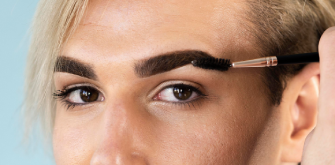
Immediate Aftercare and the First Week of Recovery
The first 7 days after an eyebrow transplant are all about protecting the newly placed grafts, controlling swelling, and preventing infection. Your clinic in Turkey will give you a tailored plan, but the guidance below reflects typical immediate aftercare.
- Keep the grafts dry at first: Avoid washing or rubbing the eyebrow area for the period your surgeon specifies (often the first 24–48 hours). Do not pick at crusts.
- Sleep position matters: Sleep on your back with your head elevated for several nights to reduce swelling and avoid accidental friction on the brows.
- Expect mild swelling and redness: Swelling around the forehead or eyelids can occur in the first few days. Use only surgeon-approved cold compresses and keep them away from the grafted area.
- Take medications exactly as prescribed: This may include antibiotics, pain relief, and/or anti-inflammatory medication. Avoid aspirin or other blood-thinning medicines unless your doctor approves.
- Hands off the brow line: No scratching, massaging, exfoliating, or applying makeup/creams to the transplanted area during the first week unless specifically permitted.
- Avoid sweating and heat: Skip intense exercise, saunas, steam rooms, and hot showers that can increase swelling and loosen scabs.
- Protect from sun and dust: Avoid direct sun exposure; if you go outside, use a hat that does not touch the grafts. Keep the area clean and away from smoke and dusty environments.
- Gentle cleansing when allowed: When your clinic clears you to wash, use only the recommended cleanser/saline and pat dry never rub.
- Know what’s normal vs. urgent: Mild tenderness, tightness, and small scabs are common. Contact your clinic promptly for increasing pain, spreading redness, pus-like discharge, fever, or sudden significant swelling.
By the end of the first week, most patients notice reduced swelling and stable grafts with light scabbing. Your clinic will typically schedule a check-in (in person or remote) to confirm healing is on track and to guide you into the next recovery phase.
Immediate Aftercare and the First Week of Recovery
The first 7 days after an eyebrow transplant are all about protecting the newly placed grafts, controlling swelling, and preventing infection. Your clinic in Turkey will give you a tailored plan, but the guidance below reflects typical immediate aftercare.
- Keep the grafts dry at first: Avoid washing or rubbing the eyebrow area for the period your surgeon specifies (often the first 24–48 hours). Do not pick at crusts.
- Sleep position matters: Sleep on your back with your head elevated for several nights to reduce swelling and avoid accidental friction on the brows.
- Expect mild swelling and redness: Swelling around the forehead or eyelids can occur in the first few days. Use only surgeon-approved cold compresses and keep them away from the grafted area.
- Take medications exactly as prescribed: This may include antibiotics, pain relief, and/or anti-inflammatory medication. Avoid aspirin or other blood-thinning medicines unless your doctor approves.
- Hands off the brow line: No scratching, massaging, exfoliating, or applying makeup/creams to the transplanted area during the first week unless specifically permitted.
- Avoid sweating and heat: Skip intense exercise, saunas, steam rooms, and hot showers that can increase swelling and loosen scabs.
- Protect from sun and dust: Avoid direct sun exposure; if you go outside, use a hat that does not touch the grafts. Keep the area clean and away from smoke and dusty environments.
- Gentle cleansing when allowed: When your clinic clears you to wash, use only the recommended cleanser/saline and pat dry never rub.
- Know what’s normal vs. urgent: Mild tenderness, tightness, and small scabs are common. Contact your clinic promptly for increasing pain, spreading redness, pus-like discharge, fever, or sudden significant swelling.
By the end of the first week, most patients notice reduced swelling and stable grafts with light scabbing. Your clinic will typically schedule a check-in (in person or remote) to confirm healing is on track and to guide you into the next recovery phase.
Your Heal Road consultant can help coordinate follow-up checkups and remote progress reviews after you return home.
Follow-Up Checkups, Shedding Phase, and Growth Timeline
Eyebrow transplantation results develop gradually. Your clinic in Turkey will typically schedule early follow-ups and may continue monitoring remotely once you return home. Understanding the normal shedding phase and realistic growth milestones helps you track progress without unnecessary worry.
Follow-Up Checkups
- First check (within 24–72 hours): A quick assessment of the grafted area and donor site, cleaning guidance, and confirmation that healing is on track.
- 7–14 days: Review of scab/crust care, redness, and any irritation; many patients can do this via photos/video if they have traveled home.
- 1–3 months: Progress review and reassurance during the shedding period; your team may adjust aftercare if you have dryness, itching, or folliculitis-like bumps.
- 6–12 months: Final outcome assessment and discussion of whether any refinement session is needed (only in select cases).
The Shedding Phase (What’s Normal)
It’s common for the transplanted eyebrow hairs to fall out in the first few weeks. This can look alarming, but it is usually expected: the hair shafts shed while the follicles remain in place and later produce new growth.
- When it happens: Often between weeks 2–6.
- What you may notice: Patchy appearance, temporary thinning, mild redness, or sensitivity.
- When to contact your clinic: Increasing pain, spreading redness, pus, fever, or sudden swelling.
Growth Timeline (Typical Milestones)
- 0–2 weeks: Healing phase. Small scabs/crusts form and gradually loosen. Avoid rubbing or picking.
- 2–6 weeks: Shedding phase is common. The brows may look lighter or uneven temporarily.
- 2–4 months: Early regrowth begins. New hairs can be fine and may grow at different angles initially.
- 4–6 months: Noticeable improvement in density and definition for many patients.
- 6–12 months: Maturation phase. Hairs thicken, become more consistent, and the final shape becomes clearer.
Ongoing Maintenance: Trimming and Training
Because donor hairs often come from the scalp, transplanted eyebrow hairs may grow longer and faster than natural brow hair. Regular trimming and gentle brushing (as advised by your clinic) help train the direction of growth and keep the brows looking neat.
Follow-Up Checkups, Shedding Phase, and Growth Timeline
Eyebrow transplantation results develop gradually. Your clinic in Turkey will typically schedule early follow-ups and may continue monitoring remotely once you return home. Understanding the normal shedding phase and realistic growth milestones helps you track progress without unnecessary worry.
Follow-Up Checkups
- First check (within 24–72 hours): A quick assessment of the grafted area and donor site, cleaning guidance, and confirmation that healing is on track.
- 7–14 days: Review of scab/crust care, redness, and any irritation; many patients can do this via photos/video if they have traveled home.
- 1–3 months: Progress review and reassurance during the shedding period; your team may adjust aftercare if you have dryness, itching, or folliculitis-like bumps.
- 6–12 months: Final outcome assessment and discussion of whether any refinement session is needed (only in select cases).
The Shedding Phase (What’s Normal)
It’s common for the transplanted eyebrow hairs to fall out in the first few weeks. This can look alarming, but it is usually expected: the hair shafts shed while the follicles remain in place and later produce new growth.
- When it happens: Often between weeks 2–6.
- What you may notice: Patchy appearance, temporary thinning, mild redness, or sensitivity.
- When to contact your clinic: Increasing pain, spreading redness, pus, fever, or sudden swelling.
Growth Timeline (Typical Milestones)
- 0–2 weeks: Healing phase. Small scabs/crusts form and gradually loosen. Avoid rubbing or picking.
- 2–6 weeks: Shedding phase is common. The brows may look lighter or uneven temporarily.
- 2–4 months: Early regrowth begins. New hairs can be fine and may grow at different angles initially.
- 4–6 months: Noticeable improvement in density and definition for many patients.
- 6–12 months: Maturation phase. Hairs thicken, become more consistent, and the final shape becomes clearer.
Ongoing Maintenance: Trimming and Training
Because donor hairs often come from the scalp, transplanted eyebrow hairs may grow longer and faster than natural brow hair. Regular trimming and gentle brushing (as advised by your clinic) help train the direction of growth and keep the brows looking neat.
Your Heal Road consultant can help coordinate follow-up checkups and remote progress reviews after you return home.
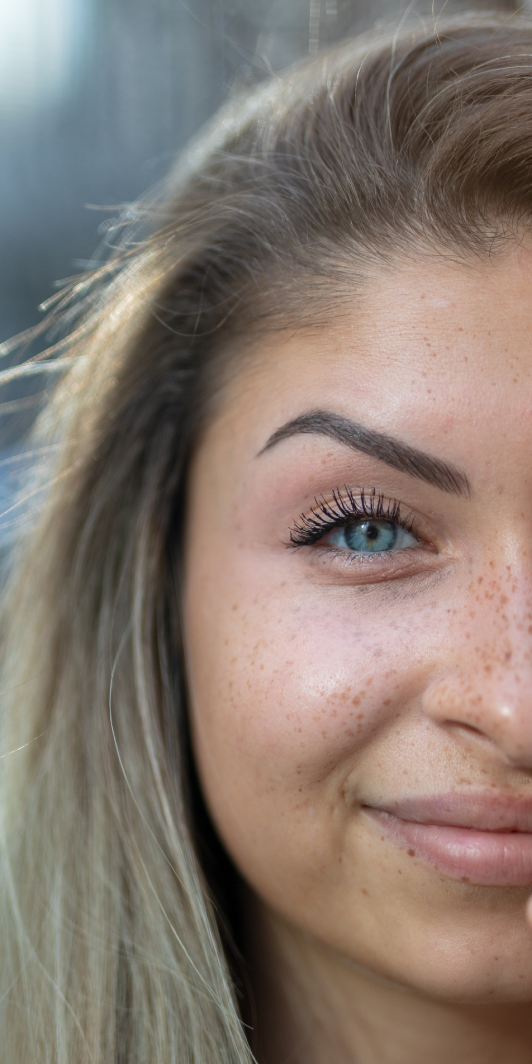
Long-Term Maintenance and Tips for Natural, Lasting Results
Eyebrow transplantation results can look very natural and remain long-lasting, but the transplanted hairs require ongoing care especially in the first year. Because donor hairs are often taken from the scalp, they may grow faster and longer than native eyebrow hair, so maintenance is part of achieving the best aesthetic outcome.
- Expect a shedding phase and be patient with regrowth: It’s common for transplanted hairs to shed within the first few weeks (often called “shock loss”). New growth typically starts in the following months, and the final appearance may take up to 9–12 months as density and direction settle.
- Trim regularly for a natural eyebrow length: Scalp-derived hairs can continue to grow longer than typical brow hairs. Plan to trim every 1–3 weeks (or as advised by your surgeon) to keep the brows proportional and tidy.
- Train hairs to lie in the right direction: Gently brushing with a clean spoolie can help guide hairs into the desired shape, particularly during the early months when new hairs are establishing their growth pattern.
- Keep the skin and follicles healthy: Use a mild cleanser and moisturiser once healing is complete. Avoid harsh exfoliants, aggressive rubbing, or strong acids/retinoids directly on the brow area until your clinic confirms it’s safe.
- Protect your brows from sun exposure: UV exposure can contribute to redness and pigment changes in healing skin. Follow your clinic’s guidance on when to start sunscreen, and consider wearing a hat outdoors during the early healing period.
- Be cautious with makeup and cosmetic treatments: Only resume eyebrow makeup when your surgeon approves. Delay treatments such as tinting, threading, waxing, laser, or chemical peels around the brow area until the grafts are fully stable and the skin has recovered.
- Discuss hair-growth products before using them: Products like minoxidil or peptide serums may be suggested in some cases, but they are not appropriate for everyone. Use only what your surgeon recommends to avoid irritation or unwanted side effects.
- Maintain a stable lifestyle for consistent results: Smoking, poor sleep, crash dieting, and unmanaged stress can affect hair quality. A balanced diet with adequate protein, iron, zinc, and vitamin D (if deficient) supports healthier hair growth overall.
- Know when to contact your clinic: Seek medical advice if you notice increasing redness, warmth, swelling, discharge, persistent pain, or sudden patchy loss after initial healing. Early review can prevent complications and protect your outcome.
- Plan follow-ups and consider refinements if needed: Some patients benefit from a small touch-up to improve density or symmetry. If you’re travelling home after surgery in Turkey, confirm your remote follow-up schedule and how to share progress photos.
Tip: Take monthly photos in consistent lighting for the first year. This helps you track progress realistically and supports your surgeon in guiding aftercare and any next steps.
Long-Term Maintenance and Tips for Natural, Lasting Results
Eyebrow transplantation results can look very natural and remain long-lasting, but the transplanted hairs require ongoing care especially in the first year. Because donor hairs are often taken from the scalp, they may grow faster and longer than native eyebrow hair, so maintenance is part of achieving the best aesthetic outcome.
- Expect a shedding phase and be patient with regrowth: It’s common for transplanted hairs to shed within the first few weeks (often called “shock loss”). New growth typically starts in the following months, and the final appearance may take up to 9–12 months as density and direction settle.
- Trim regularly for a natural eyebrow length: Scalp-derived hairs can continue to grow longer than typical brow hairs. Plan to trim every 1–3 weeks (or as advised by your surgeon) to keep the brows proportional and tidy.
- Train hairs to lie in the right direction: Gently brushing with a clean spoolie can help guide hairs into the desired shape, particularly during the early months when new hairs are establishing their growth pattern.
- Keep the skin and follicles healthy: Use a mild cleanser and moisturiser once healing is complete. Avoid harsh exfoliants, aggressive rubbing, or strong acids/retinoids directly on the brow area until your clinic confirms it’s safe.
- Protect your brows from sun exposure: UV exposure can contribute to redness and pigment changes in healing skin. Follow your clinic’s guidance on when to start sunscreen, and consider wearing a hat outdoors during the early healing period.
- Be cautious with makeup and cosmetic treatments: Only resume eyebrow makeup when your surgeon approves. Delay treatments such as tinting, threading, waxing, laser, or chemical peels around the brow area until the grafts are fully stable and the skin has recovered.
- Discuss hair-growth products before using them: Products like minoxidil or peptide serums may be suggested in some cases, but they are not appropriate for everyone. Use only what your surgeon recommends to avoid irritation or unwanted side effects.
- Maintain a stable lifestyle for consistent results: Smoking, poor sleep, crash dieting, and unmanaged stress can affect hair quality. A balanced diet with adequate protein, iron, zinc, and vitamin D (if deficient) supports healthier hair growth overall.
- Know when to contact your clinic: Seek medical advice if you notice increasing redness, warmth, swelling, discharge, persistent pain, or sudden patchy loss after initial healing. Early review can prevent complications and protect your outcome.
- Plan follow-ups and consider refinements if needed: Some patients benefit from a small touch-up to improve density or symmetry. If you’re travelling home after surgery in Turkey, confirm your remote follow-up schedule and how to share progress photos.
Tip: Take monthly photos in consistent lighting for the first year. This helps you track progress realistically and supports your surgeon in guiding aftercare and any next steps.
Conclusion


Article Contributors

Heal Road Editor
Editor

Heal Road Writer
Writer
- Views
- 214 views
- Reading Time
- Last Updated