 169 views
A Step-by-Step Guide to Facelift in Turkey
Nereden Başlayacağını
Bilmiyor musun?
Doğru uzmanı en uygun fiyat garantisiyle bulun

Your Heal Road consultant can help you compare clinics and plan your facelift journey step by step.
Comprehensive Research and Choosing the Right Facelift Clinic
Before booking a facelift in Turkey, invest time in careful research and clinic selection. Turkey is a popular destination for facial aesthetics, with experienced surgeons and modern hospitals in cities such as Istanbul, Ankara, Antalya, and Izmir. The right choice can significantly impact your safety, scar quality, and how natural your results look. Focus on the following points when comparing clinics and surgeons:
Surgeon Credentials and Facelift Expertise:
Confirm your surgeon is a certified specialist (typically Plastic, Reconstructive and Aesthetic Surgery) and ask how often they perform facelift procedures. Experience with different techniques (e.g., SMAS facelift, deep-plane facelift, mini facelift, and neck lift combinations) helps ensure the plan matches your anatomy and goals.
Clinic/Hospital Accreditation and Safety Standards:
Choose facilities that follow recognized quality standards (e.g., JCI, ISO, or national health authority licensing). Ask where the surgery will be performed (hospital vs. clinic), what anesthesia services are provided, and whether there is access to emergency support if needed.
Real Patient Reviews and Independent Feedback:
Read recent reviews on trusted platforms and look for consistent comments about communication, aftercare, cleanliness, and how the clinic handles concerns. Prioritize clinics that provide clear answers and do not pressure you into quick decisions.
Before-and-After Photos (Matched to Your Case):
Request high-quality before-and-after photos of patients with similar age, skin quality, and concerns (jowls, neck laxity, midface descent). Natural results typically show improved contours without an overly tight or “pulled” look.
Transparent Pricing and What’s Included:
Ask for a written quote that clearly states what is included: surgeon and anesthesia fees, operating room costs, compression garments, medications, follow-up visits, and any revision policy. Many reputable providers offer all-inclusive packages that may cover accommodation, airport transfers, and interpreter support ensure there are no hidden add-ons.
Consultation Quality and Surgical Plan:
A thorough consultation should cover your medical history, smoking status, medications/supplements, scar placement, expected downtime, and realistic outcomes. The surgeon should explain why a facelift alone may not be enough and whether you may benefit from complementary procedures (e.g., neck lift, eyelid surgery, fat transfer).
Comprehensive Research and Choosing the Right Facelift Clinic
Before booking a facelift in Turkey, invest time in careful research and clinic selection. Turkey is a popular destination for facial aesthetics, with experienced surgeons and modern hospitals in cities such as Istanbul, Ankara, Antalya, and Izmir. The right choice can significantly impact your safety, scar quality, and how natural your results look. Focus on the following points when comparing clinics and surgeons:
Your Heal Road consultant can help you compare clinics and plan your facelift journey step by step.
Surgeon Credentials and Facelift Expertise:
Confirm your surgeon is a certified specialist (typically Plastic, Reconstructive and Aesthetic Surgery) and ask how often they perform facelift procedures. Experience with different techniques (e.g., SMAS facelift, deep-plane facelift, mini facelift, and neck lift combinations) helps ensure the plan matches your anatomy and goals.
Clinic/Hospital Accreditation and Safety Standards:
Choose facilities that follow recognized quality standards (e.g., JCI, ISO, or national health authority licensing). Ask where the surgery will be performed (hospital vs. clinic), what anesthesia services are provided, and whether there is access to emergency support if needed.
Real Patient Reviews and Independent Feedback:
Read recent reviews on trusted platforms and look for consistent comments about communication, aftercare, cleanliness, and how the clinic handles concerns. Prioritize clinics that provide clear answers and do not pressure you into quick decisions.
Before-and-After Photos (Matched to Your Case):
Request high-quality before-and-after photos of patients with similar age, skin quality, and concerns (jowls, neck laxity, midface descent). Natural results typically show improved contours without an overly tight or “pulled” look.
Transparent Pricing and What’s Included:
Ask for a written quote that clearly states what is included: surgeon and anesthesia fees, operating room costs, compression garments, medications, follow-up visits, and any revision policy. Many reputable providers offer all-inclusive packages that may cover accommodation, airport transfers, and interpreter support ensure there are no hidden add-ons.
Consultation Quality and Surgical Plan:
A thorough consultation should cover your medical history, smoking status, medications/supplements, scar placement, expected downtime, and realistic outcomes. The surgeon should explain why a facelift alone may not be enough and whether you may benefit from complementary procedures (e.g., neck lift, eyelid surgery, fat transfer).
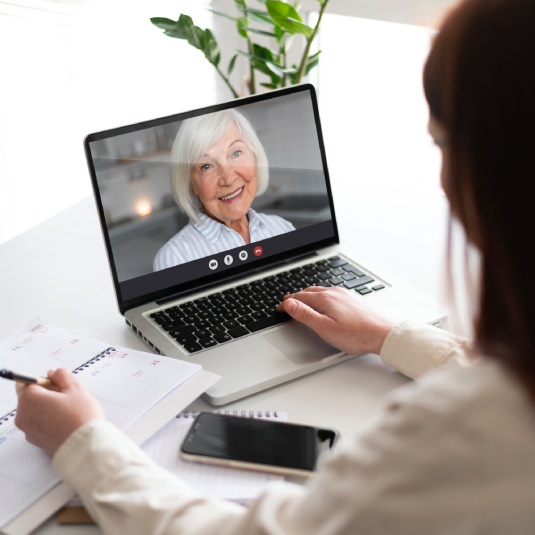
Initial Virtual Consultation and Candidacy Assessment
After you have shortlisted a few reputable clinics and surgeons, the next step is an initial virtual consultation. Many facelift providers in Turkey offer this remotely (often at no extra cost), allowing you to discuss your goals, share photos, and understand whether you are a good candidate before you book flights or commit to a surgical date.
What You’ll Discuss During the Virtual Consultation
- Your goals and priorities: what bothers you most (jawline laxity, jowls, neck bands, midface descent), and the level of change you want (subtle refresh vs. more dramatic tightening).
- Facial assessment from photos/videos: you may be asked to send clear, well-lit photos (front, both profiles, 45-degree angles) and a short video to help assess skin quality, facial volume loss, and the pattern of sagging.
- Procedure options: your surgeon may recommend a deep-plane/SMAS facelift, mini facelift, and/or a neck lift. Adjuncts such as fat grafting, blepharoplasty, or brow lift may be discussed if they better match your goals.
Medical History and Safety Screening
- Health conditions and medications: high blood pressure, diabetes, thyroid disease, bleeding/clotting history, and any regular medications (including blood thinners and supplements) will be reviewed.
- Smoking/vaping status: nicotine significantly increases wound-healing risks. You may be asked to stop smoking/vaping for a set period before and after surgery.
- Previous facial procedures: prior facelifts, fillers, threads, laser treatments, or scars can affect planning and technique.
Candidacy, Expectations, and a Provisional Plan
- Who is typically a good candidate: patients with facial/neck laxity, realistic expectations, and stable overall health.
- What results can and cannot do: a facelift improves sagging and contour but does not stop aging or replace skin-quality treatments; your surgeon should explain expected improvements and limitations.
- Recovery overview: you’ll discuss downtime, swelling/bruising, follow-up schedule, and when you can safely fly home.
- Next steps: if you proceed, the clinic usually shares a preliminary treatment outline, estimated timeline in Turkey, and pre-op instructions (tests, medication adjustments, and preparation).
Initial Virtual Consultation and Candidacy Assessment
After you have shortlisted a few reputable clinics and surgeons, the next step is an initial virtual consultation. Many facelift providers in Turkey offer this remotely (often at no extra cost), allowing you to discuss your goals, share photos, and understand whether you are a good candidate before you book flights or commit to a surgical date.
What You’ll Discuss During the Virtual Consultation
- Your goals and priorities: what bothers you most (jawline laxity, jowls, neck bands, midface descent), and the level of change you want (subtle refresh vs. more dramatic tightening).
- Facial assessment from photos/videos: you may be asked to send clear, well-lit photos (front, both profiles, 45-degree angles) and a short video to help assess skin quality, facial volume loss, and the pattern of sagging.
- Procedure options: your surgeon may recommend a deep-plane/SMAS facelift, mini facelift, and/or a neck lift. Adjuncts such as fat grafting, blepharoplasty, or brow lift may be discussed if they better match your goals.
Medical History and Safety Screening
- Health conditions and medications: high blood pressure, diabetes, thyroid disease, bleeding/clotting history, and any regular medications (including blood thinners and supplements) will be reviewed.
- Smoking/vaping status: nicotine significantly increases wound-healing risks. You may be asked to stop smoking/vaping for a set period before and after surgery.
- Previous facial procedures: prior facelifts, fillers, threads, laser treatments, or scars can affect planning and technique.
Candidacy, Expectations, and a Provisional Plan
- Who is typically a good candidate: patients with facial/neck laxity, realistic expectations, and stable overall health.
- What results can and cannot do: a facelift improves sagging and contour but does not stop aging or replace skin-quality treatments; your surgeon should explain expected improvements and limitations.
- Recovery overview: you’ll discuss downtime, swelling/bruising, follow-up schedule, and when you can safely fly home.
- Next steps: if you proceed, the clinic usually shares a preliminary treatment outline, estimated timeline in Turkey, and pre-op instructions (tests, medication adjustments, and preparation).
| Country | Price (EUR €) |
|---|---|
| Türkiye | € 4,200 |
| Spain | € 7,500 |
| United Kingdom | € 9,500 |
| United States | € 13,500 |
Use our Calculation Module to Find Out
The Cost of Your Facelift
Calculate My Cost
Personalized Surgical Plan and Scheduling Your Facelift
After your consultation, your surgeon will create a personalized facelift plan based on your facial anatomy, skin quality, degree of laxity, and your goals (natural refresh vs. more dramatic lifting). This plan typically confirms which technique is most appropriate such as a mini facelift, SMAS facelift, deep-plane facelift, or a neck lift and whether complementary procedures (e.g., eyelid surgery, fat transfer, brow lift) are recommended.
Your clinic will also outline the practical details so you can plan your trip to Turkey with confidence. Many clinics offer international patient packages that may include:
- Pre-operative evaluation (medical history review, required blood tests, anesthesia assessment)
- Imaging and surgical planning (photos and measurements to map incision placement and lifting vectors)
- Hospital and operating room coordination with your surgeon and anesthesiologist
- Hotel accommodation and airport transfers (where offered)
- Interpreter support for appointments and hospital admission
- Post-operative check-ups (wound review, dressing changes, drain removal if used)
Before confirming your surgery date, ask for a written plan that clearly states the procedure(s) included, anesthesia type, expected length of stay, follow-up schedule, and what is covered (and not covered) in the package. It’s also wise to discuss timing: most patients should allow enough days in Turkey for early recovery and at least one in-person follow-up before flying home.
Finally, confirm your pre-op instructions in advance such as stopping smoking, adjusting blood-thinning medications or supplements (only with your prescribing doctor’s approval), and arranging someone to assist you during the first days after surgery. Clear scheduling and a tailored plan help reduce stress and support a smoother recovery.
Personalized Surgical Plan and Scheduling Your Facelift
After your consultation, your surgeon will create a personalized facelift plan based on your facial anatomy, skin quality, degree of laxity, and your goals (natural refresh vs. more dramatic lifting). This plan typically confirms which technique is most appropriate such as a mini facelift, SMAS facelift, deep-plane facelift, or a neck lift and whether complementary procedures (e.g., eyelid surgery, fat transfer, brow lift) are recommended.
Your clinic will also outline the practical details so you can plan your trip to Turkey with confidence. Many clinics offer international patient packages that may include:
- Pre-operative evaluation (medical history review, required blood tests, anesthesia assessment)
- Imaging and surgical planning (photos and measurements to map incision placement and lifting vectors)
- Hospital and operating room coordination with your surgeon and anesthesiologist
- Hotel accommodation and airport transfers (where offered)
- Interpreter support for appointments and hospital admission
- Post-operative check-ups (wound review, dressing changes, drain removal if used)
Before confirming your surgery date, ask for a written plan that clearly states the procedure(s) included, anesthesia type, expected length of stay, follow-up schedule, and what is covered (and not covered) in the package. It’s also wise to discuss timing: most patients should allow enough days in Turkey for early recovery and at least one in-person follow-up before flying home.
Finally, confirm your pre-op instructions in advance such as stopping smoking, adjusting blood-thinning medications or supplements (only with your prescribing doctor’s approval), and arranging someone to assist you during the first days after surgery. Clear scheduling and a tailored plan help reduce stress and support a smoother recovery.
| Country | Price (EUR €) |
|---|---|
| Türkiye | € 4,200 |
| Spain | € 7,500 |
| United Kingdom | € 9,500 |
| United States | € 13,500 |
Use our Calculation Module to Find Out
The Cost of Your Facelift
Calculate My Cost
 Share
ShareTravel Details

 Arrive in Turkey
 Complete
Pre-Op Prep
Traveling to Turkey and Pre-Op Preparations
Once your facelift plan is confirmed, the next step is organizing your trip and preparing safely for surgery. Most clinics in Turkey support international patients with airport pickup, hotel arrangements, and a clear schedule for your pre-operative consultation and tests. Aim to arrive at least 1–2 days before surgery so you can rest, complete assessments, and ask any last questions in person.
- Travel planning: Book flexible flights, keep your passport/visa requirements in mind, and avoid scheduling tight connections right before surgery.
- What to bring: A list of medications and supplements, relevant medical records, comfortable button-up clothing, and any compression/aftercare items recommended by your clinic.
- Accommodation and support: Choose a hotel close to the clinic and consider traveling with a companion, especially for the first 24–48 hours after surgery.
Pre-Operative Consultation and Facial Assessment
Your surgeon will review your goals, evaluate facial anatomy (skin quality, jowls, neck laxity), and confirm the most appropriate technique (e.g., SMAS facelift, deep-plane approach, mini facelift, and whether a neck lift or fat grafting is recommended). You’ll discuss incision placement, expected results, recovery timeline, and potential risks so expectations are realistic and aligned.
Health Screening and Tests
A standard pre-op workup is typically performed to confirm you are fit for anesthesia and surgery. This may include blood tests (e.g., complete blood count and coagulation profile), blood pressure assessment, and additional checks based on your medical history. If you have chronic conditions (such as hypertension, diabetes, thyroid disease, or clotting disorders), your team may request clearance or updated documentation.
Medication, Smoking, and Lifestyle Instructions
- Stop smoking/vaping: Nicotine significantly increases the risk of poor wound healing and skin complications; follow your surgeon’s timeline (often several weeks before and after surgery).
- Avoid blood-thinning agents: Only stop or adjust medications under medical guidance. Many clinics advise avoiding aspirin/NSAIDs and certain supplements (e.g., fish oil, vitamin E, ginkgo) for a period before surgery.
- Alcohol and hydration: Limit alcohol in the days leading up to surgery and prioritize hydration and balanced meals to support recovery.
Day-Before and Day-Of Preparation
- Fasting: Follow anesthesia fasting instructions precisely (food and liquids) to reduce risk during surgery.
- Skin and hair: Arrive with a clean face and hair; avoid heavy makeup, creams, or hair products unless instructed otherwise.
- Logistics: Confirm your post-op transport plan, pharmacy needs, and how to contact the clinic after hours.
Traveling to Turkey and Pre-Op Preparations
Once your facelift plan is confirmed, the next step is organizing your trip and preparing safely for surgery. Most clinics in Turkey support international patients with airport pickup, hotel arrangements, and a clear schedule for your pre-operative consultation and tests. Aim to arrive at least 1–2 days before surgery so you can rest, complete assessments, and ask any last questions in person.
- Travel planning: Book flexible flights, keep your passport/visa requirements in mind, and avoid scheduling tight connections right before surgery.
- What to bring: A list of medications and supplements, relevant medical records, comfortable button-up clothing, and any compression/aftercare items recommended by your clinic.
- Accommodation and support: Choose a hotel close to the clinic and consider traveling with a companion, especially for the first 24–48 hours after surgery.
ShareTravel Details
Arrive in Turkey
CompletePre-Op Prep
Pre-Operative Consultation and Facial Assessment
Your surgeon will review your goals, evaluate facial anatomy (skin quality, jowls, neck laxity), and confirm the most appropriate technique (e.g., SMAS facelift, deep-plane approach, mini facelift, and whether a neck lift or fat grafting is recommended). You’ll discuss incision placement, expected results, recovery timeline, and potential risks so expectations are realistic and aligned.
Health Screening and Tests
A standard pre-op workup is typically performed to confirm you are fit for anesthesia and surgery. This may include blood tests (e.g., complete blood count and coagulation profile), blood pressure assessment, and additional checks based on your medical history. If you have chronic conditions (such as hypertension, diabetes, thyroid disease, or clotting disorders), your team may request clearance or updated documentation.
Medication, Smoking, and Lifestyle Instructions
- Stop smoking/vaping: Nicotine significantly increases the risk of poor wound healing and skin complications; follow your surgeon’s timeline (often several weeks before and after surgery).
- Avoid blood-thinning agents: Only stop or adjust medications under medical guidance. Many clinics advise avoiding aspirin/NSAIDs and certain supplements (e.g., fish oil, vitamin E, ginkgo) for a period before surgery.
- Alcohol and hydration: Limit alcohol in the days leading up to surgery and prioritize hydration and balanced meals to support recovery.
Day-Before and Day-Of Preparation
- Fasting: Follow anesthesia fasting instructions precisely (food and liquids) to reduce risk during surgery.
- Skin and hair: Arrive with a clean face and hair; avoid heavy makeup, creams, or hair products unless instructed otherwise.
- Logistics: Confirm your post-op transport plan, pharmacy needs, and how to contact the clinic after hours.
Facelift Surgery Day: What to Expect


07:30
Hospital Check-in &Final Review
08:30
Anesthesia &Preparation
09:00-13:00
FaceliftProcedure
14:30
Recovery Room &Discharge Plan
You’ll arrive at the clinic/hospital, confirm paperwork, have vitals checked, and review the surgical plan and markings with your surgeon.
The anesthesia team prepares you for surgery (typically general anesthesia), places an IV line, and ensures you’re comfortable and monitored.
The surgeon makes discreet incisions, lifts and repositions deeper tissues (SMAS), removes excess skin, and closes with fine sutures for a natural result.
You’ll wake in recovery with dressings (and sometimes drains). The team monitors you, reviews medications and aftercare, and confirms your first follow-up.
Facelift Surgery Day: What to Expect
On the day of your facelift in Turkey, the clinic team will guide you through each step from check-in to recovery so you know exactly what’s happening. Most facelift procedures take 3–6 hours depending on the technique (mini facelift vs. full facelift) and whether additional procedures (e.g., neck lift, fat transfer, eyelid surgery) are performed.
Check-in & Final Review
You’ll arrive at the hospital/clinic, complete final paperwork, and have your vital signs checked. Your surgeon will review the plan, confirm incision placement, and may take pre-op photos for comparison.
Anesthesia & Preparation
Facelifts are most commonly performed under general anesthesia or IV sedation with local anesthetic (depending on your case and surgeon preference). The team will mark the surgical areas, cleanse the skin, and ensure you’re comfortable before starting.
The Procedure (What Happens in the Operating Room)
Incisions are typically placed around the hairline and natural creases around the ears to help keep scars discreet. The surgeon then repositions deeper facial tissues (often the SMAS layer), removes or redistributes excess fat if needed, and trims excess skin to create a smoother, more lifted contour. If a neck lift is included, additional tightening under the chin and along the jawline may be performed.
Dressings, Drains (Sometimes), and Immediate Aftercare
After surgery, your incisions are dressed and you may have a light compression wrap. Some patients have small drains placed to reduce fluid buildup these are usually temporary. You’ll be monitored in a recovery area until you’re stable, alert, and cleared to return to your room or hotel with assistance.
Pain Control & What You’ll Feel
Most patients describe tightness, swelling, and bruising more than severe pain. Your team will provide prescribed pain relief and instructions on sleeping position (typically head elevated) to help reduce swelling.
Discharge Instructions
- How to care for incisions and when you can shower
- Medications (antibiotics, pain relief) and what to avoid
- Activity limits (no heavy lifting, bending, or strenuous exercise initially)
- When to return for your first post-op check and dressing/drain removal (if used)
Before you leave, make sure you have a clear plan for your first night, transport, and follow-up appointments especially if you’re traveling with a medical tourism package.
Facelift Surgery Day: What to Expect
On the day of your facelift in Turkey, the clinic team will guide you through each step from check-in to recovery so you know exactly what’s happening. Most facelift procedures take 3–6 hours depending on the technique (mini facelift vs. full facelift) and whether additional procedures (e.g., neck lift, fat transfer, eyelid surgery) are performed.
Facelift Surgery Day: What to Expect
07:30
Hospital Check-in &Final Review
08:30
Anesthesia &Preparation
09:00-13:00
FaceliftProcedure
14:30
Recovery Room &Discharge Plan
You’ll arrive at the clinic/hospital, confirm paperwork, have vitals checked, and review the surgical plan and markings with your surgeon.
The anesthesia team prepares you for surgery (typically general anesthesia), places an IV line, and ensures you’re comfortable and monitored.
The surgeon makes discreet incisions, lifts and repositions deeper tissues (SMAS), removes excess skin, and closes with fine sutures for a natural result.
You’ll wake in recovery with dressings (and sometimes drains). The team monitors you, reviews medications and aftercare, and confirms your first follow-up.
Check-in & Final Review
You’ll arrive at the hospital/clinic, complete final paperwork, and have your vital signs checked. Your surgeon will review the plan, confirm incision placement, and may take pre-op photos for comparison.
Anesthesia & Preparation
Facelifts are most commonly performed under general anesthesia or IV sedation with local anesthetic (depending on your case and surgeon preference). The team will mark the surgical areas, cleanse the skin, and ensure you’re comfortable before starting.
The Procedure (What Happens in the Operating Room)
Incisions are typically placed around the hairline and natural creases around the ears to help keep scars discreet. The surgeon then repositions deeper facial tissues (often the SMAS layer), removes or redistributes excess fat if needed, and trims excess skin to create a smoother, more lifted contour. If a neck lift is included, additional tightening under the chin and along the jawline may be performed.
Dressings, Drains (Sometimes), and Immediate Aftercare
After surgery, your incisions are dressed and you may have a light compression wrap. Some patients have small drains placed to reduce fluid buildup these are usually temporary. You’ll be monitored in a recovery area until you’re stable, alert, and cleared to return to your room or hotel with assistance.
Pain Control & What You’ll Feel
Most patients describe tightness, swelling, and bruising more than severe pain. Your team will provide prescribed pain relief and instructions on sleeping position (typically head elevated) to help reduce swelling.
Discharge Instructions
- How to care for incisions and when you can shower
- Medications (antibiotics, pain relief) and what to avoid
- Activity limits (no heavy lifting, bending, or strenuous exercise initially)
- When to return for your first post-op check and dressing/drain removal (if used)
Before you leave, make sure you have a clear plan for your first night, transport, and follow-up appointments especially if you’re traveling with a medical tourism package.
Immediate Post-Op Care, Swelling, and Early Recovery
The first 48–72 hours after a facelift are focused on protecting your incisions, controlling swelling, and allowing the tissues to settle. Your surgeon in Turkey will provide personalised instructions and may prescribe antibiotics, pain relief, and anti-inflammatory medication. Mild to moderate swelling, bruising, tightness, numbness, and a “pulled” sensation are common early on and typically improve gradually over the first 1–2 weeks.
- Keep your head elevated: Sleep on your back with 2–3 pillows or a wedge for at least 1 week to reduce swelling.
- Use cold compresses if advised: Apply gently around (not directly on) incision areas during the first 24–48 hours, following your clinic’s guidance.
- Take medications exactly as prescribed: Complete any antibiotics and use pain relief as directed. Avoid aspirin/ibuprofen unless your surgeon approves, as they may increase bruising.
- Protect the incisions: Keep dressings in place, avoid touching or picking, and follow instructions for cleaning and ointment use.
- Limit activity: Short walks are encouraged, but avoid bending, heavy lifting, gym workouts, and sexual activity for 2–3 weeks (or as advised) to reduce bleeding and swelling.
- Eat and hydrate well: Choose soft, low-salt foods and drink plenty of water. High-sodium meals can worsen swelling.
- Avoid smoking and alcohol: These can impair healing and increase complication risk avoid for at least 2–4 weeks, longer if possible.
- Showering and hair washing: Only when your surgeon permits. Keep water pressure gentle and avoid heat styling until cleared.
- Expect swelling and bruising to fluctuate: It often looks worse on days 2–4, then improves. Uneven swelling can be normal early on.
- Attend follow-ups: Your clinic will schedule checks for dressing changes, drain removal (if used), and suture removal, often within the first 5–14 days.
When to contact your surgeon urgently: increasing one-sided swelling, sudden severe pain, active bleeding, fever, pus-like drainage, shortness of breath, calf pain/swelling, or any rapid change in skin colour around the incisions. Prompt assessment helps prevent more serious issues.
Immediate Post-Op Care, Swelling, and Early Recovery
The first 48–72 hours after a facelift are focused on protecting your incisions, controlling swelling, and allowing the tissues to settle. Your surgeon in Turkey will provide personalised instructions and may prescribe antibiotics, pain relief, and anti-inflammatory medication. Mild to moderate swelling, bruising, tightness, numbness, and a “pulled” sensation are common early on and typically improve gradually over the first 1–2 weeks.
- Keep your head elevated: Sleep on your back with 2–3 pillows or a wedge for at least 1 week to reduce swelling.
- Use cold compresses if advised: Apply gently around (not directly on) incision areas during the first 24–48 hours, following your clinic’s guidance.
- Take medications exactly as prescribed: Complete any antibiotics and use pain relief as directed. Avoid aspirin/ibuprofen unless your surgeon approves, as they may increase bruising.
- Protect the incisions: Keep dressings in place, avoid touching or picking, and follow instructions for cleaning and ointment use.
- Limit activity: Short walks are encouraged, but avoid bending, heavy lifting, gym workouts, and sexual activity for 2–3 weeks (or as advised) to reduce bleeding and swelling.
- Eat and hydrate well: Choose soft, low-salt foods and drink plenty of water. High-sodium meals can worsen swelling.
- Avoid smoking and alcohol: These can impair healing and increase complication risk avoid for at least 2–4 weeks, longer if possible.
- Showering and hair washing: Only when your surgeon permits. Keep water pressure gentle and avoid heat styling until cleared.
- Expect swelling and bruising to fluctuate: It often looks worse on days 2–4, then improves. Uneven swelling can be normal early on.
- Attend follow-ups: Your clinic will schedule checks for dressing changes, drain removal (if used), and suture removal, often within the first 5–14 days.
When to contact your surgeon urgently: increasing one-sided swelling, sudden severe pain, active bleeding, fever, pus-like drainage, shortness of breath, calf pain/swelling, or any rapid change in skin colour around the incisions. Prompt assessment helps prevent more serious issues.

Follow-Up Appointments, Suture Removal, and Aftercare
Follow-up care is a key part of your facelift journey in Turkey. Your surgeon will schedule check-ups to monitor swelling and bruising, assess incision healing, and ensure your results are developing as expected. Attending these appointments and following your aftercare plan helps reduce complication risk and supports a smoother recovery.
- Early post-op review (usually within the first few days): Your team checks dressings, drainage (if used), swelling patterns, and early signs of infection or hematoma. You’ll also receive guidance on sleeping position, gentle walking, and medication use.
- Suture and/or staple removal (often around 5–14 days): Timing depends on the incision location (around the ears, hairline, under the chin) and your healing speed. Some stitches may be dissolvable; others require removal during a clinic visit.
- Ongoing follow-ups (weeks to months): Your surgeon evaluates scar maturation, skin sensation changes, tightness, and symmetry. If you had a neck lift or fat transfer alongside your facelift, those areas are assessed as well.
- Scar and incision care: Keep incisions clean and dry as instructed, avoid picking at scabs, and use only surgeon-approved ointments or silicone products. Protect scars from sun exposure with hats and high-SPF sunscreen once permitted.
- Activity and lifestyle guidance: Avoid heavy lifting, intense exercise, and bending over until cleared. Do not smoke or vape during recovery, as nicotine can impair healing and increase scarring risk.
- When to seek urgent help: Contact your clinic immediately if you develop sudden one-sided swelling, increasing pain, fever, foul-smelling drainage, shortness of breath, or vision changes.
If you’re traveling home soon after surgery, ask your provider for a written aftercare plan, a timeline for suture removal, and clear instructions for remote check-ins (photos/video calls). A reputable clinic will remain available for follow-up support even after you return home.
Follow-Up Appointments, Suture Removal, and Aftercare
Follow-up care is a key part of your facelift journey in Turkey. Your surgeon will schedule check-ups to monitor swelling and bruising, assess incision healing, and ensure your results are developing as expected. Attending these appointments and following your aftercare plan helps reduce complication risk and supports a smoother recovery.
- Early post-op review (usually within the first few days): Your team checks dressings, drainage (if used), swelling patterns, and early signs of infection or hematoma. You’ll also receive guidance on sleeping position, gentle walking, and medication use.
- Suture and/or staple removal (often around 5–14 days): Timing depends on the incision location (around the ears, hairline, under the chin) and your healing speed. Some stitches may be dissolvable; others require removal during a clinic visit.
- Ongoing follow-ups (weeks to months): Your surgeon evaluates scar maturation, skin sensation changes, tightness, and symmetry. If you had a neck lift or fat transfer alongside your facelift, those areas are assessed as well.
- Scar and incision care: Keep incisions clean and dry as instructed, avoid picking at scabs, and use only surgeon-approved ointments or silicone products. Protect scars from sun exposure with hats and high-SPF sunscreen once permitted.
- Activity and lifestyle guidance: Avoid heavy lifting, intense exercise, and bending over until cleared. Do not smoke or vape during recovery, as nicotine can impair healing and increase scarring risk.
- When to seek urgent help: Contact your clinic immediately if you develop sudden one-sided swelling, increasing pain, fever, foul-smelling drainage, shortness of breath, or vision changes.
If you’re traveling home soon after surgery, ask your provider for a written aftercare plan, a timeline for suture removal, and clear instructions for remote check-ins (photos/video calls). A reputable clinic will remain available for follow-up support even after you return home.
Your Heal Road consultant can help coordinate post-op check-ins and support you after you return home.
Flying Home and Long-Term Results Maintenance
Most facelift patients can fly home once your surgeon confirms you’re healing well and any drains have been removed. Before you leave Turkey, make sure you understand your wound-care routine, activity limits, and how to reach your surgical team for questions. Your final facelift result develops gradually as swelling settles and tissues soften over the following months.
Before You Fly (Typically 7–14 Days):
- Get clearance from your surgeon and attend your final in-person check-up.
- Plan for comfort: choose an aisle seat if possible, avoid heavy lifting, and arrange assistance with luggage.
- Reduce swelling risk: stay hydrated, walk periodically during the flight, and follow any guidance on compression garments.
- Medication & documents: carry prescribed medications, your post-op instructions, and your surgeon’s contact details in your hand luggage.
Early Healing at Home (Weeks 2–6):
- Swelling and bruising: usually continue to improve; mild tightness, numbness, or firmness can be normal.
- Incision care: keep incisions clean and dry as instructed; avoid picking at scabs and protect scars from sun exposure.
- Activity: avoid strenuous exercise, bending, and heavy lifting until your surgeon approves.
- Sleep position: continue sleeping with your head elevated if recommended.
When You’ll See the “Final” Result (3–12 Months):
While you may look noticeably refreshed within a few weeks, the most natural-looking outcome typically appears as residual swelling resolves and scar tissue matures. Sensation changes may improve slowly over time.
Long-Term Maintenance Tips:
- Protect your skin: daily broad-spectrum SPF, hats, and avoiding tanning help preserve results and reduce scar discoloration.
- Healthy lifestyle: avoid smoking/vaping, maintain stable weight, and prioritize sleep and hydration.
- Skincare routine: use surgeon-approved products; introduce actives (like retinoids) only when cleared.
- Follow-up care: attend scheduled virtual or in-person check-ins and share photos if requested.
Seek urgent medical advice if you develop increasing one-sided swelling, severe pain, fever, spreading redness, sudden bleeding, shortness of breath, calf pain/swelling, or any wound opening or drainage that worsens.
Flying Home and Long-Term Results Maintenance
Most facelift patients can fly home once your surgeon confirms you’re healing well and any drains have been removed. Before you leave Turkey, make sure you understand your wound-care routine, activity limits, and how to reach your surgical team for questions. Your final facelift result develops gradually as swelling settles and tissues soften over the following months.
Before You Fly (Typically 7–14 Days):
- Get clearance from your surgeon and attend your final in-person check-up.
- Plan for comfort: choose an aisle seat if possible, avoid heavy lifting, and arrange assistance with luggage.
- Reduce swelling risk: stay hydrated, walk periodically during the flight, and follow any guidance on compression garments.
- Medication & documents: carry prescribed medications, your post-op instructions, and your surgeon’s contact details in your hand luggage.
Early Healing at Home (Weeks 2–6):
- Swelling and bruising: usually continue to improve; mild tightness, numbness, or firmness can be normal.
- Incision care: keep incisions clean and dry as instructed; avoid picking at scabs and protect scars from sun exposure.
- Activity: avoid strenuous exercise, bending, and heavy lifting until your surgeon approves.
- Sleep position: continue sleeping with your head elevated if recommended.
When You’ll See the “Final” Result (3–12 Months):
While you may look noticeably refreshed within a few weeks, the most natural-looking outcome typically appears as residual swelling resolves and scar tissue matures. Sensation changes may improve slowly over time.
Long-Term Maintenance Tips:
- Protect your skin: daily broad-spectrum SPF, hats, and avoiding tanning help preserve results and reduce scar discoloration.
- Healthy lifestyle: avoid smoking/vaping, maintain stable weight, and prioritize sleep and hydration.
- Skincare routine: use surgeon-approved products; introduce actives (like retinoids) only when cleared.
- Follow-up care: attend scheduled virtual or in-person check-ins and share photos if requested.
Seek urgent medical advice if you develop increasing one-sided swelling, severe pain, fever, spreading redness, sudden bleeding, shortness of breath, calf pain/swelling, or any wound opening or drainage that worsens.
Your Heal Road consultant can help coordinate post-op check-ins and support you after you return home.
Essential Tips for a Successful Facelift Experience in Turkey
- Choose a board-certified, facelift-focused surgeon: Verify the surgeon’s credentials, years of experience with facelift techniques (e.g., SMAS, deep-plane), and hospital privileges. Ask to see consistent before-and-after results for patients with similar facial structure and age.
- Confirm the facility’s safety standards: Ensure surgery is performed in an accredited hospital or licensed surgical center with an experienced anesthesia team, modern monitoring, and clear emergency protocols.
- Use a detailed consultation checklist: Discuss the recommended technique, incision placement, scar expectations, anesthesia type, combined procedures (neck lift, eyelid surgery, fat transfer), expected downtime, and what “natural results” mean for your case.
- Be transparent about your medical history and lifestyle: Share all medications and supplements, prior facial procedures, allergies, bleeding/clotting history, and smoking/vaping habits. Honesty helps reduce complications and improves planning.
- Stop nicotine and follow pre-op instructions precisely: Nicotine significantly increases the risk of poor wound healing and skin complications. Follow your surgeon’s timeline for stopping smoking/vaping and any guidance on blood-thinning medications or supplements.
- Plan enough time in Turkey for safe recovery: Arrange to stay long enough for early follow-ups and suture/drain removal if needed. Avoid tight travel schedules swelling and bruising can last longer than expected.
- Organize aftercare support and logistics: Book comfortable accommodation, plan airport transfers, and ensure you have a companion for the first 24–48 hours. Clarify who to contact after hours and how urgent concerns are handled.
- Follow post-op care to the letter: Use prescribed medications, keep incisions clean, wear compression garments if advised, sleep with your head elevated, and avoid strenuous activity until cleared. Early overexertion can worsen swelling and bleeding risk.
- Protect your results with sun and scar care: Use high-SPF sun protection and follow scar-management guidance (e.g., silicone gel/sheets) once approved. Sun exposure can darken scars and prolong redness.
- Set realistic expectations and track healing milestones: Initial swelling improves in weeks, but final refinement can take months. Ask for a clear timeline for returning to work, exercise, and social events, and schedule remote follow-ups after you return home.
Essential Tips for a Successful Facelift Experience in Turkey
- Choose a board-certified, facelift-focused surgeon: Verify the surgeon’s credentials, years of experience with facelift techniques (e.g., SMAS, deep-plane), and hospital privileges. Ask to see consistent before-and-after results for patients with similar facial structure and age.
- Confirm the facility’s safety standards: Ensure surgery is performed in an accredited hospital or licensed surgical center with an experienced anesthesia team, modern monitoring, and clear emergency protocols.
- Use a detailed consultation checklist: Discuss the recommended technique, incision placement, scar expectations, anesthesia type, combined procedures (neck lift, eyelid surgery, fat transfer), expected downtime, and what “natural results” mean for your case.
- Be transparent about your medical history and lifestyle: Share all medications and supplements, prior facial procedures, allergies, bleeding/clotting history, and smoking/vaping habits. Honesty helps reduce complications and improves planning.
- Stop nicotine and follow pre-op instructions precisely: Nicotine significantly increases the risk of poor wound healing and skin complications. Follow your surgeon’s timeline for stopping smoking/vaping and any guidance on blood-thinning medications or supplements.
- Plan enough time in Turkey for safe recovery: Arrange to stay long enough for early follow-ups and suture/drain removal if needed. Avoid tight travel schedules swelling and bruising can last longer than expected.
- Organize aftercare support and logistics: Book comfortable accommodation, plan airport transfers, and ensure you have a companion for the first 24–48 hours. Clarify who to contact after hours and how urgent concerns are handled.
- Follow post-op care to the letter: Use prescribed medications, keep incisions clean, wear compression garments if advised, sleep with your head elevated, and avoid strenuous activity until cleared. Early overexertion can worsen swelling and bleeding risk.
- Protect your results with sun and scar care: Use high-SPF sun protection and follow scar-management guidance (e.g., silicone gel/sheets) once approved. Sun exposure can darken scars and prolong redness.
- Set realistic expectations and track healing milestones: Initial swelling improves in weeks, but final refinement can take months. Ask for a clear timeline for returning to work, exercise, and social events, and schedule remote follow-ups after you return home.
Conclusion
References


- American Society of Plastic Surgeons (ASPS) – Facelift (Rhytidectomy): Procedure Overview, Risks, Recovery
- International Society of Aesthetic Plastic Surgery (ISAPS) – Global Survey on Aesthetic/Cosmetic Procedures
- StatPearls (NCBI Bookshelf) – Rhytidectomy (Facelift): Indications, Technique, Complications
Article Contributors

Heal Road Editor
Editor

Heal Road Writer
Writer
- Views
- 169 views
- Reading Time
- Last Updated