 166 views
A Step-by-Step Guide to Laser Skin Resurfacing in Turkey
Nereden Başlayacağını
Bilmiyor musun?
Doğru uzmanı en uygun fiyat garantisiyle bulun

Your Heal Road consultant can help you compare clinics and plan safe follow-up care.
In-Depth Research and Selecting the Right Clinic
Before planning your laser skin resurfacing in Turkey, invest time in careful research and choose a reputable dermatology or plastic surgery clinic. Turkey especially Istanbul, Ankara, Antalya, and Izmir offers many experienced providers and modern facilities, but outcomes depend heavily on the clinician’s expertise, the type of laser used, and the quality of aftercare. Use the checklist below to select a clinic that prioritizes safety, realistic results, and a smooth patient experience.
Verify Medical Credentials and Laser Expertise
Choose a clinic led by a board-certified dermatologist or plastic surgeon with specific experience in laser resurfacing (e.g., fractional CO2, Er:YAG, or non-ablative fractional lasers). Ask how many resurfacing cases they perform monthly and whether they routinely treat your skin type (Fitzpatrick I–VI) and concern (acne scars, wrinkles, sun damage, pigmentation).
Confirm the Technology and Safety Protocols
Request the exact laser brand/model and whether it is maintained and calibrated regularly. A high-quality clinic will explain why a specific laser and settings are recommended for you, how they minimize risks (burns, infection, scarring), and what their protocol is for antiviral prophylaxis if you have a history of cold sores.
Review Real Patient Results (Not Stock Images)
Ask for before-and-after photos of patients with similar skin tone and concerns, ideally with consistent lighting and time-stamped healing stages. Because resurfacing results evolve over weeks to months, look for outcomes at 6–12 weeks and beyond not only immediate post-treatment images.
Read Independent Reviews and Ask About Complication Handling
Check verified reviews on multiple platforms and pay attention to comments about communication, cleanliness, pain control, and aftercare responsiveness. Also ask: Who manages complications (persistent redness, hyperpigmentation, infection) and how quickly you can be seen if issues arise.
Ensure Transparent Pricing and Clear Inclusions
Request a written quote that specifies the type of laser, number of passes/sessions, anesthesia or numbing, post-procedure products, medications, and follow-up visits. If you are traveling, confirm what the package includes (e.g., hotel, transfers, interpreter) and what is excluded (extra sessions, prescription refills, additional treatments).
Schedule a Pre-Treatment Consultation (Online or In-Person)
A trustworthy clinic will review your medical history, current skincare (especially retinoids, acids), recent sun exposure, tendency to scar, and history of pigmentation. They should provide a personalized plan, expected downtime, and a realistic discussion of results and risks.
- Red flag: guaranteed “perfect” results, pressure to book immediately, or refusal to share device details and clinician credentials.
In-Depth Research and Selecting the Right Clinic
Before planning your laser skin resurfacing in Turkey, invest time in careful research and choose a reputable dermatology or plastic surgery clinic. Turkey especially Istanbul, Ankara, Antalya, and Izmir offers many experienced providers and modern facilities, but outcomes depend heavily on the clinician’s expertise, the type of laser used, and the quality of aftercare. Use the checklist below to select a clinic that prioritizes safety, realistic results, and a smooth patient experience.
Your Heal Road consultant can help you compare clinics and plan safe follow-up care.
Verify Medical Credentials and Laser Expertise
Choose a clinic led by a board-certified dermatologist or plastic surgeon with specific experience in laser resurfacing (e.g., fractional CO2, Er:YAG, or non-ablative fractional lasers). Ask how many resurfacing cases they perform monthly and whether they routinely treat your skin type (Fitzpatrick I–VI) and concern (acne scars, wrinkles, sun damage, pigmentation).
Confirm the Technology and Safety Protocols
Request the exact laser brand/model and whether it is maintained and calibrated regularly. A high-quality clinic will explain why a specific laser and settings are recommended for you, how they minimize risks (burns, infection, scarring), and what their protocol is for antiviral prophylaxis if you have a history of cold sores.
Review Real Patient Results (Not Stock Images)
Ask for before-and-after photos of patients with similar skin tone and concerns, ideally with consistent lighting and time-stamped healing stages. Because resurfacing results evolve over weeks to months, look for outcomes at 6–12 weeks and beyond not only immediate post-treatment images.
Read Independent Reviews and Ask About Complication Handling
Check verified reviews on multiple platforms and pay attention to comments about communication, cleanliness, pain control, and aftercare responsiveness. Also ask: Who manages complications (persistent redness, hyperpigmentation, infection) and how quickly you can be seen if issues arise.
Ensure Transparent Pricing and Clear Inclusions
Request a written quote that specifies the type of laser, number of passes/sessions, anesthesia or numbing, post-procedure products, medications, and follow-up visits. If you are traveling, confirm what the package includes (e.g., hotel, transfers, interpreter) and what is excluded (extra sessions, prescription refills, additional treatments).
Schedule a Pre-Treatment Consultation (Online or In-Person)
A trustworthy clinic will review your medical history, current skincare (especially retinoids, acids), recent sun exposure, tendency to scar, and history of pigmentation. They should provide a personalized plan, expected downtime, and a realistic discussion of results and risks.
- Red flag: guaranteed “perfect” results, pressure to book immediately, or refusal to share device details and clinician credentials.
Initial Online Consultation and Suitability Assessment
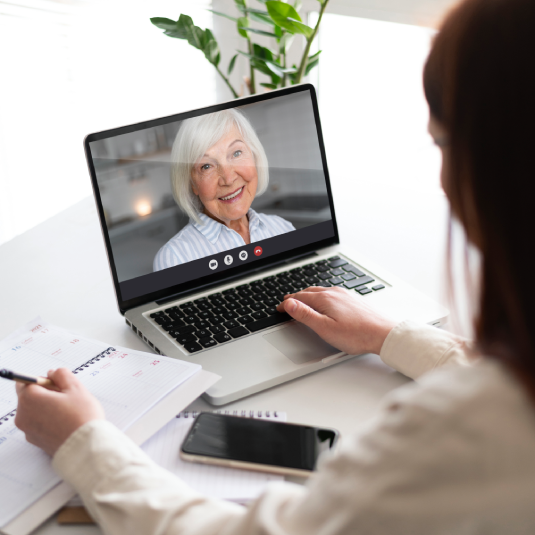
After choosing a clinic for laser skin resurfacing in Turkey, the next step is an initial online consultation. Many reputable clinics offer this remotely (often at no cost), so you can speak with a dermatologist or plastic surgeon, share your concerns, and confirm whether you are a suitable candidate before booking travel. This stage is key for aligning goals, selecting the right laser approach, and planning a safe treatment timeline.
Skin Concerns, Goals, and Medical History
Your clinician will ask what you want to improve such as fine lines, acne scars, sun damage, uneven tone, or texture. You’ll also review your medical history, including chronic conditions, tendency to form keloids, history of cold sores (HSV), allergies, and current medications or supplements. Be sure to mention any recent or current use of isotretinoin, blood thinners, or photosensitizing drugs, as these can affect candidacy and timing.
Skin Type Assessment and Laser Selection
You may be asked to provide clear, well-lit photos (front and side views) and details about your natural skin tone and tanning habits. This helps the specialist estimate your Fitzpatrick skin type and choose the safest option such as ablative (e.g., CO2/Er:YAG) versus non-ablative or fractional resurfacing. Proper selection reduces the risk of complications like post-inflammatory hyperpigmentation, prolonged redness, or scarring.
Pre-Treatment Preparation and Safety Checks
You’ll receive guidance on how to prepare, which may include pausing certain active skincare ingredients (like retinoids or strong acids), avoiding sun exposure and tanning, and optimizing your skin barrier. If you have a history of HSV, your clinician may recommend preventive antiviral medication. They will also confirm whether any recent procedures (peels, microneedling, injectables) should be spaced out before resurfacing.
Downtime, Results, and Realistic Expectations
Your provider will explain expected improvement, how many sessions may be needed, and what the recovery typically looks like (redness, swelling, peeling, and strict sun protection). You’ll discuss timelines for returning to work/social events, aftercare requirements, and potential risks so you can plan your trip to Turkey with clear expectations and a personalized treatment plan.
Initial Online Consultation and Suitability Assessment
After choosing a clinic for laser skin resurfacing in Turkey, the next step is an initial online consultation. Many reputable clinics offer this remotely (often at no cost), so you can speak with a dermatologist or plastic surgeon, share your concerns, and confirm whether you are a suitable candidate before booking travel. This stage is key for aligning goals, selecting the right laser approach, and planning a safe treatment timeline.
Skin Concerns, Goals, and Medical History
Your clinician will ask what you want to improve such as fine lines, acne scars, sun damage, uneven tone, or texture. You’ll also review your medical history, including chronic conditions, tendency to form keloids, history of cold sores (HSV), allergies, and current medications or supplements. Be sure to mention any recent or current use of isotretinoin, blood thinners, or photosensitizing drugs, as these can affect candidacy and timing.
Skin Type Assessment and Laser Selection
You may be asked to provide clear, well-lit photos (front and side views) and details about your natural skin tone and tanning habits. This helps the specialist estimate your Fitzpatrick skin type and choose the safest option such as ablative (e.g., CO2/Er:YAG) versus non-ablative or fractional resurfacing. Proper selection reduces the risk of complications like post-inflammatory hyperpigmentation, prolonged redness, or scarring.
Pre-Treatment Preparation and Safety Checks
You’ll receive guidance on how to prepare, which may include pausing certain active skincare ingredients (like retinoids or strong acids), avoiding sun exposure and tanning, and optimizing your skin barrier. If you have a history of HSV, your clinician may recommend preventive antiviral medication. They will also confirm whether any recent procedures (peels, microneedling, injectables) should be spaced out before resurfacing.
Downtime, Results, and Realistic Expectations
Your provider will explain expected improvement, how many sessions may be needed, and what the recovery typically looks like (redness, swelling, peeling, and strict sun protection). You’ll discuss timelines for returning to work/social events, aftercare requirements, and potential risks so you can plan your trip to Turkey with clear expectations and a personalized treatment plan.
| Country | Price (EUR €) |
|---|---|
| Türkiye | € 450 – € 1,500 |
| Poland | € 700 – € 2,000 |
| Hungary | € 800 – € 2,300 |
| Germany | € 1,200 – € 3,500 |
Use our Calculation Module to Find Out
The Cost of Laser Skin Resurfacing
Calculate My Cost
Personalized Treatment Plan and Scheduling Your Session
After your consultation, the clinic will create a personalized laser skin resurfacing plan based on your skin type, concerns (fine lines, acne scars, pigmentation, texture), downtime preferences, and medical history. This step is important because laser settings and technique vary significantly between patients and the safest, most effective plan is tailored rather than “one-size-fits-all.”
Your treatment plan typically confirms the laser type (ablative vs non-ablative; fractional vs full-field), the treatment depth/intensity, whether you need one session or a series, and any add-ons such as topical numbing, cooling, or adjunctive skincare.
- Session count and spacing: Many non-ablative or gentle fractional treatments are done as a series, while deeper ablative resurfacing may be planned as a single session with longer recovery.
- Pre-treatment prep: You may be advised to pause retinoids/exfoliants, avoid tanning, and start a pigment-prevention plan if you’re prone to hyperpigmentation.
- Anesthesia plan: Most sessions use topical anesthetic; some deeper treatments may require stronger pain control depending on the area and settings.
- Aftercare and recovery timeline: The clinic should outline expected redness, peeling, and social downtime, plus when you can return to work, exercise, and sun exposure.
- Risk discussion and consent: You should receive clear guidance on potential side effects (temporary redness/swelling, infection risk, post-inflammatory hyperpigmentation, scarring rare) and how these risks are minimized.
When scheduling your session in Turkey, confirm logistics in writing especially if you’re traveling internationally. Many clinics offer packages that can include hotel accommodation, airport transfers, and interpreter support. Aim to schedule your treatment when you can protect your skin from sun exposure and allow adequate downtime for healing.
Before you book, ask for a final checklist: your pre-treatment instructions, medications/skincare to stop or start, what to bring on the day, and how follow-up will work once you return home.
Personalized Treatment Plan and Scheduling Your Session
After your consultation, the clinic will create a personalized laser skin resurfacing plan based on your skin type, concerns (fine lines, acne scars, pigmentation, texture), downtime preferences, and medical history. This step is important because laser settings and technique vary significantly between patients and the safest, most effective plan is tailored rather than “one-size-fits-all.”
Your treatment plan typically confirms the laser type (ablative vs non-ablative; fractional vs full-field), the treatment depth/intensity, whether you need one session or a series, and any add-ons such as topical numbing, cooling, or adjunctive skincare.
- Session count and spacing: Many non-ablative or gentle fractional treatments are done as a series, while deeper ablative resurfacing may be planned as a single session with longer recovery.
- Pre-treatment prep: You may be advised to pause retinoids/exfoliants, avoid tanning, and start a pigment-prevention plan if you’re prone to hyperpigmentation.
- Anesthesia plan: Most sessions use topical anesthetic; some deeper treatments may require stronger pain control depending on the area and settings.
- Aftercare and recovery timeline: The clinic should outline expected redness, peeling, and social downtime, plus when you can return to work, exercise, and sun exposure.
- Risk discussion and consent: You should receive clear guidance on potential side effects (temporary redness/swelling, infection risk, post-inflammatory hyperpigmentation, scarring rare) and how these risks are minimized.
When scheduling your session in Turkey, confirm logistics in writing especially if you’re traveling internationally. Many clinics offer packages that can include hotel accommodation, airport transfers, and interpreter support. Aim to schedule your treatment when you can protect your skin from sun exposure and allow adequate downtime for healing.
Before you book, ask for a final checklist: your pre-treatment instructions, medications/skincare to stop or start, what to bring on the day, and how follow-up will work once you return home.
| Country | Price (EUR €) |
|---|---|
| Türkiye | € 450 – € 1,500 |
| Poland | € 700 – € 2,000 |
| Hungary | € 800 – € 2,300 |
| Germany | € 1,200 – € 3,500 |
Use our Calculation Module to Find Out
The Cost of Laser Skin Resurfacing
Calculate My Cost

 Share Photos
& Skin Goals

 Travel to Turkey
 Pre-Treatment
Skin Prep
Traveling to Turkey and Pre-Treatment Skin Preparation
Once your laser skin resurfacing appointment is confirmed, your clinic team in Turkey will typically help coordinate key logistics such as recommended arrival time, hotel options, and transfers. Plan to arrive at least 1 day before treatment so you can rest, complete your in-person assessment, and avoid rushing on procedure day. Bring your passport, any relevant medical records, and a list of current medications and supplements to support a safe, personalized treatment plan.
Pre-Treatment Consultation and Skin Assessment:
Before resurfacing, your dermatologist will review your medical history, prior procedures, tendency to scar or form keloids, history of cold sores, and any pigmentation concerns. Your skin type and treatment goals (fine lines, acne scars, texture, sun damage) will be assessed to determine the most suitable laser type and settings, and to confirm whether you are a better candidate for ablative or non-ablative resurfacing.
Medication Review and Safety Checks:
You may be advised to pause certain products or medications that increase irritation or bleeding risk. Common examples include retinoids, exfoliating acids (AHA/BHA), and some anti-inflammatory or blood-thinning agents only stop prescription medicines if your clinician specifically instructs you to. If you have a history of herpes simplex (cold sores), prophylactic antiviral medication may be prescribed to reduce the risk of a flare after treatment.
Skin Preparation in the 2–4 Weeks Before Treatment:
- Sun avoidance: Avoid tanning and minimize sun exposure; use broad-spectrum SPF 50 daily to reduce the risk of post-inflammatory hyperpigmentation.
- Gentle routine: Switch to a mild cleanser and fragrance-free moisturizer; avoid harsh scrubs and at-home peels.
- Stop irritants as directed: Many clinics recommend stopping retinoids and exfoliating acids about 5–10 days prior (timing varies by laser type and skin sensitivity).
- Hydration and barrier support: Well-hydrated skin tends to tolerate treatment better and may heal more smoothly.
What to Pack for Your Trip:
- High-protection sunscreen (SPF 50), wide-brim hat, and sunglasses
- Gentle cleanser, bland moisturizer, and any clinic-recommended healing ointment
- Clean face masks (if needed) and a travel pillowcase to keep the treated area clean
- Your current skincare products (so your clinician can review what to pause and when to restart)
Day-Before and Day-Of Instructions:
Avoid alcohol and intense exercise the day before, and arrive with clean skin free of makeup, perfume, and heavy creams unless your clinic advises otherwise. Your team will confirm the treatment plan, review aftercare, and explain expected downtime so you can plan your stay in Turkey with comfort and safety in mind.
Traveling to Turkey and Pre-Treatment Skin Preparation
Once your laser skin resurfacing appointment is confirmed, your clinic team in Turkey will typically help coordinate key logistics such as recommended arrival time, hotel options, and transfers. Plan to arrive at least 1 day before treatment so you can rest, complete your in-person assessment, and avoid rushing on procedure day. Bring your passport, any relevant medical records, and a list of current medications and supplements to support a safe, personalized treatment plan.
Share Photos& Skin Goals
Travel to Turkey
Pre-TreatmentSkin Prep
Pre-Treatment Consultation and Skin Assessment:
Before resurfacing, your dermatologist will review your medical history, prior procedures, tendency to scar or form keloids, history of cold sores, and any pigmentation concerns. Your skin type and treatment goals (fine lines, acne scars, texture, sun damage) will be assessed to determine the most suitable laser type and settings, and to confirm whether you are a better candidate for ablative or non-ablative resurfacing.
Medication Review and Safety Checks:
You may be advised to pause certain products or medications that increase irritation or bleeding risk. Common examples include retinoids, exfoliating acids (AHA/BHA), and some anti-inflammatory or blood-thinning agents only stop prescription medicines if your clinician specifically instructs you to. If you have a history of herpes simplex (cold sores), prophylactic antiviral medication may be prescribed to reduce the risk of a flare after treatment.
Skin Preparation in the 2–4 Weeks Before Treatment:
- Sun avoidance: Avoid tanning and minimize sun exposure; use broad-spectrum SPF 50 daily to reduce the risk of post-inflammatory hyperpigmentation.
- Gentle routine: Switch to a mild cleanser and fragrance-free moisturizer; avoid harsh scrubs and at-home peels.
- Stop irritants as directed: Many clinics recommend stopping retinoids and exfoliating acids about 5–10 days prior (timing varies by laser type and skin sensitivity).
- Hydration and barrier support: Well-hydrated skin tends to tolerate treatment better and may heal more smoothly.
What to Pack for Your Trip:
- High-protection sunscreen (SPF 50), wide-brim hat, and sunglasses
- Gentle cleanser, bland moisturizer, and any clinic-recommended healing ointment
- Clean face masks (if needed) and a travel pillowcase to keep the treated area clean
- Your current skincare products (so your clinician can review what to pause and when to restart)
Day-Before and Day-Of Instructions:
Avoid alcohol and intense exercise the day before, and arrive with clean skin free of makeup, perfume, and heavy creams unless your clinic advises otherwise. Your team will confirm the treatment plan, review aftercare, and explain expected downtime so you can plan your stay in Turkey with comfort and safety in mind.
Laser Resurfacing Day: What to Expect


09:00
Arrival &Skin Prep
09:30
Numbing &Comfort
10:00-11:30
LaserTreatment
12:00
Cooling &Aftercare
You’ll check in, review your treatment plan, take before photos, and your skin will be cleansed and prepped.
A topical numbing cream (and sometimes local anesthetic) is applied; protective eye shields are placed for safety.
The clinician passes the laser over targeted areas; you may feel heat and a snapping sensation as the skin is resurfaced.
Cooling is applied, a soothing ointment/dressing may be placed, and you’ll leave with a clear aftercare plan and recovery timeline.
Laser Resurfacing Day: What to Expect
Laser skin resurfacing is usually performed as an outpatient treatment in Turkey. Your total clinic time is often 1–3 hours, depending on the laser type (ablative vs non-ablative), the size of the area treated, and whether numbing cream or sedation is used.
1) Check-in, photos & skin assessment
Your clinician will review your medical history, confirm the treatment plan, and take standardized photos for comparison. The skin is examined for active irritation, infection, or recent sunburn, which may require postponing treatment.
2) Cleansing & preparation
Makeup, sunscreen, and skincare products are removed. The area is cleansed and degreased to help the laser energy distribute evenly and reduce the risk of irritation.
3) Numbing and comfort options
Most patients receive a topical anesthetic cream (typically applied for 30–60 minutes). For deeper ablative resurfacing or larger areas, your clinic may offer local anesthetic injections, cooling devices, and in some cases mild sedation. Eye protection is placed before the laser starts.
4) The laser treatment itself
The clinician passes the laser over the skin in controlled patterns. You may feel heat, stinging, or a snapping sensation. Treatment time can range from 10–45 minutes depending on the area and settings. The team may adjust intensity in different zones (for example, around the mouth or acne-scarred areas).
5) Cooling, soothing & protective dressing
After treatment, the skin is cooled and a soothing ointment or barrier cream is applied. With some ablative treatments, a protective dressing may be used. You’ll receive a simple aftercare plan tailored to your laser type and skin sensitivity.
6) Before you leave: what’s normal vs. what’s not
- Normal right away: redness, warmth, swelling, and a sunburn-like sensation.
- Common over the next days: dryness, tightness, flaking/peeling (more noticeable with ablative lasers).
- Call the clinic urgently if: increasing pain, spreading redness, pus-like discharge, fever, new blisters, or signs of cold sore outbreak.
7) Getting back to your hotel safely
Plan to avoid heat, sun, and friction on the treated skin. If sedation is used, you’ll need someone to accompany you and you should not drive. Many clinics in Turkey can arrange a transfer so you can return comfortably.
Laser Resurfacing Day: What to Expect
Laser skin resurfacing is usually performed as an outpatient treatment in Turkey. Your total clinic time is often 1–3 hours, depending on the laser type (ablative vs non-ablative), the size of the area treated, and whether numbing cream or sedation is used.
Laser Resurfacing Day: What to Expect
09:00
Arrival &Skin Prep
09:30
Numbing &Comfort
10:00-11:30
LaserTreatment
12:00
Cooling &Aftercare
You’ll check in, review your treatment plan, take before photos, and your skin will be cleansed and prepped.
A topical numbing cream (and sometimes local anesthetic) is applied; protective eye shields are placed for safety.
The clinician passes the laser over targeted areas; you may feel heat and a snapping sensation as the skin is resurfaced.
Cooling is applied, a soothing ointment/dressing may be placed, and you’ll leave with a clear aftercare plan and recovery timeline.
1) Check-in, photos & skin assessment
Your clinician will review your medical history, confirm the treatment plan, and take standardized photos for comparison. The skin is examined for active irritation, infection, or recent sunburn, which may require postponing treatment.
2) Cleansing & preparation
Makeup, sunscreen, and skincare products are removed. The area is cleansed and degreased to help the laser energy distribute evenly and reduce the risk of irritation.
3) Numbing and comfort options
Most patients receive a topical anesthetic cream (typically applied for 30–60 minutes). For deeper ablative resurfacing or larger areas, your clinic may offer local anesthetic injections, cooling devices, and in some cases mild sedation. Eye protection is placed before the laser starts.
4) The laser treatment itself
The clinician passes the laser over the skin in controlled patterns. You may feel heat, stinging, or a snapping sensation. Treatment time can range from 10–45 minutes depending on the area and settings. The team may adjust intensity in different zones (for example, around the mouth or acne-scarred areas).
5) Cooling, soothing & protective dressing
After treatment, the skin is cooled and a soothing ointment or barrier cream is applied. With some ablative treatments, a protective dressing may be used. You’ll receive a simple aftercare plan tailored to your laser type and skin sensitivity.
6) Before you leave: what’s normal vs. what’s not
- Normal right away: redness, warmth, swelling, and a sunburn-like sensation.
- Common over the next days: dryness, tightness, flaking/peeling (more noticeable with ablative lasers).
- Call the clinic urgently if: increasing pain, spreading redness, pus-like discharge, fever, new blisters, or signs of cold sore outbreak.
7) Getting back to your hotel safely
Plan to avoid heat, sun, and friction on the treated skin. If sedation is used, you’ll need someone to accompany you and you should not drive. Many clinics in Turkey can arrange a transfer so you can return comfortably.
Immediate Aftercare and Early Recovery
The first 24–72 hours after laser skin resurfacing are focused on protecting the treated skin, controlling inflammation, and preventing infection. Your clinic in Turkey will provide a tailored aftercare plan (especially if you had ablative CO2/Er:YAG treatment), including recommended cleansers, healing ointments, and when appropriate antivirals or antibiotics. Mild to moderate redness, swelling, warmth, and a “sunburn-like” sensation are common early on and should gradually improve.
- Keep the area clean and moist: Cleanse only as instructed (often with a gentle cleanser or sterile saline) and apply the prescribed barrier ointment to support re-epithelialization and reduce crusting.
- Do not pick, peel, or scrub: Flaking and micro-crusting are expected. Picking can cause scarring, prolonged redness, or post-inflammatory hyperpigmentation.
- Reduce swelling: Sleep with your head elevated for the first few nights and use cool compresses if your provider approves (avoid ice directly on skin).
- Strict sun avoidance: Avoid direct sun exposure. Once your clinician confirms the skin is ready, use a broad-spectrum SPF 50+ daily and reapply as directed this is critical to prevent pigment changes.
- Pause irritants and actives: Avoid retinoids, exfoliating acids (AHA/BHA), vitamin C serums, scrubs, and fragranced products until cleared by your provider.
- Avoid heat and heavy exercise: Skip saunas, steam rooms, hot showers, swimming pools, and strenuous workouts for several days (or longer after ablative lasers) to minimize irritation and infection risk.
- Use medications exactly as prescribed: Take pain relief and any antiviral/antibiotic regimen as directed especially important for patients with a history of cold sores.
- Plan your downtime: Non-ablative treatments may involve 1–3 days of redness and mild swelling, while ablative resurfacing often requires about 7–10 days for initial healing, with redness that can persist for weeks.
- Know when to contact your clinic: Seek prompt advice for increasing pain, spreading redness, pus-like discharge, fever, new blisters, or worsening swelling these can indicate infection or an adverse reaction.
Follow-up checks (in person or via photo updates) help your provider confirm healing milestones and advise when you can safely resume makeup, skincare actives, and normal activities.
Immediate Aftercare and Early Recovery
The first 24–72 hours after laser skin resurfacing are focused on protecting the treated skin, controlling inflammation, and preventing infection. Your clinic in Turkey will provide a tailored aftercare plan (especially if you had ablative CO2/Er:YAG treatment), including recommended cleansers, healing ointments, and when appropriate antivirals or antibiotics. Mild to moderate redness, swelling, warmth, and a “sunburn-like” sensation are common early on and should gradually improve.
- Keep the area clean and moist: Cleanse only as instructed (often with a gentle cleanser or sterile saline) and apply the prescribed barrier ointment to support re-epithelialization and reduce crusting.
- Do not pick, peel, or scrub: Flaking and micro-crusting are expected. Picking can cause scarring, prolonged redness, or post-inflammatory hyperpigmentation.
- Reduce swelling: Sleep with your head elevated for the first few nights and use cool compresses if your provider approves (avoid ice directly on skin).
- Strict sun avoidance: Avoid direct sun exposure. Once your clinician confirms the skin is ready, use a broad-spectrum SPF 50+ daily and reapply as directed this is critical to prevent pigment changes.
- Pause irritants and actives: Avoid retinoids, exfoliating acids (AHA/BHA), vitamin C serums, scrubs, and fragranced products until cleared by your provider.
- Avoid heat and heavy exercise: Skip saunas, steam rooms, hot showers, swimming pools, and strenuous workouts for several days (or longer after ablative lasers) to minimize irritation and infection risk.
- Use medications exactly as prescribed: Take pain relief and any antiviral/antibiotic regimen as directed especially important for patients with a history of cold sores.
- Plan your downtime: Non-ablative treatments may involve 1–3 days of redness and mild swelling, while ablative resurfacing often requires about 7–10 days for initial healing, with redness that can persist for weeks.
- Know when to contact your clinic: Seek prompt advice for increasing pain, spreading redness, pus-like discharge, fever, new blisters, or worsening swelling these can indicate infection or an adverse reaction.
Follow-up checks (in person or via photo updates) help your provider confirm healing milestones and advise when you can safely resume makeup, skincare actives, and normal activities.

Follow-Up Appointments and Results Timeline
Follow-up care is a key part of laser skin resurfacing in Turkey. Your clinic will typically schedule check-ins to monitor healing, adjust your skincare plan, and confirm that your skin is recovering safely.
Typical follow-up schedule (may vary by laser type and depth)
- Within 24–72 hours: A quick review (in-person or remote) to assess redness, swelling, oozing/crusting (if present), and pain control.
- Day 5–10: Common time for an in-clinic review, especially after ablative resurfacing, to confirm re-epithelialization (new skin forming) and check for infection or delayed healing.
- 2–4 weeks: Evaluation of early results, pigment changes, and irritation; skincare and sun protection plan may be updated.
- 6–12 weeks: Progress check as collagen remodeling continues; discussion of whether additional sessions are needed (more common with fractional/non-ablative lasers).
- 3–6 months: Final assessment for many patients, as texture and fine lines continue to improve over time.
What results to expect and when
- First week: Redness, tightness, flaking, and sensitivity are common. After deeper/ablative treatments, crusting and peeling may occur before fresh skin appears.
- Weeks 2–4: Skin tone often looks more even, pores may appear smaller, and texture begins to smooth. Redness can persist, especially after ablative resurfacing.
- Weeks 6–12: Noticeable improvement in fine lines, acne scars, and overall firmness as collagen remodeling builds.
- 3–6 months: Peak results for texture and scarring are often seen here; some patients continue to improve beyond this window.
When to contact your clinic urgently
- Fever, worsening pain, spreading redness, pus-like discharge, or a foul smell
- New blisters, significant swelling, or rapidly darkening/patchy discoloration
- Cold sores (tingling, burning, or sores), especially if you have a history of herpes simplex
- Any sudden change in vision or severe eye irritation (if treated near the eyes)
Your provider will also advise when it’s safe to resume exercise, makeup, active skincare ingredients (retinoids/acids), and when to plan any maintenance or additional sessions to reach your desired outcome.
Follow-Up Appointments and Results Timeline
Follow-up care is a key part of laser skin resurfacing in Turkey. Your clinic will typically schedule check-ins to monitor healing, adjust your skincare plan, and confirm that your skin is recovering safely.
Typical follow-up schedule (may vary by laser type and depth)
- Within 24–72 hours: A quick review (in-person or remote) to assess redness, swelling, oozing/crusting (if present), and pain control.
- Day 5–10: Common time for an in-clinic review, especially after ablative resurfacing, to confirm re-epithelialization (new skin forming) and check for infection or delayed healing.
- 2–4 weeks: Evaluation of early results, pigment changes, and irritation; skincare and sun protection plan may be updated.
- 6–12 weeks: Progress check as collagen remodeling continues; discussion of whether additional sessions are needed (more common with fractional/non-ablative lasers).
- 3–6 months: Final assessment for many patients, as texture and fine lines continue to improve over time.
What results to expect and when
- First week: Redness, tightness, flaking, and sensitivity are common. After deeper/ablative treatments, crusting and peeling may occur before fresh skin appears.
- Weeks 2–4: Skin tone often looks more even, pores may appear smaller, and texture begins to smooth. Redness can persist, especially after ablative resurfacing.
- Weeks 6–12: Noticeable improvement in fine lines, acne scars, and overall firmness as collagen remodeling builds.
- 3–6 months: Peak results for texture and scarring are often seen here; some patients continue to improve beyond this window.
When to contact your clinic urgently
- Fever, worsening pain, spreading redness, pus-like discharge, or a foul smell
- New blisters, significant swelling, or rapidly darkening/patchy discoloration
- Cold sores (tingling, burning, or sores), especially if you have a history of herpes simplex
- Any sudden change in vision or severe eye irritation (if treated near the eyes)
Your provider will also advise when it’s safe to resume exercise, makeup, active skincare ingredients (retinoids/acids), and when to plan any maintenance or additional sessions to reach your desired outcome.
Your Heal Road consultant can help coordinate remote follow-ups and aftercare guidance once you’re back home.
Returning Home and Long-Term Skin Maintenance
Most patients can travel home shortly after laser skin resurfacing in Turkey, but your skin will still be in the active healing phase. Plan for a calm return, follow your clinic’s aftercare instructions closely, and arrange remote check-ins if offered. Long-term results depend on sun protection, gentle skincare, and consistency.
Before You Fly Home (First 24–72 Hours):
- Confirm your aftercare plan: Get written instructions, a list of approved products, and clear guidance on what is normal vs. urgent.
- Pack for comfort: Bring your prescribed ointment/moisturiser, sterile saline (if advised), clean gauze, and a wide-brim hat or UPF face covering for sun avoidance.
- Avoid heat and friction: Skip saunas, hot showers, heavy exercise, and anything that rubs the treated area.
Early Healing at Home (Days 3–14):
- Expect redness, tightness, and peeling: These are common, especially after ablative or fractional treatments. Do not pick or scrub.
- Keep skincare minimal: Use only the cleanser and healing ointment/moisturiser recommended by your provider until the skin barrier recovers.
- Sun avoidance is non-negotiable: Stay out of direct sun. Once your clinician says it’s safe, use broad-spectrum SPF 50+ daily and reapply as directed.
- Pause “active” ingredients: Avoid retinoids, exfoliating acids (AHA/BHA), vitamin C (if stinging), benzoyl peroxide, and fragranced products until cleared.
Settling In (Weeks 2–6):
- Gradual return to routine: Reintroduce products slowly, one at a time, only when redness and sensitivity have significantly improved.
- Makeup and shaving: Resume only when your clinician confirms the skin surface has fully re-epithelialised (healed over).
- Watch for pigment changes: Post-inflammatory hyperpigmentation can occur, especially in deeper skin tones or with sun exposure. Early advice can prevent it from worsening.
Long-Term Maintenance (3 Months and Beyond):
- Daily UV protection: Broad-spectrum SPF 50+ every day, plus hats and shade. UV exposure is the most common reason results fade or pigmentation returns.
- Barrier-first skincare: Use gentle cleanser, moisturiser, and sunscreen as your baseline. Add targeted products (retinoids, antioxidants, pigment correctors) only as tolerated.
- Healthy skin habits: Avoid smoking, manage acne/rosacea triggers, and keep hydration consistent these factors influence texture and tone over time.
- Maintenance treatments: Some patients benefit from periodic light peels, microneedling, or non-ablative laser sessions. Your provider can suggest a schedule based on your goals and skin type.
When to Seek Medical Advice:
- Increasing pain, spreading redness, warmth, or swelling
- Pus-like discharge, fever, or a new rash/blistering
- Persistent darkening/lightening of the skin or worsening redness beyond the expected timeline
- Any concern about infection, scarring, or delayed healing
If you’re unsure whether a symptom is normal, contact your clinic promptly early guidance can make a significant difference to comfort and final results.
Returning Home and Long-Term Skin Maintenance
Most patients can travel home shortly after laser skin resurfacing in Turkey, but your skin will still be in the active healing phase. Plan for a calm return, follow your clinic’s aftercare instructions closely, and arrange remote check-ins if offered. Long-term results depend on sun protection, gentle skincare, and consistency.
Before You Fly Home (First 24–72 Hours):
- Confirm your aftercare plan: Get written instructions, a list of approved products, and clear guidance on what is normal vs. urgent.
- Pack for comfort: Bring your prescribed ointment/moisturiser, sterile saline (if advised), clean gauze, and a wide-brim hat or UPF face covering for sun avoidance.
- Avoid heat and friction: Skip saunas, hot showers, heavy exercise, and anything that rubs the treated area.
Early Healing at Home (Days 3–14):
- Expect redness, tightness, and peeling: These are common, especially after ablative or fractional treatments. Do not pick or scrub.
- Keep skincare minimal: Use only the cleanser and healing ointment/moisturiser recommended by your provider until the skin barrier recovers.
- Sun avoidance is non-negotiable: Stay out of direct sun. Once your clinician says it’s safe, use broad-spectrum SPF 50+ daily and reapply as directed.
- Pause “active” ingredients: Avoid retinoids, exfoliating acids (AHA/BHA), vitamin C (if stinging), benzoyl peroxide, and fragranced products until cleared.
Settling In (Weeks 2–6):
- Gradual return to routine: Reintroduce products slowly, one at a time, only when redness and sensitivity have significantly improved.
- Makeup and shaving: Resume only when your clinician confirms the skin surface has fully re-epithelialised (healed over).
- Watch for pigment changes: Post-inflammatory hyperpigmentation can occur, especially in deeper skin tones or with sun exposure. Early advice can prevent it from worsening.
Long-Term Maintenance (3 Months and Beyond):
- Daily UV protection: Broad-spectrum SPF 50+ every day, plus hats and shade. UV exposure is the most common reason results fade or pigmentation returns.
- Barrier-first skincare: Use gentle cleanser, moisturiser, and sunscreen as your baseline. Add targeted products (retinoids, antioxidants, pigment correctors) only as tolerated.
- Healthy skin habits: Avoid smoking, manage acne/rosacea triggers, and keep hydration consistent these factors influence texture and tone over time.
- Maintenance treatments: Some patients benefit from periodic light peels, microneedling, or non-ablative laser sessions. Your provider can suggest a schedule based on your goals and skin type.
When to Seek Medical Advice:
- Increasing pain, spreading redness, warmth, or swelling
- Pus-like discharge, fever, or a new rash/blistering
- Persistent darkening/lightening of the skin or worsening redness beyond the expected timeline
- Any concern about infection, scarring, or delayed healing
If you’re unsure whether a symptom is normal, contact your clinic promptly early guidance can make a significant difference to comfort and final results.
Your Heal Road consultant can help coordinate remote follow-ups and aftercare guidance once you’re back home.

Essential Tips for a Smooth Laser Skin Resurfacing Experience in Turkey
- Choose the right laser and provider (not just the lowest price): Ask whether the clinic uses ablative (CO2/Er:YAG) or non-ablative/fractional lasers and why it suits your concerns (wrinkles, acne scars, pigmentation). Confirm the procedure is performed or directly supervised by a board-certified dermatologist or plastic surgeon with documented before-and-after results for your skin type.
- Share your full medical and skincare history early: Tell your clinician about cold sores (HSV), keloid tendency, isotretinoin use, recent tanning, melasma history, autoimmune conditions, and all medications/supplements. These factors can change laser settings, require preventive antivirals, or make treatment inappropriate.
- Plan your timing around healing and sun exposure: Schedule treatment when you can avoid strong sun for several weeks. Many patients do best in cooler months. Build in downtime redness, swelling, peeling, and sensitivity are normal, and recovery varies by laser depth and intensity.
- Follow pre-treatment skin prep exactly: Stop retinoids, exfoliating acids, and irritating actives as instructed (often 5–14 days prior). Avoid waxing/depilatories and self-tanners. Use broad-spectrum SPF daily and avoid sunbeds. If prescribed a pre-treatment regimen (e.g., hydroquinone for pigmentation-prone skin), use it consistently.
- Clarify anesthesia and comfort options: Confirm whether topical numbing, cooling, oral medication, or sedation is offered and what is included in the package. Ask how pain is managed immediately after treatment and what to do if discomfort escalates.
- Prepare your recovery kit before you travel: Pack gentle cleanser, sterile saline or thermal water spray (if advised), occlusive healing ointment recommended by the clinic, fragrance-free moisturizer, clean pillowcases, and a wide-brim hat. Avoid bringing strong actives until your clinician clears you to restart them.
- Protect your skin during travel in Turkey: Keep the treated area clean, avoid dusty/smoky environments, and minimize heat exposure (saunas, hammams, hot yoga). If you must be outdoors, use physical barriers (hat, shade) and apply SPF only when your provider says it’s safe (especially after ablative treatments).
- Commit to post-laser aftercare to reduce complications: Do not pick peeling skin or scabs. Use only approved products, keep the skin moisturized, and follow cleansing instructions. Watch for signs of infection (increasing pain, pus, fever), severe swelling, or worsening redness and contact the clinic immediately.
- Set realistic expectations and plan follow-ups: Results develop over weeks to months as collagen remodels. Some concerns need a series of sessions. Confirm your follow-up schedule (in-person before you fly home and virtual check-ins afterward) and get written guidance on when to resume makeup, exercise, and active skincare.
Essential Tips for a Smooth Laser Skin Resurfacing Experience in Turkey
- Choose the right laser and provider (not just the lowest price): Ask whether the clinic uses ablative (CO2/Er:YAG) or non-ablative/fractional lasers and why it suits your concerns (wrinkles, acne scars, pigmentation). Confirm the procedure is performed or directly supervised by a board-certified dermatologist or plastic surgeon with documented before-and-after results for your skin type.
- Share your full medical and skincare history early: Tell your clinician about cold sores (HSV), keloid tendency, isotretinoin use, recent tanning, melasma history, autoimmune conditions, and all medications/supplements. These factors can change laser settings, require preventive antivirals, or make treatment inappropriate.
- Plan your timing around healing and sun exposure: Schedule treatment when you can avoid strong sun for several weeks. Many patients do best in cooler months. Build in downtime redness, swelling, peeling, and sensitivity are normal, and recovery varies by laser depth and intensity.
- Follow pre-treatment skin prep exactly: Stop retinoids, exfoliating acids, and irritating actives as instructed (often 5–14 days prior). Avoid waxing/depilatories and self-tanners. Use broad-spectrum SPF daily and avoid sunbeds. If prescribed a pre-treatment regimen (e.g., hydroquinone for pigmentation-prone skin), use it consistently.
- Clarify anesthesia and comfort options: Confirm whether topical numbing, cooling, oral medication, or sedation is offered and what is included in the package. Ask how pain is managed immediately after treatment and what to do if discomfort escalates.
- Prepare your recovery kit before you travel: Pack gentle cleanser, sterile saline or thermal water spray (if advised), occlusive healing ointment recommended by the clinic, fragrance-free moisturizer, clean pillowcases, and a wide-brim hat. Avoid bringing strong actives until your clinician clears you to restart them.
- Protect your skin during travel in Turkey: Keep the treated area clean, avoid dusty/smoky environments, and minimize heat exposure (saunas, hammams, hot yoga). If you must be outdoors, use physical barriers (hat, shade) and apply SPF only when your provider says it’s safe (especially after ablative treatments).
- Commit to post-laser aftercare to reduce complications: Do not pick peeling skin or scabs. Use only approved products, keep the skin moisturized, and follow cleansing instructions. Watch for signs of infection (increasing pain, pus, fever), severe swelling, or worsening redness and contact the clinic immediately.
- Set realistic expectations and plan follow-ups: Results develop over weeks to months as collagen remodels. Some concerns need a series of sessions. Confirm your follow-up schedule (in-person before you fly home and virtual check-ins afterward) and get written guidance on when to resume makeup, exercise, and active skincare.
Conclusion


Article Contributors

Heal Road Editor
Editor

Heal Road Writer
Writer
- Views
- 166 views
- Reading Time
- Last Updated