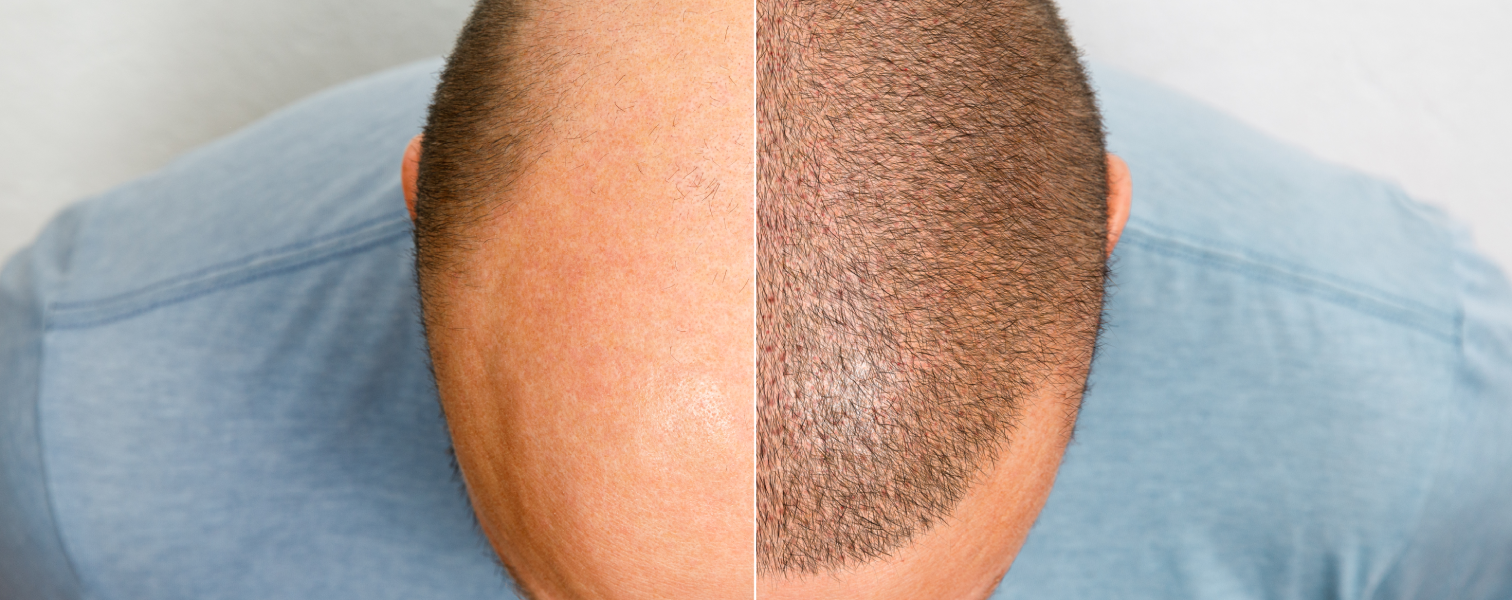
 213 views
A Step-by-Step Guide to Low-Level Laser Therapy (LLLT) in Turkey
Nereden Başlayacağını
Bilmiyor musun?
Doğru uzmanı en uygun fiyat garantisiyle bulun
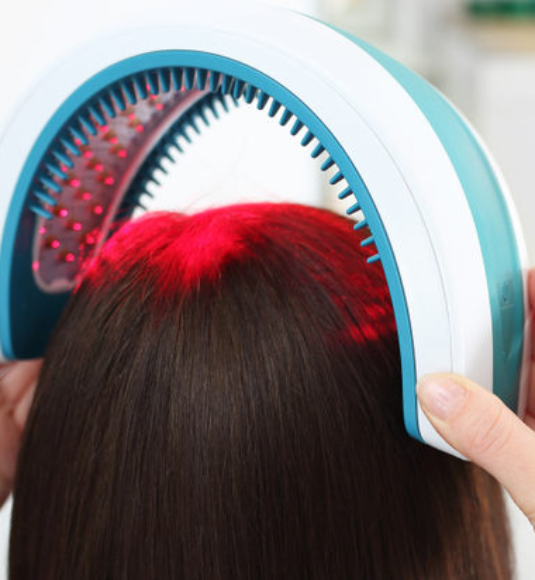
Your Heal Road consultant can help you understand whether LLLT is suitable for your condition and connect you with the right clinic in Turkey.
Understanding Low-Level Laser Therapy (LLLT) and Its Benefits
Low-Level Laser Therapy (LLLT) also called photobiomodulation is a non-invasive treatment that uses specific wavelengths of light to stimulate cellular activity and support the body’s natural healing processes. Unlike surgical or ablative lasers, LLLT does not cut or burn tissue. Instead, it delivers low-intensity light to targeted areas to help reduce inflammation, relieve pain, and accelerate tissue repair. In Turkey, LLLT is commonly offered in physiotherapy, rehabilitation, dermatology, dentistry, and sports medicine settings as a standalone therapy or as part of a broader treatment plan.
How LLLT works: Light energy is absorbed by cells (particularly within the mitochondria), which may help increase energy production (ATP) and modulate inflammatory pathways. This can support improved circulation, reduced swelling, and faster recovery in certain conditions.
- Pain relief: May help reduce acute or chronic pain by decreasing inflammation and influencing pain signaling.
- Reduced inflammation: Often used to support recovery in soft-tissue injuries and inflammatory conditions.
- Faster healing: Can be used to support wound healing and tissue repair in selected cases.
- Improved mobility and function: Frequently integrated into physiotherapy programs to help patients return to activity sooner.
- Non-invasive and well-tolerated: Sessions are typically quick, with minimal downtime and no needles or incisions.
Common reasons patients seek LLLT in Turkey: musculoskeletal pain (neck, back, shoulder, knee), tendon and ligament injuries, sports injuries, post-procedure recovery support, and certain dermatologic or dental applications depending on the clinic’s specialty and equipment.
Important note: Results vary by condition, device parameters, and treatment plan. A qualified clinician should confirm whether LLLT is appropriate for your diagnosis and whether it should be combined with physiotherapy, medications, or other interventions.
Understanding Low-Level Laser Therapy (LLLT) and Its Benefits
Low-Level Laser Therapy (LLLT) also called photobiomodulation is a non-invasive treatment that uses specific wavelengths of light to stimulate cellular activity and support the body’s natural healing processes. Unlike surgical or ablative lasers, LLLT does not cut or burn tissue. Instead, it delivers low-intensity light to targeted areas to help reduce inflammation, relieve pain, and accelerate tissue repair. In Turkey, LLLT is commonly offered in physiotherapy, rehabilitation, dermatology, dentistry, and sports medicine settings as a standalone therapy or as part of a broader treatment plan.
Your Heal Road consultant can help you understand whether LLLT is suitable for your condition and connect you with the right clinic in Turkey.
How LLLT works: Light energy is absorbed by cells (particularly within the mitochondria), which may help increase energy production (ATP) and modulate inflammatory pathways. This can support improved circulation, reduced swelling, and faster recovery in certain conditions.
- Pain relief: May help reduce acute or chronic pain by decreasing inflammation and influencing pain signaling.
- Reduced inflammation: Often used to support recovery in soft-tissue injuries and inflammatory conditions.
- Faster healing: Can be used to support wound healing and tissue repair in selected cases.
- Improved mobility and function: Frequently integrated into physiotherapy programs to help patients return to activity sooner.
- Non-invasive and well-tolerated: Sessions are typically quick, with minimal downtime and no needles or incisions.
Common reasons patients seek LLLT in Turkey: musculoskeletal pain (neck, back, shoulder, knee), tendon and ligament injuries, sports injuries, post-procedure recovery support, and certain dermatologic or dental applications depending on the clinic’s specialty and equipment.
Important note: Results vary by condition, device parameters, and treatment plan. A qualified clinician should confirm whether LLLT is appropriate for your diagnosis and whether it should be combined with physiotherapy, medications, or other interventions.

Comprehensive Research and Choosing the Right LLLT Clinic in Turkey
Choosing the right clinic is one of the most important steps in getting safe, effective Low-Level Laser Therapy (LLLT) in Turkey. Because LLLT is used for different goals such as hair regrowth support, pain relief, inflammation reduction, or post-procedure healing the best provider for you is the one that matches your condition, uses appropriate technology, and follows clear medical protocols.
1) Clarify your goal and confirm LLLT is appropriate
Before comparing clinics, define what you want to treat and what success looks like (e.g., reduced pain scores, improved range of motion, decreased shedding). Ask whether LLLT is recommended as a standalone therapy or as an adjunct to other treatments. A reputable clinic should explain expected benefits, limitations, and realistic timelines.
2) Verify clinician credentials and medical oversight
Prioritize clinics where treatment is planned or supervised by a qualified healthcare professional (e.g., dermatologist for hair/scalp concerns, physiotherapist or rehabilitation physician for musculoskeletal pain). Ask who performs the sessions, what training they have with laser devices, and how complications or unexpected reactions are handled.
3) Ask about the device and treatment parameters (not just the brand)
LLLT outcomes depend heavily on correct settings. Request details on the clinic’s protocol, including wavelength range, power output, energy dose (fluence), session duration, and frequency. The clinic should be able to explain how parameters are selected for your condition and skin/scalp type, and whether they adjust settings over time based on response.
4) Look for a structured assessment and documentation
A high-quality clinic typically performs a baseline evaluation and tracks progress. Depending on your indication, this may include photos, symptom scoring, functional tests, or scalp/hair assessment. Ask how they document results, how often they reassess, and what criteria they use to continue, modify, or stop treatment.
5) Review safety screening and contraindications
The clinic should screen for factors that may affect safety or outcomes, such as pregnancy status (where relevant), photosensitivity, use of photosensitizing medications, history of seizures triggered by light, active infections or suspicious lesions in the treatment area, and implanted electronic devices if applicable. They should also explain protective measures (e.g., eye protection) and post-session care.
6) Compare treatment plans, pricing transparency, and package claims
Ask for a written plan that includes the number of sessions, schedule, total cost, and what is included (consultation, follow-ups, add-on therapies). Be cautious of clinics that promise guaranteed results or push large prepaid packages without a clear reassessment point.
7) Evaluate clinic standards and patient experience
- Hygiene and professionalism: Clean treatment rooms, clear consent forms, and privacy standards.
- Communication: Staff can explain the protocol in plain language and answer questions without pressure.
- Aftercare and access: Clear instructions and a reliable contact for concerns between sessions.
8) Use reviews wisely and request before-and-after evidence
Patient reviews can be helpful, but they vary in quality. Look for consistent feedback about communication, scheduling, and follow-up. When appropriate (especially for hair/scalp indications), ask for anonymized before-and-after examples taken under consistent lighting and timing, and confirm that results vary by individual.
9) Shortlist and schedule a consultation
Once you’ve narrowed your options, book a consultation (virtual or in-person). Use it to confirm candidacy, review the proposed protocol, and ensure you feel comfortable with the team’s approach. A trustworthy clinic should welcome questions and provide a clear, medically grounded plan tailored to you.
Comprehensive Research and Choosing the Right LLLT Clinic in Turkey
Choosing the right clinic is one of the most important steps in getting safe, effective Low-Level Laser Therapy (LLLT) in Turkey. Because LLLT is used for different goals such as hair regrowth support, pain relief, inflammation reduction, or post-procedure healing the best provider for you is the one that matches your condition, uses appropriate technology, and follows clear medical protocols.
1) Clarify your goal and confirm LLLT is appropriate
Before comparing clinics, define what you want to treat and what success looks like (e.g., reduced pain scores, improved range of motion, decreased shedding). Ask whether LLLT is recommended as a standalone therapy or as an adjunct to other treatments. A reputable clinic should explain expected benefits, limitations, and realistic timelines.
2) Verify clinician credentials and medical oversight
Prioritize clinics where treatment is planned or supervised by a qualified healthcare professional (e.g., dermatologist for hair/scalp concerns, physiotherapist or rehabilitation physician for musculoskeletal pain). Ask who performs the sessions, what training they have with laser devices, and how complications or unexpected reactions are handled.
3) Ask about the device and treatment parameters (not just the brand)
LLLT outcomes depend heavily on correct settings. Request details on the clinic’s protocol, including wavelength range, power output, energy dose (fluence), session duration, and frequency. The clinic should be able to explain how parameters are selected for your condition and skin/scalp type, and whether they adjust settings over time based on response.
4) Look for a structured assessment and documentation
A high-quality clinic typically performs a baseline evaluation and tracks progress. Depending on your indication, this may include photos, symptom scoring, functional tests, or scalp/hair assessment. Ask how they document results, how often they reassess, and what criteria they use to continue, modify, or stop treatment.
5) Review safety screening and contraindications
The clinic should screen for factors that may affect safety or outcomes, such as pregnancy status (where relevant), photosensitivity, use of photosensitizing medications, history of seizures triggered by light, active infections or suspicious lesions in the treatment area, and implanted electronic devices if applicable. They should also explain protective measures (e.g., eye protection) and post-session care.
6) Compare treatment plans, pricing transparency, and package claims
Ask for a written plan that includes the number of sessions, schedule, total cost, and what is included (consultation, follow-ups, add-on therapies). Be cautious of clinics that promise guaranteed results or push large prepaid packages without a clear reassessment point.
7) Evaluate clinic standards and patient experience
- Hygiene and professionalism: Clean treatment rooms, clear consent forms, and privacy standards.
- Communication: Staff can explain the protocol in plain language and answer questions without pressure.
- Aftercare and access: Clear instructions and a reliable contact for concerns between sessions.
8) Use reviews wisely and request before-and-after evidence
Patient reviews can be helpful, but they vary in quality. Look for consistent feedback about communication, scheduling, and follow-up. When appropriate (especially for hair/scalp indications), ask for anonymized before-and-after examples taken under consistent lighting and timing, and confirm that results vary by individual.
9) Shortlist and schedule a consultation
Once you’ve narrowed your options, book a consultation (virtual or in-person). Use it to confirm candidacy, review the proposed protocol, and ensure you feel comfortable with the team’s approach. A trustworthy clinic should welcome questions and provide a clear, medically grounded plan tailored to you.
| Country | Price (EUR €) |
|---|---|
| Türkiye | € 40 |
| Poland | € 60 |
| Hungary | € 70 |
| Germany | € 120 |
Use our Calculation Module to Find Out
The Cost of LLLT
Calculate My Cost
Initial Virtual Consultation and Candidacy Assessment for LLLT
Before booking flights or committing to a package, most Turkish clinics begin with an online (virtual) consultation to confirm whether low-level laser therapy (LLLT) is appropriate for your goals such as hair regrowth support, pain relief, or post-procedure healing. This step helps the medical team estimate the number of sessions you may need and ensures your plan is safe and realistic.
During the virtual assessment, you’ll typically be asked to share:
- Your main concern and timeline (e.g., diffuse thinning, localized pain, recovery support)
- Clear photos or short videos of the treatment area in good lighting
- Relevant medical history (thyroid issues, autoimmune conditions, recent infections, pregnancy status, etc.)
- Current medications and supplements especially photosensitizing drugs or topical agents
- Recent lab results or diagnoses if available (commonly requested for hair loss cases)
- Prior treatments and your response (e.g., minoxidil, PRP, physiotherapy, injections)
Based on this information, the clinic will determine your candidacy and explain what LLLT can and cannot do. In many cases, LLLT works best as part of a broader plan (for example, combined with topical treatments for hair loss or a rehabilitation program for musculoskeletal pain). You should also receive guidance on expected session frequency, approximate treatment duration, and any preparation steps before your first appointment.
To protect your safety, ask the clinic to confirm the device type (medical-grade laser vs. LED), planned settings, and who will supervise treatment. If you have a history of light sensitivity, active skin infections, suspicious lesions, uncontrolled medical conditions, or are taking medications that increase photosensitivity, the team may recommend postponing treatment or coordinating with your doctor first.
Before you proceed, request a written summary of your proposed protocol (number of sessions, target area, estimated costs, and follow-up plan). This makes it easier to compare clinics in Turkey and ensures you know exactly what is included.
Initial Virtual Consultation and Candidacy Assessment for LLLT
Before booking flights or committing to a package, most Turkish clinics begin with an online (virtual) consultation to confirm whether low-level laser therapy (LLLT) is appropriate for your goals such as hair regrowth support, pain relief, or post-procedure healing. This step helps the medical team estimate the number of sessions you may need and ensures your plan is safe and realistic.
During the virtual assessment, you’ll typically be asked to share:
- Your main concern and timeline (e.g., diffuse thinning, localized pain, recovery support)
- Clear photos or short videos of the treatment area in good lighting
- Relevant medical history (thyroid issues, autoimmune conditions, recent infections, pregnancy status, etc.)
- Current medications and supplements especially photosensitizing drugs or topical agents
- Recent lab results or diagnoses if available (commonly requested for hair loss cases)
- Prior treatments and your response (e.g., minoxidil, PRP, physiotherapy, injections)
Based on this information, the clinic will determine your candidacy and explain what LLLT can and cannot do. In many cases, LLLT works best as part of a broader plan (for example, combined with topical treatments for hair loss or a rehabilitation program for musculoskeletal pain). You should also receive guidance on expected session frequency, approximate treatment duration, and any preparation steps before your first appointment.
To protect your safety, ask the clinic to confirm the device type (medical-grade laser vs. LED), planned settings, and who will supervise treatment. If you have a history of light sensitivity, active skin infections, suspicious lesions, uncontrolled medical conditions, or are taking medications that increase photosensitivity, the team may recommend postponing treatment or coordinating with your doctor first.
Before you proceed, request a written summary of your proposed protocol (number of sessions, target area, estimated costs, and follow-up plan). This makes it easier to compare clinics in Turkey and ensures you know exactly what is included.
| Country | Price (EUR €) |
|---|---|
| Türkiye | € 40 |
| Poland | € 60 |
| Hungary | € 70 |
| Germany | € 120 |
Use our Calculation Module to Find Out
The Cost of LLLT
Calculate My Cost

 Share
ShareYour Goals

 Personalized
LLLT Plan
 Schedule
Sessions
Personalized Treatment Planning and Scheduling Your LLLT Sessions
Low-Level Laser Therapy (LLLT) works best when it is tailored to your diagnosis, symptoms, and lifestyle. In Turkey, clinics typically begin with a detailed consultation to confirm whether LLLT is appropriate for your condition and to design a session plan that balances effectiveness, safety, and convenience especially if you are traveling for treatment.
Initial Assessment and Eligibility
Your clinician will review your medical history, current medications, and the exact problem area (for example, joint pain, tendon irritation, nerve-related pain, or post-procedure healing). A focused physical examination may be performed to map tender points, assess range of motion, and identify triggers. If needed, the clinic may request recent imaging or reports to support accurate targeting and expectations.
Defining Goals and Setting Expectations
Together, you will agree on measurable goals such as pain reduction, improved mobility, faster recovery, or reduced inflammation. Your provider should explain what LLLT can realistically achieve for your condition, how quickly improvement may be noticed, and when a different approach or referral would be more appropriate.
Creating Your Session Protocol
Your plan is individualized based on the treatment area and response to therapy. The protocol typically specifies:
- Target areas: specific points or regions to treat (including surrounding tissues, when relevant).
- Session frequency: commonly multiple sessions per week at the start, then tapering as symptoms improve.
- Total number of sessions: often planned as a short course with reassessment milestones.
- Combination care: whether LLLT will be paired with physiotherapy, exercise guidance, or post-procedure aftercare.
Scheduling for International Patients
If you are traveling to Turkey, the clinic coordinator can help build a practical schedule around your arrival and departure dates. Many clinics offer clustered appointments (e.g., several sessions across consecutive days) when clinically appropriate, with follow-up guidance for continuing care once you return home.
Safety Screening and Pre-Session Guidance
Before your first session, you will receive instructions on how to prepare (for example, arriving with clean skin over the treatment area and wearing comfortable clothing). Your clinician will also confirm key safety points, including any precautions related to pregnancy, active cancer in the treatment area, photosensitivity, or medications that may increase light sensitivity.
Progress Reviews and Plan Adjustments
LLLT plans are commonly adjusted based on your response. Clinics may track pain scores, function, swelling, or range of motion at set intervals. If progress is slower than expected, your provider may modify the treatment targets, session frequency, or recommend complementary therapies to optimize outcomes.
Personalized Treatment Planning and Scheduling Your LLLT Sessions
Low-Level Laser Therapy (LLLT) works best when it is tailored to your diagnosis, symptoms, and lifestyle. In Turkey, clinics typically begin with a detailed consultation to confirm whether LLLT is appropriate for your condition and to design a session plan that balances effectiveness, safety, and convenience especially if you are traveling for treatment.
ShareYour Goals
PersonalizedLLLT Plan
ScheduleSessions
Initial Assessment and Eligibility
Your clinician will review your medical history, current medications, and the exact problem area (for example, joint pain, tendon irritation, nerve-related pain, or post-procedure healing). A focused physical examination may be performed to map tender points, assess range of motion, and identify triggers. If needed, the clinic may request recent imaging or reports to support accurate targeting and expectations.
Defining Goals and Setting Expectations
Together, you will agree on measurable goals such as pain reduction, improved mobility, faster recovery, or reduced inflammation. Your provider should explain what LLLT can realistically achieve for your condition, how quickly improvement may be noticed, and when a different approach or referral would be more appropriate.
Creating Your Session Protocol
Your plan is individualized based on the treatment area and response to therapy. The protocol typically specifies:
- Target areas: specific points or regions to treat (including surrounding tissues, when relevant).
- Session frequency: commonly multiple sessions per week at the start, then tapering as symptoms improve.
- Total number of sessions: often planned as a short course with reassessment milestones.
- Combination care: whether LLLT will be paired with physiotherapy, exercise guidance, or post-procedure aftercare.
Scheduling for International Patients
If you are traveling to Turkey, the clinic coordinator can help build a practical schedule around your arrival and departure dates. Many clinics offer clustered appointments (e.g., several sessions across consecutive days) when clinically appropriate, with follow-up guidance for continuing care once you return home.
Safety Screening and Pre-Session Guidance
Before your first session, you will receive instructions on how to prepare (for example, arriving with clean skin over the treatment area and wearing comfortable clothing). Your clinician will also confirm key safety points, including any precautions related to pregnancy, active cancer in the treatment area, photosensitivity, or medications that may increase light sensitivity.
Progress Reviews and Plan Adjustments
LLLT plans are commonly adjusted based on your response. Clinics may track pain scores, function, swelling, or range of motion at set intervals. If progress is slower than expected, your provider may modify the treatment targets, session frequency, or recommend complementary therapies to optimize outcomes.
Traveling to Turkey & Pre-Treatment Preparations


1–2 Weeks Before
Online Consultation &Eligibility
7–10 Days Before
Medical History &Medication Review
3–5 Days Before
Travel Planning &Clinic Scheduling
Arrival Day
Pre-Session Check &Final Instructions
Share photos and any prior reports so the clinic can confirm whether LLLT is appropriate for your goals and outline a session plan.
Provide a full medical history, allergies, and current medications/supplements; follow guidance on sun exposure, skincare products, and any contraindications.
Book flights and accommodation around your appointment schedule, plan local transport, and keep your passport/visa and clinic confirmations handy.
Arrive hydrated and with clean skin (no heavy creams or makeup on the treatment area); complete consent forms and review aftercare before your first session.
Traveling to Turkey and Pre-Treatment Preparations
Planning ahead helps you get the most from your Low-Level Laser Therapy (LLLT) sessions in Turkey. Because LLLT is typically delivered as a series of short, scheduled treatments, organizing travel, timing, and basic health details in advance can make your visit smoother and more effective.
Before You Book: Share Your Medical Details
Send the clinic a brief medical summary so they can confirm suitability and tailor settings. Include your diagnosis/goal (e.g., pain relief, inflammation, wound healing, hair support), current symptoms, prior treatments, and any recent imaging or lab results if relevant.
- Medication list: especially blood thinners, steroids, immunosuppressants, and any drugs that may increase light sensitivity.
- Medical history: cancer history (especially in the treatment area), epilepsy/seizure history, thyroid disease (if neck treatment is planned), pregnancy status, and active infections.
- Skin considerations: recent sunburn/tanning, photosensitive conditions, or use of topical retinoids/peels on the area.
Timing Your Trip Around the Treatment Plan
Ask for a written schedule before arrival. Many protocols involve multiple sessions over several days (or repeated visits), so plan flights and accommodation to avoid rushing between appointments.
- Build in buffer time: arrive at least a day early if you’re crossing time zones or have connecting flights.
- Plan for follow-up: confirm whether you’ll need remote check-ins and how progress will be tracked after you return home.
What to Pack
- Medical documents: passport ID page copy, medication list, relevant reports, and clinic confirmations.
- Comfort items: loose clothing that allows easy access to the treatment area (e.g., shoulder, knee, scalp).
- Skin/hair basics: gentle cleanser; avoid bringing new, potentially irritating products for the treatment area.
- Eye protection: clinics typically provide laser safety goggles, but confirm in advance if you have special needs (e.g., prescription eyewear).
Pre-Session Do’s and Don’ts (General Guidance)
- Do arrive well-hydrated and eat normally unless instructed otherwise.
- Do keep the treatment area clean and free of heavy lotions, oils, makeup, or hair products on the day (unless your clinic advises differently).
- Don’t start new supplements or topical products right before travel without checking especially if you’re prone to irritation.
- Don’t schedule intense sun exposure (beach/tanning) immediately before sessions if the area will be treated.
Confirm Logistics With the Clinic
- Location and transport: airport transfer options, clinic address, and estimated travel time from your hotel.
- Language support: interpreter availability if needed.
- Session documentation: request a summary of device type, wavelength range, dose/parameters (when appropriate), and treated areas for your records.
Important: LLLT is generally well-tolerated, but it is not appropriate for every condition. Your clinic should screen for contraindications and explain expected outcomes, number of sessions, and realistic timelines before you travel.
Traveling to Turkey and Pre-Treatment Preparations
Planning ahead helps you get the most from your Low-Level Laser Therapy (LLLT) sessions in Turkey. Because LLLT is typically delivered as a series of short, scheduled treatments, organizing travel, timing, and basic health details in advance can make your visit smoother and more effective.
Traveling to Turkey & Pre-Treatment Preparations
1–2 Weeks Before
Online Consultation &Eligibility
7–10 Days Before
Medical History &Medication Review
3–5 Days Before
Travel Planning &Clinic Scheduling
Arrival Day
Pre-Session Check &Final Instructions
Share photos and any prior reports so the clinic can confirm whether LLLT is appropriate for your goals and outline a session plan.
Provide a full medical history, allergies, and current medications/supplements; follow guidance on sun exposure, skincare products, and any contraindications.
Book flights and accommodation around your appointment schedule, plan local transport, and keep your passport/visa and clinic confirmations handy.
Arrive hydrated and with clean skin (no heavy creams or makeup on the treatment area); complete consent forms and review aftercare before your first session.
Before You Book: Share Your Medical Details
Send the clinic a brief medical summary so they can confirm suitability and tailor settings. Include your diagnosis/goal (e.g., pain relief, inflammation, wound healing, hair support), current symptoms, prior treatments, and any recent imaging or lab results if relevant.
- Medication list: especially blood thinners, steroids, immunosuppressants, and any drugs that may increase light sensitivity.
- Medical history: cancer history (especially in the treatment area), epilepsy/seizure history, thyroid disease (if neck treatment is planned), pregnancy status, and active infections.
- Skin considerations: recent sunburn/tanning, photosensitive conditions, or use of topical retinoids/peels on the area.
Timing Your Trip Around the Treatment Plan
Ask for a written schedule before arrival. Many protocols involve multiple sessions over several days (or repeated visits), so plan flights and accommodation to avoid rushing between appointments.
- Build in buffer time: arrive at least a day early if you’re crossing time zones or have connecting flights.
- Plan for follow-up: confirm whether you’ll need remote check-ins and how progress will be tracked after you return home.
What to Pack
- Medical documents: passport ID page copy, medication list, relevant reports, and clinic confirmations.
- Comfort items: loose clothing that allows easy access to the treatment area (e.g., shoulder, knee, scalp).
- Skin/hair basics: gentle cleanser; avoid bringing new, potentially irritating products for the treatment area.
- Eye protection: clinics typically provide laser safety goggles, but confirm in advance if you have special needs (e.g., prescription eyewear).
Pre-Session Do’s and Don’ts (General Guidance)
- Do arrive well-hydrated and eat normally unless instructed otherwise.
- Do keep the treatment area clean and free of heavy lotions, oils, makeup, or hair products on the day (unless your clinic advises differently).
- Don’t start new supplements or topical products right before travel without checking especially if you’re prone to irritation.
- Don’t schedule intense sun exposure (beach/tanning) immediately before sessions if the area will be treated.
Confirm Logistics With the Clinic
- Location and transport: airport transfer options, clinic address, and estimated travel time from your hotel.
- Language support: interpreter availability if needed.
- Session documentation: request a summary of device type, wavelength range, dose/parameters (when appropriate), and treated areas for your records.
Important: LLLT is generally well-tolerated, but it is not appropriate for every condition. Your clinic should screen for contraindications and explain expected outcomes, number of sessions, and realistic timelines before you travel.
LLLT Session Day: What Happens During Treatment
Low-Level Laser Therapy (LLLT) sessions in Turkey are typically quick, non-invasive, and performed in an outpatient setting. While protocols vary by clinic and the condition being treated, most appointments follow a similar step-by-step flow:
- Check-in and brief review: Your clinician confirms your treatment plan, reviews any changes in symptoms or medications, and checks the target area (e.g., scalp, joint, skin, or post-procedure site).
- Preparation of the treatment area: The area may be cleaned and positioned for access. For scalp treatments, hair may be parted to improve contact and coverage.
- Eye protection: You (and staff) will wear protective goggles, especially when lasers are used near the face or scalp.
- Device setup and dosing: The clinician selects the wavelength and settings (power, time, and treatment points) based on your indication and skin/scalp characteristics. Some clinics use handheld probes; others use panels or helmet-style devices for broader coverage.
- Light application: The device is applied directly to the skin or held at a set distance. You may feel gentle warmth or tingling, but treatment should not be painful. Sessions commonly last around 10–30 minutes depending on the area and protocol.
- Monitoring during treatment: The clinician may ask about comfort and adjust positioning to ensure even exposure and avoid overheating.
- Immediate post-session check: The area is inspected for temporary redness or sensitivity. Most people can return to normal activities right away.
What you might notice: Many patients feel little to nothing during LLLT. Mild warmth, temporary redness, or slight scalp/skin sensitivity can occur and usually resolves quickly. If you experience significant discomfort, burning sensations, or persistent irritation, inform your provider promptly so settings and technique can be adjusted.
LLLT Session Day: What Happens During Treatment
Low-Level Laser Therapy (LLLT) sessions in Turkey are typically quick, non-invasive, and performed in an outpatient setting. While protocols vary by clinic and the condition being treated, most appointments follow a similar step-by-step flow:
- Check-in and brief review: Your clinician confirms your treatment plan, reviews any changes in symptoms or medications, and checks the target area (e.g., scalp, joint, skin, or post-procedure site).
- Preparation of the treatment area: The area may be cleaned and positioned for access. For scalp treatments, hair may be parted to improve contact and coverage.
- Eye protection: You (and staff) will wear protective goggles, especially when lasers are used near the face or scalp.
- Device setup and dosing: The clinician selects the wavelength and settings (power, time, and treatment points) based on your indication and skin/scalp characteristics. Some clinics use handheld probes; others use panels or helmet-style devices for broader coverage.
- Light application: The device is applied directly to the skin or held at a set distance. You may feel gentle warmth or tingling, but treatment should not be painful. Sessions commonly last around 10–30 minutes depending on the area and protocol.
- Monitoring during treatment: The clinician may ask about comfort and adjust positioning to ensure even exposure and avoid overheating.
- Immediate post-session check: The area is inspected for temporary redness or sensitivity. Most people can return to normal activities right away.
What you might notice: Many patients feel little to nothing during LLLT. Mild warmth, temporary redness, or slight scalp/skin sensitivity can occur and usually resolves quickly. If you experience significant discomfort, burning sensations, or persistent irritation, inform your provider promptly so settings and technique can be adjusted.

Immediate Aftercare, Sensations, and Short-Term Recovery
Low-Level Laser Therapy (LLLT) is generally well tolerated and requires minimal downtime. Knowing what to expect right after your session in Turkey can help you feel prepared and get the most from your treatment plan.
What you may feel during or immediately after LLLT
- Little to no pain: Most people describe the sensation as neutral, mildly warm, or a gentle tingling.
- Temporary warmth or redness: A mild, short-lived warmth or slight skin flushing can occur at the treatment site.
- Brief sensitivity: If the area is already inflamed or tender, you may notice short-term sensitivity that settles within hours.
- Relaxation or fatigue: Some patients feel calm or slightly tired after treatment, especially when multiple areas are treated.
Immediate aftercare (same day)
- Resume normal activities: Most patients can return to work, walking, and daily routines right away unless your clinician advises otherwise.
- Hydrate and keep the area comfortable: Drink water and avoid unnecessary friction or pressure on the treated area for the rest of the day.
- Follow your clinic’s guidance on heat/ice: Depending on the condition being treated, your provider may recommend avoiding ice or heat immediately after a session.
- Medication and topical products: Continue prescribed medications as directed. Ask your clinician before applying new creams, gels, or strong actives to the treated skin.
- Protect your eyes: If you’re given protective eyewear for home-use devices, use it exactly as instructed.
Short-term recovery and when results may appear
- Early changes: Some people notice reduced discomfort or improved mobility within 24–72 hours.
- Gradual improvement: Many benefits build over a series of sessions; it’s common for progress to be incremental rather than immediate.
- Temporary symptom fluctuation: Mild, short-lived changes in soreness or sensitivity can happen as tissues respond report anything that feels unusual or persistent.
When to contact your clinic
- Increasing pain, swelling, blistering, or a burn-like sensation at the treatment site
- New rash, significant redness that persists beyond 24 hours, or signs of infection
- Dizziness, headache, or visual discomfort after a session (especially if eye protection was not used correctly)
- Any worsening of your underlying condition that does not settle within 48–72 hours
Your provider in Turkey should give you personalized aftercare instructions based on the condition being treated, the device settings, and your overall health. If you are traveling, confirm how to reach the clinic between sessions and after you return home.
Immediate Aftercare, Sensations, and Short-Term Recovery
Low-Level Laser Therapy (LLLT) is generally well tolerated and requires minimal downtime. Knowing what to expect right after your session in Turkey can help you feel prepared and get the most from your treatment plan.
What you may feel during or immediately after LLLT
- Little to no pain: Most people describe the sensation as neutral, mildly warm, or a gentle tingling.
- Temporary warmth or redness: A mild, short-lived warmth or slight skin flushing can occur at the treatment site.
- Brief sensitivity: If the area is already inflamed or tender, you may notice short-term sensitivity that settles within hours.
- Relaxation or fatigue: Some patients feel calm or slightly tired after treatment, especially when multiple areas are treated.
Immediate aftercare (same day)
- Resume normal activities: Most patients can return to work, walking, and daily routines right away unless your clinician advises otherwise.
- Hydrate and keep the area comfortable: Drink water and avoid unnecessary friction or pressure on the treated area for the rest of the day.
- Follow your clinic’s guidance on heat/ice: Depending on the condition being treated, your provider may recommend avoiding ice or heat immediately after a session.
- Medication and topical products: Continue prescribed medications as directed. Ask your clinician before applying new creams, gels, or strong actives to the treated skin.
- Protect your eyes: If you’re given protective eyewear for home-use devices, use it exactly as instructed.
Short-term recovery and when results may appear
- Early changes: Some people notice reduced discomfort or improved mobility within 24–72 hours.
- Gradual improvement: Many benefits build over a series of sessions; it’s common for progress to be incremental rather than immediate.
- Temporary symptom fluctuation: Mild, short-lived changes in soreness or sensitivity can happen as tissues respond report anything that feels unusual or persistent.
When to contact your clinic
- Increasing pain, swelling, blistering, or a burn-like sensation at the treatment site
- New rash, significant redness that persists beyond 24 hours, or signs of infection
- Dizziness, headache, or visual discomfort after a session (especially if eye protection was not used correctly)
- Any worsening of your underlying condition that does not settle within 48–72 hours
Your provider in Turkey should give you personalized aftercare instructions based on the condition being treated, the device settings, and your overall health. If you are traveling, confirm how to reach the clinic between sessions and after you return home.
Your Heal Road consultant can help you plan follow-up sessions in Turkey and arrange remote check-ins once you’re back home.
Follow-Up Sessions, Progress Tracking, and Treatment Adjustments
Low-Level Laser Therapy (LLLT) is typically delivered as a series of sessions rather than a one-time treatment. In Turkey, clinics often build a structured follow-up plan to monitor your response, document progress, and fine-tune the protocol (such as dose, frequency, or target areas) to help you get the best possible results.
How Many Sessions Are Usually Needed?
The number of sessions depends on your condition, goals, and how your body responds. Some people notice changes after a few visits, while others need a longer course. Your provider may recommend an initial “starter” series and then reassess before continuing.
- Short course: Often used for mild symptoms or to test responsiveness.
- Standard course: Common for ongoing issues where gradual improvement is expected.
- Maintenance sessions: Sometimes scheduled after the main course if symptoms tend to recur.
What Clinics Track Between Sessions
Progress tracking helps confirm whether the treatment is working and whether adjustments are needed. Depending on the indication, your clinic may document:
- Symptom scores: Pain level, stiffness, swelling, or sensitivity (often using a 0–10 scale).
- Functional changes: Range of motion, mobility, or ability to perform daily activities.
- Visual changes: Photos of the treatment area (useful for skin, scalp, or wound-related goals).
- Patient feedback: Sleep, comfort, flare patterns, and how long benefits last after each session.
When Treatment Adjustments May Be Made
LLLT protocols can be customized. Your clinician may adjust the plan if you’re improving too slowly, plateauing, or experiencing temporary sensitivity. Common adjustments include:
- Session frequency: Increasing or spacing out visits based on response.
- Energy dose and duration: Modifying exposure time or total energy delivered.
- Targeting: Expanding or narrowing treatment zones to match symptoms.
- Device settings: Changing wavelength or mode depending on the device and clinical goal.
Follow-Up After You Return Home
If you’re traveling to Turkey for LLLT, ask your clinic about remote follow-up. Many providers can review your progress virtually, advise on next steps, and help coordinate continued sessions locally if needed. Keep a simple log of symptoms, photos (if relevant), and any triggers to share during check-ins.
When to Contact the Clinic
LLLT is generally well tolerated, but you should contact your provider if you experience unexpected worsening of symptoms, persistent discomfort, skin irritation at the treatment site, or any new symptoms that concern you especially if you have a complex medical history.
Follow-Up Sessions, Progress Tracking, and Treatment Adjustments
Low-Level Laser Therapy (LLLT) is typically delivered as a series of sessions rather than a one-time treatment. In Turkey, clinics often build a structured follow-up plan to monitor your response, document progress, and fine-tune the protocol (such as dose, frequency, or target areas) to help you get the best possible results.
How Many Sessions Are Usually Needed?
The number of sessions depends on your condition, goals, and how your body responds. Some people notice changes after a few visits, while others need a longer course. Your provider may recommend an initial “starter” series and then reassess before continuing.
- Short course: Often used for mild symptoms or to test responsiveness.
- Standard course: Common for ongoing issues where gradual improvement is expected.
- Maintenance sessions: Sometimes scheduled after the main course if symptoms tend to recur.
What Clinics Track Between Sessions
Progress tracking helps confirm whether the treatment is working and whether adjustments are needed. Depending on the indication, your clinic may document:
- Symptom scores: Pain level, stiffness, swelling, or sensitivity (often using a 0–10 scale).
- Functional changes: Range of motion, mobility, or ability to perform daily activities.
- Visual changes: Photos of the treatment area (useful for skin, scalp, or wound-related goals).
- Patient feedback: Sleep, comfort, flare patterns, and how long benefits last after each session.
When Treatment Adjustments May Be Made
LLLT protocols can be customized. Your clinician may adjust the plan if you’re improving too slowly, plateauing, or experiencing temporary sensitivity. Common adjustments include:
- Session frequency: Increasing or spacing out visits based on response.
- Energy dose and duration: Modifying exposure time or total energy delivered.
- Targeting: Expanding or narrowing treatment zones to match symptoms.
- Device settings: Changing wavelength or mode depending on the device and clinical goal.
Follow-Up After You Return Home
If you’re traveling to Turkey for LLLT, ask your clinic about remote follow-up. Many providers can review your progress virtually, advise on next steps, and help coordinate continued sessions locally if needed. Keep a simple log of symptoms, photos (if relevant), and any triggers to share during check-ins.
When to Contact the Clinic
LLLT is generally well tolerated, but you should contact your provider if you experience unexpected worsening of symptoms, persistent discomfort, skin irritation at the treatment site, or any new symptoms that concern you especially if you have a complex medical history.
Your Heal Road consultant can help you plan follow-up sessions in Turkey and arrange remote check-ins once you’re back home.
Heading Home and Maintaining Results: Essential Tips for LLLT Success in Turkey
Low-Level Laser Therapy (LLLT) is typically delivered in a series of sessions, so your long-term outcome depends on what happens after you leave the clinic just as much as what happens in the treatment room. Use the tips below to protect your progress, reduce setbacks, and stay connected with your provider once you return home.
- Confirm your post-treatment plan before you fly: Ask for a written schedule that outlines how many sessions you completed, how many are recommended next, and the ideal timing for maintenance sessions (if applicable). Clarify what “success” looks like for your condition and when you should expect to notice changes.
- Get a complete copy of your records: Request a summary that includes your diagnosis/indication, laser type and key parameters (as appropriate), treated areas, session dates, and any adjunct treatments (topicals, supplements, physiotherapy, skincare, etc.). This helps your local clinician continue care safely if needed.
- Follow aftercare instructions exactly: Your clinic may advise specific skincare, scalp care, activity modifications, or spacing between sessions depending on the indication (e.g., pain/inflammation vs. hair support vs. skin concerns). Don’t add new products or treatments without checking first, especially in the first week.
- Protect treated areas from avoidable irritation: Avoid aggressive exfoliation, harsh actives, very hot showers/saunas, or tight headwear over sensitive areas unless your clinician says it’s fine. If you’re treating pain or inflammation, pace your return to exercise and increase activity gradually.
- Maintain consistency if you’re continuing LLLT at home: If you plan to use a home device, confirm it’s appropriate for your goal and ask your clinic for a safe schedule. More is not always better overuse can irritate skin or undermine adherence.
- Support results with lifestyle basics: Hydration, sleep, balanced nutrition, and stress management can influence recovery and symptom control. If hair support is a goal, ask whether iron, vitamin D, thyroid status, or other factors should be checked with your local doctor.
- Plan follow-up and remote check-ins: Schedule a tele-visit or photo-based follow-up before you leave Turkey. Ask what photos to take (angles, lighting, distance) and how often, so progress can be assessed consistently over time.
- Know what’s normal and what’s not: Mild warmth, temporary redness, or short-lived sensitivity can occur depending on the treated area. Contact the clinic promptly if you develop significant pain, blistering, worsening swelling, signs of infection, visual symptoms (if treatment was near the face), or any reaction that concerns you.
- Keep expectations realistic and track progress: Many LLLT protocols require multiple sessions and gradual improvement. Use simple tracking pain scores, mobility notes, standardized photos, or symptom diaries to avoid relying on day-to-day fluctuations.
- Coordinate with your local healthcare team when appropriate: If you have chronic conditions, take blood thinners, are pregnant, have a history of cancer, or use photosensitizing medications, ensure your local clinician is aware of your LLLT course and any ongoing plans.
If you’re unsure about any step after returning home, send your clinic a message with photos and a brief symptom update early guidance can prevent small issues from becoming setbacks.
Heading Home and Maintaining Results: Essential Tips for LLLT Success in Turkey
Low-Level Laser Therapy (LLLT) is typically delivered in a series of sessions, so your long-term outcome depends on what happens after you leave the clinic just as much as what happens in the treatment room. Use the tips below to protect your progress, reduce setbacks, and stay connected with your provider once you return home.
- Confirm your post-treatment plan before you fly: Ask for a written schedule that outlines how many sessions you completed, how many are recommended next, and the ideal timing for maintenance sessions (if applicable). Clarify what “success” looks like for your condition and when you should expect to notice changes.
- Get a complete copy of your records: Request a summary that includes your diagnosis/indication, laser type and key parameters (as appropriate), treated areas, session dates, and any adjunct treatments (topicals, supplements, physiotherapy, skincare, etc.). This helps your local clinician continue care safely if needed.
- Follow aftercare instructions exactly: Your clinic may advise specific skincare, scalp care, activity modifications, or spacing between sessions depending on the indication (e.g., pain/inflammation vs. hair support vs. skin concerns). Don’t add new products or treatments without checking first, especially in the first week.
- Protect treated areas from avoidable irritation: Avoid aggressive exfoliation, harsh actives, very hot showers/saunas, or tight headwear over sensitive areas unless your clinician says it’s fine. If you’re treating pain or inflammation, pace your return to exercise and increase activity gradually.
- Maintain consistency if you’re continuing LLLT at home: If you plan to use a home device, confirm it’s appropriate for your goal and ask your clinic for a safe schedule. More is not always better overuse can irritate skin or undermine adherence.
- Support results with lifestyle basics: Hydration, sleep, balanced nutrition, and stress management can influence recovery and symptom control. If hair support is a goal, ask whether iron, vitamin D, thyroid status, or other factors should be checked with your local doctor.
- Plan follow-up and remote check-ins: Schedule a tele-visit or photo-based follow-up before you leave Turkey. Ask what photos to take (angles, lighting, distance) and how often, so progress can be assessed consistently over time.
- Know what’s normal and what’s not: Mild warmth, temporary redness, or short-lived sensitivity can occur depending on the treated area. Contact the clinic promptly if you develop significant pain, blistering, worsening swelling, signs of infection, visual symptoms (if treatment was near the face), or any reaction that concerns you.
- Keep expectations realistic and track progress: Many LLLT protocols require multiple sessions and gradual improvement. Use simple tracking pain scores, mobility notes, standardized photos, or symptom diaries to avoid relying on day-to-day fluctuations.
- Coordinate with your local healthcare team when appropriate: If you have chronic conditions, take blood thinners, are pregnant, have a history of cancer, or use photosensitizing medications, ensure your local clinician is aware of your LLLT course and any ongoing plans.
If you’re unsure about any step after returning home, send your clinic a message with photos and a brief symptom update early guidance can prevent small issues from becoming setbacks.
Conclusion


Article Contributors

Heal Road Editor
Editor

Heal Road Writer
Writer
- Views
- 213 views
- Reading Time
- Last Updated