 191 views
A Step-by-Step Guide to Percutaneous Hair Transplantation in Turkey
Nereden Başlayacağını
Bilmiyor musun?
Doğru uzmanı en uygun fiyat garantisiyle bulun

Your Heal Road consultant can help you compare clinics and coordinate follow-up care after you return home.
In-Depth Research and Selecting the Right Percutaneous Hair Transplant Clinic
Before starting your percutaneous hair transplant journey in Turkey, invest time in careful research and clinic selection. Turkey especially Istanbul, Ankara, Izmir, and Antalya hosts many high-volume hair restoration centers, but outcomes vary based on medical standards, team experience, and planning. Choosing the right clinic helps ensure natural hairline design, safe graft handling, and a smooth travel-and-treatment experience.
Use the checklist below to compare clinics objectively and avoid common pitfalls.
Verify Medical Credentials and Oversight
Confirm the procedure is performed in a licensed medical facility with a qualified physician supervising key steps (assessment, planning, anesthesia, and complication management). Ask about the team’s specific experience with percutaneous implantation (direct implantation using micro-needles/implanters) and how many similar cases they complete monthly.
Assess Technique Fit and Candidacy
A reputable clinic will evaluate your donor capacity, hair caliber, pattern of loss, and long-term progression before recommending graft numbers. They should explain whether percutaneous implantation is best for your goals (e.g., dense packing, minimal handling time) and discuss alternatives if needed.
Review Real Patient Results (Not Just Marketing)
Request multiple before-and-after examples with similar hair type and hairline goals. Look for consistent angles, density, and natural transitions at the frontal zone. Prefer clinics that can share time-stamped progress (e.g., 3, 6, 12 months) rather than only “final” photos.
Understand Who Does What on Procedure Day
Clarify who performs extraction, graft sorting, and implantation. Ask about the number of patients treated per day and whether the team is dedicated to you throughout the session. Consistent staffing and low patient turnover typically support better graft care and placement precision.
Safety Standards, Sterility, and Anesthesia Protocols
Ask about single-use consumables, sterilization processes, and monitoring during local anesthesia. A trustworthy clinic will outline how they reduce risks such as infection, excessive bleeding, overharvesting, or poor graft survival.
Transparent Pricing and What’s Included
Request a written quote that specifies graft estimate, technique, medications, aftercare kit, follow-up schedule, and any extras such as accommodation, airport transfers, and interpreter services. Transparent packages help you avoid hidden costs and unclear responsibilities after you return home.
Aftercare, Follow-Up, and Long-Term Planning
Choose a clinic that provides structured aftercare instructions, easy access to clinical support, and remote follow-ups. They should also discuss long-term planning how future hair loss may affect density and whether additional sessions could be needed.
In-Depth Research and Selecting the Right Percutaneous Hair Transplant Clinic
Before starting your percutaneous hair transplant journey in Turkey, invest time in careful research and clinic selection. Turkey especially Istanbul, Ankara, Izmir, and Antalya hosts many high-volume hair restoration centers, but outcomes vary based on medical standards, team experience, and planning. Choosing the right clinic helps ensure natural hairline design, safe graft handling, and a smooth travel-and-treatment experience.
Use the checklist below to compare clinics objectively and avoid common pitfalls.
Your Heal Road consultant can help you compare clinics and coordinate follow-up care after you return home.
Verify Medical Credentials and Oversight
Confirm the procedure is performed in a licensed medical facility with a qualified physician supervising key steps (assessment, planning, anesthesia, and complication management). Ask about the team’s specific experience with percutaneous implantation (direct implantation using micro-needles/implanters) and how many similar cases they complete monthly.
Assess Technique Fit and Candidacy
A reputable clinic will evaluate your donor capacity, hair caliber, pattern of loss, and long-term progression before recommending graft numbers. They should explain whether percutaneous implantation is best for your goals (e.g., dense packing, minimal handling time) and discuss alternatives if needed.
Review Real Patient Results (Not Just Marketing)
Request multiple before-and-after examples with similar hair type and hairline goals. Look for consistent angles, density, and natural transitions at the frontal zone. Prefer clinics that can share time-stamped progress (e.g., 3, 6, 12 months) rather than only “final” photos.
Understand Who Does What on Procedure Day
Clarify who performs extraction, graft sorting, and implantation. Ask about the number of patients treated per day and whether the team is dedicated to you throughout the session. Consistent staffing and low patient turnover typically support better graft care and placement precision.
Safety Standards, Sterility, and Anesthesia Protocols
Ask about single-use consumables, sterilization processes, and monitoring during local anesthesia. A trustworthy clinic will outline how they reduce risks such as infection, excessive bleeding, overharvesting, or poor graft survival.
Transparent Pricing and What’s Included
Request a written quote that specifies graft estimate, technique, medications, aftercare kit, follow-up schedule, and any extras such as accommodation, airport transfers, and interpreter services. Transparent packages help you avoid hidden costs and unclear responsibilities after you return home.
Aftercare, Follow-Up, and Long-Term Planning
Choose a clinic that provides structured aftercare instructions, easy access to clinical support, and remote follow-ups. They should also discuss long-term planning how future hair loss may affect density and whether additional sessions could be needed.

Initial Online Consultation and Candidacy Evaluation
After selecting a clinic for your percutaneous hair transplantation in Turkey, the next step is an initial online consultation. Most reputable clinics offer this remotely (often free or low-cost) so you can share your concerns, review your goals, and confirm whether you are a good candidate before booking travel. This stage is also where the team outlines a realistic plan for graft numbers, technique, timeline, and expected density.
Medical History and Hair-Loss Profile
Your coordinator or surgeon will ask about your general health, current medications (including blood thinners), allergies, smoking, and any history of scalp conditions. You’ll also discuss your hair-loss pattern, family history, and prior treatments (e.g., minoxidil, finasteride, PRP, previous transplants). This helps identify risks and ensures the procedure is appropriate and safe.
Photo/Video Review and Donor Area Assessment
You will typically be asked to provide clear, well-lit photos (front, top, both sides, back, and close-ups of the donor area). These images allow the team to estimate donor density, hair caliber, scalp laxity, and the likely number of grafts available key factors in determining candidacy and designing a natural-looking hairline.
Treatment Plan, Technique, and Expectations
Based on your assessment, the clinic will propose a personalized plan covering the target areas, estimated graft count, and whether the approach will be more suitable for FUE, DHI, or a combined strategy. You should also receive guidance on what results are realistic, how many sessions may be needed, and how your existing hair may continue to thin over time.
Pre-Procedure Instructions and Red Flags
A quality consultation includes clear pre-op instructions (e.g., when to stop alcohol/smoking, medication adjustments only with your prescribing doctor’s approval, and scalp care). It should also flag situations that may require postponement or further evaluation such as active scalp infections, uncontrolled medical conditions, or unrealistic expectations.
- Tip: Ask who will perform each step (surgeon vs. technicians), what anesthesia is used, and what follow-up support is included.
- Bring: A list of medications/supplements, prior procedure details, and your preferred hairline/density goals.
Initial Online Consultation and Candidacy Evaluation
After selecting a clinic for your percutaneous hair transplantation in Turkey, the next step is an initial online consultation. Most reputable clinics offer this remotely (often free or low-cost) so you can share your concerns, review your goals, and confirm whether you are a good candidate before booking travel. This stage is also where the team outlines a realistic plan for graft numbers, technique, timeline, and expected density.
Medical History and Hair-Loss Profile
Your coordinator or surgeon will ask about your general health, current medications (including blood thinners), allergies, smoking, and any history of scalp conditions. You’ll also discuss your hair-loss pattern, family history, and prior treatments (e.g., minoxidil, finasteride, PRP, previous transplants). This helps identify risks and ensures the procedure is appropriate and safe.
Photo/Video Review and Donor Area Assessment
You will typically be asked to provide clear, well-lit photos (front, top, both sides, back, and close-ups of the donor area). These images allow the team to estimate donor density, hair caliber, scalp laxity, and the likely number of grafts available key factors in determining candidacy and designing a natural-looking hairline.
Treatment Plan, Technique, and Expectations
Based on your assessment, the clinic will propose a personalized plan covering the target areas, estimated graft count, and whether the approach will be more suitable for FUE, DHI, or a combined strategy. You should also receive guidance on what results are realistic, how many sessions may be needed, and how your existing hair may continue to thin over time.
Pre-Procedure Instructions and Red Flags
A quality consultation includes clear pre-op instructions (e.g., when to stop alcohol/smoking, medication adjustments only with your prescribing doctor’s approval, and scalp care). It should also flag situations that may require postponement or further evaluation such as active scalp infections, uncontrolled medical conditions, or unrealistic expectations.
- Tip: Ask who will perform each step (surgeon vs. technicians), what anesthesia is used, and what follow-up support is included.
- Bring: A list of medications/supplements, prior procedure details, and your preferred hairline/density goals.
| Country | Price (EUR €) |
|---|---|
| Türkiye | € 2,200 |
| Spain | € 4,500 |
| United Kingdom | € 7,500 |
| Germany | € 9,000 |
Use our Calculation Module to Find Out
The Cost of Percutaneous Hair Transplantation
Calculate My Cost
Personalized Treatment Plan, Graft Estimate, and Scheduling
Once your photos, medical history, and scalp assessment are reviewed, the clinic will create a personalized hair transplant plan. This step confirms whether you’re a better candidate for FUE, DHI, or a combined approach, and it sets realistic expectations for density, hairline design, and coverage.
- Hairline and design planning: Your surgeon will propose a hairline shape and graft distribution (front, mid-scalp, crown) based on your facial proportions, current loss pattern, and long-term progression.
- Donor area evaluation: The team estimates how many grafts can be safely harvested without over-thinning the donor zone, considering hair caliber, density, and donor laxity.
- Graft estimate and density targets: You’ll receive an approximate graft count (often a range) and a plan for how those grafts will be allocated to achieve the most natural-looking result.
- Technique and anesthesia plan: The clinic outlines the extraction/implantation method, expected procedure duration, and local anesthesia protocol.
- Pre-op instructions: You’ll be advised on medications and supplements to pause (if applicable), smoking/alcohol restrictions, and any required lab tests especially if you have medical conditions or take blood thinners.
After you approve the plan, the clinic will help you schedule your procedure around travel and recovery time. Many Turkish clinics offer international-patient coordination, which may include airport transfers, hotel arrangements, and an interpreter. Ask for a written confirmation of what’s included (number of grafts or graft range, technique, surgeon involvement, aftercare kit, and follow-up schedule) so there are no surprises.
Keep in mind that graft numbers can change slightly on the day of surgery after an in-person scalp exam. A reputable clinic will prioritize donor safety and natural density over maximizing graft count.
Personalized Treatment Plan, Graft Estimate, and Scheduling
Once your photos, medical history, and scalp assessment are reviewed, the clinic will create a personalized hair transplant plan. This step confirms whether you’re a better candidate for FUE, DHI, or a combined approach, and it sets realistic expectations for density, hairline design, and coverage.
- Hairline and design planning: Your surgeon will propose a hairline shape and graft distribution (front, mid-scalp, crown) based on your facial proportions, current loss pattern, and long-term progression.
- Donor area evaluation: The team estimates how many grafts can be safely harvested without over-thinning the donor zone, considering hair caliber, density, and donor laxity.
- Graft estimate and density targets: You’ll receive an approximate graft count (often a range) and a plan for how those grafts will be allocated to achieve the most natural-looking result.
- Technique and anesthesia plan: The clinic outlines the extraction/implantation method, expected procedure duration, and local anesthesia protocol.
- Pre-op instructions: You’ll be advised on medications and supplements to pause (if applicable), smoking/alcohol restrictions, and any required lab tests especially if you have medical conditions or take blood thinners.
After you approve the plan, the clinic will help you schedule your procedure around travel and recovery time. Many Turkish clinics offer international-patient coordination, which may include airport transfers, hotel arrangements, and an interpreter. Ask for a written confirmation of what’s included (number of grafts or graft range, technique, surgeon involvement, aftercare kit, and follow-up schedule) so there are no surprises.
Keep in mind that graft numbers can change slightly on the day of surgery after an in-person scalp exam. A reputable clinic will prioritize donor safety and natural density over maximizing graft count.
| Country | Price (EUR €) |
|---|---|
| Türkiye | € 2,200 |
| Spain | € 4,500 |
| United Kingdom | € 7,500 |
| Germany | € 9,000 |
Use our Calculation Module to Find Out
The Cost of Percutaneous Hair Transplantation
Calculate My Cost

 Arrive
in Turkey

 Hotel
HotelCheck-In
 Pre-Op
Instructions
Traveling to Turkey: Arrival, Accommodation, and Pre-Op Instructions
Most clinics in Turkey that offer percutaneous (DHI/implanter-pen) hair transplantation provide a coordinated travel pathway so you can focus on the procedure rather than logistics. After you land, a clinic representative typically meets you at the airport and arranges private transfer to your hotel or clinic-arranged accommodation. You’ll then receive a clear schedule for your pre-op assessment and surgery day, including pickup times, clinic address details, and what to bring.
Arrival and Transfers
Plan to arrive at least 1 day before your procedure when possible. This allows time to rest, hydrate, and complete pre-op checks without rushing. Keep your passport, booking confirmation, and any medical documents accessible for check-in and clinic registration.
Accommodation Tips for Hair Transplant Patients
- Choose a quiet hotel close to the clinic to minimize travel time and stress.
- Bring a button-up/zip-up top for surgery day and early recovery to avoid pulling clothing over the scalp.
- Prepare for upright sleep (often recommended for the first nights). Many patients find a travel neck pillow helpful.
Pre-Op Consultation and Scalp Assessment
Before percutaneous implantation, the medical team typically reviews your medical history, examines donor and recipient areas, confirms the target hairline design, and finalizes the graft estimate. Photos may be taken for documentation, and the plan is adjusted to match your hair characteristics (caliber, curl pattern, density) and long-term goals.
Safety Checks and Medication Review
Clinics commonly perform basic health screening (and sometimes blood tests) to confirm you’re fit for local anesthesia and the procedure. Tell your team about any blood thinners, anti-inflammatory medications, supplements (e.g., fish oil, vitamin E), or medical conditions such as diabetes, hypertension, bleeding disorders, or prior scalp surgery. Do not stop prescribed medications unless your clinician specifically advises it.
Common Pre-Op Instructions (Typical)
- Avoid alcohol for 24–48 hours before surgery (or as directed).
- Avoid smoking/vaping if possible nicotine can impair healing and graft survival.
- Limit caffeine on the morning of surgery if advised (it may increase jitters and blood pressure).
- Wash your hair as instructed; avoid styling products (gel, wax, sprays) on procedure day.
- Eat a light meal unless your clinic instructs otherwise; most hair transplants are done under local anesthesia, not general anesthesia.
What to Bring to the Clinic
- Passport/ID and any required paperwork
- List of current medications and allergies
- Comfort items for a long day (water, snacks if permitted, phone charger)
- Button-up/zip-up clothing and a loose-fitting hat for aftercare (only if your clinic approves)
Tip: If you feel unwell (fever, active infection, significant scalp irritation) before your appointment, notify the clinic promptly your team may adjust timing to protect your safety and results.
Traveling to Turkey: Arrival, Accommodation, and Pre-Op Instructions
Most clinics in Turkey that offer percutaneous (DHI/implanter-pen) hair transplantation provide a coordinated travel pathway so you can focus on the procedure rather than logistics. After you land, a clinic representative typically meets you at the airport and arranges private transfer to your hotel or clinic-arranged accommodation. You’ll then receive a clear schedule for your pre-op assessment and surgery day, including pickup times, clinic address details, and what to bring.
Arrivein Turkey
HotelCheck-In
Pre-OpInstructions
Arrival and Transfers
Plan to arrive at least 1 day before your procedure when possible. This allows time to rest, hydrate, and complete pre-op checks without rushing. Keep your passport, booking confirmation, and any medical documents accessible for check-in and clinic registration.
Accommodation Tips for Hair Transplant Patients
- Choose a quiet hotel close to the clinic to minimize travel time and stress.
- Bring a button-up/zip-up top for surgery day and early recovery to avoid pulling clothing over the scalp.
- Prepare for upright sleep (often recommended for the first nights). Many patients find a travel neck pillow helpful.
Pre-Op Consultation and Scalp Assessment
Before percutaneous implantation, the medical team typically reviews your medical history, examines donor and recipient areas, confirms the target hairline design, and finalizes the graft estimate. Photos may be taken for documentation, and the plan is adjusted to match your hair characteristics (caliber, curl pattern, density) and long-term goals.
Safety Checks and Medication Review
Clinics commonly perform basic health screening (and sometimes blood tests) to confirm you’re fit for local anesthesia and the procedure. Tell your team about any blood thinners, anti-inflammatory medications, supplements (e.g., fish oil, vitamin E), or medical conditions such as diabetes, hypertension, bleeding disorders, or prior scalp surgery. Do not stop prescribed medications unless your clinician specifically advises it.
Common Pre-Op Instructions (Typical)
- Avoid alcohol for 24–48 hours before surgery (or as directed).
- Avoid smoking/vaping if possible nicotine can impair healing and graft survival.
- Limit caffeine on the morning of surgery if advised (it may increase jitters and blood pressure).
- Wash your hair as instructed; avoid styling products (gel, wax, sprays) on procedure day.
- Eat a light meal unless your clinic instructs otherwise; most hair transplants are done under local anesthesia, not general anesthesia.
What to Bring to the Clinic
- Passport/ID and any required paperwork
- List of current medications and allergies
- Comfort items for a long day (water, snacks if permitted, phone charger)
- Button-up/zip-up clothing and a loose-fitting hat for aftercare (only if your clinic approves)
Tip: If you feel unwell (fever, active infection, significant scalp irritation) before your appointment, notify the clinic promptly your team may adjust timing to protect your safety and results.
Procedure Day: Percutaneous Hair Transplant Step by Step


08:30
Check-in &Hairline Design
09:15
Local Anesthesia &Donor Prep
10:00-14:00
Percutaneous Channels &Graft Placement
14:30
Final Check &Post-Op Care
Arrival, photos, and a final consultation to confirm graft count, density goals, and a natural-looking hairline plan.
Donor area is trimmed and numbed; follicles are extracted and sorted while the recipient area is prepared for implantation.
Micro-channels are created percutaneously to control angle and direction, then grafts are implanted to match your native growth pattern.
Scalp is cleaned, a light dressing may be applied, and you’ll receive washing, sleeping, and medication instructions before discharge.
Procedure Day: Percutaneous Hair Transplant Step by Step
A percutaneous hair transplant session in Turkey is usually completed in 6–9 hours, depending on the number of grafts and whether you are treating one or multiple areas (e.g., hairline + crown). The day is structured to keep you comfortable while the team focuses on natural direction, density, and graft survival.
1) Check-in, consent & final planning
Your team confirms your medical history, reviews the agreed design, and takes pre-op photos. The surgeon re-checks the hairline and density plan, then marks the recipient and donor areas.
2) Donor area preparation
The donor zone (typically the back and sides of the scalp) is trimmed and disinfected. If needed, a small test is done to confirm the anesthetic effect before extraction begins.
3) Local anesthesia (with optional sedation)
Local anesthesia is administered to the donor and recipient areas to keep the procedure pain-free. Some clinics offer mild sedation for anxiety, but you remain able to communicate throughout.
4) Graft extraction (usually FUE)
Follicular units are extracted one by one using a micro-punch. The team works to preserve the donor area, avoid over-harvesting, and maintain a natural-looking donor density.
5) Graft sorting & preservation
Extracted grafts are counted, inspected, and grouped (single-hair vs. multi-hair grafts). They are kept hydrated and cooled in a sterile holding solution to support viability until implantation.
6) Recipient-site creation with the percutaneous technique
Instead of making long incisions, the surgeon creates tiny channels using a fine percutaneous blade/needle. This step is critical for a natural result because it sets the angle, direction, and depth of each graft especially along the hairline and temples.
7) Graft implantation
Grafts are placed into the prepared micro-channels with delicate forceps or an implanter, following the planned pattern. Single-hair grafts are typically used at the front for a soft hairline, while multi-hair grafts add density behind.
8) Final check, dressing & discharge instructions
The team cleans the scalp, applies a light dressing (often to the donor area), and reviews medications and aftercare. You’ll be shown how to sleep, when to start washing, and what swelling/scabbing is normal in the first days.
- Typical breaks: short rest periods and a meal break are usually included.
- What you should feel: pressure and tapping sensations are common; sharp pain is not expected once anesthesia is effective.
Procedure Day: Percutaneous Hair Transplant Step by Step
A percutaneous hair transplant session in Turkey is usually completed in 6–9 hours, depending on the number of grafts and whether you are treating one or multiple areas (e.g., hairline + crown). The day is structured to keep you comfortable while the team focuses on natural direction, density, and graft survival.
Procedure Day: Percutaneous Hair Transplant Step by Step
08:30
Check-in &Hairline Design
09:15
Local Anesthesia &Donor Prep
10:00-14:00
Percutaneous Channels &Graft Placement
14:30
Final Check &Post-Op Care
Arrival, photos, and a final consultation to confirm graft count, density goals, and a natural-looking hairline plan.
Donor area is trimmed and numbed; follicles are extracted and sorted while the recipient area is prepared for implantation.
Micro-channels are created percutaneously to control angle and direction, then grafts are implanted to match your native growth pattern.
Scalp is cleaned, a light dressing may be applied, and you’ll receive washing, sleeping, and medication instructions before discharge.
1) Check-in, consent & final planning
Your team confirms your medical history, reviews the agreed design, and takes pre-op photos. The surgeon re-checks the hairline and density plan, then marks the recipient and donor areas.
2) Donor area preparation
The donor zone (typically the back and sides of the scalp) is trimmed and disinfected. If needed, a small test is done to confirm the anesthetic effect before extraction begins.
3) Local anesthesia (with optional sedation)
Local anesthesia is administered to the donor and recipient areas to keep the procedure pain-free. Some clinics offer mild sedation for anxiety, but you remain able to communicate throughout.
4) Graft extraction (usually FUE)
Follicular units are extracted one by one using a micro-punch. The team works to preserve the donor area, avoid over-harvesting, and maintain a natural-looking donor density.
5) Graft sorting & preservation
Extracted grafts are counted, inspected, and grouped (single-hair vs. multi-hair grafts). They are kept hydrated and cooled in a sterile holding solution to support viability until implantation.
6) Recipient-site creation with the percutaneous technique
Instead of making long incisions, the surgeon creates tiny channels using a fine percutaneous blade/needle. This step is critical for a natural result because it sets the angle, direction, and depth of each graft especially along the hairline and temples.
7) Graft implantation
Grafts are placed into the prepared micro-channels with delicate forceps or an implanter, following the planned pattern. Single-hair grafts are typically used at the front for a soft hairline, while multi-hair grafts add density behind.
8) Final check, dressing & discharge instructions
The team cleans the scalp, applies a light dressing (often to the donor area), and reviews medications and aftercare. You’ll be shown how to sleep, when to start washing, and what swelling/scabbing is normal in the first days.
- Typical breaks: short rest periods and a meal break are usually included.
- What you should feel: pressure and tapping sensations are common; sharp pain is not expected once anesthesia is effective.
Immediate Aftercare: First 72 Hours and Early Healing
The first 72 hours after your percutaneous hair transplant are focused on protecting the grafts, controlling swelling, and preventing infection. Your clinic will provide a tailored plan (including any prescribed antibiotics, anti-inflammatories, or pain relief). Follow their instructions first if anything differs from the general guidance below.
- Protect the grafts: Avoid touching, rubbing, scratching, or picking at the recipient area. Do not wear tight hats or anything that could create friction unless your surgeon approves it.
- Head elevation: Sleep on your back with your head elevated (e.g., extra pillows or a travel pillow) for 2–3 nights to help reduce swelling and avoid accidental contact with the grafts.
- Swelling and bruising: Mild swelling of the forehead/around the eyes can occur. Use cold compresses only on the forehead (not on the grafted area) if your clinic allows, and keep your head elevated.
- Bleeding/oozing: Small pinpoint bleeding or light oozing can be normal early on. If bleeding persists, apply gentle pressure with clean gauze as instructed and contact your clinic for guidance.
- Washing and moisture: Do not soak the scalp. If your clinic provides a spray or saline mist, use it exactly as directed to keep the area appropriately hydrated and reduce crusting.
- Activity restrictions: Avoid strenuous exercise, heavy lifting, bending forward for long periods, and anything that increases sweating for at least the first few days (or longer if advised).
- Avoid heat and sun: Stay away from saunas, steam rooms, hot showers directed at the scalp, and direct sun exposure. Heat can increase swelling and irritation.
- Medications: Take prescribed medications on schedule. Avoid non-approved blood-thinning medicines/supplements (e.g., aspirin, some herbal products) unless your surgeon says they are safe.
- Smoking and alcohol: Avoid smoking/vaping and alcohol during early healing, as they can impair circulation and increase inflammation.
- What’s normal: Tightness, mild soreness, redness, and small scabs are common. Itching may start as healing progresses do not scratch; ask your clinic about safe itch relief.
- When to contact your clinic urgently: Increasing pain, spreading redness, fever, pus-like discharge, significant swelling that worsens after day 3, or sudden heavy bleeding should be assessed promptly.
Most patients can return to light daily activities quickly, but the grafts are most vulnerable in the first few days. Careful early aftercare helps reduce complications and supports optimal growth in the months ahead.
Immediate Aftercare: First 72 Hours and Early Healing
The first 72 hours after your percutaneous hair transplant are focused on protecting the grafts, controlling swelling, and preventing infection. Your clinic will provide a tailored plan (including any prescribed antibiotics, anti-inflammatories, or pain relief). Follow their instructions first if anything differs from the general guidance below.
- Protect the grafts: Avoid touching, rubbing, scratching, or picking at the recipient area. Do not wear tight hats or anything that could create friction unless your surgeon approves it.
- Head elevation: Sleep on your back with your head elevated (e.g., extra pillows or a travel pillow) for 2–3 nights to help reduce swelling and avoid accidental contact with the grafts.
- Swelling and bruising: Mild swelling of the forehead/around the eyes can occur. Use cold compresses only on the forehead (not on the grafted area) if your clinic allows, and keep your head elevated.
- Bleeding/oozing: Small pinpoint bleeding or light oozing can be normal early on. If bleeding persists, apply gentle pressure with clean gauze as instructed and contact your clinic for guidance.
- Washing and moisture: Do not soak the scalp. If your clinic provides a spray or saline mist, use it exactly as directed to keep the area appropriately hydrated and reduce crusting.
- Activity restrictions: Avoid strenuous exercise, heavy lifting, bending forward for long periods, and anything that increases sweating for at least the first few days (or longer if advised).
- Avoid heat and sun: Stay away from saunas, steam rooms, hot showers directed at the scalp, and direct sun exposure. Heat can increase swelling and irritation.
- Medications: Take prescribed medications on schedule. Avoid non-approved blood-thinning medicines/supplements (e.g., aspirin, some herbal products) unless your surgeon says they are safe.
- Smoking and alcohol: Avoid smoking/vaping and alcohol during early healing, as they can impair circulation and increase inflammation.
- What’s normal: Tightness, mild soreness, redness, and small scabs are common. Itching may start as healing progresses do not scratch; ask your clinic about safe itch relief.
- When to contact your clinic urgently: Increasing pain, spreading redness, fever, pus-like discharge, significant swelling that worsens after day 3, or sudden heavy bleeding should be assessed promptly.
Most patients can return to light daily activities quickly, but the grafts are most vulnerable in the first few days. Careful early aftercare helps reduce complications and supports optimal growth in the months ahead.
Follow-Up Appointments, Washing Protocol, and the Shedding Phase
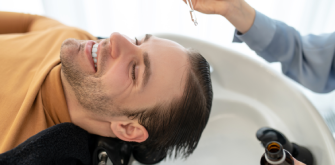
The first few weeks after a percutaneous hair transplantation in Turkey are focused on protecting the grafts, keeping the scalp clean, and understanding what “normal” healing looks like. Your clinic will typically schedule at least one early follow-up (in person or via photos/video) and provide a day-by-day washing plan.
Follow-up appointments (what they check)
- 24–72 hours: review swelling, redness, dressing use (if any), and confirm you are taking medications correctly
- 7–14 days: assess scab/crust removal progress, check for folliculitis or infection, and confirm that grafts are secure
- 1–3 months: evaluate early growth patterns and address shedding concerns
- 6–12 months: document results, density, and plan any optional touch-ups if indicated
Washing protocol (typical timeline)
- Days 1–2: avoid direct water pressure on the recipient area; use only the clinic-approved spray/solution if provided
- Days 3–7: begin gentle washing as instructed usually by applying a foam/lotion to soften crusts, then rinsing with lukewarm water poured from a cup (no strong shower stream)
- Days 7–10: continue daily washing; do not pick scabs let them loosen naturally with soaking and gentle rinsing
- After day 10: most patients can transition to normal showering pressure gradually, but still avoid aggressive rubbing until the scalp is fully comfortable
Key washing tips: use a mild, non-irritating shampoo recommended by your clinic; pat dry with a clean towel (no friction); avoid very hot water; keep nails away from the grafts.
The shedding phase (“shock loss”)
- It is common for transplanted hairs to shed between 2–8 weeks after the procedure.
- This shedding usually reflects the hair shaft falling out while the follicle remains in place and enters a resting phase.
- New growth often starts around 3–4 months, with more noticeable density improvements from 6 months onward and final maturation commonly by 9–12 months.
When to contact your clinic urgently: increasing pain, expanding redness, pus-like discharge, fever, a foul smell, sudden extensive swelling, or any concern that grafts have been dislodged. Prompt review helps prevent avoidable complications and protects your final result.
Follow-Up Appointments, Washing Protocol, and the Shedding Phase
The first few weeks after a percutaneous hair transplantation in Turkey are focused on protecting the grafts, keeping the scalp clean, and understanding what “normal” healing looks like. Your clinic will typically schedule at least one early follow-up (in person or via photos/video) and provide a day-by-day washing plan.
Follow-up appointments (what they check)
- 24–72 hours: review swelling, redness, dressing use (if any), and confirm you are taking medications correctly
- 7–14 days: assess scab/crust removal progress, check for folliculitis or infection, and confirm that grafts are secure
- 1–3 months: evaluate early growth patterns and address shedding concerns
- 6–12 months: document results, density, and plan any optional touch-ups if indicated
Washing protocol (typical timeline)
- Days 1–2: avoid direct water pressure on the recipient area; use only the clinic-approved spray/solution if provided
- Days 3–7: begin gentle washing as instructed usually by applying a foam/lotion to soften crusts, then rinsing with lukewarm water poured from a cup (no strong shower stream)
- Days 7–10: continue daily washing; do not pick scabs let them loosen naturally with soaking and gentle rinsing
- After day 10: most patients can transition to normal showering pressure gradually, but still avoid aggressive rubbing until the scalp is fully comfortable
Key washing tips: use a mild, non-irritating shampoo recommended by your clinic; pat dry with a clean towel (no friction); avoid very hot water; keep nails away from the grafts.
The shedding phase (“shock loss”)
- It is common for transplanted hairs to shed between 2–8 weeks after the procedure.
- This shedding usually reflects the hair shaft falling out while the follicle remains in place and enters a resting phase.
- New growth often starts around 3–4 months, with more noticeable density improvements from 6 months onward and final maturation commonly by 9–12 months.
When to contact your clinic urgently: increasing pain, expanding redness, pus-like discharge, fever, a foul smell, sudden extensive swelling, or any concern that grafts have been dislodged. Prompt review helps prevent avoidable complications and protects your final result.
Your Heal Road consultant can coordinate remote follow-ups and help you stay on track with aftercare once you’re back home.
Returning Home: Long-Term Care, Growth Timeline, and Maintenance
Most patients can travel home shortly after a percutaneous hair transplantation in Turkey, but your results depend heavily on what you do next. Follow your clinic’s aftercare plan, protect the grafts, and keep in touch for remote check-ins if offered.
Travel Home (First 48–72 Hours):
- Protect the recipient area: Avoid rubbing, tight hats, and anything that could dislodge grafts.
- Sleep position: Sleep with your head elevated to reduce swelling and avoid pressure on the transplanted area.
- Swelling and redness: Mild swelling, redness, and tenderness are common; contact your clinic if symptoms worsen or feel unusual.
Washing and Early Aftercare (Days 3–14):
- Gentle cleansing: Wash exactly as instructed (typically with a mild shampoo/foam and light rinsing). Do not pick at scabs.
- Avoid sweating and strain: Skip heavy exercise, saunas, and swimming until your clinic clears you.
- Sun protection: Keep the scalp out of direct sun; use a loose hat only if permitted.
Growth Timeline: What to Expect
- Weeks 2–6: “Shock loss” (shedding of transplanted hairs) is common and usually temporary.
- Months 3–4: Early regrowth may start; hairs can appear fine or uneven at first.
- Months 6–9: Noticeable improvement in density and coverage for many patients.
- Months 12–18: Final maturation thicker shafts, better texture, and more uniform growth.
Long-Term Maintenance (Keeping Results for Years):
- Scalp and hair care: Use gentle products, avoid aggressive scratching, and treat dandruff or irritation early.
- Medical maintenance (if recommended): Some patients benefit from ongoing therapies to slow further hair loss in non-transplanted areas follow your clinician’s guidance.
- Healthy habits: Prioritize sleep, balanced nutrition, and stress management; avoid smoking where possible.
- Follow-ups: Send progress photos and attend scheduled virtual reviews to confirm healing and growth are on track.
Seek urgent medical advice if you develop increasing pain, spreading redness, fever, pus-like discharge, or sudden significant swelling, as these may indicate infection or another complication.
Returning Home: Long-Term Care, Growth Timeline, and Maintenance
Most patients can travel home shortly after a percutaneous hair transplantation in Turkey, but your results depend heavily on what you do next. Follow your clinic’s aftercare plan, protect the grafts, and keep in touch for remote check-ins if offered.
Travel Home (First 48–72 Hours):
- Protect the recipient area: Avoid rubbing, tight hats, and anything that could dislodge grafts.
- Sleep position: Sleep with your head elevated to reduce swelling and avoid pressure on the transplanted area.
- Swelling and redness: Mild swelling, redness, and tenderness are common; contact your clinic if symptoms worsen or feel unusual.
Washing and Early Aftercare (Days 3–14):
- Gentle cleansing: Wash exactly as instructed (typically with a mild shampoo/foam and light rinsing). Do not pick at scabs.
- Avoid sweating and strain: Skip heavy exercise, saunas, and swimming until your clinic clears you.
- Sun protection: Keep the scalp out of direct sun; use a loose hat only if permitted.
Growth Timeline: What to Expect
- Weeks 2–6: “Shock loss” (shedding of transplanted hairs) is common and usually temporary.
- Months 3–4: Early regrowth may start; hairs can appear fine or uneven at first.
- Months 6–9: Noticeable improvement in density and coverage for many patients.
- Months 12–18: Final maturation thicker shafts, better texture, and more uniform growth.
Long-Term Maintenance (Keeping Results for Years):
- Scalp and hair care: Use gentle products, avoid aggressive scratching, and treat dandruff or irritation early.
- Medical maintenance (if recommended): Some patients benefit from ongoing therapies to slow further hair loss in non-transplanted areas follow your clinician’s guidance.
- Healthy habits: Prioritize sleep, balanced nutrition, and stress management; avoid smoking where possible.
- Follow-ups: Send progress photos and attend scheduled virtual reviews to confirm healing and growth are on track.
Seek urgent medical advice if you develop increasing pain, spreading redness, fever, pus-like discharge, or sudden significant swelling, as these may indicate infection or another complication.
Your Heal Road consultant can coordinate remote follow-ups and help you stay on track with aftercare once you’re back home.
Essential Tips for a Successful Percutaneous Hair Transplant Experience in Turkey
- Choose a clinic with proven percutaneous expertise: Confirm the surgeon and team routinely perform percutaneous (implanter-pen) implantation, not just FUE extraction. Ask to see consistent before-and-after cases with similar hair type, hair loss pattern, and graft numbers.
- Verify who performs each step of the procedure: Clarify whether the surgeon performs the hairline design, anesthesia, and implantation, and what tasks are delegated to technicians. Request transparency on team size and daily patient volume.
- Have a detailed, written treatment plan before you travel: Ensure the plan includes estimated graft count, donor assessment, hairline strategy, anesthesia approach, expected duration, and the number of days you should stay in Turkey for washing and follow-up.
- Share your full medical history and medication list early: Disclose bleeding disorders, hypertension, diabetes, thyroid issues, skin conditions (e.g., seborrheic dermatitis), smoking/vaping, and all medications/supplements (especially blood thinners and high-dose vitamin E). Follow the clinic’s guidance on what to stop and when.
- Plan travel to minimize swelling and stress: Arrive at least a day before surgery if possible, stay hydrated, avoid alcohol before the procedure, and plan a calm schedule. Choose accommodation close to the clinic to reduce walking and exposure.
- Follow pre-op scalp and lifestyle instructions precisely: Use only the recommended shampoo/cleansers, avoid sunburn and harsh hair products, and do not dye or chemically treat hair shortly before surgery unless your clinic approves.
- Prioritize graft survival in the first 10–14 days: Avoid touching, scratching, or rubbing the recipient area; sleep with head elevation; wear only clinic-approved headwear; and avoid gyms, heavy sweating, swimming, and saunas until cleared.
- Attend the first wash and early check-ups: The initial wash technique matters for crust removal and healing. Make sure you have an in-person wash and assessment before flying home whenever feasible.
- Use medications and aftercare products exactly as prescribed: Take antibiotics/anti-inflammatories only as directed, and apply sprays/lotions per schedule. Do not add topical oils, minoxidil, or other products unless your clinic explicitly recommends timing and dosing.
- Set realistic expectations about shedding and timelines: Temporary shock loss and shedding are common in the first weeks. Visible growth typically begins around 3–4 months, with more meaningful density from 6–12 months and final maturation up to 12–18 months.
- Know red flags and how to reach your clinic after you leave: Ask for a direct contact for urgent concerns. Seek prompt advice for increasing redness, pus, fever, severe pain, sudden swelling, or significant bleeding.
- Protect your long-term results: Discuss a maintenance plan for ongoing hair loss (e.g., finasteride/dutasteride, minoxidil, PRP if appropriate) and schedule remote follow-ups with standardized photos at 1, 3, 6, and 12 months.
Essential Tips for a Successful Percutaneous Hair Transplant Experience in Turkey
- Choose a clinic with proven percutaneous expertise: Confirm the surgeon and team routinely perform percutaneous (implanter-pen) implantation, not just FUE extraction. Ask to see consistent before-and-after cases with similar hair type, hair loss pattern, and graft numbers.
- Verify who performs each step of the procedure: Clarify whether the surgeon performs the hairline design, anesthesia, and implantation, and what tasks are delegated to technicians. Request transparency on team size and daily patient volume.
- Have a detailed, written treatment plan before you travel: Ensure the plan includes estimated graft count, donor assessment, hairline strategy, anesthesia approach, expected duration, and the number of days you should stay in Turkey for washing and follow-up.
- Share your full medical history and medication list early: Disclose bleeding disorders, hypertension, diabetes, thyroid issues, skin conditions (e.g., seborrheic dermatitis), smoking/vaping, and all medications/supplements (especially blood thinners and high-dose vitamin E). Follow the clinic’s guidance on what to stop and when.
- Plan travel to minimize swelling and stress: Arrive at least a day before surgery if possible, stay hydrated, avoid alcohol before the procedure, and plan a calm schedule. Choose accommodation close to the clinic to reduce walking and exposure.
- Follow pre-op scalp and lifestyle instructions precisely: Use only the recommended shampoo/cleansers, avoid sunburn and harsh hair products, and do not dye or chemically treat hair shortly before surgery unless your clinic approves.
- Prioritize graft survival in the first 10–14 days: Avoid touching, scratching, or rubbing the recipient area; sleep with head elevation; wear only clinic-approved headwear; and avoid gyms, heavy sweating, swimming, and saunas until cleared.
- Attend the first wash and early check-ups: The initial wash technique matters for crust removal and healing. Make sure you have an in-person wash and assessment before flying home whenever feasible.
- Use medications and aftercare products exactly as prescribed: Take antibiotics/anti-inflammatories only as directed, and apply sprays/lotions per schedule. Do not add topical oils, minoxidil, or other products unless your clinic explicitly recommends timing and dosing.
- Set realistic expectations about shedding and timelines: Temporary shock loss and shedding are common in the first weeks. Visible growth typically begins around 3–4 months, with more meaningful density from 6–12 months and final maturation up to 12–18 months.
- Know red flags and how to reach your clinic after you leave: Ask for a direct contact for urgent concerns. Seek prompt advice for increasing redness, pus, fever, severe pain, sudden swelling, or significant bleeding.
- Protect your long-term results: Discuss a maintenance plan for ongoing hair loss (e.g., finasteride/dutasteride, minoxidil, PRP if appropriate) and schedule remote follow-ups with standardized photos at 1, 3, 6, and 12 months.
Conclusion


Article Contributors

Heal Road Editor
Editor

Heal Road Writer
Writer
- Views
- 191 views
- Reading Time
- Last Updated