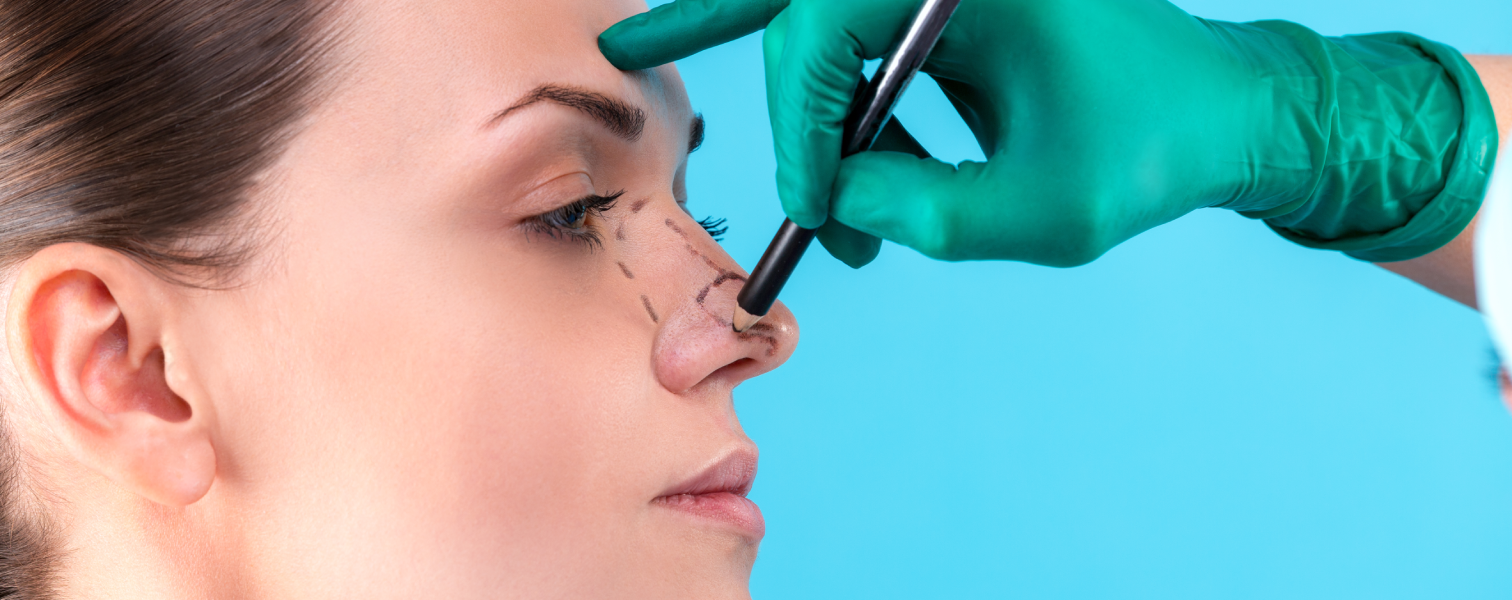
 197 views
A Step-by-Step Guide to Rhinoplasty in Turkey
Nereden Başlayacağını
Bilmiyor musun?
Doğru uzmanı en uygun fiyat garantisiyle bulun

Your Heal Road consultant can help you compare clinics and plan safe, structured follow-up after your rhinoplasty.
In-Depth Research and Selecting the Right Rhinoplasty Surgeon/Clinic
Before committing to rhinoplasty in Turkey, invest time in careful research. Turkey is a leading destination for aesthetic surgery, with well-known clinics in Istanbul, Ankara, Izmir, and Antalya. The right surgeon and clinic can make the difference between a natural-looking result and an avoidable revision. Focus on safety, expertise, and clear communication especially if you are traveling from abroad.
Surgeon Credentials and Rhinoplasty Focus
Choose a board-certified ENT (otolaryngologist) or plastic surgeon who performs rhinoplasty regularly (not occasionally). Ask how many rhinoplasties they do per year and whether they specialize in primary vs. revision cases and functional (breathing) vs. aesthetic goals.
Clinic Accreditation, Hospital Privileges, and Anesthesia Safety
Prioritize clinics that operate in accredited facilities and use qualified anesthesiologists. Confirm where the surgery takes place (clinic vs. hospital), what emergency protocols exist, and whether overnight monitoring is available when medically appropriate.
Before-and-After Portfolio (Comparable Cases)
Review a large set of unfiltered before-and-after photos and look for patients with a similar nasal structure and goals (tip refinement, hump reduction, crooked nose, ethnic rhinoplasty, etc.). Consistency across many results matters more than a few “perfect” examples.
Consultation Quality and Surgical Plan
A strong consultation should cover facial analysis, skin thickness, internal nasal anatomy, and realistic limitations. Ask whether your case is better suited for open vs. closed rhinoplasty, whether septoplasty/turbinate reduction is needed for breathing, and what graft materials may be used (e.g., septal cartilage).
Transparent Pricing, What’s Included, and Revision Policy
Request a written quote that clearly lists what is included: surgeon and anesthesia fees, operating facility, medications, follow-up visits, splints/taping, and any hotel/transfer services. Ask about the clinic’s revision policy (timing, criteria, and what costs are covered) because swelling and healing can take months.
Patient Reviews and Independent Feedback
Check reviews across multiple platforms and look for detailed experiences about communication, aftercare responsiveness, and how concerns were handled not only the final photos. Be cautious of identical wording, overly promotional profiles, or pressure to book quickly.
Communication, Language Support, and Aftercare Plan
Confirm you will have clear communication before and after surgery (interpreter if needed), a written aftercare schedule, and a plan for remote follow-ups once you return home. Reliable clinics provide guidance on swelling timelines, activity restrictions, and warning signs that require urgent evaluation.
In-Depth Research and Selecting the Right Rhinoplasty Surgeon/Clinic
Before committing to rhinoplasty in Turkey, invest time in careful research. Turkey is a leading destination for aesthetic surgery, with well-known clinics in Istanbul, Ankara, Izmir, and Antalya. The right surgeon and clinic can make the difference between a natural-looking result and an avoidable revision. Focus on safety, expertise, and clear communication especially if you are traveling from abroad.
Your Heal Road consultant can help you compare clinics and plan safe, structured follow-up after your rhinoplasty.
Surgeon Credentials and Rhinoplasty Focus
Choose a board-certified ENT (otolaryngologist) or plastic surgeon who performs rhinoplasty regularly (not occasionally). Ask how many rhinoplasties they do per year and whether they specialize in primary vs. revision cases and functional (breathing) vs. aesthetic goals.
Clinic Accreditation, Hospital Privileges, and Anesthesia Safety
Prioritize clinics that operate in accredited facilities and use qualified anesthesiologists. Confirm where the surgery takes place (clinic vs. hospital), what emergency protocols exist, and whether overnight monitoring is available when medically appropriate.
Before-and-After Portfolio (Comparable Cases)
Review a large set of unfiltered before-and-after photos and look for patients with a similar nasal structure and goals (tip refinement, hump reduction, crooked nose, ethnic rhinoplasty, etc.). Consistency across many results matters more than a few “perfect” examples.
Consultation Quality and Surgical Plan
A strong consultation should cover facial analysis, skin thickness, internal nasal anatomy, and realistic limitations. Ask whether your case is better suited for open vs. closed rhinoplasty, whether septoplasty/turbinate reduction is needed for breathing, and what graft materials may be used (e.g., septal cartilage).
Transparent Pricing, What’s Included, and Revision Policy
Request a written quote that clearly lists what is included: surgeon and anesthesia fees, operating facility, medications, follow-up visits, splints/taping, and any hotel/transfer services. Ask about the clinic’s revision policy (timing, criteria, and what costs are covered) because swelling and healing can take months.
Patient Reviews and Independent Feedback
Check reviews across multiple platforms and look for detailed experiences about communication, aftercare responsiveness, and how concerns were handled not only the final photos. Be cautious of identical wording, overly promotional profiles, or pressure to book quickly.
Communication, Language Support, and Aftercare Plan
Confirm you will have clear communication before and after surgery (interpreter if needed), a written aftercare schedule, and a plan for remote follow-ups once you return home. Reliable clinics provide guidance on swelling timelines, activity restrictions, and warning signs that require urgent evaluation.

Initial Online Consultation and Candidacy Evaluation
After choosing a rhinoplasty clinic in Turkey, the next step is an initial online consultation. Many clinics offer this remotely (often free of charge) so you can speak with the surgeon or patient coordinator, share your goals, and receive a preliminary opinion on whether you are a good candidate for rhinoplasty. This stage helps align expectations early and ensures your trip is planned around a realistic surgical plan.
Your Goals, Concerns, and “Ideal Nose” Discussion
You’ll be asked what you want to change such as a dorsal hump, drooping tip, asymmetry, wide bridge, or breathing issues. The surgeon will discuss what is achievable for your facial proportions and skin type, and clarify whether your priority is cosmetic refinement, functional improvement, or both.
Medical History and Safety Screening
Expect questions about previous nasal trauma or surgery, chronic sinus issues, allergies, asthma, bleeding disorders, medications (including blood thinners), supplements, smoking/vaping, and any anesthesia-related history. This helps determine surgical safety and whether additional tests or specialist clearance are needed.
Photo/Video Review and Preliminary Nasal Analysis
Most clinics will request clear photos (front, side, 3/4, base view) and sometimes a short video. These images allow the surgeon to assess nasal structure (bridge, tip support, symmetry), skin thickness, and facial balance. If breathing is a concern, you may be asked about symptoms and, when available, to share prior ENT reports or imaging.
Candidacy: Open vs. Closed Rhinoplasty and Possible Add-ons
Based on your anatomy and goals, the surgeon may recommend open or closed rhinoplasty, and discuss whether you might benefit from septoplasty, turbinate reduction, or grafting (cartilage from the septum, ear, or rib in select cases). You’ll also learn if a revision rhinoplasty approach is required if you have had prior surgery.
Setting Expectations, Risks, and Timeline
The consultation should cover realistic outcomes, limitations, and key risks (such as bleeding, infection, asymmetry, scarring, breathing changes, or the possibility of revision). You’ll also review the typical timeline in Turkey pre-op assessment, surgery day, splint removal, and follow-ups so you can plan travel and recovery appropriately.
- Tip: Prepare a short list of must-have changes, deal-breakers, and questions about recovery, swelling, and final results timing.
Initial Online Consultation and Candidacy Evaluation
After choosing a rhinoplasty clinic in Turkey, the next step is an initial online consultation. Many clinics offer this remotely (often free of charge) so you can speak with the surgeon or patient coordinator, share your goals, and receive a preliminary opinion on whether you are a good candidate for rhinoplasty. This stage helps align expectations early and ensures your trip is planned around a realistic surgical plan.
Your Goals, Concerns, and “Ideal Nose” Discussion
You’ll be asked what you want to change such as a dorsal hump, drooping tip, asymmetry, wide bridge, or breathing issues. The surgeon will discuss what is achievable for your facial proportions and skin type, and clarify whether your priority is cosmetic refinement, functional improvement, or both.
Medical History and Safety Screening
Expect questions about previous nasal trauma or surgery, chronic sinus issues, allergies, asthma, bleeding disorders, medications (including blood thinners), supplements, smoking/vaping, and any anesthesia-related history. This helps determine surgical safety and whether additional tests or specialist clearance are needed.
Photo/Video Review and Preliminary Nasal Analysis
Most clinics will request clear photos (front, side, 3/4, base view) and sometimes a short video. These images allow the surgeon to assess nasal structure (bridge, tip support, symmetry), skin thickness, and facial balance. If breathing is a concern, you may be asked about symptoms and, when available, to share prior ENT reports or imaging.
Candidacy: Open vs. Closed Rhinoplasty and Possible Add-ons
Based on your anatomy and goals, the surgeon may recommend open or closed rhinoplasty, and discuss whether you might benefit from septoplasty, turbinate reduction, or grafting (cartilage from the septum, ear, or rib in select cases). You’ll also learn if a revision rhinoplasty approach is required if you have had prior surgery.
Setting Expectations, Risks, and Timeline
The consultation should cover realistic outcomes, limitations, and key risks (such as bleeding, infection, asymmetry, scarring, breathing changes, or the possibility of revision). You’ll also review the typical timeline in Turkey pre-op assessment, surgery day, splint removal, and follow-ups so you can plan travel and recovery appropriately.
- Tip: Prepare a short list of must-have changes, deal-breakers, and questions about recovery, swelling, and final results timing.
| Step | Typical Timing |
|---|---|
| Surgical plan & goals discussion | Day 1 (consultation) |
| 3D imaging / photo analysis | Same day |
| Pre-op tests & anesthesia clearance | 24–48 hours pre-op |
| Scheduling & final confirmation | 1–4 weeks ahead |
Use our Calculation Module to Find Out
The Cost of Rhinoplasty in Turkey
Calculate My Cost
Surgical Plan, Imaging, and Scheduling Your Rhinoplasty
After your consultation, your surgeon will create a personalized surgical plan and help you schedule your rhinoplasty in Turkey around your travel dates. This phase is where goals are translated into a realistic, safe plan balancing aesthetics with breathing function.
Most clinics will arrange (or review) the key imaging and assessments needed to plan your procedure. Depending on your anatomy and medical history, this may include:
- Standardized facial and nasal photographs from multiple angles
- 3D imaging or simulation to discuss shape goals (a communication tool, not a guarantee)
- Nasal airway evaluation (especially if you have congestion, snoring, or prior injury)
- Review of previous surgeries or trauma and any prior CT scans if applicable
- Pre-operative blood tests and anesthesia clearance based on clinic protocol
Your plan should clearly outline what will be done (e.g., open vs. closed approach, tip refinement, hump reduction, septoplasty/turbinate work if needed), what materials may be used (such as cartilage grafts), and the expected recovery timeline. Ask for your agreed goals and limitations to be summarized in writing.
When scheduling, confirm the logistics that affect safety and comfort:
- Length of stay in Turkey (often 7–10 days for surgery, early checks, and splint removal)
- What’s included in the package (hospital fees, anesthesia, medications, transfers, hotel, interpreter)
- Follow-up plan after you return home (remote check-ins, emergency contact, and local care guidance)
- Medication and supplement rules (especially blood thinners, aspirin/NSAIDs, and certain herbal products)
Before booking flights, ensure your surgery date is confirmed in writing and avoid tight travel schedules. Plan time off work, arrange help for the first few days, and choose flexible tickets in case your surgeon recommends adjusting timing for swelling, bruising, or medical clearance.
Surgical Plan, Imaging, and Scheduling Your Rhinoplasty
After your consultation, your surgeon will create a personalized surgical plan and help you schedule your rhinoplasty in Turkey around your travel dates. This phase is where goals are translated into a realistic, safe plan balancing aesthetics with breathing function.
Most clinics will arrange (or review) the key imaging and assessments needed to plan your procedure. Depending on your anatomy and medical history, this may include:
- Standardized facial and nasal photographs from multiple angles
- 3D imaging or simulation to discuss shape goals (a communication tool, not a guarantee)
- Nasal airway evaluation (especially if you have congestion, snoring, or prior injury)
- Review of previous surgeries or trauma and any prior CT scans if applicable
- Pre-operative blood tests and anesthesia clearance based on clinic protocol
Your plan should clearly outline what will be done (e.g., open vs. closed approach, tip refinement, hump reduction, septoplasty/turbinate work if needed), what materials may be used (such as cartilage grafts), and the expected recovery timeline. Ask for your agreed goals and limitations to be summarized in writing.
When scheduling, confirm the logistics that affect safety and comfort:
- Length of stay in Turkey (often 7–10 days for surgery, early checks, and splint removal)
- What’s included in the package (hospital fees, anesthesia, medications, transfers, hotel, interpreter)
- Follow-up plan after you return home (remote check-ins, emergency contact, and local care guidance)
- Medication and supplement rules (especially blood thinners, aspirin/NSAIDs, and certain herbal products)
Before booking flights, ensure your surgery date is confirmed in writing and avoid tight travel schedules. Plan time off work, arrange help for the first few days, and choose flexible tickets in case your surgeon recommends adjusting timing for swelling, bruising, or medical clearance.
| Step | Typical Timing |
|---|---|
| Surgical plan & goals discussion | Day 1 (consultation) |
| 3D imaging / photo analysis | Same day |
| Pre-op tests & anesthesia clearance | 24–48 hours pre-op |
| Scheduling & final confirmation | 1–4 weeks ahead |
Use our Calculation Module to Find Out
The Cost of Rhinoplasty in Turkey
Calculate My Cost

 Plan
PlanYour Trip

 Arrive in Turkey
 Pre-Op
Preparations
Traveling to Turkey and Pre-Op Preparations
Once your rhinoplasty plan is confirmed, your clinic team will help coordinate the practical details of traveling to Turkey. Many patients are met at the airport by a coordinator and provided with arranged transport to the hotel or clinic accommodation. It’s recommended to arrive at least 1–2 days before surgery so you can rest, attend your in-person assessment, and complete any required tests without rushing.
Before You Fly: What to Prepare
To keep your pre-op process smooth, have the following ready before departure:
- Medical information: a list of current medications and supplements, allergies, prior surgeries, and relevant medical conditions.
- Travel essentials: passport/visa (if required), flight details, and travel insurance (if you choose to purchase it).
- Comfort items: button-up/zip-up tops (avoid pulling clothing over your head post-op), saline spray (if advised), lip balm, and a neck pillow for sleeping upright.
Pre-Operative Consultation in Turkey
Before surgery, you’ll meet your surgeon for a detailed evaluation. This typically includes a review of your goals, an external and internal nasal examination, and surgical planning. Your surgeon may take standardized photos and discuss expected outcomes, limitations, and the recovery timeline so you can give fully informed consent.
Health Screening and Tests
Most clinics perform routine pre-op checks to confirm you’re fit for anesthesia and surgery. Depending on your medical history and clinic protocol, this may include blood tests (such as a complete blood count and coagulation profile) and an anesthesia assessment.
Medication, Smoking, and Fasting Guidance
- Medication review: you’ll be told which medicines or supplements to stop or continue. Do not discontinue prescribed medication unless your surgeon/anesthetist advises it.
- Smoking/vaping: you may be asked to stop before and after surgery to support healing and reduce complication risk.
- Fasting: follow the clinic’s instructions on when to stop eating and drinking before anesthesia.
Plan for a Safe Return Trip
Arrange your schedule so you can attend post-op checks before flying home. Your clinic will advise when it’s appropriate to travel, how to care for your nose during transit, and what symptoms should prompt urgent medical attention.
Traveling to Turkey and Pre-Op Preparations
Once your rhinoplasty plan is confirmed, your clinic team will help coordinate the practical details of traveling to Turkey. Many patients are met at the airport by a coordinator and provided with arranged transport to the hotel or clinic accommodation. It’s recommended to arrive at least 1–2 days before surgery so you can rest, attend your in-person assessment, and complete any required tests without rushing.
PlanYour Trip
Arrive in Turkey
Pre-OpPreparations
Before You Fly: What to Prepare
To keep your pre-op process smooth, have the following ready before departure:
- Medical information: a list of current medications and supplements, allergies, prior surgeries, and relevant medical conditions.
- Travel essentials: passport/visa (if required), flight details, and travel insurance (if you choose to purchase it).
- Comfort items: button-up/zip-up tops (avoid pulling clothing over your head post-op), saline spray (if advised), lip balm, and a neck pillow for sleeping upright.
Pre-Operative Consultation in Turkey
Before surgery, you’ll meet your surgeon for a detailed evaluation. This typically includes a review of your goals, an external and internal nasal examination, and surgical planning. Your surgeon may take standardized photos and discuss expected outcomes, limitations, and the recovery timeline so you can give fully informed consent.
Health Screening and Tests
Most clinics perform routine pre-op checks to confirm you’re fit for anesthesia and surgery. Depending on your medical history and clinic protocol, this may include blood tests (such as a complete blood count and coagulation profile) and an anesthesia assessment.
Medication, Smoking, and Fasting Guidance
- Medication review: you’ll be told which medicines or supplements to stop or continue. Do not discontinue prescribed medication unless your surgeon/anesthetist advises it.
- Smoking/vaping: you may be asked to stop before and after surgery to support healing and reduce complication risk.
- Fasting: follow the clinic’s instructions on when to stop eating and drinking before anesthesia.
Plan for a Safe Return Trip
Arrange your schedule so you can attend post-op checks before flying home. Your clinic will advise when it’s appropriate to travel, how to care for your nose during transit, and what symptoms should prompt urgent medical attention.
Rhinoplasty Surgery Day: Step-by-Step What to Expect


07:30
Hospital Check-in &Final Review
08:30
Anesthesia &Preparation
09:00-12:00
RhinoplastyProcedure
13:30
Recovery Room &Discharge Briefing
You arrive at the clinic/hospital, complete paperwork, have vitals checked, and review the final plan (photos/markings) with your surgeon.
The anesthesiologist reviews your medical history, places an IV line, and you’re taken to the operating room for general anesthesia and sterile prep.
The surgeon reshapes bone and cartilage (open or closed approach), corrects functional issues if needed, and places internal support as planned.
You wake in recovery with a nasal splint (and sometimes light packing). After monitoring, you receive medication and aftercare instructions before returning to your hotel.
Rhinoplasty Surgery Day: Step-by-Step What to Expect
Rhinoplasty is usually performed under general anesthesia and typically takes 1.5–3 hours, depending on whether it’s a primary or revision case and whether additional work (like septoplasty or turbinate reduction) is needed. Below is a clear, step-by-step overview of what most patients can expect on surgery day in Turkey.
1) Arrival, check-in & final paperwork
You’ll arrive at the hospital/clinic, complete any remaining consent forms, and confirm your medical history, allergies, and current medications. Your team will review fasting status and answer last-minute questions.
2) Pre-op assessment (vitals, photos, and plan confirmation)
A nurse will check your vital signs, and your surgeon may take pre-op photos and do final facial/nasal measurements. If your plan includes functional improvements, they’ll confirm breathing goals along with aesthetic changes.
3) Meeting the anesthesiologist
The anesthesiologist reviews your health history and explains the anesthesia plan. An IV line is placed, and you may receive medication to help you relax before going to the operating room.
4) Anesthesia & preparation in the operating room
Once you’re asleep, the surgical area is cleaned and draped. Your eyes are protected, and the team positions you safely for the procedure.
5) The rhinoplasty procedure (open or closed approach)
Your surgeon reshapes the nose according to the agreed plan. This may include adjusting cartilage and bone, refining the tip, narrowing the bridge, or straightening the nose. If needed, septoplasty (to improve airflow) or turbinate reduction may be performed during the same session.
6) Closing, splinting & internal support
Incisions are closed, and a protective external splint is applied. Some patients may have internal supports (such as soft splints) depending on the surgical technique and breathing work performed.
7) Recovery room monitoring
You’ll wake in a recovery area where nurses monitor breathing, blood pressure, and comfort. Mild bleeding/oozing and a blocked-nose feeling are common at this stage.
8) Same-day discharge or overnight stay
Many patients go back to their hotel the same day once stable, while others stay overnight depending on the clinic’s protocol and your individual needs. You’ll receive written instructions and prescriptions (pain relief, antibiotics if indicated, and saline care).
9) Your first post-op instructions (what you’ll do that evening)
- Rest with your head elevated to reduce swelling.
- Use cold compresses around (not on) the nose if advised.
- Expect congestion; breathe through your mouth and keep lips hydrated.
- Avoid blowing your nose, heavy lifting, hot showers/steam, and alcohol.
- Follow your clinic’s guidance on cleaning, saline sprays, and any internal splints.
Tip: Plan for a calm first 48 hours. Swelling and bruising typically peak around days 2–3, and your clinic will schedule follow-up for splint removal and early checks.
Rhinoplasty Surgery Day: Step-by-Step What to Expect
Rhinoplasty is usually performed under general anesthesia and typically takes 1.5–3 hours, depending on whether it’s a primary or revision case and whether additional work (like septoplasty or turbinate reduction) is needed. Below is a clear, step-by-step overview of what most patients can expect on surgery day in Turkey.
Rhinoplasty Surgery Day: Step-by-Step What to Expect
07:30
Hospital Check-in &Final Review
08:30
Anesthesia &Preparation
09:00-12:00
RhinoplastyProcedure
13:30
Recovery Room &Discharge Briefing
You arrive at the clinic/hospital, complete paperwork, have vitals checked, and review the final plan (photos/markings) with your surgeon.
The anesthesiologist reviews your medical history, places an IV line, and you’re taken to the operating room for general anesthesia and sterile prep.
The surgeon reshapes bone and cartilage (open or closed approach), corrects functional issues if needed, and places internal support as planned.
You wake in recovery with a nasal splint (and sometimes light packing). After monitoring, you receive medication and aftercare instructions before returning to your hotel.
1) Arrival, check-in & final paperwork
You’ll arrive at the hospital/clinic, complete any remaining consent forms, and confirm your medical history, allergies, and current medications. Your team will review fasting status and answer last-minute questions.
2) Pre-op assessment (vitals, photos, and plan confirmation)
A nurse will check your vital signs, and your surgeon may take pre-op photos and do final facial/nasal measurements. If your plan includes functional improvements, they’ll confirm breathing goals along with aesthetic changes.
3) Meeting the anesthesiologist
The anesthesiologist reviews your health history and explains the anesthesia plan. An IV line is placed, and you may receive medication to help you relax before going to the operating room.
4) Anesthesia & preparation in the operating room
Once you’re asleep, the surgical area is cleaned and draped. Your eyes are protected, and the team positions you safely for the procedure.
5) The rhinoplasty procedure (open or closed approach)
Your surgeon reshapes the nose according to the agreed plan. This may include adjusting cartilage and bone, refining the tip, narrowing the bridge, or straightening the nose. If needed, septoplasty (to improve airflow) or turbinate reduction may be performed during the same session.
6) Closing, splinting & internal support
Incisions are closed, and a protective external splint is applied. Some patients may have internal supports (such as soft splints) depending on the surgical technique and breathing work performed.
7) Recovery room monitoring
You’ll wake in a recovery area where nurses monitor breathing, blood pressure, and comfort. Mild bleeding/oozing and a blocked-nose feeling are common at this stage.
8) Same-day discharge or overnight stay
Many patients go back to their hotel the same day once stable, while others stay overnight depending on the clinic’s protocol and your individual needs. You’ll receive written instructions and prescriptions (pain relief, antibiotics if indicated, and saline care).
9) Your first post-op instructions (what you’ll do that evening)
- Rest with your head elevated to reduce swelling.
- Use cold compresses around (not on) the nose if advised.
- Expect congestion; breathe through your mouth and keep lips hydrated.
- Avoid blowing your nose, heavy lifting, hot showers/steam, and alcohol.
- Follow your clinic’s guidance on cleaning, saline sprays, and any internal splints.
Tip: Plan for a calm first 48 hours. Swelling and bruising typically peak around days 2–3, and your clinic will schedule follow-up for splint removal and early checks.
Immediate Aftercare: First 24–72 Hours and Early Recovery
The first 24–72 hours after rhinoplasty are when swelling, congestion, and mild bleeding are most common. Your surgeon will provide specific instructions and prescriptions (typically pain relief, antibiotics if indicated, and sometimes anti-nausea medication). Following the aftercare plan closely helps protect the new nasal structure and supports smoother healing.
- Rest with your head elevated: Sleep on your back with 2–3 pillows or a wedge pillow to reduce swelling and pressure.
- Expect swelling and bruising: Puffiness around the nose and under the eyes is normal and usually peaks around days 2–3, then gradually improves.
- Cold compresses carefully: Use cool compresses on the cheeks/under-eye area (not directly on the nose) if your surgeon approves.
- Manage light bleeding and drainage: Small amounts of blood-tinged drainage can occur early on. Use gauze as instructed and contact your clinic if bleeding is heavy or persistent.
- Do not blow your nose: Avoid blowing for at least 1–2 weeks (or as directed). If you must sneeze, do so with your mouth open to reduce pressure.
- Keep the splint and dressings dry: Do not disturb tapes, splints, or internal supports. Ask your team how to shower and wash your face safely.
- Use saline and prescribed ointments as directed: Gentle saline sprays can help with dryness and crusting. Only use nasal drops/sprays if your surgeon recommends them.
- Eat and drink for recovery: Choose soft, easy-to-chew foods; stay well hydrated; avoid very hot/spicy foods and alcohol in the early phase.
- Avoid smoking and nicotine: Nicotine can impair healing and increase complication risk avoid cigarettes, vaping, and nicotine products.
- Limit activity: Short walks are encouraged, but avoid bending, heavy lifting, gym workouts, and anything that raises blood pressure for at least 1–2 weeks.
- Protect your nose from impact: Be cautious around children/pets, avoid crowded spaces, and do not wear glasses on the bridge unless your surgeon provides a support plan.
- Attend follow-ups: Your clinic will schedule checks (often within the first week) for splint removal and to monitor healing.
Contact your surgeon urgently if you develop severe or worsening pain, fever, sudden one-sided swelling, heavy bleeding, shortness of breath, vision changes, or signs of infection (increasing redness, warmth, pus-like discharge).
Immediate Aftercare: First 24–72 Hours and Early Recovery
The first 24–72 hours after rhinoplasty are when swelling, congestion, and mild bleeding are most common. Your surgeon will provide specific instructions and prescriptions (typically pain relief, antibiotics if indicated, and sometimes anti-nausea medication). Following the aftercare plan closely helps protect the new nasal structure and supports smoother healing.
- Rest with your head elevated: Sleep on your back with 2–3 pillows or a wedge pillow to reduce swelling and pressure.
- Expect swelling and bruising: Puffiness around the nose and under the eyes is normal and usually peaks around days 2–3, then gradually improves.
- Cold compresses carefully: Use cool compresses on the cheeks/under-eye area (not directly on the nose) if your surgeon approves.
- Manage light bleeding and drainage: Small amounts of blood-tinged drainage can occur early on. Use gauze as instructed and contact your clinic if bleeding is heavy or persistent.
- Do not blow your nose: Avoid blowing for at least 1–2 weeks (or as directed). If you must sneeze, do so with your mouth open to reduce pressure.
- Keep the splint and dressings dry: Do not disturb tapes, splints, or internal supports. Ask your team how to shower and wash your face safely.
- Use saline and prescribed ointments as directed: Gentle saline sprays can help with dryness and crusting. Only use nasal drops/sprays if your surgeon recommends them.
- Eat and drink for recovery: Choose soft, easy-to-chew foods; stay well hydrated; avoid very hot/spicy foods and alcohol in the early phase.
- Avoid smoking and nicotine: Nicotine can impair healing and increase complication risk avoid cigarettes, vaping, and nicotine products.
- Limit activity: Short walks are encouraged, but avoid bending, heavy lifting, gym workouts, and anything that raises blood pressure for at least 1–2 weeks.
- Protect your nose from impact: Be cautious around children/pets, avoid crowded spaces, and do not wear glasses on the bridge unless your surgeon provides a support plan.
- Attend follow-ups: Your clinic will schedule checks (often within the first week) for splint removal and to monitor healing.
Contact your surgeon urgently if you develop severe or worsening pain, fever, sudden one-sided swelling, heavy bleeding, shortness of breath, vision changes, or signs of infection (increasing redness, warmth, pus-like discharge).
Follow-Up Appointments, Splint Removal, and Healing Milestones
Follow-up care is a key part of rhinoplasty in Turkey. Your surgeon will check your nose as swelling settles, remove dressings safely, and confirm that healing is progressing as expected.
- Day 1–3: First post-op review may be scheduled to assess bleeding, swelling, and comfort, and to reinforce cleaning and medication instructions.
- Day 5–10: Splint removal is commonly done during this window (timing varies by technique). Any external sutures, if present, may also be removed.
- Weeks 2–4: Bruising usually fades and swelling continues to decrease. Your surgeon may advise when to resume light exercise and when it’s safe to wear glasses (or how to tape/support them).
- Months 1–3: The nose looks more “settled,” but tip swelling can persist. Photos may be taken to track progress and symmetry.
- Months 6–12 (sometimes up to 18): Final refinement continues, especially in the nasal tip and in thicker skin. Most surgeons consider results “final” around 12 months.
If you’re traveling home soon after surgery, ask your clinic to outline a remote follow-up plan (photo check-ins, video calls, and clear instructions on when to seek in-person care). Contact your surgeon promptly if you develop fever, increasing redness/warmth, worsening pain, sudden swelling on one side, persistent heavy bleeding, or changes in vision.
Follow-Up Appointments, Splint Removal, and Healing Milestones
Follow-up care is a key part of rhinoplasty in Turkey. Your surgeon will check your nose as swelling settles, remove dressings safely, and confirm that healing is progressing as expected.
- Day 1–3: First post-op review may be scheduled to assess bleeding, swelling, and comfort, and to reinforce cleaning and medication instructions.
- Day 5–10: Splint removal is commonly done during this window (timing varies by technique). Any external sutures, if present, may also be removed.
- Weeks 2–4: Bruising usually fades and swelling continues to decrease. Your surgeon may advise when to resume light exercise and when it’s safe to wear glasses (or how to tape/support them).
- Months 1–3: The nose looks more “settled,” but tip swelling can persist. Photos may be taken to track progress and symmetry.
- Months 6–12 (sometimes up to 18): Final refinement continues, especially in the nasal tip and in thicker skin. Most surgeons consider results “final” around 12 months.
If you’re traveling home soon after surgery, ask your clinic to outline a remote follow-up plan (photo check-ins, video calls, and clear instructions on when to seek in-person care). Contact your surgeon promptly if you develop fever, increasing redness/warmth, worsening pain, sudden swelling on one side, persistent heavy bleeding, or changes in vision.
Your Heal Road consultant can help coordinate post-op check-ins and support you after you return home.
Flying Home: Long-Term Recovery, Results Timeline, and Maintenance
Most patients can fly home a few days after rhinoplasty in Turkey, once your surgeon confirms you’re stable and your early aftercare plan is clear. Your nose will continue to heal and refine for many months, so it’s normal for results to change gradually. Many clinics provide remote follow-up to review progress, answer questions, and guide you through each stage of recovery.
Before You Fly Home (Typically Days 5–10):
- Splint/cast: Often removed around day 5–7 (timing varies by technique and surgeon).
- Swelling/bruising: Usually improving but still visible plan for a comfortable journey.
- Travel readiness: Confirm your medication plan, cleaning instructions, and emergency contact details.
Results Timeline: What to Expect
- Week 1–2: Congestion and swelling are common. The nose may look “puffy,” especially at the tip.
- Weeks 3–6: Most visible bruising resolves; swelling continues to decrease. Many patients feel comfortable returning to work and social activities.
- Months 2–3: Ongoing refinement; breathing often continues to improve as internal swelling settles.
- Months 6–12: Definition becomes clearer, particularly in the nasal tip. Final results commonly take up to a year (and sometimes longer for thicker skin or complex cases).
Long-Term Recovery & Maintenance
- Protect your nose: Avoid contact sports and any risk of impact until your surgeon clears you.
- Sun protection: Use high-SPF sunscreen and avoid prolonged sun exposure early on to reduce discoloration and swelling.
- Glasses: Follow your surgeon’s guidance on when you can safely wear glasses/sunglasses without pressure on the bridge.
- Smoking and alcohol: Avoid smoking during healing, as it can impair circulation and recovery; keep alcohol minimal as advised.
- Follow-up care: Attend scheduled check-ins (in person or virtual) and contact your clinic if you notice increasing pain, spreading redness, fever, sudden bleeding, or worsening breathing.
Healing is not linear some days will look and feel better than others. Consistent aftercare and timely follow-ups are the best way to protect your result and support a smooth recovery once you’re back home.
Flying Home: Long-Term Recovery, Results Timeline, and Maintenance
Most patients can fly home a few days after rhinoplasty in Turkey, once your surgeon confirms you’re stable and your early aftercare plan is clear. Your nose will continue to heal and refine for many months, so it’s normal for results to change gradually. Many clinics provide remote follow-up to review progress, answer questions, and guide you through each stage of recovery.
Before You Fly Home (Typically Days 5–10):
- Splint/cast: Often removed around day 5–7 (timing varies by technique and surgeon).
- Swelling/bruising: Usually improving but still visible plan for a comfortable journey.
- Travel readiness: Confirm your medication plan, cleaning instructions, and emergency contact details.
Results Timeline: What to Expect
- Week 1–2: Congestion and swelling are common. The nose may look “puffy,” especially at the tip.
- Weeks 3–6: Most visible bruising resolves; swelling continues to decrease. Many patients feel comfortable returning to work and social activities.
- Months 2–3: Ongoing refinement; breathing often continues to improve as internal swelling settles.
- Months 6–12: Definition becomes clearer, particularly in the nasal tip. Final results commonly take up to a year (and sometimes longer for thicker skin or complex cases).
Long-Term Recovery & Maintenance
- Protect your nose: Avoid contact sports and any risk of impact until your surgeon clears you.
- Sun protection: Use high-SPF sunscreen and avoid prolonged sun exposure early on to reduce discoloration and swelling.
- Glasses: Follow your surgeon’s guidance on when you can safely wear glasses/sunglasses without pressure on the bridge.
- Smoking and alcohol: Avoid smoking during healing, as it can impair circulation and recovery; keep alcohol minimal as advised.
- Follow-up care: Attend scheduled check-ins (in person or virtual) and contact your clinic if you notice increasing pain, spreading redness, fever, sudden bleeding, or worsening breathing.
Healing is not linear some days will look and feel better than others. Consistent aftercare and timely follow-ups are the best way to protect your result and support a smooth recovery once you’re back home.
Your Heal Road consultant can help coordinate post-op check-ins and support you after you return home.

Key Tips for a Smooth Rhinoplasty Experience in Turkey
- Choose a board-certified, rhinoplasty-focused surgeon: Prioritize ENT or plastic surgeons who perform rhinoplasty regularly. Review consistent before-and-after galleries (including cases similar to your nose) and confirm the clinic’s licensing and safety standards.
- Share clear goals and be realistic about outcomes: Bring reference photos to explain your aesthetic preferences, but understand your final result depends on your anatomy, skin thickness, and healing. Ask what is achievable and what could look unnatural.
- Ask detailed questions during consultation: Clarify whether your procedure is open or closed, how breathing will be evaluated (septum/turbinates), what type of anesthesia is used, expected swelling timeline, revision policy, and what’s included in the package (medications, splint removal, follow-ups).
- Disclose your full medical history and medications: Tell your surgeon about allergies, bleeding disorders, prior nasal trauma/surgery, smoking/vaping, and all prescription/OTC supplements. Follow guidance on stopping blood-thinning agents (only with medical approval).
- Plan travel to protect your recovery: Arrive at least 1–2 days before surgery to settle in and complete assessments. Schedule enough time in Turkey for early follow-up and splint removal (often around day 5–7), and avoid tight itineraries.
- Prepare your accommodation for comfort: Choose a quiet hotel close to the clinic, arrange airport transfers, and set up recovery essentials (extra pillows for head elevation, soft foods, saline spray if recommended, cold compresses used as directed).
- Follow pre-op instructions precisely: Adhere to fasting rules, hygiene guidance, and medication instructions. Avoid alcohol and smoking as advised, and arrange a companion for the first 24 hours if required by the clinic.
- Protect your nose during the first weeks: Don’t blow your nose unless cleared, sneeze with your mouth open, avoid heavy lifting/exercise, and keep glasses off the nasal bridge if instructed (use taping/support alternatives).
- Expect swelling and allow time for final results: Early changes are visible after splint removal, but swelling especially at the tip can take months to settle. Take progress photos and judge results over time, not day-to-day.
- Know when to contact your clinic urgently: Seek prompt advice for heavy bleeding, fever, worsening one-sided swelling, severe pain not controlled by medication, shortness of breath, or signs of infection. Keep your coordinator’s 24/7 contact details accessible.
Key Tips for a Smooth Rhinoplasty Experience in Turkey
- Choose a board-certified, rhinoplasty-focused surgeon: Prioritize ENT or plastic surgeons who perform rhinoplasty regularly. Review consistent before-and-after galleries (including cases similar to your nose) and confirm the clinic’s licensing and safety standards.
- Share clear goals and be realistic about outcomes: Bring reference photos to explain your aesthetic preferences, but understand your final result depends on your anatomy, skin thickness, and healing. Ask what is achievable and what could look unnatural.
- Ask detailed questions during consultation: Clarify whether your procedure is open or closed, how breathing will be evaluated (septum/turbinates), what type of anesthesia is used, expected swelling timeline, revision policy, and what’s included in the package (medications, splint removal, follow-ups).
- Disclose your full medical history and medications: Tell your surgeon about allergies, bleeding disorders, prior nasal trauma/surgery, smoking/vaping, and all prescription/OTC supplements. Follow guidance on stopping blood-thinning agents (only with medical approval).
- Plan travel to protect your recovery: Arrive at least 1–2 days before surgery to settle in and complete assessments. Schedule enough time in Turkey for early follow-up and splint removal (often around day 5–7), and avoid tight itineraries.
- Prepare your accommodation for comfort: Choose a quiet hotel close to the clinic, arrange airport transfers, and set up recovery essentials (extra pillows for head elevation, soft foods, saline spray if recommended, cold compresses used as directed).
- Follow pre-op instructions precisely: Adhere to fasting rules, hygiene guidance, and medication instructions. Avoid alcohol and smoking as advised, and arrange a companion for the first 24 hours if required by the clinic.
- Protect your nose during the first weeks: Don’t blow your nose unless cleared, sneeze with your mouth open, avoid heavy lifting/exercise, and keep glasses off the nasal bridge if instructed (use taping/support alternatives).
- Expect swelling and allow time for final results: Early changes are visible after splint removal, but swelling especially at the tip can take months to settle. Take progress photos and judge results over time, not day-to-day.
- Know when to contact your clinic urgently: Seek prompt advice for heavy bleeding, fever, worsening one-sided swelling, severe pain not controlled by medication, shortness of breath, or signs of infection. Keep your coordinator’s 24/7 contact details accessible.
Conclusion


Article Contributors

Heal Road Editor
Editor

Heal Road Writer
Writer
- Views
- 197 views
- Reading Time
- Last Updated