 156 views
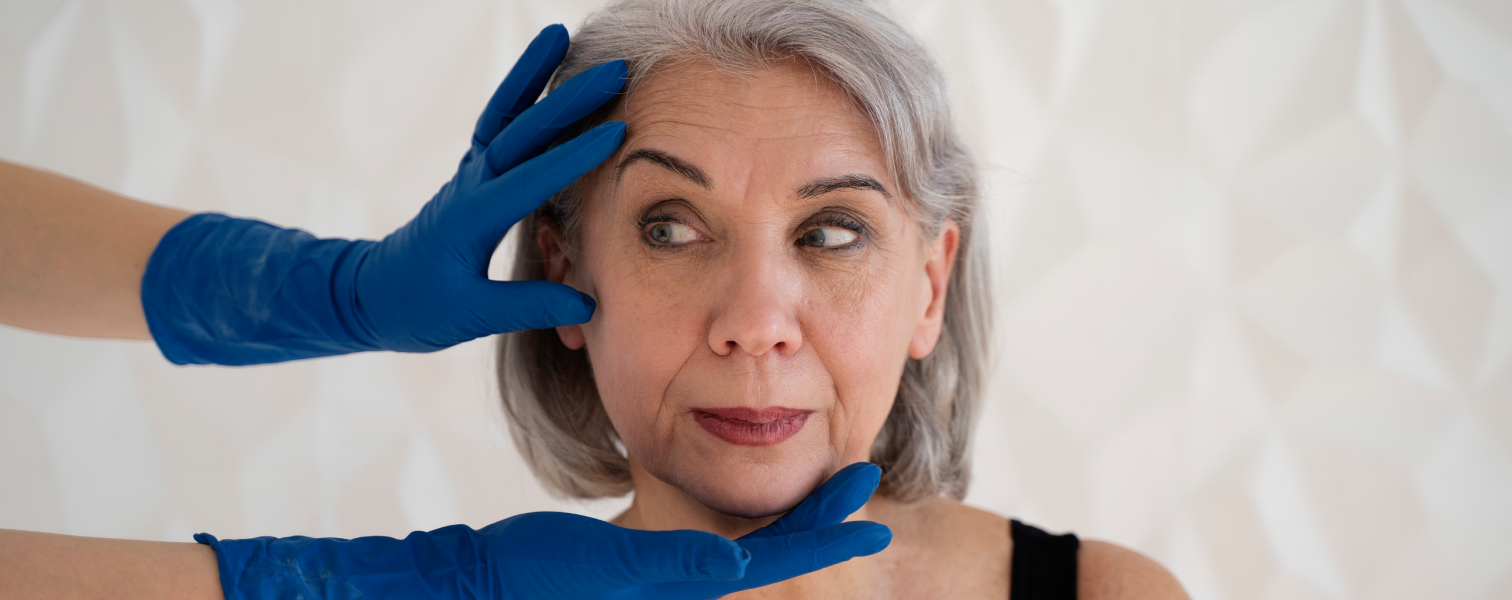
A Step-by-Step Guide to Thread Lift in Turkey
Nereden Başlayacağını
Bilmiyor musun?
Doğru uzmanı en uygun fiyat garantisiyle bulun

Your Heal Road consultant can help you compare clinics and coordinate follow-up support.
In-Depth Research and Selecting the Right Clinic for a Thread Lift
Before booking a thread lift in Turkey, invest time in careful research and clinic selection. A thread lift is a minimally invasive procedure, but outcomes depend heavily on the practitioner’s skill, the quality of threads used, and appropriate patient selection. Turkey offers many reputable aesthetic clinics especially in Istanbul, Ankara, Antalya, and Izmir so comparing options helps you achieve natural-looking lifting, balanced facial harmony, and a smoother recovery.
Use the checklist below to shortlist clinics and confirm you’re choosing a safe, transparent provider.
Doctor Credentials and Thread-Lift Expertise
Confirm the procedure is performed by a qualified plastic surgeon or dermatologist (or an appropriately credentialed aesthetic physician, depending on local regulations). Ask how many thread lifts they perform monthly, which areas they treat most often (jawline, cheeks, neck, brows), and how they handle revisions or asymmetry.
Clinic Licensing, Hygiene Standards, and Safety Protocols
Choose a licensed medical facility with clear infection-control practices and emergency readiness. Ask whether the clinic follows standardized protocols for sterile technique, consent, and post-procedure monitoring.
Thread Type, Brand, and Treatment Plan Transparency
Request details on the thread material (commonly PDO, PLLA, or PCL), the brand, the number of threads planned, and why that approach fits your anatomy and goals. Reputable clinics explain realistic outcomes, longevity, and limitations (a thread lift is not a surgical facelift).
Before-and-After Photos (Comparable Cases)
Review clear, unedited before-and-after photos taken in consistent lighting and angles. Ask to see cases similar to yours (age, skin laxity, target area) to assess whether results look natural rather than over-pulled.
Patient Reviews and Independent Testimonials
Check recent reviews on trusted platforms and look for consistent feedback about communication, cleanliness, pain control, bruising management, and aftercare responsiveness. Be cautious of clinics with only generic or overly promotional reviews.
Consultation Quality and Medical Screening
A good clinic will screen for suitability and contraindications (e.g., bleeding disorders, certain medications, active skin infections, unrealistic expectations). They should discuss alternatives such as dermal fillers, energy-based tightening, or surgery when appropriate.
Clear Pricing and What’s Included
Ask for an itemized quote covering consultation, threads, anesthesia (topical/local), medications, follow-up visits, and any extras such as accommodation, transfers, or interpreter services. Transparent pricing helps avoid unexpected add-ons.
Aftercare, Follow-Up, and Revision Policy
Confirm how follow-ups are handled if you travel home soon after treatment. Ask about remote check-ins, who to contact for concerns, and the clinic’s policy for managing complications (infection, thread visibility, puckering, asymmetry).
In-Depth Research and Selecting the Right Clinic for a Thread Lift
Before booking a thread lift in Turkey, invest time in careful research and clinic selection. A thread lift is a minimally invasive procedure, but outcomes depend heavily on the practitioner’s skill, the quality of threads used, and appropriate patient selection. Turkey offers many reputable aesthetic clinics especially in Istanbul, Ankara, Antalya, and Izmir so comparing options helps you achieve natural-looking lifting, balanced facial harmony, and a smoother recovery.
Use the checklist below to shortlist clinics and confirm you’re choosing a safe, transparent provider.
Your Heal Road consultant can help you compare clinics and coordinate follow-up support.
Doctor Credentials and Thread-Lift Expertise
Confirm the procedure is performed by a qualified plastic surgeon or dermatologist (or an appropriately credentialed aesthetic physician, depending on local regulations). Ask how many thread lifts they perform monthly, which areas they treat most often (jawline, cheeks, neck, brows), and how they handle revisions or asymmetry.
Clinic Licensing, Hygiene Standards, and Safety Protocols
Choose a licensed medical facility with clear infection-control practices and emergency readiness. Ask whether the clinic follows standardized protocols for sterile technique, consent, and post-procedure monitoring.
Thread Type, Brand, and Treatment Plan Transparency
Request details on the thread material (commonly PDO, PLLA, or PCL), the brand, the number of threads planned, and why that approach fits your anatomy and goals. Reputable clinics explain realistic outcomes, longevity, and limitations (a thread lift is not a surgical facelift).
Before-and-After Photos (Comparable Cases)
Review clear, unedited before-and-after photos taken in consistent lighting and angles. Ask to see cases similar to yours (age, skin laxity, target area) to assess whether results look natural rather than over-pulled.
Patient Reviews and Independent Testimonials
Check recent reviews on trusted platforms and look for consistent feedback about communication, cleanliness, pain control, bruising management, and aftercare responsiveness. Be cautious of clinics with only generic or overly promotional reviews.
Consultation Quality and Medical Screening
A good clinic will screen for suitability and contraindications (e.g., bleeding disorders, certain medications, active skin infections, unrealistic expectations). They should discuss alternatives such as dermal fillers, energy-based tightening, or surgery when appropriate.
Clear Pricing and What’s Included
Ask for an itemized quote covering consultation, threads, anesthesia (topical/local), medications, follow-up visits, and any extras such as accommodation, transfers, or interpreter services. Transparent pricing helps avoid unexpected add-ons.
Aftercare, Follow-Up, and Revision Policy
Confirm how follow-ups are handled if you travel home soon after treatment. Ask about remote check-ins, who to contact for concerns, and the clinic’s policy for managing complications (infection, thread visibility, puckering, asymmetry).
Initial Online Consultation and Candidacy Evaluation
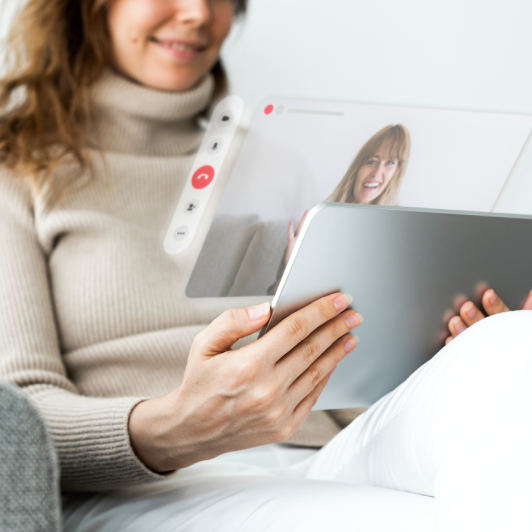
After choosing a clinic for your thread lift in Turkey, the next step is an initial online consultation. Many reputable clinics offer this remotely (often free or low-cost), allowing the surgeon to understand your goals, review your facial anatomy, and confirm whether a thread lift is the right option for the results you want.
Share Your Goals and Concern Areas
You’ll discuss what you want to improve such as mild-to-moderate sagging in the jawline, cheeks, midface, or neck. The clinician will clarify what a thread lift can realistically achieve (subtle lift and contouring) and how long results typically last.
Provide Photos/Videos for a Facial Assessment
Most clinics will request clear, well-lit photos (front and both profiles) and sometimes a short video while smiling and speaking. This helps assess skin laxity, facial symmetry, tissue thickness, and whether your concerns are best treated with threads alone or combined with other options.
Medical History and Safety Screening
You’ll be asked about medications (especially blood thinners), supplements, allergies, smoking, previous facial procedures, and any conditions that affect healing. This step helps reduce the risk of bruising, infection, or poor outcomes and ensures you’re a safe candidate for an in-office procedure.
Candidacy: Who Benefits Most
A thread lift generally suits people with early signs of sagging and good skin quality who want improvement without surgery. If laxity is more advanced, the surgeon may recommend alternatives (or a different plan) to achieve a more predictable result.
Treatment Plan, Thread Type, and Expectations
If you’re suitable, the clinic will outline the proposed approach: the thread type (e.g., PDO/PLLA/PCL), approximate number of threads, target areas, expected downtime, and aftercare. You should also receive a clear explanation of possible side effects such as swelling, bruising, temporary dimpling, asymmetry, or thread visibility in rare cases.
- Tip: Ask for a written plan and an itemized quote so you can compare clinics accurately.
- Tip: Confirm who performs the procedure (plastic surgeon/dermatologist) and what follow-up support is included.
Initial Online Consultation and Candidacy Evaluation
After choosing a clinic for your thread lift in Turkey, the next step is an initial online consultation. Many reputable clinics offer this remotely (often free or low-cost), allowing the surgeon to understand your goals, review your facial anatomy, and confirm whether a thread lift is the right option for the results you want.
Share Your Goals and Concern Areas
You’ll discuss what you want to improve such as mild-to-moderate sagging in the jawline, cheeks, midface, or neck. The clinician will clarify what a thread lift can realistically achieve (subtle lift and contouring) and how long results typically last.
Provide Photos/Videos for a Facial Assessment
Most clinics will request clear, well-lit photos (front and both profiles) and sometimes a short video while smiling and speaking. This helps assess skin laxity, facial symmetry, tissue thickness, and whether your concerns are best treated with threads alone or combined with other options.
Medical History and Safety Screening
You’ll be asked about medications (especially blood thinners), supplements, allergies, smoking, previous facial procedures, and any conditions that affect healing. This step helps reduce the risk of bruising, infection, or poor outcomes and ensures you’re a safe candidate for an in-office procedure.
Candidacy: Who Benefits Most
A thread lift generally suits people with early signs of sagging and good skin quality who want improvement without surgery. If laxity is more advanced, the surgeon may recommend alternatives (or a different plan) to achieve a more predictable result.
Treatment Plan, Thread Type, and Expectations
If you’re suitable, the clinic will outline the proposed approach: the thread type (e.g., PDO/PLLA/PCL), approximate number of threads, target areas, expected downtime, and aftercare. You should also receive a clear explanation of possible side effects such as swelling, bruising, temporary dimpling, asymmetry, or thread visibility in rare cases.
- Tip: Ask for a written plan and an itemized quote so you can compare clinics accurately.
- Tip: Confirm who performs the procedure (plastic surgeon/dermatologist) and what follow-up support is included.
| Thread Lift Technique | Typical Range (EUR €) |
|---|---|
| PDO Threads (basic lift) | € 700 – € 1,200 |
| Cog / Barbed Threads (stronger lift) | € 1,200 – € 2,000 |
| Silhouette Soft / Cones (mid-face focus) | € 1,800 – € 3,000 |
| Full Face Plan (multi-area, customized) | € 2,500 – € 4,000 |
Use our Calculation Module to Find Out
The Cost of Thread Lift in Turkey
Calculate My Cost
Personalized Treatment Plan, Technique Choice, and Scheduling
After your consultation, your clinic will create a personalized thread lift plan based on your facial anatomy, skin quality, degree of laxity, and the result you want (subtle lift vs. more defined contour). This planning stage is where you and your doctor agree on the thread type, the technique, and the timeline for your trip to Turkey.
- Target areas and goals: midface, jawline, jowls, neck, brows, or a combination your plan should specify what will be lifted and what improvement is realistic.
- Thread selection: absorbable threads (commonly PDO, PLLA, or PCL) may be chosen depending on the desired hold, collagen stimulation, and expected longevity.
- Technique choice: your doctor may recommend cog/barbed threads for lifting and smooth/mono threads for skin quality, with a mapped insertion pattern tailored to your vectors.
- Number of threads: the plan should clearly state how many threads are expected per side/area and whether the final count may change slightly on the day for symmetry and safety.
- Combination treatments (if appropriate): some patients benefit from adding dermal filler, skin boosters, or energy-based tightening these should be discussed transparently, including what is optional vs. necessary.
- Safety review: disclose medications and supplements (especially blood thinners, aspirin/NSAIDs, vitamin E, fish oil) and any history of keloids, autoimmune disease, or active skin infections.
When scheduling, most international patients choose a date that allows 2–4 days in Turkey to accommodate the procedure, early follow-up, and recovery time before flying home. Ask your clinic to confirm in writing what’s included (consultation, procedure, aftercare, medications if provided, follow-up visit, and any transfers/interpreter services) and request clear pre-procedure instructions such as when to stop certain supplements, how to arrive makeup-free, and what to expect regarding swelling or bruising.
Finally, ensure you receive a copy of your treatment plan (areas treated, thread type, and aftercare guidance). This is helpful for continuity of care once you return home and for understanding your expected results and recovery timeline.
Personalized Treatment Plan, Technique Choice, and Scheduling
After your consultation, your clinic will create a personalized thread lift plan based on your facial anatomy, skin quality, degree of laxity, and the result you want (subtle lift vs. more defined contour). This planning stage is where you and your doctor agree on the thread type, the technique, and the timeline for your trip to Turkey.
- Target areas and goals: midface, jawline, jowls, neck, brows, or a combination your plan should specify what will be lifted and what improvement is realistic.
- Thread selection: absorbable threads (commonly PDO, PLLA, or PCL) may be chosen depending on the desired hold, collagen stimulation, and expected longevity.
- Technique choice: your doctor may recommend cog/barbed threads for lifting and smooth/mono threads for skin quality, with a mapped insertion pattern tailored to your vectors.
- Number of threads: the plan should clearly state how many threads are expected per side/area and whether the final count may change slightly on the day for symmetry and safety.
- Combination treatments (if appropriate): some patients benefit from adding dermal filler, skin boosters, or energy-based tightening these should be discussed transparently, including what is optional vs. necessary.
- Safety review: disclose medications and supplements (especially blood thinners, aspirin/NSAIDs, vitamin E, fish oil) and any history of keloids, autoimmune disease, or active skin infections.
When scheduling, most international patients choose a date that allows 2–4 days in Turkey to accommodate the procedure, early follow-up, and recovery time before flying home. Ask your clinic to confirm in writing what’s included (consultation, procedure, aftercare, medications if provided, follow-up visit, and any transfers/interpreter services) and request clear pre-procedure instructions such as when to stop certain supplements, how to arrive makeup-free, and what to expect regarding swelling or bruising.
Finally, ensure you receive a copy of your treatment plan (areas treated, thread type, and aftercare guidance). This is helpful for continuity of care once you return home and for understanding your expected results and recovery timeline.
| Thread Lift Technique | Typical Range (EUR €) |
|---|---|
| PDO Threads (basic lift) | € 700 – € 1,200 |
| Cog / Barbed Threads (stronger lift) | € 1,200 – € 2,000 |
| Silhouette Soft / Cones (mid-face focus) | € 1,800 – € 3,000 |
| Full Face Plan (multi-area, customized) | € 2,500 – € 4,000 |
Use our Calculation Module to Find Out
The Cost of Thread Lift in Turkey
Calculate My Cost

 Online
Consultation

 Travel to Turkey
 Pre-Procedure
Checklist
Traveling to Turkey and Pre-Procedure Preparation Checklist
Planning your trip for a thread lift in Turkey is usually straightforward, and many clinics help coordinate airport transfers and accommodation. Aim to arrive at least 1 day before your procedure so you can rest, complete your in-person assessment, and confirm the final treatment plan without rushing.
Before your appointment, you’ll typically have a pre-procedure consultation to review your goals, assess facial anatomy and skin quality, confirm candidacy, and agree on the number and type of threads to be used. Bring a list of medications and supplements, and be ready to discuss any medical conditions, allergies, and previous facial procedures.
What to Pack and Prepare
- Documents: passport, travel/medical insurance details (if applicable), clinic booking confirmation, and any required visa documents.
- Medical info: a current medication/supplement list, known allergies, and relevant medical history (including bleeding disorders, autoimmune conditions, or recent infections).
- Comfort items: button-up/zip-up tops (to avoid pulling clothing over your face), a wide-brim hat/sunglasses, and a gentle cleanser.
Medication and Lifestyle Checklist (Confirm With Your Clinician)
- Blood-thinning agents: tell your clinician if you take aspirin, anticoagulants, or anti-platelet medications do not stop prescribed medicines unless your doctor instructs you to.
- Supplements: disclose fish oil/omega-3, vitamin E, ginkgo, garlic, turmeric, and similar products that may increase bruising.
- Alcohol and smoking: avoid alcohol for 24–48 hours before treatment and minimize smoking/vaping, as nicotine can impair healing.
- Skin treatments: pause harsh exfoliants/retinoids and avoid aggressive facials or peels in the days leading up to the procedure (follow clinic-specific timing).
Day-Before and Day-Of Tips
- Hydration and rest: get a good night’s sleep and stay well-hydrated.
- Food: thread lifts are commonly done with local anesthesia; fasting is usually not required, but follow your clinic’s instructions.
- Arrive makeup-free: come with a clean face (no makeup, heavy creams, or oils) unless instructed otherwise.
- Plan your schedule: keep the rest of the day free and arrange easy transport back to your hotel.
In-Clinic Pre-Procedure Steps
- Facial assessment and markings: your practitioner will evaluate symmetry, laxity, and vector direction, then mark entry points and lift lines.
- Photos and consent: standardized photos may be taken, and you’ll review consent forms and aftercare instructions.
- Safety screening: your team will confirm medical history, check for contraindications (e.g., active infection), and finalize the plan for anesthesia and thread selection.
Traveling to Turkey and Pre-Procedure Preparation Checklist
Planning your trip for a thread lift in Turkey is usually straightforward, and many clinics help coordinate airport transfers and accommodation. Aim to arrive at least 1 day before your procedure so you can rest, complete your in-person assessment, and confirm the final treatment plan without rushing.
Before your appointment, you’ll typically have a pre-procedure consultation to review your goals, assess facial anatomy and skin quality, confirm candidacy, and agree on the number and type of threads to be used. Bring a list of medications and supplements, and be ready to discuss any medical conditions, allergies, and previous facial procedures.
OnlineConsultation
Travel to Turkey
Pre-ProcedureChecklist
What to Pack and Prepare
- Documents: passport, travel/medical insurance details (if applicable), clinic booking confirmation, and any required visa documents.
- Medical info: a current medication/supplement list, known allergies, and relevant medical history (including bleeding disorders, autoimmune conditions, or recent infections).
- Comfort items: button-up/zip-up tops (to avoid pulling clothing over your face), a wide-brim hat/sunglasses, and a gentle cleanser.
Medication and Lifestyle Checklist (Confirm With Your Clinician)
- Blood-thinning agents: tell your clinician if you take aspirin, anticoagulants, or anti-platelet medications do not stop prescribed medicines unless your doctor instructs you to.
- Supplements: disclose fish oil/omega-3, vitamin E, ginkgo, garlic, turmeric, and similar products that may increase bruising.
- Alcohol and smoking: avoid alcohol for 24–48 hours before treatment and minimize smoking/vaping, as nicotine can impair healing.
- Skin treatments: pause harsh exfoliants/retinoids and avoid aggressive facials or peels in the days leading up to the procedure (follow clinic-specific timing).
Day-Before and Day-Of Tips
- Hydration and rest: get a good night’s sleep and stay well-hydrated.
- Food: thread lifts are commonly done with local anesthesia; fasting is usually not required, but follow your clinic’s instructions.
- Arrive makeup-free: come with a clean face (no makeup, heavy creams, or oils) unless instructed otherwise.
- Plan your schedule: keep the rest of the day free and arrange easy transport back to your hotel.
In-Clinic Pre-Procedure Steps
- Facial assessment and markings: your practitioner will evaluate symmetry, laxity, and vector direction, then mark entry points and lift lines.
- Photos and consent: standardized photos may be taken, and you’ll review consent forms and aftercare instructions.
- Safety screening: your team will confirm medical history, check for contraindications (e.g., active infection), and finalize the plan for anesthesia and thread selection.
Thread Lift Procedure Day: Step-by-Step What to Expect


09:00
Check-in &Marking
09:30
Numbing &Prep
10:00-10:45
ThreadPlacement
11:00
Final Check &Aftercare
You’ll complete a quick check-in, review your goals, and the doctor will mark the lift vectors on your face.
Local anesthetic is applied (sometimes with a mild calming medication) and the skin is cleaned and prepped.
Threads are inserted through tiny entry points, positioned under the skin, then gently tightened to create an immediate lift.
The doctor checks symmetry, trims thread ends, and you’ll receive aftercare guidance (sleep position, facial movements, and follow-up).
Thread Lift Procedure Day: Step-by-Step What to Expect
A thread lift is a minimally invasive, in-clinic procedure that typically takes 30–60 minutes (sometimes up to 90 minutes if multiple areas are treated). Most patients return to normal daily activities the same day, with a short period of mild swelling or tenderness.
1) Check-in, photos, and final markings
Your clinician reviews your plan, confirms the areas to be lifted (e.g., cheeks, jawline, neck, brows), takes pre-treatment photos, and marks the entry points and vectors (direction of lift) on the skin.
2) Cleansing and numbing (local anesthesia)
The skin is cleansed and disinfected. A local anesthetic is applied and/or injected to keep you comfortable. You may still feel pressure or pulling, but sharp pain should be minimal.
3) Thread insertion
Using a fine cannula or needle, the clinician places dissolvable threads (often PDO, PLLA, or PCL) under the skin. The threads may be smooth (for collagen stimulation) or barbed/cogged (for lifting and repositioning).
4) Lifting, anchoring, and symmetry check
The threads are gently tensioned to create the lift, then secured in the planned position. The clinician checks facial symmetry and adjusts as needed to achieve a natural-looking result.
5) Trimming, cleaning, and immediate aftercare
Any thread ends are trimmed, and the area is cleaned. You’ll receive aftercare instructions and may be advised to use cold compresses and avoid certain movements or pressure on the treated areas.
What you may feel and see right after
- Common: mild swelling, tenderness, bruising, tightness, or a “pulling” sensation.
- Sometimes: small dimples or puckering that usually settles as swelling reduces.
- Results: an immediate subtle lift, with continued improvement over the next weeks as collagen production increases.
Important: Contact your clinic promptly if you develop increasing redness, warmth, fever, significant asymmetry, severe pain, or any signs of infection.
Thread Lift Procedure Day: Step-by-Step What to Expect
A thread lift is a minimally invasive, in-clinic procedure that typically takes 30–60 minutes (sometimes up to 90 minutes if multiple areas are treated). Most patients return to normal daily activities the same day, with a short period of mild swelling or tenderness.
Thread Lift Procedure Day: Step-by-Step What to Expect
09:00
Check-in &Marking
09:30
Numbing &Prep
10:00-10:45
ThreadPlacement
11:00
Final Check &Aftercare
You’ll complete a quick check-in, review your goals, and the doctor will mark the lift vectors on your face.
Local anesthetic is applied (sometimes with a mild calming medication) and the skin is cleaned and prepped.
Threads are inserted through tiny entry points, positioned under the skin, then gently tightened to create an immediate lift.
The doctor checks symmetry, trims thread ends, and you’ll receive aftercare guidance (sleep position, facial movements, and follow-up).
1) Check-in, photos, and final markings
Your clinician reviews your plan, confirms the areas to be lifted (e.g., cheeks, jawline, neck, brows), takes pre-treatment photos, and marks the entry points and vectors (direction of lift) on the skin.
2) Cleansing and numbing (local anesthesia)
The skin is cleansed and disinfected. A local anesthetic is applied and/or injected to keep you comfortable. You may still feel pressure or pulling, but sharp pain should be minimal.
3) Thread insertion
Using a fine cannula or needle, the clinician places dissolvable threads (often PDO, PLLA, or PCL) under the skin. The threads may be smooth (for collagen stimulation) or barbed/cogged (for lifting and repositioning).
4) Lifting, anchoring, and symmetry check
The threads are gently tensioned to create the lift, then secured in the planned position. The clinician checks facial symmetry and adjusts as needed to achieve a natural-looking result.
5) Trimming, cleaning, and immediate aftercare
Any thread ends are trimmed, and the area is cleaned. You’ll receive aftercare instructions and may be advised to use cold compresses and avoid certain movements or pressure on the treated areas.
What you may feel and see right after
- Common: mild swelling, tenderness, bruising, tightness, or a “pulling” sensation.
- Sometimes: small dimples or puckering that usually settles as swelling reduces.
- Results: an immediate subtle lift, with continued improvement over the next weeks as collagen production increases.
Important: Contact your clinic promptly if you develop increasing redness, warmth, fever, significant asymmetry, severe pain, or any signs of infection.
Immediate Aftercare, Swelling Management, and Early Recovery
A thread lift is minimally invasive, but the first 48–72 hours are crucial for reducing swelling and protecting the threads while they “settle” into place. Your clinic in Turkey will provide personalised instructions and may prescribe pain relief, anti-inflammatory medication, or antibiotics depending on your case. Mild swelling, tightness, tenderness, and light bruising are common and typically improve over the first week.
- Use cold compresses (wrapped, not directly on skin) for short intervals during the first 24–48 hours to help minimise swelling and bruising.
- Sleep on your back with your head elevated for several nights; avoid sleeping on your side or face to prevent pressure and thread displacement.
- Keep facial movements gentle: avoid wide yawning, exaggerated smiling, chewing tough foods, and facial massages for at least 1–2 weeks (or as advised).
- Choose a soft diet for the first few days and chew carefully; avoid very hot foods/drinks and alcohol initially, as they may worsen swelling.
- Avoid strenuous exercise, heavy lifting, saunas, and steam rooms for about 1–2 weeks to reduce swelling and the risk of bruising.
- Do not rub or press the treated area, and avoid beauty treatments (facials, aggressive skincare, devices) until your clinician confirms it is safe.
- Follow medication and skincare guidance exactly, including any antiseptic cleansing steps for entry points if provided.
- Attend your follow-up check (often within 7–14 days) so your provider can assess healing, symmetry, and early results.
When to contact your clinic urgently: increasing redness or warmth, worsening pain after initial improvement, fever, pus-like discharge, significant asymmetry that suddenly appears, skin dimpling that worsens, or any signs of infection. Early assessment helps prevent complications and protects your final outcome.
Immediate Aftercare, Swelling Management, and Early Recovery
A thread lift is minimally invasive, but the first 48–72 hours are crucial for reducing swelling and protecting the threads while they “settle” into place. Your clinic in Turkey will provide personalised instructions and may prescribe pain relief, anti-inflammatory medication, or antibiotics depending on your case. Mild swelling, tightness, tenderness, and light bruising are common and typically improve over the first week.
- Use cold compresses (wrapped, not directly on skin) for short intervals during the first 24–48 hours to help minimise swelling and bruising.
- Sleep on your back with your head elevated for several nights; avoid sleeping on your side or face to prevent pressure and thread displacement.
- Keep facial movements gentle: avoid wide yawning, exaggerated smiling, chewing tough foods, and facial massages for at least 1–2 weeks (or as advised).
- Choose a soft diet for the first few days and chew carefully; avoid very hot foods/drinks and alcohol initially, as they may worsen swelling.
- Avoid strenuous exercise, heavy lifting, saunas, and steam rooms for about 1–2 weeks to reduce swelling and the risk of bruising.
- Do not rub or press the treated area, and avoid beauty treatments (facials, aggressive skincare, devices) until your clinician confirms it is safe.
- Follow medication and skincare guidance exactly, including any antiseptic cleansing steps for entry points if provided.
- Attend your follow-up check (often within 7–14 days) so your provider can assess healing, symmetry, and early results.
When to contact your clinic urgently: increasing redness or warmth, worsening pain after initial improvement, fever, pus-like discharge, significant asymmetry that suddenly appears, skin dimpling that worsens, or any signs of infection. Early assessment helps prevent complications and protects your final outcome.
Follow-Up Appointments and Results Monitoring
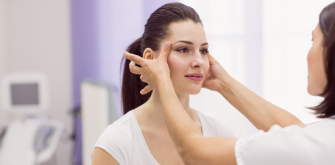
Follow-up appointments after a thread lift in Turkey help your clinician confirm that the threads are settling correctly, swelling is resolving as expected, and your results are developing safely. Your clinic will typically schedule a review before you travel home and may arrange remote check-ins afterward.
- Immediate post-procedure check (same day or next day): assessment of swelling, bruising, symmetry, and skin tension; review of aftercare (sleeping position, activity limits, skincare).
- Early follow-up (about 7–14 days): monitoring healing at entry points, checking for thread visibility/dimpling, and confirming that any tenderness or tightness is improving.
- Ongoing monitoring (4–6 weeks and beyond): evaluation of collagen-building progress and refinement of your long-term plan (skincare, sun protection, and whether complementary treatments are appropriate).
- Photo documentation: standardized before/after photos may be taken to track changes as swelling subsides and results stabilize.
When results appear: you may notice an immediate lift, but the final look typically becomes clearer over several weeks as swelling settles and collagen stimulation develops. Contact your clinic promptly if you experience increasing pain, spreading redness, fever, discharge, significant asymmetry that worsens, or thread exposure.
Follow-Up Appointments and Results Monitoring
Follow-up appointments after a thread lift in Turkey help your clinician confirm that the threads are settling correctly, swelling is resolving as expected, and your results are developing safely. Your clinic will typically schedule a review before you travel home and may arrange remote check-ins afterward.
- Immediate post-procedure check (same day or next day): assessment of swelling, bruising, symmetry, and skin tension; review of aftercare (sleeping position, activity limits, skincare).
- Early follow-up (about 7–14 days): monitoring healing at entry points, checking for thread visibility/dimpling, and confirming that any tenderness or tightness is improving.
- Ongoing monitoring (4–6 weeks and beyond): evaluation of collagen-building progress and refinement of your long-term plan (skincare, sun protection, and whether complementary treatments are appropriate).
- Photo documentation: standardized before/after photos may be taken to track changes as swelling subsides and results stabilize.
When results appear: you may notice an immediate lift, but the final look typically becomes clearer over several weeks as swelling settles and collagen stimulation develops. Contact your clinic promptly if you experience increasing pain, spreading redness, fever, discharge, significant asymmetry that worsens, or thread exposure.
Your Heal Road consultant can help coordinate remote follow-ups and aftercare guidance once you’re back home.
Returning Home: Long-Term Care and Maintaining Your Results
Most patients can travel home shortly after a thread lift in Turkey, but your results will continue to refine over the following weeks as swelling settles and collagen production increases. Your clinic may offer remote follow-ups to check healing and guide your aftercare once you’re back home.
Before You Fly (First 24–72 Hours):
- Plan a gentle journey: Avoid heavy luggage and sudden pulling movements around the face and neck.
- Keep swelling down: Use cold compresses as advised and sleep with your head elevated.
- Follow your medication plan: Take prescribed pain relief/antibiotics exactly as directed.
Early Recovery at Home (Days 1–14):
- Protect the threads: Avoid rubbing, massaging, or applying strong pressure to the treated area.
- Limit facial strain: Minimise wide yawning, intense chewing, and exaggerated facial expressions for the first week.
- Sleep position: Sleep on your back when possible and avoid face-down sleeping.
- Exercise and heat: Skip strenuous workouts, saunas, steam rooms, and hot baths until your clinician says it’s safe.
- Skin care: Use gentle cleansing; avoid exfoliants/retinoids and facial devices until cleared.
Maintaining Results (Weeks 2–12 and Beyond):
- Support collagen: Prioritise hydration, protein, and a balanced diet; avoid smoking and limit alcohol as these can impair healing.
- Sun protection: Use daily SPF to help protect skin quality and prolong your results.
- Consider complementary treatments: If recommended, treatments like skin boosters or energy-based devices may enhance skin texture once fully healed.
- Routine check-ins: Attend scheduled follow-ups (in-person or virtual) and keep a local clinician in mind for ongoing skin care.
When to Seek Medical Advice Urgently:
Contact your clinic promptly (or seek local urgent care) if you develop increasing redness, warmth, worsening pain, fever, pus-like discharge, sudden facial asymmetry that is getting worse, skin dimpling that doesn’t improve, or any signs of infection.
Returning Home: Long-Term Care and Maintaining Your Results
Most patients can travel home shortly after a thread lift in Turkey, but your results will continue to refine over the following weeks as swelling settles and collagen production increases. Your clinic may offer remote follow-ups to check healing and guide your aftercare once you’re back home.
Before You Fly (First 24–72 Hours):
- Plan a gentle journey: Avoid heavy luggage and sudden pulling movements around the face and neck.
- Keep swelling down: Use cold compresses as advised and sleep with your head elevated.
- Follow your medication plan: Take prescribed pain relief/antibiotics exactly as directed.
Early Recovery at Home (Days 1–14):
- Protect the threads: Avoid rubbing, massaging, or applying strong pressure to the treated area.
- Limit facial strain: Minimise wide yawning, intense chewing, and exaggerated facial expressions for the first week.
- Sleep position: Sleep on your back when possible and avoid face-down sleeping.
- Exercise and heat: Skip strenuous workouts, saunas, steam rooms, and hot baths until your clinician says it’s safe.
- Skin care: Use gentle cleansing; avoid exfoliants/retinoids and facial devices until cleared.
Maintaining Results (Weeks 2–12 and Beyond):
- Support collagen: Prioritise hydration, protein, and a balanced diet; avoid smoking and limit alcohol as these can impair healing.
- Sun protection: Use daily SPF to help protect skin quality and prolong your results.
- Consider complementary treatments: If recommended, treatments like skin boosters or energy-based devices may enhance skin texture once fully healed.
- Routine check-ins: Attend scheduled follow-ups (in-person or virtual) and keep a local clinician in mind for ongoing skin care.
When to Seek Medical Advice Urgently:
Contact your clinic promptly (or seek local urgent care) if you develop increasing redness, warmth, worsening pain, fever, pus-like discharge, sudden facial asymmetry that is getting worse, skin dimpling that doesn’t improve, or any signs of infection.
Your Heal Road consultant can help coordinate remote follow-ups and aftercare guidance once you’re back home.

Essential Tips for a Safe, Successful Thread Lift Experience in Turkey
- Choose a qualified, experienced provider: Look for a board-certified plastic surgeon or dermatologist (or an experienced aesthetic physician) who performs thread lifts regularly. Ask how many thread lifts they do per month/year and request recent before-and-after photos of patients with a similar facial structure and concern.
- Verify clinic standards and patient support: Prioritize clinics with clear hygiene protocols, transparent consent forms, and a dedicated patient coordinator. Confirm you’ll have access to the medical team after the procedure (WhatsApp/phone) in case of questions or concerns.
- Have a thorough consultation (virtual or in-person): Discuss your goals (jawline, cheeks, midface, brows, neck), skin quality, and whether you’re a good candidate. A thread lift is best for mild-to-moderate sagging; significant laxity may require surgical lifting or combined treatments.
- Ask about thread type and treatment plan: Clarify which threads will be used (e.g., PDO, PLLA, PCL), whether they are barbed/cog threads for lifting or smooth threads for collagen stimulation, how many threads are planned, and what results you can realistically expect and for how long.
- Disclose your full medical history and medications: Tell your provider about bleeding disorders, autoimmune conditions, tendency to keloids, active skin infections/acne, dental infections, pregnancy/breastfeeding, and any prior fillers or facial surgery. Share all medications and supplements.
- Follow pre-procedure guidance to reduce bruising: If your clinician approves, you may be advised to avoid alcohol and certain blood-thinning medications/supplements for a period before treatment. Do not stop prescribed anticoagulants without explicit instruction from your prescribing doctor.
- Plan timing and travel wisely: Schedule the procedure early in your trip to allow time for swelling/bruising to settle and to attend a follow-up visit before flying home. Avoid booking major events immediately after treatment.
- Understand normal recovery vs. warning signs: Mild swelling, bruising, tenderness, and a “tight” feeling are common initially. Contact the clinic urgently if you develop increasing redness/heat, fever, pus, worsening pain, facial asymmetry that progresses, skin dimpling that doesn’t improve, or thread exposure.
- Protect your results with proper aftercare: Follow instructions on sleeping position (often on your back), facial movements, exercise, and skincare. Avoid vigorous massage/facial treatments for the recommended period, and keep follow-up appointments.
- Confirm what’s included in the package: Ask for a written quote detailing consultation, number/type of threads, anesthesia, medications, follow-up care, and any revision policy. Ensure you know what happens if additional threads are needed.
- Maintain realistic expectations and consider combination treatments: Thread lifts can provide subtle-to-moderate lifting and contouring, but they won’t replace surgery. In some cases, combining threads with fillers, skin tightening, or collagen-stimulating treatments may deliver a more balanced result.
Essential Tips for a Safe, Successful Thread Lift Experience in Turkey
- Choose a qualified, experienced provider: Look for a board-certified plastic surgeon or dermatologist (or an experienced aesthetic physician) who performs thread lifts regularly. Ask how many thread lifts they do per month/year and request recent before-and-after photos of patients with a similar facial structure and concern.
- Verify clinic standards and patient support: Prioritize clinics with clear hygiene protocols, transparent consent forms, and a dedicated patient coordinator. Confirm you’ll have access to the medical team after the procedure (WhatsApp/phone) in case of questions or concerns.
- Have a thorough consultation (virtual or in-person): Discuss your goals (jawline, cheeks, midface, brows, neck), skin quality, and whether you’re a good candidate. A thread lift is best for mild-to-moderate sagging; significant laxity may require surgical lifting or combined treatments.
- Ask about thread type and treatment plan: Clarify which threads will be used (e.g., PDO, PLLA, PCL), whether they are barbed/cog threads for lifting or smooth threads for collagen stimulation, how many threads are planned, and what results you can realistically expect and for how long.
- Disclose your full medical history and medications: Tell your provider about bleeding disorders, autoimmune conditions, tendency to keloids, active skin infections/acne, dental infections, pregnancy/breastfeeding, and any prior fillers or facial surgery. Share all medications and supplements.
- Follow pre-procedure guidance to reduce bruising: If your clinician approves, you may be advised to avoid alcohol and certain blood-thinning medications/supplements for a period before treatment. Do not stop prescribed anticoagulants without explicit instruction from your prescribing doctor.
- Plan timing and travel wisely: Schedule the procedure early in your trip to allow time for swelling/bruising to settle and to attend a follow-up visit before flying home. Avoid booking major events immediately after treatment.
- Understand normal recovery vs. warning signs: Mild swelling, bruising, tenderness, and a “tight” feeling are common initially. Contact the clinic urgently if you develop increasing redness/heat, fever, pus, worsening pain, facial asymmetry that progresses, skin dimpling that doesn’t improve, or thread exposure.
- Protect your results with proper aftercare: Follow instructions on sleeping position (often on your back), facial movements, exercise, and skincare. Avoid vigorous massage/facial treatments for the recommended period, and keep follow-up appointments.
- Confirm what’s included in the package: Ask for a written quote detailing consultation, number/type of threads, anesthesia, medications, follow-up care, and any revision policy. Ensure you know what happens if additional threads are needed.
- Maintain realistic expectations and consider combination treatments: Thread lifts can provide subtle-to-moderate lifting and contouring, but they won’t replace surgery. In some cases, combining threads with fillers, skin tightening, or collagen-stimulating treatments may deliver a more balanced result.
Conclusion
References


- American Society of Plastic Surgeons (ASPS) – Thread Lift (patient information)
- American Academy of Dermatology (AAD) – Cosmetic procedures (overview and safety considerations)
- International Society of Aesthetic Plastic Surgery (ISAPS) – International Survey on Aesthetic/Cosmetic Procedures (statistics)
- Cochrane Library – Surgical sutures (absorbable vs non-absorbable) evidence summaries
Article Contributors

Heal Road Editor
Editor

Heal Road Writer
Writer
- Views
- 156 views
- Reading Time
- Last Updated