 385 views
A Step-by-Step Guide to Ultherapy in Turkey
Nereden Başlayacağını
Bilmiyor musun?
Doğru uzmanı en uygun fiyat garantisiyle bulun

Your Heal Road consultant can help you compare clinics and plan your Ultherapy trip.
From provider selection to aftercare coordination, we support you at every step.
In-Depth Research and Selecting the Right Ultherapy Clinic
Before scheduling Ultherapy in Turkey, invest time in researching providers and choosing a clinic that prioritizes safety, medical standards, and natural-looking outcomes. Ultherapy is a non-surgical ultrasound-based lifting treatment, and results depend heavily on the practitioner’s expertise, correct patient selection, and the use of genuine, well-maintained equipment. Focus your search on established medical hubs such as Istanbul, Ankara, Izmir, and Antalya, and compare clinics using the criteria below.
Medical Credentials and Practitioner Expertise
Choose a clinic led by a board-certified dermatologist or plastic surgeon (or a physician with documented aesthetic ultrasound experience). Ask how many Ultherapy cases they perform monthly, which areas they treat most often (brow, jawline, neck, décolletage), and whether your treatment will be performed by a physician or delegated staff.
Device Authenticity and Treatment Protocol
Confirm the clinic uses an original Ultherapy/Ultherapy PRIME device and that it is serviced regularly. Ask whether they use real-time imaging during treatment and how they determine the number of lines/shots for your face and neck. A reputable provider will explain the plan clearly rather than offering a one-size-fits-all package.
Before-and-After Evidence (Realistic Expectations)
Request unfiltered before-and-after photos of patients with similar skin laxity and age. Ultherapy typically produces a gradual lift and tightening over weeks to months; clinics promising “instant facelift results” may be overselling what the treatment can achieve.
Patient Reviews, Safety Standards, and Aftercare
Read verified reviews on independent platforms and look for consistent feedback about consultation quality, pain management, and follow-up support. Ask about their safety protocols, consent process, and what aftercare is included (check-ins, guidance for swelling/tenderness, and how they handle concerns after you return home).
Transparent Pricing and What’s Included
Request a written quote that specifies the treated areas (e.g., lower face + neck), estimated number of lines/shots, consultation fees, and any add-ons. If you’re traveling, clarify whether the clinic offers an all-inclusive package (transfers, accommodation support, interpreter services) and confirm there are no hidden costs.
- Tip: A trustworthy clinic will recommend a consultation first and may advise alternative treatments if Ultherapy is not the best option for your degree of laxity.
In-Depth Research and Selecting the Right Ultherapy Clinic
Before scheduling Ultherapy in Turkey, invest time in researching providers and choosing a clinic that prioritizes safety, medical standards, and natural-looking outcomes. Ultherapy is a non-surgical ultrasound-based lifting treatment, and results depend heavily on the practitioner’s expertise, correct patient selection, and the use of genuine, well-maintained equipment. Focus your search on established medical hubs such as Istanbul, Ankara, Izmir, and Antalya, and compare clinics using the criteria below.
Your Heal Road consultant can help you compare clinics and plan your Ultherapy trip.
From provider selection to aftercare coordination, we support you at every step.
Medical Credentials and Practitioner Expertise
Choose a clinic led by a board-certified dermatologist or plastic surgeon (or a physician with documented aesthetic ultrasound experience). Ask how many Ultherapy cases they perform monthly, which areas they treat most often (brow, jawline, neck, décolletage), and whether your treatment will be performed by a physician or delegated staff.
Device Authenticity and Treatment Protocol
Confirm the clinic uses an original Ultherapy/Ultherapy PRIME device and that it is serviced regularly. Ask whether they use real-time imaging during treatment and how they determine the number of lines/shots for your face and neck. A reputable provider will explain the plan clearly rather than offering a one-size-fits-all package.
Before-and-After Evidence (Realistic Expectations)
Request unfiltered before-and-after photos of patients with similar skin laxity and age. Ultherapy typically produces a gradual lift and tightening over weeks to months; clinics promising “instant facelift results” may be overselling what the treatment can achieve.
Patient Reviews, Safety Standards, and Aftercare
Read verified reviews on independent platforms and look for consistent feedback about consultation quality, pain management, and follow-up support. Ask about their safety protocols, consent process, and what aftercare is included (check-ins, guidance for swelling/tenderness, and how they handle concerns after you return home).
Transparent Pricing and What’s Included
Request a written quote that specifies the treated areas (e.g., lower face + neck), estimated number of lines/shots, consultation fees, and any add-ons. If you’re traveling, clarify whether the clinic offers an all-inclusive package (transfers, accommodation support, interpreter services) and confirm there are no hidden costs.
- Tip: A trustworthy clinic will recommend a consultation first and may advise alternative treatments if Ultherapy is not the best option for your degree of laxity.

Initial Online Consultation and Suitability Assessment
After choosing a reputable clinic for Ultherapy in Turkey, your next step is an initial online consultation. Many clinics offer this remotely (often free or low-cost), so you can speak with a doctor, share your concerns, and confirm whether Ultherapy is likely to deliver the results you want. This stage is key for aligning goals, checking safety, and planning a realistic treatment timeline before you travel.
What You’ll Share (Photos, Goals, and Medical Details)
You’ll typically be asked to provide clear photos (front and side) and describe the areas you want to improve such as jawline definition, neck tightening, brow lift, or cheek firmness. The clinician will also review your medical history, including medications, allergies, prior cosmetic procedures (fillers, threads, Botox), skin conditions, and any implanted devices.
Candidacy Check: Who Benefits Most
Ultherapy generally works best for people with mild to moderate skin laxity who want gradual lifting and tightening without surgery. During the assessment, the doctor will evaluate whether your concerns are due to laxity (where Ultherapy can help) versus volume loss (which may respond better to fillers) or more advanced sagging (where surgical options may be more appropriate).
Safety Screening and Expectations
Your provider will explain what results are realistic, how long improvements may take to appear (often gradually over weeks to months), and what sensations to expect during treatment. You’ll also discuss potential side effects such as temporary redness, swelling, tenderness, or tingling. If you are not an ideal candidate, the clinic should recommend alternatives rather than proceeding.
Personalized Plan, Pricing, and Travel Timing
If you’re suitable, you’ll receive a tailored plan outlining the treatment areas, estimated number of lines/shots, session length, and a transparent quote. This is also the time to coordinate your visit most patients can travel and resume normal activities quickly, but it’s wise to schedule your appointment with enough flexibility for an in-person skin assessment before treatment.
Initial Online Consultation and Suitability Assessment
After choosing a reputable clinic for Ultherapy in Turkey, your next step is an initial online consultation. Many clinics offer this remotely (often free or low-cost), so you can speak with a doctor, share your concerns, and confirm whether Ultherapy is likely to deliver the results you want. This stage is key for aligning goals, checking safety, and planning a realistic treatment timeline before you travel.
What You’ll Share (Photos, Goals, and Medical Details)
You’ll typically be asked to provide clear photos (front and side) and describe the areas you want to improve such as jawline definition, neck tightening, brow lift, or cheek firmness. The clinician will also review your medical history, including medications, allergies, prior cosmetic procedures (fillers, threads, Botox), skin conditions, and any implanted devices.
Candidacy Check: Who Benefits Most
Ultherapy generally works best for people with mild to moderate skin laxity who want gradual lifting and tightening without surgery. During the assessment, the doctor will evaluate whether your concerns are due to laxity (where Ultherapy can help) versus volume loss (which may respond better to fillers) or more advanced sagging (where surgical options may be more appropriate).
Safety Screening and Expectations
Your provider will explain what results are realistic, how long improvements may take to appear (often gradually over weeks to months), and what sensations to expect during treatment. You’ll also discuss potential side effects such as temporary redness, swelling, tenderness, or tingling. If you are not an ideal candidate, the clinic should recommend alternatives rather than proceeding.
Personalized Plan, Pricing, and Travel Timing
If you’re suitable, you’ll receive a tailored plan outlining the treatment areas, estimated number of lines/shots, session length, and a transparent quote. This is also the time to coordinate your visit most patients can travel and resume normal activities quickly, but it’s wise to schedule your appointment with enough flexibility for an in-person skin assessment before treatment.
| Country | Price (EUR €) |
|---|---|
| Türkiye | € 900 |
| Poland | € 1,300 |
| Hungary | € 1,500 |
| Germany | € 2,200 |
Use our Calculation Module to Find Out
The Cost of Ultherapy
Calculate My Cost
Personalized Treatment Plan, Pricing, and Appointment Scheduling
After your consultation, the clinic will create a personalized Ultherapy treatment plan based on your skin laxity, facial anatomy, and goals (for example: brow lift, jawline definition, neck tightening, or décolletage smoothing). You’ll typically receive a clear outline of:
- Treatment areas to be targeted (face, neck, under-chin, décolletage)
- Estimated number of ultrasound lines/shots and session length
- Expected results timeline (gradual improvement over 2–3 months, with continued collagen remodeling)
- Comfort plan (topical anesthetic, oral pain relief options, cooling breaks)
- Aftercare guidance and when to plan follow-up communication
Pricing in Turkey is usually determined by the size and number of areas treated and the total number of lines used. When comparing quotes, ask whether the price includes the consultation, treatment planning, and any medications or numbing options. If you’re traveling internationally, many clinics can also help coordinate airport transfers, hotel recommendations, and interpreter support confirm what is included in writing.
Scheduling your appointment is generally straightforward: you’ll share photos and medical history in advance, select your preferred dates, and receive pre-visit instructions (for example, arriving with clean skin and avoiding irritating skincare right before treatment). Plan a little flexibility in your itinerary in case the clinician recommends adjusting the treatment areas after an in-person assessment.
Personalized Treatment Plan, Pricing, and Appointment Scheduling
After your consultation, the clinic will create a personalized Ultherapy treatment plan based on your skin laxity, facial anatomy, and goals (for example: brow lift, jawline definition, neck tightening, or décolletage smoothing). You’ll typically receive a clear outline of:
- Treatment areas to be targeted (face, neck, under-chin, décolletage)
- Estimated number of ultrasound lines/shots and session length
- Expected results timeline (gradual improvement over 2–3 months, with continued collagen remodeling)
- Comfort plan (topical anesthetic, oral pain relief options, cooling breaks)
- Aftercare guidance and when to plan follow-up communication
Pricing in Turkey is usually determined by the size and number of areas treated and the total number of lines used. When comparing quotes, ask whether the price includes the consultation, treatment planning, and any medications or numbing options. If you’re traveling internationally, many clinics can also help coordinate airport transfers, hotel recommendations, and interpreter support confirm what is included in writing.
Scheduling your appointment is generally straightforward: you’ll share photos and medical history in advance, select your preferred dates, and receive pre-visit instructions (for example, arriving with clean skin and avoiding irritating skincare right before treatment). Plan a little flexibility in your itinerary in case the clinician recommends adjusting the treatment areas after an in-person assessment.
| Country | Price (EUR €) |
|---|---|
| Türkiye | € 900 |
| Poland | € 1,300 |
| Hungary | € 1,500 |
| Germany | € 2,200 |
Use our Calculation Module to Find Out
The Cost of Ultherapy
Calculate My Cost

 Online
Consultation

 Travel to Turkey
 Pre-Treatment
Preparation
Traveling to Turkey and Pre-Treatment Preparation
Once your Ultherapy appointment is confirmed, your clinic team will help you plan a smooth arrival in Turkey. Many clinics can assist with airport pickup and hotel recommendations so you can focus on your treatment rather than logistics. Aim to arrive at least a day before your session if possible, especially if you are traveling long-haul, to allow time to rest and reduce swelling risk related to travel fatigue.
Before treatment day, you will typically complete a pre-treatment consultation to review your goals (lifting, tightening, jawline definition, brow lift, neck firmness), confirm candidacy, and set realistic expectations. Clear communication at this stage helps your provider tailor the treatment depth and energy settings to your anatomy and comfort level.
What to Bring and Share at Your Consultation
- A list of current medications and supplements (including blood thinners, aspirin/NSAIDs, and herbal products).
- Your relevant medical history (thyroid disease, autoimmune conditions, tendency to keloid, recent infections, pregnancy/breastfeeding status).
- Any history of fillers, threads, or facial surgery, including approximate dates and areas treated.
- Photos of your desired outcome (helpful for aligning expectations).
Pre-Treatment Guidelines (Common Recommendations)
- Avoid sunburn and heavy tanning before your appointment; arrive with calm, intact skin.
- Discuss whether you should pause certain medications (only with your prescribing clinician’s approval).
- Arrive with a clean face and avoid heavy makeup, oils, or active skincare on the day (e.g., strong retinoids/acids if your provider advises).
- Plan for comfort: Ultherapy can feel warm or prickly; ask in advance about topical anesthetic, oral pain relief options, or cooling measures.
On-the-Day Check-In
- Clinical photos may be taken for before/after comparison.
- Your provider will map the treatment areas and confirm the plan (face, jawline, neck, under-chin, brow).
- You’ll review consent, expected downtime (usually minimal), and aftercare instructions before starting.
Traveling to Turkey and Pre-Treatment Preparation
Once your Ultherapy appointment is confirmed, your clinic team will help you plan a smooth arrival in Turkey. Many clinics can assist with airport pickup and hotel recommendations so you can focus on your treatment rather than logistics. Aim to arrive at least a day before your session if possible, especially if you are traveling long-haul, to allow time to rest and reduce swelling risk related to travel fatigue.
Before treatment day, you will typically complete a pre-treatment consultation to review your goals (lifting, tightening, jawline definition, brow lift, neck firmness), confirm candidacy, and set realistic expectations. Clear communication at this stage helps your provider tailor the treatment depth and energy settings to your anatomy and comfort level.
OnlineConsultation
Travel to Turkey
Pre-TreatmentPreparation
What to Bring and Share at Your Consultation
- A list of current medications and supplements (including blood thinners, aspirin/NSAIDs, and herbal products).
- Your relevant medical history (thyroid disease, autoimmune conditions, tendency to keloid, recent infections, pregnancy/breastfeeding status).
- Any history of fillers, threads, or facial surgery, including approximate dates and areas treated.
- Photos of your desired outcome (helpful for aligning expectations).
Pre-Treatment Guidelines (Common Recommendations)
- Avoid sunburn and heavy tanning before your appointment; arrive with calm, intact skin.
- Discuss whether you should pause certain medications (only with your prescribing clinician’s approval).
- Arrive with a clean face and avoid heavy makeup, oils, or active skincare on the day (e.g., strong retinoids/acids if your provider advises).
- Plan for comfort: Ultherapy can feel warm or prickly; ask in advance about topical anesthetic, oral pain relief options, or cooling measures.
On-the-Day Check-In
- Clinical photos may be taken for before/after comparison.
- Your provider will map the treatment areas and confirm the plan (face, jawline, neck, under-chin, brow).
- You’ll review consent, expected downtime (usually minimal), and aftercare instructions before starting.
Ultherapy Treatment Day: Step-by-Step What to Expect


09:00
Check-in &Skin Assessment
09:30
Cleansing &Comfort Prep
10:00-11:30
Ultrasound Mapping &Treatment
11:30
Aftercare &Next Steps
You’ll complete a quick check-in, review your goals, and your provider will assess laxity and mark the treatment zones.
The skin is cleansed, ultrasound gel is applied, and comfort options (like topical numbing or pain relief) are discussed if needed.
Using real-time ultrasound imaging, the clinician targets precise depths and delivers focused energy to stimulate collagen and lift.
Gel is removed, soothing skincare may be applied, and you’ll get aftercare guidance plus a timeline for results and follow-up.
Ultherapy Treatment Day: Step-by-Step What to Expect
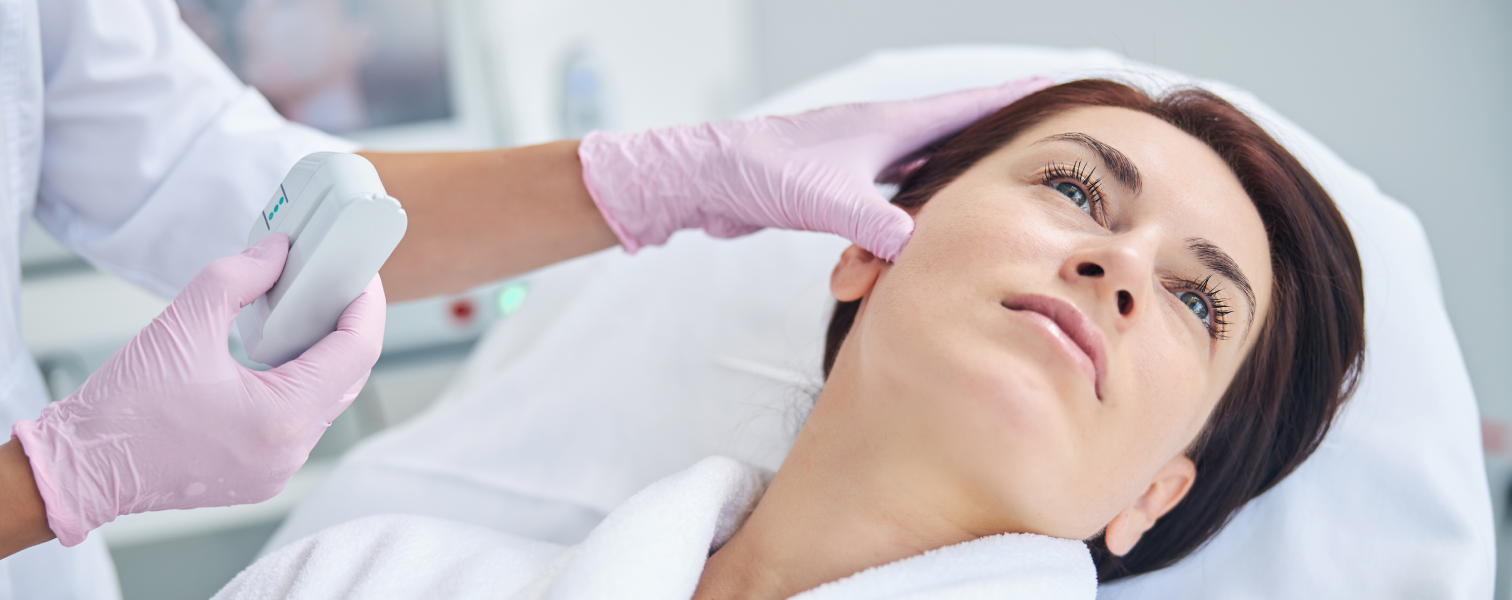
Ultherapy is a non-surgical, ultrasound-based skin tightening treatment typically completed in 45–90 minutes, depending on the area (brow, face, neck, or décolletage). You can usually return to normal activities the same day.
1) Check-in & Skin Assessment
Your clinician reviews your goals, confirms the treatment areas, and checks for any contraindications (e.g., active skin infection, open wounds, or recent procedures in the area). Standard photos may be taken for before/after comparison.
2) Cleansing & Treatment Marking
The skin is cleansed and the target zones are marked to guide even coverage and consistent lifting vectors.
3) Comfort Measures (Pain Control)
Most clinics in Turkey offer comfort options such as topical numbing cream, oral pain relief, or cooling techniques. Your provider will tailor this to your sensitivity and the treatment depth used.
4) Ultrasound Imaging & Custom Treatment Plan
A key part of Ultherapy is real-time ultrasound visualization. Your clinician uses imaging to identify the correct tissue layer and plan energy delivery safely and precisely.
5) Energy Delivery (The Ultherapy Treatment)
Ultrasound gel is applied, and the handpiece delivers focused ultrasound energy at controlled depths. You may feel brief heat or tingling sensations as each line is placed. Treatment is performed in a systematic pattern to cover the planned areas.
6) Immediate Post-Treatment Check
After the session, the gel is removed and your skin is assessed. Mild redness, swelling, or tenderness can occur and usually settles within hours to a few days.
7) Aftercare & What Happens Next
- Same-day routine: Most patients can resume work and normal activities immediately.
- Skincare: Use gentle cleanser and moisturizer; apply sunscreen daily.
- Expected timeline: Some notice subtle early tightening, but the main lifting effect develops gradually over 2–3 months as collagen remodeling occurs.
- Follow-up: Your clinic may schedule a review visit or remote check-in to track progress and discuss whether additional sessions are needed.
Ultherapy Treatment Day: Step-by-Step What to Expect
Ultherapy is a non-surgical, ultrasound-based skin tightening treatment typically completed in 45–90 minutes, depending on the area (brow, face, neck, or décolletage). You can usually return to normal activities the same day.
Ultherapy Treatment Day: Step-by-Step What to Expect
09:00
Check-in &Skin Assessment
09:30
Cleansing &Comfort Prep
10:00-11:30
Ultrasound Mapping &Treatment
11:30
Aftercare &Next Steps
You’ll complete a quick check-in, review your goals, and your provider will assess laxity and mark the treatment zones.
The skin is cleansed, ultrasound gel is applied, and comfort options (like topical numbing or pain relief) are discussed if needed.
Using real-time ultrasound imaging, the clinician targets precise depths and delivers focused energy to stimulate collagen and lift.
Gel is removed, soothing skincare may be applied, and you’ll get aftercare guidance plus a timeline for results and follow-up.
1) Check-in & Skin Assessment
Your clinician reviews your goals, confirms the treatment areas, and checks for any contraindications (e.g., active skin infection, open wounds, or recent procedures in the area). Standard photos may be taken for before/after comparison.
2) Cleansing & Treatment Marking
The skin is cleansed and the target zones are marked to guide even coverage and consistent lifting vectors.
3) Comfort Measures (Pain Control)
Most clinics in Turkey offer comfort options such as topical numbing cream, oral pain relief, or cooling techniques. Your provider will tailor this to your sensitivity and the treatment depth used.
4) Ultrasound Imaging & Custom Treatment Plan
A key part of Ultherapy is real-time ultrasound visualization. Your clinician uses imaging to identify the correct tissue layer and plan energy delivery safely and precisely.
5) Energy Delivery (The Ultherapy Treatment)
Ultrasound gel is applied, and the handpiece delivers focused ultrasound energy at controlled depths. You may feel brief heat or tingling sensations as each line is placed. Treatment is performed in a systematic pattern to cover the planned areas.
6) Immediate Post-Treatment Check
After the session, the gel is removed and your skin is assessed. Mild redness, swelling, or tenderness can occur and usually settles within hours to a few days.
7) Aftercare & What Happens Next
- Same-day routine: Most patients can resume work and normal activities immediately.
- Skincare: Use gentle cleanser and moisturizer; apply sunscreen daily.
- Expected timeline: Some notice subtle early tightening, but the main lifting effect develops gradually over 2–3 months as collagen remodeling occurs.
- Follow-up: Your clinic may schedule a review visit or remote check-in to track progress and discuss whether additional sessions are needed.
Immediate Aftercare: Managing Sensations and Early Recovery
Ultherapy is a non-surgical treatment, so downtime is usually minimal. It’s common to notice temporary sensations in the first hours to days such as mild redness, swelling, tenderness to touch, tingling, or a feeling of tightness especially along the jawline and cheeks. Some people also experience brief “zings” or sensitivity as the deeper tissues settle. These effects typically improve on their own.
To stay comfortable and support early recovery after Ultherapy in Turkey, follow these practical aftercare steps:
- Cool the skin if needed: Use a cool compress for short intervals to ease warmth or mild swelling (avoid ice directly on the skin).
- Keep skincare gentle for 24–48 hours: Cleanse with a mild product and moisturize; avoid harsh exfoliants, scrubs, retinoids, and strong acids unless your clinician advises otherwise.
- Protect from heat and sun: Skip saunas, steam rooms, hot yoga, and very hot showers for 24–48 hours; wear broad-spectrum sunscreen daily.
- Avoid unnecessary pressure: Try not to aggressively massage the treated area; if you’re sensitive, minimize tight straps or heavy facial massage for a day or two.
- Makeup is usually fine: If your skin isn’t irritated, you can typically apply makeup the same day follow your clinic’s guidance.
- Manage discomfort appropriately: Mild soreness can occur; use only the pain relief recommended by your provider, and avoid self-medicating if you’re unsure what’s safe for you.
- Stay hydrated and rest normally: Most patients return to work and routine activities right away, but listen to your body if you feel tender.
When to contact your clinic: Seek advice if you develop increasing swelling, significant bruising, blistering, marked asymmetry, persistent numbness, severe pain, or any signs of infection. Your Turkish clinic should provide a direct contact number for questions during your first week.
Immediate Aftercare: Managing Sensations and Early Recovery
Ultherapy is a non-surgical treatment, so downtime is usually minimal. It’s common to notice temporary sensations in the first hours to days such as mild redness, swelling, tenderness to touch, tingling, or a feeling of tightness especially along the jawline and cheeks. Some people also experience brief “zings” or sensitivity as the deeper tissues settle. These effects typically improve on their own.
To stay comfortable and support early recovery after Ultherapy in Turkey, follow these practical aftercare steps:
- Cool the skin if needed: Use a cool compress for short intervals to ease warmth or mild swelling (avoid ice directly on the skin).
- Keep skincare gentle for 24–48 hours: Cleanse with a mild product and moisturize; avoid harsh exfoliants, scrubs, retinoids, and strong acids unless your clinician advises otherwise.
- Protect from heat and sun: Skip saunas, steam rooms, hot yoga, and very hot showers for 24–48 hours; wear broad-spectrum sunscreen daily.
- Avoid unnecessary pressure: Try not to aggressively massage the treated area; if you’re sensitive, minimize tight straps or heavy facial massage for a day or two.
- Makeup is usually fine: If your skin isn’t irritated, you can typically apply makeup the same day follow your clinic’s guidance.
- Manage discomfort appropriately: Mild soreness can occur; use only the pain relief recommended by your provider, and avoid self-medicating if you’re unsure what’s safe for you.
- Stay hydrated and rest normally: Most patients return to work and routine activities right away, but listen to your body if you feel tender.
When to contact your clinic: Seek advice if you develop increasing swelling, significant bruising, blistering, marked asymmetry, persistent numbness, severe pain, or any signs of infection. Your Turkish clinic should provide a direct contact number for questions during your first week.
Follow-Up Check-Ins and Tracking Results Over Time
Ultherapy results develop gradually, so follow-up check-ins help confirm that your skin is responding as expected and that your aftercare is on track. Your clinic in Turkey may schedule in-person or virtual reviews depending on your travel plans.
- Immediate check-in (24–72 hours): Review normal short-term effects (tenderness, mild swelling, tingling) and flag anything unusual (significant bruising, blistering, persistent numbness).
- Early review (2–4 weeks): Assess comfort, skin sensitivity, and early tightening. This is also a good time to adjust skincare or discuss any asymmetry you notice.
- Main progress review (8–12 weeks): Collagen remodeling becomes more visible. Many clinics compare standardized photos and discuss whether your goals are being met.
- Final assessment (3–6 months): Results typically peak in this window. Your provider can advise on maintenance timing or whether a touch-up is appropriate for your case.
How to track your results accurately: Take photos in the same lighting and angles (front, both profiles, 45°), keep facial expressions neutral, and note changes in skin firmness, jawline definition, brow position, or neck texture. If your clinic offers it, ask for baseline and follow-up imaging or measurements to make comparisons more objective.
When to contact your clinic sooner: If you develop increasing pain, blistering, marked swelling, signs of infection, or prolonged numbness/weakness, reach out promptly for guidance and documentation especially if you have already returned home.
Follow-Up Check-Ins and Tracking Results Over Time
Ultherapy results develop gradually, so follow-up check-ins help confirm that your skin is responding as expected and that your aftercare is on track. Your clinic in Turkey may schedule in-person or virtual reviews depending on your travel plans.
- Immediate check-in (24–72 hours): Review normal short-term effects (tenderness, mild swelling, tingling) and flag anything unusual (significant bruising, blistering, persistent numbness).
- Early review (2–4 weeks): Assess comfort, skin sensitivity, and early tightening. This is also a good time to adjust skincare or discuss any asymmetry you notice.
- Main progress review (8–12 weeks): Collagen remodeling becomes more visible. Many clinics compare standardized photos and discuss whether your goals are being met.
- Final assessment (3–6 months): Results typically peak in this window. Your provider can advise on maintenance timing or whether a touch-up is appropriate for your case.
How to track your results accurately: Take photos in the same lighting and angles (front, both profiles, 45°), keep facial expressions neutral, and note changes in skin firmness, jawline definition, brow position, or neck texture. If your clinic offers it, ask for baseline and follow-up imaging or measurements to make comparisons more objective.
When to contact your clinic sooner: If you develop increasing pain, blistering, marked swelling, signs of infection, or prolonged numbness/weakness, reach out promptly for guidance and documentation especially if you have already returned home.
Your Heal Road consultant can arrange virtual follow-ups and guide you on a personalized maintenance plan after you return home.
Returning Home: Long-Term Maintenance and Skincare Routine
One of the advantages of Ultherapy is that there is typically little to no downtime, so most patients can travel home soon after treatment. Results develop gradually over time as your body produces new collagen, so your “aftercare” is mainly about protecting your skin barrier and supporting long-term skin health.
Immediately After Treatment (First 24–48 Hours):
- What’s normal: mild redness, swelling, tenderness, tingling, or a bruised sensation especially along the jawline and cheeks.
- Keep it gentle: cleanse with a mild, fragrance-free cleanser and apply a simple moisturizer.
- Comfort measures: cool compresses can help with swelling; avoid aggressive rubbing or massage of the treated area.
- Avoid: very hot showers/saunas, intense workouts, and alcohol if you notice increased swelling.
Skincare Routine (First 1–2 Weeks):
- Sun protection is essential: apply broad-spectrum SPF 30–50 daily and reapply if outdoors. UV exposure can undermine collagen-supporting results.
- Pause irritants if sensitive: if your skin feels reactive, temporarily reduce strong actives (retinoids, exfoliating acids, high-strength vitamin C) for several days, then reintroduce slowly.
- Hydrate and support the barrier: look for moisturizers with ceramides, glycerin, hyaluronic acid, or panthenol.
- Makeup: usually fine the next day, but avoid heavy pressure during application/removal if you’re tender.
When You’ll See Results (1–6 Months):
Ultherapy results are progressive. Many patients notice early tightening within a few weeks, with more visible lifting and firming typically developing over 2–3 months and continuing to improve up to 6 months. Taking consistent photos in the same lighting can help you track subtle changes.
Long-Term Maintenance (6–18+ Months):
- Maintain collagen-friendly habits: daily SPF, good sleep, balanced nutrition, and avoiding smoking help preserve results.
- Ongoing skincare: a simple routine cleanser, moisturizer, SPF in the morning; cleanser, moisturizer, and a retinoid at night (if tolerated) supports long-term firmness and texture.
- Touch-ups: many patients choose a maintenance Ultherapy session every 12–18 months, depending on age, skin laxity, and goals.
- Optional combination treatments: your provider may suggest complementary options (e.g., injectables, skin boosters, lasers) spaced appropriately to enhance overall rejuvenation.
When to Contact Your Clinic:
Seek advice if you experience worsening swelling after several days, significant bruising, persistent numbness, blistering, or any symptoms that concern you. Reputable clinics in Turkey often provide remote follow-up to answer questions once you’re home.
Returning Home: Long-Term Maintenance and Skincare Routine
One of the advantages of Ultherapy is that there is typically little to no downtime, so most patients can travel home soon after treatment. Results develop gradually over time as your body produces new collagen, so your “aftercare” is mainly about protecting your skin barrier and supporting long-term skin health.
Immediately After Treatment (First 24–48 Hours):
- What’s normal: mild redness, swelling, tenderness, tingling, or a bruised sensation especially along the jawline and cheeks.
- Keep it gentle: cleanse with a mild, fragrance-free cleanser and apply a simple moisturizer.
- Comfort measures: cool compresses can help with swelling; avoid aggressive rubbing or massage of the treated area.
- Avoid: very hot showers/saunas, intense workouts, and alcohol if you notice increased swelling.
Skincare Routine (First 1–2 Weeks):
- Sun protection is essential: apply broad-spectrum SPF 30–50 daily and reapply if outdoors. UV exposure can undermine collagen-supporting results.
- Pause irritants if sensitive: if your skin feels reactive, temporarily reduce strong actives (retinoids, exfoliating acids, high-strength vitamin C) for several days, then reintroduce slowly.
- Hydrate and support the barrier: look for moisturizers with ceramides, glycerin, hyaluronic acid, or panthenol.
- Makeup: usually fine the next day, but avoid heavy pressure during application/removal if you’re tender.
When You’ll See Results (1–6 Months):
Ultherapy results are progressive. Many patients notice early tightening within a few weeks, with more visible lifting and firming typically developing over 2–3 months and continuing to improve up to 6 months. Taking consistent photos in the same lighting can help you track subtle changes.
Long-Term Maintenance (6–18+ Months):
- Maintain collagen-friendly habits: daily SPF, good sleep, balanced nutrition, and avoiding smoking help preserve results.
- Ongoing skincare: a simple routine cleanser, moisturizer, SPF in the morning; cleanser, moisturizer, and a retinoid at night (if tolerated) supports long-term firmness and texture.
- Touch-ups: many patients choose a maintenance Ultherapy session every 12–18 months, depending on age, skin laxity, and goals.
- Optional combination treatments: your provider may suggest complementary options (e.g., injectables, skin boosters, lasers) spaced appropriately to enhance overall rejuvenation.
When to Contact Your Clinic:
Seek advice if you experience worsening swelling after several days, significant bruising, persistent numbness, blistering, or any symptoms that concern you. Reputable clinics in Turkey often provide remote follow-up to answer questions once you’re home.
Your Heal Road consultant can arrange virtual follow-ups and guide you on a personalized maintenance plan after you return home.

Essential Tips for a Successful Ultherapy Experience in Turkey
- Choose a clinic with proven Ultherapy expertise: Look for a reputable provider that performs Ultherapy regularly, uses the official Ultherapy system, and can share consistent before-and-after results. Confirm the clinician is trained in ultrasound-guided lifting and has experience treating your specific concern (jawline, neck, brow, décolletage).
- Verify the device and treatment authenticity: Ask whether the clinic uses the original Ultherapy platform (not a different HIFU device) and whether they can confirm genuine consumables/cartridges. This helps ensure predictable energy delivery and safety standards.
- Book a thorough consultation (online or in-person): Share clear photos and your goals, and ask which areas will be treated, how many lines/shots are planned, what depth cartridges will be used, and what improvement is realistic for your skin laxity.
- Disclose your full medical and skincare history: Inform the clinician about pregnancy/breastfeeding, pacemakers/implanted devices, bleeding disorders, keloid tendency, active infections, recent dental work, and any history of facial nerve issues. Mention recent fillers, threads, lasers, peels, or isotretinoin use so timing can be planned safely.
- Plan pain-control options in advance: Ultherapy can be uncomfortable for some patients. Ask about topical anesthetic, oral analgesics, cooling, or other comfort measures, and confirm what you can safely take before and after treatment based on your medical history.
- Schedule your trip with recovery in mind: While downtime is minimal, mild redness, swelling, tenderness, or tingling can occur. Consider arriving at least a day before treatment and allowing 24–48 hours afterward before major events, long flights, or intensive sightseeing.
- Avoid last-minute skin irritants before your session: In the days leading up to treatment, follow the clinic’s guidance on pausing strong actives (e.g., retinoids/exfoliants) and avoid sunburn or aggressive facials. Arrive with clean skin and no heavy makeup if instructed.
- Follow aftercare and protect your skin barrier: Use gentle skincare, moisturize, and apply broad-spectrum sunscreen daily. Avoid excessive heat exposure (saunas/steam rooms) and strenuous exercise for the period your provider recommends, especially if you swell easily.
- Set realistic expectations and track progress: Some patients notice early tightening, but collagen remodeling typically develops over 2–3 months and can continue improving up to 6 months. Ask when to schedule follow-up photos and whether a maintenance plan (often yearly) is appropriate.
- Know what’s normal vs. when to contact the clinic: Temporary redness, mild swelling, tenderness, or sensitivity can be expected. Contact the clinic promptly if you develop significant blistering, persistent numbness, marked asymmetry/weakness, severe pain, or any symptoms that worsen rather than improve.
Essential Tips for a Successful Ultherapy Experience in Turkey
- Choose a clinic with proven Ultherapy expertise: Look for a reputable provider that performs Ultherapy regularly, uses the official Ultherapy system, and can share consistent before-and-after results. Confirm the clinician is trained in ultrasound-guided lifting and has experience treating your specific concern (jawline, neck, brow, décolletage).
- Verify the device and treatment authenticity: Ask whether the clinic uses the original Ultherapy platform (not a different HIFU device) and whether they can confirm genuine consumables/cartridges. This helps ensure predictable energy delivery and safety standards.
- Book a thorough consultation (online or in-person): Share clear photos and your goals, and ask which areas will be treated, how many lines/shots are planned, what depth cartridges will be used, and what improvement is realistic for your skin laxity.
- Disclose your full medical and skincare history: Inform the clinician about pregnancy/breastfeeding, pacemakers/implanted devices, bleeding disorders, keloid tendency, active infections, recent dental work, and any history of facial nerve issues. Mention recent fillers, threads, lasers, peels, or isotretinoin use so timing can be planned safely.
- Plan pain-control options in advance: Ultherapy can be uncomfortable for some patients. Ask about topical anesthetic, oral analgesics, cooling, or other comfort measures, and confirm what you can safely take before and after treatment based on your medical history.
- Schedule your trip with recovery in mind: While downtime is minimal, mild redness, swelling, tenderness, or tingling can occur. Consider arriving at least a day before treatment and allowing 24–48 hours afterward before major events, long flights, or intensive sightseeing.
- Avoid last-minute skin irritants before your session: In the days leading up to treatment, follow the clinic’s guidance on pausing strong actives (e.g., retinoids/exfoliants) and avoid sunburn or aggressive facials. Arrive with clean skin and no heavy makeup if instructed.
- Follow aftercare and protect your skin barrier: Use gentle skincare, moisturize, and apply broad-spectrum sunscreen daily. Avoid excessive heat exposure (saunas/steam rooms) and strenuous exercise for the period your provider recommends, especially if you swell easily.
- Set realistic expectations and track progress: Some patients notice early tightening, but collagen remodeling typically develops over 2–3 months and can continue improving up to 6 months. Ask when to schedule follow-up photos and whether a maintenance plan (often yearly) is appropriate.
- Know what’s normal vs. when to contact the clinic: Temporary redness, mild swelling, tenderness, or sensitivity can be expected. Contact the clinic promptly if you develop significant blistering, persistent numbness, marked asymmetry/weakness, severe pain, or any symptoms that worsen rather than improve.
Conclusion
References


- U.S. Food & Drug Administration (FDA) – 510(k) Premarket Notification Database (Ulthera/Ultherapy clearances)
- American Academy of Dermatology (AAD) – Skin care and cosmetic procedures (patient information)
- Alam M, et al. Ultrasound tightening of facial and neck skin: a randomized controlled trial. J Am Acad Dermatol. 2010
- Fabi SG, et al. Microfocused ultrasound with visualization for skin tightening: consensus recommendations. J Drugs Dermatol. 2019
Article Contributors

Heal Road Editor
Editor

Heal Road Writer
Writer
- Views
- 385 views
- Reading Time
- Last Updated