 58 views
Crowns vs Veneers vs Implants: How to Decide
Nereden Başlayacağını
Bilmiyor musun?
Doğru uzmanı en uygun fiyat garantisiyle bulun
This depends on 3 things
condition
goal
is needed
Start With the Real Problem
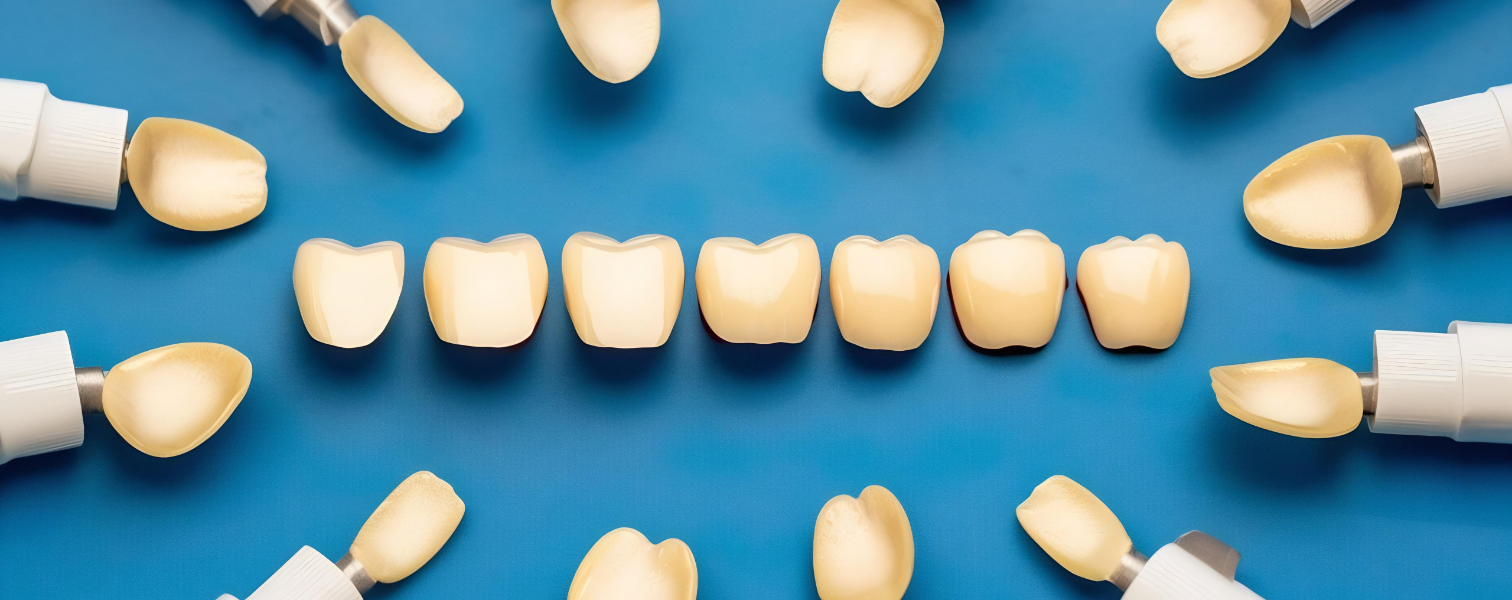
The “best” option always depends on what you’re actually trying to solve. In most cases, your situation fits one of these categories:
A) You’re missing a tooth (or it can’t be saved)
This usually points toward an implant (or sometimes a bridge), because veneers and crowns require an existing tooth to work with.
B) You have a tooth that’s heavily damaged
Common examples include:
- Large fillings that keep failing
- A tooth after root canal treatment
- Cracks, weak structure, or major wear (including grinding)
This often points toward a crown, because the primary goal is strength and long-term protection.
C) Your tooth is healthy, but you want a cosmetic improvement
Typical examples include:
- Shape or color concerns
- Small chips or mild gaps
- Aesthetic smile makeover goals
This often points toward veneers, because the goal is improved appearance with minimal structural change.
Key rule to remember:
- Implants replace missing teeth
- Crowns protect weak or damaged teeth
- Veneers improve appearance on healthy teeth
If you want a clear starting point for your own case, Heal Road can help you get an initial assessment and compare clinic recommendations side by side before you decide.
Start With the Real Problem
The “best” option always depends on what you’re actually trying to solve. In most cases, your situation fits one of these categories:
A) You’re missing a tooth (or it can’t be saved)
This usually points toward an implant (or sometimes a bridge), because veneers and crowns require an existing tooth to work with.
B) You have a tooth that’s heavily damaged
Common examples include:
- Large fillings that keep failing
- A tooth after root canal treatment
- Cracks, weak structure, or major wear (including grinding)
This often points toward a crown, because the primary goal is strength and long-term protection.
C) Your tooth is healthy, but you want a cosmetic improvement
Typical examples include:
- Shape or color concerns
- Small chips or mild gaps
- Aesthetic smile makeover goals
This often points toward veneers, because the goal is improved appearance with minimal structural change.
Key rule to remember:
- Implants replace missing teeth
- Crowns protect weak or damaged teeth
- Veneers improve appearance on healthy teeth
If you want a clear starting point for your own case, Heal Road can help you get an initial assessment and compare clinic recommendations side by side before you decide.
This depends on 3 things
condition
goal
is needed
Choosing the wrong option can mean:
- Unnecessary tooth removal
- Higher long-term costs
- Limited future alternatives
Veneers, Crowns, Implants: What Each One Is Actually For
Veneers (cosmetic surface upgrade)
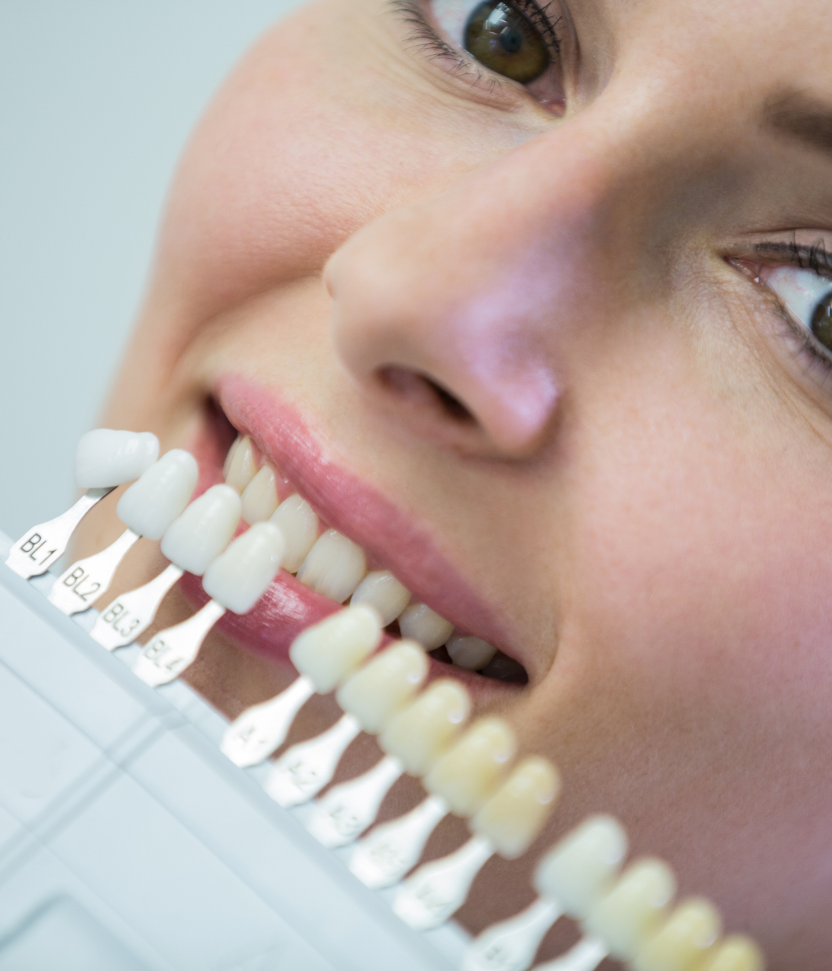
A veneer is a thin layer placed on the front of a tooth to improve:
- Color
- Shape
- Minor alignment issues
- Small chips or gaps
Best for: healthy teeth and cosmetic goals
Not ideal for: major damage, significant bite issues, or heavy grinding (unless managed)
Common concern: “Do veneers damage teeth?”
Veneers usually require some enamel shaping. The key is conservative planning, not aggressive reduction.
Crowns (strength + full coverage)
A crown covers the entire tooth to protect it when the tooth structure is compromised.
Best for:
- Teeth after root canal treatment
- Fractured teeth or teeth with large fillings
- Severe wear from bruxism (teeth grinding)
Crowns can also improve appearance, but their main purpose is long-term structural protection.
Implants (replace a missing tooth)
An implant replaces the tooth root and supports a crown on top. It is not a cosmetic cover, it is a replacement system.
Best for:
- Missing teeth
- Teeth that must be extracted
- Long-term replacement when bone levels allow
Important:
Implants require proper planning (bone and gum health), and timelines may involve multiple stages.
If a clinic recommends a solution quickly, ask for the reason and the long-term goal. A reliable plan should explain why the option fits your tooth condition, not just your aesthetic request.
Veneers, Crowns, Implants: What Each One Is Actually For
Veneers (cosmetic surface upgrade)
A veneer is a thin layer placed on the front of a tooth to improve:
- Color
- Shape
- Minor alignment issues
- Small chips or gaps
Best for: healthy teeth and cosmetic goals
Not ideal for: major damage, significant bite issues, or heavy grinding (unless managed)
Common concern: “Do veneers damage teeth?”
Veneers usually require some enamel shaping. The key is conservative planning, not aggressive reduction.
Crowns (strength + full coverage)
A crown covers the entire tooth to protect it when the tooth structure is compromised.
Best for:
- Teeth after root canal treatment
- Fractured teeth or teeth with large fillings
- Severe wear from bruxism (teeth grinding)
Crowns can also improve appearance, but their main purpose is long-term structural protection.
Implants (replace a missing tooth)
An implant replaces the tooth root and supports a crown on top. It is not a cosmetic cover, it is a replacement system.
Best for:
- Missing teeth
- Teeth that must be extracted
- Long-term replacement when bone levels allow
Important:
Implants require proper planning (bone and gum health), and timelines may involve multiple stages.
If a clinic recommends a solution quickly, ask for the reason and the long-term goal. A reliable plan should explain why the option fits your tooth condition, not just your aesthetic request.
Choosing the wrong option can mean:
- Unnecessary tooth removal
- Higher long-term costs
- Limited future alternatives
How to Choose: A Simple Decision Framework
Use this framework to decide quickly and safely:
Step 1: Is the tooth missing (or will it be removed)?
Yes: An implant is often the first option to consider.
No: Move to Step 2.
Step 2: Is the tooth structurally weak?
Common signs:
- A tooth after root canal treatment
- A large filling
- Cracks
- Pain when biting
- Severe wear from grinding
Yes: A crown is often the safer long-term option.
No: Move to Step 3.
Step 3: Is your goal mostly aesthetic?
Yes: Veneers may fit (if bite and enamel health are suitable).
No: You may need a functional plan (crowns, orthodontics, bite correction).
If you want, Heal Road can help you confirm which step you are in by collecting structured opinions from clinics and comparing them in a consistent format.
How to Choose: A Simple Decision Framework
Use this framework to decide quickly and safely:
Step 1: Is the tooth missing (or will it be removed)?
Yes: An implant is often the first option to consider.
No: Move to Step 2.
Step 2: Is the tooth structurally weak?
Common signs:
- A tooth after root canal treatment
- A large filling
- Cracks
- Pain when biting
- Severe wear from grinding
Yes: A crown is often the safer long-term option.
No: Move to Step 3.
Step 3: Is your goal mostly aesthetic?
Yes: Veneers may fit (if bite and enamel health are suitable).
No: You may need a functional plan (crowns, orthodontics, bite correction).
If you want, Heal Road can help you confirm which step you are in by collecting structured opinions from clinics and comparing them in a consistent format.
Get my best-fit option
See which treatment actually fits your case.
How to Compare Offers (So You Don’t Overtreat)
This is where many patients get stuck: different clinics propose different solutions.
What to ask (and why it matters)
1) What problem are we solving: function or aesthetics?
If the clinic cannot explain the reason clearly, that is a red flag.
2) How much tooth reduction is planned?
This matters most for veneers and smile makeovers.
3) What material is recommended and why?
For example, zirconium vs E-max. The right choice depends on your case.
4) Is bruxism (teeth grinding) considered in the plan?
Grinding can reduce the lifespan of veneers and crowns if it is not managed.
5) What happens after I go home?
Ask about adjustments, bite issues, sensitivity, and follow-up.
How to Compare Offers (So You Don’t Overtreat)
This is where many patients get stuck: different clinics propose different solutions.
What to ask (and why it matters)
1) What problem are we solving: function or aesthetics?
If the clinic cannot explain the reason clearly, that is a red flag.
2) How much tooth reduction is planned?
This matters most for veneers and smile makeovers.
3) What material is recommended and why?
For example, zirconium vs E-max. The right choice depends on your case.
4) Is bruxism (teeth grinding) considered in the plan?
Grinding can reduce the lifespan of veneers and crowns if it is not managed.
5) What happens after I go home?
Ask about adjustments, bite issues, sensitivity, and follow-up.
Get my best-fit option
See which treatment actually fits your case.
Conclusion
References


- American Dental Association (ADA) — MouthHealthy: Veneers
- American Dental Association (ADA) — MouthHealthy: Crowns
- American Association of Oral and Maxillofacial Surgeons (AAOMS) — Dental Implants (Patient Information)
- Mayo Clinic — Dental implant surgery: Overview, risks, and what to expect
- Mayo Clinic — Teeth grinding (bruxism): Symptoms & causes
- American Association of Endodontists (AAE) — Root Canal Treatment: Aftercare / Restoration (Crowns after RCT)
- NHS (UK) — Dental implants
- NHS (UK) — Dental crowns
- NHS (UK) — Dental veneers
Article Contributors

Heal Road Editor
Editor

Heal Road Writer
Writer
- Views
- 58 views
- Reading Time
- Last Updated