
 53 views
Which Dental Treatment Do I Actually Need?
Nereden Başlayacağını
Bilmiyor musun?
Doğru uzmanı en uygun fiyat garantisiyle bulun
Start With the Real Problem
right now
missing
protected
Start With the Real Problem
The right dental treatment depends on what you are actually trying to fix. Most situations fall into one of these buckets:
A) You are missing a tooth (or it cannot be saved)
That usually points to a dental implant (or sometimes a bridge). Veneers and crowns need an existing tooth to attach to, so they cannot replace a missing tooth.
B) You have a tooth that is heavily damaged
Common examples:
- Large fillings that keep breaking
- A tooth after root canal treatment
- Cracks, weak structure, or major wear from grinding
This often points to a crown, because the main goal is strength and protection.
C) Your tooth is healthy, but you want a cosmetic upgrade
Examples include shape, color, small chips, or mild gaps. This often points to veneers, where the goal is appearance with minimal structural change.
Rule of thumb:
- Implants replace missing teeth
- Crowns protect weak teeth
- Veneers improve healthy teeth
If you are comparing options in Turkey, HealRoad can help you review clinic recommendations side by side and plan next steps with support throughout the journey.
Start With the Real Problem
The right dental treatment depends on what you are actually trying to fix. Most situations fall into one of these buckets:
A) You are missing a tooth (or it cannot be saved)
That usually points to a dental implant (or sometimes a bridge). Veneers and crowns need an existing tooth to attach to, so they cannot replace a missing tooth.
B) You have a tooth that is heavily damaged
Common examples:
- Large fillings that keep breaking
- A tooth after root canal treatment
- Cracks, weak structure, or major wear from grinding
This often points to a crown, because the main goal is strength and protection.
C) Your tooth is healthy, but you want a cosmetic upgrade
Examples include shape, color, small chips, or mild gaps. This often points to veneers, where the goal is appearance with minimal structural change.
Rule of thumb:
- Implants replace missing teeth
- Crowns protect weak teeth
- Veneers improve healthy teeth
If you are comparing options in Turkey, HealRoad can help you review clinic recommendations side by side and plan next steps with support throughout the journey.
Start With the Real Problem
right now
missing
protected
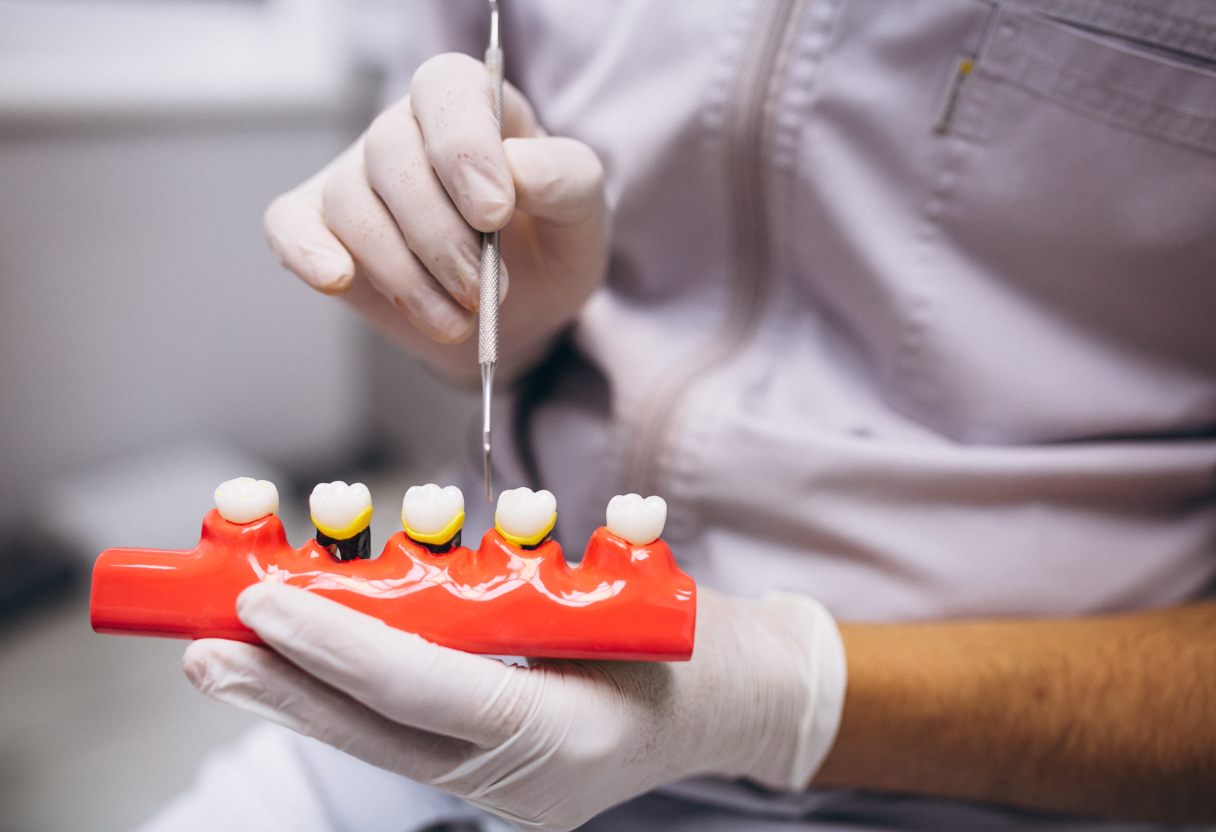
Each treatment solves a different problem:
- Veneers: cover the front of a tooth to improve shape/colour
- Crowns: cap and protect a weakened or heavily filled tooth
- Implants: replace a missing tooth from the root up
Veneers, Crowns, Implants: What Each One Is Actually For
Veneers (cosmetic surface upgrade)
A veneer is a thin shell bonded to the front of a tooth to improve:
- Color and brightness
- Shape and symmetry
- Small chips or worn edges
- Minor gaps or mild alignment issues
Best for: mostly healthy teeth where the goal is appearance.
Not ideal for: major cracks, large fillings, heavy grinding (unless managed), or significant bite problems.
Crowns (strength + full coverage)
A crown covers the entire tooth to protect it when the tooth is weakened.
- After root canal treatment
- Fractured teeth or big fillings
- Severe wear from bruxism
Implants (replace a missing tooth)
An implant replaces the tooth root and supports a crown. It is a replacement system, not a cover.
Best for: missing teeth or teeth that cannot be saved, when gums and bone allow.
If you are comparing veneers vs crowns vs implants in Turkey, HealRoad can help you review clinic plans side by side and ask the right questions before you commit.
Veneers, Crowns, Implants: What Each One Is Actually For
Veneers (cosmetic surface upgrade)
A veneer is a thin shell bonded to the front of a tooth to improve:
- Color and brightness
- Shape and symmetry
- Small chips or worn edges
- Minor gaps or mild alignment issues
Best for: mostly healthy teeth where the goal is appearance.
Not ideal for: major cracks, large fillings, heavy grinding (unless managed), or significant bite problems.
Crowns (strength + full coverage)
A crown covers the entire tooth to protect it when the tooth is weakened.
- After root canal treatment
- Fractured teeth or big fillings
- Severe wear from bruxism
Implants (replace a missing tooth)
An implant replaces the tooth root and supports a crown. It is a replacement system, not a cover.
Best for: missing teeth or teeth that cannot be saved, when gums and bone allow.
If you are comparing veneers vs crowns vs implants in Turkey, HealRoad can help you review clinic plans side by side and ask the right questions before you commit.
Each treatment solves a different problem:
- Veneers: cover the front of a tooth to improve shape/colour
- Crowns: cap and protect a weakened or heavily filled tooth
- Implants: replace a missing tooth from the root up

How to Choose: A Simple Decision Framework
Use this quick framework to narrow down the right direction before you commit.
Step 1: Is a tooth missing (or planned for extraction)?
Yes: An implant is often the first option to consider (if bone and health allow).
No: Go to Step 2.
Step 2: Is the tooth structurally compromised?
Common signs include:
- Root canal treated tooth
- Very large filling
- Cracks or a broken cusp
- Pain when biting or chewing
- Heavy wear from grinding
Yes: A crown (sometimes with a build-up) is often the safer long-term choice.
No: Go to Step 3.
Step 3: Is your main goal cosmetic?
Yes: Veneers may fit if you have enough healthy enamel and a stable bite.
No: You may need a functional plan first (fillings, gum care, orthodontics, bite adjustment).
Always confirm with an exam and X-rays before deciding.
HealRoad can help you compare trusted clinics in Turkey and see how each one explains your options. It also supports you with questions and planning throughout the journey.
How to Choose: A Simple Decision Framework
Use this quick framework to narrow down the right direction before you commit.
Step 1: Is a tooth missing (or planned for extraction)?
Yes: An implant is often the first option to consider (if bone and health allow).
No: Go to Step 2.
Step 2: Is the tooth structurally compromised?
Common signs include:
- Root canal treated tooth
- Very large filling
- Cracks or a broken cusp
- Pain when biting or chewing
- Heavy wear from grinding
Yes: A crown (sometimes with a build-up) is often the safer long-term choice.
No: Go to Step 3.
Step 3: Is your main goal cosmetic?
Yes: Veneers may fit if you have enough healthy enamel and a stable bite.
No: You may need a functional plan first (fillings, gum care, orthodontics, bite adjustment).
Always confirm with an exam and X-rays before deciding.
HealRoad can help you compare trusted clinics in Turkey and see how each one explains your options. It also supports you with questions and planning throughout the journey.
Compare my options clearly
Get help reviewing plans and questions to ask.
How to Compare Offers (So You Don’t Overtreat)
Different dentists can look at the same mouth and propose different plans. Use these questions to compare offers on substance, not just price.
What to ask (and what a good answer sounds like)
1) What is the diagnosis and goal: health, function, or aesthetics?
Ask them to name the problem and the outcome in plain language.
2) What are the conservative options first?
Whitening, bonding, aligners, or a single crown may solve it without a full makeover.
3) How much tooth reduction is planned?
For veneers and crowns, less reduction usually means more tooth preserved.
4) What material and why?
Have them justify choices (e.g., E-max vs zirconia) based on bite, shade, and strength needs.
5) What is included after treatment?
Clarify bite checks, sensitivity care, repairs, and follow-up once you are home.
HealRoad can help you compare trusted clinics in Turkey with transparent details and support, and answer questions as you plan and travel.
How to Compare Offers (So You Don’t Overtreat)
Different dentists can look at the same mouth and propose different plans. Use these questions to compare offers on substance, not just price.
What to ask (and what a good answer sounds like)
1) What is the diagnosis and goal: health, function, or aesthetics?
Ask them to name the problem and the outcome in plain language.
2) What are the conservative options first?
Whitening, bonding, aligners, or a single crown may solve it without a full makeover.
3) How much tooth reduction is planned?
For veneers and crowns, less reduction usually means more tooth preserved.
4) What material and why?
Have them justify choices (e.g., E-max vs zirconia) based on bite, shade, and strength needs.
5) What is included after treatment?
Clarify bite checks, sensitivity care, repairs, and follow-up once you are home.
HealRoad can help you compare trusted clinics in Turkey with transparent details and support, and answer questions as you plan and travel.
Compare my options clearly
Get help reviewing plans and questions to ask.
Conclusion


Article Contributors

Heal Road Editor
Editor

Heal Road Writer
Writer
- Views
- 53 views
- Reading Time
- Last Updated