 174 views
A Step-by-Step Guide to Body Hair Transplantation in Turkey
Nereden Başlayacağını
Bilmiyor musun?
Doğru uzmanı en uygun fiyat garantisiyle bulun

Your Heal Road consultant can help you compare clinics and plan your BHT journey from consultation to full recovery.
Comprehensive Research and Choosing the Right Clinic
Before you begin your body hair transplantation (BHT) journey in Turkey, invest time in careful research and clinic selection. Turkey especially Istanbul, Ankara, Antalya, and Izmir hosts many high-volume hair restoration centers, but BHT is a more specialized procedure than standard scalp FUE. Choosing an experienced team is essential for natural-looking growth, safe extraction from the body, and realistic planning of how body hair can support your scalp goals.
Use the checklist below to compare clinics and narrow your options with confidence:
Surgeon Credentials and BHT-Specific Experience:
Confirm the procedure is planned and supervised by a licensed physician with proven BHT/FUE experience (not only scalp transplants). Ask how many BHT cases they perform, which donor areas they commonly use (beard, chest, abdomen, legs), and whether they have experience combining scalp + body grafts in one plan.
Clear Donor-Area Assessment and Realistic Candidacy:
A reputable clinic will evaluate your hair caliber, curl, color contrast, growth cycle, and density in each potential donor area and explain limitations. They should discuss whether BHT is best used for crown coverage, mid-scalp density, scar repair, or as a supplement when scalp donor supply is limited.
Before-and-After Evidence (Including BHT Cases):
Request high-resolution before-and-after photos and, ideally, videos of real patients who had body hair used. Look for consistent lighting, similar angles, and timelines (e.g., 6–12 months). Clinics experienced in BHT should be able to show outcomes specifically involving beard-to-scalp or other body donor sources.
Patient Reviews and Independent Testimonials:
Check verified reviews on trusted platforms and hair restoration communities. Pay attention to comments about communication, pain control, donor-area healing, scarring, and aftercare responsiveness all particularly important with body donor extraction.
Technique, Safety Standards, and Aftercare Plan:
Ask which extraction method is used (typically FUE), what measures are taken to minimize donor scarring and ingrown hairs, and how they manage anesthesia and infection prevention. Ensure you receive a structured aftercare plan covering both scalp and body donor sites, plus clear follow-up scheduling.
Transparent Pricing and All-Inclusive Packages:
Review what the quote includes: consultation, procedure, medications, post-op products, follow-ups, and whether accommodation/airport transfers/interpreter services are included. Transparent pricing helps you avoid hidden costs especially if the plan involves multiple donor areas or staged sessions.
Comprehensive Research and Choosing the Right Clinic
Before you begin your body hair transplantation (BHT) journey in Turkey, invest time in careful research and clinic selection. Turkey especially Istanbul, Ankara, Antalya, and Izmir hosts many high-volume hair restoration centers, but BHT is a more specialized procedure than standard scalp FUE. Choosing an experienced team is essential for natural-looking growth, safe extraction from the body, and realistic planning of how body hair can support your scalp goals.
Use the checklist below to compare clinics and narrow your options with confidence:
Your Heal Road consultant can help you compare clinics and plan your BHT journey from consultation to full recovery.
Surgeon Credentials and BHT-Specific Experience:
Confirm the procedure is planned and supervised by a licensed physician with proven BHT/FUE experience (not only scalp transplants). Ask how many BHT cases they perform, which donor areas they commonly use (beard, chest, abdomen, legs), and whether they have experience combining scalp + body grafts in one plan.
Clear Donor-Area Assessment and Realistic Candidacy:
A reputable clinic will evaluate your hair caliber, curl, color contrast, growth cycle, and density in each potential donor area and explain limitations. They should discuss whether BHT is best used for crown coverage, mid-scalp density, scar repair, or as a supplement when scalp donor supply is limited.
Before-and-After Evidence (Including BHT Cases):
Request high-resolution before-and-after photos and, ideally, videos of real patients who had body hair used. Look for consistent lighting, similar angles, and timelines (e.g., 6–12 months). Clinics experienced in BHT should be able to show outcomes specifically involving beard-to-scalp or other body donor sources.
Patient Reviews and Independent Testimonials:
Check verified reviews on trusted platforms and hair restoration communities. Pay attention to comments about communication, pain control, donor-area healing, scarring, and aftercare responsiveness all particularly important with body donor extraction.
Technique, Safety Standards, and Aftercare Plan:
Ask which extraction method is used (typically FUE), what measures are taken to minimize donor scarring and ingrown hairs, and how they manage anesthesia and infection prevention. Ensure you receive a structured aftercare plan covering both scalp and body donor sites, plus clear follow-up scheduling.
Transparent Pricing and All-Inclusive Packages:
Review what the quote includes: consultation, procedure, medications, post-op products, follow-ups, and whether accommodation/airport transfers/interpreter services are included. Transparent pricing helps you avoid hidden costs especially if the plan involves multiple donor areas or staged sessions.
Initial Virtual Consultation and Candidacy Assessment
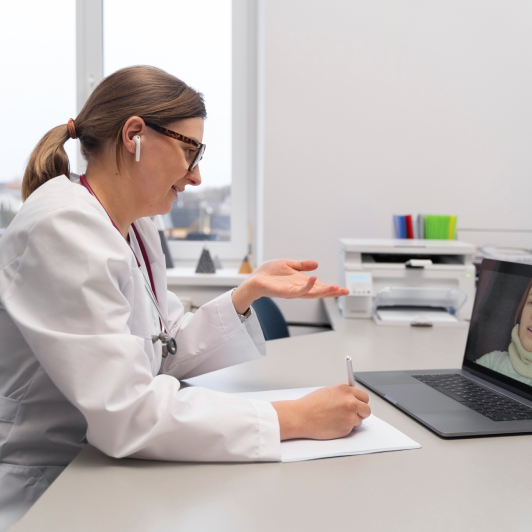
After you have shortlisted reputable clinics for body hair transplantation (BHT) in Turkey, the next step is an initial virtual consultation. Many clinics offer this remotely and often free of charge, allowing the surgeon to review your goals, assess whether you are a suitable candidate, and outline a realistic plan before you travel.
Medical History and Hair-Loss Background
Your team will ask about your overall health, medications, allergies, smoking status, and any conditions that may affect healing. They will also review your hair-loss pattern, previous hair transplants, scalp issues (such as dermatitis or scarring), and your expectations for density and coverage.
Scalp Evaluation and Recipient-Area Planning
You will typically be asked to send clear photos/videos of your scalp in good lighting (front, top, sides, crown, and donor zones). This helps the surgeon estimate graft requirements, evaluate scalp laxity and skin quality, and plan the hairline design and distribution strategy especially important because body hair behaves differently than scalp hair.
Body Donor Assessment (Beard/Chest/Other Areas)
Because BHT relies on non-scalp donor sources, the consultation focuses heavily on donor suitability. You may be asked for close-up images of potential donor sites (commonly beard and chest). The surgeon will consider hair caliber, curl, color match, growth cycle, and how well the body hair is likely to blend with existing scalp hair. They will also discuss the risk of visible thinning or textural change in the donor area.
Technique, Timeline, and Realistic Outcomes
Your clinic should explain whether they recommend FUE from beard/body, how grafts will be mixed with scalp grafts (if available), and what results are realistic for your case. You will review the expected timeline (shedding, regrowth, and maturation), the number of sessions that may be required, and key risks such as lower yield from body grafts, texture mismatch, and donor-site scarring or pigmentation changes.
Pre-Travel Checklist and Next Steps
If you are a good candidate, the clinic will outline pre-op instructions (e.g., smoking reduction, medication guidance, and skin preparation), travel dates, and what to bring. You should also receive a written plan covering estimated graft counts, proposed donor areas, and aftercare expectations so you can make an informed decision before booking.
Initial Virtual Consultation and Candidacy Assessment
After you have shortlisted reputable clinics for body hair transplantation (BHT) in Turkey, the next step is an initial virtual consultation. Many clinics offer this remotely and often free of charge, allowing the surgeon to review your goals, assess whether you are a suitable candidate, and outline a realistic plan before you travel.
Medical History and Hair-Loss Background
Your team will ask about your overall health, medications, allergies, smoking status, and any conditions that may affect healing. They will also review your hair-loss pattern, previous hair transplants, scalp issues (such as dermatitis or scarring), and your expectations for density and coverage.
Scalp Evaluation and Recipient-Area Planning
You will typically be asked to send clear photos/videos of your scalp in good lighting (front, top, sides, crown, and donor zones). This helps the surgeon estimate graft requirements, evaluate scalp laxity and skin quality, and plan the hairline design and distribution strategy especially important because body hair behaves differently than scalp hair.
Body Donor Assessment (Beard/Chest/Other Areas)
Because BHT relies on non-scalp donor sources, the consultation focuses heavily on donor suitability. You may be asked for close-up images of potential donor sites (commonly beard and chest). The surgeon will consider hair caliber, curl, color match, growth cycle, and how well the body hair is likely to blend with existing scalp hair. They will also discuss the risk of visible thinning or textural change in the donor area.
Technique, Timeline, and Realistic Outcomes
Your clinic should explain whether they recommend FUE from beard/body, how grafts will be mixed with scalp grafts (if available), and what results are realistic for your case. You will review the expected timeline (shedding, regrowth, and maturation), the number of sessions that may be required, and key risks such as lower yield from body grafts, texture mismatch, and donor-site scarring or pigmentation changes.
Pre-Travel Checklist and Next Steps
If you are a good candidate, the clinic will outline pre-op instructions (e.g., smoking reduction, medication guidance, and skin preparation), travel dates, and what to bring. You should also receive a written plan covering estimated graft counts, proposed donor areas, and aftercare expectations so you can make an informed decision before booking.
| Planning Step | Typical Timeline |
|---|---|
| Online consultation & photo review | 24–48 hours |
| Treatment plan (graft estimate & donor mapping) | 2–5 days |
| Scheduling & travel coordination | 1–2 weeks |
| Procedure window in Turkey (arrival to departure) | 3–5 days |
Use our Calculation Module to Find Out
The Cost of Body Hair Transplantation
Calculate My Cost
Treatment Planning and Scheduling Your Procedure
Once you’ve completed your consultation and eligibility assessment, the clinic will create a personalized treatment plan for your body hair transplant. Because body hair differs from scalp hair in growth cycle, curl, and caliber, planning is especially important to set realistic expectations and choose the best technique for your goals.
- Define the target area and density goals (e.g., scalp crown, hairline reinforcement, beard, chest, or scar coverage)
- Select the donor source (commonly beard; sometimes chest/abdomen/legs) based on hair characteristics and available graft numbers
- Confirm the method (most commonly FUE) and whether you’ll need one session or staged sessions for larger areas
- Review pre-op requirements such as stopping smoking, adjusting blood-thinning medications/supplements (only with your doctor’s approval), and avoiding alcohol before surgery
- Plan travel logistics including arrival time, procedure day schedule, and recommended stay for early post-op checks
Many Turkish clinics offer all-inclusive packages for international patients, which may include airport transfers, hotel accommodation, interpreter support, pre-op tests, and post-op follow-up. Before you book flights, ask for a written confirmation of what’s included, your exact procedure dates, and the clinic’s aftercare plan so your trip, recovery, and expected timeline are clear from the start.
Treatment Planning and Scheduling Your Procedure
Once you’ve completed your consultation and eligibility assessment, the clinic will create a personalized treatment plan for your body hair transplant. Because body hair differs from scalp hair in growth cycle, curl, and caliber, planning is especially important to set realistic expectations and choose the best technique for your goals.
- Define the target area and density goals (e.g., scalp crown, hairline reinforcement, beard, chest, or scar coverage)
- Select the donor source (commonly beard; sometimes chest/abdomen/legs) based on hair characteristics and available graft numbers
- Confirm the method (most commonly FUE) and whether you’ll need one session or staged sessions for larger areas
- Review pre-op requirements such as stopping smoking, adjusting blood-thinning medications/supplements (only with your doctor’s approval), and avoiding alcohol before surgery
- Plan travel logistics including arrival time, procedure day schedule, and recommended stay for early post-op checks
Many Turkish clinics offer all-inclusive packages for international patients, which may include airport transfers, hotel accommodation, interpreter support, pre-op tests, and post-op follow-up. Before you book flights, ask for a written confirmation of what’s included, your exact procedure dates, and the clinic’s aftercare plan so your trip, recovery, and expected timeline are clear from the start.
| Planning Step | Typical Timeline |
|---|---|
| Online consultation & photo review | 24–48 hours |
| Treatment plan (graft estimate & donor mapping) | 2–5 days |
| Scheduling & travel coordination | 1–2 weeks |
| Procedure window in Turkey (arrival to departure) | 3–5 days |
Use our Calculation Module to Find Out
The Cost of Body Hair Transplantation
Calculate My Cost

 Online
Consultation

 Travel to Turkey
 Pre-Procedure
Preparation
Traveling to Turkey and Pre-Procedure Preparations
Once your body hair transplant in Turkey is scheduled, your clinic will typically help coordinate key logistics such as airport transfers, hotel arrangements, and your appointment timetable. After you arrive, you’ll attend a pre-procedure consultation to confirm the treatment plan, review your donor areas (body) and recipient area (usually scalp, beard, or eyebrows), and ensure you are medically ready for the procedure.
Before You Travel: What to Arrange
To keep your trip and procedure smooth, prepare the essentials in advance:
- Medical information: share your medical history, allergies, and a list of all medications/supplements (especially blood thinners, anti-inflammatories, and herbal products).
- Photos and goals: provide clear photos of the recipient area and potential donor areas (chest, abdomen, back, arms, legs) and discuss your density expectations.
- Travel timing: plan to arrive at least a day before surgery when possible, so you can rest and attend your pre-op assessment without rushing.
- Comfort items: bring loose, easy-to-remove clothing (zip-up or button-up tops), and consider packing a neck pillow for sleeping post-procedure.
Pre-Procedure Consultation and Assessment
Your surgical team will evaluate whether body hair is suitable for your case and finalize the plan. This visit commonly includes:
- Donor and recipient mapping: assessment of hair caliber, curl, growth cycle differences, and how body hair will blend with existing hair.
- Graft estimate and design: confirmation of target coverage, hairline/shape (if relevant), and realistic density based on donor availability.
- Medical review: confirmation of contraindications, prior procedures, and any conditions that may affect healing.
Health Screening and Safety Checks
Clinics often perform routine checks before surgery to support safe anesthesia and healing. Depending on your health profile, this may include:
- Vital signs and general health assessment
- Blood tests (e.g., complete blood count and coagulation profile) when clinically indicated
- Infectious disease screening per clinic protocol and local regulations
Pre-Op Instructions (Typical)
You’ll receive personalized instructions. Common guidance may include:
- Avoid alcohol and smoking for a period before surgery, as they can impair circulation and healing.
- Medication adjustments only as directed by your clinician (do not stop prescribed medications without medical advice).
- Skin and hair preparation: keep donor areas clean; avoid irritating hair removal methods unless your clinic specifically instructs otherwise.
- Day-of procedure: follow clinic guidance on meals/fasting (varies with sedation approach) and wear loose clothing to avoid friction on donor/recipient areas.
Traveling to Turkey and Pre-Procedure Preparations
Once your body hair transplant in Turkey is scheduled, your clinic will typically help coordinate key logistics such as airport transfers, hotel arrangements, and your appointment timetable. After you arrive, you’ll attend a pre-procedure consultation to confirm the treatment plan, review your donor areas (body) and recipient area (usually scalp, beard, or eyebrows), and ensure you are medically ready for the procedure.
OnlineConsultation
Travel to Turkey
Pre-ProcedurePreparation
Before You Travel: What to Arrange
To keep your trip and procedure smooth, prepare the essentials in advance:
- Medical information: share your medical history, allergies, and a list of all medications/supplements (especially blood thinners, anti-inflammatories, and herbal products).
- Photos and goals: provide clear photos of the recipient area and potential donor areas (chest, abdomen, back, arms, legs) and discuss your density expectations.
- Travel timing: plan to arrive at least a day before surgery when possible, so you can rest and attend your pre-op assessment without rushing.
- Comfort items: bring loose, easy-to-remove clothing (zip-up or button-up tops), and consider packing a neck pillow for sleeping post-procedure.
Pre-Procedure Consultation and Assessment
Your surgical team will evaluate whether body hair is suitable for your case and finalize the plan. This visit commonly includes:
- Donor and recipient mapping: assessment of hair caliber, curl, growth cycle differences, and how body hair will blend with existing hair.
- Graft estimate and design: confirmation of target coverage, hairline/shape (if relevant), and realistic density based on donor availability.
- Medical review: confirmation of contraindications, prior procedures, and any conditions that may affect healing.
Health Screening and Safety Checks
Clinics often perform routine checks before surgery to support safe anesthesia and healing. Depending on your health profile, this may include:
- Vital signs and general health assessment
- Blood tests (e.g., complete blood count and coagulation profile) when clinically indicated
- Infectious disease screening per clinic protocol and local regulations
Pre-Op Instructions (Typical)
You’ll receive personalized instructions. Common guidance may include:
- Avoid alcohol and smoking for a period before surgery, as they can impair circulation and healing.
- Medication adjustments only as directed by your clinician (do not stop prescribed medications without medical advice).
- Skin and hair preparation: keep donor areas clean; avoid irritating hair removal methods unless your clinic specifically instructs otherwise.
- Day-of procedure: follow clinic guidance on meals/fasting (varies with sedation approach) and wear loose clothing to avoid friction on donor/recipient areas.
Body Hair Transplant Procedure Day: What Happens


08:00
Check-in &Final Design
09:00
Local Anesthesia &Donor Prep
10:00-13:00
Body HairExtraction (FUE)
14:00-17:00
Implantation &Post-Op Briefing
Arrival, paperwork, photos, and a final consultation to confirm the hairline/recipient plan and donor areas (beard/chest/body).
Local anesthesia is applied; the donor area is trimmed/cleansed and the team marks safe extraction zones for consistent graft quality.
FUE punches harvest individual body-hair grafts; grafts are counted, sorted, and kept hydrated while you take short breaks as needed.
Recipient sites are created and grafts are implanted at planned angles; bandaging, medications, and washing instructions are reviewed before discharge.
Body Hair Transplant Procedure Day: What Happens
On the day of your body hair transplant (BHT) in Turkey, the clinic follows a structured plan to keep the process safe, efficient, and as comfortable as possible. Most sessions take 6–10 hours, depending on the number of grafts and whether hair is taken from one or multiple body areas.
1) Check-in, consent & final planning
You’ll review the surgical plan, confirm the target graft number, and go over donor areas (commonly beard, chest, abdomen, arms, or legs). Pre-op photos are taken, and the team rechecks medical history, allergies, and medications.
2) Donor area preparation (trimming & marking)
The donor area is cleaned, trimmed, and mapped. Because body hair grows at different angles and depths than scalp hair, careful marking helps the surgeon select the most suitable follicles and avoid overharvesting.
3) Local anesthesia (with optional sedation)
Local anesthesia is used to numb both the donor and recipient areas. Some clinics offer mild sedation for anxious patients. You should not feel pain, but you may notice pressure or vibration during extraction.
4) Graft extraction (usually FUE)
Follicles are removed one by one using a micro-punch. Beard grafts are often preferred for density and robustness, while chest/other body hair may be used to add coverage or blend. The team continuously checks graft quality and donor-site integrity.
5) Graft sorting & hydration
Extracted grafts are counted, assessed, and kept in a controlled solution to protect viability. Singles, doubles, and thicker follicles may be separated depending on where they’ll be placed.
6) Recipient site creation & implantation
The surgeon creates tiny recipient channels in the scalp (or other target area) to match the planned direction, angle, and distribution. Grafts are then implanted to achieve natural-looking flow and appropriate density.
7) Dressing, aftercare briefing & discharge
Donor areas may be lightly dressed, and the recipient area is checked for bleeding and graft stability. You’ll receive written aftercare instructions, medications (if prescribed), and a schedule for washing and follow-up.
- Tip: Wear loose, comfortable clothing especially if chest or leg hair is used as the donor site.
- Expect: Mild swelling, redness, and pinpoint scabbing in both donor and recipient areas for several days.
Body Hair Transplant Procedure Day: What Happens
On the day of your body hair transplant (BHT) in Turkey, the clinic follows a structured plan to keep the process safe, efficient, and as comfortable as possible. Most sessions take 6–10 hours, depending on the number of grafts and whether hair is taken from one or multiple body areas.
Body Hair Transplant Procedure Day: What Happens
08:00
Check-in &Final Design
09:00
Local Anesthesia &Donor Prep
10:00-13:00
Body HairExtraction (FUE)
14:00-17:00
Implantation &Post-Op Briefing
Arrival, paperwork, photos, and a final consultation to confirm the hairline/recipient plan and donor areas (beard/chest/body).
Local anesthesia is applied; the donor area is trimmed/cleansed and the team marks safe extraction zones for consistent graft quality.
FUE punches harvest individual body-hair grafts; grafts are counted, sorted, and kept hydrated while you take short breaks as needed.
Recipient sites are created and grafts are implanted at planned angles; bandaging, medications, and washing instructions are reviewed before discharge.
1) Check-in, consent & final planning
You’ll review the surgical plan, confirm the target graft number, and go over donor areas (commonly beard, chest, abdomen, arms, or legs). Pre-op photos are taken, and the team rechecks medical history, allergies, and medications.
2) Donor area preparation (trimming & marking)
The donor area is cleaned, trimmed, and mapped. Because body hair grows at different angles and depths than scalp hair, careful marking helps the surgeon select the most suitable follicles and avoid overharvesting.
3) Local anesthesia (with optional sedation)
Local anesthesia is used to numb both the donor and recipient areas. Some clinics offer mild sedation for anxious patients. You should not feel pain, but you may notice pressure or vibration during extraction.
4) Graft extraction (usually FUE)
Follicles are removed one by one using a micro-punch. Beard grafts are often preferred for density and robustness, while chest/other body hair may be used to add coverage or blend. The team continuously checks graft quality and donor-site integrity.
5) Graft sorting & hydration
Extracted grafts are counted, assessed, and kept in a controlled solution to protect viability. Singles, doubles, and thicker follicles may be separated depending on where they’ll be placed.
6) Recipient site creation & implantation
The surgeon creates tiny recipient channels in the scalp (or other target area) to match the planned direction, angle, and distribution. Grafts are then implanted to achieve natural-looking flow and appropriate density.
7) Dressing, aftercare briefing & discharge
Donor areas may be lightly dressed, and the recipient area is checked for bleeding and graft stability. You’ll receive written aftercare instructions, medications (if prescribed), and a schedule for washing and follow-up.
- Tip: Wear loose, comfortable clothing especially if chest or leg hair is used as the donor site.
- Expect: Mild swelling, redness, and pinpoint scabbing in both donor and recipient areas for several days.
Immediate Post-Procedure Care and Early Recovery
After a body hair transplant (BHT) in Turkey, your clinic will provide personalised aftercare instructions and may prescribe medications such as antibiotics, anti-inflammatories, and pain relief if needed. Mild redness, swelling, tenderness, and small scabs in both the donor and recipient areas are common in the first days. The goal during early recovery is to protect newly placed grafts, minimise irritation, and support healthy healing.
- Protect the recipient area: Avoid rubbing, scratching, tight clothing, or any friction over the transplanted region. Do not pick scabs; they should shed naturally.
- Keep the area clean as instructed: Follow your clinic’s washing schedule and technique (often gentle cleansing and careful pat-drying). Avoid hot water, strong soaps, and vigorous towel drying.
- Sleep to reduce swelling and trauma: Keep the treated area protected while sleeping. If the face/neck is treated, sleeping with the head elevated may help reduce swelling.
- Avoid sweating and strenuous activity: Skip heavy exercise, saunas/steam rooms, and swimming until your surgeon confirms it’s safe, as sweat and friction can irritate healing skin.
- Limit sun and heat exposure: Keep donor and recipient sites out of direct sun and avoid tanning beds. Use protective clothing; apply sunscreen only when your clinician says the skin is ready.
- Follow medication and topical guidance: Take prescribed medicines exactly as directed and use any recommended sprays/ointments only on the advised schedule.
- Expect early shedding: Some transplanted hairs may shed in the first weeks (often called “shock loss”). This is usually temporary; new growth typically starts later as follicles enter a new cycle.
- Attend follow-ups: Keep all scheduled check-ins (in person or remote) so the team can monitor healing and advise when to resume normal grooming, exercise, and skincare.
- Know when to contact your clinic: Seek prompt advice if you develop increasing pain, spreading redness, warmth, pus, fever, significant bleeding, or any sudden worsening of swelling.
Because body hair characteristics differ from scalp hair, your surgeon may give additional guidance on grooming and expectations for texture and growth patterns during the first few months.
Immediate Post-Procedure Care and Early Recovery
After a body hair transplant (BHT) in Turkey, your clinic will provide personalised aftercare instructions and may prescribe medications such as antibiotics, anti-inflammatories, and pain relief if needed. Mild redness, swelling, tenderness, and small scabs in both the donor and recipient areas are common in the first days. The goal during early recovery is to protect newly placed grafts, minimise irritation, and support healthy healing.
- Protect the recipient area: Avoid rubbing, scratching, tight clothing, or any friction over the transplanted region. Do not pick scabs; they should shed naturally.
- Keep the area clean as instructed: Follow your clinic’s washing schedule and technique (often gentle cleansing and careful pat-drying). Avoid hot water, strong soaps, and vigorous towel drying.
- Sleep to reduce swelling and trauma: Keep the treated area protected while sleeping. If the face/neck is treated, sleeping with the head elevated may help reduce swelling.
- Avoid sweating and strenuous activity: Skip heavy exercise, saunas/steam rooms, and swimming until your surgeon confirms it’s safe, as sweat and friction can irritate healing skin.
- Limit sun and heat exposure: Keep donor and recipient sites out of direct sun and avoid tanning beds. Use protective clothing; apply sunscreen only when your clinician says the skin is ready.
- Follow medication and topical guidance: Take prescribed medicines exactly as directed and use any recommended sprays/ointments only on the advised schedule.
- Expect early shedding: Some transplanted hairs may shed in the first weeks (often called “shock loss”). This is usually temporary; new growth typically starts later as follicles enter a new cycle.
- Attend follow-ups: Keep all scheduled check-ins (in person or remote) so the team can monitor healing and advise when to resume normal grooming, exercise, and skincare.
- Know when to contact your clinic: Seek prompt advice if you develop increasing pain, spreading redness, warmth, pus, fever, significant bleeding, or any sudden worsening of swelling.
Because body hair characteristics differ from scalp hair, your surgeon may give additional guidance on grooming and expectations for texture and growth patterns during the first few months.
Follow-Up Visits and Monitoring Graft Growth
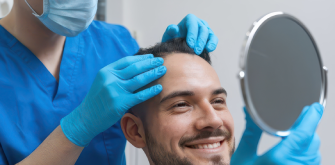
Follow-up appointments after a body hair transplant in Turkey help your surgeon confirm that the donor and recipient areas are healing well and that grafts are progressing through the normal growth cycle. Your clinic will typically schedule a mix of in-person and remote check-ins depending on your travel plan.
- Early check (first 24–72 hours): Review wound care, assess swelling/redness, and confirm you are cleaning the recipient area correctly.
- First week (around day 7–10): Evaluate scab shedding, check for folliculitis or infection, and ensure the donor sites are closing properly.
- First month: Confirm that any temporary shedding (“shock loss”) is within expectations and adjust aftercare if irritation or ingrown hairs occur.
- 3–4 months: Early regrowth assessment; your team may compare standardized photos to track density and direction.
- 6 months: Meaningful growth evaluation; discuss styling/maintenance and whether any adjunct treatments are appropriate.
- 9–12 months: Final maturation for many patients; review overall coverage, texture blending, and the need (if any) for a touch-up session.
Because body hair can grow at a different rate and with a different texture than scalp hair, monitoring focuses on graft survival, growth direction, and blending. Most clinics will ask you to send clear, well-lit photos (same angles each time) and to report any persistent redness, pain, pus, fever, or rapidly worsening swelling so issues can be addressed promptly.
Follow-Up Visits and Monitoring Graft Growth
Follow-up appointments after a body hair transplant in Turkey help your surgeon confirm that the donor and recipient areas are healing well and that grafts are progressing through the normal growth cycle. Your clinic will typically schedule a mix of in-person and remote check-ins depending on your travel plan.
- Early check (first 24–72 hours): Review wound care, assess swelling/redness, and confirm you are cleaning the recipient area correctly.
- First week (around day 7–10): Evaluate scab shedding, check for folliculitis or infection, and ensure the donor sites are closing properly.
- First month: Confirm that any temporary shedding (“shock loss”) is within expectations and adjust aftercare if irritation or ingrown hairs occur.
- 3–4 months: Early regrowth assessment; your team may compare standardized photos to track density and direction.
- 6 months: Meaningful growth evaluation; discuss styling/maintenance and whether any adjunct treatments are appropriate.
- 9–12 months: Final maturation for many patients; review overall coverage, texture blending, and the need (if any) for a touch-up session.
Because body hair can grow at a different rate and with a different texture than scalp hair, monitoring focuses on graft survival, growth direction, and blending. Most clinics will ask you to send clear, well-lit photos (same angles each time) and to report any persistent redness, pain, pus, fever, or rapidly worsening swelling so issues can be addressed promptly.
Your Heal Road consultant can arrange remote follow-ups and aftercare support once you’re back home.
Heading Home and Maintaining Long-Term Results
Most patients can travel home shortly after a body hair transplant in Turkey, provided your surgeon confirms the donor and recipient areas are stable and you understand your aftercare plan. Many clinics offer remote follow-ups (photos/video calls) to track healing, answer questions, and guide you through shedding and regrowth phases. Long-term success depends on protecting the grafts early, caring for both donor and recipient sites, and maintaining realistic expectations especially because body hair behaves differently from scalp hair.
Before You Fly (First 48–72 Hours):
- Protect the grafts: Avoid rubbing, pressure, or tight clothing over the recipient area. If the transplant was to the beard/chest/abdomen, choose loose, breathable fabrics.
- Medication plan: Take prescribed antibiotics/anti-inflammatories as directed. Use only surgeon-approved pain relief.
- Sleeping position: Sleep in a way that prevents contact or friction on the implanted area (often on your back with head/area elevated if advised).
- Travel comfort: Stay hydrated, avoid alcohol, and take short walks during travel to reduce stiffness and swelling.
Early Aftercare at Home (Days 3–14):
- Gentle cleansing: Follow your clinic’s washing instructions exactly. Do not pick scabs or scratch this can dislodge grafts.
- Avoid sweating and friction: Skip intense exercise, saunas, steam rooms, and swimming until cleared. Limit activities that cause rubbing (e.g., tight straps, helmets, abrasive fabrics).
- Sun protection: Keep both donor and recipient areas out of direct sun; use physical coverage when outdoors.
- Watch for red flags: Increasing pain, spreading redness, pus, fever, or a sudden worsening of swelling should be reported to your clinic promptly.
Shedding and Regrowth (Weeks 2–12):
It’s common for transplanted hairs to shed after the first few weeks this is a normal part of the cycle. New growth typically starts gradually over the following months. Because body hair has a different growth cycle and texture, results may appear less uniform early on and improve with time.
Long-Term Maintenance (3–12+ Months):
- Be patient with maturation: Density and texture often continue improving up to 12 months (sometimes longer depending on the area and hair source).
- Grooming guidance: Ask when it’s safe to shave, trim, or use hair removal tools around the area. Early shaving or aggressive grooming can irritate healing skin.
- Skin and scar care: Use only surgeon-approved moisturizers or scar treatments. Avoid harsh exfoliants until fully healed.
- Healthy habits: Stable weight, good nutrition, and avoiding smoking support overall skin health and may help healing quality.
- Follow-ups: Send progress photos as requested and attend virtual reviews. If you need an in-person assessment, your clinic can advise whether to see a local dermatologist or return for evaluation.
Heading Home and Maintaining Long-Term Results
Most patients can travel home shortly after a body hair transplant in Turkey, provided your surgeon confirms the donor and recipient areas are stable and you understand your aftercare plan. Many clinics offer remote follow-ups (photos/video calls) to track healing, answer questions, and guide you through shedding and regrowth phases. Long-term success depends on protecting the grafts early, caring for both donor and recipient sites, and maintaining realistic expectations especially because body hair behaves differently from scalp hair.
Before You Fly (First 48–72 Hours):
- Protect the grafts: Avoid rubbing, pressure, or tight clothing over the recipient area. If the transplant was to the beard/chest/abdomen, choose loose, breathable fabrics.
- Medication plan: Take prescribed antibiotics/anti-inflammatories as directed. Use only surgeon-approved pain relief.
- Sleeping position: Sleep in a way that prevents contact or friction on the implanted area (often on your back with head/area elevated if advised).
- Travel comfort: Stay hydrated, avoid alcohol, and take short walks during travel to reduce stiffness and swelling.
Early Aftercare at Home (Days 3–14):
- Gentle cleansing: Follow your clinic’s washing instructions exactly. Do not pick scabs or scratch this can dislodge grafts.
- Avoid sweating and friction: Skip intense exercise, saunas, steam rooms, and swimming until cleared. Limit activities that cause rubbing (e.g., tight straps, helmets, abrasive fabrics).
- Sun protection: Keep both donor and recipient areas out of direct sun; use physical coverage when outdoors.
- Watch for red flags: Increasing pain, spreading redness, pus, fever, or a sudden worsening of swelling should be reported to your clinic promptly.
Shedding and Regrowth (Weeks 2–12):
It’s common for transplanted hairs to shed after the first few weeks this is a normal part of the cycle. New growth typically starts gradually over the following months. Because body hair has a different growth cycle and texture, results may appear less uniform early on and improve with time.
Long-Term Maintenance (3–12+ Months):
- Be patient with maturation: Density and texture often continue improving up to 12 months (sometimes longer depending on the area and hair source).
- Grooming guidance: Ask when it’s safe to shave, trim, or use hair removal tools around the area. Early shaving or aggressive grooming can irritate healing skin.
- Skin and scar care: Use only surgeon-approved moisturizers or scar treatments. Avoid harsh exfoliants until fully healed.
- Healthy habits: Stable weight, good nutrition, and avoiding smoking support overall skin health and may help healing quality.
- Follow-ups: Send progress photos as requested and attend virtual reviews. If you need an in-person assessment, your clinic can advise whether to see a local dermatologist or return for evaluation.
Your Heal Road consultant can arrange remote follow-ups and aftercare support once you’re back home.
Essential Tips for a Successful Body Hair Transplant Experience in Turkey
- Choose a clinic experienced specifically in BHT (Body Hair Transplant): Body hair behaves differently than scalp hair, so prioritize surgeons who routinely perform BHT, can show consistent before-and-after cases, and explain their approach to graft selection, extraction, and placement.
- Confirm you are a suitable candidate with a thorough assessment: Ask for an evaluation of donor areas (beard, chest, abdomen, arms/legs), hair caliber and curl, skin characteristics, and the likely number of usable grafts. A realistic plan should include what BHT can and cannot achieve versus scalp donor hair.
- Clarify the goal of BHT in your plan: Discuss whether body hair will be used to increase density, reinforce the mid-scalp/crown, camouflage scars, or supplement limited scalp donor supply. Ensure the clinic explains how they will blend body hair with scalp hair for a natural look.
- Ask detailed questions about technique and graft handling: Confirm whether FUE is used, what punch sizes are typical for beard vs. torso hair, how grafts are stored, and how the team minimizes transection and dehydration key factors for survival.
- Understand expected texture and growth differences: Body hair may grow slower, remain shorter, or keep its original characteristics (curl/coarseness). Make sure you understand how this may affect styling and density expectations, especially in the hairline area.
- Follow pre-op instructions and disclose medications/supplements: Provide a full medical history and list of medications, including blood thinners, NSAIDs, and supplements that may increase bleeding. Follow guidance on smoking, alcohol, and any required lab tests.
- Plan travel with recovery time in mind: Schedule enough days in Turkey for the procedure, immediate aftercare, and at least one follow-up check. Avoid rushing travel, as swelling and discomfort can peak in the first few days.
- Prepare for donor-area aftercare (not just the scalp): Body donor sites can be more sensitive and visible temporarily. Ask about washing protocols, clothing considerations (loose tops), sun avoidance, and what redness or folliculitis may look like and when to report it.
- Commit to post-op care and activity restrictions: Follow instructions on sleeping position, washing, avoiding sweating/exercise, and protecting grafts from friction. Early trauma to grafts is a common cause of poor yield.
- Track progress and keep expectations realistic: Shedding in the first weeks can be normal, and visible growth often takes months. Request a timeline for check-ins and photo documentation, and discuss whether a second session might be needed for your target density.
Essential Tips for a Successful Body Hair Transplant Experience in Turkey
- Choose a clinic experienced specifically in BHT (Body Hair Transplant): Body hair behaves differently than scalp hair, so prioritize surgeons who routinely perform BHT, can show consistent before-and-after cases, and explain their approach to graft selection, extraction, and placement.
- Confirm you are a suitable candidate with a thorough assessment: Ask for an evaluation of donor areas (beard, chest, abdomen, arms/legs), hair caliber and curl, skin characteristics, and the likely number of usable grafts. A realistic plan should include what BHT can and cannot achieve versus scalp donor hair.
- Clarify the goal of BHT in your plan: Discuss whether body hair will be used to increase density, reinforce the mid-scalp/crown, camouflage scars, or supplement limited scalp donor supply. Ensure the clinic explains how they will blend body hair with scalp hair for a natural look.
- Ask detailed questions about technique and graft handling: Confirm whether FUE is used, what punch sizes are typical for beard vs. torso hair, how grafts are stored, and how the team minimizes transection and dehydration key factors for survival.
- Understand expected texture and growth differences: Body hair may grow slower, remain shorter, or keep its original characteristics (curl/coarseness). Make sure you understand how this may affect styling and density expectations, especially in the hairline area.
- Follow pre-op instructions and disclose medications/supplements: Provide a full medical history and list of medications, including blood thinners, NSAIDs, and supplements that may increase bleeding. Follow guidance on smoking, alcohol, and any required lab tests.
- Plan travel with recovery time in mind: Schedule enough days in Turkey for the procedure, immediate aftercare, and at least one follow-up check. Avoid rushing travel, as swelling and discomfort can peak in the first few days.
- Prepare for donor-area aftercare (not just the scalp): Body donor sites can be more sensitive and visible temporarily. Ask about washing protocols, clothing considerations (loose tops), sun avoidance, and what redness or folliculitis may look like and when to report it.
- Commit to post-op care and activity restrictions: Follow instructions on sleeping position, washing, avoiding sweating/exercise, and protecting grafts from friction. Early trauma to grafts is a common cause of poor yield.
- Track progress and keep expectations realistic: Shedding in the first weeks can be normal, and visible growth often takes months. Request a timeline for check-ins and photo documentation, and discuss whether a second session might be needed for your target density.
Conclusion
References


- International Society of Hair Restoration Surgery (ISHRS) – Hair Transplant Patient Information
- American Academy of Dermatology (AAD) – Hair loss: Diagnosis and treatment
- Bernstein RM, Rassman WR. Follicular Transplantation. Patient evaluation and surgical planning (Dermatologic Surgery, 1997) – PubMed
- Unger WP, Shapiro R, eds. Hair Transplantation (5th ed.) – overview via NCBI Bookshelf (StatPearls: Hair Transplantation)
Article Contributors

Heal Road Editor
Editor

Heal Road Writer
Writer
- Views
- 174 views
- Reading Time
- Last Updated