 182 views
A Step-by-Step Guide to Brazilian Butt Lift (BBL) in Turkey
Nereden Başlayacağını
Bilmiyor musun?
Doğru uzmanı en uygun fiyat garantisiyle bulun

Your Heal Road consultant can help you compare BBL clinics and understand what’s included in your treatment plan.
In-Depth Research and Selecting the Right BBL Clinic in Turkey
A Brazilian Butt Lift (BBL) in Turkey can deliver natural-looking contouring when it’s planned carefully and performed by an experienced team. Your first step is to research thoroughly and choose a clinic that prioritizes patient safety, ethical fat-grafting practices, and transparent communication. Major medical tourism hubs such as Istanbul, Ankara, Izmir, and Antalya host many aesthetic surgery centers so comparing options is essential before you book.
When shortlisting clinics, focus on the factors below to help you find a provider that matches your goals and risk profile.
Surgeon Credentials and BBL-Specific Experience
Confirm the surgeon is a qualified plastic surgeon and ask how frequently they perform liposuction + fat transfer procedures. Request details about their technique (fat processing, injection approach, and safety protocols) and whether the clinic follows up-to-date international guidance for safer BBL practice.
Clinic Accreditation, Hospital Standards, and Anesthesia Care
Choose facilities that meet recognized quality standards (e.g., JCI, ISO, or national healthcare accreditation). Ask who administers anesthesia (an anesthesiologist vs. technician), what monitoring is used during surgery, and whether the procedure is performed in a fully equipped operating theatre with emergency readiness.
Clear Candidacy Screening and Honest Expectations
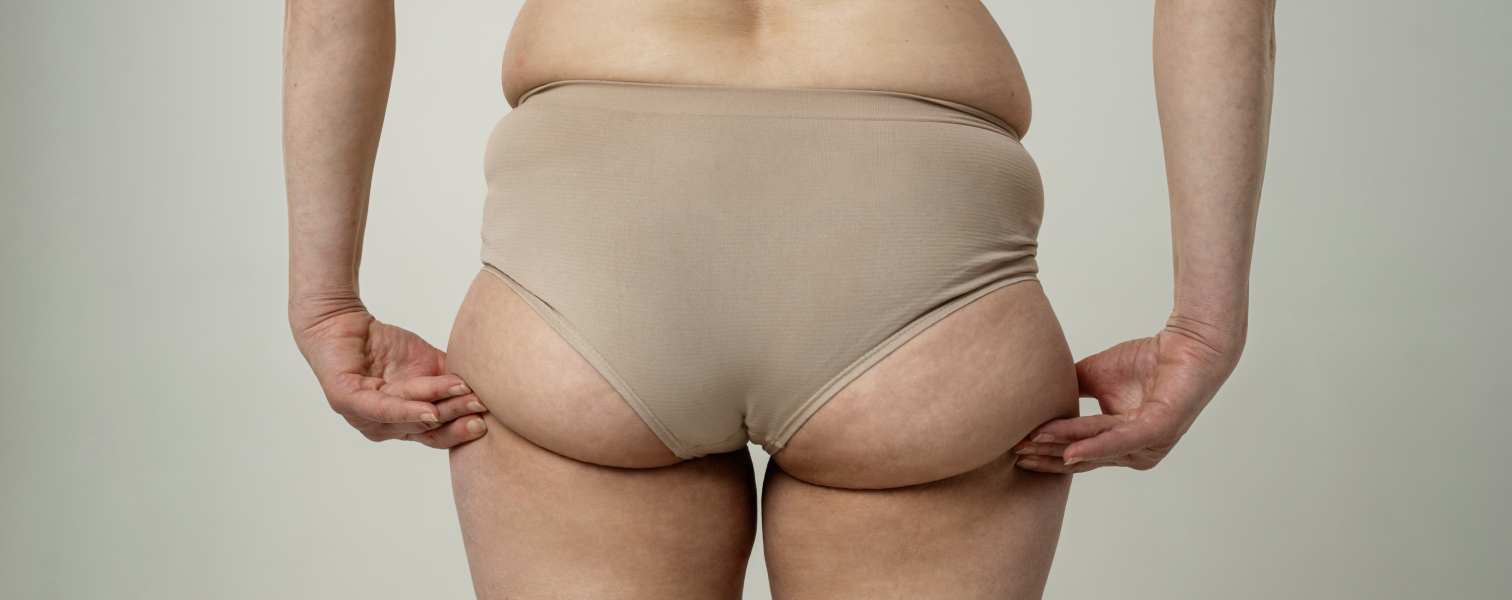
A reputable clinic will assess your overall health, BMI, smoking status, prior surgeries, and available donor fat before confirming you’re a candidate. Be cautious of providers who guarantee dramatic results without evaluating your anatomy or who pressure you to book quickly.
Before-and-After Photos (Comparable Cases)
Review unedited before-and-after photos of patients with a similar body type to yours. Look for consistent lighting/angles and realistic outcomes (projection, hip contour, waist definition) rather than overly filtered marketing images.
Patient Reviews and Real Testimonials
Check independent platforms for feedback on communication, cleanliness, pain control, aftercare responsiveness, and how complications (if any) were handled. Consistent reports of attentive follow-up are a strong positive sign.
Transparent Pricing and What the Package Includes
Ask for an itemized quote and confirm what’s included: consultation, pre-op tests, compression garments, medications, lymphatic drainage (if offered), accommodation, transfers, interpreter support, and follow-up visits. Transparent clinics explain potential add-ons (extra garments, extended stay, additional tests) upfront.
Aftercare Plan and Follow-Up Once You Return Home
BBL results depend heavily on aftercare. Ensure you receive written instructions for sitting restrictions, garment use, activity limits, and warning signs. Ask how the clinic provides remote follow-up (messaging, video calls) and what support is available if you need medical review after you fly home.
- Tip: Prepare a short list of questions and request answers in writing (technique, anesthesia, facility standards, aftercare schedule, and what happens if you need extra nights or revisions).
In-Depth Research and Selecting the Right BBL Clinic in Turkey
A Brazilian Butt Lift (BBL) in Turkey can deliver natural-looking contouring when it’s planned carefully and performed by an experienced team. Your first step is to research thoroughly and choose a clinic that prioritizes patient safety, ethical fat-grafting practices, and transparent communication. Major medical tourism hubs such as Istanbul, Ankara, Izmir, and Antalya host many aesthetic surgery centers so comparing options is essential before you book.
When shortlisting clinics, focus on the factors below to help you find a provider that matches your goals and risk profile.
Your Heal Road consultant can help you compare BBL clinics and understand what’s included in your treatment plan.
Surgeon Credentials and BBL-Specific Experience
Confirm the surgeon is a qualified plastic surgeon and ask how frequently they perform liposuction + fat transfer procedures. Request details about their technique (fat processing, injection approach, and safety protocols) and whether the clinic follows up-to-date international guidance for safer BBL practice.
Clinic Accreditation, Hospital Standards, and Anesthesia Care
Choose facilities that meet recognized quality standards (e.g., JCI, ISO, or national healthcare accreditation). Ask who administers anesthesia (an anesthesiologist vs. technician), what monitoring is used during surgery, and whether the procedure is performed in a fully equipped operating theatre with emergency readiness.
Clear Candidacy Screening and Honest Expectations
A reputable clinic will assess your overall health, BMI, smoking status, prior surgeries, and available donor fat before confirming you’re a candidate. Be cautious of providers who guarantee dramatic results without evaluating your anatomy or who pressure you to book quickly.
Before-and-After Photos (Comparable Cases)
Review unedited before-and-after photos of patients with a similar body type to yours. Look for consistent lighting/angles and realistic outcomes (projection, hip contour, waist definition) rather than overly filtered marketing images.
Patient Reviews and Real Testimonials
Check independent platforms for feedback on communication, cleanliness, pain control, aftercare responsiveness, and how complications (if any) were handled. Consistent reports of attentive follow-up are a strong positive sign.
Transparent Pricing and What the Package Includes
Ask for an itemized quote and confirm what’s included: consultation, pre-op tests, compression garments, medications, lymphatic drainage (if offered), accommodation, transfers, interpreter support, and follow-up visits. Transparent clinics explain potential add-ons (extra garments, extended stay, additional tests) upfront.
Aftercare Plan and Follow-Up Once You Return Home
BBL results depend heavily on aftercare. Ensure you receive written instructions for sitting restrictions, garment use, activity limits, and warning signs. Ask how the clinic provides remote follow-up (messaging, video calls) and what support is available if you need medical review after you fly home.
- Tip: Prepare a short list of questions and request answers in writing (technique, anesthesia, facility standards, aftercare schedule, and what happens if you need extra nights or revisions).

Initial Online Consultation and Candidacy Evaluation for BBL
After choosing a clinic and surgeon for your Brazilian Butt Lift (BBL) in Turkey, the next step is an initial online consultation. Many reputable clinics offer this remotely (often at no cost) so you can discuss your goals, share photos, and receive an early assessment of whether a BBL is safe and likely to achieve the result you want. This stage helps align expectations, clarify the plan, and reduce surprises once you arrive in Turkey.
Medical History and Safety Screening
Your coordinator or surgeon will review your medical history in detail, including prior surgeries, chronic conditions, smoking/vaping, medications (especially blood thinners), allergies, and any history of clotting issues. You may be asked for recent lab results or to arrange pre-op blood tests. This screening is essential because BBL combines liposuction and fat transfer, and patient safety depends on careful risk assessment.
Body Assessment: Fat Availability and Shape Goals
To evaluate candidacy, you will typically be asked to submit clear, well-lit photos (front, back, and side) and sometimes short videos. The surgeon assesses donor fat availability (commonly abdomen, flanks, back, thighs), skin quality, and your natural anatomy to determine how much fat can realistically be harvested and transferred. If you are very lean, the team may discuss alternatives or a staged approach.
Surgical Plan and Realistic Expectations
During the consultation, you’ll discuss the desired projection, waist-to-hip ratio, and overall silhouette. The surgeon will explain what is achievable, how much fat typically survives after transfer, and how results may evolve as swelling settles. You’ll also review key factors that influence outcomes, including weight stability, post-op positioning, and adherence to aftercare instructions.
Recovery, Logistics, and Pre-Travel Preparation
You’ll receive guidance on expected downtime, compression garment use, activity restrictions, and how long you should stay in Turkey for follow-ups. The clinic may provide a pre-op checklist (e.g., stopping nicotine, avoiding certain supplements/medications, hydration and nutrition tips) to help you arrive prepared and optimize both safety and results.
Initial Online Consultation and Candidacy Evaluation for BBL
After choosing a clinic and surgeon for your Brazilian Butt Lift (BBL) in Turkey, the next step is an initial online consultation. Many reputable clinics offer this remotely (often at no cost) so you can discuss your goals, share photos, and receive an early assessment of whether a BBL is safe and likely to achieve the result you want. This stage helps align expectations, clarify the plan, and reduce surprises once you arrive in Turkey.
Medical History and Safety Screening
Your coordinator or surgeon will review your medical history in detail, including prior surgeries, chronic conditions, smoking/vaping, medications (especially blood thinners), allergies, and any history of clotting issues. You may be asked for recent lab results or to arrange pre-op blood tests. This screening is essential because BBL combines liposuction and fat transfer, and patient safety depends on careful risk assessment.
Body Assessment: Fat Availability and Shape Goals
To evaluate candidacy, you will typically be asked to submit clear, well-lit photos (front, back, and side) and sometimes short videos. The surgeon assesses donor fat availability (commonly abdomen, flanks, back, thighs), skin quality, and your natural anatomy to determine how much fat can realistically be harvested and transferred. If you are very lean, the team may discuss alternatives or a staged approach.
Surgical Plan and Realistic Expectations
During the consultation, you’ll discuss the desired projection, waist-to-hip ratio, and overall silhouette. The surgeon will explain what is achievable, how much fat typically survives after transfer, and how results may evolve as swelling settles. You’ll also review key factors that influence outcomes, including weight stability, post-op positioning, and adherence to aftercare instructions.
Recovery, Logistics, and Pre-Travel Preparation
You’ll receive guidance on expected downtime, compression garment use, activity restrictions, and how long you should stay in Turkey for follow-ups. The clinic may provide a pre-op checklist (e.g., stopping nicotine, avoiding certain supplements/medications, hydration and nutrition tips) to help you arrive prepared and optimize both safety and results.
| Country | Price (EUR €) |
|---|---|
| Türkiye | € 3,500 |
| Spain | € 6,500 |
| United Kingdom | € 8,500 |
| Germany | € 10,500 |
Use our Calculation Module to Find Out
The Cost of Brazilian Butt Lift (BBL)
Calculate My Cost
Personalized Surgical Plan, Fat Transfer Goals, and Scheduling
After your consultation and medical assessment, your surgeon will create a personalized BBL plan based on your body shape, available donor fat, and the look you want to achieve. This step is where expectations are aligned and the procedure details are confirmed before you travel or finalize your surgery date in Turkey.
1) Defining your fat transfer goals
Your surgeon will discuss the size, projection, and overall contour you’re aiming for, while keeping results realistic and safe. Key points typically include:
- Target shape (more projection, wider hips, rounder upper pole, smoother hip dips)
- Balance and symmetry (right/left differences are planned for)
- Proportions (how the waist, lower back, hips, and buttocks will look together)
- Realistic volume based on how much fat can be safely harvested and transferred
2) Planning donor areas and liposuction strategy
A BBL relies on liposuction to harvest fat from donor areas (commonly abdomen, waist/flanks, lower back, thighs, or arms). Your plan will specify:
- Which areas will be liposuctioned to create a more defined waistline and improved overall contour
- Estimated fat yield (how much fat is likely to be collected and usable)
- Contour priorities (e.g., snatched waist vs. thigh slimming) to match your goals
3) Safety-focused fat transfer plan
Your surgeon will explain how the fat will be processed and reinjected, and how safety protocols are followed. You should expect a discussion about:
- Where fat will be placed to shape the buttocks and improve transitions (hips/outer buttock)
- Survival and resorption: some transferred fat is naturally reabsorbed, so final results evolve over weeks to months
- Limits and staging: if your donor fat is limited, a second-stage procedure may be discussed rather than overfilling
4) Scheduling and travel coordination in Turkey
Once the plan is confirmed, the clinic will help coordinate your timeline. Many Turkish clinics offer international patient support, which may include:
- Pre-op tests and final in-person evaluation shortly before surgery
- Hotel and airport transfers (if included in your package)
- Interpreter services during consultations and hospital visits
- Post-op follow-ups before you fly home
Before confirming your date, request written confirmation of what’s included (hospital stay, garments, medications, follow-up visits, transfers, and accommodation if applicable) and clarify how many days you should remain in Turkey for safe early recovery and check-ups.
Personalized Surgical Plan, Fat Transfer Goals, and Scheduling
After your consultation and medical assessment, your surgeon will create a personalized BBL plan based on your body shape, available donor fat, and the look you want to achieve. This step is where expectations are aligned and the procedure details are confirmed before you travel or finalize your surgery date in Turkey.
1) Defining your fat transfer goals
Your surgeon will discuss the size, projection, and overall contour you’re aiming for, while keeping results realistic and safe. Key points typically include:
- Target shape (more projection, wider hips, rounder upper pole, smoother hip dips)
- Balance and symmetry (right/left differences are planned for)
- Proportions (how the waist, lower back, hips, and buttocks will look together)
- Realistic volume based on how much fat can be safely harvested and transferred
2) Planning donor areas and liposuction strategy
A BBL relies on liposuction to harvest fat from donor areas (commonly abdomen, waist/flanks, lower back, thighs, or arms). Your plan will specify:
- Which areas will be liposuctioned to create a more defined waistline and improved overall contour
- Estimated fat yield (how much fat is likely to be collected and usable)
- Contour priorities (e.g., snatched waist vs. thigh slimming) to match your goals
3) Safety-focused fat transfer plan
Your surgeon will explain how the fat will be processed and reinjected, and how safety protocols are followed. You should expect a discussion about:
- Where fat will be placed to shape the buttocks and improve transitions (hips/outer buttock)
- Survival and resorption: some transferred fat is naturally reabsorbed, so final results evolve over weeks to months
- Limits and staging: if your donor fat is limited, a second-stage procedure may be discussed rather than overfilling
4) Scheduling and travel coordination in Turkey
Once the plan is confirmed, the clinic will help coordinate your timeline. Many Turkish clinics offer international patient support, which may include:
- Pre-op tests and final in-person evaluation shortly before surgery
- Hotel and airport transfers (if included in your package)
- Interpreter services during consultations and hospital visits
- Post-op follow-ups before you fly home
Before confirming your date, request written confirmation of what’s included (hospital stay, garments, medications, follow-up visits, transfers, and accommodation if applicable) and clarify how many days you should remain in Turkey for safe early recovery and check-ups.
| Country | Price (EUR €) |
|---|---|
| Türkiye | € 3,500 |
| Spain | € 6,500 |
| United Kingdom | € 8,500 |
| Germany | € 10,500 |
Use our Calculation Module to Find Out
The Cost of Brazilian Butt Lift (BBL)
Calculate My Cost

 Arrive
in Turkey

 Pre-Op
Tests
 Prepare
for Surgery
Traveling to Turkey: Arrival, Pre-Op Tests, and Preparation
After you land in Turkey, your clinic team will typically arrange airport pick-up and transfer you to your hotel or clinic accommodation. You’ll receive a clear schedule for your pre-op appointment(s), surgery day, and early recovery check-ups so you can focus on resting and getting ready for your Brazilian Butt Lift (BBL).
Arrival and Check-In
Plan to arrive at least 1–2 days before surgery (or as advised by your surgeon) to allow time for assessments and to recover from travel. Keep your passport, booking details, and any medical documents easy to access.
Pre-Operative Consultation
You’ll meet your surgeon to confirm your goals, review your medical history, and discuss the surgical plan including liposuction areas, expected fat transfer volume, and realistic outcome. This is also when you’ll review consent forms, anesthesia details, and post-op positioning rules (no direct sitting on the grafted area).
Pre-Op Tests and Safety Checks
Your clinic will perform routine screening to confirm you’re fit for surgery. Depending on your health profile and clinic protocol, this may include:
- Blood tests (e.g., complete blood count, coagulation profile)
- Infectious disease screening when required
- Vital signs and a focused physical examination
- ECG and/or additional tests for patients with relevant medical history
Preparation the Day Before Surgery
Follow your surgeon’s instructions closely. Common guidance includes fasting for a set number of hours before anesthesia, avoiding alcohol and smoking, and pausing certain medications or supplements that can increase bleeding risk (only with medical approval). You may also be asked to shower with an antiseptic wash and avoid lotions or oils on the skin.
What to Pack for a BBL Trip
- Loose, comfortable clothing that’s easy to put on after surgery
- Any prescribed medications and a list of current medications/allergies
- Compression garments if your clinic requests you bring them (many clinics provide these)
- Travel essentials for recovery (e.g., water bottle, light snacks, wet wipes)
Your clinic will advise on any additional items such as a BBL pillow for travel home and how to position safely during transfers and rest.
Traveling to Turkey: Arrival, Pre-Op Tests, and Preparation
After you land in Turkey, your clinic team will typically arrange airport pick-up and transfer you to your hotel or clinic accommodation. You’ll receive a clear schedule for your pre-op appointment(s), surgery day, and early recovery check-ups so you can focus on resting and getting ready for your Brazilian Butt Lift (BBL).
Arrivein Turkey
Pre-OpTests
Preparefor Surgery
Arrival and Check-In
Plan to arrive at least 1–2 days before surgery (or as advised by your surgeon) to allow time for assessments and to recover from travel. Keep your passport, booking details, and any medical documents easy to access.
Pre-Operative Consultation
You’ll meet your surgeon to confirm your goals, review your medical history, and discuss the surgical plan including liposuction areas, expected fat transfer volume, and realistic outcome. This is also when you’ll review consent forms, anesthesia details, and post-op positioning rules (no direct sitting on the grafted area).
Pre-Op Tests and Safety Checks
Your clinic will perform routine screening to confirm you’re fit for surgery. Depending on your health profile and clinic protocol, this may include:
- Blood tests (e.g., complete blood count, coagulation profile)
- Infectious disease screening when required
- Vital signs and a focused physical examination
- ECG and/or additional tests for patients with relevant medical history
Preparation the Day Before Surgery
Follow your surgeon’s instructions closely. Common guidance includes fasting for a set number of hours before anesthesia, avoiding alcohol and smoking, and pausing certain medications or supplements that can increase bleeding risk (only with medical approval). You may also be asked to shower with an antiseptic wash and avoid lotions or oils on the skin.
What to Pack for a BBL Trip
- Loose, comfortable clothing that’s easy to put on after surgery
- Any prescribed medications and a list of current medications/allergies
- Compression garments if your clinic requests you bring them (many clinics provide these)
- Travel essentials for recovery (e.g., water bottle, light snacks, wet wipes)
Your clinic will advise on any additional items such as a BBL pillow for travel home and how to position safely during transfers and rest.
BBL Surgery Day: Liposuction, Fat Processing, and Fat Transfer


07:30
Check-in &Marking
08:30
Anesthesia &Positioning
09:00-12:00
Liposuction &Fat Processing
12:00-14:00
Fat Transfer &Post-Op Care
Arrival, consent review, photos, and surgical markings on donor areas and the buttocks to confirm the planned shape.
General anesthesia (or deep sedation where appropriate) is administered; the team positions you safely for liposuction and transfer.
Fat is gently removed from areas like the abdomen, flanks, back, or thighs, then purified/processed to prepare healthy fat for reinjection.
Processed fat is transferred with small cannulas into targeted layers for projection and contour; dressings and a compression garment are applied and recovery instructions are reviewed.
BBL Surgery Day: Liposuction, Fat Processing, and Fat Transfer
On the day of your Brazilian Butt Lift (BBL) in Turkey, the procedure is performed in an accredited hospital or surgical center under anesthesia. Most BBLs take 2–5 hours, depending on how many areas are treated and the volume of fat transferred.
1) Check-in, markings, and final safety checks
Your surgeon will confirm your plan, take pre-op photos, and mark donor areas (such as the abdomen, flanks, back, or thighs) and the buttock shaping zones. The team checks vital signs and reviews your medical history, allergies, and medications.
2) Anesthesia and positioning
BBL is commonly performed under general anesthesia (sometimes with IV sedation in selected cases). You’ll be positioned to allow safe access to the liposuction areas and later the buttocks for fat transfer.
3) Liposuction (fat harvesting)
Small incisions are made in discreet locations. A tumescent solution is infused to reduce bleeding and improve comfort, then fat is gently removed using a cannula. The goal is both to collect viable fat and to contour the donor areas for a balanced silhouette.
4) Fat processing and purification
The harvested fat is processed to remove excess fluid, blood, and damaged cells. Clinics may use filtration, washing, or centrifugation depending on the surgeon’s technique. Only purified, healthy fat is prepared for transfer.
5) Fat transfer (buttock augmentation and shaping)
Using small cannulas, the surgeon injects fat in multiple passes and layers to sculpt projection and shape while supporting even healing. Modern safety protocols emphasize placing fat in the subcutaneous (above-muscle) plane to reduce the risk of serious complications.
6) Dressings, compression, and recovery room
Incisions are dressed, and you’ll be fitted with a compression garment for the liposuction areas. After monitoring in recovery, you’ll receive instructions on pain control, walking, hydration, and how to avoid pressure on the transferred fat.
- Tip: Expect swelling and drainage from liposuction incisions in the first days this is normal and usually improves quickly with proper garment use.
- Important: Your surgeon will advise when you can sit, how to sleep, and how long to use a BBL pillow to protect fat survival.
BBL Surgery Day: Liposuction, Fat Processing, and Fat Transfer
On the day of your Brazilian Butt Lift (BBL) in Turkey, the procedure is performed in an accredited hospital or surgical center under anesthesia. Most BBLs take 2–5 hours, depending on how many areas are treated and the volume of fat transferred.
BBL Surgery Day: Liposuction, Fat Processing, and Fat Transfer
07:30
Check-in &Marking
08:30
Anesthesia &Positioning
09:00-12:00
Liposuction &Fat Processing
12:00-14:00
Fat Transfer &Post-Op Care
Arrival, consent review, photos, and surgical markings on donor areas and the buttocks to confirm the planned shape.
General anesthesia (or deep sedation where appropriate) is administered; the team positions you safely for liposuction and transfer.
Fat is gently removed from areas like the abdomen, flanks, back, or thighs, then purified/processed to prepare healthy fat for reinjection.
Processed fat is transferred with small cannulas into targeted layers for projection and contour; dressings and a compression garment are applied and recovery instructions are reviewed.
1) Check-in, markings, and final safety checks
Your surgeon will confirm your plan, take pre-op photos, and mark donor areas (such as the abdomen, flanks, back, or thighs) and the buttock shaping zones. The team checks vital signs and reviews your medical history, allergies, and medications.
2) Anesthesia and positioning
BBL is commonly performed under general anesthesia (sometimes with IV sedation in selected cases). You’ll be positioned to allow safe access to the liposuction areas and later the buttocks for fat transfer.
3) Liposuction (fat harvesting)
Small incisions are made in discreet locations. A tumescent solution is infused to reduce bleeding and improve comfort, then fat is gently removed using a cannula. The goal is both to collect viable fat and to contour the donor areas for a balanced silhouette.
4) Fat processing and purification
The harvested fat is processed to remove excess fluid, blood, and damaged cells. Clinics may use filtration, washing, or centrifugation depending on the surgeon’s technique. Only purified, healthy fat is prepared for transfer.
5) Fat transfer (buttock augmentation and shaping)
Using small cannulas, the surgeon injects fat in multiple passes and layers to sculpt projection and shape while supporting even healing. Modern safety protocols emphasize placing fat in the subcutaneous (above-muscle) plane to reduce the risk of serious complications.
6) Dressings, compression, and recovery room
Incisions are dressed, and you’ll be fitted with a compression garment for the liposuction areas. After monitoring in recovery, you’ll receive instructions on pain control, walking, hydration, and how to avoid pressure on the transferred fat.
- Tip: Expect swelling and drainage from liposuction incisions in the first days this is normal and usually improves quickly with proper garment use.
- Important: Your surgeon will advise when you can sit, how to sleep, and how long to use a BBL pillow to protect fat survival.
Immediate Post-Op Care: Compression Garments, Pain Control, and Mobility
The first 48–72 hours after a Brazilian Butt Lift (BBL) are focused on protecting the transferred fat, controlling swelling, and reducing the risk of complications. Your surgeon in Turkey will provide a personalised plan, but the following guidance is commonly recommended:
- Wear your compression garment as directed: Compression helps reduce swelling and supports the liposuctioned areas (abdomen, waist, back, thighs). It should feel snug but not painfully tight. Avoid garments or seams that place direct pressure on the buttocks unless your surgeon specifically approves them.
- Protect the fat transfer (no direct sitting/lying on the buttocks): For the early healing phase, avoid putting pressure on the buttocks. Use a BBL pillow when sitting (supporting weight through the thighs) and sleep on your stomach or sides as instructed.
- Manage pain safely: Take prescribed pain relief and any antibiotics exactly as directed. Discomfort and tightness in liposuction areas are expected. Avoid taking non-approved medications or supplements that may increase bleeding risk unless your surgeon confirms they’re safe.
- Start gentle mobility early: Short, frequent walks (even around your room) are typically encouraged to improve circulation and lower the risk of blood clots. Avoid strenuous activity, heavy lifting, and intense stretching until cleared.
- Care for incisions and drainage (if used): Keep incision sites clean and dry, change dressings as instructed, and monitor any drains if placed. Do not apply creams or oils to incisions unless advised.
- Hydration and light nutrition: Drink plenty of water and choose protein-rich, balanced meals to support healing. Constipation can occur with pain medication ask your team about stool softeners if needed.
- Watch for warning signs: Contact your clinic urgently if you develop worsening one-sided leg swelling, chest pain, shortness of breath, fever, rapidly increasing redness, foul-smelling drainage, or severe pain not controlled by medication.
If you’re travelling home from Turkey soon after surgery, plan your journey carefully (frequent standing/walking breaks and proper seating support) and keep your surgeon’s contact details available for any concerns.
Immediate Post-Op Care: Compression Garments, Pain Control, and Mobility
The first 48–72 hours after a Brazilian Butt Lift (BBL) are focused on protecting the transferred fat, controlling swelling, and reducing the risk of complications. Your surgeon in Turkey will provide a personalised plan, but the following guidance is commonly recommended:
- Wear your compression garment as directed: Compression helps reduce swelling and supports the liposuctioned areas (abdomen, waist, back, thighs). It should feel snug but not painfully tight. Avoid garments or seams that place direct pressure on the buttocks unless your surgeon specifically approves them.
- Protect the fat transfer (no direct sitting/lying on the buttocks): For the early healing phase, avoid putting pressure on the buttocks. Use a BBL pillow when sitting (supporting weight through the thighs) and sleep on your stomach or sides as instructed.
- Manage pain safely: Take prescribed pain relief and any antibiotics exactly as directed. Discomfort and tightness in liposuction areas are expected. Avoid taking non-approved medications or supplements that may increase bleeding risk unless your surgeon confirms they’re safe.
- Start gentle mobility early: Short, frequent walks (even around your room) are typically encouraged to improve circulation and lower the risk of blood clots. Avoid strenuous activity, heavy lifting, and intense stretching until cleared.
- Care for incisions and drainage (if used): Keep incision sites clean and dry, change dressings as instructed, and monitor any drains if placed. Do not apply creams or oils to incisions unless advised.
- Hydration and light nutrition: Drink plenty of water and choose protein-rich, balanced meals to support healing. Constipation can occur with pain medication ask your team about stool softeners if needed.
- Watch for warning signs: Contact your clinic urgently if you develop worsening one-sided leg swelling, chest pain, shortness of breath, fever, rapidly increasing redness, foul-smelling drainage, or severe pain not controlled by medication.
If you’re travelling home from Turkey soon after surgery, plan your journey carefully (frequent standing/walking breaks and proper seating support) and keep your surgeon’s contact details available for any concerns.
Recovery Timeline: Sitting Restrictions, Swelling, and Follow-Up Checks
Recovery after a Brazilian Butt Lift (BBL) in Turkey is highly structured. Your surgeon will give you a personalised plan, but the timeline below reflects what most patients can expect regarding sitting restrictions, swelling, and follow-up checks.
- First 24–72 hours: Expect soreness, tightness, and drainage from liposuction areas. Wear your compression garment as instructed. Short, gentle walks are encouraged to support circulation. Avoid direct pressure on the buttocks.
- Week 1: Swelling and bruising are usually most noticeable. Many clinics schedule an early post-op check to assess incisions, fluid levels, and overall healing. Continue strict sitting restrictions unless your surgeon advises otherwise.
- Weeks 2–3: Swelling begins to gradually decrease, but the buttocks may still feel firm. If you must sit, use a BBL pillow or sit with weight on the thighs, keeping pressure off the grafted area. Follow-up checks may include wound review and garment fit adjustments.
- Weeks 4–6: Many patients can slowly increase sitting time with precautions, depending on surgeon guidance. Swelling continues to improve, and your shape becomes more defined. A follow-up appointment may be scheduled to confirm healing progress and address any asymmetry or persistent swelling.
- 2–3 months: Most swelling has settled, and results look more stable. Your surgeon may clear you for a broader range of exercise and normal sitting habits, based on your recovery.
- 3–6 months: Final contour continues to refine. Any remaining firmness in liposuction areas typically softens. A final review may be recommended to document outcomes and discuss long-term maintenance.
Sitting restrictions (why they matter): Fat transfer relies on blood supply to survive. Direct pressure on the buttocks early on can reduce fat retention and affect symmetry. Follow your surgeon’s exact instructions on when and how to sit, sleep, and travel.
Swelling expectations: Swelling is normal and can fluctuate throughout the day, especially in the liposuction areas. Compression garments help manage swelling, but they must be worn correctly and should not compress the buttocks more than advised.
Follow-up checks in Turkey: Clinics typically plan at least one early post-op visit during your stay, with additional remote follow-ups after you return home. Contact your surgical team promptly if you notice increasing redness, fever, worsening pain, shortness of breath, sudden one-sided leg swelling, or unusual drainage.
Recovery Timeline: Sitting Restrictions, Swelling, and Follow-Up Checks
Recovery after a Brazilian Butt Lift (BBL) in Turkey is highly structured. Your surgeon will give you a personalised plan, but the timeline below reflects what most patients can expect regarding sitting restrictions, swelling, and follow-up checks.
- First 24–72 hours: Expect soreness, tightness, and drainage from liposuction areas. Wear your compression garment as instructed. Short, gentle walks are encouraged to support circulation. Avoid direct pressure on the buttocks.
- Week 1: Swelling and bruising are usually most noticeable. Many clinics schedule an early post-op check to assess incisions, fluid levels, and overall healing. Continue strict sitting restrictions unless your surgeon advises otherwise.
- Weeks 2–3: Swelling begins to gradually decrease, but the buttocks may still feel firm. If you must sit, use a BBL pillow or sit with weight on the thighs, keeping pressure off the grafted area. Follow-up checks may include wound review and garment fit adjustments.
- Weeks 4–6: Many patients can slowly increase sitting time with precautions, depending on surgeon guidance. Swelling continues to improve, and your shape becomes more defined. A follow-up appointment may be scheduled to confirm healing progress and address any asymmetry or persistent swelling.
- 2–3 months: Most swelling has settled, and results look more stable. Your surgeon may clear you for a broader range of exercise and normal sitting habits, based on your recovery.
- 3–6 months: Final contour continues to refine. Any remaining firmness in liposuction areas typically softens. A final review may be recommended to document outcomes and discuss long-term maintenance.
Sitting restrictions (why they matter): Fat transfer relies on blood supply to survive. Direct pressure on the buttocks early on can reduce fat retention and affect symmetry. Follow your surgeon’s exact instructions on when and how to sit, sleep, and travel.
Swelling expectations: Swelling is normal and can fluctuate throughout the day, especially in the liposuction areas. Compression garments help manage swelling, but they must be worn correctly and should not compress the buttocks more than advised.
Follow-up checks in Turkey: Clinics typically plan at least one early post-op visit during your stay, with additional remote follow-ups after you return home. Contact your surgical team promptly if you notice increasing redness, fever, worsening pain, shortness of breath, sudden one-sided leg swelling, or unusual drainage.
Your Heal Road consultant can support you after you return home with guidance on travel, recovery milestones, and follow-up check-ins.
Flying Home and Long-Term Maintenance of Your BBL Results
Most patients can fly home after their Brazilian Butt Lift (BBL) in Turkey once your surgeon confirms you’re stable, your pain is controlled, and you can manage travel without putting pressure on the grafted fat. Your clinic will typically provide written aftercare instructions and can continue follow-up remotely once you’re back home.
Before You Fly (Typically Days 5–10, Surgeon-Dependent):
- Get clearance: Only travel when your surgeon approves timing varies based on your healing, drainage, and any combined procedures.
- Plan pressure-free seating: Use a BBL pillow (supporting thighs, not buttocks) or lie on your side when possible.
- Pack essentials: Compression garment, prescribed medications, gauze/wipes, and any documents for airport security.
- Know your red flags: Ask exactly what symptoms require urgent care before you leave Turkey.
Travel Day Tips (Protecting Fat Transfer + Reducing Clot Risk):
- Move often: Stand/walk briefly every 60–90 minutes if safe, and do gentle ankle pumps while seated.
- Hydrate: Drink water regularly; avoid excess alcohol.
- Compression as advised: Wear your garment exactly as instructed (don’t “size down” for extra tightness).
- Limit sitting time: If you must sit, use your BBL pillow and keep breaks frequent.
First 2 Weeks at Home:
- Prioritize offloading: Avoid direct pressure on the buttocks; sleep on your stomach or side as instructed.
- Expect swelling and firmness: This is normal early on; results look higher/tighter before settling.
- Follow wound care rules: Keep incision sites clean/dry and take medications exactly as prescribed.
- Stay in touch: Send photos if requested and attend virtual check-ins to confirm normal healing.
Weeks 3–8: Settling Phase and Shape Refinement:
- Gradual sitting: Many patients can start limited sitting with a pillow during this period follow your surgeon’s timeline.
- Garment compliance: Continue compression for the full recommended duration to help swelling control and contour.
- Activity progression: Light walking is encouraged; return to workouts and lower-body training only when cleared.
Long-Term Maintenance (3 Months and Beyond):
- Keep your weight stable: Transferred fat behaves like normal fat major weight loss can reduce volume; weight gain can enlarge it.
- Build supportive muscle: Once cleared, glute-focused strength training can enhance shape and longevity.
- Healthy lifestyle: Adequate protein, hydration, and avoiding smoking support tissue quality and overall results.
- Ongoing follow-up: Maintain scheduled check-ins with your Turkish surgeon (often virtual) and see a local clinician if any concerns arise.
Seek urgent medical care if you develop chest pain, shortness of breath, one-sided leg swelling/pain, high fever, rapidly worsening redness, severe increasing pain, or sudden drainage/bleeding.
Flying Home and Long-Term Maintenance of Your BBL Results
Most patients can fly home after their Brazilian Butt Lift (BBL) in Turkey once your surgeon confirms you’re stable, your pain is controlled, and you can manage travel without putting pressure on the grafted fat. Your clinic will typically provide written aftercare instructions and can continue follow-up remotely once you’re back home.
Before You Fly (Typically Days 5–10, Surgeon-Dependent):
- Get clearance: Only travel when your surgeon approves timing varies based on your healing, drainage, and any combined procedures.
- Plan pressure-free seating: Use a BBL pillow (supporting thighs, not buttocks) or lie on your side when possible.
- Pack essentials: Compression garment, prescribed medications, gauze/wipes, and any documents for airport security.
- Know your red flags: Ask exactly what symptoms require urgent care before you leave Turkey.
Travel Day Tips (Protecting Fat Transfer + Reducing Clot Risk):
- Move often: Stand/walk briefly every 60–90 minutes if safe, and do gentle ankle pumps while seated.
- Hydrate: Drink water regularly; avoid excess alcohol.
- Compression as advised: Wear your garment exactly as instructed (don’t “size down” for extra tightness).
- Limit sitting time: If you must sit, use your BBL pillow and keep breaks frequent.
First 2 Weeks at Home:
- Prioritize offloading: Avoid direct pressure on the buttocks; sleep on your stomach or side as instructed.
- Expect swelling and firmness: This is normal early on; results look higher/tighter before settling.
- Follow wound care rules: Keep incision sites clean/dry and take medications exactly as prescribed.
- Stay in touch: Send photos if requested and attend virtual check-ins to confirm normal healing.
Weeks 3–8: Settling Phase and Shape Refinement:
- Gradual sitting: Many patients can start limited sitting with a pillow during this period follow your surgeon’s timeline.
- Garment compliance: Continue compression for the full recommended duration to help swelling control and contour.
- Activity progression: Light walking is encouraged; return to workouts and lower-body training only when cleared.
Long-Term Maintenance (3 Months and Beyond):
- Keep your weight stable: Transferred fat behaves like normal fat major weight loss can reduce volume; weight gain can enlarge it.
- Build supportive muscle: Once cleared, glute-focused strength training can enhance shape and longevity.
- Healthy lifestyle: Adequate protein, hydration, and avoiding smoking support tissue quality and overall results.
- Ongoing follow-up: Maintain scheduled check-ins with your Turkish surgeon (often virtual) and see a local clinician if any concerns arise.
Seek urgent medical care if you develop chest pain, shortness of breath, one-sided leg swelling/pain, high fever, rapidly worsening redness, severe increasing pain, or sudden drainage/bleeding.
Your Heal Road consultant can support you after you return home with guidance on travel, recovery milestones, and follow-up check-ins.

Essential Tips for a Safe and Successful BBL Experience in Turkey
- Choose a board-certified plastic surgeon and a properly equipped facility: Verify the surgeon’s credentials, specific BBL experience, and hospital/clinic licensing. Ask where the procedure is performed and whether an anesthesiologist is present throughout surgery.
- Prioritize safety protocols for fat transfer: Confirm the clinic follows modern BBL safety standards (e.g., fat injected into the subcutaneous layer, not into the muscle) and uses appropriate cannulas and techniques to reduce the risk of complications.
- Review real before-and-after results and patient feedback: Ask for photos of patients with a similar body type and goals. Look for consistent outcomes, natural proportions, and clear documentation rather than heavily edited images.
- Be transparent about your medical history and lifestyle: Disclose prior surgeries, clotting risks, smoking/vaping, medications, supplements, and any chronic conditions. This helps your team plan anesthesia safely and reduce infection or healing problems.
- Prepare your body before travel and surgery: Stop smoking and nicotine as advised, avoid blood-thinning medications/supplements unless your doctor says otherwise, maintain stable weight, hydrate well, and follow all pre-op fasting and hygiene instructions.
- Plan logistics around recovery not sightseeing: Arrange airport transfers, a comfortable hotel, and a travel companion if possible. Schedule enough time in Turkey for early follow-ups and avoid long, rushed travel immediately after surgery.
- Use the right post-op equipment from day one: Bring or confirm access to a surgeon-approved compression garment and a BBL pillow. Avoid direct pressure on the buttocks as instructed to protect fat survival and reduce swelling.
- Follow aftercare and activity restrictions strictly: Walk gently to reduce clot risk, but avoid heavy exercise, prolonged sitting, and high-impact activities until cleared. Keep incisions clean and attend all scheduled check-ups.
- Know the warning signs and emergency plan: Ask who to contact 24/7 and where to go in an emergency. Seek urgent care for chest pain, shortness of breath, one-sided leg swelling, fever, worsening redness, severe pain, or unusual drainage.
- Set realistic expectations for results and timeline: Swelling and shape changes are normal in the first weeks. Final results can take several months, and some fat resorption is expected consistent aftercare and stable weight help optimize long-term outcomes.
Essential Tips for a Safe and Successful BBL Experience in Turkey
- Choose a board-certified plastic surgeon and a properly equipped facility: Verify the surgeon’s credentials, specific BBL experience, and hospital/clinic licensing. Ask where the procedure is performed and whether an anesthesiologist is present throughout surgery.
- Prioritize safety protocols for fat transfer: Confirm the clinic follows modern BBL safety standards (e.g., fat injected into the subcutaneous layer, not into the muscle) and uses appropriate cannulas and techniques to reduce the risk of complications.
- Review real before-and-after results and patient feedback: Ask for photos of patients with a similar body type and goals. Look for consistent outcomes, natural proportions, and clear documentation rather than heavily edited images.
- Be transparent about your medical history and lifestyle: Disclose prior surgeries, clotting risks, smoking/vaping, medications, supplements, and any chronic conditions. This helps your team plan anesthesia safely and reduce infection or healing problems.
- Prepare your body before travel and surgery: Stop smoking and nicotine as advised, avoid blood-thinning medications/supplements unless your doctor says otherwise, maintain stable weight, hydrate well, and follow all pre-op fasting and hygiene instructions.
- Plan logistics around recovery not sightseeing: Arrange airport transfers, a comfortable hotel, and a travel companion if possible. Schedule enough time in Turkey for early follow-ups and avoid long, rushed travel immediately after surgery.
- Use the right post-op equipment from day one: Bring or confirm access to a surgeon-approved compression garment and a BBL pillow. Avoid direct pressure on the buttocks as instructed to protect fat survival and reduce swelling.
- Follow aftercare and activity restrictions strictly: Walk gently to reduce clot risk, but avoid heavy exercise, prolonged sitting, and high-impact activities until cleared. Keep incisions clean and attend all scheduled check-ups.
- Know the warning signs and emergency plan: Ask who to contact 24/7 and where to go in an emergency. Seek urgent care for chest pain, shortness of breath, one-sided leg swelling, fever, worsening redness, severe pain, or unusual drainage.
- Set realistic expectations for results and timeline: Swelling and shape changes are normal in the first weeks. Final results can take several months, and some fat resorption is expected consistent aftercare and stable weight help optimize long-term outcomes.
Conclusion


Article Contributors

Heal Road Editor
Editor

Heal Road Writer
Writer
- Views
- 182 views
- Reading Time
- Last Updated