 285 views
A Step-by-Step Guide to Dermal Fillers in Turkey
Nereden Başlayacağını
Bilmiyor musun?
Doğru uzmanı en uygun fiyat garantisiyle bulun

Your Heal Road consultant can help you compare clinics and plan safe, well-timed treatment.
In-Depth Research and Selecting the Right Dermal Filler Clinic
Before booking dermal fillers in Turkey, take time to research and choose a reputable, medically led clinic. Turkey is a popular destination for aesthetic treatments, with established providers in Istanbul, Ankara, Antalya, and Izmir. The right clinic and injector are essential for achieving natural-looking results and minimizing risks such as asymmetry, vascular complications, or overfilling. Use the checklist below to guide your decision.
Medical Credentials and Injector Expertise
Prioritize clinics where dermal fillers are performed by a licensed doctor (dermatologist or plastic surgeon) or a highly qualified medical injector working under physician oversight. Ask about years of experience, complication management training, and how often they perform filler treatments.
Clinic Standards, Hygiene, and Emergency Preparedness
Choose a clinic that follows strict infection-control protocols and has a clear safety plan. Confirm they keep hyaluronidase on-site (for dissolving hyaluronic acid fillers if needed) and can respond promptly to urgent issues such as suspected vascular occlusion.
Product Authenticity and Traceability
Request the exact filler brand and type being used and ensure it is sealed, in-date, and traceable. Reputable clinics will document the product name, batch/lot number, and injection sites in your records.
Consultation Quality and Treatment Planning
A trustworthy provider will assess your facial anatomy, medical history, and goals, then recommend an individualized plan (including whether fillers are appropriate at all). Be cautious of clinics that push large volumes, skip consent, or promise “permanent” results.
Before-and-After Photos and Real Patient Reviews
Review consistent, well-lit before-and-after photos of cases similar to yours (e.g., lips, cheeks, jawline, tear trough). Check independent reviews for comments on communication, aftercare, and how concerns were handled.
Transparent Pricing and What’s Included
Ask for a written quote that clarifies the price per syringe (mL), the brand used, and whether follow-up visits, touch-ups, and aftercare are included. If you are traveling, confirm what the package covers (transfers, accommodation support, interpreter services, and post-treatment check-ins).
- Tip: Avoid scheduling fillers on the same day as long flights if possible plan time for swelling and a follow-up review.
In-Depth Research and Selecting the Right Dermal Filler Clinic
Before booking dermal fillers in Turkey, take time to research and choose a reputable, medically led clinic. Turkey is a popular destination for aesthetic treatments, with established providers in Istanbul, Ankara, Antalya, and Izmir. The right clinic and injector are essential for achieving natural-looking results and minimizing risks such as asymmetry, vascular complications, or overfilling. Use the checklist below to guide your decision.
Your Heal Road consultant can help you compare clinics and plan safe, well-timed treatment.
Medical Credentials and Injector Expertise
Prioritize clinics where dermal fillers are performed by a licensed doctor (dermatologist or plastic surgeon) or a highly qualified medical injector working under physician oversight. Ask about years of experience, complication management training, and how often they perform filler treatments.
Clinic Standards, Hygiene, and Emergency Preparedness
Choose a clinic that follows strict infection-control protocols and has a clear safety plan. Confirm they keep hyaluronidase on-site (for dissolving hyaluronic acid fillers if needed) and can respond promptly to urgent issues such as suspected vascular occlusion.
Product Authenticity and Traceability
Request the exact filler brand and type being used and ensure it is sealed, in-date, and traceable. Reputable clinics will document the product name, batch/lot number, and injection sites in your records.
Consultation Quality and Treatment Planning
A trustworthy provider will assess your facial anatomy, medical history, and goals, then recommend an individualized plan (including whether fillers are appropriate at all). Be cautious of clinics that push large volumes, skip consent, or promise “permanent” results.
Before-and-After Photos and Real Patient Reviews
Review consistent, well-lit before-and-after photos of cases similar to yours (e.g., lips, cheeks, jawline, tear trough). Check independent reviews for comments on communication, aftercare, and how concerns were handled.
Transparent Pricing and What’s Included
Ask for a written quote that clarifies the price per syringe (mL), the brand used, and whether follow-up visits, touch-ups, and aftercare are included. If you are traveling, confirm what the package covers (transfers, accommodation support, interpreter services, and post-treatment check-ins).
- Tip: Avoid scheduling fillers on the same day as long flights if possible plan time for swelling and a follow-up review.
Online Consultation and Suitability Assessment
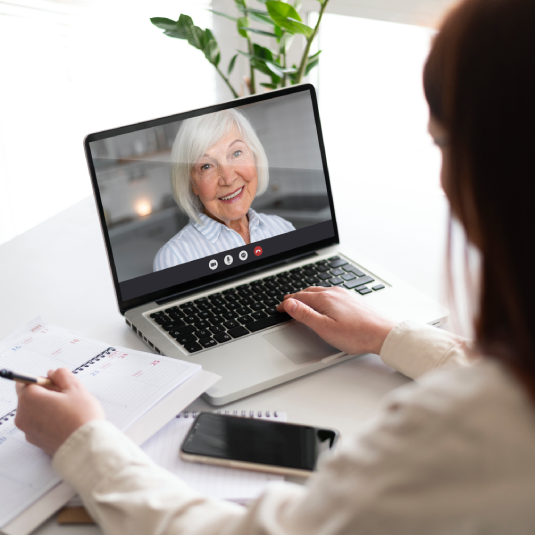
After choosing a clinic, the next step is an online consultation to confirm whether dermal fillers are appropriate for your goals and medical profile. Many clinics in Turkey offer this initial assessment remotely, allowing you to share photos, discuss your concerns, and receive a preliminary treatment plan before you travel.
Discussing Your Goals and Facial Areas
Your practitioner will ask what you want to improve (e.g., lips, cheeks, nasolabial folds, jawline, under-eyes) and whether you prefer subtle enhancement or more noticeable volume. This helps determine the likely filler type, approximate amount, and whether you may benefit from a staged approach.
Medical History and Safety Screening
You will be asked about allergies, previous filler or Botox treatments, autoimmune conditions, bleeding disorders, cold sores (HSV), pregnancy/breastfeeding, and any history of facial surgery. Share a full list of medications and supplements (especially blood thinners and anti-inflammatories), as these can increase bruising risk and may affect timing.
Photo Review and Suitability Check
Clinics may request clear, well-lit photos from the front and side (and sometimes short videos) to assess facial proportions, skin quality, and asymmetries. The clinician will also look for factors that may make fillers less suitable, such as active skin infection, significant swelling, or concerns that might be better addressed with another treatment.
Treatment Plan, Expectations, and Alternatives
You should receive an outline of the proposed areas, estimated product volume, expected longevity, and realistic outcomes. The practitioner should also explain possible side effects (swelling, bruising, lumps) and rare but serious risks (vascular occlusion), plus alternatives such as skin boosters, botulinum toxin, or surgical options if they are more appropriate.
Pre-Appointment Preparation and Travel Timing
You may be advised to avoid alcohol and certain supplements/medications that increase bruising (if medically safe to do so) and to schedule fillers with enough time before key events. If you are traveling, confirm how many days you should remain in Turkey for follow-up and what support is available if you experience unexpected swelling or concerns after treatment.
Online Consultation and Suitability Assessment
After choosing a clinic, the next step is an online consultation to confirm whether dermal fillers are appropriate for your goals and medical profile. Many clinics in Turkey offer this initial assessment remotely, allowing you to share photos, discuss your concerns, and receive a preliminary treatment plan before you travel.
Discussing Your Goals and Facial Areas
Your practitioner will ask what you want to improve (e.g., lips, cheeks, nasolabial folds, jawline, under-eyes) and whether you prefer subtle enhancement or more noticeable volume. This helps determine the likely filler type, approximate amount, and whether you may benefit from a staged approach.
Medical History and Safety Screening
You will be asked about allergies, previous filler or Botox treatments, autoimmune conditions, bleeding disorders, cold sores (HSV), pregnancy/breastfeeding, and any history of facial surgery. Share a full list of medications and supplements (especially blood thinners and anti-inflammatories), as these can increase bruising risk and may affect timing.
Photo Review and Suitability Check
Clinics may request clear, well-lit photos from the front and side (and sometimes short videos) to assess facial proportions, skin quality, and asymmetries. The clinician will also look for factors that may make fillers less suitable, such as active skin infection, significant swelling, or concerns that might be better addressed with another treatment.
Treatment Plan, Expectations, and Alternatives
You should receive an outline of the proposed areas, estimated product volume, expected longevity, and realistic outcomes. The practitioner should also explain possible side effects (swelling, bruising, lumps) and rare but serious risks (vascular occlusion), plus alternatives such as skin boosters, botulinum toxin, or surgical options if they are more appropriate.
Pre-Appointment Preparation and Travel Timing
You may be advised to avoid alcohol and certain supplements/medications that increase bruising (if medically safe to do so) and to schedule fillers with enough time before key events. If you are traveling, confirm how many days you should remain in Turkey for follow-up and what support is available if you experience unexpected swelling or concerns after treatment.
| Filler Type / Area | Typical Range (EUR €) |
|---|---|
| Nasolabial folds (1 ml) | € 180 – € 320 |
| Lips (1 ml) | € 200 – € 350 |
| Cheeks (2 ml) | € 350 – € 650 |
| Jawline / Chin contour (2–3 ml) | € 500 – € 900 |
Use our Calculation Module to Find Out
The Cost of Dermal Fillers in Turkey
Calculate My Cost
Personalized Treatment Plan: Choosing Filler Type and Areas
After your consultation, your injector will create a personalized dermal filler plan based on your facial anatomy, skin quality, goals (lift, contour, hydration, or line softening), and how subtle or dramatic you want the result to be. A good plan focuses on balance and harmony rather than “filling” one feature in isolation.
Most clinics in Turkey use hyaluronic acid (HA) fillers because they are versatile and can be dissolved if needed. In some cases, your provider may discuss other options (such as collagen-stimulating fillers), but the exact choice depends on your needs, medical history, and the injector’s assessment.
- Filler type and texture: Softer gels are typically used for fine lines or delicate areas, while firmer products may be chosen for structural support and contouring.
- Placement depth: Fillers can be placed at different depths (superficial to deep) depending on the area and the correction needed.
- Amount (mL) and staging: Your plan should specify how many syringes are recommended and whether treatment should be done in one visit or staged over time for a more natural result.
- Safety-first mapping: A professional plan includes consideration of facial “danger zones,” previous filler, and any asymmetries to minimize risk.
Common treatment areas include cheeks (midface support), nasolabial folds (smile lines), marionette lines, jawline and chin (definition and profile balance), lips (shape and hydration), and tear troughs (under-eye hollowing) when appropriate. Your injector may also recommend a full-face approach for example, restoring cheek support first can reduce the need for heavy filling around the mouth.
Before confirming your plan, ask your clinic to explain the expected outcome, how long results typically last for your chosen areas, and what is included in the quote (product brand, number of syringes, follow-up, and any touch-up policy). Clear, written details help ensure your dermal filler treatment in Turkey matches your goals and budget.
Personalized Treatment Plan: Choosing Filler Type and Areas
After your consultation, your injector will create a personalized dermal filler plan based on your facial anatomy, skin quality, goals (lift, contour, hydration, or line softening), and how subtle or dramatic you want the result to be. A good plan focuses on balance and harmony rather than “filling” one feature in isolation.
Most clinics in Turkey use hyaluronic acid (HA) fillers because they are versatile and can be dissolved if needed. In some cases, your provider may discuss other options (such as collagen-stimulating fillers), but the exact choice depends on your needs, medical history, and the injector’s assessment.
- Filler type and texture: Softer gels are typically used for fine lines or delicate areas, while firmer products may be chosen for structural support and contouring.
- Placement depth: Fillers can be placed at different depths (superficial to deep) depending on the area and the correction needed.
- Amount (mL) and staging: Your plan should specify how many syringes are recommended and whether treatment should be done in one visit or staged over time for a more natural result.
- Safety-first mapping: A professional plan includes consideration of facial “danger zones,” previous filler, and any asymmetries to minimize risk.
Common treatment areas include cheeks (midface support), nasolabial folds (smile lines), marionette lines, jawline and chin (definition and profile balance), lips (shape and hydration), and tear troughs (under-eye hollowing) when appropriate. Your injector may also recommend a full-face approach for example, restoring cheek support first can reduce the need for heavy filling around the mouth.
Before confirming your plan, ask your clinic to explain the expected outcome, how long results typically last for your chosen areas, and what is included in the quote (product brand, number of syringes, follow-up, and any touch-up policy). Clear, written details help ensure your dermal filler treatment in Turkey matches your goals and budget.
| Filler Type / Area | Typical Range (EUR €) |
|---|---|
| Nasolabial folds (1 ml) | € 180 – € 320 |
| Lips (1 ml) | € 200 – € 350 |
| Cheeks (2 ml) | € 350 – € 650 |
| Jawline / Chin contour (2–3 ml) | € 500 – € 900 |
Use our Calculation Module to Find Out
The Cost of Dermal Fillers in Turkey
Calculate My Cost

 Online
Consultation

 Travel to Turkey
 Pre-Treatment
Prep
Traveling to Turkey and Pre-Treatment Preparation
Planning your trip for dermal fillers in Turkey is usually straightforward, as treatment is typically completed in a single visit. Many clinics can help coordinate airport transfers and accommodation, and you’ll be given a clear schedule for your consultation and procedure day. To keep your appointment smooth and safe, prepare your medical information in advance and follow the clinic’s pre-treatment guidance.
Before You Fly: What to Share With the Clinic
Send clear photos of the areas you’d like treated and a brief summary of your goals (e.g., lip volume, tear troughs, nasolabial folds, jawline definition). Provide your medical history, including allergies, previous filler or Botox treatments, history of cold sores (HSV), autoimmune conditions, bleeding disorders, and any prior facial surgery or implants. Share a full medication and supplement list, especially blood thinners and anti-inflammatory medicines.
Pre-Treatment Guidelines (Typically 7–10 Days Before)
- Avoid alcohol for 24–48 hours before treatment to reduce bruising and swelling.
- If medically appropriate and approved by your clinician, avoid common bruising triggers (e.g., aspirin, ibuprofen, certain supplements like fish oil, vitamin E, ginkgo, garlic) for about a week prior.
- Arrive well-hydrated and avoid scheduling treatment immediately before major events mild swelling or bruising can last several days.
- If you are prone to cold sores and treating the lip area, ask whether preventive antiviral medication is recommended.
On Arrival in Turkey: Consultation and Facial Assessment
Your in-person consultation typically includes a facial assessment, review of your medical history, discussion of filler type and placement strategy, and a clear explanation of expected results and limitations. The clinician should confirm product choice, explain potential risks (including rare but serious vascular complications), and obtain informed consent before proceeding.
What to Bring and Practical Tips
- Passport, travel insurance details, and any relevant medical documents.
- A list of medications/supplements and any previous filler brand information if known.
- Plan light activities after treatment and avoid long sun exposure or intense heat on the day.
- Consider staying at least 24–48 hours after injections, especially if multiple areas are treated, so the clinic can review you if needed.
Traveling to Turkey and Pre-Treatment Preparation
Planning your trip for dermal fillers in Turkey is usually straightforward, as treatment is typically completed in a single visit. Many clinics can help coordinate airport transfers and accommodation, and you’ll be given a clear schedule for your consultation and procedure day. To keep your appointment smooth and safe, prepare your medical information in advance and follow the clinic’s pre-treatment guidance.
OnlineConsultation
Travel to Turkey
Pre-TreatmentPrep
Before You Fly: What to Share With the Clinic
Send clear photos of the areas you’d like treated and a brief summary of your goals (e.g., lip volume, tear troughs, nasolabial folds, jawline definition). Provide your medical history, including allergies, previous filler or Botox treatments, history of cold sores (HSV), autoimmune conditions, bleeding disorders, and any prior facial surgery or implants. Share a full medication and supplement list, especially blood thinners and anti-inflammatory medicines.
Pre-Treatment Guidelines (Typically 7–10 Days Before)
- Avoid alcohol for 24–48 hours before treatment to reduce bruising and swelling.
- If medically appropriate and approved by your clinician, avoid common bruising triggers (e.g., aspirin, ibuprofen, certain supplements like fish oil, vitamin E, ginkgo, garlic) for about a week prior.
- Arrive well-hydrated and avoid scheduling treatment immediately before major events mild swelling or bruising can last several days.
- If you are prone to cold sores and treating the lip area, ask whether preventive antiviral medication is recommended.
On Arrival in Turkey: Consultation and Facial Assessment
Your in-person consultation typically includes a facial assessment, review of your medical history, discussion of filler type and placement strategy, and a clear explanation of expected results and limitations. The clinician should confirm product choice, explain potential risks (including rare but serious vascular complications), and obtain informed consent before proceeding.
What to Bring and Practical Tips
- Passport, travel insurance details, and any relevant medical documents.
- A list of medications/supplements and any previous filler brand information if known.
- Plan light activities after treatment and avoid long sun exposure or intense heat on the day.
- Consider staying at least 24–48 hours after injections, especially if multiple areas are treated, so the clinic can review you if needed.
Dermal Filler Appointment Day: Step-by-Step Process


00:00
Check-in &Consultation
00:10
Cleansing &Numbing
00:25-00:45
Filler Injection& Shaping
00:50
Aftercare &Final Review
You’ll confirm your treatment plan, discuss goals and medical history, and review the areas to be treated (often with photos/marking).
The skin is disinfected and a topical numbing cream (or local anesthetic) may be applied to improve comfort before injections.
The practitioner injects small amounts of dermal filler in targeted points, then gently massages and refines for symmetry and natural contour.
Results are checked in a mirror, immediate aftercare is explained (swelling/bruising expectations), and you’ll receive follow-up guidance if a touch-up is needed.
Dermal Filler Appointment Day: Step-by-Step Process
A dermal filler session in Turkey is usually a 30–60 minute outpatient appointment (longer if multiple areas are treated). Most clinics aim for natural, balanced results with minimal downtime.
1) Check-in & medical review
You’ll confirm your medical history, medications, allergies, and any previous aesthetic treatments. Let the clinician know if you’re prone to cold sores, bruising, or swelling.
2) Consultation & facial assessment
The injector assesses facial proportions, skin quality, and movement, then discusses your goals (e.g., lips, cheeks, jawline, under-eyes). A tailored plan is agreed, including product choice and approximate volume.
3) Consent, photos & treatment mapping
You’ll sign consent forms and have standardized photos taken for before/after comparison. The treatment areas may be marked to guide precise placement.
4) Cleansing & numbing
The skin is cleansed and disinfected. A topical numbing cream may be applied, and many hyaluronic acid fillers also contain lidocaine to improve comfort.
5) Injection (needle or cannula)
The filler is placed in small, controlled amounts using a fine needle or a blunt cannula, depending on the area and technique. The clinician may gently massage to smooth and shape the result while checking symmetry.
6) Immediate review & aftercare
You’ll review the result in the mirror and receive aftercare instructions. Mild redness, tenderness, swelling, or bruising can occur and typically settles over several days.
- Typical downtime: minimal; plan for possible swelling/bruising for 24–72 hours.
- When results settle: often within 1–2 weeks (lips may take a bit longer).
- Follow-up: some clinics schedule a review in 1–2 weeks for assessment and possible refinement.
Dermal Filler Appointment Day: Step-by-Step Process
A dermal filler session in Turkey is usually a 30–60 minute outpatient appointment (longer if multiple areas are treated). Most clinics aim for natural, balanced results with minimal downtime.
Dermal Filler Appointment Day: Step-by-Step Process
00:00
Check-in &Consultation
00:10
Cleansing &Numbing
00:25-00:45
Filler Injection& Shaping
00:50
Aftercare &Final Review
You’ll confirm your treatment plan, discuss goals and medical history, and review the areas to be treated (often with photos/marking).
The skin is disinfected and a topical numbing cream (or local anesthetic) may be applied to improve comfort before injections.
The practitioner injects small amounts of dermal filler in targeted points, then gently massages and refines for symmetry and natural contour.
Results are checked in a mirror, immediate aftercare is explained (swelling/bruising expectations), and you’ll receive follow-up guidance if a touch-up is needed.
1) Check-in & medical review
You’ll confirm your medical history, medications, allergies, and any previous aesthetic treatments. Let the clinician know if you’re prone to cold sores, bruising, or swelling.
2) Consultation & facial assessment
The injector assesses facial proportions, skin quality, and movement, then discusses your goals (e.g., lips, cheeks, jawline, under-eyes). A tailored plan is agreed, including product choice and approximate volume.
3) Consent, photos & treatment mapping
You’ll sign consent forms and have standardized photos taken for before/after comparison. The treatment areas may be marked to guide precise placement.
4) Cleansing & numbing
The skin is cleansed and disinfected. A topical numbing cream may be applied, and many hyaluronic acid fillers also contain lidocaine to improve comfort.
5) Injection (needle or cannula)
The filler is placed in small, controlled amounts using a fine needle or a blunt cannula, depending on the area and technique. The clinician may gently massage to smooth and shape the result while checking symmetry.
6) Immediate review & aftercare
You’ll review the result in the mirror and receive aftercare instructions. Mild redness, tenderness, swelling, or bruising can occur and typically settles over several days.
- Typical downtime: minimal; plan for possible swelling/bruising for 24–72 hours.
- When results settle: often within 1–2 weeks (lips may take a bit longer).
- Follow-up: some clinics schedule a review in 1–2 weeks for assessment and possible refinement.
Immediate Aftercare: Managing Swelling, Bruising, and Results
Right after dermal fillers, it’s normal to see mild swelling, redness, tenderness, or small bruises around the injection sites. These effects are usually temporary and often improve noticeably within 24–72 hours, although subtle swelling can last a little longer depending on the area treated and the type of filler used. Your clinician in Turkey will give you personalised aftercare instructions follow them closely to protect your results and reduce complications.
- Use cold compresses: Apply a clean cold pack intermittently (e.g., 10 minutes on/10 minutes off) for the first day to help reduce swelling and bruising. Avoid pressing hard on the treated area.
- Keep your head elevated: Sleep on your back with your head slightly raised the first night to minimise swelling and prevent pressure on the filler.
- Avoid heat and intense exercise: Skip strenuous workouts, saunas, steam rooms, hot yoga, and very hot showers for 24–48 hours, as heat can worsen swelling and bruising.
- Don’t massage unless instructed: Avoid rubbing, massaging, or using facial tools on the treated area for at least 48 hours (or longer if advised). If shaping is needed, your clinician will tell you exactly how and when.
- Be cautious with makeup and skincare: If permitted, apply makeup gently and only after the injection sites have closed (often after several hours). Avoid harsh actives (retinoids, strong acids) and abrasive treatments for a few days.
- Limit alcohol and blood-thinners: Alcohol and certain supplements/medications can increase bruising. Only stop or adjust prescribed medicines if your doctor says it’s safe.
- Plan around dental work and facial treatments: Postpone facials, laser, microneedling, and dental procedures for at least 1–2 weeks (or as advised), especially after lip or mid-face fillers.
- Know what to expect from results: You may look slightly “overfilled” at first due to swelling. Most results settle over 1–2 weeks; some areas (like lips) can take a bit longer to fully soften and stabilise.
When to contact your clinic urgently: Seek immediate medical advice if you develop severe or worsening pain, significant blanching/whitening or mottled skin colour, coolness of the skin, vision changes, increasing swelling after initial improvement, fever, pus, or rapidly spreading redness. These can be signs of rare but serious complications that require prompt treatment.
Follow-up: Many clinics in Turkey schedule a review (often around 1–2 weeks) to assess healing, symmetry, and whether a small touch-up is appropriate.
Immediate Aftercare: Managing Swelling, Bruising, and Results
Right after dermal fillers, it’s normal to see mild swelling, redness, tenderness, or small bruises around the injection sites. These effects are usually temporary and often improve noticeably within 24–72 hours, although subtle swelling can last a little longer depending on the area treated and the type of filler used. Your clinician in Turkey will give you personalised aftercare instructions follow them closely to protect your results and reduce complications.
- Use cold compresses: Apply a clean cold pack intermittently (e.g., 10 minutes on/10 minutes off) for the first day to help reduce swelling and bruising. Avoid pressing hard on the treated area.
- Keep your head elevated: Sleep on your back with your head slightly raised the first night to minimise swelling and prevent pressure on the filler.
- Avoid heat and intense exercise: Skip strenuous workouts, saunas, steam rooms, hot yoga, and very hot showers for 24–48 hours, as heat can worsen swelling and bruising.
- Don’t massage unless instructed: Avoid rubbing, massaging, or using facial tools on the treated area for at least 48 hours (or longer if advised). If shaping is needed, your clinician will tell you exactly how and when.
- Be cautious with makeup and skincare: If permitted, apply makeup gently and only after the injection sites have closed (often after several hours). Avoid harsh actives (retinoids, strong acids) and abrasive treatments for a few days.
- Limit alcohol and blood-thinners: Alcohol and certain supplements/medications can increase bruising. Only stop or adjust prescribed medicines if your doctor says it’s safe.
- Plan around dental work and facial treatments: Postpone facials, laser, microneedling, and dental procedures for at least 1–2 weeks (or as advised), especially after lip or mid-face fillers.
- Know what to expect from results: You may look slightly “overfilled” at first due to swelling. Most results settle over 1–2 weeks; some areas (like lips) can take a bit longer to fully soften and stabilise.
When to contact your clinic urgently: Seek immediate medical advice if you develop severe or worsening pain, significant blanching/whitening or mottled skin colour, coolness of the skin, vision changes, increasing swelling after initial improvement, fever, pus, or rapidly spreading redness. These can be signs of rare but serious complications that require prompt treatment.
Follow-up: Many clinics in Turkey schedule a review (often around 1–2 weeks) to assess healing, symmetry, and whether a small touch-up is appropriate.

Follow-Up Review and Touch-Ups (If Needed)
A follow-up review after dermal fillers helps your practitioner confirm that the product has settled well, swelling has resolved, and the result matches your goals. Many clinics in Turkey schedule a check-in within 7–14 days (timing varies by filler type and treatment area).
- Assess healing and symmetry: Your injector will check for residual swelling, bruising, or unevenness and compare results to your pre-treatment plan.
- Decide if a small top-up is needed: Some areas (especially lips) can lose a little volume as swelling settles, and a conservative touch-up may be offered to refine shape or balance.
- Address lumps or firmness: Minor irregularities often soften with time and massage (only if advised). If needed, your clinician may recommend targeted correction.
- Review aftercare and activity guidance: You may be reminded to avoid heavy pressure on the area, intense exercise, sauna/steam rooms, and alcohol for a short period, depending on your treatment.
- Plan maintenance: Your team can advise when to repeat treatment based on the product used, your metabolism, and the area treated.
Contact your clinic promptly if you develop increasing pain, spreading redness, fever, significant blanching/colour change of the skin, or vision symptoms these require urgent medical assessment.
Follow-Up Review and Touch-Ups (If Needed)
A follow-up review after dermal fillers helps your practitioner confirm that the product has settled well, swelling has resolved, and the result matches your goals. Many clinics in Turkey schedule a check-in within 7–14 days (timing varies by filler type and treatment area).
- Assess healing and symmetry: Your injector will check for residual swelling, bruising, or unevenness and compare results to your pre-treatment plan.
- Decide if a small top-up is needed: Some areas (especially lips) can lose a little volume as swelling settles, and a conservative touch-up may be offered to refine shape or balance.
- Address lumps or firmness: Minor irregularities often soften with time and massage (only if advised). If needed, your clinician may recommend targeted correction.
- Review aftercare and activity guidance: You may be reminded to avoid heavy pressure on the area, intense exercise, sauna/steam rooms, and alcohol for a short period, depending on your treatment.
- Plan maintenance: Your team can advise when to repeat treatment based on the product used, your metabolism, and the area treated.
Contact your clinic promptly if you develop increasing pain, spreading redness, fever, significant blanching/colour change of the skin, or vision symptoms these require urgent medical assessment.
Your Heal Road consultant can help coordinate aftercare support and guide you on what to monitor once you’re back home.
Get clear instructions, follow-up planning, and help if you need a review.
Returning Home: Long-Term Maintenance and Safety Checks
Most patients can travel home shortly after dermal filler treatment in Turkey. While results are visible quickly, your final look settles over the following days as swelling reduces and the filler integrates. Keep your clinic’s aftercare instructions and contact details handy, and arrange a plan for follow-up support once you’re back home.
First 48 Hours: Protect Your Results
- Expect mild swelling, redness, or tenderness at injection sites this is common and usually improves within a few days.
- Avoid touching, pressing, or massaging the treated area unless your injector specifically instructs you to.
- Skip intense exercise, saunas/steam rooms, and hot baths for 24–48 hours to reduce swelling and bruising.
- Avoid alcohol for 24 hours if possible, as it can worsen bruising.
- Makeup: follow your clinic’s advice; many providers recommend waiting at least 12–24 hours.
Days 3–14: Settling and Symmetry Checks
- Bruising may peak around days 2–4 and then fade.
- Small lumps or firmness can occur and often soften as swelling resolves. Do not self-massage unless advised.
- Assess symmetry after swelling settles. If you notice unevenness or under-correction, ask your clinic whether a review or small “top-up” is appropriate.
- Dental work and facial treatments: postpone elective procedures (e.g., facials, laser, microneedling) until your provider says it’s safe often 1–2 weeks depending on the area treated.
Long-Term Maintenance: How Often Will You Need a Top-Up?
Dermal fillers are not permanent. Longevity varies by product, treatment area, and your metabolism. As a general guide, many hyaluronic acid fillers last 6–18 months. Your injector may recommend a maintenance schedule to keep results consistent rather than waiting for the filler to fully wear off.
- Keep a record of the product name, batch/lot number, and injection sites for future reference.
- Choose qualified providers for any future treatments at home share your treatment details with them.
- Protect your skin with daily SPF and a consistent skincare routine to support overall facial quality.
Safety Checks: When to Seek Urgent Help
Serious complications are uncommon, but it’s important to act quickly if warning signs appear especially after you’ve returned home.
- Seek urgent medical care immediately if you develop severe or worsening pain, skin turning pale/white or dusky, blistering, or a net-like discoloration these can be signs of compromised blood flow.
- Get urgent advice for sudden vision changes, severe headache, or eye pain.
- Contact a clinician promptly for increasing redness, warmth, pus, fever, or rapidly worsening swelling (possible infection).
- Allergic reactions (widespread hives, facial swelling away from injection sites, breathing difficulty) require emergency care.
If your filler is hyaluronic acid, many issues can be treated effectively when addressed early. Don’t wait message your clinic and seek local medical assessment if you’re concerned.
Returning Home: Long-Term Maintenance and Safety Checks
Most patients can travel home shortly after dermal filler treatment in Turkey. While results are visible quickly, your final look settles over the following days as swelling reduces and the filler integrates. Keep your clinic’s aftercare instructions and contact details handy, and arrange a plan for follow-up support once you’re back home.
First 48 Hours: Protect Your Results
- Expect mild swelling, redness, or tenderness at injection sites this is common and usually improves within a few days.
- Avoid touching, pressing, or massaging the treated area unless your injector specifically instructs you to.
- Skip intense exercise, saunas/steam rooms, and hot baths for 24–48 hours to reduce swelling and bruising.
- Avoid alcohol for 24 hours if possible, as it can worsen bruising.
- Makeup: follow your clinic’s advice; many providers recommend waiting at least 12–24 hours.
Days 3–14: Settling and Symmetry Checks
- Bruising may peak around days 2–4 and then fade.
- Small lumps or firmness can occur and often soften as swelling resolves. Do not self-massage unless advised.
- Assess symmetry after swelling settles. If you notice unevenness or under-correction, ask your clinic whether a review or small “top-up” is appropriate.
- Dental work and facial treatments: postpone elective procedures (e.g., facials, laser, microneedling) until your provider says it’s safe often 1–2 weeks depending on the area treated.
Long-Term Maintenance: How Often Will You Need a Top-Up?
Dermal fillers are not permanent. Longevity varies by product, treatment area, and your metabolism. As a general guide, many hyaluronic acid fillers last 6–18 months. Your injector may recommend a maintenance schedule to keep results consistent rather than waiting for the filler to fully wear off.
- Keep a record of the product name, batch/lot number, and injection sites for future reference.
- Choose qualified providers for any future treatments at home share your treatment details with them.
- Protect your skin with daily SPF and a consistent skincare routine to support overall facial quality.
Safety Checks: When to Seek Urgent Help
Serious complications are uncommon, but it’s important to act quickly if warning signs appear especially after you’ve returned home.
- Seek urgent medical care immediately if you develop severe or worsening pain, skin turning pale/white or dusky, blistering, or a net-like discoloration these can be signs of compromised blood flow.
- Get urgent advice for sudden vision changes, severe headache, or eye pain.
- Contact a clinician promptly for increasing redness, warmth, pus, fever, or rapidly worsening swelling (possible infection).
- Allergic reactions (widespread hives, facial swelling away from injection sites, breathing difficulty) require emergency care.
If your filler is hyaluronic acid, many issues can be treated effectively when addressed early. Don’t wait message your clinic and seek local medical assessment if you’re concerned.
Your Heal Road consultant can help coordinate aftercare support and guide you on what to monitor once you’re back home.
Get clear instructions, follow-up planning, and help if you need a review.

Key Tips for a Safe, Natural-Looking Dermal Filler Experience in Turkey
- Choose a qualified injector not just a clinic: Prioritise a board-certified dermatologist or plastic surgeon (or a highly trained aesthetic physician) with extensive facial anatomy knowledge. Ask who will inject you, their credentials, and how often they perform filler treatments.
- Verify product authenticity and traceability: Request the exact filler brand and type (e.g., hyaluronic acid vs. other), and ask to see the unopened box and syringe. Ensure the product has a batch/lot number and an expiry date, and that it is sourced through authorised channels.
- Have a thorough consultation and facial assessment: A safe plan should include discussion of your goals, medical history, allergies, previous fillers, and a facial analysis (symmetry, proportions, skin quality). The injector should recommend subtle, staged enhancement rather than overcorrection in one session.
- Ask about safety protocols and emergency readiness: Confirm the clinic has a clear complication protocol and keeps appropriate reversal and emergency supplies on-site (e.g., hyaluronidase for HA fillers). Ask how vascular occlusion is recognised and managed, and who you contact after hours.
- Be transparent about medications and supplements: Inform your provider about blood thinners, aspirin/NSAIDs, vitamin E, fish oil, and herbal supplements that can increase bruising (only stop medications if your prescribing doctor approves). Disclose any history of cold sores before lip injections.
- Time your appointment around travel: Schedule fillers early in your trip so you can attend a follow-up if needed. Avoid booking injections immediately before long flights or major events; allow time for swelling or bruising to settle.
- Start conservatively for natural results: A “less is more” approach often looks best. Consider a gradual plan (e.g., 0.5–1 mL initially) and reassess after swelling resolves, rather than aiming for a dramatic change in one visit.
- Follow aftercare strictly: Avoid heavy exercise, alcohol, and excessive heat (sauna/steam rooms) for 24–48 hours unless advised otherwise. Don’t massage or apply pressure to treated areas unless your injector instructs you to. Use cold compresses for swelling if recommended.
- Know what’s normal vs. a red flag: Mild swelling, tenderness, and bruising can be normal. Seek urgent help for severe pain, blanching/white patches, mottled or dusky skin colour, worsening swelling, vision changes, or increasing redness/fever these require immediate assessment.
- Plan maintenance and documentation: Ask for a written record of what was injected (brand, product name, lot number, amount, and injection sites). Discuss expected longevity and a realistic top-up schedule, and keep before/after photos for reference.
Key Tips for a Safe, Natural-Looking Dermal Filler Experience in Turkey
- Choose a qualified injector not just a clinic: Prioritise a board-certified dermatologist or plastic surgeon (or a highly trained aesthetic physician) with extensive facial anatomy knowledge. Ask who will inject you, their credentials, and how often they perform filler treatments.
- Verify product authenticity and traceability: Request the exact filler brand and type (e.g., hyaluronic acid vs. other), and ask to see the unopened box and syringe. Ensure the product has a batch/lot number and an expiry date, and that it is sourced through authorised channels.
- Have a thorough consultation and facial assessment: A safe plan should include discussion of your goals, medical history, allergies, previous fillers, and a facial analysis (symmetry, proportions, skin quality). The injector should recommend subtle, staged enhancement rather than overcorrection in one session.
- Ask about safety protocols and emergency readiness: Confirm the clinic has a clear complication protocol and keeps appropriate reversal and emergency supplies on-site (e.g., hyaluronidase for HA fillers). Ask how vascular occlusion is recognised and managed, and who you contact after hours.
- Be transparent about medications and supplements: Inform your provider about blood thinners, aspirin/NSAIDs, vitamin E, fish oil, and herbal supplements that can increase bruising (only stop medications if your prescribing doctor approves). Disclose any history of cold sores before lip injections.
- Time your appointment around travel: Schedule fillers early in your trip so you can attend a follow-up if needed. Avoid booking injections immediately before long flights or major events; allow time for swelling or bruising to settle.
- Start conservatively for natural results: A “less is more” approach often looks best. Consider a gradual plan (e.g., 0.5–1 mL initially) and reassess after swelling resolves, rather than aiming for a dramatic change in one visit.
- Follow aftercare strictly: Avoid heavy exercise, alcohol, and excessive heat (sauna/steam rooms) for 24–48 hours unless advised otherwise. Don’t massage or apply pressure to treated areas unless your injector instructs you to. Use cold compresses for swelling if recommended.
- Know what’s normal vs. a red flag: Mild swelling, tenderness, and bruising can be normal. Seek urgent help for severe pain, blanching/white patches, mottled or dusky skin colour, worsening swelling, vision changes, or increasing redness/fever these require immediate assessment.
- Plan maintenance and documentation: Ask for a written record of what was injected (brand, product name, lot number, amount, and injection sites). Discuss expected longevity and a realistic top-up schedule, and keep before/after photos for reference.
Conclusion


Article Contributors

Heal Road Editor
Editor

Heal Road Writer
Writer
- Views
- 285 views
- Reading Time
- Last Updated