 205 views
A Step-by-Step Guide to FUE Hair Transplantation in Turkey
*Approximate range reported in clinical studies; individual results vary.
Nereden Başlayacağını
Bilmiyor musun?
Doğru uzmanı en uygun fiyat garantisiyle bulun

Your Heal Road consultant can help you compare FUE clinics and surgeons in Turkey objectively.
Get support with verifying credentials, understanding packages, and setting realistic expectations before you book.
Comprehensive Research and Selecting the Right Hair Transplant Clinic
Before starting your FUE hair transplant journey in Turkey, it is crucial to invest time in careful research and to choose a highly qualified, trustworthy clinic. Turkey is a global hub for hair restoration, with leading centers in Istanbul, Ankara, Antalya, and Izmir offering advanced techniques, experienced surgeons, and competitive pricing. The clinic you select will significantly influence your hairline design, graft survival rate, scarring, and overall satisfaction. Keep the following key points in mind as you compare options:
Medical Credentials and Surgeon Expertise
Confirm that the clinic is licensed by the Turkish Ministry of Health and, where possible, holds international accreditations such as JCI or ISO. Your FUE procedure should be planned and supervised by a dermatologist or plastic surgeon with specific training in hair restoration, not by unqualified technicians. Ask about:
- The surgeon’s medical specialty and years of experience in FUE.
- Average number of FUE procedures performed per year.
- Whether the surgeon personally designs the hairline and opens the recipient channels.
- Membership in professional bodies (e.g., hair restoration or dermatology societies).
Clinic Standards, Technology, and Team
A reputable Turkish clinic will maintain hospital-grade hygiene and use modern FUE equipment. During your research, look for:
- Dedicated operating rooms for hair transplantation with strict sterilization protocols.
- Use of modern FUE tools (e.g., micromotor or manual punches with appropriate diameters) to minimize trauma.
- An experienced support team of nurses and hair transplant technicians working under direct medical supervision.
- Clear pre-operative assessment, including medical history, scalp examination, and realistic graft count planning.
Patient Reviews, Testimonials, and Independent Ratings
Online feedback can provide valuable insight into the patient experience and long-term results. When reviewing testimonials:
- Use independent platforms and forums, not only the clinic’s own website.
- Look for consistent comments about communication, pain control, aftercare, and final density.
- Pay attention to how clinics respond to negative reviews and whether they offer solutions.
- Be cautious of overly generic or repetitive reviews that may not be genuine.
Before-and-After Photos and Case Transparency
High-quality before-and-after photos of previous FUE patients are essential for assessing a clinic’s aesthetic approach. Evaluate:
- Hairline design that matches the patient’s age, facial features, and degree of hair loss.
- Natural direction and angle of the transplanted hairs, especially at the hairline and temples.
- Density and coverage in both frontal and crown areas.
- Whether the clinic can show cases similar to your pattern of hair loss and hair type.
Transparent Pricing and Package Inclusions
Many Turkish clinics offer all-inclusive FUE packages that can be cost-effective, but you should understand exactly what is covered. Clarify:
- Whether pricing is per graft, per session, or a fixed package fee.
- What is included: consultations, blood tests, medications, post-op care kit, PRP (if offered), and follow-up.
- Non-medical services such as hotel accommodation, airport transfers, and interpreter support.
- Any potential extra costs (e.g., additional grafts, touch-up sessions, or treatment for complications).
Communication, Aftercare, and Realistic Expectations
Effective communication is vital for a safe and satisfying FUE experience. Prioritize clinics that:
- Offer a detailed online or video consultation before you travel.
- Explain the entire FUE process, including shaving, graft extraction, implantation, and recovery timeline.
- Provide written post-operative instructions and scheduled follow-up checks (in person or online).
- Set realistic expectations about achievable density, possible need for a second session, and the time required for visible growth (usually 9–12 months).
Taking the time to compare clinics carefully will help you avoid rushed decisions, reduce the risk of overharvesting or unnatural hairlines, and increase the likelihood of a safe procedure with long-lasting, natural-looking results.
Comprehensive Research and Selecting the Right Hair Transplant Clinic
Before starting your FUE hair transplant journey in Turkey, it is crucial to invest time in careful research and to choose a highly qualified, trustworthy clinic. Turkey is a global hub for hair restoration, with leading centers in Istanbul, Ankara, Antalya, and Izmir offering advanced techniques, experienced surgeons, and competitive pricing. The clinic you select will significantly influence your hairline design, graft survival rate, scarring, and overall satisfaction. Keep the following key points in mind as you compare options:
Your Heal Road consultant can help you compare FUE clinics and surgeons in Turkey objectively.
Get support with verifying credentials, understanding packages, and setting realistic expectations before you book.
Medical Credentials and Surgeon Expertise
Confirm that the clinic is licensed by the Turkish Ministry of Health and, where possible, holds international accreditations such as JCI or ISO. Your FUE procedure should be planned and supervised by a dermatologist or plastic surgeon with specific training in hair restoration, not by unqualified technicians. Ask about:
- The surgeon’s medical specialty and years of experience in FUE.
- Average number of FUE procedures performed per year.
- Whether the surgeon personally designs the hairline and opens the recipient channels.
- Membership in professional bodies (e.g., hair restoration or dermatology societies).
Clinic Standards, Technology, and Team
A reputable Turkish clinic will maintain hospital-grade hygiene and use modern FUE equipment. During your research, look for:
- Dedicated operating rooms for hair transplantation with strict sterilization protocols.
- Use of modern FUE tools (e.g., micromotor or manual punches with appropriate diameters) to minimize trauma.
- An experienced support team of nurses and hair transplant technicians working under direct medical supervision.
- Clear pre-operative assessment, including medical history, scalp examination, and realistic graft count planning.
Patient Reviews, Testimonials, and Independent Ratings
Online feedback can provide valuable insight into the patient experience and long-term results. When reviewing testimonials:
- Use independent platforms and forums, not only the clinic’s own website.
- Look for consistent comments about communication, pain control, aftercare, and final density.
- Pay attention to how clinics respond to negative reviews and whether they offer solutions.
- Be cautious of overly generic or repetitive reviews that may not be genuine.
Before-and-After Photos and Case Transparency
High-quality before-and-after photos of previous FUE patients are essential for assessing a clinic’s aesthetic approach. Evaluate:
- Hairline design that matches the patient’s age, facial features, and degree of hair loss.
- Natural direction and angle of the transplanted hairs, especially at the hairline and temples.
- Density and coverage in both frontal and crown areas.
- Whether the clinic can show cases similar to your pattern of hair loss and hair type.
Transparent Pricing and Package Inclusions
Many Turkish clinics offer all-inclusive FUE packages that can be cost-effective, but you should understand exactly what is covered. Clarify:
- Whether pricing is per graft, per session, or a fixed package fee.
- What is included: consultations, blood tests, medications, post-op care kit, PRP (if offered), and follow-up.
- Non-medical services such as hotel accommodation, airport transfers, and interpreter support.
- Any potential extra costs (e.g., additional grafts, touch-up sessions, or treatment for complications).
Communication, Aftercare, and Realistic Expectations
Effective communication is vital for a safe and satisfying FUE experience. Prioritize clinics that:
- Offer a detailed online or video consultation before you travel.
- Explain the entire FUE process, including shaving, graft extraction, implantation, and recovery timeline.
- Provide written post-operative instructions and scheduled follow-up checks (in person or online).
- Set realistic expectations about achievable density, possible need for a second session, and the time required for visible growth (usually 9–12 months).
Taking the time to compare clinics carefully will help you avoid rushed decisions, reduce the risk of overharvesting or unnatural hairlines, and increase the likelihood of a safe procedure with long-lasting, natural-looking results.

Online Consultation and Assessing Your FUE Candidacy
Before booking flights or paying a deposit, your FUE journey in Turkey usually begins with an online consultation. Most reputable Turkish hair transplant clinics offer this service free of charge, allowing you to speak with a hair transplant specialist, share photos of your scalp, and receive an initial opinion on whether you are a good candidate for FUE (Follicular Unit Extraction).
During this virtual meeting, you can describe your hair loss history, ask questions about the procedure, and discuss your expectations. The medical team will use this information, along with your photos, to estimate how many grafts you may need, whether your donor area is sufficient, and what kind of result is realistically achievable.
Sharing Photos and Basic Information
Before or during the consultation, the clinic will usually ask you to send clear photos of your scalp from different angles (front, top, sides, and back). Some clinics may also request a short video. You will also complete a short questionnaire about your age, general health, current medications, and family history of hair loss. These details help the team form an accurate first impression of your case.
Medical and Hair Loss Assessment
The specialist will review your medical history to check for conditions or medications that could affect healing or hair growth (such as uncontrolled diabetes, blood-thinning drugs, or autoimmune diseases). They will also evaluate the pattern and stability of your hair loss, often using the Norwood scale for men or the Ludwig scale for women. If your hair loss is still very aggressive or unstable, they may recommend medical treatment first (like finasteride or minoxidil) before surgery.
Evaluating Donor Area and Graft Needs
Using your photos, the doctor will assess the density and quality of hair in your donor area (usually the back and sides of the scalp). A strong donor area with thick, healthy hair is crucial for a successful FUE transplant. Based on the size of the thinning or bald areas, they will estimate the number of grafts required and explain whether this can be safely harvested in a single session or if multiple sessions might be needed.
Setting Realistic Expectations
A key part of the online consultation is aligning your expectations with what FUE can realistically deliver. The surgeon will discuss your likely hairline design, expected density, and how your existing hair and donor supply may limit or shape the final result. They should also explain that transplanted hair grows gradually, with full results usually visible after 9–12 months.
Understanding Risks, Alternatives, and Next Steps
Finally, the clinic should outline the benefits and risks of FUE, possible alternatives (such as FUT, non-surgical treatments, or doing nothing), and the recovery process. If you are deemed a suitable candidate and you feel comfortable with the information provided, you can then move on to confirming your treatment plan and scheduling your trip to Turkey.
Online Consultation and Assessing Your FUE Candidacy
Before booking flights or paying a deposit, your FUE journey in Turkey usually begins with an online consultation. Most reputable Turkish hair transplant clinics offer this service free of charge, allowing you to speak with a hair transplant specialist, share photos of your scalp, and receive an initial opinion on whether you are a good candidate for FUE (Follicular Unit Extraction).
During this virtual meeting, you can describe your hair loss history, ask questions about the procedure, and discuss your expectations. The medical team will use this information, along with your photos, to estimate how many grafts you may need, whether your donor area is sufficient, and what kind of result is realistically achievable.
Sharing Photos and Basic Information
Before or during the consultation, the clinic will usually ask you to send clear photos of your scalp from different angles (front, top, sides, and back). Some clinics may also request a short video. You will also complete a short questionnaire about your age, general health, current medications, and family history of hair loss. These details help the team form an accurate first impression of your case.
Medical and Hair Loss Assessment
The specialist will review your medical history to check for conditions or medications that could affect healing or hair growth (such as uncontrolled diabetes, blood-thinning drugs, or autoimmune diseases). They will also evaluate the pattern and stability of your hair loss, often using the Norwood scale for men or the Ludwig scale for women. If your hair loss is still very aggressive or unstable, they may recommend medical treatment first (like finasteride or minoxidil) before surgery.
Evaluating Donor Area and Graft Needs
Using your photos, the doctor will assess the density and quality of hair in your donor area (usually the back and sides of the scalp). A strong donor area with thick, healthy hair is crucial for a successful FUE transplant. Based on the size of the thinning or bald areas, they will estimate the number of grafts required and explain whether this can be safely harvested in a single session or if multiple sessions might be needed.
Setting Realistic Expectations
A key part of the online consultation is aligning your expectations with what FUE can realistically deliver. The surgeon will discuss your likely hairline design, expected density, and how your existing hair and donor supply may limit or shape the final result. They should also explain that transplanted hair grows gradually, with full results usually visible after 9–12 months.
Understanding Risks, Alternatives, and Next Steps
Finally, the clinic should outline the benefits and risks of FUE, possible alternatives (such as FUT, non-surgical treatments, or doing nothing), and the recovery process. If you are deemed a suitable candidate and you feel comfortable with the information provided, you can then move on to confirming your treatment plan and scheduling your trip to Turkey.
| Country | Average FUE Package (EUR €) |
|---|---|
| Türkiye (Istanbul) | € 2,200 |
| Poland | € 3,400 |
| Hungary | € 3,800 |
| Germany | € 5,500 |
Plan Your Ideal Hairline and FUE Session
With Our Cost & Graft Calculator
Estimate My FUE Plan
Designing Your Hairline and Planning the FUE Procedure
Before any grafts are extracted, your Turkish hair transplant team will work with you to design a natural-looking hairline and create a detailed plan for your FUE procedure. This step ensures that the final result suits your face, age, and long-term hair loss pattern.
During this planning session, your surgeon will typically:
- Assess your donor area (usually the back and sides of the scalp) to estimate how many grafts can be safely harvested without over-thinning.
- Evaluate your hair loss pattern using tools like the Norwood scale for men or Ludwig scale for women, and discuss how it may progress over time.
- Discuss your expectations for density, hairline position, and coverage (e.g., frontal area only, hairline plus mid-scalp, or crown).
- Design a customized hairline by drawing it directly on your scalp, taking into account your facial proportions, age, and ethnic background.
- Plan graft distribution, deciding how many grafts will go to the hairline, mid-scalp, and crown to achieve a balanced, natural look.
A well-designed hairline is not simply low and dense; it should look natural both now and in the future. Your surgeon may advise a slightly more conservative hairline to preserve grafts for possible future procedures if your hair loss progresses.
Once the design is agreed upon, the clinic will finalize your FUE procedure plan, including:
- Total number of grafts to be transplanted.
- Number of sessions required (usually one full day, sometimes two for larger cases).
- Type of FUE technique to be used (manual, motorized, or robotic FUE; sapphire blades or standard steel blades for incisions).
- Anesthesia plan (local anesthesia, with or without mild sedation).
- Pre-operative instructions, such as when to stop smoking, alcohol, or certain medications.
Make sure you feel comfortable with the proposed hairline and treatment plan before moving forward. Ask to see before-and-after photos of patients with similar hair characteristics, and request that the final design be clearly documented in your treatment file.
Designing Your Hairline and Planning the FUE Procedure
Before any grafts are extracted, your Turkish hair transplant team will work with you to design a natural-looking hairline and create a detailed plan for your FUE procedure. This step ensures that the final result suits your face, age, and long-term hair loss pattern.
During this planning session, your surgeon will typically:
- Assess your donor area (usually the back and sides of the scalp) to estimate how many grafts can be safely harvested without over-thinning.
- Evaluate your hair loss pattern using tools like the Norwood scale for men or Ludwig scale for women, and discuss how it may progress over time.
- Discuss your expectations for density, hairline position, and coverage (e.g., frontal area only, hairline plus mid-scalp, or crown).
- Design a customized hairline by drawing it directly on your scalp, taking into account your facial proportions, age, and ethnic background.
- Plan graft distribution, deciding how many grafts will go to the hairline, mid-scalp, and crown to achieve a balanced, natural look.
A well-designed hairline is not simply low and dense; it should look natural both now and in the future. Your surgeon may advise a slightly more conservative hairline to preserve grafts for possible future procedures if your hair loss progresses.
Once the design is agreed upon, the clinic will finalize your FUE procedure plan, including:
- Total number of grafts to be transplanted.
- Number of sessions required (usually one full day, sometimes two for larger cases).
- Type of FUE technique to be used (manual, motorized, or robotic FUE; sapphire blades or standard steel blades for incisions).
- Anesthesia plan (local anesthesia, with or without mild sedation).
- Pre-operative instructions, such as when to stop smoking, alcohol, or certain medications.
Make sure you feel comfortable with the proposed hairline and treatment plan before moving forward. Ask to see before-and-after photos of patients with similar hair characteristics, and request that the final design be clearly documented in your treatment file.
| Country | Average FUE Package (EUR €) |
|---|---|
| Türkiye (Istanbul) | € 2,200 |
| Poland | € 3,400 |
| Hungary | € 3,800 |
| Germany | € 5,500 |
Plan Your Ideal Hairline and FUE Session
With Our Cost & Graft Calculator
Estimate My FUE Plan

 Share Medical
History & Photos

 Book Flights &
Confirm Dates
 Follow Pre-Op
Instructions
Preparing for Your Trip to Turkey and Pre-Op Instructions
Planning your FUE hair transplant in Turkey involves both travel arrangements and medical preparation. Most clinics offer package services that include airport transfers, accommodation, and translation support, so you can focus on your treatment and recovery. Before you travel, your clinic will usually confirm your medical suitability via an online consultation and provide personalised pre-operative instructions.
When you arrive in Turkey, a clinic representative will typically meet you at the airport and accompany you to your hotel or clinic guesthouse. Within the first 24 hours, you will attend an in-person pre-operative consultation with your hair transplant surgeon and medical team to finalise your treatment plan and ensure you are fully informed and comfortable before the procedure.
Before You Travel: Documents and Planning
In the weeks leading up to your trip, your clinic will request medical information, photos of your scalp, and details of any medications or health conditions. Based on this, they will confirm your suitability for FUE and schedule your surgery date. You should also:
- Check passport validity, visa requirements, and travel insurance that covers medical procedures abroad.
- Share your full medical history, including allergies, previous surgeries, and any bleeding or clotting disorders.
- Send clear photos of your donor area (back and sides of the scalp) and areas of hair loss for initial assessment.
- Confirm what is included in your treatment package (transfers, hotel, medications, follow-up care).
Health Screening and Pre-Op Assessment in Turkey
Before your FUE procedure, you will undergo a detailed medical evaluation to ensure it is safe to proceed. This typically includes:
- Scalp and hair examination: The surgeon assesses hair density, donor capacity, scalp condition, and hairline design, and discusses realistic expectations.
- Medical history review: Your current medications, chronic illnesses (such as diabetes, hypertension, or heart disease), and previous surgeries are reviewed.
- Routine blood tests: Common tests may include complete blood count, coagulation profile, and infectious disease screening to confirm your fitness for minor surgery and local anaesthesia.
Pre-Operative Instructions
To reduce the risk of complications and optimise graft survival, your clinic will give you specific pre-op guidelines. These often include:
- Medications and supplements: You may be asked to stop blood-thinning drugs (such as aspirin, certain anti-inflammatories, or herbal supplements like ginkgo and high-dose vitamin E) several days before surgery, but only after discussing this with your prescribing doctor.
- Smoking and alcohol: Avoid smoking and nicotine products for at least a few days before and after the procedure, and do not drink alcohol for 24–48 hours before surgery, as both can affect healing and bleeding.
- Hair care: Wash your hair thoroughly the night before or the morning of surgery, unless your clinic instructs otherwise. Do not apply gels, sprays, or styling products.
- Food and drink: For most FUE procedures under local anaesthesia, you are usually encouraged to eat a light breakfast on the day of surgery, unless your clinic gives different instructions.
- Clothing: Wear a loose, front-opening top (such as a zip-up hoodie or buttoned shirt) on the day of surgery to avoid pulling clothing over your head afterwards.
What to Pack for Your Trip
In addition to your usual travel essentials, consider bringing:
- A comfortable, loose-fitting front-opening shirt for the procedure day and the first few days after.
- Any regular prescription medications in original packaging, along with a list of doses.
- A travel pillow or neck pillow to help you sleep with your head elevated after surgery.
- A hat with a wide, soft brim (if your clinic approves) for sun protection once it is safe to wear one.
Following these preparation steps and pre-op instructions will help ensure your FUE hair transplant in Turkey is as safe, comfortable, and effective as possible.
Preparing for Your Trip to Turkey and Pre-Op Instructions
Planning your FUE hair transplant in Turkey involves both travel arrangements and medical preparation. Most clinics offer package services that include airport transfers, accommodation, and translation support, so you can focus on your treatment and recovery. Before you travel, your clinic will usually confirm your medical suitability via an online consultation and provide personalised pre-operative instructions.
When you arrive in Turkey, a clinic representative will typically meet you at the airport and accompany you to your hotel or clinic guesthouse. Within the first 24 hours, you will attend an in-person pre-operative consultation with your hair transplant surgeon and medical team to finalise your treatment plan and ensure you are fully informed and comfortable before the procedure.
Share MedicalHistory & Photos
Book Flights &Confirm Dates
Follow Pre-OpInstructions
Before You Travel: Documents and Planning
In the weeks leading up to your trip, your clinic will request medical information, photos of your scalp, and details of any medications or health conditions. Based on this, they will confirm your suitability for FUE and schedule your surgery date. You should also:
- Check passport validity, visa requirements, and travel insurance that covers medical procedures abroad.
- Share your full medical history, including allergies, previous surgeries, and any bleeding or clotting disorders.
- Send clear photos of your donor area (back and sides of the scalp) and areas of hair loss for initial assessment.
- Confirm what is included in your treatment package (transfers, hotel, medications, follow-up care).
Health Screening and Pre-Op Assessment in Turkey
Before your FUE procedure, you will undergo a detailed medical evaluation to ensure it is safe to proceed. This typically includes:
- Scalp and hair examination: The surgeon assesses hair density, donor capacity, scalp condition, and hairline design, and discusses realistic expectations.
- Medical history review: Your current medications, chronic illnesses (such as diabetes, hypertension, or heart disease), and previous surgeries are reviewed.
- Routine blood tests: Common tests may include complete blood count, coagulation profile, and infectious disease screening to confirm your fitness for minor surgery and local anaesthesia.
Pre-Operative Instructions
To reduce the risk of complications and optimise graft survival, your clinic will give you specific pre-op guidelines. These often include:
- Medications and supplements: You may be asked to stop blood-thinning drugs (such as aspirin, certain anti-inflammatories, or herbal supplements like ginkgo and high-dose vitamin E) several days before surgery, but only after discussing this with your prescribing doctor.
- Smoking and alcohol: Avoid smoking and nicotine products for at least a few days before and after the procedure, and do not drink alcohol for 24–48 hours before surgery, as both can affect healing and bleeding.
- Hair care: Wash your hair thoroughly the night before or the morning of surgery, unless your clinic instructs otherwise. Do not apply gels, sprays, or styling products.
- Food and drink: For most FUE procedures under local anaesthesia, you are usually encouraged to eat a light breakfast on the day of surgery, unless your clinic gives different instructions.
- Clothing: Wear a loose, front-opening top (such as a zip-up hoodie or buttoned shirt) on the day of surgery to avoid pulling clothing over your head afterwards.
What to Pack for Your Trip
In addition to your usual travel essentials, consider bringing:
- A comfortable, loose-fitting front-opening shirt for the procedure day and the first few days after.
- Any regular prescription medications in original packaging, along with a list of doses.
- A travel pillow or neck pillow to help you sleep with your head elevated after surgery.
- A hat with a wide, soft brim (if your clinic approves) for sun protection once it is safe to wear one.
Following these preparation steps and pre-op instructions will help ensure your FUE hair transplant in Turkey is as safe, comfortable, and effective as possible.
FUE Procedure Day – From Donor Extraction to Graft Implantation


08:00
Check-in &Hairline Design
09:00
Shaving &Local Anesthesia
09:30–13:00
Donor Extraction &Channel Opening
14:00–17:00
Graft Implantation &Post-Op Instructions
You arrive at the clinic, meet your surgeon, review expectations, and finalize the hairline design and graft count.
The donor area (usually the back of the head) is trimmed, cleaned, and numbed with local anesthesia for a painless procedure.
Using a micro-punch, follicular units are carefully extracted from the donor zone; tiny channels are then opened in the recipient area following the planned density and angle.
Grafts are meticulously implanted into the prepared channels, the scalp is cleaned and bandaged, and you receive detailed aftercare guidance for the first night and following days.
FUE Procedure Day: From Donor Extraction to Graft Implantation
On FUE hair transplant day in Turkey, the procedure typically lasts 6–8 hours, depending on the number of grafts. The day is carefully structured to keep you comfortable while your surgeon extracts individual follicles and implants them into the thinning or bald areas.
Check-In & Final Planning
You arrive at the clinic in the morning, complete any remaining paperwork, and review the treatment plan. The surgeon confirms the hairline design, graft number, and donor/recipient areas, often taking pre-op photos for your medical record.
Shaving & Preparation
For most FUE procedures, the donor area (usually the back and sides of the scalp) is partially or fully shaved to allow precise follicle extraction. The scalp is then cleaned and disinfected to reduce infection risk.
Local Anesthesia
Local anesthesia is injected into the donor and recipient areas so you remain awake but pain-free. Some clinics offer oral or mild IV sedation for added relaxation, especially during longer sessions.
Donor Hair Extraction (FUE)
Using a tiny punch tool (usually 0.7–1.0 mm in diameter), the surgeon or trained team member carefully extracts individual follicular units from the donor area.
- Follicles are removed one by one to minimize visible scarring.
- Short breaks are offered for snacks, bathroom, or stretching.
- Extracted grafts are immediately placed in a temperature-controlled solution to preserve viability.
Graft Sorting & Quality Control
In a separate preparation area, technicians examine each graft under magnification, sorting them by number of hairs per follicle (single, double, triple, etc.). Damaged or weak grafts are discarded to maintain overall quality.
Creating Recipient Sites
Once enough grafts have been harvested, the surgeon creates tiny incisions in the recipient area using fine blades or needles. This step determines your final look, as the surgeon controls:
- Hairline shape and natural irregularities
- Angle and direction of each hair
- Density pattern to blend with existing hair
Graft Implantation
The prepared grafts are then placed into the recipient sites using fine forceps or implanter pens. Single-hair grafts are usually used along the front hairline for a soft, natural transition, while multi-hair grafts add density behind the hairline and in the crown.
Breaks, Comfort & Monitoring
Throughout the day, the team monitors your comfort, blood pressure, and pain levels. You can listen to music, watch videos, or rest while the team works. Additional local anesthesia is given if any discomfort appears.
Final Check & Immediate Aftercare
At the end of the session, the surgeon inspects the implanted area to ensure even coverage and secure graft placement. A light bandage may be applied to the donor area, while the recipient area is usually left uncovered.
Before you leave, the team explains post-op instructions, medications, and how to sleep and wash your scalp in the first days. You will typically return to your hotel the same day, with a follow-up check scheduled within the next 24–48 hours.
FUE Procedure Day: From Donor Extraction to Graft Implantation
On FUE hair transplant day in Turkey, the procedure typically lasts 6–8 hours, depending on the number of grafts. The day is carefully structured to keep you comfortable while your surgeon extracts individual follicles and implants them into the thinning or bald areas.
FUE Procedure Day – From Donor Extraction to Graft Implantation
08:00
Check-in &Hairline Design
09:00
Shaving &Local Anesthesia
09:30–13:00
Donor Extraction &Channel Opening
14:00–17:00
Graft Implantation &Post-Op Instructions
You arrive at the clinic, meet your surgeon, review expectations, and finalize the hairline design and graft count.
The donor area (usually the back of the head) is trimmed, cleaned, and numbed with local anesthesia for a painless procedure.
Using a micro-punch, follicular units are carefully extracted from the donor zone; tiny channels are then opened in the recipient area following the planned density and angle.
Grafts are meticulously implanted into the prepared channels, the scalp is cleaned and bandaged, and you receive detailed aftercare guidance for the first night and following days.
Check-In & Final Planning
You arrive at the clinic in the morning, complete any remaining paperwork, and review the treatment plan. The surgeon confirms the hairline design, graft number, and donor/recipient areas, often taking pre-op photos for your medical record.
Shaving & Preparation
For most FUE procedures, the donor area (usually the back and sides of the scalp) is partially or fully shaved to allow precise follicle extraction. The scalp is then cleaned and disinfected to reduce infection risk.
Local Anesthesia
Local anesthesia is injected into the donor and recipient areas so you remain awake but pain-free. Some clinics offer oral or mild IV sedation for added relaxation, especially during longer sessions.
Donor Hair Extraction (FUE)
Using a tiny punch tool (usually 0.7–1.0 mm in diameter), the surgeon or trained team member carefully extracts individual follicular units from the donor area.
- Follicles are removed one by one to minimize visible scarring.
- Short breaks are offered for snacks, bathroom, or stretching.
- Extracted grafts are immediately placed in a temperature-controlled solution to preserve viability.
Graft Sorting & Quality Control
In a separate preparation area, technicians examine each graft under magnification, sorting them by number of hairs per follicle (single, double, triple, etc.). Damaged or weak grafts are discarded to maintain overall quality.
Creating Recipient Sites
Once enough grafts have been harvested, the surgeon creates tiny incisions in the recipient area using fine blades or needles. This step determines your final look, as the surgeon controls:
- Hairline shape and natural irregularities
- Angle and direction of each hair
- Density pattern to blend with existing hair
Graft Implantation
The prepared grafts are then placed into the recipient sites using fine forceps or implanter pens. Single-hair grafts are usually used along the front hairline for a soft, natural transition, while multi-hair grafts add density behind the hairline and in the crown.
Breaks, Comfort & Monitoring
Throughout the day, the team monitors your comfort, blood pressure, and pain levels. You can listen to music, watch videos, or rest while the team works. Additional local anesthesia is given if any discomfort appears.
Final Check & Immediate Aftercare
At the end of the session, the surgeon inspects the implanted area to ensure even coverage and secure graft placement. A light bandage may be applied to the donor area, while the recipient area is usually left uncovered.
Before you leave, the team explains post-op instructions, medications, and how to sleep and wash your scalp in the first days. You will typically return to your hotel the same day, with a follow-up check scheduled within the next 24–48 hours.
Immediate Post-Procedure Care and Early Recovery in Turkey
Right after your FUE hair transplant in Turkey, the clinic team will clean the donor and recipient areas, apply protective dressings if needed, and review your personalised aftercare plan. You will usually receive written instructions along with prescribed medications such as antibiotics (to reduce infection risk), anti-inflammatory drugs (to limit swelling), and pain relievers (to manage discomfort). Mild redness, tightness, swelling around the forehead, and small scabs in the transplanted area are expected and typically improve within the first 7–10 days.
To support a smooth early recovery while you are still in Turkey, you will generally be advised to:
- Protect the grafts in the first 48–72 hours: Avoid touching, scratching, or rubbing the transplanted area. Do not wear tight hats or pull clothing over your head that might disturb the grafts.
- Sleep with your head elevated: Use extra pillows or a travel neck pillow for the first 3–5 nights to keep your head raised and help reduce swelling that can move down to the forehead or around the eyes.
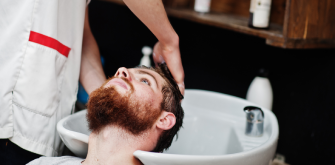
- Follow the clinic’s washing protocol: Most Turkish clinics provide a special foam or lotion and a mild shampoo, along with a day-by-day washing schedule. Typically, you will gently apply the foam, rinse with lukewarm water, and avoid direct water pressure on the grafts until your surgeon says it is safe.
- Avoid strenuous activity: Refrain from heavy exercise, bending, and lifting for at least 7–10 days to minimise bleeding, swelling, and pressure on the grafts.
- Stay away from heat and sun: Do not use saunas, steam rooms, or hot baths, and avoid direct sun exposure on your scalp. If you must go outside, use a loose, surgeon-approved hat once it is allowed.
- Do not smoke or drink alcohol: Both can impair blood flow and healing. Most surgeons recommend avoiding them for at least one week, or longer if possible.
- Manage itching and scabbing safely: Itching is common as the scalp heals. Use only the products recommended by your clinic and never pick at scabs, as this can dislodge grafts and increase scarring.
- Use travel time wisely: If you are flying home soon after surgery, follow your surgeon’s guidance on timing your flight, staying hydrated, and keeping your head elevated during the journey.
- Attend your early follow-up visit in Turkey: Many clinics schedule a check-up and the first professional wash within a few days. This visit allows the medical team to assess healing, answer questions, and adjust your aftercare plan if needed.
Your clinic will also explain what is normal (such as temporary shedding of transplanted hairs in the first weeks) and what should prompt urgent contact, including increasing pain, spreading redness, pus, or fever. By closely following the immediate post-procedure instructions you receive in Turkey, you help protect the new grafts and lay the foundation for strong, natural-looking growth in the months ahead.
Immediate Post-Procedure Care and Early Recovery in Turkey
Right after your FUE hair transplant in Turkey, the clinic team will clean the donor and recipient areas, apply protective dressings if needed, and review your personalised aftercare plan. You will usually receive written instructions along with prescribed medications such as antibiotics (to reduce infection risk), anti-inflammatory drugs (to limit swelling), and pain relievers (to manage discomfort). Mild redness, tightness, swelling around the forehead, and small scabs in the transplanted area are expected and typically improve within the first 7–10 days.
To support a smooth early recovery while you are still in Turkey, you will generally be advised to:
- Protect the grafts in the first 48–72 hours: Avoid touching, scratching, or rubbing the transplanted area. Do not wear tight hats or pull clothing over your head that might disturb the grafts.
- Sleep with your head elevated: Use extra pillows or a travel neck pillow for the first 3–5 nights to keep your head raised and help reduce swelling that can move down to the forehead or around the eyes.
- Follow the clinic’s washing protocol: Most Turkish clinics provide a special foam or lotion and a mild shampoo, along with a day-by-day washing schedule. Typically, you will gently apply the foam, rinse with lukewarm water, and avoid direct water pressure on the grafts until your surgeon says it is safe.
- Avoid strenuous activity: Refrain from heavy exercise, bending, and lifting for at least 7–10 days to minimise bleeding, swelling, and pressure on the grafts.
- Stay away from heat and sun: Do not use saunas, steam rooms, or hot baths, and avoid direct sun exposure on your scalp. If you must go outside, use a loose, surgeon-approved hat once it is allowed.
- Do not smoke or drink alcohol: Both can impair blood flow and healing. Most surgeons recommend avoiding them for at least one week, or longer if possible.
- Manage itching and scabbing safely: Itching is common as the scalp heals. Use only the products recommended by your clinic and never pick at scabs, as this can dislodge grafts and increase scarring.
- Use travel time wisely: If you are flying home soon after surgery, follow your surgeon’s guidance on timing your flight, staying hydrated, and keeping your head elevated during the journey.
- Attend your early follow-up visit in Turkey: Many clinics schedule a check-up and the first professional wash within a few days. This visit allows the medical team to assess healing, answer questions, and adjust your aftercare plan if needed.
Your clinic will also explain what is normal (such as temporary shedding of transplanted hairs in the first weeks) and what should prompt urgent contact, including increasing pain, spreading redness, pus, or fever. By closely following the immediate post-procedure instructions you receive in Turkey, you help protect the new grafts and lay the foundation for strong, natural-looking growth in the months ahead.
Follow-Up Checks, Shedding Phase, and Hair Growth Timeline
After your FUE hair transplant in Turkey, structured follow-up and understanding the normal growth cycle are key to achieving the best possible result.
Early Follow-Up Checks (First 2 Weeks)
- Day 1–3: Your surgeon or clinic team will usually see you to remove or change bandages, inspect the donor and recipient areas, and confirm there are no signs of infection, excessive swelling, or bleeding.
- Day 7–10: A check-up is often scheduled to review healing, assess scab formation, and guide you on how to gently wash your scalp and care for the grafts at home.
- End of Week 2: Most scabs have fallen off, redness is improving, and your doctor may clear you to gradually return to more normal activities, while still avoiding direct trauma or intense sun exposure.
The Shedding Phase (Shock Loss)
- Weeks 2–8: It is very common for the transplanted hairs to shed during this period. This is called "shock loss" and does not mean the grafts have failed.
- The hair shafts fall out, but the follicles remain safely in the scalp and enter a resting (telogen) phase before starting to grow again.
- You may also notice some temporary thinning of existing native hair around the transplant area; this usually recovers over time.
Hair Growth Timeline After FUE
- Months 3–4: Early regrowth begins. New hairs appear thin, soft, and sometimes uneven. Density may look patchy, which is normal at this stage.
- Months 6–9: Noticeable improvement. Hairs thicken, coverage increases, and the hairline starts to look more natural. Many patients see a major cosmetic change in this window.
- Months 9–12: Continued maturation. Hair shafts gain more thickness, texture improves, and density becomes more uniform.
- 12–18 Months: Final result. The full cosmetic outcome of your FUE transplant is usually visible by this time, especially in the hairline and crown areas, which can mature a bit more slowly.
Ongoing Check-Ups and Remote Follow-Up
- Most Turkish clinics schedule follow-up reviews at around 3, 6, and 12 months, either in person or via photo/video consultations if you have returned home.
- During these visits, your surgeon evaluates growth, density, and scalp health, and may recommend supportive treatments (such as PRP, medications, or topical therapies) to enhance and maintain your result.
- If you notice unusual pain, redness, swelling, pus, or sudden, severe shedding outside the expected timeline, you should contact your clinic immediately for advice.
By knowing what to expect from follow-up checks, the shedding phase, and the hair growth timeline, you can better track your progress and stay reassured throughout your FUE hair transplant journey in Turkey.
Follow-Up Checks, Shedding Phase, and Hair Growth Timeline
After your FUE hair transplant in Turkey, structured follow-up and understanding the normal growth cycle are key to achieving the best possible result.
Early Follow-Up Checks (First 2 Weeks)
- Day 1–3: Your surgeon or clinic team will usually see you to remove or change bandages, inspect the donor and recipient areas, and confirm there are no signs of infection, excessive swelling, or bleeding.
- Day 7–10: A check-up is often scheduled to review healing, assess scab formation, and guide you on how to gently wash your scalp and care for the grafts at home.
- End of Week 2: Most scabs have fallen off, redness is improving, and your doctor may clear you to gradually return to more normal activities, while still avoiding direct trauma or intense sun exposure.
The Shedding Phase (Shock Loss)
- Weeks 2–8: It is very common for the transplanted hairs to shed during this period. This is called "shock loss" and does not mean the grafts have failed.
- The hair shafts fall out, but the follicles remain safely in the scalp and enter a resting (telogen) phase before starting to grow again.
- You may also notice some temporary thinning of existing native hair around the transplant area; this usually recovers over time.
Hair Growth Timeline After FUE
- Months 3–4: Early regrowth begins. New hairs appear thin, soft, and sometimes uneven. Density may look patchy, which is normal at this stage.
- Months 6–9: Noticeable improvement. Hairs thicken, coverage increases, and the hairline starts to look more natural. Many patients see a major cosmetic change in this window.
- Months 9–12: Continued maturation. Hair shafts gain more thickness, texture improves, and density becomes more uniform.
- 12–18 Months: Final result. The full cosmetic outcome of your FUE transplant is usually visible by this time, especially in the hairline and crown areas, which can mature a bit more slowly.
Ongoing Check-Ups and Remote Follow-Up
- Most Turkish clinics schedule follow-up reviews at around 3, 6, and 12 months, either in person or via photo/video consultations if you have returned home.
- During these visits, your surgeon evaluates growth, density, and scalp health, and may recommend supportive treatments (such as PRP, medications, or topical therapies) to enhance and maintain your result.
- If you notice unusual pain, redness, swelling, pus, or sudden, severe shedding outside the expected timeline, you should contact your clinic immediately for advice.
By knowing what to expect from follow-up checks, the shedding phase, and the hair growth timeline, you can better track your progress and stay reassured throughout your FUE hair transplant journey in Turkey.
Your Heal Road consultant and Turkish hair transplant team can continue to guide your scalp care and hair growth progress long after you return home.
Returning Home and Long-Term Care for Your Transplanted Hair
Most patients fly home within a day or two after their FUE hair transplant in Turkey. By this time, your donor and recipient areas are usually stable enough for travel, and your Turkish clinic will give you clear written instructions and a care kit for the journey and the months ahead.
Traveling Home Safely:
- Protect your grafts: Avoid bumping your head when boarding the plane or placing luggage in overhead bins. Do not wear tight hats or anything that rubs the transplanted area unless your surgeon specifically approves a loose cap.
- Follow medication guidance: Take any prescribed pain relief, antibiotics, or anti-swelling medication exactly as directed, including during travel days.
- Stay hydrated and move: Drink water regularly and walk the aisle periodically on long flights to support circulation and reduce swelling.
The First 2 Weeks at Home:
- Washing and sleeping: Follow your clinic’s step-by-step washing routine and sleep with your head slightly elevated as instructed to protect the grafts and minimize swelling.
- Normal symptoms: Redness, mild swelling, tightness, and small scabs are expected. Do not pick or scratch; let scabs fall off naturally.
- Activity restrictions: Avoid heavy exercise, swimming, saunas, and direct sun on the scalp until your surgeon confirms it is safe.
Shedding and Early Growth (1–3 Months):
- Shedding phase: Many transplanted hairs fall out in the first few weeks. This is a normal part of the hair cycle and not a sign of failure.
- New hair emerging: Fine new hairs usually begin to appear from around the third month, gradually becoming thicker and more visible.
- Ongoing check-ins: Share clear photos with your Turkish surgeon as requested so they can monitor your progress and adjust advice if needed.
Maturation and Final Results (6–18 Months):
- Thickening and texture changes: Transplanted hair continues to thicken and blend with your natural hair over many months. Full results often take 12–18 months.
- Styling and grooming: Once your surgeon approves, you can cut, style, and treat transplanted hair much like the rest of your hair, but avoid harsh chemical treatments unless cleared by your doctor.
Long-Term Care for Your Transplanted and Existing Hair:
- Gentle hair care: Use mild shampoos, avoid aggressive brushing or very tight hairstyles, and protect your scalp from strong sun with a hat or sunscreen when allowed.
- Support for ongoing hair loss: Your non-transplanted hair may continue to thin. Discuss long-term options such as medications or PRP therapy with your surgeon or local doctor to maintain an even, natural look.
- Regular follow-up: Attend scheduled virtual or in-person reviews and contact your clinic promptly if you notice unusual pain, redness, or patchy loss of transplanted hair.
Returning Home and Long-Term Care for Your Transplanted Hair
Most patients fly home within a day or two after their FUE hair transplant in Turkey. By this time, your donor and recipient areas are usually stable enough for travel, and your Turkish clinic will give you clear written instructions and a care kit for the journey and the months ahead.
Traveling Home Safely:
- Protect your grafts: Avoid bumping your head when boarding the plane or placing luggage in overhead bins. Do not wear tight hats or anything that rubs the transplanted area unless your surgeon specifically approves a loose cap.
- Follow medication guidance: Take any prescribed pain relief, antibiotics, or anti-swelling medication exactly as directed, including during travel days.
- Stay hydrated and move: Drink water regularly and walk the aisle periodically on long flights to support circulation and reduce swelling.
The First 2 Weeks at Home:
- Washing and sleeping: Follow your clinic’s step-by-step washing routine and sleep with your head slightly elevated as instructed to protect the grafts and minimize swelling.
- Normal symptoms: Redness, mild swelling, tightness, and small scabs are expected. Do not pick or scratch; let scabs fall off naturally.
- Activity restrictions: Avoid heavy exercise, swimming, saunas, and direct sun on the scalp until your surgeon confirms it is safe.
Shedding and Early Growth (1–3 Months):
- Shedding phase: Many transplanted hairs fall out in the first few weeks. This is a normal part of the hair cycle and not a sign of failure.
- New hair emerging: Fine new hairs usually begin to appear from around the third month, gradually becoming thicker and more visible.
- Ongoing check-ins: Share clear photos with your Turkish surgeon as requested so they can monitor your progress and adjust advice if needed.
Maturation and Final Results (6–18 Months):
- Thickening and texture changes: Transplanted hair continues to thicken and blend with your natural hair over many months. Full results often take 12–18 months.
- Styling and grooming: Once your surgeon approves, you can cut, style, and treat transplanted hair much like the rest of your hair, but avoid harsh chemical treatments unless cleared by your doctor.
Long-Term Care for Your Transplanted and Existing Hair:
- Gentle hair care: Use mild shampoos, avoid aggressive brushing or very tight hairstyles, and protect your scalp from strong sun with a hat or sunscreen when allowed.
- Support for ongoing hair loss: Your non-transplanted hair may continue to thin. Discuss long-term options such as medications or PRP therapy with your surgeon or local doctor to maintain an even, natural look.
- Regular follow-up: Attend scheduled virtual or in-person reviews and contact your clinic promptly if you notice unusual pain, redness, or patchy loss of transplanted hair.
Your Heal Road consultant and Turkish hair transplant team can continue to guide your scalp care and hair growth progress long after you return home.
Key Tips for a Safe and Successful FUE Hair Transplant in Turkey
- Choose a reputable, specialized clinic: Look for clinics focused on hair restoration with experienced FUE surgeons, transparent before-and-after photos, and verifiable patient reviews. Check for international accreditations and membership in recognized hair transplant societies.
- Verify the surgeon’s direct involvement: Confirm who will design your hairline, perform graft extraction, and make recipient site incisions. A qualified doctor should oversee and carry out the critical steps, not just technicians.
- Ask detailed questions during consultation: Clarify your diagnosis (e.g., androgenetic alopecia), donor capacity, recommended graft number, technique (manual vs. motorized FUE, sapphire blades, DHI, etc.), anesthesia plan, and realistic coverage expectations.
- Be honest about your medical history: Inform your doctor about any chronic illnesses, allergies, medications (especially blood thinners), smoking, or previous surgeries. This helps reduce anesthesia risks, bleeding, and healing complications.
- Follow pre-operative instructions strictly: Avoid alcohol, smoking, and blood-thinning medications or supplements as advised. Follow guidance on hair washing, caffeine intake, and fasting if sedation is planned.
- Plan your travel and schedule wisely: Arrive in Turkey at least one day before surgery and stay several days after for washing sessions and check-ups. Avoid tight travel connections and strenuous sightseeing immediately after the procedure.
- Clarify what is included in your package: Confirm whether consultations, blood tests, medications, post-op shampoos, PRP (if offered), transfers, and accommodation are included. Ask about any potential extra costs.
- Prioritize safety over low prices: Be cautious of offers that seem unrealistically cheap or promise very high graft numbers without assessing your donor area. Quality, hygiene, and medical oversight are more important than bargain deals.
- Protect your scalp after surgery: Follow instructions on sleeping position, wearing a loose-fitting hat, and avoiding bumping or scratching the grafts. Keep your scalp out of direct sun and avoid sweating, saunas, and swimming until cleared.
- Adhere to the washing and care routine: Use only the recommended shampoo and lotions, and follow the step-by-step washing technique demonstrated by the clinic. Proper washing helps prevent scabbing, infection, and graft loss.
- Manage expectations and timeline: Understand that shedding of transplanted hairs in the first weeks is normal. Visible growth usually starts around 3–4 months, with final results taking 9–12 months or longer.
- Stay in touch with your clinic long term: Share regular photos during the first year and attend virtual or in-person follow-ups as advised. Report any unusual pain, redness, or discharge promptly so issues can be addressed early.
Key Tips for a Safe and Successful FUE Hair Transplant in Turkey
- Choose a reputable, specialized clinic: Look for clinics focused on hair restoration with experienced FUE surgeons, transparent before-and-after photos, and verifiable patient reviews. Check for international accreditations and membership in recognized hair transplant societies.
- Verify the surgeon’s direct involvement: Confirm who will design your hairline, perform graft extraction, and make recipient site incisions. A qualified doctor should oversee and carry out the critical steps, not just technicians.
- Ask detailed questions during consultation: Clarify your diagnosis (e.g., androgenetic alopecia), donor capacity, recommended graft number, technique (manual vs. motorized FUE, sapphire blades, DHI, etc.), anesthesia plan, and realistic coverage expectations.
- Be honest about your medical history: Inform your doctor about any chronic illnesses, allergies, medications (especially blood thinners), smoking, or previous surgeries. This helps reduce anesthesia risks, bleeding, and healing complications.
- Follow pre-operative instructions strictly: Avoid alcohol, smoking, and blood-thinning medications or supplements as advised. Follow guidance on hair washing, caffeine intake, and fasting if sedation is planned.
- Plan your travel and schedule wisely: Arrive in Turkey at least one day before surgery and stay several days after for washing sessions and check-ups. Avoid tight travel connections and strenuous sightseeing immediately after the procedure.
- Clarify what is included in your package: Confirm whether consultations, blood tests, medications, post-op shampoos, PRP (if offered), transfers, and accommodation are included. Ask about any potential extra costs.
- Prioritize safety over low prices: Be cautious of offers that seem unrealistically cheap or promise very high graft numbers without assessing your donor area. Quality, hygiene, and medical oversight are more important than bargain deals.
- Protect your scalp after surgery: Follow instructions on sleeping position, wearing a loose-fitting hat, and avoiding bumping or scratching the grafts. Keep your scalp out of direct sun and avoid sweating, saunas, and swimming until cleared.
- Adhere to the washing and care routine: Use only the recommended shampoo and lotions, and follow the step-by-step washing technique demonstrated by the clinic. Proper washing helps prevent scabbing, infection, and graft loss.
- Manage expectations and timeline: Understand that shedding of transplanted hairs in the first weeks is normal. Visible growth usually starts around 3–4 months, with final results taking 9–12 months or longer.
- Stay in touch with your clinic long term: Share regular photos during the first year and attend virtual or in-person follow-ups as advised. Report any unusual pain, redness, or discharge promptly so issues can be addressed early.
Conclusion


Article Contributors

Heal Road Editor
Editor

Heal Road Writer
Writer
- Views
- 205 views
- Reading Time
- Last Updated