 141 views
A Step-by-Step Guide to Gynecomastia Surgery in Turkey
Nereden Başlayacağını
Bilmiyor musun?
Doğru uzmanı en uygun fiyat garantisiyle bulun

Your Heal Road consultant can help you compare clinics and coordinate your pre-op and post-op follow-up.
Comprehensive Research and Choosing the Right Clinic
Planning gynecomastia surgery in Turkey starts with careful research and choosing a clinic you can trust. Turkey is a popular destination for cosmetic surgery, with experienced plastic surgeons and modern facilities in cities such as Istanbul, Ankara, Izmir, and Antalya. The right clinic and surgeon can significantly impact your safety, comfort, scarring, and final chest contour. Use the checklist below to compare options and make an informed decision.
Verify Surgeon Credentials and Relevant Experience
Look for a board-certified plastic, reconstructive, and aesthetic surgeon with specific experience in male breast reduction. Ask how many gynecomastia cases they perform annually and whether they routinely handle both liposuction-only and gland excision cases (many patients need a combination).
Clinic Accreditation, Safety Standards, and Anesthesia Team
Choose hospitals/clinics that follow recognized quality and safety standards (e.g., JCI, ISO, or reputable national healthcare accreditations). Confirm that anesthesia is provided by a qualified anesthesiologist and that the facility is equipped for emergencies.
Before-and-After Photos (Similar to Your Case)
Request clear, unedited before-and-after photos of patients with a similar body type and gynecomastia grade. Pay attention to nipple position, chest symmetry, contour smoothness, and scar placement.
Transparent Consultation and Treatment Plan
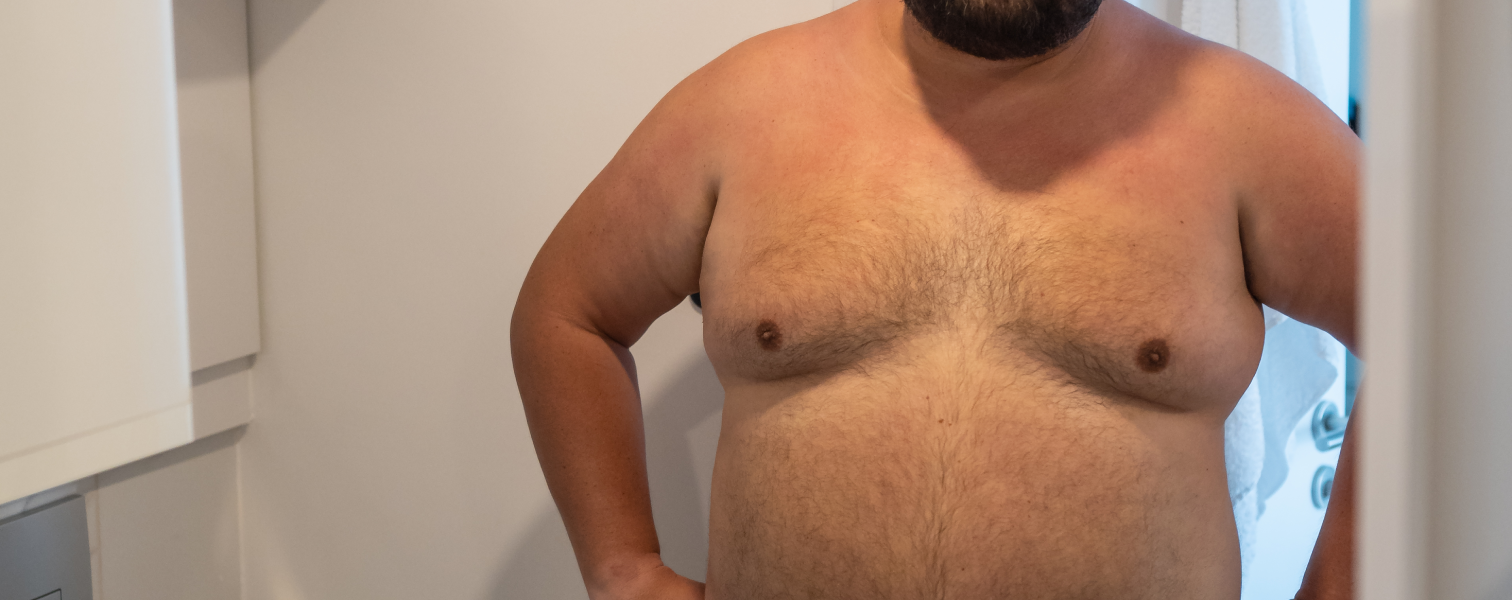
A reputable clinic will explain whether your gynecomastia appears primarily fatty (pseudogynecomastia), glandular, or mixed, and outline the recommended technique (liposuction, excision, or both). They should also discuss realistic outcomes, potential need for skin tightening, and expected scarring.
Reviews, Testimonials, and Communication Quality
Check reviews on independent platforms and look for consistent feedback about professionalism, cleanliness, aftercare, and responsiveness. Good communication especially for international patients should include clear pre-op instructions, a direct point of contact, and access to an interpreter if needed.
All-Inclusive Packages and What’s Actually Included
Many clinics offer packages that may include accommodation, airport transfers, medications, compression garments, follow-up visits, and translation services. Ask for a written breakdown of what is included and what may cost extra (e.g., blood tests, additional nights, revision policy).
Aftercare Plan and Follow-Up From Abroad
Confirm the post-op schedule (dressings, drain removal if used, garment duration, activity restrictions) and how follow-up works once you return home. A strong aftercare plan should include remote check-ins and clear guidance on warning signs that require urgent medical attention.
Comprehensive Research and Choosing the Right Clinic
Planning gynecomastia surgery in Turkey starts with careful research and choosing a clinic you can trust. Turkey is a popular destination for cosmetic surgery, with experienced plastic surgeons and modern facilities in cities such as Istanbul, Ankara, Izmir, and Antalya. The right clinic and surgeon can significantly impact your safety, comfort, scarring, and final chest contour. Use the checklist below to compare options and make an informed decision.
Your Heal Road consultant can help you compare clinics and coordinate your pre-op and post-op follow-up.
Verify Surgeon Credentials and Relevant Experience
Look for a board-certified plastic, reconstructive, and aesthetic surgeon with specific experience in male breast reduction. Ask how many gynecomastia cases they perform annually and whether they routinely handle both liposuction-only and gland excision cases (many patients need a combination).
Clinic Accreditation, Safety Standards, and Anesthesia Team
Choose hospitals/clinics that follow recognized quality and safety standards (e.g., JCI, ISO, or reputable national healthcare accreditations). Confirm that anesthesia is provided by a qualified anesthesiologist and that the facility is equipped for emergencies.
Before-and-After Photos (Similar to Your Case)
Request clear, unedited before-and-after photos of patients with a similar body type and gynecomastia grade. Pay attention to nipple position, chest symmetry, contour smoothness, and scar placement.
Transparent Consultation and Treatment Plan
A reputable clinic will explain whether your gynecomastia appears primarily fatty (pseudogynecomastia), glandular, or mixed, and outline the recommended technique (liposuction, excision, or both). They should also discuss realistic outcomes, potential need for skin tightening, and expected scarring.
Reviews, Testimonials, and Communication Quality
Check reviews on independent platforms and look for consistent feedback about professionalism, cleanliness, aftercare, and responsiveness. Good communication especially for international patients should include clear pre-op instructions, a direct point of contact, and access to an interpreter if needed.
All-Inclusive Packages and What’s Actually Included
Many clinics offer packages that may include accommodation, airport transfers, medications, compression garments, follow-up visits, and translation services. Ask for a written breakdown of what is included and what may cost extra (e.g., blood tests, additional nights, revision policy).
Aftercare Plan and Follow-Up From Abroad
Confirm the post-op schedule (dressings, drain removal if used, garment duration, activity restrictions) and how follow-up works once you return home. A strong aftercare plan should include remote check-ins and clear guidance on warning signs that require urgent medical attention.

Initial Virtual Consultation and Candidacy Assessment
After choosing a clinic and surgeon in Turkey, the next step is an initial virtual consultation. Many gynecomastia providers offer this remotely (often at no cost), allowing you to discuss your concerns, share photos, and get a preliminary plan before booking travel. The goal is to confirm whether surgery is appropriate, estimate the likely technique (liposuction, gland excision, or both), and align expectations around results and recovery.
Your Goals, Symptoms, and Timeline
You’ll be asked what bothers you most (puffy nipples, firm gland, asymmetry, excess skin), how long it has been present, and whether it changes with weight. Share your target timeline (work, sports, events) so the team can advise on realistic recovery milestones.
Medical History and Medication Review
Your surgeon will review medical conditions, prior chest surgery, allergies, smoking/vaping, and any history of bleeding/clotting issues. Be ready to list medications and supplements (including testosterone, anabolic steroids, finasteride, antidepressants, and herbal products), as some can contribute to breast tissue growth or affect surgical safety.
Photo/Video Assessment and Preliminary Surgical Plan
Most clinics will request clear, well-lit photos (front and both sides) and sometimes a short video. This helps estimate the degree of fat vs. gland, skin elasticity, nipple position, and asymmetry key factors in deciding whether you may need liposuction, gland excision, and/or skin tightening.
Ruling Out Non-Surgical Causes
If your history suggests a hormonal or medication-related cause, the surgeon may recommend a GP/endocrinology review and/or blood tests before proceeding. Surgery is typically best when gynecomastia is stable and underlying triggers are addressed to reduce the chance of recurrence.
Setting Expectations, Risks, and Next Steps
You’ll discuss expected contour changes, scar placement, and limits (e.g., perfect symmetry isn’t guaranteed). The clinic should outline common risks such as bruising, swelling, seroma, contour irregularities, altered nipple sensation, and the possibility of revision. If you’re a good candidate, you’ll receive a proposed treatment plan, travel timeline, and pre-op instructions (including smoking cessation and medication adjustments).
Initial Virtual Consultation and Candidacy Assessment
After choosing a clinic and surgeon in Turkey, the next step is an initial virtual consultation. Many gynecomastia providers offer this remotely (often at no cost), allowing you to discuss your concerns, share photos, and get a preliminary plan before booking travel. The goal is to confirm whether surgery is appropriate, estimate the likely technique (liposuction, gland excision, or both), and align expectations around results and recovery.
Your Goals, Symptoms, and Timeline
You’ll be asked what bothers you most (puffy nipples, firm gland, asymmetry, excess skin), how long it has been present, and whether it changes with weight. Share your target timeline (work, sports, events) so the team can advise on realistic recovery milestones.
Medical History and Medication Review
Your surgeon will review medical conditions, prior chest surgery, allergies, smoking/vaping, and any history of bleeding/clotting issues. Be ready to list medications and supplements (including testosterone, anabolic steroids, finasteride, antidepressants, and herbal products), as some can contribute to breast tissue growth or affect surgical safety.
Photo/Video Assessment and Preliminary Surgical Plan
Most clinics will request clear, well-lit photos (front and both sides) and sometimes a short video. This helps estimate the degree of fat vs. gland, skin elasticity, nipple position, and asymmetry key factors in deciding whether you may need liposuction, gland excision, and/or skin tightening.
Ruling Out Non-Surgical Causes
If your history suggests a hormonal or medication-related cause, the surgeon may recommend a GP/endocrinology review and/or blood tests before proceeding. Surgery is typically best when gynecomastia is stable and underlying triggers are addressed to reduce the chance of recurrence.
Setting Expectations, Risks, and Next Steps
You’ll discuss expected contour changes, scar placement, and limits (e.g., perfect symmetry isn’t guaranteed). The clinic should outline common risks such as bruising, swelling, seroma, contour irregularities, altered nipple sensation, and the possibility of revision. If you’re a good candidate, you’ll receive a proposed treatment plan, travel timeline, and pre-op instructions (including smoking cessation and medication adjustments).
| Pre-Op Step | Typical Timing |
|---|---|
| Blood tests (CBC, coagulation, biochemistry) | 7–14 days before |
| ECG ± chest X-ray (if indicated) | 7–14 days before |
| Medication & supplement review (stop blood thinners as advised) | 10–14 days before |
| Smoking & alcohol pause (to support healing) | 2–4 weeks before |
| Final surgical plan & markings (lipo vs gland excision) | Day of surgery |
Use our Calculation Module to Find Out
The Cost of Gynecomastia Surgery
Calculate My Cost
Pre-Op Testing, Medication Review, and Surgical Planning
Once you’ve been confirmed as a suitable candidate, your clinic will move into pre-operative testing, a detailed medication and supplement review, and surgical planning. This stage is designed to reduce anesthesia and bleeding risks, confirm the cause of breast enlargement, and tailor the technique to your anatomy.
Common pre-op tests may include:
- Blood tests (e.g., CBC, electrolytes, kidney/liver function, glucose, coagulation profile)
- ECG (especially if you’re over a certain age or have cardiac risk factors)
- Chest imaging or additional tests if your medical history suggests it
- Hormonal evaluation when indicated (to rule out endocrine causes of gynecomastia)
- Breast ultrasound if the surgeon needs to distinguish glandular tissue from fat or assess asymmetry
Your surgeon will also perform a medication and supplement safety check. Be ready to share everything you take, including over-the-counter products and herbal supplements. You may be advised to pause certain items that can increase bleeding risk or interact with anesthesia (for example, some anti-inflammatory painkillers, blood thinners, and specific supplements). Never stop prescription medication without explicit instructions from your surgeon or anesthesiologist.
Next comes surgical planning. Your surgeon will map out the approach based on whether your gynecomastia is primarily gland, fat, or a combination:
- Liposuction for fatty tissue and contouring
- Gland excision (often via a small incision at the areola edge) for firm glandular tissue
- Combined technique when both fat and gland are present (common)
- Skin tightening or skin removal if there is significant laxity after tissue reduction
During this appointment, you’ll typically review before-and-after expectations, incision placement and scarring, anesthesia type, compression garment use, and your recovery timeline in Turkey. Ask for your plan and package details in writing (what’s included, follow-ups, and who to contact after discharge), so you can travel with confidence and focus on healing.
Pre-Op Testing, Medication Review, and Surgical Planning
Once you’ve been confirmed as a suitable candidate, your clinic will move into pre-operative testing, a detailed medication and supplement review, and surgical planning. This stage is designed to reduce anesthesia and bleeding risks, confirm the cause of breast enlargement, and tailor the technique to your anatomy.
Common pre-op tests may include:
- Blood tests (e.g., CBC, electrolytes, kidney/liver function, glucose, coagulation profile)
- ECG (especially if you’re over a certain age or have cardiac risk factors)
- Chest imaging or additional tests if your medical history suggests it
- Hormonal evaluation when indicated (to rule out endocrine causes of gynecomastia)
- Breast ultrasound if the surgeon needs to distinguish glandular tissue from fat or assess asymmetry
Your surgeon will also perform a medication and supplement safety check. Be ready to share everything you take, including over-the-counter products and herbal supplements. You may be advised to pause certain items that can increase bleeding risk or interact with anesthesia (for example, some anti-inflammatory painkillers, blood thinners, and specific supplements). Never stop prescription medication without explicit instructions from your surgeon or anesthesiologist.
Next comes surgical planning. Your surgeon will map out the approach based on whether your gynecomastia is primarily gland, fat, or a combination:
- Liposuction for fatty tissue and contouring
- Gland excision (often via a small incision at the areola edge) for firm glandular tissue
- Combined technique when both fat and gland are present (common)
- Skin tightening or skin removal if there is significant laxity after tissue reduction
During this appointment, you’ll typically review before-and-after expectations, incision placement and scarring, anesthesia type, compression garment use, and your recovery timeline in Turkey. Ask for your plan and package details in writing (what’s included, follow-ups, and who to contact after discharge), so you can travel with confidence and focus on healing.
| Pre-Op Step | Typical Timing |
|---|---|
| Blood tests (CBC, coagulation, biochemistry) | 7–14 days before |
| ECG ± chest X-ray (if indicated) | 7–14 days before |
| Medication & supplement review (stop blood thinners as advised) | 10–14 days before |
| Smoking & alcohol pause (to support healing) | 2–4 weeks before |
| Final surgical plan & markings (lipo vs gland excision) | Day of surgery |
Use our Calculation Module to Find Out
The Cost of Gynecomastia Surgery
Calculate My Cost
 Share
ShareDetails

 Travel to Turkey
 Pre-Surgery
Prep
Traveling to Turkey and Pre-Surgery Preparations
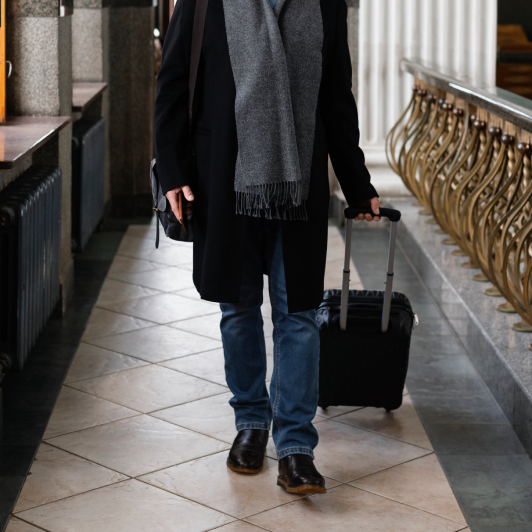
Once your gynecomastia surgery plan is confirmed, your clinic will typically help coordinate the travel details to make your arrival and pre-op period as smooth as possible. Many patients are met at the airport by a coordinator and transferred to their hotel or clinic-arranged accommodation. Before surgery, you will attend a pre-operative consultation to review your goals, confirm the surgical approach (liposuction, gland excision, or both), and ensure you are medically ready for anesthesia.
What to Arrange Before You Fly
To avoid last-minute delays, prepare your documents and health information in advance:
- Medical history: list of conditions, prior surgeries, allergies, and any previous chest procedures.
- Medications and supplements: include blood thinners, aspirin/NSAIDs, testosterone or anabolic steroid use, and herbal supplements.
- Travel planning: allow enough time in Turkey for assessment, surgery, and early follow-up before flying home.
- Comfort items: loose, front-opening tops, comfortable clothing, and any prescribed compression garment if advised.
Pre-Operative Assessment in Turkey
Your in-person pre-op visit usually includes a physical examination of the chest, review of photos and expectations, and a discussion of incision placement and scar care. Routine checks may include vital signs and blood tests (e.g., complete blood count and coagulation profile) and any additional testing your anesthetist deems necessary to confirm you are fit for surgery.
Pre-Surgery Instructions (Typical)
- Fasting: follow the clinic’s instructions on when to stop eating and drinking before anesthesia.
- Medication adjustments: you may be asked to stop certain medicines or supplements that increase bleeding risk only do so under medical guidance.
- Smoking and alcohol: avoiding both before surgery can support safer anesthesia and better healing.
- Hygiene: shower as instructed and avoid applying lotions or deodorant on the day of surgery if advised.
If you develop a cold, fever, skin infection, or any new medical issue before your operation, inform your coordinator promptly so your team can advise you safely.
Traveling to Turkey and Pre-Surgery Preparations
Once your gynecomastia surgery plan is confirmed, your clinic will typically help coordinate the travel details to make your arrival and pre-op period as smooth as possible. Many patients are met at the airport by a coordinator and transferred to their hotel or clinic-arranged accommodation. Before surgery, you will attend a pre-operative consultation to review your goals, confirm the surgical approach (liposuction, gland excision, or both), and ensure you are medically ready for anesthesia.
ShareDetails
Travel to Turkey
Pre-SurgeryPrep
What to Arrange Before You Fly
To avoid last-minute delays, prepare your documents and health information in advance:
- Medical history: list of conditions, prior surgeries, allergies, and any previous chest procedures.
- Medications and supplements: include blood thinners, aspirin/NSAIDs, testosterone or anabolic steroid use, and herbal supplements.
- Travel planning: allow enough time in Turkey for assessment, surgery, and early follow-up before flying home.
- Comfort items: loose, front-opening tops, comfortable clothing, and any prescribed compression garment if advised.
Pre-Operative Assessment in Turkey
Your in-person pre-op visit usually includes a physical examination of the chest, review of photos and expectations, and a discussion of incision placement and scar care. Routine checks may include vital signs and blood tests (e.g., complete blood count and coagulation profile) and any additional testing your anesthetist deems necessary to confirm you are fit for surgery.
Pre-Surgery Instructions (Typical)
- Fasting: follow the clinic’s instructions on when to stop eating and drinking before anesthesia.
- Medication adjustments: you may be asked to stop certain medicines or supplements that increase bleeding risk only do so under medical guidance.
- Smoking and alcohol: avoiding both before surgery can support safer anesthesia and better healing.
- Hygiene: shower as instructed and avoid applying lotions or deodorant on the day of surgery if advised.
If you develop a cold, fever, skin infection, or any new medical issue before your operation, inform your coordinator promptly so your team can advise you safely.
Gynecomastia Surgery Day – What Happens


08:00
Check-in &Marking
09:00
Anesthesia &Prep
10:00-12:30
Liposuction &Gland Removal
14:00
Recovery &Discharge
You arrive at the clinic, complete final paperwork, have vitals checked, and the surgeon marks the chest while you’re standing to map the contour.
The anesthesia team reviews your plan; most patients have general anesthesia (or deep sedation in select cases) and you’re prepped in the operating room.
Through small incisions, excess fat is removed with liposuction and firm gland tissue is excised if needed; the chest is sculpted for a flatter, natural shape.
You wake in recovery, a compression garment is fitted (and drains if used), pain control is reviewed, and you’re discharged to your hotel with aftercare instructions.
Gynecomastia Surgery Day: What Happens
Gynecomastia surgery is usually performed as a day-case procedure in Turkey, meaning you can often return to your hotel the same day. Surgery commonly takes 1–2.5 hours, depending on whether you need liposuction, gland excision, or a combination approach.
1) Check-in & final assessment
On arrival, the team confirms your medical history, medications, allergies, and fasting status. Your surgeon will review the plan, answer last-minute questions, and take pre-op photos if needed.
2) Marking & surgical planning
With you standing, the surgeon marks the chest to map out the areas of excess fat and gland tissue and to plan incision placement and symmetry.
3) Anesthesia
Most patients have general anesthesia for comfort. In selected cases, surgery may be done with local anesthesia plus sedation. Your anesthetist monitors you throughout.
4) The procedure (lipo, excision, or both)
- Liposuction: Small incisions allow a cannula to remove fatty tissue and contour the chest.
- Gland excision: Firm gland tissue is removed, typically through a discreet incision at the edge of the areola.
- Skin tightening (if required): If there is significant skin excess, additional techniques may be recommended to improve chest shape.
5) Dressing, compression garment & drains (sometimes)
At the end of surgery, your incisions are dressed and you are fitted with a compression vest to reduce swelling and support healing. Some patients may have small drains for a short period, depending on the extent of tissue removal.
6) Recovery room monitoring
You’ll wake in the recovery area where nurses monitor your vital signs, pain control, and any nausea. Once stable, you’ll be encouraged to drink fluids and walk briefly with assistance.
7) Discharge instructions & same-day support
Before you leave, you’ll receive written aftercare instructions and prescriptions (if needed). The team will explain how to wear the compression garment, how to care for dressings, what activity to avoid, and when your follow-up check is scheduled.
Tip: Arrange comfortable transport back to your accommodation and plan a quiet evening mild soreness, tightness, and swelling are expected on the first day.
Gynecomastia Surgery Day: What Happens
Gynecomastia surgery is usually performed as a day-case procedure in Turkey, meaning you can often return to your hotel the same day. Surgery commonly takes 1–2.5 hours, depending on whether you need liposuction, gland excision, or a combination approach.
Gynecomastia Surgery Day – What Happens
08:00
Check-in &Marking
09:00
Anesthesia &Prep
10:00-12:30
Liposuction &Gland Removal
14:00
Recovery &Discharge
You arrive at the clinic, complete final paperwork, have vitals checked, and the surgeon marks the chest while you’re standing to map the contour.
The anesthesia team reviews your plan; most patients have general anesthesia (or deep sedation in select cases) and you’re prepped in the operating room.
Through small incisions, excess fat is removed with liposuction and firm gland tissue is excised if needed; the chest is sculpted for a flatter, natural shape.
You wake in recovery, a compression garment is fitted (and drains if used), pain control is reviewed, and you’re discharged to your hotel with aftercare instructions.
1) Check-in & final assessment
On arrival, the team confirms your medical history, medications, allergies, and fasting status. Your surgeon will review the plan, answer last-minute questions, and take pre-op photos if needed.
2) Marking & surgical planning
With you standing, the surgeon marks the chest to map out the areas of excess fat and gland tissue and to plan incision placement and symmetry.
3) Anesthesia
Most patients have general anesthesia for comfort. In selected cases, surgery may be done with local anesthesia plus sedation. Your anesthetist monitors you throughout.
4) The procedure (lipo, excision, or both)
- Liposuction: Small incisions allow a cannula to remove fatty tissue and contour the chest.
- Gland excision: Firm gland tissue is removed, typically through a discreet incision at the edge of the areola.
- Skin tightening (if required): If there is significant skin excess, additional techniques may be recommended to improve chest shape.
5) Dressing, compression garment & drains (sometimes)
At the end of surgery, your incisions are dressed and you are fitted with a compression vest to reduce swelling and support healing. Some patients may have small drains for a short period, depending on the extent of tissue removal.
6) Recovery room monitoring
You’ll wake in the recovery area where nurses monitor your vital signs, pain control, and any nausea. Once stable, you’ll be encouraged to drink fluids and walk briefly with assistance.
7) Discharge instructions & same-day support
Before you leave, you’ll receive written aftercare instructions and prescriptions (if needed). The team will explain how to wear the compression garment, how to care for dressings, what activity to avoid, and when your follow-up check is scheduled.
Tip: Arrange comfortable transport back to your accommodation and plan a quiet evening mild soreness, tightness, and swelling are expected on the first day.
Immediate Post-Op Care, Compression Garment, and Early Recovery
After gynecomastia surgery in Turkey, your surgeon will provide a tailored aftercare plan and may prescribe medications such as antibiotics, anti-inflammatories, and pain relievers. Mild swelling, bruising, tightness, and temporary numbness across the chest are common in the first days and typically improve gradually. Your main goals during early recovery are to protect the surgical area, control swelling, and support proper chest contouring.
- Compression garment: Wear your compression vest exactly as instructed (often day and night initially). It helps reduce swelling, supports the tissues as they heal, and can improve contour. Remove it only for brief hygiene breaks if permitted.
- Drain care (if used): Some patients go home with small drains. Keep the sites clean and dry, measure output as directed, and report sudden increases, foul odor, or fever.
- Incision care: Keep dressings in place and follow instructions for showering. Avoid soaking (baths, pools, sea) until your surgeon confirms it’s safe.
- Swelling and bruising control: Sleep on your back with your upper body elevated for the first several nights. Use cold compresses only if your surgeon approves and never place ice directly on the skin.
- Activity restrictions: Gentle walking is encouraged, but avoid heavy lifting, pushing/pulling, and chest workouts until cleared. Sudden arm movements can increase bleeding risk and swelling.
- Pain management: Take medications as prescribed. Avoid aspirin or other blood-thinning products unless your surgeon specifically allows them.
- Smoking and alcohol: Avoid smoking/vaping and limit alcohol, as both can delay healing and raise complication risk.
- When to contact your clinic: Seek urgent advice for rapidly increasing swelling on one side, severe pain not controlled by medication, significant bleeding, shortness of breath, fever, spreading redness, or pus-like drainage.
- Follow-up schedule: Attend all post-op checks for dressing changes, drain removal (if applicable), and monitoring of your chest shape and healing progress.
Most patients can return to light daily activities within several days, while more strenuous exercise and upper-body training typically require a longer pause. Your surgeon will guide you based on the extent of gland removal, liposuction, and your individual healing response.
Immediate Post-Op Care, Compression Garment, and Early Recovery
After gynecomastia surgery in Turkey, your surgeon will provide a tailored aftercare plan and may prescribe medications such as antibiotics, anti-inflammatories, and pain relievers. Mild swelling, bruising, tightness, and temporary numbness across the chest are common in the first days and typically improve gradually. Your main goals during early recovery are to protect the surgical area, control swelling, and support proper chest contouring.
- Compression garment: Wear your compression vest exactly as instructed (often day and night initially). It helps reduce swelling, supports the tissues as they heal, and can improve contour. Remove it only for brief hygiene breaks if permitted.
- Drain care (if used): Some patients go home with small drains. Keep the sites clean and dry, measure output as directed, and report sudden increases, foul odor, or fever.
- Incision care: Keep dressings in place and follow instructions for showering. Avoid soaking (baths, pools, sea) until your surgeon confirms it’s safe.
- Swelling and bruising control: Sleep on your back with your upper body elevated for the first several nights. Use cold compresses only if your surgeon approves and never place ice directly on the skin.
- Activity restrictions: Gentle walking is encouraged, but avoid heavy lifting, pushing/pulling, and chest workouts until cleared. Sudden arm movements can increase bleeding risk and swelling.
- Pain management: Take medications as prescribed. Avoid aspirin or other blood-thinning products unless your surgeon specifically allows them.
- Smoking and alcohol: Avoid smoking/vaping and limit alcohol, as both can delay healing and raise complication risk.
- When to contact your clinic: Seek urgent advice for rapidly increasing swelling on one side, severe pain not controlled by medication, significant bleeding, shortness of breath, fever, spreading redness, or pus-like drainage.
- Follow-up schedule: Attend all post-op checks for dressing changes, drain removal (if applicable), and monitoring of your chest shape and healing progress.
Most patients can return to light daily activities within several days, while more strenuous exercise and upper-body training typically require a longer pause. Your surgeon will guide you based on the extent of gland removal, liposuction, and your individual healing response.

Follow-Up Visits, Drain Removal, and Monitoring Healing
Follow-up appointments after gynecomastia surgery in Turkey are used to confirm that swelling and bruising are progressing normally, your incisions are healing well, and your chest contour is developing as planned. Your surgeon will also review your compression garment use and update your activity restrictions.
- First post-op check: Typically within the first few days to assess dressings, incision sites, and early swelling, and to ensure there are no signs of bleeding, fluid collection, or infection.
- Drain removal (if used): Some patients have small drains to reduce fluid build-up. These are usually removed once output is low and stable, often within a few days. Your team will explain how to measure drainage and keep the area clean until removal.
- Suture or wound care review: If non-dissolving stitches are used, they may be removed at a scheduled visit. Otherwise, your surgeon will confirm that dissolvable sutures and incision tapes are healing appropriately.
- Monitoring for seroma/hematoma: Your surgeon will check for fluid pockets or firm collections. If a seroma develops, it may be managed with observation, continued compression, or in-office aspiration when appropriate.
- Compression garment guidance: You’ll be told how long to wear compression each day and when you can transition to lighter support. Proper compression can help control swelling and support contouring.
- Scar management plan: Once incisions are closed, your clinic may recommend silicone gel/sheets, gentle massage, and sun protection to optimize scar appearance.
- Activity progression: Your surgeon will advise when you can return to work, driving, and exercise. Heavy lifting and chest workouts are usually delayed until healing is secure.
Contact your clinic promptly if you notice increasing one-sided swelling, worsening pain, fever, spreading redness, foul-smelling drainage, shortness of breath, or sudden chest tightness. These symptoms may require urgent assessment.
Final results are gradual: swelling can take weeks to settle, and chest definition continues to refine over several months. Keeping your scheduled follow-ups either in person while you’re in Turkey or via remote check-ins after you return home helps ensure a safe recovery and the best possible outcome.
Follow-Up Visits, Drain Removal, and Monitoring Healing
Follow-up appointments after gynecomastia surgery in Turkey are used to confirm that swelling and bruising are progressing normally, your incisions are healing well, and your chest contour is developing as planned. Your surgeon will also review your compression garment use and update your activity restrictions.
- First post-op check: Typically within the first few days to assess dressings, incision sites, and early swelling, and to ensure there are no signs of bleeding, fluid collection, or infection.
- Drain removal (if used): Some patients have small drains to reduce fluid build-up. These are usually removed once output is low and stable, often within a few days. Your team will explain how to measure drainage and keep the area clean until removal.
- Suture or wound care review: If non-dissolving stitches are used, they may be removed at a scheduled visit. Otherwise, your surgeon will confirm that dissolvable sutures and incision tapes are healing appropriately.
- Monitoring for seroma/hematoma: Your surgeon will check for fluid pockets or firm collections. If a seroma develops, it may be managed with observation, continued compression, or in-office aspiration when appropriate.
- Compression garment guidance: You’ll be told how long to wear compression each day and when you can transition to lighter support. Proper compression can help control swelling and support contouring.
- Scar management plan: Once incisions are closed, your clinic may recommend silicone gel/sheets, gentle massage, and sun protection to optimize scar appearance.
- Activity progression: Your surgeon will advise when you can return to work, driving, and exercise. Heavy lifting and chest workouts are usually delayed until healing is secure.
Contact your clinic promptly if you notice increasing one-sided swelling, worsening pain, fever, spreading redness, foul-smelling drainage, shortness of breath, or sudden chest tightness. These symptoms may require urgent assessment.
Final results are gradual: swelling can take weeks to settle, and chest definition continues to refine over several months. Keeping your scheduled follow-ups either in person while you’re in Turkey or via remote check-ins after you return home helps ensure a safe recovery and the best possible outcome.
Your Heal Road consultant can help coordinate remote follow-ups and guide you through your aftercare plan once you return home.
Heading Home: Aftercare, Activity Timeline, and Scar Management
Most patients can travel home a few days after gynecomastia surgery in Turkey, provided your surgeon has cleared you and your early check-up is complete. Before you fly, confirm your medication plan, compression garment instructions, and how to reach your clinic for remote follow-ups. If you notice increasing pain, rapidly worsening swelling, fever, shortness of breath, or one-sided calf pain, seek urgent medical care.
Immediate Aftercare (First 48–72 Hours):
- Compression garment: Wear it exactly as prescribed to reduce swelling and support skin retraction.
- Swelling and bruising: Expected and usually peaks in the first few days.
- Drain care (if used): Keep sites clean and dry; record output if your team requests it.
- Sleep position: Rest on your back with your upper body slightly elevated.
- Medications: Take pain relief and any antibiotics as directed; avoid non-approved blood thinners or supplements unless your surgeon says otherwise.
Activity Timeline (General Guide):
- Days 1–7: Gentle walking is encouraged. Avoid lifting, pushing, pulling, and raising elbows above shoulder height. No driving while taking strong pain medication.
- Weeks 2–3: Many patients return to desk work if discomfort is controlled. Continue garment use as instructed. Light lower-body activity may be allowed if swelling is stable.
- Weeks 4–6: Gradual return to training; start with low-impact cardio and light resistance. Avoid heavy chest exercises until your surgeon approves.
- After 6–8 weeks: Most patients can resume full workouts, including chest-focused lifting, depending on healing and any liposuction extent.
Note: Your exact timeline depends on whether your procedure involved liposuction only, gland excision, skin tightening, or a combination.
Wound Care and Showering:
- Follow your clinic’s instructions on when to remove dressings and when showering is permitted.
- Keep incisions clean and dry; avoid soaking (baths, pools, sea) until cleared.
- Do not pick at scabs; let them fall off naturally to reduce scarring risk.
Scar Management (From Week 2 Onward, If Cleared):
- Silicone therapy: Silicone gel or sheets can help flatten and soften scars when used consistently.
- Massage: Gentle scar massage may be recommended once incisions are fully closed.
- Sun protection: Protect scars from UV exposure for at least 6–12 months (clothing and/or high-SPF) to prevent darkening.
- Patience: Scars typically look more noticeable before they improve; maturation often takes several months.
What’s Normal vs. When to Call Your Surgeon:
- Often normal: Mild asymmetry early on, firmness, numbness around the areola, and fluctuating swelling.
- Contact your clinic promptly: Sudden swelling on one side, significant bleeding, worsening redness/heat, foul drainage, fever, or severe pain not controlled by medication.
Your final contour develops gradually as swelling settles and tissues soften many patients see meaningful improvement by 6–12 weeks, with refinement continuing for several months.
Heading Home: Aftercare, Activity Timeline, and Scar Management
Most patients can travel home a few days after gynecomastia surgery in Turkey, provided your surgeon has cleared you and your early check-up is complete. Before you fly, confirm your medication plan, compression garment instructions, and how to reach your clinic for remote follow-ups. If you notice increasing pain, rapidly worsening swelling, fever, shortness of breath, or one-sided calf pain, seek urgent medical care.
Immediate Aftercare (First 48–72 Hours):
- Compression garment: Wear it exactly as prescribed to reduce swelling and support skin retraction.
- Swelling and bruising: Expected and usually peaks in the first few days.
- Drain care (if used): Keep sites clean and dry; record output if your team requests it.
- Sleep position: Rest on your back with your upper body slightly elevated.
- Medications: Take pain relief and any antibiotics as directed; avoid non-approved blood thinners or supplements unless your surgeon says otherwise.
Activity Timeline (General Guide):
- Days 1–7: Gentle walking is encouraged. Avoid lifting, pushing, pulling, and raising elbows above shoulder height. No driving while taking strong pain medication.
- Weeks 2–3: Many patients return to desk work if discomfort is controlled. Continue garment use as instructed. Light lower-body activity may be allowed if swelling is stable.
- Weeks 4–6: Gradual return to training; start with low-impact cardio and light resistance. Avoid heavy chest exercises until your surgeon approves.
- After 6–8 weeks: Most patients can resume full workouts, including chest-focused lifting, depending on healing and any liposuction extent.
Note: Your exact timeline depends on whether your procedure involved liposuction only, gland excision, skin tightening, or a combination.
Wound Care and Showering:
- Follow your clinic’s instructions on when to remove dressings and when showering is permitted.
- Keep incisions clean and dry; avoid soaking (baths, pools, sea) until cleared.
- Do not pick at scabs; let them fall off naturally to reduce scarring risk.
Scar Management (From Week 2 Onward, If Cleared):
- Silicone therapy: Silicone gel or sheets can help flatten and soften scars when used consistently.
- Massage: Gentle scar massage may be recommended once incisions are fully closed.
- Sun protection: Protect scars from UV exposure for at least 6–12 months (clothing and/or high-SPF) to prevent darkening.
- Patience: Scars typically look more noticeable before they improve; maturation often takes several months.
What’s Normal vs. When to Call Your Surgeon:
- Often normal: Mild asymmetry early on, firmness, numbness around the areola, and fluctuating swelling.
- Contact your clinic promptly: Sudden swelling on one side, significant bleeding, worsening redness/heat, foul drainage, fever, or severe pain not controlled by medication.
Your final contour develops gradually as swelling settles and tissues soften many patients see meaningful improvement by 6–12 weeks, with refinement continuing for several months.
Your Heal Road consultant can help coordinate remote follow-ups and guide you through your aftercare plan once you return home.

Essential Tips for a Successful Gynecomastia Surgery Experience in Turkey
- Choose a board-certified, experienced surgeon: Prioritize a plastic surgeon with extensive gynecomastia experience (gland excision and liposuction techniques). Ask how many gynecomastia cases they perform yearly and request consistent before-and-after photos of patients with a similar chest type.
- Verify clinic standards and safety protocols: Confirm the facility is properly licensed and that anesthesia is administered by a qualified anesthesiologist. Ask about emergency preparedness, infection-control measures, and whether your procedure is performed in a hospital or accredited surgical center.
- Be transparent about your medical history and medications: Share all conditions, supplements, and prescriptions (including testosterone, finasteride, antidepressants, and blood thinners). Disclose smoking/vaping, alcohol use, and any prior chest surgery to reduce complication risks.
- Clarify the surgical plan and what’s included: Confirm whether your surgery involves liposuction, gland removal, skin tightening, or nipple/areola repositioning. Ask about scar placement, drain use, compression garment duration, pathology testing of removed tissue, and what follow-up visits are included in the package.
- Time your trip for proper recovery and follow-up: Plan to stay in Turkey long enough for early checks and safe travel (often 5–10 days depending on technique and whether drains are used). Avoid scheduling long flights immediately after surgery if you can.
- Follow pre-op instructions precisely: Stop smoking/nicotine as advised, avoid alcohol close to surgery, and pause blood-thinning medications/supplements only with your surgeon’s approval. Follow fasting rules and shower/skin-prep instructions to lower infection risk.
- Prepare for comfort and mobility after surgery: Bring button-up shirts, loose clothing, and any prescribed compression garment if requested. Arrange airport transfers, keep essentials within reach at your accommodation, and plan for light walking (as permitted) to support circulation.
- Commit to post-op care and activity restrictions: Wear the compression vest as directed, keep incisions clean/dry, and take medications exactly as prescribed. Avoid heavy lifting, chest workouts, and overhead movements until cleared to reduce swelling, bleeding, and contour irregularities.
- Know what’s normal vs. warning signs: Expect swelling, bruising, temporary numbness, and firmness that can last weeks. Contact your clinic urgently for fever, worsening redness, sudden one-sided swelling, severe pain, shortness of breath, or fluid leakage with a foul odor.
- Set realistic expectations for final results: Early results can look uneven due to swelling; the chest typically refines over 3–6 months (sometimes longer). Minor asymmetry can be normal discuss revision policies and timelines before booking.
Essential Tips for a Successful Gynecomastia Surgery Experience in Turkey
- Choose a board-certified, experienced surgeon: Prioritize a plastic surgeon with extensive gynecomastia experience (gland excision and liposuction techniques). Ask how many gynecomastia cases they perform yearly and request consistent before-and-after photos of patients with a similar chest type.
- Verify clinic standards and safety protocols: Confirm the facility is properly licensed and that anesthesia is administered by a qualified anesthesiologist. Ask about emergency preparedness, infection-control measures, and whether your procedure is performed in a hospital or accredited surgical center.
- Be transparent about your medical history and medications: Share all conditions, supplements, and prescriptions (including testosterone, finasteride, antidepressants, and blood thinners). Disclose smoking/vaping, alcohol use, and any prior chest surgery to reduce complication risks.
- Clarify the surgical plan and what’s included: Confirm whether your surgery involves liposuction, gland removal, skin tightening, or nipple/areola repositioning. Ask about scar placement, drain use, compression garment duration, pathology testing of removed tissue, and what follow-up visits are included in the package.
- Time your trip for proper recovery and follow-up: Plan to stay in Turkey long enough for early checks and safe travel (often 5–10 days depending on technique and whether drains are used). Avoid scheduling long flights immediately after surgery if you can.
- Follow pre-op instructions precisely: Stop smoking/nicotine as advised, avoid alcohol close to surgery, and pause blood-thinning medications/supplements only with your surgeon’s approval. Follow fasting rules and shower/skin-prep instructions to lower infection risk.
- Prepare for comfort and mobility after surgery: Bring button-up shirts, loose clothing, and any prescribed compression garment if requested. Arrange airport transfers, keep essentials within reach at your accommodation, and plan for light walking (as permitted) to support circulation.
- Commit to post-op care and activity restrictions: Wear the compression vest as directed, keep incisions clean/dry, and take medications exactly as prescribed. Avoid heavy lifting, chest workouts, and overhead movements until cleared to reduce swelling, bleeding, and contour irregularities.
- Know what’s normal vs. warning signs: Expect swelling, bruising, temporary numbness, and firmness that can last weeks. Contact your clinic urgently for fever, worsening redness, sudden one-sided swelling, severe pain, shortness of breath, or fluid leakage with a foul odor.
- Set realistic expectations for final results: Early results can look uneven due to swelling; the chest typically refines over 3–6 months (sometimes longer). Minor asymmetry can be normal discuss revision policies and timelines before booking.
Conclusion


Article Contributors

Heal Road Editor
Editor

Heal Road Writer
Writer
- Views
- 141 views
- Reading Time
- Last Updated