 160 views
A Step-by-Step Guide to Laser Lipolysis in Turkey
Nereden Başlayacağını
Bilmiyor musun?
Doğru uzmanı en uygun fiyat garantisiyle bulun

Your Heal Road consultant can help you compare clinics and plan your treatment journey in Turkey.
In-Depth Research and Selecting the Right Laser Lipolysis Clinic
Before starting your laser lipolysis journey in Turkey, invest time in careful research and choose a clinic that prioritizes safety, medical standards, and realistic outcomes. Turkey is a popular destination for aesthetic treatments, with well-established clinics in Istanbul, Ankara, Antalya, and Izmir. The right provider will guide you through candidacy, expected results, and aftercare helping you achieve smoother contours with minimal downtime.
Use the checklist below to compare clinics and make an informed decision.
Doctor Credentials and Relevant Experience:
Confirm the procedure is performed (or directly supervised) by a qualified physician with specific experience in laser-assisted fat reduction and body contouring. Ask how many laser lipolysis cases they perform monthly, which body areas they treat most often, and how they handle complications.
Clinic Accreditation, Hygiene, and Safety Protocols:
Choose facilities that follow recognized quality standards (e.g., JCI, ISO, or national health authority regulations). Ensure the clinic has clear protocols for sterilization, emergency preparedness, and post-procedure monitoring.
Technology and Treatment Approach:
Ask which laser platform is used and whether the clinic tailors settings to your skin type and treatment area. A reputable provider will explain whether your plan involves laser lipolysis alone or combination approaches (e.g., skin tightening support) and why.
Candidacy Screening and Medical Evaluation:
A trustworthy clinic will screen for contraindications and set realistic expectations. Expect questions about your medical history, medications (including blood thinners), smoking status, and prior body procedures. Avoid clinics that offer a “one-size-fits-all” plan without assessment.
Before-and-After Photos (Comparable Cases):
Request before-and-after photos of patients with a similar body type and the same target area. Look for consistent lighting/angles and natural results rather than heavily edited images.
Verified Reviews and Patient Testimonials:
Check independent platforms for feedback on communication, pain control, cleanliness, follow-up care, and how the clinic responds if swelling, bruising, or unevenness occurs. Consistent, detailed reviews are more reliable than generic praise.
Transparent Pricing and What’s Included:
Request a written quote that clearly lists what is included (consultation, procedure fees, compression garments if needed, medications, follow-ups, and any revision policy). Many clinics offer packages with accommodation and transfers confirm there are no hidden costs.
Aftercare Plan and Follow-Up Access:
Laser lipolysis results evolve over weeks. Ensure you receive clear instructions for activity, compression (if recommended), massage/lymphatic drainage guidance (if advised), and warning signs to watch for. Confirm how you can reach the medical team after you return home.
- Tip: Ask for a pre-travel video consultation and a written treatment plan outlining the target areas, expected timeline, and recovery milestones.
In-Depth Research and Selecting the Right Laser Lipolysis Clinic
Before starting your laser lipolysis journey in Turkey, invest time in careful research and choose a clinic that prioritizes safety, medical standards, and realistic outcomes. Turkey is a popular destination for aesthetic treatments, with well-established clinics in Istanbul, Ankara, Antalya, and Izmir. The right provider will guide you through candidacy, expected results, and aftercare helping you achieve smoother contours with minimal downtime.
Use the checklist below to compare clinics and make an informed decision.
Your Heal Road consultant can help you compare clinics and plan your treatment journey in Turkey.
Doctor Credentials and Relevant Experience:
Confirm the procedure is performed (or directly supervised) by a qualified physician with specific experience in laser-assisted fat reduction and body contouring. Ask how many laser lipolysis cases they perform monthly, which body areas they treat most often, and how they handle complications.
Clinic Accreditation, Hygiene, and Safety Protocols:
Choose facilities that follow recognized quality standards (e.g., JCI, ISO, or national health authority regulations). Ensure the clinic has clear protocols for sterilization, emergency preparedness, and post-procedure monitoring.
Technology and Treatment Approach:
Ask which laser platform is used and whether the clinic tailors settings to your skin type and treatment area. A reputable provider will explain whether your plan involves laser lipolysis alone or combination approaches (e.g., skin tightening support) and why.
Candidacy Screening and Medical Evaluation:
A trustworthy clinic will screen for contraindications and set realistic expectations. Expect questions about your medical history, medications (including blood thinners), smoking status, and prior body procedures. Avoid clinics that offer a “one-size-fits-all” plan without assessment.
Before-and-After Photos (Comparable Cases):
Request before-and-after photos of patients with a similar body type and the same target area. Look for consistent lighting/angles and natural results rather than heavily edited images.
Verified Reviews and Patient Testimonials:
Check independent platforms for feedback on communication, pain control, cleanliness, follow-up care, and how the clinic responds if swelling, bruising, or unevenness occurs. Consistent, detailed reviews are more reliable than generic praise.
Transparent Pricing and What’s Included:
Request a written quote that clearly lists what is included (consultation, procedure fees, compression garments if needed, medications, follow-ups, and any revision policy). Many clinics offer packages with accommodation and transfers confirm there are no hidden costs.
Aftercare Plan and Follow-Up Access:
Laser lipolysis results evolve over weeks. Ensure you receive clear instructions for activity, compression (if recommended), massage/lymphatic drainage guidance (if advised), and warning signs to watch for. Confirm how you can reach the medical team after you return home.
- Tip: Ask for a pre-travel video consultation and a written treatment plan outlining the target areas, expected timeline, and recovery milestones.

Initial Online Consultation and Candidacy Evaluation
After choosing a clinic for laser lipolysis in Turkey, the next step is an initial online consultation. Many clinics offer this remotely (often at no cost), allowing the surgeon to review your goals, assess whether you are a good candidate, and outline a safe, realistic treatment plan before you book your trip.
Your Goals and Target Areas
You’ll discuss the areas you want to refine (for example, abdomen, flanks, arms, chin, or thighs) and what “success” looks like for you. Laser lipolysis is designed for localized fat reduction and contouring it is not a weight-loss procedure so this conversation helps align expectations with what the treatment can achieve.
Medical History and Safety Screening
The care team will review your medical history, current medications and supplements, allergies, prior surgeries, smoking status, and any conditions that may affect healing. You may be asked about blood-thinning medications, bleeding/clotting history, diabetes, cardiovascular conditions, and pregnancy/breastfeeding status to ensure the procedure is appropriate and to reduce risks.
Photos, Measurements, and Skin Quality Assessment
Most clinics request clear photos (front/side/back) and sometimes a short video in good lighting. This helps the surgeon evaluate fat distribution, skin laxity, and overall body proportions. Because results depend heavily on skin quality, the surgeon will advise whether laser lipolysis alone is suitable or whether another approach may be more effective.
Treatment Plan, Anesthesia, and Recovery Timeline
You’ll receive a proposed plan covering the technique, estimated areas to treat, expected downtime, and whether the procedure is planned under local anesthesia with sedation or another option. The clinic should also explain compression garment use, typical swelling/bruising timelines, when you can return to work/exercise, and what follow-up looks like once you are back home.
Who Is Typically a Good Candidate?
- Stable weight with stubborn pockets of fat that don’t respond to diet/exercise
- Good overall health and able to pause certain medications if medically appropriate
- Reasonable expectations about contouring and gradual improvement as swelling settles
- Non-smoker or willing to stop smoking before and after treatment as advised
If you have significant skin looseness, large-volume fat reduction goals, or certain medical risks, the surgeon may recommend an alternative procedure or a staged approach for safer, more predictable results.
Initial Online Consultation and Candidacy Evaluation
After choosing a clinic for laser lipolysis in Turkey, the next step is an initial online consultation. Many clinics offer this remotely (often at no cost), allowing the surgeon to review your goals, assess whether you are a good candidate, and outline a safe, realistic treatment plan before you book your trip.
Your Goals and Target Areas
You’ll discuss the areas you want to refine (for example, abdomen, flanks, arms, chin, or thighs) and what “success” looks like for you. Laser lipolysis is designed for localized fat reduction and contouring it is not a weight-loss procedure so this conversation helps align expectations with what the treatment can achieve.
Medical History and Safety Screening
The care team will review your medical history, current medications and supplements, allergies, prior surgeries, smoking status, and any conditions that may affect healing. You may be asked about blood-thinning medications, bleeding/clotting history, diabetes, cardiovascular conditions, and pregnancy/breastfeeding status to ensure the procedure is appropriate and to reduce risks.
Photos, Measurements, and Skin Quality Assessment
Most clinics request clear photos (front/side/back) and sometimes a short video in good lighting. This helps the surgeon evaluate fat distribution, skin laxity, and overall body proportions. Because results depend heavily on skin quality, the surgeon will advise whether laser lipolysis alone is suitable or whether another approach may be more effective.
Treatment Plan, Anesthesia, and Recovery Timeline
You’ll receive a proposed plan covering the technique, estimated areas to treat, expected downtime, and whether the procedure is planned under local anesthesia with sedation or another option. The clinic should also explain compression garment use, typical swelling/bruising timelines, when you can return to work/exercise, and what follow-up looks like once you are back home.
Who Is Typically a Good Candidate?
- Stable weight with stubborn pockets of fat that don’t respond to diet/exercise
- Good overall health and able to pause certain medications if medically appropriate
- Reasonable expectations about contouring and gradual improvement as swelling settles
- Non-smoker or willing to stop smoking before and after treatment as advised
If you have significant skin looseness, large-volume fat reduction goals, or certain medical risks, the surgeon may recommend an alternative procedure or a staged approach for safer, more predictable results.
| Country | Price (EUR €) |
|---|---|
| Türkiye | € 1,800 |
| Poland | € 2,600 |
| Hungary | € 2,900 |
| Germany | € 4,800 |
Use our Calculation Module to Find Out
The Cost of Laser Lipolysis in Turkey
Calculate My Cost
Personalized Treatment Plan, Pricing, and Scheduling
After your consultation and medical assessment, your clinic will create a personalized laser lipolysis treatment plan based on your target areas, skin quality, and goals. This plan typically confirms:
- Which areas will be treated (e.g., abdomen, flanks, arms, chin, thighs)
- Estimated fat reduction and skin-tightening expectations for each area
- Anesthesia plan (local anesthesia with sedation vs. general anesthesia, depending on extent)
- Whether laser lipolysis is standalone or combined with liposuction for larger-volume fat removal
- Compression garment type and how long you’ll need to wear it
- Recovery timeline and when you can return to work, exercise, and travel
Pricing in Turkey is usually determined by the number of areas, the size of each area, whether you need additional liposuction, the surgeon’s experience, and the hospital/clinic setting. Many clinics offer packages for international patients, which may include pre-op tests, medications, compression garments, airport transfers, hotel accommodation, and interpreter support. Ask for a written quote that clearly lists what is included and what may be extra (e.g., additional nights, revision policies, or extra follow-up visits).
When scheduling, plan enough time in Turkey for safe recovery and follow-up. Most patients should allow at least several days for the procedure, early aftercare, and a post-op check before flying home. Confirm your pre-operative instructions (such as smoking cessation, medication adjustments, and fasting requirements) and share any relevant medical history or prior procedures early to avoid last-minute delays.
Personalized Treatment Plan, Pricing, and Scheduling
After your consultation and medical assessment, your clinic will create a personalized laser lipolysis treatment plan based on your target areas, skin quality, and goals. This plan typically confirms:
- Which areas will be treated (e.g., abdomen, flanks, arms, chin, thighs)
- Estimated fat reduction and skin-tightening expectations for each area
- Anesthesia plan (local anesthesia with sedation vs. general anesthesia, depending on extent)
- Whether laser lipolysis is standalone or combined with liposuction for larger-volume fat removal
- Compression garment type and how long you’ll need to wear it
- Recovery timeline and when you can return to work, exercise, and travel
Pricing in Turkey is usually determined by the number of areas, the size of each area, whether you need additional liposuction, the surgeon’s experience, and the hospital/clinic setting. Many clinics offer packages for international patients, which may include pre-op tests, medications, compression garments, airport transfers, hotel accommodation, and interpreter support. Ask for a written quote that clearly lists what is included and what may be extra (e.g., additional nights, revision policies, or extra follow-up visits).
When scheduling, plan enough time in Turkey for safe recovery and follow-up. Most patients should allow at least several days for the procedure, early aftercare, and a post-op check before flying home. Confirm your pre-operative instructions (such as smoking cessation, medication adjustments, and fasting requirements) and share any relevant medical history or prior procedures early to avoid last-minute delays.
| Country | Price (EUR €) |
|---|---|
| Türkiye | € 1,800 |
| Poland | € 2,600 |
| Hungary | € 2,900 |
| Germany | € 4,800 |
Use our Calculation Module to Find Out
The Cost of Laser Lipolysis in Turkey
Calculate My Cost

 Online
Assessment

 Travel to Turkey
 Pre-Treatment
Check-Up
Traveling to Turkey and Pre-Treatment Preparations
Planning your trip for laser lipolysis in Turkey is typically straightforward, especially when your clinic supports travel logistics. Many patients arrive a day before treatment to settle in, complete in-person assessments, and ensure they are medically ready for the procedure. If airport transfers and accommodation are included in your package, confirm pick-up details, hotel location, and your clinic schedule in advance.
Before You Fly: Documents and Medical Information
Prepare a brief medical summary to share with your provider, including current medications, allergies, previous surgeries, and any chronic conditions. Bring recent relevant test results if you have them, and ensure your passport, travel insurance (if applicable), and clinic confirmations are easily accessible.
In-Clinic Assessment and Treatment Planning
Your pre-treatment visit usually includes a focused physical assessment of the target areas, a review of your medical history, and a discussion of realistic outcomes. The clinician will confirm whether laser lipolysis is appropriate for your goals, explain the planned approach (areas treated, expected sessions), and review aftercare and downtime so you can plan your stay and return travel confidently.
Pre-Treatment Safety Checks
Depending on your health profile and clinic protocol, you may be asked to complete basic screening such as vital signs and, when indicated, blood tests (for example, to assess general fitness for a procedure and bleeding risk). Inform your team if you have a history of clotting disorders, take anticoagulants, or have significant cardiovascular or metabolic conditions.
Medication, Lifestyle, and Skin Preparation
- Follow your clinician’s instructions about pausing or adjusting certain medicines and supplements that may increase bruising or bleeding risk (only with medical approval).
- Avoid alcohol and smoking in the days leading up to treatment, as they can impair healing and increase complication risk.
- Stay well-hydrated and maintain a balanced diet to support recovery.
- Arrive with clean skin on the treatment day and avoid applying lotions, oils, or self-tanning products to the target area unless your clinic advises otherwise.
What to Pack for Comfort
- Loose, comfortable clothing that won’t rub the treated area.
- Any recommended compression garment (or confirm whether the clinic will provide one).
- Basic essentials for mild swelling or tenderness (as advised by your clinic), and any regular prescriptions in original packaging.
Timing Your Return Flight
Ask your provider how long you should remain in Turkey after the procedure for follow-up and early aftercare checks. While many patients travel home shortly after treatment, your ideal timing depends on the areas treated, your response, and whether additional sessions or reviews are planned.
Traveling to Turkey and Pre-Treatment Preparations
Planning your trip for laser lipolysis in Turkey is typically straightforward, especially when your clinic supports travel logistics. Many patients arrive a day before treatment to settle in, complete in-person assessments, and ensure they are medically ready for the procedure. If airport transfers and accommodation are included in your package, confirm pick-up details, hotel location, and your clinic schedule in advance.
OnlineAssessment
Travel to Turkey
Pre-TreatmentCheck-Up
Before You Fly: Documents and Medical Information
Prepare a brief medical summary to share with your provider, including current medications, allergies, previous surgeries, and any chronic conditions. Bring recent relevant test results if you have them, and ensure your passport, travel insurance (if applicable), and clinic confirmations are easily accessible.
In-Clinic Assessment and Treatment Planning
Your pre-treatment visit usually includes a focused physical assessment of the target areas, a review of your medical history, and a discussion of realistic outcomes. The clinician will confirm whether laser lipolysis is appropriate for your goals, explain the planned approach (areas treated, expected sessions), and review aftercare and downtime so you can plan your stay and return travel confidently.
Pre-Treatment Safety Checks
Depending on your health profile and clinic protocol, you may be asked to complete basic screening such as vital signs and, when indicated, blood tests (for example, to assess general fitness for a procedure and bleeding risk). Inform your team if you have a history of clotting disorders, take anticoagulants, or have significant cardiovascular or metabolic conditions.
Medication, Lifestyle, and Skin Preparation
- Follow your clinician’s instructions about pausing or adjusting certain medicines and supplements that may increase bruising or bleeding risk (only with medical approval).
- Avoid alcohol and smoking in the days leading up to treatment, as they can impair healing and increase complication risk.
- Stay well-hydrated and maintain a balanced diet to support recovery.
- Arrive with clean skin on the treatment day and avoid applying lotions, oils, or self-tanning products to the target area unless your clinic advises otherwise.
What to Pack for Comfort
- Loose, comfortable clothing that won’t rub the treated area.
- Any recommended compression garment (or confirm whether the clinic will provide one).
- Basic essentials for mild swelling or tenderness (as advised by your clinic), and any regular prescriptions in original packaging.
Timing Your Return Flight
Ask your provider how long you should remain in Turkey after the procedure for follow-up and early aftercare checks. While many patients travel home shortly after treatment, your ideal timing depends on the areas treated, your response, and whether additional sessions or reviews are planned.
Laser Lipolysis Procedure Day: Step-by-Step Overview


08:30
Check-in &Marking
09:15
LocalAnesthesia
10:00-11:30
Laser Lipolysis& Contouring
12:00
Compression &Post-Op Care
Arrival, consent review, photos, and precise skin markings to map the treatment zones.
Tumescent local anesthesia is applied to numb the area and reduce bleeding and swelling.
A thin laser fiber is inserted through tiny entry points to liquefy fat and tighten tissue; melted fat may be gently aspirated if needed.
Small dressings are placed, a compression garment is fitted, and you receive medication and aftercare instructions before discharge.
Laser Lipolysis Procedure Day: Step-by-Step Overview
Laser lipolysis is usually performed as an outpatient procedure and typically takes 45–120 minutes, depending on the number of areas treated and the amount of fat being reduced. Most patients go home the same day.
1) Check-in, consent & pre-op photos
On arrival, your team confirms your medical history, medications, and allergies, reviews the treatment plan, and takes baseline photos. You’ll sign consent forms and have your vital signs checked.
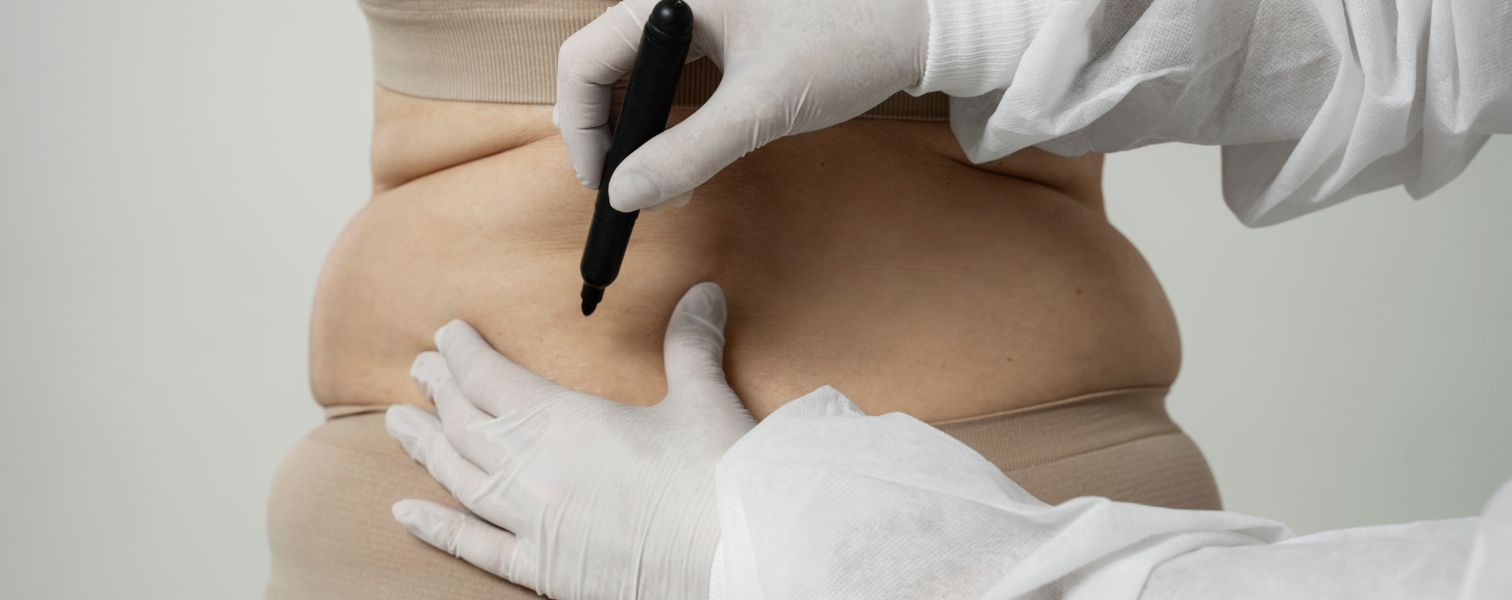
2) Marking the treatment areas
Your surgeon marks the target zones (e.g., abdomen, flanks, thighs, arms, chin) while you’re standing to map natural contours and ensure symmetry.
3) Anesthesia and comfort measures
Most laser lipolysis procedures use local tumescent anesthesia (a numbing solution that also helps reduce bleeding and bruising). Some clinics may offer mild sedation when appropriate.
4) Small incisions and fiber insertion
Tiny access points are made in discreet locations. A thin cannula or fiber-optic probe is then introduced beneath the skin to deliver laser energy to the fat layer.
5) Laser-assisted fat breakdown and contouring
The laser energy helps liquefy fat cells and can stimulate collagen remodeling, which may support skin tightening. Your surgeon continuously assesses contour and tissue response to keep the result smooth and even.
6) Fat removal (if needed)
Depending on the technique and your goals, liquefied fat may be gently aspirated (removed) through the same small openings, or left for the body to gradually metabolize over time.
7) Closing, dressings & compression garment
Incisions are typically closed with small sutures or surgical strips and covered with dressings. You’ll be fitted with a compression garment to help control swelling and support the new contour.
8) Recovery room and discharge instructions
After a short observation period, you’ll receive written aftercare instructions covering walking/mobility, garment wear, showering, pain control, and what symptoms require urgent contact. A follow-up appointment is scheduled before you leave.
- Bring: loose clothing, your ID/passport, and any prescribed medications.
- Plan: arrange transport back to your hotel (avoid driving yourself if sedation is used).
Laser Lipolysis Procedure Day: Step-by-Step Overview
Laser lipolysis is usually performed as an outpatient procedure and typically takes 45–120 minutes, depending on the number of areas treated and the amount of fat being reduced. Most patients go home the same day.
Laser Lipolysis Procedure Day: Step-by-Step Overview
08:30
Check-in &Marking
09:15
LocalAnesthesia
10:00-11:30
Laser Lipolysis& Contouring
12:00
Compression &Post-Op Care
Arrival, consent review, photos, and precise skin markings to map the treatment zones.
Tumescent local anesthesia is applied to numb the area and reduce bleeding and swelling.
A thin laser fiber is inserted through tiny entry points to liquefy fat and tighten tissue; melted fat may be gently aspirated if needed.
Small dressings are placed, a compression garment is fitted, and you receive medication and aftercare instructions before discharge.
1) Check-in, consent & pre-op photos
On arrival, your team confirms your medical history, medications, and allergies, reviews the treatment plan, and takes baseline photos. You’ll sign consent forms and have your vital signs checked.
2) Marking the treatment areas
Your surgeon marks the target zones (e.g., abdomen, flanks, thighs, arms, chin) while you’re standing to map natural contours and ensure symmetry.
3) Anesthesia and comfort measures
Most laser lipolysis procedures use local tumescent anesthesia (a numbing solution that also helps reduce bleeding and bruising). Some clinics may offer mild sedation when appropriate.
4) Small incisions and fiber insertion
Tiny access points are made in discreet locations. A thin cannula or fiber-optic probe is then introduced beneath the skin to deliver laser energy to the fat layer.
5) Laser-assisted fat breakdown and contouring
The laser energy helps liquefy fat cells and can stimulate collagen remodeling, which may support skin tightening. Your surgeon continuously assesses contour and tissue response to keep the result smooth and even.
6) Fat removal (if needed)
Depending on the technique and your goals, liquefied fat may be gently aspirated (removed) through the same small openings, or left for the body to gradually metabolize over time.
7) Closing, dressings & compression garment
Incisions are typically closed with small sutures or surgical strips and covered with dressings. You’ll be fitted with a compression garment to help control swelling and support the new contour.
8) Recovery room and discharge instructions
After a short observation period, you’ll receive written aftercare instructions covering walking/mobility, garment wear, showering, pain control, and what symptoms require urgent contact. A follow-up appointment is scheduled before you leave.
- Bring: loose clothing, your ID/passport, and any prescribed medications.
- Plan: arrange transport back to your hotel (avoid driving yourself if sedation is used).
Immediate Aftercare and Early Recovery
After laser lipolysis in Turkey, your provider will give you tailored aftercare instructions and may recommend pain relief, anti-inflammatory medication, or antibiotics if clinically indicated. Mild swelling, bruising, tenderness, and temporary numbness are common in the first few days. Most patients can return to light activities quickly, but early recovery is crucial for comfort and optimal contouring. Typical guidance includes:
- Wear your compression garment as instructed (often continuously for the first days, then for several weeks) to help reduce swelling and support skin retraction.
- Manage swelling by keeping the treated area supported and, when appropriate, elevating it; use cold packs only if your clinic specifically recommends them.
- Keep incisions clean and dry; follow your surgeon’s directions for showering and dressing changes, and avoid soaking (baths, pools, sea) until cleared.
- Walk regularly (short, gentle walks) to support circulation, while avoiding strenuous exercise, heavy lifting, and high-impact workouts for 1–2 weeks or as advised.
- Stay hydrated and eat protein-rich meals to support healing; limit alcohol and avoid smoking/vaping, as nicotine can impair recovery.
- Expect drainage from tiny entry points in the first 24–48 hours if tumescent fluid was used; use absorbent pads and follow clinic instructions.
- Attend follow-ups (in-person or virtual) so your team can monitor healing, garment fit, and early contour changes.
- Know when to seek urgent advice: increasing redness/warmth, worsening pain, fever, foul-smelling drainage, significant asymmetrical swelling, shortness of breath, chest pain, or calf swelling should be reported immediately.
Early results may be visible once swelling begins to settle, but final contour typically develops gradually over several weeks as inflammation resolves and the skin adapts.
Immediate Aftercare and Early Recovery
After laser lipolysis in Turkey, your provider will give you tailored aftercare instructions and may recommend pain relief, anti-inflammatory medication, or antibiotics if clinically indicated. Mild swelling, bruising, tenderness, and temporary numbness are common in the first few days. Most patients can return to light activities quickly, but early recovery is crucial for comfort and optimal contouring. Typical guidance includes:
- Wear your compression garment as instructed (often continuously for the first days, then for several weeks) to help reduce swelling and support skin retraction.
- Manage swelling by keeping the treated area supported and, when appropriate, elevating it; use cold packs only if your clinic specifically recommends them.
- Keep incisions clean and dry; follow your surgeon’s directions for showering and dressing changes, and avoid soaking (baths, pools, sea) until cleared.
- Walk regularly (short, gentle walks) to support circulation, while avoiding strenuous exercise, heavy lifting, and high-impact workouts for 1–2 weeks or as advised.
- Stay hydrated and eat protein-rich meals to support healing; limit alcohol and avoid smoking/vaping, as nicotine can impair recovery.
- Expect drainage from tiny entry points in the first 24–48 hours if tumescent fluid was used; use absorbent pads and follow clinic instructions.
- Attend follow-ups (in-person or virtual) so your team can monitor healing, garment fit, and early contour changes.
- Know when to seek urgent advice: increasing redness/warmth, worsening pain, fever, foul-smelling drainage, significant asymmetrical swelling, shortness of breath, chest pain, or calf swelling should be reported immediately.
Early results may be visible once swelling begins to settle, but final contour typically develops gradually over several weeks as inflammation resolves and the skin adapts.

Follow-Up Appointments and Progress Monitoring
Follow-up appointments are a key part of laser lipolysis in Turkey. They allow your clinician to confirm that swelling is resolving normally, track contour changes, and address any concerns early.
- Immediate post-treatment check: A brief review of the treated areas, dressing/compression fit, and pain or bruising levels, with guidance on activity and skincare.
- Short-term follow-up (first 1–2 weeks): Assessment for fluid buildup, uneven swelling, tenderness, or signs of infection; adjustments to compression and aftercare if needed.
- Progress review (4–6 weeks): Comparison photos and measurements may be taken to evaluate early contour changes as swelling continues to settle.
- Final result assessment (8–12+ weeks): Review of overall contour and skin tightening, discussion of whether additional sessions are appropriate, and long-term maintenance advice.
- Remote monitoring: If you have returned home, many clinics offer video calls and photo check-ins to track healing and respond promptly to questions.
Contact your clinic sooner than scheduled if you develop increasing redness or warmth, fever, worsening pain, foul-smelling drainage, sudden swelling on one side, or shortness of breath. Your provider will tell you where to seek urgent care locally if you are no longer in Turkey.
Follow-Up Appointments and Progress Monitoring
Follow-up appointments are a key part of laser lipolysis in Turkey. They allow your clinician to confirm that swelling is resolving normally, track contour changes, and address any concerns early.
- Immediate post-treatment check: A brief review of the treated areas, dressing/compression fit, and pain or bruising levels, with guidance on activity and skincare.
- Short-term follow-up (first 1–2 weeks): Assessment for fluid buildup, uneven swelling, tenderness, or signs of infection; adjustments to compression and aftercare if needed.
- Progress review (4–6 weeks): Comparison photos and measurements may be taken to evaluate early contour changes as swelling continues to settle.
- Final result assessment (8–12+ weeks): Review of overall contour and skin tightening, discussion of whether additional sessions are appropriate, and long-term maintenance advice.
- Remote monitoring: If you have returned home, many clinics offer video calls and photo check-ins to track healing and respond promptly to questions.
Contact your clinic sooner than scheduled if you develop increasing redness or warmth, fever, worsening pain, foul-smelling drainage, sudden swelling on one side, or shortness of breath. Your provider will tell you where to seek urgent care locally if you are no longer in Turkey.
Your Heal Road consultant can coordinate remote follow-ups and help you navigate aftercare once you’re back home.
Returning Home and Long-Term Results Maintenance
Most patients can travel home shortly after laser lipolysis in Turkey, provided swelling is controlled and your surgeon has cleared you to fly. Before you leave, confirm your aftercare plan, obtain written instructions, and ensure you have a clear point of contact for questions once you’re back home. Long-term results depend on proper healing, stable weight, and healthy lifestyle habits.
Before You Fly Home (Last Clinic Visit):
- Get your aftercare summary: procedure details, medications, compression instructions, and warning signs.
- Plan follow-ups: schedule virtual check-ins and know how to send progress photos if requested.
- Travel readiness: confirm when it’s safe to fly, how long to wear compression during travel, and whether you need any mobility or anticoagulation advice based on your risk profile.
First 1–2 Weeks at Home: Healing and Comfort
- Swelling and firmness: mild swelling, bruising, and temporary lumpiness/firmness are common as tissues heal.
- Compression: wear your compression garment exactly as prescribed to support contouring and reduce swelling.
- Activity: gentle walking is encouraged; avoid strenuous exercise, heavy lifting, and heat exposure (saunas/hot baths) until cleared.
- Incision care: keep small entry points clean and dry; follow guidance on showering and dressings.
- When to seek urgent advice: increasing pain, spreading redness, fever, foul drainage, sudden shortness of breath, chest pain, or one-sided leg swelling.
Weeks 3–6: Contour Refinement
- Gradual improvement: swelling typically continues to settle, and the treated area may feel less tight or tender.
- Return to exercise: many patients resume more structured workouts during this period, but timing varies follow your surgeon’s clearance.
- Skin tightening: laser-assisted techniques may support skin retraction, but results develop gradually.
3–6 Months and Beyond: Maintaining Your Results
- Weight stability matters: fat cells removed do not return, but remaining fat cells can enlarge with weight gain.
- Healthy routine: prioritize protein, fiber, hydration, and consistent activity to preserve your contour.
- Scar and skin care: protect treated areas from sun exposure and follow any scar-care recommendations.
- Local support: consider a check-up with your local clinician if you have concerns, and keep your Turkish clinic informed.
Tip: Take standardized photos (same lighting, angle, and distance) every 2–4 weeks to track subtle changes as swelling resolves.
Returning Home and Long-Term Results Maintenance
Most patients can travel home shortly after laser lipolysis in Turkey, provided swelling is controlled and your surgeon has cleared you to fly. Before you leave, confirm your aftercare plan, obtain written instructions, and ensure you have a clear point of contact for questions once you’re back home. Long-term results depend on proper healing, stable weight, and healthy lifestyle habits.
Before You Fly Home (Last Clinic Visit):
- Get your aftercare summary: procedure details, medications, compression instructions, and warning signs.
- Plan follow-ups: schedule virtual check-ins and know how to send progress photos if requested.
- Travel readiness: confirm when it’s safe to fly, how long to wear compression during travel, and whether you need any mobility or anticoagulation advice based on your risk profile.
First 1–2 Weeks at Home: Healing and Comfort
- Swelling and firmness: mild swelling, bruising, and temporary lumpiness/firmness are common as tissues heal.
- Compression: wear your compression garment exactly as prescribed to support contouring and reduce swelling.
- Activity: gentle walking is encouraged; avoid strenuous exercise, heavy lifting, and heat exposure (saunas/hot baths) until cleared.
- Incision care: keep small entry points clean and dry; follow guidance on showering and dressings.
- When to seek urgent advice: increasing pain, spreading redness, fever, foul drainage, sudden shortness of breath, chest pain, or one-sided leg swelling.
Weeks 3–6: Contour Refinement
- Gradual improvement: swelling typically continues to settle, and the treated area may feel less tight or tender.
- Return to exercise: many patients resume more structured workouts during this period, but timing varies follow your surgeon’s clearance.
- Skin tightening: laser-assisted techniques may support skin retraction, but results develop gradually.
3–6 Months and Beyond: Maintaining Your Results
- Weight stability matters: fat cells removed do not return, but remaining fat cells can enlarge with weight gain.
- Healthy routine: prioritize protein, fiber, hydration, and consistent activity to preserve your contour.
- Scar and skin care: protect treated areas from sun exposure and follow any scar-care recommendations.
- Local support: consider a check-up with your local clinician if you have concerns, and keep your Turkish clinic informed.
Tip: Take standardized photos (same lighting, angle, and distance) every 2–4 weeks to track subtle changes as swelling resolves.
Your Heal Road consultant can coordinate remote follow-ups and help you navigate aftercare once you’re back home.

Essential Tips for a Safe, Successful Laser Lipolysis Experience in Turkey
- Choose a qualified, experienced provider: Prioritize clinics led by board-certified plastic surgeons or dermatologists with specific experience in laser lipolysis. Ask how many cases they perform monthly and request before-and-after photos of patients with a similar body type and treatment area.
- Verify clinic standards and safety protocols: Confirm the facility is licensed, uses sterile technique, and has clear emergency procedures. Ask what type of anesthesia is used (local vs. sedation), who administers it, and whether monitoring equipment is available during the procedure.
- Share your full medical history early: Disclose all conditions, prior surgeries, allergies, and medications/supplements (including blood thinners, aspirin/NSAIDs, vitamin E, fish oil, and herbal products). This helps reduce bleeding, bruising, and anesthesia-related risks.
- Confirm candidacy and set realistic expectations: Laser lipolysis is best for localized fat and mild skin laxity not major weight loss. Discuss whether you may need complementary treatments (e.g., traditional liposuction for larger volumes or skin-tightening procedures for significant laxity).
- Get a written, itemized treatment plan: Ensure your quote specifies treatment areas, estimated fat volume, anesthesia fees, compression garments, medications, follow-up visits, and any revision policy. Clarify what is included in packages (transfers, hotel, translation) and what is not.
- Plan travel with recovery in mind: Arrive at least 1 day before your procedure and schedule enough time in Turkey for early follow-up (commonly several days). Avoid long excursions immediately after treatment, and plan for limited mobility and rest.
- Follow pre-procedure instructions precisely: Stop smoking/vaping as advised, avoid alcohol close to the procedure, and follow fasting rules if sedation is planned. Wear loose clothing on the day and arrange for someone to accompany you back to your accommodation.
- Commit to compression and aftercare: Wear compression garments for the recommended duration, keep incision sites clean and dry, and take prescribed antibiotics/pain relief exactly as directed. Ask when you can shower, return to work, exercise, and resume sauna/steam rooms.
- Know what’s normal vs. a red flag: Mild swelling, bruising, tenderness, and temporary numbness can be expected. Seek urgent medical advice for fever, worsening redness, foul drainage, severe pain, shortness of breath, chest pain, or one-sided leg swelling.
- Support healing with healthy habits: Stay hydrated, prioritize protein and nutrient-dense foods, and keep light activity (short walks) as recommended to reduce stiffness and lower clot risk. Maintain stable weight to protect long-term results.
- Secure clear follow-up and remote support: Confirm your post-op check schedule in Turkey and how the clinic will support you after you return home (WhatsApp/email, photo check-ins, and a direct line for urgent concerns).
Essential Tips for a Safe, Successful Laser Lipolysis Experience in Turkey
- Choose a qualified, experienced provider: Prioritize clinics led by board-certified plastic surgeons or dermatologists with specific experience in laser lipolysis. Ask how many cases they perform monthly and request before-and-after photos of patients with a similar body type and treatment area.
- Verify clinic standards and safety protocols: Confirm the facility is licensed, uses sterile technique, and has clear emergency procedures. Ask what type of anesthesia is used (local vs. sedation), who administers it, and whether monitoring equipment is available during the procedure.
- Share your full medical history early: Disclose all conditions, prior surgeries, allergies, and medications/supplements (including blood thinners, aspirin/NSAIDs, vitamin E, fish oil, and herbal products). This helps reduce bleeding, bruising, and anesthesia-related risks.
- Confirm candidacy and set realistic expectations: Laser lipolysis is best for localized fat and mild skin laxity not major weight loss. Discuss whether you may need complementary treatments (e.g., traditional liposuction for larger volumes or skin-tightening procedures for significant laxity).
- Get a written, itemized treatment plan: Ensure your quote specifies treatment areas, estimated fat volume, anesthesia fees, compression garments, medications, follow-up visits, and any revision policy. Clarify what is included in packages (transfers, hotel, translation) and what is not.
- Plan travel with recovery in mind: Arrive at least 1 day before your procedure and schedule enough time in Turkey for early follow-up (commonly several days). Avoid long excursions immediately after treatment, and plan for limited mobility and rest.
- Follow pre-procedure instructions precisely: Stop smoking/vaping as advised, avoid alcohol close to the procedure, and follow fasting rules if sedation is planned. Wear loose clothing on the day and arrange for someone to accompany you back to your accommodation.
- Commit to compression and aftercare: Wear compression garments for the recommended duration, keep incision sites clean and dry, and take prescribed antibiotics/pain relief exactly as directed. Ask when you can shower, return to work, exercise, and resume sauna/steam rooms.
- Know what’s normal vs. a red flag: Mild swelling, bruising, tenderness, and temporary numbness can be expected. Seek urgent medical advice for fever, worsening redness, foul drainage, severe pain, shortness of breath, chest pain, or one-sided leg swelling.
- Support healing with healthy habits: Stay hydrated, prioritize protein and nutrient-dense foods, and keep light activity (short walks) as recommended to reduce stiffness and lower clot risk. Maintain stable weight to protect long-term results.
- Secure clear follow-up and remote support: Confirm your post-op check schedule in Turkey and how the clinic will support you after you return home (WhatsApp/email, photo check-ins, and a direct line for urgent concerns).
Conclusion
References


- U.S. Food & Drug Administration (FDA) – Laser-assisted lipolysis (device clearances and safety information via 510(k) database)
- American Society of Plastic Surgeons (ASPS) – Liposuction overview (risks, recovery, candidacy)
- American Society for Dermatologic Surgery (ASDS) – Liposuction (patient information and safety considerations)
- National Library of Medicine (PubMed) – Search results for peer-reviewed evidence on laser-assisted lipolysis
Article Contributors

Heal Road Editor
Editor

Heal Road Writer
Writer
- Views
- 160 views
- Reading Time
- Last Updated