 180 views
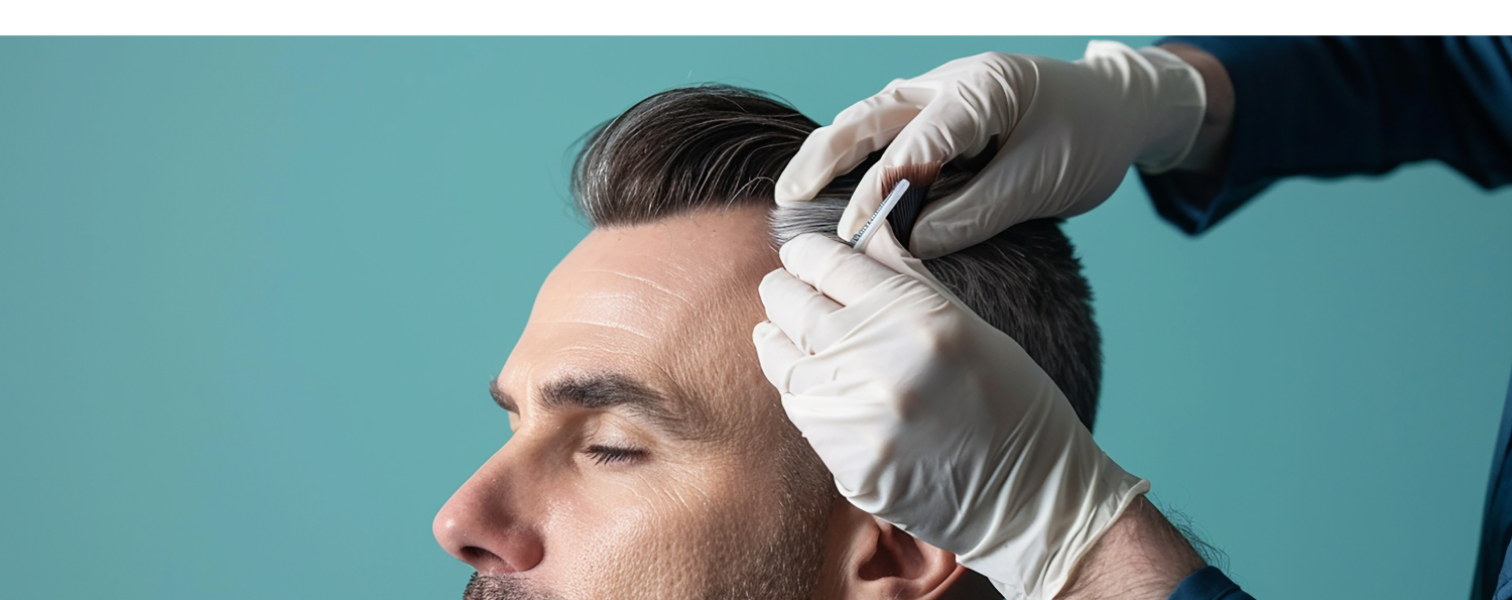
A Step-by-Step Guide to Long DHI Hair Transplantation in Turkey
Nereden Başlayacağını
Bilmiyor musun?
Doğru uzmanı en uygun fiyat garantisiyle bulun

Your Heal Road consultant can help you compare clinics and confirm your long DHI plan before you book.
In-Depth Research and Selecting the Right DHI Clinic
A successful long DHI hair transplantation in Turkey starts long before you arrive it begins with careful research and choosing a clinic that can deliver dense, natural results safely. Turkey offers many options, especially in Istanbul, Ankara, Antalya, and Izmir, but quality can vary significantly. Focus on clinics that are transparent, medically led, and experienced specifically in long-hair DHI (implanting longer grafts for immediate visual preview and refined direction control). Use the checklist below to narrow your options and avoid common pitfalls.
Surgeon Credentials and Team Structure
Confirm the procedure is supervised by a licensed physician and ask who performs each step (extraction, graft sorting, channel planning, implantation). For DHI, the implantation technique and angle control are critical choose a team with proven DHI expertise rather than a “high-volume” approach.
Proven Experience With Long DHI (Not Just Standard DHI/FUE)
Long-hair DHI requires careful graft handling to protect follicles and maintain hair-shaft integrity. Ask how often they perform long DHI, what graft survival rates they report, and how they prevent dehydration and excessive out-of-body time.
Before-and-After Evidence You Can Verify
Request high-resolution before-and-after photos from multiple angles and timelines (e.g., 3, 6, 12 months). Look for consistent hairline design, natural direction, and density not just a single “best case.” If possible, ask for video results or patient references.
Clear Hairline Design and Density Planning
A reputable clinic will provide a personalized plan based on your facial proportions, donor capacity, and long-term hair-loss pattern. Ask about graft estimates, density targets (grafts/cm²), and how they will blend the transplanted zone with existing hair.
Safety Standards, Hygiene, and Aftercare Protocol
Ensure the clinic follows strict sterilization protocols and uses single-use or properly sterilized instruments. Ask about post-op medications, washing instructions, swelling management, and how they handle complications or urgent questions after you return home.
Transparent Pricing and What’s Included
Compare packages carefully. Many clinics include accommodation, airport transfers, interpreter support, medications, and follow-ups. Make sure the quote specifies the technique (long DHI), graft range, number of sessions, and any additional fees (PRP, extra nights, revisions).
Communication and Realistic Expectations
Choose a clinic that answers questions clearly and sets realistic outcomes. Be cautious of guarantees, rushed consultations, or pressure to book. A trustworthy provider will explain limitations (donor supply, hair caliber, ongoing loss) and outline a long-term strategy.
- Tip: Prepare a short list of questions and request a written treatment plan before paying a deposit.
- Red flags: unclear surgeon involvement, inconsistent graft numbers, no long-term follow-up plan, or refusal to share verified results.
In-Depth Research and Selecting the Right DHI Clinic
A successful long DHI hair transplantation in Turkey starts long before you arrive it begins with careful research and choosing a clinic that can deliver dense, natural results safely. Turkey offers many options, especially in Istanbul, Ankara, Antalya, and Izmir, but quality can vary significantly. Focus on clinics that are transparent, medically led, and experienced specifically in long-hair DHI (implanting longer grafts for immediate visual preview and refined direction control). Use the checklist below to narrow your options and avoid common pitfalls.
Your Heal Road consultant can help you compare clinics and confirm your long DHI plan before you book.
Surgeon Credentials and Team Structure
Confirm the procedure is supervised by a licensed physician and ask who performs each step (extraction, graft sorting, channel planning, implantation). For DHI, the implantation technique and angle control are critical choose a team with proven DHI expertise rather than a “high-volume” approach.
Proven Experience With Long DHI (Not Just Standard DHI/FUE)
Long-hair DHI requires careful graft handling to protect follicles and maintain hair-shaft integrity. Ask how often they perform long DHI, what graft survival rates they report, and how they prevent dehydration and excessive out-of-body time.
Before-and-After Evidence You Can Verify
Request high-resolution before-and-after photos from multiple angles and timelines (e.g., 3, 6, 12 months). Look for consistent hairline design, natural direction, and density not just a single “best case.” If possible, ask for video results or patient references.
Clear Hairline Design and Density Planning
A reputable clinic will provide a personalized plan based on your facial proportions, donor capacity, and long-term hair-loss pattern. Ask about graft estimates, density targets (grafts/cm²), and how they will blend the transplanted zone with existing hair.
Safety Standards, Hygiene, and Aftercare Protocol
Ensure the clinic follows strict sterilization protocols and uses single-use or properly sterilized instruments. Ask about post-op medications, washing instructions, swelling management, and how they handle complications or urgent questions after you return home.
Transparent Pricing and What’s Included
Compare packages carefully. Many clinics include accommodation, airport transfers, interpreter support, medications, and follow-ups. Make sure the quote specifies the technique (long DHI), graft range, number of sessions, and any additional fees (PRP, extra nights, revisions).
Communication and Realistic Expectations
Choose a clinic that answers questions clearly and sets realistic outcomes. Be cautious of guarantees, rushed consultations, or pressure to book. A trustworthy provider will explain limitations (donor supply, hair caliber, ongoing loss) and outline a long-term strategy.
- Tip: Prepare a short list of questions and request a written treatment plan before paying a deposit.
- Red flags: unclear surgeon involvement, inconsistent graft numbers, no long-term follow-up plan, or refusal to share verified results.

Online Consultation and Candidacy Evaluation for Long DHI
After choosing a clinic, the next step is an online consultation to confirm whether you are a good candidate for a Long DHI hair transplant. Most clinics in Turkey offer this remote assessment free of charge. It helps the medical team understand your hair-loss pattern, evaluate donor capacity, and plan a realistic approach to achieving natural-looking density and length.
What you’ll be asked to share
To assess candidacy accurately, you’ll typically submit:
- Clear photos of your hairline, temples, mid-scalp, crown, and donor area (back and sides) in good lighting
- Close-up donor photos showing hair thickness and density
- A brief hair-loss history (when it started, progression, family history)
- Your medical history, current medications, allergies, smoking status, and any scalp conditions
How candidacy for Long DHI is evaluated
During the consultation, the team will focus on factors that matter specifically for Long DHI:
- Donor area quality (density, hair shaft caliber, and safe donor zone)
- Recipient area needs (extent of thinning, pattern of loss, and existing native hair)
- Graft estimate and whether your donor supply can support the desired coverage and styling goals
- Scalp health (e.g., dermatitis, folliculitis, psoriasis) and whether treatment is needed before surgery
Setting expectations and planning
You’ll discuss your preferred hairline design, density targets, and styling habits. The clinic should explain what Long DHI can realistically achieve, outline the proposed number of grafts, and review key points such as timeline to visible growth, the possibility of shock loss, and whether you may need a future session if hair loss progresses.
When Long DHI may not be recommended
If donor reserves are limited, hair loss is rapidly progressing, or there are untreated medical/scalp issues, the team may advise stabilizing hair loss first or considering alternative approaches. A reputable clinic will prioritize safety and long-term planning over aggressive graft numbers.
Online Consultation and Candidacy Evaluation for Long DHI
After choosing a clinic, the next step is an online consultation to confirm whether you are a good candidate for a Long DHI hair transplant. Most clinics in Turkey offer this remote assessment free of charge. It helps the medical team understand your hair-loss pattern, evaluate donor capacity, and plan a realistic approach to achieving natural-looking density and length.
What you’ll be asked to share
To assess candidacy accurately, you’ll typically submit:
- Clear photos of your hairline, temples, mid-scalp, crown, and donor area (back and sides) in good lighting
- Close-up donor photos showing hair thickness and density
- A brief hair-loss history (when it started, progression, family history)
- Your medical history, current medications, allergies, smoking status, and any scalp conditions
How candidacy for Long DHI is evaluated
During the consultation, the team will focus on factors that matter specifically for Long DHI:
- Donor area quality (density, hair shaft caliber, and safe donor zone)
- Recipient area needs (extent of thinning, pattern of loss, and existing native hair)
- Graft estimate and whether your donor supply can support the desired coverage and styling goals
- Scalp health (e.g., dermatitis, folliculitis, psoriasis) and whether treatment is needed before surgery
Setting expectations and planning
You’ll discuss your preferred hairline design, density targets, and styling habits. The clinic should explain what Long DHI can realistically achieve, outline the proposed number of grafts, and review key points such as timeline to visible growth, the possibility of shock loss, and whether you may need a future session if hair loss progresses.
When Long DHI may not be recommended
If donor reserves are limited, hair loss is rapidly progressing, or there are untreated medical/scalp issues, the team may advise stabilizing hair loss first or considering alternative approaches. A reputable clinic will prioritize safety and long-term planning over aggressive graft numbers.
| Country | Price (EUR €) |
|---|---|
| Türkiye | € 3,200 |
| Spain | € 6,500 |
| United Kingdom | € 8,500 |
| United States | € 12,000 |
Get Your Personalized Plan, Graft Estimate
and Surgery Date for Long DHI in Turkey
Calculate My Cost
Personalized Treatment Plan, Graft Estimate, and Scheduling
After your consultation, the clinic will create a personalized Long DHI treatment plan based on your hair-loss pattern, donor capacity, hair characteristics (caliber, curl, color contrast), and your desired style. Long DHI is planned more like a “haircut you can’t undo,” so alignment with your expectations is essential before you book flights.
What your treatment plan typically includes:
- Hairline design (shape, height, temple points) with age-appropriate planning
- Target density and distribution (front vs mid-scalp vs crown priorities)
- Graft estimate and an explanation of how it was calculated
- Donor strategy (safe zone mapping and extraction limits to avoid overharvesting)
- Long-hair logistics (how much length can be preserved, trimming rules, and styling goals)
- Technique details (DHI implanter use, angle/direction planning, and session length)
Understanding the graft estimate: Clinics usually provide a range rather than a single number, because the final count depends on intraoperative donor findings and how grafts are distributed for natural coverage. Ask whether the estimate refers to grafts (follicular units) and clarify the expected mix of single-, double-, and triple-hair grafts, since this affects the visual density.
Scheduling and travel timing: Once you approve the plan, you’ll confirm your procedure date and itinerary. Many Turkey clinics offer international patient coordination, which may include hotel and airport transfers and an interpreter. Request your schedule in writing, including:
- Arrival day and pre-op assessment time
- Procedure day start time and expected duration
- First wash/first check-up appointment
- Recommended stay length before flying home
Before you finalize: Confirm what is included in the package (medications, aftercare kit, follow-ups), the clinic’s policy if the final graft count differs from the estimate, and any pre-op instructions (e.g., stopping certain supplements/medications) so your Long DHI session runs smoothly.
Personalized Treatment Plan, Graft Estimate, and Scheduling
After your consultation, the clinic will create a personalized Long DHI treatment plan based on your hair-loss pattern, donor capacity, hair characteristics (caliber, curl, color contrast), and your desired style. Long DHI is planned more like a “haircut you can’t undo,” so alignment with your expectations is essential before you book flights.
What your treatment plan typically includes:
- Hairline design (shape, height, temple points) with age-appropriate planning
- Target density and distribution (front vs mid-scalp vs crown priorities)
- Graft estimate and an explanation of how it was calculated
- Donor strategy (safe zone mapping and extraction limits to avoid overharvesting)
- Long-hair logistics (how much length can be preserved, trimming rules, and styling goals)
- Technique details (DHI implanter use, angle/direction planning, and session length)
Understanding the graft estimate: Clinics usually provide a range rather than a single number, because the final count depends on intraoperative donor findings and how grafts are distributed for natural coverage. Ask whether the estimate refers to grafts (follicular units) and clarify the expected mix of single-, double-, and triple-hair grafts, since this affects the visual density.
Scheduling and travel timing: Once you approve the plan, you’ll confirm your procedure date and itinerary. Many Turkey clinics offer international patient coordination, which may include hotel and airport transfers and an interpreter. Request your schedule in writing, including:
- Arrival day and pre-op assessment time
- Procedure day start time and expected duration
- First wash/first check-up appointment
- Recommended stay length before flying home
Before you finalize: Confirm what is included in the package (medications, aftercare kit, follow-ups), the clinic’s policy if the final graft count differs from the estimate, and any pre-op instructions (e.g., stopping certain supplements/medications) so your Long DHI session runs smoothly.
| Country | Price (EUR €) |
|---|---|
| Türkiye | € 3,200 |
| Spain | € 6,500 |
| United Kingdom | € 8,500 |
| United States | € 12,000 |
Get Your Personalized Plan, Graft Estimate
and Surgery Date for Long DHI in Turkey
Calculate My Cost

 Share Photos
& Get Plan

 Plan Travel
 Arrive &
Pre-Op Prep
Travel Planning to Turkey and Pre-Procedure Preparation
Planning your trip to Turkey for a Long DHI hair transplant is straightforward when you know what to arrange in advance. Most clinics coordinate airport transfers and can recommend nearby hotels so you can arrive rested and ready for your pre-op assessment. Aim to arrive at least one day before the procedure to allow time for check-in, consultation, and any required tests.
Before You Travel: What to Arrange
- Flights and timing: Choose arrival times that avoid rushing; plan for a calm evening before surgery.
- Documents: Bring your passport, travel/medical documents, and any prior hair-loss treatments or medical records if requested.
- Medications and supplements: Share a full list with the clinic in advance. Follow clinic instructions about pausing blood-thinning medications or supplements (only with your prescribing clinician’s approval).
- Alcohol and smoking: Avoid alcohol for at least 48 hours pre-op and reduce/stop smoking if possible, as it may impair healing.
Pre-Procedure Consultation in Turkey
Before Long DHI implantation, you will typically have an in-person consultation to confirm candidacy and finalize the plan. The team will review your medical history, examine your scalp and donor area, and confirm the target hairline design, graft estimate, and density goals. This is also when you can re-check expectations for long-hair handling and the immediate cosmetic effect.
Health Screening and Safety Checks
Most clinics perform routine pre-op screening (often including blood tests) to ensure you are fit for the procedure and to support safe anesthesia planning. Inform the team about any bleeding disorders, allergies, chronic conditions, or recent infections.
Day-Before and Day-Of Preparation
- Hair and scalp: Wash your hair as instructed; avoid heavy styling products, fibers, or scalp concealers.
- Clothing: Wear a loose, front-opening top (zip/button) to avoid pulling clothing over the grafts afterward.
- Food and hydration: Follow the clinic’s guidance on meals and fasting (requirements vary depending on sedation protocols).
- Comfort planning: Bring entertainment for breaks, and arrange post-op rest time avoid scheduling tours or long walks immediately after surgery.
Travel Planning to Turkey and Pre-Procedure Preparation
Planning your trip to Turkey for a Long DHI hair transplant is straightforward when you know what to arrange in advance. Most clinics coordinate airport transfers and can recommend nearby hotels so you can arrive rested and ready for your pre-op assessment. Aim to arrive at least one day before the procedure to allow time for check-in, consultation, and any required tests.
Share Photos& Get Plan
Plan Travel
Arrive &Pre-Op Prep
Before You Travel: What to Arrange
- Flights and timing: Choose arrival times that avoid rushing; plan for a calm evening before surgery.
- Documents: Bring your passport, travel/medical documents, and any prior hair-loss treatments or medical records if requested.
- Medications and supplements: Share a full list with the clinic in advance. Follow clinic instructions about pausing blood-thinning medications or supplements (only with your prescribing clinician’s approval).
- Alcohol and smoking: Avoid alcohol for at least 48 hours pre-op and reduce/stop smoking if possible, as it may impair healing.
Pre-Procedure Consultation in Turkey
Before Long DHI implantation, you will typically have an in-person consultation to confirm candidacy and finalize the plan. The team will review your medical history, examine your scalp and donor area, and confirm the target hairline design, graft estimate, and density goals. This is also when you can re-check expectations for long-hair handling and the immediate cosmetic effect.
Health Screening and Safety Checks
Most clinics perform routine pre-op screening (often including blood tests) to ensure you are fit for the procedure and to support safe anesthesia planning. Inform the team about any bleeding disorders, allergies, chronic conditions, or recent infections.
Day-Before and Day-Of Preparation
- Hair and scalp: Wash your hair as instructed; avoid heavy styling products, fibers, or scalp concealers.
- Clothing: Wear a loose, front-opening top (zip/button) to avoid pulling clothing over the grafts afterward.
- Food and hydration: Follow the clinic’s guidance on meals and fasting (requirements vary depending on sedation protocols).
- Comfort planning: Bring entertainment for breaks, and arrange post-op rest time avoid scheduling tours or long walks immediately after surgery.
Long DHI Procedure Day: Step-by-Step What to Expect


08:00
Check-in &Hairline Design
09:00
Local Anesthesia &Donor Prep
10:00-15:00
Long DHIExtraction & Implantation
15:30
Final Check &Post-Op Care
Arrival, paperwork, photos, and a final consultation to confirm graft count, hairline shape, and long-hair suitability.
Local anesthesia is applied; the donor area is prepared carefully to protect existing long hair and ensure comfort.
Follicles are extracted and implanted using the DHI implanter pen, placing grafts directly for controlled angle, direction, and density.
The team cleans the scalp, reviews washing and sleeping instructions, provides medications, and schedules your first follow-up.
Long DHI Procedure Day: Step-by-Step What to Expect
A Long DHI hair transplant is usually completed in one day and may take 6–10 hours depending on the number of grafts, hair length, and whether shaving is avoided. The goal is to extract healthy follicles and implant them with a DHI pen while keeping existing long hair as undisturbed as possible.
Below is a typical procedure-day flow. Exact timings vary by clinic and case complexity.
1) Check-in, photos & final plan
Your team confirms your medical history, takes standardized photos, and re-checks the hairline and density plan. The donor area (usually the back/sides of the scalp) is assessed again to confirm graft availability and extraction strategy.
2) Donor-area preparation (minimal or no shaving)
In Long DHI, the clinic may avoid full shaving or perform only limited trimming in the donor area. Hair is sectioned and secured to keep long strands out of the working field and to reduce tangling during extraction.
3) Local anesthesia (with optional sedation)
Local anesthesia is administered to the donor and recipient areas to keep you comfortable. Some clinics offer mild sedation; you should still expect to be awake and able to follow instructions.
4) FUE graft extraction
Follicular units are harvested one by one using a micro-punch. The team aims to distribute extractions evenly to preserve a natural donor appearance especially important when long hair will cover the area immediately after the procedure.
5) Graft sorting & preservation
Extracted grafts are counted, examined under magnification, and stored in a controlled solution/temperature to maintain viability. Single-hair grafts are typically reserved for the hairline, while multi-hair grafts support density behind it.
6) Recipient-area design confirmation
Before implantation begins, the surgeon may re-confirm the hairline shape, direction, and density targets. In Long DHI, special attention is paid to working between existing long hairs to minimize trauma and improve camouflage.
7) DHI implantation (Choi pen)
Grafts are loaded into a DHI implanter pen and placed directly into the scalp. This technique helps control angle, direction, and depth critical for a natural result, especially in the frontal zone and around existing hair.
8) Breaks, comfort checks & completion
Short breaks for meals and stretching are common. The team monitors swelling risk, bleeding, and comfort throughout. Once implantation is complete, the scalp is cleaned and inspected.
9) Dressing, aftercare briefing & medications
The donor area may be lightly dressed; the recipient area is usually left uncovered. You’ll receive written aftercare instructions, a washing schedule, and prescribed medications (commonly pain relief and antibiotics, depending on clinic protocol).
10) First night guidance (important)
- Sleep elevated to reduce swelling.
- Avoid touching, scratching, or rubbing the recipient area.
- Follow the clinic’s instructions on spraying/moisturizing if provided.
- Contact the clinic promptly if you develop severe pain, heavy bleeding, fever, or rapidly increasing swelling.
Long DHI Procedure Day: Step-by-Step What to Expect
A Long DHI hair transplant is usually completed in one day and may take 6–10 hours depending on the number of grafts, hair length, and whether shaving is avoided. The goal is to extract healthy follicles and implant them with a DHI pen while keeping existing long hair as undisturbed as possible.
Below is a typical procedure-day flow. Exact timings vary by clinic and case complexity.
Long DHI Procedure Day: Step-by-Step What to Expect
08:00
Check-in &Hairline Design
09:00
Local Anesthesia &Donor Prep
10:00-15:00
Long DHIExtraction & Implantation
15:30
Final Check &Post-Op Care
Arrival, paperwork, photos, and a final consultation to confirm graft count, hairline shape, and long-hair suitability.
Local anesthesia is applied; the donor area is prepared carefully to protect existing long hair and ensure comfort.
Follicles are extracted and implanted using the DHI implanter pen, placing grafts directly for controlled angle, direction, and density.
The team cleans the scalp, reviews washing and sleeping instructions, provides medications, and schedules your first follow-up.
1) Check-in, photos & final plan
Your team confirms your medical history, takes standardized photos, and re-checks the hairline and density plan. The donor area (usually the back/sides of the scalp) is assessed again to confirm graft availability and extraction strategy.
2) Donor-area preparation (minimal or no shaving)
In Long DHI, the clinic may avoid full shaving or perform only limited trimming in the donor area. Hair is sectioned and secured to keep long strands out of the working field and to reduce tangling during extraction.
3) Local anesthesia (with optional sedation)
Local anesthesia is administered to the donor and recipient areas to keep you comfortable. Some clinics offer mild sedation; you should still expect to be awake and able to follow instructions.
4) FUE graft extraction
Follicular units are harvested one by one using a micro-punch. The team aims to distribute extractions evenly to preserve a natural donor appearance especially important when long hair will cover the area immediately after the procedure.
5) Graft sorting & preservation
Extracted grafts are counted, examined under magnification, and stored in a controlled solution/temperature to maintain viability. Single-hair grafts are typically reserved for the hairline, while multi-hair grafts support density behind it.
6) Recipient-area design confirmation
Before implantation begins, the surgeon may re-confirm the hairline shape, direction, and density targets. In Long DHI, special attention is paid to working between existing long hairs to minimize trauma and improve camouflage.
7) DHI implantation (Choi pen)
Grafts are loaded into a DHI implanter pen and placed directly into the scalp. This technique helps control angle, direction, and depth critical for a natural result, especially in the frontal zone and around existing hair.
8) Breaks, comfort checks & completion
Short breaks for meals and stretching are common. The team monitors swelling risk, bleeding, and comfort throughout. Once implantation is complete, the scalp is cleaned and inspected.
9) Dressing, aftercare briefing & medications
The donor area may be lightly dressed; the recipient area is usually left uncovered. You’ll receive written aftercare instructions, a washing schedule, and prescribed medications (commonly pain relief and antibiotics, depending on clinic protocol).
10) First night guidance (important)
- Sleep elevated to reduce swelling.
- Avoid touching, scratching, or rubbing the recipient area.
- Follow the clinic’s instructions on spraying/moisturizing if provided.
- Contact the clinic promptly if you develop severe pain, heavy bleeding, fever, or rapidly increasing swelling.
Immediate Aftercare: First 72 Hours and Early Recovery
The first 72 hours after a long DHI hair transplant are crucial for protecting the grafts and minimizing swelling. Your clinic will provide a personalized aftercare plan and medications (commonly antibiotics, anti-inflammatories, and pain relief). Mild redness, tightness, pinpoint scabbing, and swelling are expected early on and typically improve over the first week.
- Protect the grafts: Do not touch, rub, scratch, or pick at the recipient area. Avoid hats/helmets unless your surgeon approves a loose, non-contact option.
- Sleep position: Sleep on your back with your head elevated (30–45°) for 2–3 nights to reduce swelling and prevent accidental friction.
- Swelling control: Use cold compresses on the forehead/around the eyes only (never directly on grafts) if advised. Swelling may peak around days 2–3.
- Keep the scalp clean and dry (initially): Follow your clinic’s timeline for the first wash. Until then, avoid getting the recipient area wet unless instructed.
- Washing routine (when cleared): Use the recommended shampoo/foam, lukewarm water, and gentle patting no strong water pressure, no vigorous rubbing.
- Medications: Take all prescribed medications exactly as directed. Avoid non-approved blood-thinning painkillers/supplements unless your surgeon confirms they are safe.
- Activity restrictions: Avoid exercise, heavy lifting, bending forward, and anything that raises blood pressure for at least 7–10 days (or per your surgeon) to reduce bleeding and swelling.
- Avoid heat and sweat: Stay away from saunas, steam rooms, hot showers, and direct sun exposure. Excess heat and sweating can irritate the scalp.
- No smoking or alcohol: Avoid both during early healing (often 7–14 days) as they can impair circulation and graft survival.
- Travel and hygiene: Keep pillowcases clean, avoid dusty environments, and minimize close contact that could bump the scalp.
- What’s normal vs. when to call: Light oozing, redness, and scabbing are common. Contact your clinic urgently for increasing pain, spreading redness, fever, foul-smelling discharge, significant bleeding, or sudden swelling that worsens after day 3.
Early recovery is about consistency: protect the grafts, follow the washing schedule, and attend your first check-up (often within 24–72 hours) so your team can confirm that healing is on track.
Immediate Aftercare: First 72 Hours and Early Recovery
The first 72 hours after a long DHI hair transplant are crucial for protecting the grafts and minimizing swelling. Your clinic will provide a personalized aftercare plan and medications (commonly antibiotics, anti-inflammatories, and pain relief). Mild redness, tightness, pinpoint scabbing, and swelling are expected early on and typically improve over the first week.
- Protect the grafts: Do not touch, rub, scratch, or pick at the recipient area. Avoid hats/helmets unless your surgeon approves a loose, non-contact option.
- Sleep position: Sleep on your back with your head elevated (30–45°) for 2–3 nights to reduce swelling and prevent accidental friction.
- Swelling control: Use cold compresses on the forehead/around the eyes only (never directly on grafts) if advised. Swelling may peak around days 2–3.
- Keep the scalp clean and dry (initially): Follow your clinic’s timeline for the first wash. Until then, avoid getting the recipient area wet unless instructed.
- Washing routine (when cleared): Use the recommended shampoo/foam, lukewarm water, and gentle patting no strong water pressure, no vigorous rubbing.
- Medications: Take all prescribed medications exactly as directed. Avoid non-approved blood-thinning painkillers/supplements unless your surgeon confirms they are safe.
- Activity restrictions: Avoid exercise, heavy lifting, bending forward, and anything that raises blood pressure for at least 7–10 days (or per your surgeon) to reduce bleeding and swelling.
- Avoid heat and sweat: Stay away from saunas, steam rooms, hot showers, and direct sun exposure. Excess heat and sweating can irritate the scalp.
- No smoking or alcohol: Avoid both during early healing (often 7–14 days) as they can impair circulation and graft survival.
- Travel and hygiene: Keep pillowcases clean, avoid dusty environments, and minimize close contact that could bump the scalp.
- What’s normal vs. when to call: Light oozing, redness, and scabbing are common. Contact your clinic urgently for increasing pain, spreading redness, fever, foul-smelling discharge, significant bleeding, or sudden swelling that worsens after day 3.
Early recovery is about consistency: protect the grafts, follow the washing schedule, and attend your first check-up (often within 24–72 hours) so your team can confirm that healing is on track.
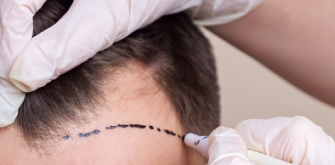
Follow-Up Checks, Washing Routine, and Shedding Phase Timeline
Long DHI hair transplantation requires structured aftercare to protect grafts, reduce swelling, and guide you through the normal shedding phase. Your clinic will tailor instructions to your scalp condition and graft count, but the timeline below reflects typical milestones.
Follow-up checks (what they’re for)
- Day 1–3 (early check-in): assessment of donor and recipient areas, swelling control, and review of sleeping position and medications.
- Day 7–10: evaluation of scab/crust removal progress, confirmation that grafts are stable, and donor-area healing review.
- 1 month: check for folliculitis/ingrown hairs, irritation, or shock loss; guidance for returning to normal haircare.
- 3–4 months: early regrowth assessment and density planning (especially important for long-hair DHI where styling expectations are high).
- 6 months: mid-term density and growth direction review; photos often compared with baseline.
- 9–12 months: final maturation review; discussion of any optional second session if indicated.
Washing routine (typical clinic protocol)
- First 24–48 hours: usually no washing; keep the recipient area dry and avoid touching or rubbing.
- From Day 2–3 onward: gentle daily washing begins. Many clinics advise applying a foam/lotion first to soften crusts, then rinsing with lukewarm water.
- Shampoo technique: use a mild shampoo; pat or lightly dab rather than scrub. Avoid high water pressure directly on the grafts.
- Drying: air-dry when possible or use a soft towel with light patting. Avoid hot hair dryers in the early period unless your clinic approves a cool setting.
- Scab removal window (often Day 7–10): crusts should lift gradually with washing; do not pick. Your clinic may perform or guide a controlled scab-removal wash.
Shedding phase and growth timeline (what to expect)
- Days 1–10: redness, mild swelling, and scabbing are common. Grafts are most vulnerable early on, so protect the area from friction.
- Weeks 2–6: the shedding phase typically starts transplanted hairs may fall out while follicles remain in place. This is normal and temporary.
- Months 2–3: a “quiet” period is common with limited visible growth; some patients notice temporary shock loss in surrounding native hair.
- Months 3–4: early regrowth begins; new hairs may appear fine, lighter, or slightly uneven at first.
- Months 6–9: noticeable thickening and improved coverage; texture and direction become more consistent.
- Months 9–12 (sometimes up to 15): maturation phase final density, caliber, and styling potential become clearer.
Contact your clinic promptly if you experience increasing pain, spreading redness, fever, significant pus-like discharge, or sudden worsening swelling, as these are not typical healing signs and may require medical review.
Follow-Up Checks, Washing Routine, and Shedding Phase Timeline
Long DHI hair transplantation requires structured aftercare to protect grafts, reduce swelling, and guide you through the normal shedding phase. Your clinic will tailor instructions to your scalp condition and graft count, but the timeline below reflects typical milestones.
Follow-up checks (what they’re for)
- Day 1–3 (early check-in): assessment of donor and recipient areas, swelling control, and review of sleeping position and medications.
- Day 7–10: evaluation of scab/crust removal progress, confirmation that grafts are stable, and donor-area healing review.
- 1 month: check for folliculitis/ingrown hairs, irritation, or shock loss; guidance for returning to normal haircare.
- 3–4 months: early regrowth assessment and density planning (especially important for long-hair DHI where styling expectations are high).
- 6 months: mid-term density and growth direction review; photos often compared with baseline.
- 9–12 months: final maturation review; discussion of any optional second session if indicated.
Washing routine (typical clinic protocol)
- First 24–48 hours: usually no washing; keep the recipient area dry and avoid touching or rubbing.
- From Day 2–3 onward: gentle daily washing begins. Many clinics advise applying a foam/lotion first to soften crusts, then rinsing with lukewarm water.
- Shampoo technique: use a mild shampoo; pat or lightly dab rather than scrub. Avoid high water pressure directly on the grafts.
- Drying: air-dry when possible or use a soft towel with light patting. Avoid hot hair dryers in the early period unless your clinic approves a cool setting.
- Scab removal window (often Day 7–10): crusts should lift gradually with washing; do not pick. Your clinic may perform or guide a controlled scab-removal wash.
Shedding phase and growth timeline (what to expect)
- Days 1–10: redness, mild swelling, and scabbing are common. Grafts are most vulnerable early on, so protect the area from friction.
- Weeks 2–6: the shedding phase typically starts transplanted hairs may fall out while follicles remain in place. This is normal and temporary.
- Months 2–3: a “quiet” period is common with limited visible growth; some patients notice temporary shock loss in surrounding native hair.
- Months 3–4: early regrowth begins; new hairs may appear fine, lighter, or slightly uneven at first.
- Months 6–9: noticeable thickening and improved coverage; texture and direction become more consistent.
- Months 9–12 (sometimes up to 15): maturation phase final density, caliber, and styling potential become clearer.
Contact your clinic promptly if you experience increasing pain, spreading redness, fever, significant pus-like discharge, or sudden worsening swelling, as these are not typical healing signs and may require medical review.
Your Heal Road consultant can continue to support you after you return home—reviewing photos, answering aftercare questions, and helping you stay on track for the best growth.
Returning Home: Long-Term Care and Maximizing Growth Results
Once you return home after a long DHI hair transplant in Turkey, your focus shifts from short-term healing to protecting the grafts and supporting steady, natural growth. Most clinics provide remote follow-up (photos/video calls) to track progress and adjust your aftercare plan. Consistent scalp care, realistic expectations, and healthy habits are key to maximizing density and long-term results.
Travel Home Safely (First 48 Hours After Leaving the Clinic)
- Protect the recipient area: Avoid any rubbing, pressure, or tight headwear. If you must wear a hat, use a loose, clean cap approved by your clinic.
- Sleep position: Continue sleeping with your head elevated and avoid contact with the grafted area.
- Hydration and gentle movement: Drink water and take short walks to reduce swelling, but avoid strenuous activity.
At-Home Aftercare (Weeks 1–4)
- Washing routine: Follow your clinic’s shampoo/foam instructions exactly. Use lukewarm water and gentle patting no scratching or high-pressure shower streams.
- Scab management: Let scabs soften and shed naturally. Picking can dislodge grafts and increase the risk of infection or scarring.
- Activity restrictions: Avoid heavy exercise, swimming, saunas/steam rooms, and contact sports until your clinic clears you.
- Sun protection: Keep the scalp out of direct sun. UV exposure can worsen redness and slow recovery.
- Red flags: Contact your clinic promptly if you develop increasing pain, spreading redness, warmth, pus, fever, or sudden swelling.
The “Shedding Phase” and What’s Normal (Weeks 3–12)
It’s common for transplanted hairs to shed in the first 1–3 months. This is expected and does not mean the transplant failed the follicles typically remain in place and enter a resting phase before producing new growth.
- What you may notice: Temporary shedding, mild redness, itchiness, or small pimples (folliculitis) as hairs begin to re-emerge.
- When to ask for advice: Persistent painful bumps, worsening inflammation, or significant crusting beyond the timeframe your clinic provided.
Maximizing Growth (Months 3–12+)
- Be consistent with medical therapy (if recommended): Your surgeon may advise treatments such as minoxidil or finasteride to support native hair and improve overall density. Use only what your clinician approves.
- Nutrition and lifestyle: Prioritize protein, iron, zinc, vitamin D (if deficient), hydration, and sleep. Avoid smoking and limit alcohol, as both can impair healing and hair quality.
- Gentle grooming: Introduce haircuts and styling gradually. Avoid aggressive brushing, harsh chemicals, and high-heat styling early on.
- Manage expectations: Visible growth often starts around months 3–4, thickens through months 6–9, and continues to mature up to 12–18 months.
Follow-Up Schedule and Progress Tracking
Plan regular check-ins with your clinic (often at 1 month, 3 months, 6 months, and 12 months). Taking clear monthly photos in the same lighting and angles helps your team assess growth, density, and any concerns early.
Tip: If you have ongoing hair loss outside the transplanted area, long-term maintenance is essential. A transplant restores hair where grafts are placed, but it does not stop progressive androgenetic hair loss without a broader plan.
Returning Home: Long-Term Care and Maximizing Growth Results
Once you return home after a long DHI hair transplant in Turkey, your focus shifts from short-term healing to protecting the grafts and supporting steady, natural growth. Most clinics provide remote follow-up (photos/video calls) to track progress and adjust your aftercare plan. Consistent scalp care, realistic expectations, and healthy habits are key to maximizing density and long-term results.
Travel Home Safely (First 48 Hours After Leaving the Clinic)
- Protect the recipient area: Avoid any rubbing, pressure, or tight headwear. If you must wear a hat, use a loose, clean cap approved by your clinic.
- Sleep position: Continue sleeping with your head elevated and avoid contact with the grafted area.
- Hydration and gentle movement: Drink water and take short walks to reduce swelling, but avoid strenuous activity.
At-Home Aftercare (Weeks 1–4)
- Washing routine: Follow your clinic’s shampoo/foam instructions exactly. Use lukewarm water and gentle patting no scratching or high-pressure shower streams.
- Scab management: Let scabs soften and shed naturally. Picking can dislodge grafts and increase the risk of infection or scarring.
- Activity restrictions: Avoid heavy exercise, swimming, saunas/steam rooms, and contact sports until your clinic clears you.
- Sun protection: Keep the scalp out of direct sun. UV exposure can worsen redness and slow recovery.
- Red flags: Contact your clinic promptly if you develop increasing pain, spreading redness, warmth, pus, fever, or sudden swelling.
The “Shedding Phase” and What’s Normal (Weeks 3–12)
It’s common for transplanted hairs to shed in the first 1–3 months. This is expected and does not mean the transplant failed the follicles typically remain in place and enter a resting phase before producing new growth.
- What you may notice: Temporary shedding, mild redness, itchiness, or small pimples (folliculitis) as hairs begin to re-emerge.
- When to ask for advice: Persistent painful bumps, worsening inflammation, or significant crusting beyond the timeframe your clinic provided.
Maximizing Growth (Months 3–12+)
- Be consistent with medical therapy (if recommended): Your surgeon may advise treatments such as minoxidil or finasteride to support native hair and improve overall density. Use only what your clinician approves.
- Nutrition and lifestyle: Prioritize protein, iron, zinc, vitamin D (if deficient), hydration, and sleep. Avoid smoking and limit alcohol, as both can impair healing and hair quality.
- Gentle grooming: Introduce haircuts and styling gradually. Avoid aggressive brushing, harsh chemicals, and high-heat styling early on.
- Manage expectations: Visible growth often starts around months 3–4, thickens through months 6–9, and continues to mature up to 12–18 months.
Follow-Up Schedule and Progress Tracking
Plan regular check-ins with your clinic (often at 1 month, 3 months, 6 months, and 12 months). Taking clear monthly photos in the same lighting and angles helps your team assess growth, density, and any concerns early.
Tip: If you have ongoing hair loss outside the transplanted area, long-term maintenance is essential. A transplant restores hair where grafts are placed, but it does not stop progressive androgenetic hair loss without a broader plan.
Your Heal Road consultant can continue to support you after you return home—reviewing photos, answering aftercare questions, and helping you stay on track for the best growth.
Essential Tips for a Successful Long DHI Hair Transplant in Turkey
- Choose a clinic experienced specifically in Long DHI: Long-hair DHI requires careful handling of long grafts and precise implantation angles. Ask how often the team performs Long DHI (not only standard DHI/FUE), who places the grafts, and request clear before-and-after cases with similar hair length and pattern.
- Confirm candidacy and set realistic goals: A thorough assessment should cover donor capacity, hair caliber, density, scalp laxity, and the type/stage of hair loss. Discuss achievable density per cm², hairline design, and whether a second session may be needed for advanced loss.
- Share your full medical history and medications: Inform the clinic about bleeding disorders, diabetes, hypertension, thyroid disease, autoimmune conditions, and any prior scalp procedures. Provide a list of medications and supplements (especially blood thinners, NSAIDs, vitamin E, omega-3, and herbal products) so the team can advise what to pause and when.
- Follow pre-op instructions to reduce bleeding and swelling: Avoid alcohol and smoking as advised, stay well-hydrated, and get adequate sleep before surgery. If you dye your hair, do it several days in advance (not immediately before) to minimize scalp irritation.
- Plan travel to protect grafts and allow early follow-up: Arrive at least a day before your procedure and stay long enough for the first wash and check-up. Choose accommodation that allows you to sleep with your head elevated and avoid crowded activities that increase infection risk.
- Protect long grafts post-op and avoid friction: The first 10–14 days are critical. Do not touch, scratch, or rub the recipient area; avoid tight hats/helmets unless the clinic approves. Wear button-up tops to prevent pulling clothing over the scalp.
- Wash exactly as instructed: Use only the recommended shampoo/foam and washing technique, including soaking and gentle rinsing. Avoid hot water and strong water pressure. Do not pick scabs; let them soften and shed naturally.
- Manage swelling and sleep position: Sleep on your back with your head elevated for the first few nights (or as advised). Use cold compresses only where permitted (typically the forehead, not the grafted area) and take prescribed medications as directed.
- Avoid exercise, heat, and sun early on: Skip heavy workouts, saunas, steam rooms, and swimming until cleared. Protect your scalp from direct sun exposure; if outdoors, follow your clinic’s guidance on loose headwear and sunscreen timing.
- Expect shedding and track progress properly: Transplanted hairs commonly shed in the first weeks (shock loss) and regrowth typically begins around 3–4 months, with more visible changes by 6 months and maturation up to 12–18 months. Take standardized photos monthly to monitor results.
- Ask about long-term medical therapy: If appropriate, discuss finasteride/dutasteride and/or topical minoxidil to stabilize ongoing hair loss and support overall density. Only start or restart these when your surgeon confirms timing.
- Know red flags and when to contact the clinic: Seek prompt advice for increasing pain, spreading redness, fever, foul discharge, significant asymmetrical swelling, or persistent bleeding. Ensure you have a clear aftercare contact and follow-up schedule before leaving Turkey.
Essential Tips for a Successful Long DHI Hair Transplant in Turkey
- Choose a clinic experienced specifically in Long DHI: Long-hair DHI requires careful handling of long grafts and precise implantation angles. Ask how often the team performs Long DHI (not only standard DHI/FUE), who places the grafts, and request clear before-and-after cases with similar hair length and pattern.
- Confirm candidacy and set realistic goals: A thorough assessment should cover donor capacity, hair caliber, density, scalp laxity, and the type/stage of hair loss. Discuss achievable density per cm², hairline design, and whether a second session may be needed for advanced loss.
- Share your full medical history and medications: Inform the clinic about bleeding disorders, diabetes, hypertension, thyroid disease, autoimmune conditions, and any prior scalp procedures. Provide a list of medications and supplements (especially blood thinners, NSAIDs, vitamin E, omega-3, and herbal products) so the team can advise what to pause and when.
- Follow pre-op instructions to reduce bleeding and swelling: Avoid alcohol and smoking as advised, stay well-hydrated, and get adequate sleep before surgery. If you dye your hair, do it several days in advance (not immediately before) to minimize scalp irritation.
- Plan travel to protect grafts and allow early follow-up: Arrive at least a day before your procedure and stay long enough for the first wash and check-up. Choose accommodation that allows you to sleep with your head elevated and avoid crowded activities that increase infection risk.
- Protect long grafts post-op and avoid friction: The first 10–14 days are critical. Do not touch, scratch, or rub the recipient area; avoid tight hats/helmets unless the clinic approves. Wear button-up tops to prevent pulling clothing over the scalp.
- Wash exactly as instructed: Use only the recommended shampoo/foam and washing technique, including soaking and gentle rinsing. Avoid hot water and strong water pressure. Do not pick scabs; let them soften and shed naturally.
- Manage swelling and sleep position: Sleep on your back with your head elevated for the first few nights (or as advised). Use cold compresses only where permitted (typically the forehead, not the grafted area) and take prescribed medications as directed.
- Avoid exercise, heat, and sun early on: Skip heavy workouts, saunas, steam rooms, and swimming until cleared. Protect your scalp from direct sun exposure; if outdoors, follow your clinic’s guidance on loose headwear and sunscreen timing.
- Expect shedding and track progress properly: Transplanted hairs commonly shed in the first weeks (shock loss) and regrowth typically begins around 3–4 months, with more visible changes by 6 months and maturation up to 12–18 months. Take standardized photos monthly to monitor results.
- Ask about long-term medical therapy: If appropriate, discuss finasteride/dutasteride and/or topical minoxidil to stabilize ongoing hair loss and support overall density. Only start or restart these when your surgeon confirms timing.
- Know red flags and when to contact the clinic: Seek prompt advice for increasing pain, spreading redness, fever, foul discharge, significant asymmetrical swelling, or persistent bleeding. Ensure you have a clear aftercare contact and follow-up schedule before leaving Turkey.
Conclusion
References


- International Society of Hair Restoration Surgery (ISHRS) – Hair Transplant Patient Information
- American Academy of Dermatology (AAD) – Hair loss: Diagnosis and treatment
- Cochrane Library – Interventions for female pattern hair loss (systematic review)
- StatPearls (NCBI Bookshelf) – Hair Transplantation
Article Contributors

Heal Road Editor
Editor

Heal Road Writer
Writer
- Views
- 180 views
- Reading Time
- Last Updated