 183 views
A Step-by-Step Guide to NEO FUE Hair Transplantation in Turkey
Nereden Başlayacağını
Bilmiyor musun?
Doğru uzmanı en uygun fiyat garantisiyle bulun

Your Heal Road consultant can help you compare clinics and confirm what’s included before you book.
Comprehensive Research and Choosing the Right NEO FUE Clinic
Before starting your NEO FUE hair transplant in Turkey, invest time in careful research and choose a clinic with a strong medical team, ethical planning, and consistent results. Turkey especially Istanbul, Ankara, Antalya, and Izmir offers many options, but quality varies widely. The right clinic will prioritize natural design, graft survival, and long-term donor management rather than “maximum grafts” marketing.
Use the checklist below to compare clinics and feel confident about your decision.
Surgeon Credentials and Team Structure
Confirm who performs the critical steps (hairline design, anesthesia, extraction, and incision/channel creation). Ask about the surgeon’s licensing, years of experience with FUE/NEO FUE, and whether a consistent, trained team supports the procedure.
Clinic Accreditation, Hygiene, and Safety Protocols
Look for recognized quality standards (e.g., ISO) and clear infection-control measures. A reputable clinic will explain sterilization, single-use items, and emergency readiness, and will not rush pre-op screening.
Proven Results: Before-and-After and Real Patient Journeys
Review high-resolution before-and-after photos with similar hair type, hair loss pattern, and goals. Prefer clinics that can share consistent angles/lighting and, when possible, growth timelines (e.g., 3, 6, 12 months) rather than only immediate post-op images.
Personalized Planning (Not a One-Size-Fits-All Graft Count)
A strong NEO FUE plan includes donor assessment, realistic density targets, and a hairline that matches age and facial structure. Ask how they estimate graft numbers, manage donor preservation for future needs, and whether they recommend combining areas (hairline/midscalp/crown) in one or staged sessions.
Technology and Technique Transparency
“NEO FUE” can refer to modern refinements in extraction, implantation, and graft handling. Ask what tools are used (manual vs motorized punch), how grafts are stored/hydrated, and how they minimize transection and out-of-body time.
Clear, All-Inclusive Pricing and Written Treatment Plan
Request a detailed quote that states what is included: consultation, labs if needed, procedure, medications, aftercare kit, follow-ups, interpreter, transfers, and accommodation. Transparent clinics provide a written plan and explain potential add-ons (e.g., PRP) without pressure.
Aftercare, Follow-Up, and Long-Term Support
Hair transplant results depend heavily on aftercare. Choose a clinic that provides a structured washing protocol, activity guidance, and scheduled check-ins. Ask how they handle concerns like shock loss, prolonged redness, or uneven growth and what their revision policy is.
Red Flags to Avoid
- Guaranteed density or “unlimited grafts” promises without donor analysis
- Unclear surgeon involvement or refusal to explain who does each step
- Heavy discounts tied to immediate booking
- Limited medical history review or no discussion of contraindications
Comprehensive Research and Choosing the Right NEO FUE Clinic
Before starting your NEO FUE hair transplant in Turkey, invest time in careful research and choose a clinic with a strong medical team, ethical planning, and consistent results. Turkey especially Istanbul, Ankara, Antalya, and Izmir offers many options, but quality varies widely. The right clinic will prioritize natural design, graft survival, and long-term donor management rather than “maximum grafts” marketing.
Use the checklist below to compare clinics and feel confident about your decision.
Your Heal Road consultant can help you compare clinics and confirm what’s included before you book.
Surgeon Credentials and Team Structure
Confirm who performs the critical steps (hairline design, anesthesia, extraction, and incision/channel creation). Ask about the surgeon’s licensing, years of experience with FUE/NEO FUE, and whether a consistent, trained team supports the procedure.
Clinic Accreditation, Hygiene, and Safety Protocols
Look for recognized quality standards (e.g., ISO) and clear infection-control measures. A reputable clinic will explain sterilization, single-use items, and emergency readiness, and will not rush pre-op screening.
Proven Results: Before-and-After and Real Patient Journeys
Review high-resolution before-and-after photos with similar hair type, hair loss pattern, and goals. Prefer clinics that can share consistent angles/lighting and, when possible, growth timelines (e.g., 3, 6, 12 months) rather than only immediate post-op images.
Personalized Planning (Not a One-Size-Fits-All Graft Count)
A strong NEO FUE plan includes donor assessment, realistic density targets, and a hairline that matches age and facial structure. Ask how they estimate graft numbers, manage donor preservation for future needs, and whether they recommend combining areas (hairline/midscalp/crown) in one or staged sessions.
Technology and Technique Transparency
“NEO FUE” can refer to modern refinements in extraction, implantation, and graft handling. Ask what tools are used (manual vs motorized punch), how grafts are stored/hydrated, and how they minimize transection and out-of-body time.
Clear, All-Inclusive Pricing and Written Treatment Plan
Request a detailed quote that states what is included: consultation, labs if needed, procedure, medications, aftercare kit, follow-ups, interpreter, transfers, and accommodation. Transparent clinics provide a written plan and explain potential add-ons (e.g., PRP) without pressure.
Aftercare, Follow-Up, and Long-Term Support
Hair transplant results depend heavily on aftercare. Choose a clinic that provides a structured washing protocol, activity guidance, and scheduled check-ins. Ask how they handle concerns like shock loss, prolonged redness, or uneven growth and what their revision policy is.
Red Flags to Avoid
- Guaranteed density or “unlimited grafts” promises without donor analysis
- Unclear surgeon involvement or refusal to explain who does each step
- Heavy discounts tied to immediate booking
- Limited medical history review or no discussion of contraindications

Initial Virtual Consultation and Candidacy Assessment
After choosing a clinic for your NEO FUE hair transplant in Turkey, the next step is an initial virtual consultation. This remote appointment is typically free of charge and helps the medical team understand your hair-loss pattern, goals, and overall suitability for NEO FUE before you travel. It’s also your opportunity to ask questions, review realistic outcomes, and confirm what’s included in your treatment plan.
Hair Loss Review and Goal Setting
Your coordinator or surgeon will discuss your hair-loss history (when it started, how it has progressed, and any family history) and what result you want (hairline design, density expectations, and priority areas such as temples, crown, or mid-scalp). They may reference a Norwood scale pattern to estimate progression and plan conservatively.
Donor Area Evaluation (Key for NEO FUE)
You’ll be asked to share clear photos or short videos of your scalp especially the donor zone (back and sides). The team assesses donor density, hair caliber, curl/texture, and signs of miniaturization to estimate the safe graft range and whether your donor can support your desired coverage without overharvesting.
Medical History, Medications, and Safety Checks
A brief medical screening helps ensure the procedure is appropriate for you. Expect questions about chronic conditions, previous scalp procedures, allergies, smoking, and medications (including blood thinners). If needed, the clinic may request recent blood tests or advise coordination with your physician before scheduling.
Candidacy, Graft Estimate, and Treatment Plan
Based on your photos and goals, the clinic will outline whether you’re a good candidate for NEO FUE, provide a preliminary graft estimate, and explain the proposed approach (areas to transplant, hairline strategy, and whether a single session is sufficient). They should also clarify limitations such as advanced crown loss, diffuse thinning, or limited donor supply so expectations remain realistic.
Timeline, Aftercare, and Travel Logistics
You’ll review the expected timeline (procedure day, early healing, shedding phase, and growth milestones), post-op care basics, and travel planning. This is also the time to confirm what’s included (transfers, accommodation, follow-up support) and what you should do before arrival (avoid certain medications/supplements if advised, plan time off work, and prepare for aftercare).
Initial Virtual Consultation and Candidacy Assessment
After choosing a clinic for your NEO FUE hair transplant in Turkey, the next step is an initial virtual consultation. This remote appointment is typically free of charge and helps the medical team understand your hair-loss pattern, goals, and overall suitability for NEO FUE before you travel. It’s also your opportunity to ask questions, review realistic outcomes, and confirm what’s included in your treatment plan.
Hair Loss Review and Goal Setting
Your coordinator or surgeon will discuss your hair-loss history (when it started, how it has progressed, and any family history) and what result you want (hairline design, density expectations, and priority areas such as temples, crown, or mid-scalp). They may reference a Norwood scale pattern to estimate progression and plan conservatively.
Donor Area Evaluation (Key for NEO FUE)
You’ll be asked to share clear photos or short videos of your scalp especially the donor zone (back and sides). The team assesses donor density, hair caliber, curl/texture, and signs of miniaturization to estimate the safe graft range and whether your donor can support your desired coverage without overharvesting.
Medical History, Medications, and Safety Checks
A brief medical screening helps ensure the procedure is appropriate for you. Expect questions about chronic conditions, previous scalp procedures, allergies, smoking, and medications (including blood thinners). If needed, the clinic may request recent blood tests or advise coordination with your physician before scheduling.
Candidacy, Graft Estimate, and Treatment Plan
Based on your photos and goals, the clinic will outline whether you’re a good candidate for NEO FUE, provide a preliminary graft estimate, and explain the proposed approach (areas to transplant, hairline strategy, and whether a single session is sufficient). They should also clarify limitations such as advanced crown loss, diffuse thinning, or limited donor supply so expectations remain realistic.
Timeline, Aftercare, and Travel Logistics
You’ll review the expected timeline (procedure day, early healing, shedding phase, and growth milestones), post-op care basics, and travel planning. This is also the time to confirm what’s included (transfers, accommodation, follow-up support) and what you should do before arrival (avoid certain medications/supplements if advised, plan time off work, and prepare for aftercare).
| Step | Timeline |
|---|---|
| Online consultation & hair analysis (photos/video) | 24–48 hrs |
| Personalized NEO FUE plan (graft estimate, hairline design, technique) | 1–3 days |
| Package confirmation (clinic, hotel, transfers) & deposit | Same day |
| Procedure date scheduling & travel coordination | 1–2 weeks |
| Pre-op instructions & final confirmation call | 48–72 hrs before |
Use our Calculation Module to Find Out
The Cost of NEO FUE Hair Transplantation
Calculate My Cost
Personalized Treatment Plan and Procedure Scheduling
After your online consultation and medical assessment, your clinic will create a personalized NEO FUE treatment plan tailored to your hair loss pattern, donor capacity, and aesthetic goals. This plan helps set realistic expectations and ensures the procedure is designed around long-term, natural-looking density not just graft numbers.
Your customized plan typically includes:
- Hairline design (shape, height, and age-appropriate positioning)
- Graft estimate and distribution (front, mid-scalp, crown, temples)
- Donor area strategy to avoid overharvesting and preserve future options
- Technique details (NEO FUE extraction approach, implantation method, and expected session length)
- Pre-op instructions (medications, smoking/alcohol guidance, and scalp preparation)
Once you approve the plan, the clinic will help you schedule your procedure dates and coordinate travel logistics. Many Turkish clinics offer international patient support and may include:
- Airport transfers and local transportation
- Hotel accommodation options close to the clinic
- Interpreter services during consultations and procedure days
- Post-op wash appointment and follow-up check before departure
Before booking flights, ask for your confirmed schedule in writing, including procedure day timing, what’s included in the package, and your post-operative care plan. Clear documentation helps you travel with confidence and focus on recovery and results.
Personalized Treatment Plan and Procedure Scheduling
After your online consultation and medical assessment, your clinic will create a personalized NEO FUE treatment plan tailored to your hair loss pattern, donor capacity, and aesthetic goals. This plan helps set realistic expectations and ensures the procedure is designed around long-term, natural-looking density not just graft numbers.
Your customized plan typically includes:
- Hairline design (shape, height, and age-appropriate positioning)
- Graft estimate and distribution (front, mid-scalp, crown, temples)
- Donor area strategy to avoid overharvesting and preserve future options
- Technique details (NEO FUE extraction approach, implantation method, and expected session length)
- Pre-op instructions (medications, smoking/alcohol guidance, and scalp preparation)
Once you approve the plan, the clinic will help you schedule your procedure dates and coordinate travel logistics. Many Turkish clinics offer international patient support and may include:
- Airport transfers and local transportation
- Hotel accommodation options close to the clinic
- Interpreter services during consultations and procedure days
- Post-op wash appointment and follow-up check before departure
Before booking flights, ask for your confirmed schedule in writing, including procedure day timing, what’s included in the package, and your post-operative care plan. Clear documentation helps you travel with confidence and focus on recovery and results.
| Step | Timeline |
|---|---|
| Online consultation & hair analysis (photos/video) | 24–48 hrs |
| Personalized NEO FUE plan (graft estimate, hairline design, technique) | 1–3 days |
| Package confirmation (clinic, hotel, transfers) & deposit | Same day |
| Procedure date scheduling & travel coordination | 1–2 weeks |
| Pre-op instructions & final confirmation call | 48–72 hrs before |
Use our Calculation Module to Find Out
The Cost of NEO FUE Hair Transplantation
Calculate My Cost

 Check
CheckDocuments

 Travel to Turkey
 Pre-Procedure
Prep
Traveling to Turkey and Pre-Procedure Preparations
Once your NEO FUE hair transplant plan is confirmed, your clinic will help coordinate the practical details of your trip to Turkey. Most patients arrive the day before the procedure to allow time for check-in, rest, and a calm pre-op assessment. A clinic representative may arrange airport pickup and transfer to your hotel or clinic accommodation, so you can focus on preparing for treatment.
Before You Fly: What to Arrange
To keep your procedure day smooth, prepare your documents and health information in advance. Share your medical history, current medications (including supplements), allergies, and any prior hair-loss treatments with the clinic. If you smoke, ask about a stop-smoking window, as smoking can impair healing.
- Travel timing: Aim to arrive 24 hours before surgery when possible.
- Clothing: Pack a loose, front-opening shirt/zip hoodie to avoid pulling clothing over the scalp after the procedure.
- Comfort items: Neck pillow for sleep, button-up pajamas, and any prescribed medications.
Pre-Procedure Consultation in Turkey
Before NEO FUE begins, you will attend a detailed in-person consultation. Your surgeon will confirm candidacy, review your goals, and finalize the hairline design and graft plan. This visit typically includes scalp and donor-area assessment, density evaluation, and discussion of expected coverage based on your hair characteristics.
- Hairline and design approval: You will review and approve the planned hairline and distribution.
- Donor assessment: The team checks donor density and calculates a safe extraction range.
- Photography and documentation: Pre-op photos are taken for medical records and progress tracking.
Health Screening and Safety Checks
To support patient safety, clinics commonly perform basic checks such as blood pressure and a review of relevant lab results when indicated. Your team will confirm that local anesthesia is appropriate and that there are no contraindications (for example, uncontrolled medical conditions or medication interactions).
Pre-Op Guidelines (Typical Instructions)
Your clinic will provide personalized instructions, but common recommendations include avoiding alcohol in the days before surgery, pausing certain blood-thinning medications or supplements only if approved by your prescribing clinician, and arriving well-rested and well-hydrated. On the day of the procedure, follow the clinic’s guidance regarding breakfast, caffeine, and hair washing so the scalp is clean and ready for treatment.
Traveling to Turkey and Pre-Procedure Preparations
Once your NEO FUE hair transplant plan is confirmed, your clinic will help coordinate the practical details of your trip to Turkey. Most patients arrive the day before the procedure to allow time for check-in, rest, and a calm pre-op assessment. A clinic representative may arrange airport pickup and transfer to your hotel or clinic accommodation, so you can focus on preparing for treatment.
CheckDocuments
Travel to Turkey
Pre-ProcedurePrep
Before You Fly: What to Arrange
To keep your procedure day smooth, prepare your documents and health information in advance. Share your medical history, current medications (including supplements), allergies, and any prior hair-loss treatments with the clinic. If you smoke, ask about a stop-smoking window, as smoking can impair healing.
- Travel timing: Aim to arrive 24 hours before surgery when possible.
- Clothing: Pack a loose, front-opening shirt/zip hoodie to avoid pulling clothing over the scalp after the procedure.
- Comfort items: Neck pillow for sleep, button-up pajamas, and any prescribed medications.
Pre-Procedure Consultation in Turkey
Before NEO FUE begins, you will attend a detailed in-person consultation. Your surgeon will confirm candidacy, review your goals, and finalize the hairline design and graft plan. This visit typically includes scalp and donor-area assessment, density evaluation, and discussion of expected coverage based on your hair characteristics.
- Hairline and design approval: You will review and approve the planned hairline and distribution.
- Donor assessment: The team checks donor density and calculates a safe extraction range.
- Photography and documentation: Pre-op photos are taken for medical records and progress tracking.
Health Screening and Safety Checks
To support patient safety, clinics commonly perform basic checks such as blood pressure and a review of relevant lab results when indicated. Your team will confirm that local anesthesia is appropriate and that there are no contraindications (for example, uncontrolled medical conditions or medication interactions).
Pre-Op Guidelines (Typical Instructions)
Your clinic will provide personalized instructions, but common recommendations include avoiding alcohol in the days before surgery, pausing certain blood-thinning medications or supplements only if approved by your prescribing clinician, and arriving well-rested and well-hydrated. On the day of the procedure, follow the clinic’s guidance regarding breakfast, caffeine, and hair washing so the scalp is clean and ready for treatment.
NEO FUE Procedure Day: Step-by-Step Overview


08:00
Check-in &Hairline Design
09:00
Local Anesthesia &Donor Prep
10:00-13:00
NEO FUE Extraction &Channel Opening
14:00-17:00
Graft Implantation &Post-Op Care
Arrival, photos, and final consultation to confirm graft count, hairline shape, and density plan.
Donor area is trimmed/cleansed and numbed with local anesthesia to keep the procedure comfortable.
Follicles are extracted using the NEO FUE technique, then micro-channels are created to match natural angle and direction.
Grafts are implanted, the scalp is cleaned and dressed, and you receive medication + aftercare instructions before returning to your hotel.
NEO FUE Procedure Day: Step-by-Step Overview
On the day of your NEO FUE hair transplant in Turkey, the clinic team follows a structured workflow designed to keep you comfortable while protecting graft quality. Most procedures take 6–9 hours depending on the number of grafts, hair characteristics, and whether additional steps (e.g., beard grafts) are planned.
- Check-in & pre-op review: Your medical history is confirmed, vital signs may be checked, and the team reviews the plan (target graft numbers, hairline goals, and coverage priorities).
- Hairline design & marking: The surgeon designs and marks the hairline and recipient zones, considering facial proportions, age-appropriate density, and the direction of existing hair.
- Donor area preparation: The donor region (usually the back/sides of the scalp) is trimmed and cleansed. The team maps safe donor zones to help avoid overharvesting.
- Local anesthesia (with comfort measures): Local anesthetic is administered to the donor and recipient areas. You should feel pressure and movement, but not sharp pain.
- Graft extraction (NEO FUE): Individual follicular units are extracted using a micro-punch technique. Grafts are immediately sorted and kept in controlled conditions to support viability.
- Recipient site creation: Tiny channels are created in the thinning/bald areas. Angle, depth, and direction are planned to support a natural-looking result and appropriate density.
- Graft implantation: The team places grafts into the prepared sites, typically prioritizing single-hair grafts for the hairline and multi-hair grafts for mid-scalp/crown density.
- Final inspection & dressing: The surgeon checks symmetry, density distribution, and graft placement. The donor area may be lightly dressed; the recipient area is usually left uncovered.
- Post-op briefing before discharge: You’ll receive instructions on sleeping position, swelling control, medications, and when/how to do the first wash, plus a schedule for follow-up.
If at any point you feel significant discomfort, dizziness, or anxiety, tell the team adjustments can usually be made to keep the experience safe and tolerable.
NEO FUE Procedure Day: Step-by-Step Overview
On the day of your NEO FUE hair transplant in Turkey, the clinic team follows a structured workflow designed to keep you comfortable while protecting graft quality. Most procedures take 6–9 hours depending on the number of grafts, hair characteristics, and whether additional steps (e.g., beard grafts) are planned.
NEO FUE Procedure Day: Step-by-Step Overview
08:00
Check-in &Hairline Design
09:00
Local Anesthesia &Donor Prep
10:00-13:00
NEO FUE Extraction &Channel Opening
14:00-17:00
Graft Implantation &Post-Op Care
Arrival, photos, and final consultation to confirm graft count, hairline shape, and density plan.
Donor area is trimmed/cleansed and numbed with local anesthesia to keep the procedure comfortable.
Follicles are extracted using the NEO FUE technique, then micro-channels are created to match natural angle and direction.
Grafts are implanted, the scalp is cleaned and dressed, and you receive medication + aftercare instructions before returning to your hotel.
- Check-in & pre-op review: Your medical history is confirmed, vital signs may be checked, and the team reviews the plan (target graft numbers, hairline goals, and coverage priorities).
- Hairline design & marking: The surgeon designs and marks the hairline and recipient zones, considering facial proportions, age-appropriate density, and the direction of existing hair.
- Donor area preparation: The donor region (usually the back/sides of the scalp) is trimmed and cleansed. The team maps safe donor zones to help avoid overharvesting.
- Local anesthesia (with comfort measures): Local anesthetic is administered to the donor and recipient areas. You should feel pressure and movement, but not sharp pain.
- Graft extraction (NEO FUE): Individual follicular units are extracted using a micro-punch technique. Grafts are immediately sorted and kept in controlled conditions to support viability.
- Recipient site creation: Tiny channels are created in the thinning/bald areas. Angle, depth, and direction are planned to support a natural-looking result and appropriate density.
- Graft implantation: The team places grafts into the prepared sites, typically prioritizing single-hair grafts for the hairline and multi-hair grafts for mid-scalp/crown density.
- Final inspection & dressing: The surgeon checks symmetry, density distribution, and graft placement. The donor area may be lightly dressed; the recipient area is usually left uncovered.
- Post-op briefing before discharge: You’ll receive instructions on sleeping position, swelling control, medications, and when/how to do the first wash, plus a schedule for follow-up.
If at any point you feel significant discomfort, dizziness, or anxiety, tell the team adjustments can usually be made to keep the experience safe and tolerable.
Immediate Post-Procedure Care and Early Recovery
Right after your NEO FUE hair transplant, your team will review aftercare instructions and may prescribe medications such as antibiotics, anti-inflammatory tablets, and pain relief (if needed). Mild swelling, tightness, redness, and pinpoint scabbing in the recipient area are expected during the first days. The goal in this phase is to protect the grafts, minimize swelling, and keep both donor and recipient areas clean.
- Protect the grafts: Avoid touching, rubbing, scratching, or picking scabs. Do not wear tight hats or helmets unless your clinic approves.
- Sleep position: Keep your head elevated (30–45°) for the first 2–3 nights and try to sleep on your back to reduce swelling and prevent accidental friction.
- Swelling control: Use any prescribed anti-inflammatories as directed; avoid alcohol and excessive salt for the first few days. Some forehead swelling can appear around days 2–4 and then settles.
- Washing schedule: Follow your clinic’s specific wash protocol and timing (often starting within 24–72 hours). Use only the recommended shampoo/foam and rinse with low water pressure no hot water and no direct shower jet on the grafts.
- Activity restrictions: Avoid strenuous exercise, heavy lifting, bending over for long periods, and anything that causes sweating for at least 7–10 days (or as advised).
- Sun and heat: Keep the scalp out of direct sun; avoid saunas, steam rooms, and very hot environments during early healing.
- Smoking and alcohol: Avoid smoking/vaping and alcohol during the initial healing period, as they can impair circulation and recovery.
- Donor-area care: Expect mild soreness or tightness. Keep the area clean and follow instructions on moisturizers or sprays if provided.
- What’s normal vs. urgent: Mild oozing, itching, and scabbing are common. Contact your clinic promptly for increasing pain, spreading redness, fever, pus-like discharge, or significant bleeding.
- Follow-up: Attend scheduled check-ins (in-person or remote) so your team can confirm healing and guide the next steps.
Most scabs typically shed within 7–14 days when washing is done correctly. Early shedding of transplanted hairs (“shock loss”) can occur in the weeks after surgery and is usually temporary; new growth commonly begins a few months later.
Immediate Post-Procedure Care and Early Recovery
Right after your NEO FUE hair transplant, your team will review aftercare instructions and may prescribe medications such as antibiotics, anti-inflammatory tablets, and pain relief (if needed). Mild swelling, tightness, redness, and pinpoint scabbing in the recipient area are expected during the first days. The goal in this phase is to protect the grafts, minimize swelling, and keep both donor and recipient areas clean.
- Protect the grafts: Avoid touching, rubbing, scratching, or picking scabs. Do not wear tight hats or helmets unless your clinic approves.
- Sleep position: Keep your head elevated (30–45°) for the first 2–3 nights and try to sleep on your back to reduce swelling and prevent accidental friction.
- Swelling control: Use any prescribed anti-inflammatories as directed; avoid alcohol and excessive salt for the first few days. Some forehead swelling can appear around days 2–4 and then settles.
- Washing schedule: Follow your clinic’s specific wash protocol and timing (often starting within 24–72 hours). Use only the recommended shampoo/foam and rinse with low water pressure no hot water and no direct shower jet on the grafts.
- Activity restrictions: Avoid strenuous exercise, heavy lifting, bending over for long periods, and anything that causes sweating for at least 7–10 days (or as advised).
- Sun and heat: Keep the scalp out of direct sun; avoid saunas, steam rooms, and very hot environments during early healing.
- Smoking and alcohol: Avoid smoking/vaping and alcohol during the initial healing period, as they can impair circulation and recovery.
- Donor-area care: Expect mild soreness or tightness. Keep the area clean and follow instructions on moisturizers or sprays if provided.
- What’s normal vs. urgent: Mild oozing, itching, and scabbing are common. Contact your clinic promptly for increasing pain, spreading redness, fever, pus-like discharge, or significant bleeding.
- Follow-up: Attend scheduled check-ins (in-person or remote) so your team can confirm healing and guide the next steps.
Most scabs typically shed within 7–14 days when washing is done correctly. Early shedding of transplanted hairs (“shock loss”) can occur in the weeks after surgery and is usually temporary; new growth commonly begins a few months later.
Follow-Up Appointments, Washing Routine, and the Shedding Phase
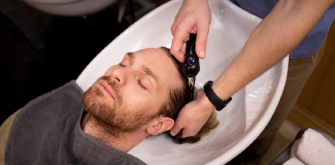
The first few weeks after NEO FUE are about protecting the grafts, keeping the scalp clean, and understanding what’s normal (including temporary shedding). Your clinic will give you a personalised plan follow it closely and attend all scheduled check-ups.
Follow-up appointments (in Turkey and after you return home)
- 24–72 hours: A quick review to check swelling, redness, and the donor area, and to reinforce washing instructions.
- 7–10 days: Crust/scab assessment and (if needed) gentle removal guidance; confirmation that grafts are secure.
- 1 month: Healing review and discussion of shedding, itching, and any ongoing sensitivity.
- 3–6 months: Growth tracking with photos; adjustments to your aftercare plan if required.
- 9–12 months: Final result assessment (some patients continue improving up to 15–18 months).
Washing routine (typical clinic protocol)
- When to start: Many clinics advise beginning gentle washing around day 2–3, but timing varies use your surgeon’s instructions.
- How to wash: Use the recommended shampoo/foam; apply by patting rather than rubbing. Rinse with lukewarm water using low pressure.
- Drying: Pat dry with a clean, soft towel or let it air-dry. Avoid rubbing and avoid hot air from hairdryers in the early phase.
- Crust management: Do not pick scabs. They usually loosen gradually with regular washing and proper moisturising/foam use.
- Donor area care: Keep it clean and follow any ointment or lotion instructions; mild tightness or soreness is common initially.
The shedding phase (“shock loss”) what to expect
It’s common for the transplanted hairs to shed after the first few weeks. This can look alarming, but it’s usually a normal part of the cycle: the hair shafts fall out while the follicles remain in place and later produce new growth.
- Timing: Often begins around weeks 2–6 and may continue for several weeks.
- What’s normal: Patchy appearance, temporary thinning, mild redness, and occasional small pimples as new hairs start to emerge.
- Regrowth: New growth commonly becomes noticeable around months 3–4, thickening through months 6–12.
When to contact your clinic urgently
- Increasing pain, spreading redness, warmth, or pus-like discharge
- Fever or chills
- Sudden significant swelling after the first few days
- Persistent bleeding that doesn’t stop with gentle pressure
- Severe itching or rash suggesting an allergic reaction to products/medications
Consistent aftercare, gentle washing, and timely follow-ups are key to protecting your grafts and supporting strong, even regrowth.
Follow-Up Appointments, Washing Routine, and the Shedding Phase
The first few weeks after NEO FUE are about protecting the grafts, keeping the scalp clean, and understanding what’s normal (including temporary shedding). Your clinic will give you a personalised plan follow it closely and attend all scheduled check-ups.
Follow-up appointments (in Turkey and after you return home)
- 24–72 hours: A quick review to check swelling, redness, and the donor area, and to reinforce washing instructions.
- 7–10 days: Crust/scab assessment and (if needed) gentle removal guidance; confirmation that grafts are secure.
- 1 month: Healing review and discussion of shedding, itching, and any ongoing sensitivity.
- 3–6 months: Growth tracking with photos; adjustments to your aftercare plan if required.
- 9–12 months: Final result assessment (some patients continue improving up to 15–18 months).
Washing routine (typical clinic protocol)
- When to start: Many clinics advise beginning gentle washing around day 2–3, but timing varies use your surgeon’s instructions.
- How to wash: Use the recommended shampoo/foam; apply by patting rather than rubbing. Rinse with lukewarm water using low pressure.
- Drying: Pat dry with a clean, soft towel or let it air-dry. Avoid rubbing and avoid hot air from hairdryers in the early phase.
- Crust management: Do not pick scabs. They usually loosen gradually with regular washing and proper moisturising/foam use.
- Donor area care: Keep it clean and follow any ointment or lotion instructions; mild tightness or soreness is common initially.
The shedding phase (“shock loss”) what to expect
It’s common for the transplanted hairs to shed after the first few weeks. This can look alarming, but it’s usually a normal part of the cycle: the hair shafts fall out while the follicles remain in place and later produce new growth.
- Timing: Often begins around weeks 2–6 and may continue for several weeks.
- What’s normal: Patchy appearance, temporary thinning, mild redness, and occasional small pimples as new hairs start to emerge.
- Regrowth: New growth commonly becomes noticeable around months 3–4, thickening through months 6–12.
When to contact your clinic urgently
- Increasing pain, spreading redness, warmth, or pus-like discharge
- Fever or chills
- Sudden significant swelling after the first few days
- Persistent bleeding that doesn’t stop with gentle pressure
- Severe itching or rash suggesting an allergic reaction to products/medications
Consistent aftercare, gentle washing, and timely follow-ups are key to protecting your grafts and supporting strong, even regrowth.
Your Heal Road consultant can help coordinate remote follow-ups and aftercare guidance once you’re back home.
Heading Home: Aftercare, Growth Timeline, and Long-Term Maintenance
Most patients can travel home shortly after their NEO FUE procedure in Turkey, but your results depend heavily on what you do next. Your clinic will provide written aftercare instructions and may offer remote check-ins to review photos, answer questions, and guide you through each healing milestone.
Immediate Aftercare (First 72 Hours)
- Protect the grafts: Avoid touching, rubbing, or scratching the recipient area. Do not pick at scabs.
- Sleep position: Sleep on your back with your head elevated to reduce swelling and prevent accidental friction.
- Swelling and tightness: Mild swelling of the forehead/around the eyes can occur and typically settles within several days.
- Activity: Avoid strenuous exercise, heavy lifting, and anything that increases sweating.
- Medications: Take prescribed antibiotics/anti-inflammatories/pain relief exactly as directed.
Washing and Scab Care (Days 3–14)
- First washes: Follow your clinic’s protocol for gentle washing and drying this is crucial for graft survival.
- Scabbing: Scabs usually loosen and fall away gradually. Let them shed naturally; forced removal can dislodge grafts.
- Sun and heat: Avoid direct sun exposure, saunas, steam rooms, and very hot showers during early healing.
Shedding Phase and “Shock Loss” (Weeks 2–8)
It’s common for transplanted hairs to shed after the first few weeks. This is expected and does not mean the transplant has failed. Some patients also notice temporary thinning of existing hair (shock loss), which typically improves over time.
Growth Timeline: What to Expect
- Months 1–3: The scalp continues to settle; early growth may be minimal and uneven.
- Months 3–6: Noticeable new growth begins; hairs may appear fine at first.
- Months 6–9: Density and texture improve; styling becomes easier.
- Months 9–12 (and up to 18 months for some): Results mature, with better thickness and natural blending.
Long-Term Maintenance and Protecting Your Investment
- Hair loss management: A transplant restores hair where grafts are placed, but it doesn’t stop ongoing androgenetic hair loss. Ask your doctor whether medical therapy (e.g., finasteride and/or minoxidil) is appropriate for you.
- Scalp health: Use gentle shampoos, manage dandruff or dermatitis early, and avoid harsh chemical treatments until cleared by your clinician.
- Healthy habits: Adequate sleep, protein intake, and addressing iron/vitamin deficiencies (if present) can support hair quality.
- Follow-ups: Attend scheduled reviews (in person or virtual) and share progress photos at the intervals your clinic recommends.
When to contact your clinic urgently: increasing redness, warmth, worsening pain, pus-like discharge, fever, or sudden significant swelling should be assessed promptly.
Heading Home: Aftercare, Growth Timeline, and Long-Term Maintenance
Most patients can travel home shortly after their NEO FUE procedure in Turkey, but your results depend heavily on what you do next. Your clinic will provide written aftercare instructions and may offer remote check-ins to review photos, answer questions, and guide you through each healing milestone.
Immediate Aftercare (First 72 Hours)
- Protect the grafts: Avoid touching, rubbing, or scratching the recipient area. Do not pick at scabs.
- Sleep position: Sleep on your back with your head elevated to reduce swelling and prevent accidental friction.
- Swelling and tightness: Mild swelling of the forehead/around the eyes can occur and typically settles within several days.
- Activity: Avoid strenuous exercise, heavy lifting, and anything that increases sweating.
- Medications: Take prescribed antibiotics/anti-inflammatories/pain relief exactly as directed.
Washing and Scab Care (Days 3–14)
- First washes: Follow your clinic’s protocol for gentle washing and drying this is crucial for graft survival.
- Scabbing: Scabs usually loosen and fall away gradually. Let them shed naturally; forced removal can dislodge grafts.
- Sun and heat: Avoid direct sun exposure, saunas, steam rooms, and very hot showers during early healing.
Shedding Phase and “Shock Loss” (Weeks 2–8)
It’s common for transplanted hairs to shed after the first few weeks. This is expected and does not mean the transplant has failed. Some patients also notice temporary thinning of existing hair (shock loss), which typically improves over time.
Growth Timeline: What to Expect
- Months 1–3: The scalp continues to settle; early growth may be minimal and uneven.
- Months 3–6: Noticeable new growth begins; hairs may appear fine at first.
- Months 6–9: Density and texture improve; styling becomes easier.
- Months 9–12 (and up to 18 months for some): Results mature, with better thickness and natural blending.
Long-Term Maintenance and Protecting Your Investment
- Hair loss management: A transplant restores hair where grafts are placed, but it doesn’t stop ongoing androgenetic hair loss. Ask your doctor whether medical therapy (e.g., finasteride and/or minoxidil) is appropriate for you.
- Scalp health: Use gentle shampoos, manage dandruff or dermatitis early, and avoid harsh chemical treatments until cleared by your clinician.
- Healthy habits: Adequate sleep, protein intake, and addressing iron/vitamin deficiencies (if present) can support hair quality.
- Follow-ups: Attend scheduled reviews (in person or virtual) and share progress photos at the intervals your clinic recommends.
When to contact your clinic urgently: increasing redness, warmth, worsening pain, pus-like discharge, fever, or sudden significant swelling should be assessed promptly.
Your Heal Road consultant can help coordinate remote follow-ups and aftercare guidance once you’re back home.
Essential Tips for a Successful NEO FUE Hair Transplant Experience in Turkey
- Choose a clinic with proven NEO FUE expertise: Look for surgeons and teams who regularly perform NEO FUE, can explain their extraction/implantation protocol, and provide consistent before-and-after results with similar hair types and hair loss patterns. Verify medical licensing, facility standards, and who will perform each step of the procedure.
- Confirm a personalized plan (not a “one-size-fits-all” graft count): Ask for an assessment of donor capacity, safe extraction limits, hair caliber, and a realistic graft estimate. Ensure the plan covers hairline design, temple work (if needed), crown strategy, and long-term planning for future loss.
- Ask detailed questions during consultation: Clarify whether the clinic uses manual vs. motorized extraction, how grafts are counted and stored, the implantation method, expected density per zone, and how they minimize transection and overharvesting. Request a clear schedule for surgery day and post-op follow-ups.
- Prepare properly in the weeks before surgery: Follow the clinic’s guidance on stopping smoking/vaping, alcohol, and any supplements or medications that may increase bleeding (only with your prescribing doctor’s approval). Keep your scalp healthy, avoid sunburn, and arrive well-rested and hydrated.
- Plan travel and recovery time in Turkey: Arrange flights, transfers, and accommodation close to the clinic. Ideally stay long enough for the first wash and an early check-up. Avoid tight itineraries, heavy luggage, and stressful travel immediately after the procedure.
- Follow post-op instructions meticulously: Use only the recommended saline sprays, shampoos, and medications. Sleep with your head elevated, avoid touching or scratching the recipient area, and protect the grafts from friction (hats/helmets) until your clinic says it’s safe.
- Protect your scalp from sun, sweat, and impact: Avoid intense exercise, swimming, saunas, and direct sun exposure during the early healing phase. If you must go outdoors, follow clinic advice on loose headwear and sun protection without irritating the grafts.
- Expect shedding and a gradual growth timeline: “Shock loss” and shedding of transplanted hairs in the first weeks can be normal. New growth typically starts after a few months, with visible improvement over time and more mature results later. Patience and consistent aftercare are essential.
- Keep communication open with your coordinator/clinic: Take clear photos as instructed and report unusual pain, spreading redness, fever, excessive swelling, or discharge promptly. A responsive aftercare channel (WhatsApp/email) is a strong indicator of reliable follow-up support.
Essential Tips for a Successful NEO FUE Hair Transplant Experience in Turkey
- Choose a clinic with proven NEO FUE expertise: Look for surgeons and teams who regularly perform NEO FUE, can explain their extraction/implantation protocol, and provide consistent before-and-after results with similar hair types and hair loss patterns. Verify medical licensing, facility standards, and who will perform each step of the procedure.
- Confirm a personalized plan (not a “one-size-fits-all” graft count): Ask for an assessment of donor capacity, safe extraction limits, hair caliber, and a realistic graft estimate. Ensure the plan covers hairline design, temple work (if needed), crown strategy, and long-term planning for future loss.
- Ask detailed questions during consultation: Clarify whether the clinic uses manual vs. motorized extraction, how grafts are counted and stored, the implantation method, expected density per zone, and how they minimize transection and overharvesting. Request a clear schedule for surgery day and post-op follow-ups.
- Prepare properly in the weeks before surgery: Follow the clinic’s guidance on stopping smoking/vaping, alcohol, and any supplements or medications that may increase bleeding (only with your prescribing doctor’s approval). Keep your scalp healthy, avoid sunburn, and arrive well-rested and hydrated.
- Plan travel and recovery time in Turkey: Arrange flights, transfers, and accommodation close to the clinic. Ideally stay long enough for the first wash and an early check-up. Avoid tight itineraries, heavy luggage, and stressful travel immediately after the procedure.
- Follow post-op instructions meticulously: Use only the recommended saline sprays, shampoos, and medications. Sleep with your head elevated, avoid touching or scratching the recipient area, and protect the grafts from friction (hats/helmets) until your clinic says it’s safe.
- Protect your scalp from sun, sweat, and impact: Avoid intense exercise, swimming, saunas, and direct sun exposure during the early healing phase. If you must go outdoors, follow clinic advice on loose headwear and sun protection without irritating the grafts.
- Expect shedding and a gradual growth timeline: “Shock loss” and shedding of transplanted hairs in the first weeks can be normal. New growth typically starts after a few months, with visible improvement over time and more mature results later. Patience and consistent aftercare are essential.
- Keep communication open with your coordinator/clinic: Take clear photos as instructed and report unusual pain, spreading redness, fever, excessive swelling, or discharge promptly. A responsive aftercare channel (WhatsApp/email) is a strong indicator of reliable follow-up support.
Conclusion
References


- International Society of Hair Restoration Surgery (ISHRS) — Hair Transplant Basics (Patient Information)
- American Academy of Dermatology (AAD) — Hair Loss: Diagnosis and Treatment Overview
- International Society of Hair Restoration Surgery (ISHRS) — Practice Census / Statistics
- StatPearls (NCBI Bookshelf) — Hair Transplantation (Clinical Review)
- World Health Organization (WHO) — Surgical Safety Checklist
Article Contributors

Heal Road Editor
Editor

Heal Road Writer
Writer
- Views
- 183 views
- Reading Time
- Last Updated