 181 views
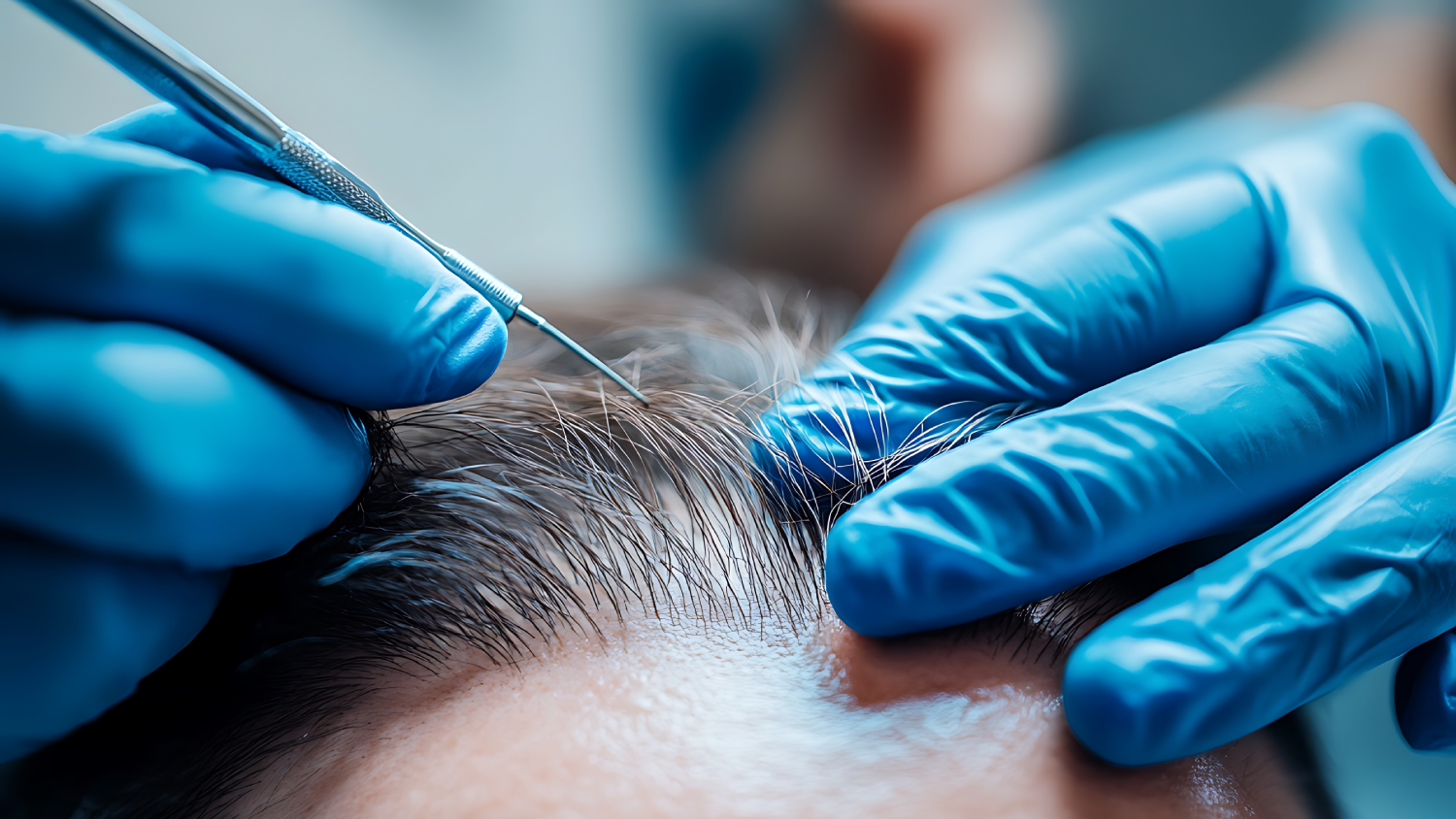
A Step-by-Step Guide to Sapphire FUE Hair Transplantation in Turkey
Nereden Başlayacağını
Bilmiyor musun?
Doğru uzmanı en uygun fiyat garantisiyle bulun

Your Heal Road consultant can help you compare clinics and plan your Sapphire FUE journey with confidence.
In-Depth Research and Selecting the Right Sapphire FUE Clinic
A successful Sapphire FUE hair transplant in Turkey starts long before surgery day. Taking time to research and choose the right clinic helps you achieve natural-looking density, minimize risks, and ensure a smooth experience from consultation to aftercare. Turkey especially Istanbul, Ankara, Antalya, and Izmir offers many options, so comparing clinics carefully is essential.
When shortlisting providers, focus on medical standards, surgeon involvement, and proven results rather than marketing claims. Use the checklist below to evaluate clinics consistently.
Clinic Licensing, Accreditation, and Hygiene Standards
Confirm the clinic operates legally and follows strict infection-control protocols. Look for recognized quality standards (e.g., ISO) and transparent information about the surgical environment, sterilization, and emergency procedures.
Surgeon Credentials and Who Performs Each Step
Ask who will design the hairline, administer anesthesia, extract grafts, and place grafts. In Sapphire FUE, precision matters ensure a qualified doctor is actively involved in planning and key surgical steps, with an experienced team supporting the procedure.
Sapphire FUE Technique and Tools Used
Verify the clinic genuinely offers Sapphire FUE (sapphire blade channels) and not standard steel-blade FUE marketed under a similar name. Ask about blade sizes, channel angles, and how they tailor incision patterns to your hair characteristics and goals.
Before-and-After Evidence (Comparable Cases)
Request clear, high-resolution before-and-after photos and, if possible, video results for patients with a similar hair type, hair loss pattern, and Norwood stage. Pay attention to hairline naturalness, density distribution, and donor-area appearance.
Patient Reviews and Independent Testimonials
Check reviews on multiple independent platforms and look for consistent feedback about communication, cleanliness, pain control, aftercare responsiveness, and whether results matched expectations.
Transparent Planning: Graft Count, Coverage, and Realistic Outcomes
A reputable clinic will provide a clear plan: estimated graft range, target zones, expected density, and limitations based on donor capacity. Be cautious of guaranteed graft numbers without assessment or promises of unrealistic density.
Aftercare, Follow-Up, and Complication Support
Strong aftercare is a hallmark of quality. Confirm you will receive written post-op instructions, medication guidance, wash schedule, and access to clinical support after you return home. Ask how they handle concerns like prolonged redness, swelling, folliculitis, or shock loss.
Pricing and What an “All-Inclusive Package” Really Covers
Request an itemized quote and confirm what is included: consultation, blood tests (if required), procedure, anesthesia, medications, PRP (if offered), hotel, transfers, interpreter, and follow-up. Transparent pricing helps avoid hidden costs and last-minute upgrades.
Communication and Consultation Quality
A thorough consultation should cover your medical history, current medications, smoking status, donor evaluation, and long-term hair loss management. Clear, prompt communication in a language you understand is essential for informed consent and peace of mind.
- Tip: Compare 2–3 clinics using the same questions and request the plan in writing.
- Red flag: Pressure to book quickly, vague answers about who performs the surgery, or refusal to share consistent case results.
In-Depth Research and Selecting the Right Sapphire FUE Clinic
A successful Sapphire FUE hair transplant in Turkey starts long before surgery day. Taking time to research and choose the right clinic helps you achieve natural-looking density, minimize risks, and ensure a smooth experience from consultation to aftercare. Turkey especially Istanbul, Ankara, Antalya, and Izmir offers many options, so comparing clinics carefully is essential.
When shortlisting providers, focus on medical standards, surgeon involvement, and proven results rather than marketing claims. Use the checklist below to evaluate clinics consistently.
Your Heal Road consultant can help you compare clinics and plan your Sapphire FUE journey with confidence.
Clinic Licensing, Accreditation, and Hygiene Standards
Confirm the clinic operates legally and follows strict infection-control protocols. Look for recognized quality standards (e.g., ISO) and transparent information about the surgical environment, sterilization, and emergency procedures.
Surgeon Credentials and Who Performs Each Step
Ask who will design the hairline, administer anesthesia, extract grafts, and place grafts. In Sapphire FUE, precision matters ensure a qualified doctor is actively involved in planning and key surgical steps, with an experienced team supporting the procedure.
Sapphire FUE Technique and Tools Used
Verify the clinic genuinely offers Sapphire FUE (sapphire blade channels) and not standard steel-blade FUE marketed under a similar name. Ask about blade sizes, channel angles, and how they tailor incision patterns to your hair characteristics and goals.
Before-and-After Evidence (Comparable Cases)
Request clear, high-resolution before-and-after photos and, if possible, video results for patients with a similar hair type, hair loss pattern, and Norwood stage. Pay attention to hairline naturalness, density distribution, and donor-area appearance.
Patient Reviews and Independent Testimonials
Check reviews on multiple independent platforms and look for consistent feedback about communication, cleanliness, pain control, aftercare responsiveness, and whether results matched expectations.
Transparent Planning: Graft Count, Coverage, and Realistic Outcomes
A reputable clinic will provide a clear plan: estimated graft range, target zones, expected density, and limitations based on donor capacity. Be cautious of guaranteed graft numbers without assessment or promises of unrealistic density.
Aftercare, Follow-Up, and Complication Support
Strong aftercare is a hallmark of quality. Confirm you will receive written post-op instructions, medication guidance, wash schedule, and access to clinical support after you return home. Ask how they handle concerns like prolonged redness, swelling, folliculitis, or shock loss.
Pricing and What an “All-Inclusive Package” Really Covers
Request an itemized quote and confirm what is included: consultation, blood tests (if required), procedure, anesthesia, medications, PRP (if offered), hotel, transfers, interpreter, and follow-up. Transparent pricing helps avoid hidden costs and last-minute upgrades.
Communication and Consultation Quality
A thorough consultation should cover your medical history, current medications, smoking status, donor evaluation, and long-term hair loss management. Clear, prompt communication in a language you understand is essential for informed consent and peace of mind.
- Tip: Compare 2–3 clinics using the same questions and request the plan in writing.
- Red flag: Pressure to book quickly, vague answers about who performs the surgery, or refusal to share consistent case results.

Online Consultation and Eligibility Assessment for Sapphire FUE
After choosing a clinic in Turkey, the next step is an online consultation to confirm whether you are a good candidate for a Sapphire FUE hair transplant. Most clinics offer this assessment remotely, often free of charge, so you can share your concerns, ask questions, and receive an initial plan before booking your trip.
What You’ll Need to Send (Photos, Videos, and Key Details):
To evaluate your hair loss and donor capacity accurately, the medical team will typically request clear, well-lit photos (and sometimes a short video) of your scalp. Common angles include the front hairline, temples, top/crown, and the donor area (back and sides). You may also be asked about your age, how long hair loss has been progressing, and any previous hair restoration procedures.
Medical History and Safety Screening:
During the consultation, you’ll be asked about your medical history, current medications, allergies, smoking habits, and any conditions that could affect healing (for example, uncontrolled diabetes, bleeding disorders, or certain autoimmune conditions). This step helps the clinic determine whether the procedure is safe and whether any pre-op adjustments are needed.
Donor Area Analysis and Graft Estimate:
Sapphire FUE relies on extracting follicles from a stable donor zone, so the team will assess donor density, hair shaft thickness, and the likely long-term stability of the donor supply. Based on your pattern of loss and goals, they will provide an estimated graft range and explain what can realistically be achieved in one session versus a staged approach.
Hairline Design and Setting Realistic Expectations:
You’ll discuss your preferred hairline shape and density targets. The clinic should explain how factors like hair caliber, curl pattern, contrast between hair and scalp, and ongoing hair loss influence the final look. They may also recommend complementary treatments (such as medical therapy) to help stabilize future shedding and protect your results.
Personalized Plan, Timeline, and Next Steps:
If you’re eligible, you’ll receive a preliminary treatment plan outlining the proposed graft count, areas to be transplanted, expected duration of the procedure, and an overview of recovery. This is also the time to clarify what’s included in your package (tests, medications, aftercare) and confirm travel dates before moving forward.
Online Consultation and Eligibility Assessment for Sapphire FUE
After choosing a clinic in Turkey, the next step is an online consultation to confirm whether you are a good candidate for a Sapphire FUE hair transplant. Most clinics offer this assessment remotely, often free of charge, so you can share your concerns, ask questions, and receive an initial plan before booking your trip.
What You’ll Need to Send (Photos, Videos, and Key Details):
To evaluate your hair loss and donor capacity accurately, the medical team will typically request clear, well-lit photos (and sometimes a short video) of your scalp. Common angles include the front hairline, temples, top/crown, and the donor area (back and sides). You may also be asked about your age, how long hair loss has been progressing, and any previous hair restoration procedures.
Medical History and Safety Screening:
During the consultation, you’ll be asked about your medical history, current medications, allergies, smoking habits, and any conditions that could affect healing (for example, uncontrolled diabetes, bleeding disorders, or certain autoimmune conditions). This step helps the clinic determine whether the procedure is safe and whether any pre-op adjustments are needed.
Donor Area Analysis and Graft Estimate:
Sapphire FUE relies on extracting follicles from a stable donor zone, so the team will assess donor density, hair shaft thickness, and the likely long-term stability of the donor supply. Based on your pattern of loss and goals, they will provide an estimated graft range and explain what can realistically be achieved in one session versus a staged approach.
Hairline Design and Setting Realistic Expectations:
You’ll discuss your preferred hairline shape and density targets. The clinic should explain how factors like hair caliber, curl pattern, contrast between hair and scalp, and ongoing hair loss influence the final look. They may also recommend complementary treatments (such as medical therapy) to help stabilize future shedding and protect your results.
Personalized Plan, Timeline, and Next Steps:
If you’re eligible, you’ll receive a preliminary treatment plan outlining the proposed graft count, areas to be transplanted, expected duration of the procedure, and an overview of recovery. This is also the time to clarify what’s included in your package (tests, medications, aftercare) and confirm travel dates before moving forward.
| Treatment Step | Typical Range |
|---|---|
| Online consultation & photo analysis | 24–48 hrs |
| Personalized treatment plan (hairline design) | 1–2 days |
| Graft estimate (Sapphire FUE) | 2,000–4,500 grafts |
| Procedure scheduling & travel coordination | 1–3 weeks |
Use our Calculation Module to Find Out
The Cost of Sapphire FUE
Calculate My Cost
Personalized Treatment Plan, Graft Estimate, and Procedure Scheduling
Once your clinic confirms you’re a suitable candidate for a Sapphire FUE hair transplant, the next step is creating a personalized treatment plan. This plan turns your goals (hairline design, density, and coverage) into a clear roadmap for the procedure and your travel schedule in Turkey.
Your surgeon typically reviews your photos or in-person assessment to determine:
- Hairline design (shape, height, and temple points) tailored to your facial proportions and age
- Target areas (frontal zone, mid-scalp, crown) and the priority order for coverage
- Donor capacity (usually the back/sides of the scalp) and how to preserve it for future needs
- Graft estimate based on the size of the balding area, existing hair, and desired density
- Technique details such as Sapphire blade channel creation, graft placement strategy, and expected session length
A graft estimate is not just a number it’s a balance between achieving a natural look and protecting donor reserves. Clinics may provide a range (e.g., “3,000–3,500 grafts”) because the final count can only be confirmed after donor evaluation and intraoperative assessment.
After the plan is agreed, your procedure is scheduled. Many Turkish clinics offer international patient coordination, which may include:
- Procedure date confirmation and a suggested length of stay (often 3–5 days)
- Hotel and airport transfers arranged as part of an all-inclusive package
- Interpreter support during consultations and surgery-day instructions
- Pre-op guidance (medications to avoid, smoking/alcohol restrictions, and scalp preparation)
- Post-op schedule for the first wash, check-up, and remote follow-up
Before booking flights, ask for your plan and inclusions in writing: graft range, areas to be treated, whether PRP or aftercare kits are included, and what happens if the graft count changes on the day. Clear documentation helps you arrive confident and focused on recovery.
Personalized Treatment Plan, Graft Estimate, and Procedure Scheduling
Once your clinic confirms you’re a suitable candidate for a Sapphire FUE hair transplant, the next step is creating a personalized treatment plan. This plan turns your goals (hairline design, density, and coverage) into a clear roadmap for the procedure and your travel schedule in Turkey.
Your surgeon typically reviews your photos or in-person assessment to determine:
- Hairline design (shape, height, and temple points) tailored to your facial proportions and age
- Target areas (frontal zone, mid-scalp, crown) and the priority order for coverage
- Donor capacity (usually the back/sides of the scalp) and how to preserve it for future needs
- Graft estimate based on the size of the balding area, existing hair, and desired density
- Technique details such as Sapphire blade channel creation, graft placement strategy, and expected session length
A graft estimate is not just a number it’s a balance between achieving a natural look and protecting donor reserves. Clinics may provide a range (e.g., “3,000–3,500 grafts”) because the final count can only be confirmed after donor evaluation and intraoperative assessment.
After the plan is agreed, your procedure is scheduled. Many Turkish clinics offer international patient coordination, which may include:
- Procedure date confirmation and a suggested length of stay (often 3–5 days)
- Hotel and airport transfers arranged as part of an all-inclusive package
- Interpreter support during consultations and surgery-day instructions
- Pre-op guidance (medications to avoid, smoking/alcohol restrictions, and scalp preparation)
- Post-op schedule for the first wash, check-up, and remote follow-up
Before booking flights, ask for your plan and inclusions in writing: graft range, areas to be treated, whether PRP or aftercare kits are included, and what happens if the graft count changes on the day. Clear documentation helps you arrive confident and focused on recovery.
| Treatment Step | Typical Range |
|---|---|
| Online consultation & photo analysis | 24–48 hrs |
| Personalized treatment plan (hairline design) | 1–2 days |
| Graft estimate (Sapphire FUE) | 2,000–4,500 grafts |
| Procedure scheduling & travel coordination | 1–3 weeks |
Use our Calculation Module to Find Out
The Cost of Sapphire FUE
Calculate My Cost

 Arrive
in Turkey

 Hotel Check-In
 Pre-Op
Preparation
Arriving in Turkey and Pre-Op Preparation for Sapphire FUE
Once you arrive in Turkey, your clinic’s coordinator typically meets you at the airport and arranges your transfer to the hotel or clinic accommodation. Before your Sapphire FUE hair transplant, you will attend a pre-operative consultation to confirm your plan, review expectations, and ensure you are medically ready for the procedure.
This pre-op stage is designed to reduce last-minute surprises and help the surgical team tailor the approach to your scalp, donor capacity, and desired hairline.
Clinic check-in and plan confirmation: Your team will review your medical history, allergies, current medications/supplements, and any previous hair-loss treatments. The surgeon will re-assess the donor area and recipient zones, confirm the hairline design, estimate graft numbers, and discuss realistic density and coverage.
Scalp assessment and documentation: Photos may be taken for medical records and to guide placement. The team evaluates scalp condition (e.g., dermatitis, irritation), hair caliber, curl pattern, and donor density to refine the extraction and implantation strategy.
Health screening (as indicated): Depending on clinic protocol and your medical background, basic checks such as blood pressure and targeted blood tests may be performed to support safe anesthesia and surgery planning.
Pre-op instructions you may receive:
- Avoid alcohol for 24–48 hours before surgery and limit smoking, as both can affect healing.
- Follow your clinic’s guidance on blood-thinning medications and supplements (e.g., aspirin/NSAIDs, vitamin E, omega-3s) and never stop prescribed medication without medical approval.
- Wash your hair as instructed and avoid styling products on the day of surgery.
- Wear comfortable, loose clothing ideally a button-up or zip-up top to avoid pulling garments over the scalp afterward.
Consent and day-of timeline: You’ll review the consent forms, anesthesia plan, and the expected schedule for the procedure day (arrival time, shaving/trimming if needed, breaks, and post-op briefing). This is also the best time to ask questions about aftercare, washing, sleeping position, and when you can fly home.
Arriving in Turkey and Pre-Op Preparation for Sapphire FUE
Once you arrive in Turkey, your clinic’s coordinator typically meets you at the airport and arranges your transfer to the hotel or clinic accommodation. Before your Sapphire FUE hair transplant, you will attend a pre-operative consultation to confirm your plan, review expectations, and ensure you are medically ready for the procedure.
This pre-op stage is designed to reduce last-minute surprises and help the surgical team tailor the approach to your scalp, donor capacity, and desired hairline.
Arrivein Turkey
Hotel Check-In
Pre-OpPreparation
Clinic check-in and plan confirmation: Your team will review your medical history, allergies, current medications/supplements, and any previous hair-loss treatments. The surgeon will re-assess the donor area and recipient zones, confirm the hairline design, estimate graft numbers, and discuss realistic density and coverage.
Scalp assessment and documentation: Photos may be taken for medical records and to guide placement. The team evaluates scalp condition (e.g., dermatitis, irritation), hair caliber, curl pattern, and donor density to refine the extraction and implantation strategy.
Health screening (as indicated): Depending on clinic protocol and your medical background, basic checks such as blood pressure and targeted blood tests may be performed to support safe anesthesia and surgery planning.
Pre-op instructions you may receive:
- Avoid alcohol for 24–48 hours before surgery and limit smoking, as both can affect healing.
- Follow your clinic’s guidance on blood-thinning medications and supplements (e.g., aspirin/NSAIDs, vitamin E, omega-3s) and never stop prescribed medication without medical approval.
- Wash your hair as instructed and avoid styling products on the day of surgery.
- Wear comfortable, loose clothing ideally a button-up or zip-up top to avoid pulling garments over the scalp afterward.
Consent and day-of timeline: You’ll review the consent forms, anesthesia plan, and the expected schedule for the procedure day (arrival time, shaving/trimming if needed, breaks, and post-op briefing). This is also the best time to ask questions about aftercare, washing, sleeping position, and when you can fly home.
Sapphire FUE Procedure Day: Step-by-Step Overview


08:00
Check-in &Hairline Design
09:00
Local Anesthesia &Donor Prep
10:00-13:00
Graft Extraction &Sapphire Channels
14:00-17:00
Implantation &Post-Op Care
Arrival, paperwork, photos, and a final consultation to confirm graft count and draw a natural hairline plan.
Donor area is trimmed, sterilized, and numbed with local anesthesia to keep you comfortable throughout the session.
Follicular units are extracted with a micro-punch, then sapphire blades create precise recipient channels to match angle and density.
Grafts are implanted into the opened channels; the scalp is cleaned, bandaged if needed, and aftercare instructions/medications are reviewed.
Sapphire FUE Procedure Day: Step-by-Step Overview
On the day of a Sapphire FUE hair transplant in Turkey, the clinic team follows a structured workflow designed to maximize graft survival and create a natural-looking hairline. The full session commonly takes 6–9 hours, depending on the number of grafts and whether a beard-to-scalp harvest is included.
1) Check-in, photos, and final planning
You’ll review the surgical plan, sign consent forms, and have standardized photos taken. The surgeon confirms the hairline design, graft estimate, and distribution across the recipient area.
2) Donor area preparation (shaving and antisepsis)
The donor zone (typically the back and sides of the scalp) is trimmed or shaved, then cleansed with antiseptic solution. The team marks safe donor boundaries to help avoid overharvesting.
3) Local anesthesia (donor and recipient areas)
Local anesthetic is administered to numb the donor and recipient sites. Most patients remain awake and comfortable; some clinics may offer mild sedation depending on policy and medical suitability.
4) FUE graft extraction
Using a micro-punch, follicular units are extracted one by one. The team sorts grafts by hair count (e.g., singles for the hairline, multi-hair grafts for density) and stores them in a controlled solution to support viability.
5) Recipient site creation with sapphire blades
The surgeon creates tiny incisions (channels) using sapphire-tipped blades. Channel direction, angle, and density are customized to match your natural growth pattern especially critical at the frontal hairline and temples.
6) Graft implantation
Technicians (under the surgeon’s supervision) place grafts into the prepared channels with fine forceps or implanter tools, following the planned pattern. This step is performed carefully to minimize graft handling and reduce trauma.
7) Cleaning, dressing, and immediate aftercare briefing
The scalp is gently cleaned, the donor area may be bandaged, and you’ll receive written instructions and medications if prescribed (e.g., pain relief, antibiotics, anti-swelling measures). The team explains how to sleep, when to start washing, and what is normal during the first few days.
- Tip: Wear a button-up/zip-up top to avoid pulling clothing over the grafts after the procedure.
- Expect: Mild swelling, tightness, and redness are common early on; the clinic will advise when to contact them for unusual pain, bleeding, or signs of infection.
Sapphire FUE Procedure Day: Step-by-Step Overview
On the day of a Sapphire FUE hair transplant in Turkey, the clinic team follows a structured workflow designed to maximize graft survival and create a natural-looking hairline. The full session commonly takes 6–9 hours, depending on the number of grafts and whether a beard-to-scalp harvest is included.
Sapphire FUE Procedure Day: Step-by-Step Overview
08:00
Check-in &Hairline Design
09:00
Local Anesthesia &Donor Prep
10:00-13:00
Graft Extraction &Sapphire Channels
14:00-17:00
Implantation &Post-Op Care
Arrival, paperwork, photos, and a final consultation to confirm graft count and draw a natural hairline plan.
Donor area is trimmed, sterilized, and numbed with local anesthesia to keep you comfortable throughout the session.
Follicular units are extracted with a micro-punch, then sapphire blades create precise recipient channels to match angle and density.
Grafts are implanted into the opened channels; the scalp is cleaned, bandaged if needed, and aftercare instructions/medications are reviewed.
1) Check-in, photos, and final planning
You’ll review the surgical plan, sign consent forms, and have standardized photos taken. The surgeon confirms the hairline design, graft estimate, and distribution across the recipient area.
2) Donor area preparation (shaving and antisepsis)
The donor zone (typically the back and sides of the scalp) is trimmed or shaved, then cleansed with antiseptic solution. The team marks safe donor boundaries to help avoid overharvesting.
3) Local anesthesia (donor and recipient areas)
Local anesthetic is administered to numb the donor and recipient sites. Most patients remain awake and comfortable; some clinics may offer mild sedation depending on policy and medical suitability.
4) FUE graft extraction
Using a micro-punch, follicular units are extracted one by one. The team sorts grafts by hair count (e.g., singles for the hairline, multi-hair grafts for density) and stores them in a controlled solution to support viability.
5) Recipient site creation with sapphire blades
The surgeon creates tiny incisions (channels) using sapphire-tipped blades. Channel direction, angle, and density are customized to match your natural growth pattern especially critical at the frontal hairline and temples.
6) Graft implantation
Technicians (under the surgeon’s supervision) place grafts into the prepared channels with fine forceps or implanter tools, following the planned pattern. This step is performed carefully to minimize graft handling and reduce trauma.
7) Cleaning, dressing, and immediate aftercare briefing
The scalp is gently cleaned, the donor area may be bandaged, and you’ll receive written instructions and medications if prescribed (e.g., pain relief, antibiotics, anti-swelling measures). The team explains how to sleep, when to start washing, and what is normal during the first few days.
- Tip: Wear a button-up/zip-up top to avoid pulling clothing over the grafts after the procedure.
- Expect: Mild swelling, tightness, and redness are common early on; the clinic will advise when to contact them for unusual pain, bleeding, or signs of infection.
Immediate Aftercare, Healing Timeline, and Managing Discomfort
The first few days after Sapphire FUE are focused on protecting the grafts, reducing swelling, and keeping both the donor and recipient areas clean. Your clinic will provide a personalised aftercare plan and may prescribe medications such as antibiotics, anti-inflammatories, pain relief, and/or a saline spray. Mild swelling, tightness, itching, and small scabs are expected and typically improve steadily.
- First 24–72 hours: Keep your head elevated (including during sleep) to minimise swelling. Avoid touching, rubbing, or scratching the recipient area. Use only the products and sprays recommended by your medical team.
- Washing routine: Follow your clinic’s instructions for the first wash (often within 24–48 hours). Use lukewarm water and gentle technique no strong water pressure and no vigorous rubbing. Pat dry carefully.
- Activity restrictions: Avoid strenuous exercise, heavy lifting, bending forward for long periods, saunas/steam rooms, and swimming until your surgeon clears you (commonly 10–14 days). These can increase swelling, sweating, and infection risk.
- Sun and heat protection: Keep the scalp out of direct sun and avoid high heat exposure during early healing. If you must go outside, use a loose, clinic-approved hat only when permitted.
- Sleeping position: Sleep on your back with your head elevated. Try to avoid contact between the recipient area and pillows to prevent friction and accidental graft trauma.
- Managing discomfort: Soreness in the donor area and a “tight” feeling are common. Take prescribed pain relief as directed. Cold compresses may be used for forehead swelling only if advised never place ice directly on grafted areas.
- Scabs and itching: Small scabs typically form and shed naturally. Do not pick them. Itching is common as healing progresses; use only approved sprays/lotions and contact your clinic if itching becomes intense.
- What’s normal vs. when to call the clinic: Mild redness, swelling, and pinpoint scabbing are expected. Contact your medical team promptly if you develop increasing pain, spreading redness, pus-like discharge, fever, significant bleeding, or sudden worsening swelling.
Typical healing timeline (general guide): Days 1–3: swelling/tightness may peak; scabbing begins. Days 4–10: scabs gradually loosen; donor area starts to look calmer. Around weeks 2–6: some transplanted hairs may shed (“shock loss”), which is normal. Months 3–4: early regrowth often starts. Months 6–9: visible improvement becomes more noticeable. Months 12–18: final maturation and density typically continue to refine. Your exact timeline can vary based on graft count, scalp characteristics, and adherence to aftercare.
Immediate Aftercare, Healing Timeline, and Managing Discomfort
The first few days after Sapphire FUE are focused on protecting the grafts, reducing swelling, and keeping both the donor and recipient areas clean. Your clinic will provide a personalised aftercare plan and may prescribe medications such as antibiotics, anti-inflammatories, pain relief, and/or a saline spray. Mild swelling, tightness, itching, and small scabs are expected and typically improve steadily.
- First 24–72 hours: Keep your head elevated (including during sleep) to minimise swelling. Avoid touching, rubbing, or scratching the recipient area. Use only the products and sprays recommended by your medical team.
- Washing routine: Follow your clinic’s instructions for the first wash (often within 24–48 hours). Use lukewarm water and gentle technique no strong water pressure and no vigorous rubbing. Pat dry carefully.
- Activity restrictions: Avoid strenuous exercise, heavy lifting, bending forward for long periods, saunas/steam rooms, and swimming until your surgeon clears you (commonly 10–14 days). These can increase swelling, sweating, and infection risk.
- Sun and heat protection: Keep the scalp out of direct sun and avoid high heat exposure during early healing. If you must go outside, use a loose, clinic-approved hat only when permitted.
- Sleeping position: Sleep on your back with your head elevated. Try to avoid contact between the recipient area and pillows to prevent friction and accidental graft trauma.
- Managing discomfort: Soreness in the donor area and a “tight” feeling are common. Take prescribed pain relief as directed. Cold compresses may be used for forehead swelling only if advised never place ice directly on grafted areas.
- Scabs and itching: Small scabs typically form and shed naturally. Do not pick them. Itching is common as healing progresses; use only approved sprays/lotions and contact your clinic if itching becomes intense.
- What’s normal vs. when to call the clinic: Mild redness, swelling, and pinpoint scabbing are expected. Contact your medical team promptly if you develop increasing pain, spreading redness, pus-like discharge, fever, significant bleeding, or sudden worsening swelling.
Typical healing timeline (general guide): Days 1–3: swelling/tightness may peak; scabbing begins. Days 4–10: scabs gradually loosen; donor area starts to look calmer. Around weeks 2–6: some transplanted hairs may shed (“shock loss”), which is normal. Months 3–4: early regrowth often starts. Months 6–9: visible improvement becomes more noticeable. Months 12–18: final maturation and density typically continue to refine. Your exact timeline can vary based on graft count, scalp characteristics, and adherence to aftercare.

Follow-Up Checks, Washing Routine, and Early Growth Milestones
The first few weeks after Sapphire FUE are focused on protecting the grafts, keeping the scalp clean, and attending scheduled reviews. Your clinic in Turkey will typically provide a written aftercare plan and a day-by-day washing kit.
Follow-up checks (what to expect)
- First review (often 24–72 hours): dressing removal (if used), donor-area check, swelling control advice, and confirmation that grafts look stable.
- Early check (around day 7–10): assessment of redness, scabbing, and donor healing; guidance on when you can return to normal shower pressure and daily activities.
- Ongoing remote follow-ups (weeks 2–12): photo updates and troubleshooting for itching, folliculitis-like bumps, or prolonged redness.
- Milestone reviews (months 6 and 12): progress comparison photos and discussion of density, styling, and whether any additional sessions are recommended.
Washing routine (typical clinic protocol)
- When to start: many clinics begin gentle washing 24–48 hours after surgery, but follow your surgeon’s exact timing.
- How to soften scabs: apply the recommended lotion/foam to the recipient area for the advised duration to loosen crusts before rinsing.
- Shampoo technique: use a mild, clinic-approved shampoo; dab or lightly pat rather than rubbing. Avoid hot water and high-pressure shower streams directly on the grafts in the early phase.
- Rinsing and drying: rinse with lukewarm water; let water flow gently over the scalp. Dry by patting with a clean towel or using cool air no vigorous towel rubbing.
- Scab removal: do not pick. Scabs usually shed gradually after several washes; forced removal can dislodge grafts and affect growth.
Early growth milestones (what is normal)
- Days 1–7: mild swelling, tightness, and redness are common. Small scabs form around grafts as part of normal healing.
- Weeks 2–6: “shock loss” (shedding of transplanted hairs) often occurs this is expected and does not mean the grafts failed.
- Months 3–4: early regrowth typically begins; new hairs may appear fine, lighter, or uneven at first.
- Months 6–9: noticeable thickening and improved coverage; texture and direction continue to mature.
- Months 12–18: final results for many patients, with the most natural density and hair caliber.
Contact your clinic promptly if you develop increasing pain, spreading redness, fever, significant pus-like discharge, or sudden worsening swelling these are not typical and should be assessed.
Follow-Up Checks, Washing Routine, and Early Growth Milestones
The first few weeks after Sapphire FUE are focused on protecting the grafts, keeping the scalp clean, and attending scheduled reviews. Your clinic in Turkey will typically provide a written aftercare plan and a day-by-day washing kit.
Follow-up checks (what to expect)
- First review (often 24–72 hours): dressing removal (if used), donor-area check, swelling control advice, and confirmation that grafts look stable.
- Early check (around day 7–10): assessment of redness, scabbing, and donor healing; guidance on when you can return to normal shower pressure and daily activities.
- Ongoing remote follow-ups (weeks 2–12): photo updates and troubleshooting for itching, folliculitis-like bumps, or prolonged redness.
- Milestone reviews (months 6 and 12): progress comparison photos and discussion of density, styling, and whether any additional sessions are recommended.
Washing routine (typical clinic protocol)
- When to start: many clinics begin gentle washing 24–48 hours after surgery, but follow your surgeon’s exact timing.
- How to soften scabs: apply the recommended lotion/foam to the recipient area for the advised duration to loosen crusts before rinsing.
- Shampoo technique: use a mild, clinic-approved shampoo; dab or lightly pat rather than rubbing. Avoid hot water and high-pressure shower streams directly on the grafts in the early phase.
- Rinsing and drying: rinse with lukewarm water; let water flow gently over the scalp. Dry by patting with a clean towel or using cool air no vigorous towel rubbing.
- Scab removal: do not pick. Scabs usually shed gradually after several washes; forced removal can dislodge grafts and affect growth.
Early growth milestones (what is normal)
- Days 1–7: mild swelling, tightness, and redness are common. Small scabs form around grafts as part of normal healing.
- Weeks 2–6: “shock loss” (shedding of transplanted hairs) often occurs this is expected and does not mean the grafts failed.
- Months 3–4: early regrowth typically begins; new hairs may appear fine, lighter, or uneven at first.
- Months 6–9: noticeable thickening and improved coverage; texture and direction continue to mature.
- Months 12–18: final results for many patients, with the most natural density and hair caliber.
Contact your clinic promptly if you develop increasing pain, spreading redness, fever, significant pus-like discharge, or sudden worsening swelling these are not typical and should be assessed.
Your Heal Road consultant can continue to support you after you return home—helping you track progress, share photos with your clinic, and get answers during each stage of regrowth.
Returning Home: Long-Term Care and Maximizing Hair Growth Results
Most patients can fly home shortly after Sapphire FUE in Turkey, but your results depend on how well you protect the grafts and support healing in the months that follow. Your clinic should provide written aftercare instructions and may offer remote follow-ups to review photos, answer questions, and adjust your routine if needed.
Travel Home Safely (First 48–72 Hours):
- Protect the grafts: Avoid touching, rubbing, or bumping the recipient area. Keep any clinic-provided headwear loose and non-abrasive.
- Manage swelling: Mild forehead swelling can occur. Sleep with your head elevated and follow your surgeon’s guidance on cold compresses (never directly on grafts).
- Medication compliance: Take prescribed antibiotics, pain relief, and anti-inflammatory medication exactly as directed.
Early Aftercare at Home (Days 3–14):
- Washing routine: Follow the clinic’s schedule for gentle washing and foam/lotions. Do not scratch or pick at scabs; they should loosen naturally.
- Avoid sweat and friction: Skip intense exercise, saunas/steam rooms, and tight hats/helmets until cleared by your surgeon.
- Sun protection: Keep the scalp out of direct sunlight. If you must go outside, use a loose hat approved by your clinic.
- Red flags: Contact your clinic promptly if you develop increasing pain, spreading redness, fever, pus, or sudden significant swelling.
The “Shedding Phase” and What to Expect (Weeks 2–8):
It’s common for transplanted hairs to shed after the first few weeks. This is usually normal and does not mean the grafts failed new growth typically begins later as follicles re-enter the growth cycle.
Maximizing Growth (Months 2–12):
- Be consistent: Hair growth is gradual. Many patients notice early changes around months 3–4, with more visible density developing from months 6–12.
- Discuss supportive treatments: If recommended, ask your surgeon about options such as minoxidil, finasteride/dutasteride (where appropriate), PRP, or supplements timing and suitability vary by patient.
- Healthy scalp habits: Use gentle shampoos, avoid harsh chemicals early on, and treat dandruff or dermatitis promptly with medical advice.
- Lifestyle factors: Prioritize sleep, balanced nutrition (adequate protein/iron), hydration, and smoking cessation to support healing and hair quality.
Long-Term Maintenance and Follow-Ups:
Plan periodic check-ins with your clinic (often via photos) and consider a local dermatologist for ongoing hair-loss management. Long-term success is best when the transplant is paired with a strategy to stabilize future hair thinning.
Returning Home: Long-Term Care and Maximizing Hair Growth Results
Most patients can fly home shortly after Sapphire FUE in Turkey, but your results depend on how well you protect the grafts and support healing in the months that follow. Your clinic should provide written aftercare instructions and may offer remote follow-ups to review photos, answer questions, and adjust your routine if needed.
Travel Home Safely (First 48–72 Hours):
- Protect the grafts: Avoid touching, rubbing, or bumping the recipient area. Keep any clinic-provided headwear loose and non-abrasive.
- Manage swelling: Mild forehead swelling can occur. Sleep with your head elevated and follow your surgeon’s guidance on cold compresses (never directly on grafts).
- Medication compliance: Take prescribed antibiotics, pain relief, and anti-inflammatory medication exactly as directed.
Early Aftercare at Home (Days 3–14):
- Washing routine: Follow the clinic’s schedule for gentle washing and foam/lotions. Do not scratch or pick at scabs; they should loosen naturally.
- Avoid sweat and friction: Skip intense exercise, saunas/steam rooms, and tight hats/helmets until cleared by your surgeon.
- Sun protection: Keep the scalp out of direct sunlight. If you must go outside, use a loose hat approved by your clinic.
- Red flags: Contact your clinic promptly if you develop increasing pain, spreading redness, fever, pus, or sudden significant swelling.
The “Shedding Phase” and What to Expect (Weeks 2–8):
It’s common for transplanted hairs to shed after the first few weeks. This is usually normal and does not mean the grafts failed new growth typically begins later as follicles re-enter the growth cycle.
Maximizing Growth (Months 2–12):
- Be consistent: Hair growth is gradual. Many patients notice early changes around months 3–4, with more visible density developing from months 6–12.
- Discuss supportive treatments: If recommended, ask your surgeon about options such as minoxidil, finasteride/dutasteride (where appropriate), PRP, or supplements timing and suitability vary by patient.
- Healthy scalp habits: Use gentle shampoos, avoid harsh chemicals early on, and treat dandruff or dermatitis promptly with medical advice.
- Lifestyle factors: Prioritize sleep, balanced nutrition (adequate protein/iron), hydration, and smoking cessation to support healing and hair quality.
Long-Term Maintenance and Follow-Ups:
Plan periodic check-ins with your clinic (often via photos) and consider a local dermatologist for ongoing hair-loss management. Long-term success is best when the transplant is paired with a strategy to stabilize future hair thinning.
Your Heal Road consultant can continue to support you after you return home—helping you track progress, share photos with your clinic, and get answers during each stage of regrowth.

Essential Tips for a Smooth Sapphire FUE Experience in Turkey
- Choose a clinic with proven Sapphire FUE expertise: Look for a dedicated hair-transplant team, consistent before-and-after results, transparent graft planning, and clear information on who performs each step (extraction, channel opening, implantation).
- Confirm the technique details in writing: Ask whether sapphire blades are used for recipient-site creation, which extraction method is used (manual/micromotor), the planned graft count and distribution, and whether DHI or classic implantation is planned for your case.
- Share your full medical history early: Inform the clinic about chronic conditions, allergies, bleeding disorders, prior scalp procedures, and all medications/supplements (especially blood thinners, anti-inflammatories, and herbal products that may increase bleeding).
- Prepare properly in the week before surgery: Follow clinic guidance on stopping alcohol and smoking, avoiding certain medications/supplements, staying well hydrated, and washing your scalp as instructed. Arrive well-rested to reduce stress and improve comfort.
- Plan travel to protect your grafts: Schedule arrival at least a day before the procedure when possible, avoid tight hats/helmets after surgery, and choose flexible flights so you can attend the first wash and early check-up without rushing.
- Prioritize hygiene and infection prevention: Keep hands off the recipient area, use only the recommended shampoo/lotions, and follow the clinic’s washing schedule. Avoid dusty environments and crowded places during the first days if possible.
- Manage swelling and discomfort proactively: Sleep with your head elevated, use cold compresses only where permitted (typically not on grafts), take prescribed medications as directed, and avoid strenuous activity for the timeframe your surgeon recommends.
- Protect the scalp from sun and heat: Avoid direct sun exposure, saunas, steam rooms, and very hot showers during early healing. If you must go outside, use a clinic-approved loose cap once allowed.
- Follow the “no-touch” and “no-scratch” rule: Itching is common; scratching can dislodge grafts. Use approved sprays/lotions and contact the clinic if itching is severe or persistent.
- Set realistic expectations for shedding and regrowth: Temporary shedding (shock loss) can occur in the first weeks. Visible growth typically starts around 3–4 months, with maturation continuing up to 12–18 months depending on the individual.
- Keep communication open after you return home: Arrange remote follow-ups, send progress photos as requested, and ask for guidance before starting products like minoxidil/finasteride or undergoing additional treatments (e.g., PRP).
- Know when to seek urgent advice: Contact the clinic promptly if you develop increasing redness, pus, fever, severe pain, sudden heavy bleeding, or rapidly worsening swelling.
Essential Tips for a Smooth Sapphire FUE Experience in Turkey
- Choose a clinic with proven Sapphire FUE expertise: Look for a dedicated hair-transplant team, consistent before-and-after results, transparent graft planning, and clear information on who performs each step (extraction, channel opening, implantation).
- Confirm the technique details in writing: Ask whether sapphire blades are used for recipient-site creation, which extraction method is used (manual/micromotor), the planned graft count and distribution, and whether DHI or classic implantation is planned for your case.
- Share your full medical history early: Inform the clinic about chronic conditions, allergies, bleeding disorders, prior scalp procedures, and all medications/supplements (especially blood thinners, anti-inflammatories, and herbal products that may increase bleeding).
- Prepare properly in the week before surgery: Follow clinic guidance on stopping alcohol and smoking, avoiding certain medications/supplements, staying well hydrated, and washing your scalp as instructed. Arrive well-rested to reduce stress and improve comfort.
- Plan travel to protect your grafts: Schedule arrival at least a day before the procedure when possible, avoid tight hats/helmets after surgery, and choose flexible flights so you can attend the first wash and early check-up without rushing.
- Prioritize hygiene and infection prevention: Keep hands off the recipient area, use only the recommended shampoo/lotions, and follow the clinic’s washing schedule. Avoid dusty environments and crowded places during the first days if possible.
- Manage swelling and discomfort proactively: Sleep with your head elevated, use cold compresses only where permitted (typically not on grafts), take prescribed medications as directed, and avoid strenuous activity for the timeframe your surgeon recommends.
- Protect the scalp from sun and heat: Avoid direct sun exposure, saunas, steam rooms, and very hot showers during early healing. If you must go outside, use a clinic-approved loose cap once allowed.
- Follow the “no-touch” and “no-scratch” rule: Itching is common; scratching can dislodge grafts. Use approved sprays/lotions and contact the clinic if itching is severe or persistent.
- Set realistic expectations for shedding and regrowth: Temporary shedding (shock loss) can occur in the first weeks. Visible growth typically starts around 3–4 months, with maturation continuing up to 12–18 months depending on the individual.
- Keep communication open after you return home: Arrange remote follow-ups, send progress photos as requested, and ask for guidance before starting products like minoxidil/finasteride or undergoing additional treatments (e.g., PRP).
- Know when to seek urgent advice: Contact the clinic promptly if you develop increasing redness, pus, fever, severe pain, sudden heavy bleeding, or rapidly worsening swelling.
Conclusion
References


- International Society of Hair Restoration Surgery (ISHRS) — Hair Transplant Patient Information
- American Academy of Dermatology (AAD) — Hair loss: Diagnosis and treatment
- StatPearls (NCBI Bookshelf) — Hair Transplantation
- Cochrane Library — Interventions for female pattern hair loss (review; background on evidence and outcomes)
Article Contributors

Heal Road Editor
Editor

Heal Road Writer
Writer
- Views
- 181 views
- Reading Time
- Last Updated