 149 views
A Step-by-Step Guide to Shaven Hair Transplantation in Turkey
Nereden Başlayacağını
Bilmiyor musun?
Doğru uzmanı en uygun fiyat garantisiyle bulun

Your Heal Road consultant can help you compare clinics and plan your shaven hair transplant journey.
In-Depth Research and Selecting the Right Hair Transplant Clinic
Before booking your shaven hair transplantation in Turkey, take time to research and choose a reputable hair transplant clinic. Turkey especially Istanbul, Ankara, Antalya, and Izmir is known for high-volume hair restoration centers, but quality can vary. The right clinic and surgeon are critical for achieving a natural hairline, safe graft survival, and a smooth overall experience.
When comparing clinics, focus on the factors below to make an informed decision and avoid common pitfalls.
Surgeon Credentials and Hair Transplant Expertise
Confirm that the procedure is planned and supervised by a qualified physician experienced in FUE (and, if offered, DHI). Ask who performs each step (design, anesthesia, extraction, incision/channel opening, implantation) and how much is delegated to technicians.
Clinic Licensing, Hygiene Standards, and Safety Protocols
Choose a licensed medical facility with clear sterilization practices, single-use instruments where appropriate, and documented infection-control protocols. A professional clinic will also screen for contraindications and explain risks such as shock loss, folliculitis, and poor graft survival.
Real Patient Reviews and Independent Testimonials
Check reviews on multiple platforms and look for detailed experiences (communication, pain control, aftercare, and follow-up). Be cautious of clinics with only overly generic feedback or heavily filtered testimonials.
Before-and-After Results (Comparable Cases)
Request high-resolution before-and-after photos and, ideally, video results of patients with a similar hair type, hair loss pattern, and donor characteristics. Look for natural hairline design, appropriate density, and consistent outcomes over time (6–12+ months).
Technique Fit: Shaven FUE vs. DHI and Donor Planning
For a shaven transplant, ask which technique is recommended for your goals and why. A good clinic will discuss donor capacity, graft distribution, hairline planning, and realistic density rather than promising an unrealistic graft count.
Transparent Pricing and What the Package Includes
Request a written quote that clearly states what is included: consultation, blood tests, anesthesia, graft estimate, medications, post-op kit, aftercare visits, accommodation, airport transfers, and interpreter support. Transparent pricing helps you avoid hidden costs or upselling on arrival.
Aftercare, Follow-Up, and Long-Term Support
Strong aftercare is essential for graft survival. Confirm you will receive clear washing instructions, activity restrictions, and a follow-up schedule. Ask how the clinic handles concerns after you return home (remote check-ins, photo assessments, and access to a medical contact).
Red Flags to Watch For
- Guaranteed results or unrealistic density promises
- Pressure to pay immediately or refusal to provide written details
- No clear answer on who performs critical surgical steps
- Very high daily patient volume with limited surgeon involvement
- Inconsistent graft estimates without examining donor area properly
In-Depth Research and Selecting the Right Hair Transplant Clinic
Before booking your shaven hair transplantation in Turkey, take time to research and choose a reputable hair transplant clinic. Turkey especially Istanbul, Ankara, Antalya, and Izmir is known for high-volume hair restoration centers, but quality can vary. The right clinic and surgeon are critical for achieving a natural hairline, safe graft survival, and a smooth overall experience.
When comparing clinics, focus on the factors below to make an informed decision and avoid common pitfalls.
Your Heal Road consultant can help you compare clinics and plan your shaven hair transplant journey.
Surgeon Credentials and Hair Transplant Expertise
Confirm that the procedure is planned and supervised by a qualified physician experienced in FUE (and, if offered, DHI). Ask who performs each step (design, anesthesia, extraction, incision/channel opening, implantation) and how much is delegated to technicians.
Clinic Licensing, Hygiene Standards, and Safety Protocols
Choose a licensed medical facility with clear sterilization practices, single-use instruments where appropriate, and documented infection-control protocols. A professional clinic will also screen for contraindications and explain risks such as shock loss, folliculitis, and poor graft survival.
Real Patient Reviews and Independent Testimonials
Check reviews on multiple platforms and look for detailed experiences (communication, pain control, aftercare, and follow-up). Be cautious of clinics with only overly generic feedback or heavily filtered testimonials.
Before-and-After Results (Comparable Cases)
Request high-resolution before-and-after photos and, ideally, video results of patients with a similar hair type, hair loss pattern, and donor characteristics. Look for natural hairline design, appropriate density, and consistent outcomes over time (6–12+ months).
Technique Fit: Shaven FUE vs. DHI and Donor Planning
For a shaven transplant, ask which technique is recommended for your goals and why. A good clinic will discuss donor capacity, graft distribution, hairline planning, and realistic density rather than promising an unrealistic graft count.
Transparent Pricing and What the Package Includes
Request a written quote that clearly states what is included: consultation, blood tests, anesthesia, graft estimate, medications, post-op kit, aftercare visits, accommodation, airport transfers, and interpreter support. Transparent pricing helps you avoid hidden costs or upselling on arrival.
Aftercare, Follow-Up, and Long-Term Support
Strong aftercare is essential for graft survival. Confirm you will receive clear washing instructions, activity restrictions, and a follow-up schedule. Ask how the clinic handles concerns after you return home (remote check-ins, photo assessments, and access to a medical contact).
Red Flags to Watch For
- Guaranteed results or unrealistic density promises
- Pressure to pay immediately or refusal to provide written details
- No clear answer on who performs critical surgical steps
- Very high daily patient volume with limited surgeon involvement
- Inconsistent graft estimates without examining donor area properly

Online Consultation and Shaven Transplant Candidacy Assessment
After choosing a clinic in Turkey, the next step is an online consultation to confirm whether a shaven hair transplant (typically FUE or DHI with donor shaving) is suitable for you. This remote assessment helps the medical team estimate graft needs, review your donor capacity, and recommend the most appropriate technique before you book flights or commit to a treatment date.
What you’ll be asked to send
Clinics usually request clear, well-lit photos (and sometimes a short video) to evaluate your hair loss pattern and donor area. Common requests include:
- Front hairline (straight-on and angled)
- Temples (both sides)
- Top/scalp (mid-scalp and crown) from above
- Donor area (back and sides) with hair lifted to show density
- Close-ups to assess hair caliber (thickness) and curl
Medical history and safety screening
You’ll complete a brief health questionnaire covering medications (especially blood thinners), smoking, allergies, prior hair procedures, and conditions that can affect healing (e.g., diabetes, thyroid disorders, autoimmune disease). This helps the team confirm the procedure is safe and plan any pre-op adjustments.
Assessing donor capacity and graft estimate
Using your images, the surgeon estimates donor density, the likely number of grafts available, and how many grafts may be needed to achieve your goal. You’ll also discuss whether you may benefit from a staged approach (e.g., hairline and mid-scalp first, crown later) to protect long-term donor reserves.
Is a shaven transplant the right choice?
A fully shaven approach is often recommended because it can improve graft harvesting accuracy and placement control. During the consultation, your clinic will explain whether you’re better suited to:
- Fully shaven FUE (common for larger sessions)
- Shaven DHI (often used for dense packing and controlled implantation)
- Partially shaven/unshaven options (sometimes possible for smaller cases, depending on hair length and goals)
Hairline design and realistic expectations
You’ll review a proposed hairline shape, density targets, and coverage priorities. A good consultation also clarifies what’s realistically achievable based on your donor supply, hair characteristics, and degree of hair loss so the plan looks natural now and remains sustainable in the future.
Your preliminary treatment plan
If you’re a suitable candidate, the clinic typically provides a written outline including the recommended technique, estimated graft range, suggested travel dates, and pre-op instructions (e.g., when to stop certain medications or alcohol). This is the point where you can compare clinics on medical approach not just price.
Online Consultation and Shaven Transplant Candidacy Assessment
After choosing a clinic in Turkey, the next step is an online consultation to confirm whether a shaven hair transplant (typically FUE or DHI with donor shaving) is suitable for you. This remote assessment helps the medical team estimate graft needs, review your donor capacity, and recommend the most appropriate technique before you book flights or commit to a treatment date.
What you’ll be asked to send
Clinics usually request clear, well-lit photos (and sometimes a short video) to evaluate your hair loss pattern and donor area. Common requests include:
- Front hairline (straight-on and angled)
- Temples (both sides)
- Top/scalp (mid-scalp and crown) from above
- Donor area (back and sides) with hair lifted to show density
- Close-ups to assess hair caliber (thickness) and curl
Medical history and safety screening
You’ll complete a brief health questionnaire covering medications (especially blood thinners), smoking, allergies, prior hair procedures, and conditions that can affect healing (e.g., diabetes, thyroid disorders, autoimmune disease). This helps the team confirm the procedure is safe and plan any pre-op adjustments.
Assessing donor capacity and graft estimate
Using your images, the surgeon estimates donor density, the likely number of grafts available, and how many grafts may be needed to achieve your goal. You’ll also discuss whether you may benefit from a staged approach (e.g., hairline and mid-scalp first, crown later) to protect long-term donor reserves.
Is a shaven transplant the right choice?
A fully shaven approach is often recommended because it can improve graft harvesting accuracy and placement control. During the consultation, your clinic will explain whether you’re better suited to:
- Fully shaven FUE (common for larger sessions)
- Shaven DHI (often used for dense packing and controlled implantation)
- Partially shaven/unshaven options (sometimes possible for smaller cases, depending on hair length and goals)
Hairline design and realistic expectations
You’ll review a proposed hairline shape, density targets, and coverage priorities. A good consultation also clarifies what’s realistically achievable based on your donor supply, hair characteristics, and degree of hair loss so the plan looks natural now and remains sustainable in the future.
Your preliminary treatment plan
If you’re a suitable candidate, the clinic typically provides a written outline including the recommended technique, estimated graft range, suggested travel dates, and pre-op instructions (e.g., when to stop certain medications or alcohol). This is the point where you can compare clinics on medical approach not just price.
| Country | Price (EUR €) |
|---|---|
| Turkey | € 2,200 |
| Spain | € 4,500 |
| United Kingdom | € 6,500 |
| Germany | € 8,500 |
Use our Calculation Module to Find Out
The Cost of a Shaven Hair Transplant in Turkey
Calculate My Cost
Personalized Treatment Plan and Booking Your Procedure
Once you’ve chosen a clinic for your shaven hair transplant in Turkey, the next step is creating a personalized treatment plan and confirming your booking. This stage ensures your surgeon designs a natural-looking result based on your hair loss pattern, donor capacity, and long-term goals.
Your plan is typically finalized after reviewing your photos (or an in-person assessment) and may include:
- Technique selection (most commonly FUE; sometimes DHI depending on the clinic and case)
- Estimated graft count and what it can realistically achieve (hairline, mid-scalp, crown)
- Hairline design tailored to your face shape, age, and future hair loss risk
- Donor area strategy to avoid overharvesting and preserve options for the future
- Shaving plan (full shave vs. partial shave options, if offered) and how it affects extraction/implantation
- Pre-op instructions (medications to pause, smoking/alcohol guidance, scalp care)
When you’re ready to book, many Turkish clinics offer all-inclusive packages for international patients. These often include:
- Airport transfers and local transportation
- Hotel accommodation for the treatment period
- Interpreter support during consultations and surgery day
- Pre-op evaluation and basic blood tests (where applicable)
- Post-op wash and early follow-up appointment
- Aftercare kit and written recovery instructions
Before paying a deposit, ask for your plan and package details in writing, including what’s included/excluded, the expected graft range, the clinic’s policy on revisions, and how post-op support works once you return home. Clear confirmation upfront helps you travel with confidence and focus on recovery.
Personalized Treatment Plan and Booking Your Procedure
Once you’ve chosen a clinic for your shaven hair transplant in Turkey, the next step is creating a personalized treatment plan and confirming your booking. This stage ensures your surgeon designs a natural-looking result based on your hair loss pattern, donor capacity, and long-term goals.
Your plan is typically finalized after reviewing your photos (or an in-person assessment) and may include:
- Technique selection (most commonly FUE; sometimes DHI depending on the clinic and case)
- Estimated graft count and what it can realistically achieve (hairline, mid-scalp, crown)
- Hairline design tailored to your face shape, age, and future hair loss risk
- Donor area strategy to avoid overharvesting and preserve options for the future
- Shaving plan (full shave vs. partial shave options, if offered) and how it affects extraction/implantation
- Pre-op instructions (medications to pause, smoking/alcohol guidance, scalp care)
When you’re ready to book, many Turkish clinics offer all-inclusive packages for international patients. These often include:
- Airport transfers and local transportation
- Hotel accommodation for the treatment period
- Interpreter support during consultations and surgery day
- Pre-op evaluation and basic blood tests (where applicable)
- Post-op wash and early follow-up appointment
- Aftercare kit and written recovery instructions
Before paying a deposit, ask for your plan and package details in writing, including what’s included/excluded, the expected graft range, the clinic’s policy on revisions, and how post-op support works once you return home. Clear confirmation upfront helps you travel with confidence and focus on recovery.
| Country | Price (EUR €) |
|---|---|
| Turkey | € 2,200 |
| Spain | € 4,500 |
| United Kingdom | € 6,500 |
| Germany | € 8,500 |
Use our Calculation Module to Find Out
The Cost of a Shaven Hair Transplant in Turkey
Calculate My Cost

 Share Photos
& Get a Plan

 Travel to Turkey
 Pre-Op Prep
& Clinic Check-In
Traveling to Turkey and Pre-Op Preparation for a Shaven Hair Transplant
After you confirm your shaven hair transplant date, your clinic will typically help coordinate key logistics such as airport pickup, hotel arrangements, and transfers between your accommodation and the clinic. Plan to arrive at least one day before the procedure so you can rest, complete your in-person assessment, and avoid last-minute travel stress.
Before You Fly: Documents and Packing
Bring your passport/ID, flight and hotel details, and any medical records that may be relevant (current medications, allergies, prior surgeries, and recent lab results if available). Pack button-up tops (to avoid pulling clothing over your head after surgery), a neck pillow for comfort, and any prescribed medications in their original packaging.
Medication and Lifestyle Adjustments
- Blood thinners/anticoagulants: only stop or adjust these if your prescribing doctor and the clinic explicitly advise it.
- Smoking/vaping: ideally stop 1–2 weeks before and after, as nicotine can impair healing.
- Alcohol: avoid for at least 48–72 hours before surgery to reduce bleeding risk and dehydration.
- Supplements: disclose all supplements; some (e.g., high-dose vitamin E, fish oil, ginkgo) may increase bleeding in certain patients.
Arrival Day and Pre-Op Consultation
Your pre-op visit usually includes a review of your medical history, scalp and donor assessment, and confirmation of the surgical plan. The team will discuss the shaven approach (full shave vs. partial shave), expected graft numbers, hairline design, and realistic density goals. You’ll also receive instructions for the morning of surgery, including what to eat/drink and how to wash your hair.
Health Screening and Safety Checks
Most clinics perform routine checks such as blood pressure assessment and basic blood tests (commonly including complete blood count and screening relevant to surgical safety). These steps help confirm you’re fit for the procedure and support safe anesthesia planning.
Shaving and Scalp Preparation
For a shaven hair transplant, the donor area is shaved to allow precise extraction and reduce transection risk. Depending on your plan, the recipient area may also be shaved for optimal placement and visibility. If the clinic prefers to do the shaving on-site, avoid shaving your head yourself unless instructed, as uneven length or skin irritation can complicate the process.
The Night Before Surgery
- Get a full night’s sleep and stay well hydrated.
- Eat a balanced meal unless the clinic instructs otherwise.
- Avoid heavy exercise and anything that may irritate the scalp (new hair products, harsh shampoos, or tight headwear).
- Confirm pickup time and clinic address, and set aside your post-op kit (saline spray, prescribed meds, and aftercare instructions).
Traveling to Turkey and Pre-Op Preparation for a Shaven Hair Transplant
After you confirm your shaven hair transplant date, your clinic will typically help coordinate key logistics such as airport pickup, hotel arrangements, and transfers between your accommodation and the clinic. Plan to arrive at least one day before the procedure so you can rest, complete your in-person assessment, and avoid last-minute travel stress.
Share Photos& Get a Plan
Travel to Turkey
Pre-Op Prep& Clinic Check-In
Before You Fly: Documents and Packing
Bring your passport/ID, flight and hotel details, and any medical records that may be relevant (current medications, allergies, prior surgeries, and recent lab results if available). Pack button-up tops (to avoid pulling clothing over your head after surgery), a neck pillow for comfort, and any prescribed medications in their original packaging.
Medication and Lifestyle Adjustments
- Blood thinners/anticoagulants: only stop or adjust these if your prescribing doctor and the clinic explicitly advise it.
- Smoking/vaping: ideally stop 1–2 weeks before and after, as nicotine can impair healing.
- Alcohol: avoid for at least 48–72 hours before surgery to reduce bleeding risk and dehydration.
- Supplements: disclose all supplements; some (e.g., high-dose vitamin E, fish oil, ginkgo) may increase bleeding in certain patients.
Arrival Day and Pre-Op Consultation
Your pre-op visit usually includes a review of your medical history, scalp and donor assessment, and confirmation of the surgical plan. The team will discuss the shaven approach (full shave vs. partial shave), expected graft numbers, hairline design, and realistic density goals. You’ll also receive instructions for the morning of surgery, including what to eat/drink and how to wash your hair.
Health Screening and Safety Checks
Most clinics perform routine checks such as blood pressure assessment and basic blood tests (commonly including complete blood count and screening relevant to surgical safety). These steps help confirm you’re fit for the procedure and support safe anesthesia planning.
Shaving and Scalp Preparation
For a shaven hair transplant, the donor area is shaved to allow precise extraction and reduce transection risk. Depending on your plan, the recipient area may also be shaved for optimal placement and visibility. If the clinic prefers to do the shaving on-site, avoid shaving your head yourself unless instructed, as uneven length or skin irritation can complicate the process.
The Night Before Surgery
- Get a full night’s sleep and stay well hydrated.
- Eat a balanced meal unless the clinic instructs otherwise.
- Avoid heavy exercise and anything that may irritate the scalp (new hair products, harsh shampoos, or tight headwear).
- Confirm pickup time and clinic address, and set aside your post-op kit (saline spray, prescribed meds, and aftercare instructions).
Shaven Hair Transplant Procedure Day: Step-by-Step Overview


08:00
Check-in &Hairline Design
09:00
Shaving &Local Anesthesia
10:00-13:00
Graft Extraction &Channel Opening
14:00-17:00
Implantation &Post-Op Care
Arrival, paperwork, photos, and a final consultation to confirm graft count and draw the hairline with your surgeon.
Donor and recipient areas are fully shaved for precision; local anesthesia is administered to keep the procedure comfortable.
Follicles are extracted (typically FUE), sorted under magnification, and recipient channels are created to match angle and density.
Grafts are implanted into the prepared sites; the scalp is cleaned, a bandage may be applied, and aftercare + wash instructions are reviewed.
Shaven Hair Transplant Procedure Day: Step-by-Step Overview
A shaven hair transplant in Turkey is usually completed in a single day and commonly takes 4–8 hours, depending on the number of grafts and whether you’re having FUE or DHI. Clinics typically keep the day structured and predictable, with regular comfort breaks.
1) Check-in, photos & final plan
You’ll complete consent forms, have pre-op photos taken, and review the agreed hairline and density plan. The team may re-confirm the donor capacity and target graft count before starting.
2) Shaving & surgical-area preparation
The donor area (and often the recipient area) is shaved to improve visibility and graft handling. The scalp is cleansed and marked, and sterile draping is applied.
3) Local anesthesia (with optional sedation)
Local anesthesia is administered to numb the donor and recipient areas. You may feel brief stinging or pressure during injections, but the procedure itself should be pain-controlled. Some clinics offer mild sedation depending on patient preference and medical suitability.
4) Graft extraction (donor harvesting)
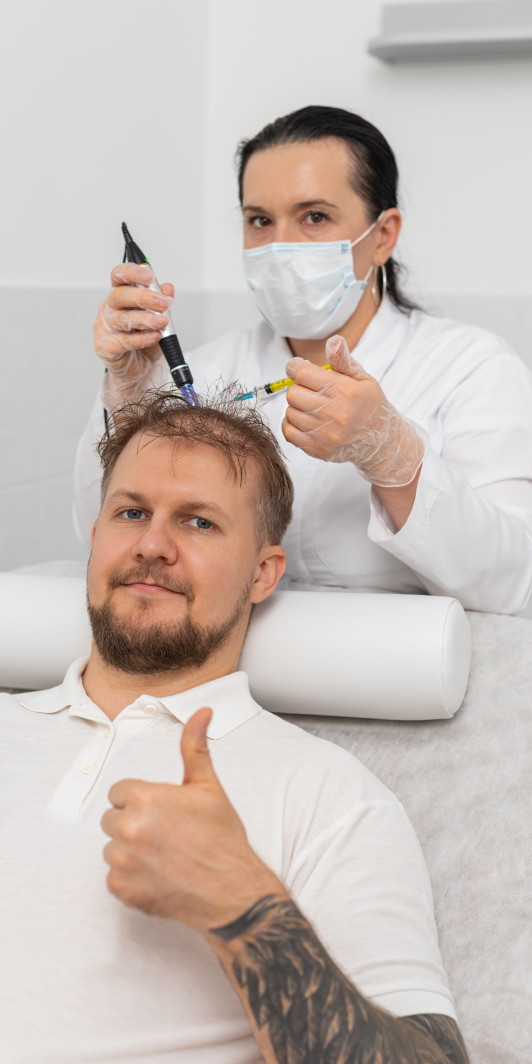
For FUE, follicular units are removed one by one using a micro-punch. The grafts are then counted, inspected, and stored in a temperature-controlled solution to maintain viability.
- What you may notice: vibration/pressure, but minimal sharp pain once numb.
- Time: varies with graft number and hair characteristics.
5) Recipient-site creation (channel opening) or DHI implantation
In classic FUE, the surgeon creates tiny recipient sites (channels) at planned angles and directions to mimic natural growth. In DHI, grafts are typically implanted directly using an implanter pen, which can combine site creation and placement.
6) Graft placement (implantation)
Grafts are implanted according to the design often with finer single-hair grafts at the hairline and multi-hair grafts behind for density. The team works carefully to protect grafts and maintain consistent spacing.
7) Final cleaning, bandaging & aftercare briefing
The scalp is gently cleaned, the donor area may be bandaged, and you’ll receive written instructions and medications (commonly antibiotics, pain relief, and anti-swelling measures). The clinic will explain sleeping position, washing schedule, and what to avoid during the first days.
8) Same-day discharge & next-day check (common in Turkey)
Most patients return to their hotel the same day. Many clinics schedule a next-day control visit and/or the first wash at the clinic before you travel home.
Shaven Hair Transplant Procedure Day: Step-by-Step Overview
A shaven hair transplant in Turkey is usually completed in a single day and commonly takes 4–8 hours, depending on the number of grafts and whether you’re having FUE or DHI. Clinics typically keep the day structured and predictable, with regular comfort breaks.
Shaven Hair Transplant Procedure Day: Step-by-Step Overview
08:00
Check-in &Hairline Design
09:00
Shaving &Local Anesthesia
10:00-13:00
Graft Extraction &Channel Opening
14:00-17:00
Implantation &Post-Op Care
Arrival, paperwork, photos, and a final consultation to confirm graft count and draw the hairline with your surgeon.
Donor and recipient areas are fully shaved for precision; local anesthesia is administered to keep the procedure comfortable.
Follicles are extracted (typically FUE), sorted under magnification, and recipient channels are created to match angle and density.
Grafts are implanted into the prepared sites; the scalp is cleaned, a bandage may be applied, and aftercare + wash instructions are reviewed.
1) Check-in, photos & final plan
You’ll complete consent forms, have pre-op photos taken, and review the agreed hairline and density plan. The team may re-confirm the donor capacity and target graft count before starting.
2) Shaving & surgical-area preparation
The donor area (and often the recipient area) is shaved to improve visibility and graft handling. The scalp is cleansed and marked, and sterile draping is applied.
3) Local anesthesia (with optional sedation)
Local anesthesia is administered to numb the donor and recipient areas. You may feel brief stinging or pressure during injections, but the procedure itself should be pain-controlled. Some clinics offer mild sedation depending on patient preference and medical suitability.
4) Graft extraction (donor harvesting)
For FUE, follicular units are removed one by one using a micro-punch. The grafts are then counted, inspected, and stored in a temperature-controlled solution to maintain viability.
- What you may notice: vibration/pressure, but minimal sharp pain once numb.
- Time: varies with graft number and hair characteristics.
5) Recipient-site creation (channel opening) or DHI implantation
In classic FUE, the surgeon creates tiny recipient sites (channels) at planned angles and directions to mimic natural growth. In DHI, grafts are typically implanted directly using an implanter pen, which can combine site creation and placement.
6) Graft placement (implantation)
Grafts are implanted according to the design often with finer single-hair grafts at the hairline and multi-hair grafts behind for density. The team works carefully to protect grafts and maintain consistent spacing.
7) Final cleaning, bandaging & aftercare briefing
The scalp is gently cleaned, the donor area may be bandaged, and you’ll receive written instructions and medications (commonly antibiotics, pain relief, and anti-swelling measures). The clinic will explain sleeping position, washing schedule, and what to avoid during the first days.
8) Same-day discharge & next-day check (common in Turkey)
Most patients return to their hotel the same day. Many clinics schedule a next-day control visit and/or the first wash at the clinic before you travel home.
Immediate Aftercare, Healing, and Managing the First 72 Hours
The first 72 hours after a shaven hair transplant are primarily about protecting the grafts, controlling swelling, and preventing infection. Your clinic will provide a tailored aftercare plan and prescriptions (commonly antibiotics, anti-inflammatory medication, and pain relief). Mild redness, tightness, pinpoint scabbing, and light swelling are expected your goal is to keep the recipient area clean, untouched, and well-hydrated as instructed.
- Protect the grafts: Do not touch, rub, scratch, or pick at the recipient area. Avoid hats/helmets unless your surgeon approves a specific loose-fitting option.
- Sleep position: Sleep on your back with your head elevated (2 pillows or a travel pillow) for 2–3 nights to reduce swelling and avoid accidental contact with the grafts.
- Swelling control: Mild forehead swelling can appear on days 2–3. Use cold compresses only on the forehead/around the eyes (never directly on grafts) if your clinic advises it, and stay well hydrated.
- Medication adherence: Take all prescribed medications exactly as directed. Avoid adding supplements (e.g., high-dose vitamin E, fish oil) unless cleared, as some may increase bleeding.
- Bleeding/oozing: Small spots on the bandage or pillow can be normal. If bleeding occurs, apply gentle pressure with sterile gauze to the donor area (not the grafts) and contact your clinic if it persists.
- Washing schedule: Follow your clinic’s timing for the first wash (often within 24–48 hours). Use only the recommended shampoo/foam and lukewarm water; do not use high-pressure shower spray on the recipient area.
- Activity restrictions: Avoid bending forward, heavy lifting, intense exercise, saunas/steam rooms, and swimming during the first 72 hours (and typically for at least 1–2 weeks) to reduce swelling and protect grafts.
- Avoid heat, sun, and smoke: Keep out of direct sun and heat sources. Avoid smoking and alcohol during early healing, as they can impair circulation and increase swelling.
- Clothing choice: Wear button-up or zip-up tops to avoid pulling clothing over your head.
- What’s normal vs. when to call: Normal signs include mild soreness, redness, tightness, and small scabs. Contact your clinic urgently for increasing pain, spreading redness, fever, foul-smelling discharge, significant swelling affecting vision, or sudden heavy bleeding.
If you’re traveling in Turkey during this period, plan low-activity days, keep your follow-up appointment(s), and prioritize a clean environment small, consistent aftercare steps in the first 72 hours can make a meaningful difference in graft survival and overall results.
Immediate Aftercare, Healing, and Managing the First 72 Hours
The first 72 hours after a shaven hair transplant are primarily about protecting the grafts, controlling swelling, and preventing infection. Your clinic will provide a tailored aftercare plan and prescriptions (commonly antibiotics, anti-inflammatory medication, and pain relief). Mild redness, tightness, pinpoint scabbing, and light swelling are expected your goal is to keep the recipient area clean, untouched, and well-hydrated as instructed.
- Protect the grafts: Do not touch, rub, scratch, or pick at the recipient area. Avoid hats/helmets unless your surgeon approves a specific loose-fitting option.
- Sleep position: Sleep on your back with your head elevated (2 pillows or a travel pillow) for 2–3 nights to reduce swelling and avoid accidental contact with the grafts.
- Swelling control: Mild forehead swelling can appear on days 2–3. Use cold compresses only on the forehead/around the eyes (never directly on grafts) if your clinic advises it, and stay well hydrated.
- Medication adherence: Take all prescribed medications exactly as directed. Avoid adding supplements (e.g., high-dose vitamin E, fish oil) unless cleared, as some may increase bleeding.
- Bleeding/oozing: Small spots on the bandage or pillow can be normal. If bleeding occurs, apply gentle pressure with sterile gauze to the donor area (not the grafts) and contact your clinic if it persists.
- Washing schedule: Follow your clinic’s timing for the first wash (often within 24–48 hours). Use only the recommended shampoo/foam and lukewarm water; do not use high-pressure shower spray on the recipient area.
- Activity restrictions: Avoid bending forward, heavy lifting, intense exercise, saunas/steam rooms, and swimming during the first 72 hours (and typically for at least 1–2 weeks) to reduce swelling and protect grafts.
- Avoid heat, sun, and smoke: Keep out of direct sun and heat sources. Avoid smoking and alcohol during early healing, as they can impair circulation and increase swelling.
- Clothing choice: Wear button-up or zip-up tops to avoid pulling clothing over your head.
- What’s normal vs. when to call: Normal signs include mild soreness, redness, tightness, and small scabs. Contact your clinic urgently for increasing pain, spreading redness, fever, foul-smelling discharge, significant swelling affecting vision, or sudden heavy bleeding.
If you’re traveling in Turkey during this period, plan low-activity days, keep your follow-up appointment(s), and prioritize a clean environment small, consistent aftercare steps in the first 72 hours can make a meaningful difference in graft survival and overall results.
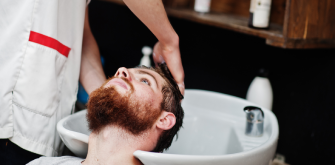
Follow-Up Checks, Scalp Care, and Shedding Phase Expectations
The first few weeks after a shaven hair transplant are all about protecting the grafts, keeping the scalp clean, and attending scheduled check-ups. Your clinic in Turkey will typically provide a day-by-day aftercare plan; follow it closely, as small differences in washing and handling can affect healing.
Follow-up checks (typical timeline)
- Day 1–2: First review and/or bandage removal; assessment of swelling, donor area, and graft security
- Day 7–10: Scab/crust evaluation and guidance on gentle removal (do not pick); donor healing check
- 1 month: Progress review, discussion of shedding, and confirmation that redness/irritation is settling
- 3–6 months: Early growth assessment and comparison photos
- 9–12 months: Final result evaluation (some patients continue improving up to 15–18 months)
Scalp care essentials
- Washing: Use the clinic-recommended shampoo/foam; wash with lukewarm water and light pressure only until cleared to resume normal washing
- Hands off: Avoid scratching, rubbing, or picking scabs; itching is common, but friction can dislodge fragile grafts early on
- Sleeping position: Sleep with your head elevated for the first few nights to reduce swelling; avoid direct pressure on the recipient area
- Sun protection: Keep the scalp out of direct sun; use a loose hat only if your clinic approves it and it does not touch or compress grafts
- Activity: Avoid heavy exercise, sweating, swimming, and saunas until your surgeon confirms it is safe (often 2–4 weeks depending on healing)
- Donor area care: Mild tightness or soreness is expected; keep it clean and follow instructions for moisturizers or antiseptic sprays if prescribed
Shedding phase (“shock loss”) what to expect
- Timing: Transplanted hairs commonly shed between weeks 2–8; this is normal and does not mean the grafts failed
- What sheds: The hair shaft falls out, while the follicle remains in the skin and enters a resting phase before regrowth
- Regrowth: New hairs often start appearing around months 3–4, thicken over months 6–9, and mature by 12 months (sometimes longer)
- Temporary thinning: Native (non-transplanted) hairs can also shed temporarily, especially in areas already prone to thinning
When to contact your clinic urgently
- Increasing pain, spreading redness, warmth, or pus-like discharge
- Fever, chills, or a foul odor from the scalp
- Sudden, significant swelling that worsens after the first few days
- Persistent bleeding that does not stop with gentle pressure
Keep your follow-up appointments (in person or via photo/video check-ins) and take progress photos under the same lighting each month. Consistent aftercare and realistic expectations during the shedding phase are key to a smooth recovery and the best final outcome.
Follow-Up Checks, Scalp Care, and Shedding Phase Expectations
The first few weeks after a shaven hair transplant are all about protecting the grafts, keeping the scalp clean, and attending scheduled check-ups. Your clinic in Turkey will typically provide a day-by-day aftercare plan; follow it closely, as small differences in washing and handling can affect healing.
Follow-up checks (typical timeline)
- Day 1–2: First review and/or bandage removal; assessment of swelling, donor area, and graft security
- Day 7–10: Scab/crust evaluation and guidance on gentle removal (do not pick); donor healing check
- 1 month: Progress review, discussion of shedding, and confirmation that redness/irritation is settling
- 3–6 months: Early growth assessment and comparison photos
- 9–12 months: Final result evaluation (some patients continue improving up to 15–18 months)
Scalp care essentials
- Washing: Use the clinic-recommended shampoo/foam; wash with lukewarm water and light pressure only until cleared to resume normal washing
- Hands off: Avoid scratching, rubbing, or picking scabs; itching is common, but friction can dislodge fragile grafts early on
- Sleeping position: Sleep with your head elevated for the first few nights to reduce swelling; avoid direct pressure on the recipient area
- Sun protection: Keep the scalp out of direct sun; use a loose hat only if your clinic approves it and it does not touch or compress grafts
- Activity: Avoid heavy exercise, sweating, swimming, and saunas until your surgeon confirms it is safe (often 2–4 weeks depending on healing)
- Donor area care: Mild tightness or soreness is expected; keep it clean and follow instructions for moisturizers or antiseptic sprays if prescribed
Shedding phase (“shock loss”) what to expect
- Timing: Transplanted hairs commonly shed between weeks 2–8; this is normal and does not mean the grafts failed
- What sheds: The hair shaft falls out, while the follicle remains in the skin and enters a resting phase before regrowth
- Regrowth: New hairs often start appearing around months 3–4, thicken over months 6–9, and mature by 12 months (sometimes longer)
- Temporary thinning: Native (non-transplanted) hairs can also shed temporarily, especially in areas already prone to thinning
When to contact your clinic urgently
- Increasing pain, spreading redness, warmth, or pus-like discharge
- Fever, chills, or a foul odor from the scalp
- Sudden, significant swelling that worsens after the first few days
- Persistent bleeding that does not stop with gentle pressure
Keep your follow-up appointments (in person or via photo/video check-ins) and take progress photos under the same lighting each month. Consistent aftercare and realistic expectations during the shedding phase are key to a smooth recovery and the best final outcome.
Your care doesn’t end when you fly home—your team can review photos and guide you through each stage of healing and regrowth.
Returning Home: Long-Term Maintenance and Growth Timeline
Most patients fly home within a few days after a shaven hair transplant in Turkey. Your clinic will typically provide a written aftercare plan and may offer remote follow-ups (photos/video calls) to track healing and growth. The key to a strong result is protecting the grafts early on and maintaining scalp health long-term.
Before You Travel (Days 1–3):
- Protect the grafts: Avoid rubbing, scratching, or bumping the recipient area.
- Sleep position: Keep your head elevated and avoid pressure on the transplanted zone.
- Medication plan: Follow your prescribed antibiotics/anti-inflammatory medicines exactly as directed.
- Travel tips: Stay hydrated, avoid alcohol, and move regularly during flights to reduce swelling.
Early Healing (Days 4–14):
- Washing routine: Begin/continue the clinic’s recommended gentle washing method and products.
- Scabbing and redness: Small scabs typically form and gradually shed; mild redness can persist longer depending on skin type.
- Activity limits: Avoid heavy exercise, saunas/steam rooms, swimming, and direct sun exposure until cleared by your surgeon.
- When to check in: Send progress photos if requested especially if you notice increasing pain, spreading redness, pus, fever, or sudden swelling.
Shedding Phase (Weeks 2–8):
It’s common for transplanted hairs to shed (often called “shock loss”). This is expected and does not mean the grafts failed the follicles remain in place and enter a resting phase before regrowth.
Regrowth Timeline (Months 3–12+):
- Months 3–4: Early new hairs appear; texture may be fine or uneven at first.
- Months 5–8: Noticeable thickening and improved coverage; styling becomes easier.
- Months 9–12: Most patients see a mature-looking result, with continued refinement.
- 12–18 months: Final maturation may continue, especially at the crown.
Long-Term Maintenance (Keeping Your Result Strong):
- Scalp care: Use gentle shampoos, manage dandruff/dermatitis if present, and avoid harsh chemical treatments until fully healed.
- Sun protection: Protect the scalp from strong sun exposure; use a hat once permitted by your clinic.
- Hair loss prevention: Ask your surgeon whether medical therapy (e.g., finasteride and/or minoxidil) is appropriate to help stabilize ongoing native hair loss.
- Healthy habits: Prioritize sleep, balanced nutrition, and smoking cessation, as these can affect healing and hair quality.
- Follow-ups: Keep scheduled remote or in-person check-ins so your team can advise on washing, products, and any concerns.
If you’re ever unsure whether what you’re seeing is “normal,” contact your clinic promptly early guidance can prevent small issues from becoming bigger setbacks.
Returning Home: Long-Term Maintenance and Growth Timeline
Most patients fly home within a few days after a shaven hair transplant in Turkey. Your clinic will typically provide a written aftercare plan and may offer remote follow-ups (photos/video calls) to track healing and growth. The key to a strong result is protecting the grafts early on and maintaining scalp health long-term.
Before You Travel (Days 1–3):
- Protect the grafts: Avoid rubbing, scratching, or bumping the recipient area.
- Sleep position: Keep your head elevated and avoid pressure on the transplanted zone.
- Medication plan: Follow your prescribed antibiotics/anti-inflammatory medicines exactly as directed.
- Travel tips: Stay hydrated, avoid alcohol, and move regularly during flights to reduce swelling.
Early Healing (Days 4–14):
- Washing routine: Begin/continue the clinic’s recommended gentle washing method and products.
- Scabbing and redness: Small scabs typically form and gradually shed; mild redness can persist longer depending on skin type.
- Activity limits: Avoid heavy exercise, saunas/steam rooms, swimming, and direct sun exposure until cleared by your surgeon.
- When to check in: Send progress photos if requested especially if you notice increasing pain, spreading redness, pus, fever, or sudden swelling.
Shedding Phase (Weeks 2–8):
It’s common for transplanted hairs to shed (often called “shock loss”). This is expected and does not mean the grafts failed the follicles remain in place and enter a resting phase before regrowth.
Regrowth Timeline (Months 3–12+):
- Months 3–4: Early new hairs appear; texture may be fine or uneven at first.
- Months 5–8: Noticeable thickening and improved coverage; styling becomes easier.
- Months 9–12: Most patients see a mature-looking result, with continued refinement.
- 12–18 months: Final maturation may continue, especially at the crown.
Long-Term Maintenance (Keeping Your Result Strong):
- Scalp care: Use gentle shampoos, manage dandruff/dermatitis if present, and avoid harsh chemical treatments until fully healed.
- Sun protection: Protect the scalp from strong sun exposure; use a hat once permitted by your clinic.
- Hair loss prevention: Ask your surgeon whether medical therapy (e.g., finasteride and/or minoxidil) is appropriate to help stabilize ongoing native hair loss.
- Healthy habits: Prioritize sleep, balanced nutrition, and smoking cessation, as these can affect healing and hair quality.
- Follow-ups: Keep scheduled remote or in-person check-ins so your team can advise on washing, products, and any concerns.
If you’re ever unsure whether what you’re seeing is “normal,” contact your clinic promptly early guidance can prevent small issues from becoming bigger setbacks.
Your care doesn’t end when you fly home—your team can review photos and guide you through each stage of healing and regrowth.
Essential Tips for a Smooth and Successful Shaven Hair Transplant in Turkey
- Choose a clinic based on surgeon-led planning, not just price: Confirm who designs the hairline and makes recipient sites, the team’s daily case volume, and whether the clinic specializes in FUE/DHI. Ask to see consistent before-and-after results for your hair type and Norwood pattern.
- Clarify the technique and what “shaven” means for you: Verify whether the clinic recommends fully shaven, partially shaven, or donor-only shaving, and how this affects graft survival, healing, and the look during the first weeks.
- Get a realistic graft estimate and long-term plan: Request a written plan covering graft numbers by zone (hairline/midscalp/crown), donor capacity, and future loss management. Be cautious of overly high graft promises that may risk donor overharvesting.
- Share your full medical history and medications early: Disclose blood thinners, supplements, smoking/vaping, diabetes, thyroid issues, scalp conditions, and prior procedures. Follow the clinic’s guidance on pausing medications/supplements only with your prescribing doctor’s approval.
- Prepare your scalp and lifestyle before travel: Avoid alcohol and smoking in the days leading up to surgery (per clinic guidance), stay well-hydrated, and arrive rested. If you have dandruff, folliculitis, or dermatitis, treat it beforehand to reduce irritation and infection risk.
- Plan logistics to minimize stress and swelling: Arrange airport transfers, a hotel close to the clinic, and extra time for post-op washes/checks. Pack a button-up shirt, a travel neck pillow, saline spray (if advised), and any prescribed medications.
- Follow immediate post-op rules strictly: Protect grafts from rubbing, pressure, and sun. Sleep with your head elevated, avoid bending/straining, and do not touch or pick scabs. Use only the shampoo/foam and washing technique provided by the clinic.
- Manage swelling and discomfort safely: Use cold compresses on the forehead (not on grafts) if recommended, take prescribed pain relief/antibiotics as directed, and avoid NSAIDs unless your clinic approves. Contact the clinic promptly if swelling is severe or spreading.
- Know what’s normal vs. a red flag: Normal early effects include redness, scabbing, itching, and temporary shedding (“shock loss”). Seek urgent advice for fever, increasing pain, pus, spreading redness, foul odor, sudden bleeding, or significant asymmetry.
- Be patient with the growth timeline: Expect shedding in the first weeks, early regrowth around months 3–4, noticeable change by months 6–9, and maturation up to 12–18 months. Consistent aftercare and follow-ups improve the chance of an even result.
- Protect your result long-term: Discuss medical therapy (e.g., finasteride/dutasteride, minoxidil) if appropriate, maintain scalp health, and use sun protection. A transplant redistributes hair it doesn’t stop ongoing hair loss without a broader plan.
Essential Tips for a Smooth and Successful Shaven Hair Transplant in Turkey
- Choose a clinic based on surgeon-led planning, not just price: Confirm who designs the hairline and makes recipient sites, the team’s daily case volume, and whether the clinic specializes in FUE/DHI. Ask to see consistent before-and-after results for your hair type and Norwood pattern.
- Clarify the technique and what “shaven” means for you: Verify whether the clinic recommends fully shaven, partially shaven, or donor-only shaving, and how this affects graft survival, healing, and the look during the first weeks.
- Get a realistic graft estimate and long-term plan: Request a written plan covering graft numbers by zone (hairline/midscalp/crown), donor capacity, and future loss management. Be cautious of overly high graft promises that may risk donor overharvesting.
- Share your full medical history and medications early: Disclose blood thinners, supplements, smoking/vaping, diabetes, thyroid issues, scalp conditions, and prior procedures. Follow the clinic’s guidance on pausing medications/supplements only with your prescribing doctor’s approval.
- Prepare your scalp and lifestyle before travel: Avoid alcohol and smoking in the days leading up to surgery (per clinic guidance), stay well-hydrated, and arrive rested. If you have dandruff, folliculitis, or dermatitis, treat it beforehand to reduce irritation and infection risk.
- Plan logistics to minimize stress and swelling: Arrange airport transfers, a hotel close to the clinic, and extra time for post-op washes/checks. Pack a button-up shirt, a travel neck pillow, saline spray (if advised), and any prescribed medications.
- Follow immediate post-op rules strictly: Protect grafts from rubbing, pressure, and sun. Sleep with your head elevated, avoid bending/straining, and do not touch or pick scabs. Use only the shampoo/foam and washing technique provided by the clinic.
- Manage swelling and discomfort safely: Use cold compresses on the forehead (not on grafts) if recommended, take prescribed pain relief/antibiotics as directed, and avoid NSAIDs unless your clinic approves. Contact the clinic promptly if swelling is severe or spreading.
- Know what’s normal vs. a red flag: Normal early effects include redness, scabbing, itching, and temporary shedding (“shock loss”). Seek urgent advice for fever, increasing pain, pus, spreading redness, foul odor, sudden bleeding, or significant asymmetry.
- Be patient with the growth timeline: Expect shedding in the first weeks, early regrowth around months 3–4, noticeable change by months 6–9, and maturation up to 12–18 months. Consistent aftercare and follow-ups improve the chance of an even result.
- Protect your result long-term: Discuss medical therapy (e.g., finasteride/dutasteride, minoxidil) if appropriate, maintain scalp health, and use sun protection. A transplant redistributes hair it doesn’t stop ongoing hair loss without a broader plan.
Conclusion
References


- International Society of Hair Restoration Surgery (ISHRS) – Hair Transplant Patient Information
- American Academy of Dermatology (AAD) – Hair loss: Diagnosis and treatment
- British Association of Dermatologists – Patient information leaflets (Hair loss and scalp conditions)
- StatPearls (NCBI Bookshelf) – Hair Transplantation
- World Health Organization (WHO) – Global guidelines for the prevention of surgical site infection
Article Contributors

Heal Road Editor
Editor

Heal Road Writer
Writer
- Views
- 149 views
- Reading Time
- Last Updated