
 225 views
A Step-by-Step Guide to Under-Eye Light Filler in Turkey
Nereden Başlayacağını
Bilmiyor musun?
Doğru uzmanı en uygun fiyat garantisiyle bulun

Your Heal Road consultant can help you compare clinics and confirm injector credentials before you book.
Researching Under-Eye Light Filler and Choosing the Right Clinic
Before booking your under-eye light filler in Turkey, take time to research clinics and practitioners carefully. The under-eye area (tear trough) is delicate, and achieving a refreshed, natural look depends heavily on injector skill, product choice, and proper patient assessment. Major medical tourism hubs such as Istanbul, Ankara, Antalya, and Izmir offer many options your goal is to choose a clinic that prioritizes safety, subtle results, and structured aftercare.
Use the checklist below to compare providers and avoid rushed decisions or “too-good-to-be-true” offers.
Injector Credentials and Relevant Experience
Confirm who will perform the procedure (doctor/dermatologist/plastic surgeon) and their specific experience with tear trough or under-eye filler. Ask how often they treat this area, what techniques they use (e.g., cannula vs needle), and how they manage complications.
Clinic Standards, Hygiene, and Emergency Readiness
Choose a clinic with clear medical protocols, sterile technique, and the ability to respond to rare but serious issues. Ask whether they keep hyaluronidase on-site (the reversal agent for hyaluronic acid fillers) and have a documented plan for urgent assessment if needed.
Product Authenticity and Suitability for the Under-Eye Area
Request the exact filler brand and batch details, and ensure it is a hyaluronic acid filler appropriate for thin under-eye skin. Reputable clinics will explain why a specific product is chosen and will show sealed packaging upon request.
Real Patient Reviews and Consistent Results
Look for verified reviews that mention under-eye outcomes specifically (naturalness, swelling, bruising, follow-up care). Ask to see multiple before-and-after photos in similar skin types and degrees of hollowing not just best-case examples.
Transparent Pricing and Clear Inclusions
Under-eye filler pricing should be transparent about what is included: consultation, product amount (ml), follow-up visit, and any touch-up policy. If you are offered an all-inclusive package (transfers, accommodation, interpreter), ask for written confirmation of inclusions and exclusions to avoid unexpected costs.
Honest Assessment: Are You a Good Candidate?
A responsible injector will assess whether filler is the best option or if alternatives may be safer or more effective (e.g., treating midface support, addressing pigmentation, or discussing surgical options for significant eye bags). If a clinic promises dramatic changes with large volumes under the eyes, consider it a red flag.
Researching Under-Eye Light Filler and Choosing the Right Clinic
Before booking your under-eye light filler in Turkey, take time to research clinics and practitioners carefully. The under-eye area (tear trough) is delicate, and achieving a refreshed, natural look depends heavily on injector skill, product choice, and proper patient assessment. Major medical tourism hubs such as Istanbul, Ankara, Antalya, and Izmir offer many options your goal is to choose a clinic that prioritizes safety, subtle results, and structured aftercare.
Use the checklist below to compare providers and avoid rushed decisions or “too-good-to-be-true” offers.
Your Heal Road consultant can help you compare clinics and confirm injector credentials before you book.
Injector Credentials and Relevant Experience
Confirm who will perform the procedure (doctor/dermatologist/plastic surgeon) and their specific experience with tear trough or under-eye filler. Ask how often they treat this area, what techniques they use (e.g., cannula vs needle), and how they manage complications.
Clinic Standards, Hygiene, and Emergency Readiness
Choose a clinic with clear medical protocols, sterile technique, and the ability to respond to rare but serious issues. Ask whether they keep hyaluronidase on-site (the reversal agent for hyaluronic acid fillers) and have a documented plan for urgent assessment if needed.
Product Authenticity and Suitability for the Under-Eye Area
Request the exact filler brand and batch details, and ensure it is a hyaluronic acid filler appropriate for thin under-eye skin. Reputable clinics will explain why a specific product is chosen and will show sealed packaging upon request.
Real Patient Reviews and Consistent Results
Look for verified reviews that mention under-eye outcomes specifically (naturalness, swelling, bruising, follow-up care). Ask to see multiple before-and-after photos in similar skin types and degrees of hollowing not just best-case examples.
Transparent Pricing and Clear Inclusions
Under-eye filler pricing should be transparent about what is included: consultation, product amount (ml), follow-up visit, and any touch-up policy. If you are offered an all-inclusive package (transfers, accommodation, interpreter), ask for written confirmation of inclusions and exclusions to avoid unexpected costs.
Honest Assessment: Are You a Good Candidate?
A responsible injector will assess whether filler is the best option or if alternatives may be safer or more effective (e.g., treating midface support, addressing pigmentation, or discussing surgical options for significant eye bags). If a clinic promises dramatic changes with large volumes under the eyes, consider it a red flag.
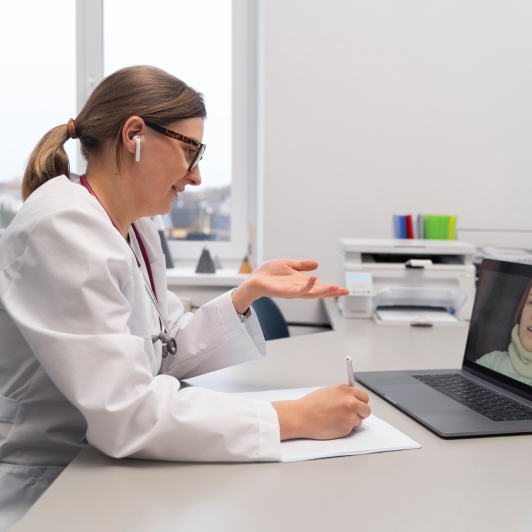
Initial Online Consultation and Suitability Assessment
After choosing a clinic for under-eye light filler in Turkey, the next step is an online consultation. This remote assessment helps the injector understand your concerns (hollows, shadows, tired appearance), review your photos, and confirm whether a subtle, natural-looking result is achievable and safe. You’ll also receive an outline of the likely product approach, estimated amount of filler, and a clear plan for your trip timeline.
Share Photos and Describe Your Goals
You’ll usually be asked to send clear, makeup-free photos taken in natural light (front-facing and 45-degree angles). Explain what bothers you most tear trough hollowing, under-eye darkness, or a visible groove so the clinician can assess whether filler is the right tool or if another treatment would suit you better.
Medical History and Safety Screening
Expect questions about allergies, current medications (especially blood thinners), previous filler or cosmetic procedures, autoimmune conditions, bleeding disorders, pregnancy/breastfeeding status, and any history of cold sores or infections. This screening reduces the risk of complications and helps determine if you need to pause certain supplements/medications before treatment (only with your prescribing clinician’s approval).
Suitability: Who Is (and Isn’t) a Good Candidate
Under-eye filler works best for patients with true hollowing and good skin quality. Your clinician will check for factors that may make filler less suitable, such as significant under-eye puffiness/bags, marked skin laxity, prominent swelling tendency, or certain anatomical features that increase the risk of visible filler. If you’re not an ideal candidate, they may recommend alternatives (e.g., skin treatments, energy-based tightening, or surgical options) rather than overfilling.
Product Choice, Technique, and Realistic Expectations
The team should explain what “light filler” means in practice typically a conservative approach using a suitable hyaluronic acid filler placed precisely to reduce shadowing without heaviness. You’ll discuss expected results, how long they may last, the possibility of needing a small top-up, and common temporary effects like swelling or bruising.
Travel Planning and Pre-Appointment Guidance
Before you book flights, confirm the recommended schedule (consultation, treatment day, and follow-up). Ask about aftercare, when you can fly, and what to avoid before and after treatment (alcohol, strenuous exercise, and certain supplements that may increase bruising). A good clinic will also outline what to do if you experience unexpected symptoms after your procedure.
Initial Online Consultation and Suitability Assessment
After choosing a clinic for under-eye light filler in Turkey, the next step is an online consultation. This remote assessment helps the injector understand your concerns (hollows, shadows, tired appearance), review your photos, and confirm whether a subtle, natural-looking result is achievable and safe. You’ll also receive an outline of the likely product approach, estimated amount of filler, and a clear plan for your trip timeline.
Share Photos and Describe Your Goals
You’ll usually be asked to send clear, makeup-free photos taken in natural light (front-facing and 45-degree angles). Explain what bothers you most tear trough hollowing, under-eye darkness, or a visible groove so the clinician can assess whether filler is the right tool or if another treatment would suit you better.
Medical History and Safety Screening
Expect questions about allergies, current medications (especially blood thinners), previous filler or cosmetic procedures, autoimmune conditions, bleeding disorders, pregnancy/breastfeeding status, and any history of cold sores or infections. This screening reduces the risk of complications and helps determine if you need to pause certain supplements/medications before treatment (only with your prescribing clinician’s approval).
Suitability: Who Is (and Isn’t) a Good Candidate
Under-eye filler works best for patients with true hollowing and good skin quality. Your clinician will check for factors that may make filler less suitable, such as significant under-eye puffiness/bags, marked skin laxity, prominent swelling tendency, or certain anatomical features that increase the risk of visible filler. If you’re not an ideal candidate, they may recommend alternatives (e.g., skin treatments, energy-based tightening, or surgical options) rather than overfilling.
Product Choice, Technique, and Realistic Expectations
The team should explain what “light filler” means in practice typically a conservative approach using a suitable hyaluronic acid filler placed precisely to reduce shadowing without heaviness. You’ll discuss expected results, how long they may last, the possibility of needing a small top-up, and common temporary effects like swelling or bruising.
Travel Planning and Pre-Appointment Guidance
Before you book flights, confirm the recommended schedule (consultation, treatment day, and follow-up). Ask about aftercare, when you can fly, and what to avoid before and after treatment (alcohol, strenuous exercise, and certain supplements that may increase bruising). A good clinic will also outline what to do if you experience unexpected symptoms after your procedure.
| Country | Price (EUR €) |
|---|---|
| Türkiye | € 250 |
| Poland | € 350 |
| Hungary | € 400 |
| Germany | € 650 |
Use our Calculation Module to Find Out
The Cost of Under-Eye Light Filler
Calculate My Cost
Personalized Treatment Plan, Pricing, and Appointment Scheduling
After your online or in-clinic consultation, the next step is creating a personalized under-eye light filler plan and confirming your travel and appointment dates in Turkey. Because the under-eye area is delicate, your injector should tailor the approach to your anatomy and goals rather than using a one-size-fits-all technique.
A typical treatment plan may include:
- Assessment of tear trough depth, skin thickness, and midface support (cheek volume loss can affect under-eye shadows)
- Product selection (often a softer, low-hydrophilic hyaluronic acid filler designed for the under-eye area)
- Technique choice: cannula vs. needle, injection depth, and whether treatment is under-eye only or combined with cheek support
- Estimated volume (commonly small amounts per side, sometimes staged over 2 sessions for safety and natural results)
- Risk review and suitability check, including prior filler history, tendency to swelling, allergies, and any history of under-eye surgery
Pricing in Turkey varies by clinic location, injector experience, product brand, and whether the plan includes cheek support. When requesting a quote, ask for a clear breakdown of:
- Number of syringes (mL) included and the filler brand
- Consultation and follow-up (including a 1–2 week review appointment if you are staying in Turkey)
- Touch-up policy (whether minor adjustments are included or priced separately)
- What happens if overcorrection/swelling occurs and whether hyaluronidase is available on-site if needed
For appointment scheduling, many clinics coordinate everything for international patients. To keep your trip smooth, confirm the following in writing before booking flights:
- Your procedure date and time (and whether a second visit is recommended)
- Pre-appointment instructions (e.g., avoiding alcohol, blood-thinning supplements/medications if medically appropriate)
- What is included in the package (hotel, transfers, interpreter, aftercare kit if offered)
- Aftercare and emergency contact details for the days following treatment
Planning a short buffer (at least 24–48 hours) before flying home can be helpful in case you experience swelling or want a quick review. This also gives you time to receive aftercare guidance and ensure the result is settling as expected.
Personalized Treatment Plan, Pricing, and Appointment Scheduling
After your online or in-clinic consultation, the next step is creating a personalized under-eye light filler plan and confirming your travel and appointment dates in Turkey. Because the under-eye area is delicate, your injector should tailor the approach to your anatomy and goals rather than using a one-size-fits-all technique.
A typical treatment plan may include:
- Assessment of tear trough depth, skin thickness, and midface support (cheek volume loss can affect under-eye shadows)
- Product selection (often a softer, low-hydrophilic hyaluronic acid filler designed for the under-eye area)
- Technique choice: cannula vs. needle, injection depth, and whether treatment is under-eye only or combined with cheek support
- Estimated volume (commonly small amounts per side, sometimes staged over 2 sessions for safety and natural results)
- Risk review and suitability check, including prior filler history, tendency to swelling, allergies, and any history of under-eye surgery
Pricing in Turkey varies by clinic location, injector experience, product brand, and whether the plan includes cheek support. When requesting a quote, ask for a clear breakdown of:
- Number of syringes (mL) included and the filler brand
- Consultation and follow-up (including a 1–2 week review appointment if you are staying in Turkey)
- Touch-up policy (whether minor adjustments are included or priced separately)
- What happens if overcorrection/swelling occurs and whether hyaluronidase is available on-site if needed
For appointment scheduling, many clinics coordinate everything for international patients. To keep your trip smooth, confirm the following in writing before booking flights:
- Your procedure date and time (and whether a second visit is recommended)
- Pre-appointment instructions (e.g., avoiding alcohol, blood-thinning supplements/medications if medically appropriate)
- What is included in the package (hotel, transfers, interpreter, aftercare kit if offered)
- Aftercare and emergency contact details for the days following treatment
Planning a short buffer (at least 24–48 hours) before flying home can be helpful in case you experience swelling or want a quick review. This also gives you time to receive aftercare guidance and ensure the result is settling as expected.
| Country | Price (EUR €) |
|---|---|
| Türkiye | € 250 |
| Poland | € 350 |
| Hungary | € 400 |
| Germany | € 650 |
Use our Calculation Module to Find Out
The Cost of Under-Eye Light Filler
Calculate My Cost

 Arrive
in Turkey

 Clinic Visit
 Pre-Treatment
Prep
Traveling to Turkey: Arrival, Clinic Visit, and Pre-Treatment Prep
Once your treatment dates are confirmed, your clinic team will help coordinate the practical details of traveling to Turkey for under-eye light filler. Many patients are met on arrival and assisted with transfers to the hotel or clinic-arranged accommodation. Plan to arrive at least a day before your appointment when possible this gives you time to rest, hydrate, and attend your in-person assessment without rushing.
Your first clinic visit typically includes a face-to-face consultation to confirm that light filler is appropriate for your under-eye concern (tear trough hollowing, shadowing, or mild volume loss). The injector will review your goals, explain expected results and limitations, and outline the safest technique for your anatomy.
In-Clinic Assessment
The clinician will assess your under-eye area in different lighting and positions, checking skin quality, degree of hollowing, pigmentation, and any puffiness. They may take standardized photos for planning and comparison. If your main issue is prominent under-eye bags, significant fluid retention, or skin laxity, they may recommend an alternative approach rather than filler.
Medical History and Safety Checks
You’ll be asked about allergies, previous fillers, eye or sinus issues, bleeding tendencies, and medications/supplements (especially blood thinners and anti-inflammatories). This is also the time to disclose any history of cold sores, autoimmune conditions, or prior complications with injectable treatments.
Pre-Treatment Preparation (24–72 Hours Before)
- Avoid alcohol and, if medically safe for you, minimize products that can increase bruising risk (e.g., aspirin/NSAIDs, high-dose vitamin E, fish oil) unless your prescribing doctor advises otherwise.
- Arrive well-hydrated and avoid heavy exercise on the day of treatment to reduce swelling and bruising.
- Come makeup-free around the eyes if possible; the clinic will cleanse the area thoroughly before injection.
- Plan your schedule so you can take it easy afterward mild swelling or bruising can occur and may be more noticeable for several days.
Consent and Treatment Plan Confirmation
Before proceeding, you’ll review the product choice, injection depth/technique, and the amount planned (often conservative in the under-eye area). You’ll also receive aftercare instructions and information on potential side effects and rare risks, along with what to do if you notice concerning symptoms.
Traveling to Turkey: Arrival, Clinic Visit, and Pre-Treatment Prep
Once your treatment dates are confirmed, your clinic team will help coordinate the practical details of traveling to Turkey for under-eye light filler. Many patients are met on arrival and assisted with transfers to the hotel or clinic-arranged accommodation. Plan to arrive at least a day before your appointment when possible this gives you time to rest, hydrate, and attend your in-person assessment without rushing.
Your first clinic visit typically includes a face-to-face consultation to confirm that light filler is appropriate for your under-eye concern (tear trough hollowing, shadowing, or mild volume loss). The injector will review your goals, explain expected results and limitations, and outline the safest technique for your anatomy.
Arrivein Turkey
Clinic Visit
Pre-TreatmentPrep
In-Clinic Assessment
The clinician will assess your under-eye area in different lighting and positions, checking skin quality, degree of hollowing, pigmentation, and any puffiness. They may take standardized photos for planning and comparison. If your main issue is prominent under-eye bags, significant fluid retention, or skin laxity, they may recommend an alternative approach rather than filler.
Medical History and Safety Checks
You’ll be asked about allergies, previous fillers, eye or sinus issues, bleeding tendencies, and medications/supplements (especially blood thinners and anti-inflammatories). This is also the time to disclose any history of cold sores, autoimmune conditions, or prior complications with injectable treatments.
Pre-Treatment Preparation (24–72 Hours Before)
- Avoid alcohol and, if medically safe for you, minimize products that can increase bruising risk (e.g., aspirin/NSAIDs, high-dose vitamin E, fish oil) unless your prescribing doctor advises otherwise.
- Arrive well-hydrated and avoid heavy exercise on the day of treatment to reduce swelling and bruising.
- Come makeup-free around the eyes if possible; the clinic will cleanse the area thoroughly before injection.
- Plan your schedule so you can take it easy afterward mild swelling or bruising can occur and may be more noticeable for several days.
Consent and Treatment Plan Confirmation
Before proceeding, you’ll review the product choice, injection depth/technique, and the amount planned (often conservative in the under-eye area). You’ll also receive aftercare instructions and information on potential side effects and rare risks, along with what to do if you notice concerning symptoms.
Treatment Day: Under-Eye Light Filler Step-by-Step


09:00
Arrival &Assessment
09:20
Cleansing &Numbing
09:40-10:10
Light FillerPlacement
10:15
Review &Aftercare
Photos and a quick facial assessment confirm suitability, under-eye anatomy, and the exact correction plan.
The area is cleansed and disinfected; a numbing cream (or local anesthetic if needed) is applied for comfort.
A small amount of soft hyaluronic-acid “light” filler is placed with a fine needle or cannula, then gently shaped to smooth hollows and reduce shadowing.
Results are checked in the mirror, post-treatment do’s and don’ts are explained, and your follow-up/top-up plan is scheduled if required.
Treatment Day: Under-Eye Light Filler Step-by-Step
Under-eye light filler (tear trough filler) is usually a 15–30 minute in-clinic treatment. Most patients can return to normal daily activities the same day, with mild swelling or bruising possible.
1) Check-in & Final Assessment
Your clinician reviews your medical history, allergies, and any blood-thinning medications or supplements. The under-eye area is assessed for hollowing, skin quality, and swelling tendencies to confirm whether filler is appropriate.
2) Photos & Treatment Planning
Standardized photos may be taken. Your injector marks key anatomical points and discusses the plan, including expected improvement, limitations (e.g., pigmentation), and the safest approach for your anatomy.
3) Cleansing & Numbing
The skin is thoroughly cleansed and disinfected. A numbing cream may be applied, and many hyaluronic acid fillers also contain lidocaine to improve comfort during injection.
4) Filler Placement (Cannula or Needle)
A small amount of filler is placed in precise layers to soften the tear trough and blend the under-eye into the cheek. Many clinicians prefer a blunt cannula to reduce bruising risk, though a needle may be used in selected cases. The product is introduced slowly and conservatively to avoid overfilling.
5) Gentle Molding & Symmetry Check
The area may be lightly massaged to smooth the filler. Your injector checks symmetry in different lighting and positions, and may add tiny adjustments if needed.
6) Immediate Aftercare Instructions
- Expect mild swelling, tenderness, or small bruises for a few days.
- Avoid heavy exercise, alcohol, and excessive heat (sauna/steam) for 24–48 hours if advised.
- Do not rub or press the under-eye area; sleep on your back the first night if possible.
- Contact the clinic urgently for increasing pain, marked one-sided swelling, skin color changes, or vision symptoms.
7) Follow-up (Optional but Common)
A review is often scheduled in 1–2 weeks to assess settling and decide whether a small top-up is needed. Results typically look more natural once early swelling resolves.
Treatment Day: Under-Eye Light Filler Step-by-Step
Under-eye light filler (tear trough filler) is usually a 15–30 minute in-clinic treatment. Most patients can return to normal daily activities the same day, with mild swelling or bruising possible.
Treatment Day: Under-Eye Light Filler Step-by-Step
09:00
Arrival &Assessment
09:20
Cleansing &Numbing
09:40-10:10
Light FillerPlacement
10:15
Review &Aftercare
Photos and a quick facial assessment confirm suitability, under-eye anatomy, and the exact correction plan.
The area is cleansed and disinfected; a numbing cream (or local anesthetic if needed) is applied for comfort.
A small amount of soft hyaluronic-acid “light” filler is placed with a fine needle or cannula, then gently shaped to smooth hollows and reduce shadowing.
Results are checked in the mirror, post-treatment do’s and don’ts are explained, and your follow-up/top-up plan is scheduled if required.
1) Check-in & Final Assessment
Your clinician reviews your medical history, allergies, and any blood-thinning medications or supplements. The under-eye area is assessed for hollowing, skin quality, and swelling tendencies to confirm whether filler is appropriate.
2) Photos & Treatment Planning
Standardized photos may be taken. Your injector marks key anatomical points and discusses the plan, including expected improvement, limitations (e.g., pigmentation), and the safest approach for your anatomy.
3) Cleansing & Numbing
The skin is thoroughly cleansed and disinfected. A numbing cream may be applied, and many hyaluronic acid fillers also contain lidocaine to improve comfort during injection.
4) Filler Placement (Cannula or Needle)
A small amount of filler is placed in precise layers to soften the tear trough and blend the under-eye into the cheek. Many clinicians prefer a blunt cannula to reduce bruising risk, though a needle may be used in selected cases. The product is introduced slowly and conservatively to avoid overfilling.
5) Gentle Molding & Symmetry Check
The area may be lightly massaged to smooth the filler. Your injector checks symmetry in different lighting and positions, and may add tiny adjustments if needed.
6) Immediate Aftercare Instructions
- Expect mild swelling, tenderness, or small bruises for a few days.
- Avoid heavy exercise, alcohol, and excessive heat (sauna/steam) for 24–48 hours if advised.
- Do not rub or press the under-eye area; sleep on your back the first night if possible.
- Contact the clinic urgently for increasing pain, marked one-sided swelling, skin color changes, or vision symptoms.
7) Follow-up (Optional but Common)
A review is often scheduled in 1–2 weeks to assess settling and decide whether a small top-up is needed. Results typically look more natural once early swelling resolves.
Immediate Aftercare: Swelling, Bruising, and What to Avoid
After under-eye light filler, it’s normal to have mild swelling, tenderness, or small bruises around the injection points especially in the first 24–72 hours. Most people can return to normal daily activities the same day, but the under-eye area is delicate, so careful aftercare helps reduce puffiness and lowers the risk of unevenness.
- Use cold compresses (wrapped in a clean cloth) for 5–10 minutes at a time during the first day to help with swelling and bruising.
- Keep your head elevated for the first 1–2 nights (extra pillow) to minimise morning puffiness.
- Do not rub or massage the under-eye area unless your clinician specifically instructs you to (pressure can shift filler).
- Avoid strenuous exercise, heavy lifting, and hot yoga for 24–48 hours, as heat and increased blood flow can worsen swelling/bruising.
- Avoid heat exposure for 48 hours: saunas, steam rooms, very hot showers, and sunbeds.
- Skip alcohol for 24 hours and avoid blood-thinning supplements/medications unless prescribed (e.g., aspirin/NSAIDs, fish oil, vitamin E) as they may increase bruising always check with your clinician first.
- Delay makeup on the injection sites for at least 12–24 hours to reduce irritation and infection risk.
- Sleep on your back if possible for the first couple of nights to avoid pressure on one side.
- Stay hydrated and keep skincare gentle; avoid strong acids/retinoids around the area for a few days if you’re prone to sensitivity.
When to contact your clinic urgently: increasing pain, marked one-sided swelling, skin colour changes (blanching/grey-blue), worsening redness/heat, fever, vision changes, or severe headache. These are uncommon but require immediate medical assessment.
Your results may look slightly uneven while swelling settles. Final refinement is typically assessed after 1–2 weeks, and your clinic in Turkey may schedule a follow-up to check symmetry and discuss any touch-up if needed.
Immediate Aftercare: Swelling, Bruising, and What to Avoid
After under-eye light filler, it’s normal to have mild swelling, tenderness, or small bruises around the injection points especially in the first 24–72 hours. Most people can return to normal daily activities the same day, but the under-eye area is delicate, so careful aftercare helps reduce puffiness and lowers the risk of unevenness.
- Use cold compresses (wrapped in a clean cloth) for 5–10 minutes at a time during the first day to help with swelling and bruising.
- Keep your head elevated for the first 1–2 nights (extra pillow) to minimise morning puffiness.
- Do not rub or massage the under-eye area unless your clinician specifically instructs you to (pressure can shift filler).
- Avoid strenuous exercise, heavy lifting, and hot yoga for 24–48 hours, as heat and increased blood flow can worsen swelling/bruising.
- Avoid heat exposure for 48 hours: saunas, steam rooms, very hot showers, and sunbeds.
- Skip alcohol for 24 hours and avoid blood-thinning supplements/medications unless prescribed (e.g., aspirin/NSAIDs, fish oil, vitamin E) as they may increase bruising always check with your clinician first.
- Delay makeup on the injection sites for at least 12–24 hours to reduce irritation and infection risk.
- Sleep on your back if possible for the first couple of nights to avoid pressure on one side.
- Stay hydrated and keep skincare gentle; avoid strong acids/retinoids around the area for a few days if you’re prone to sensitivity.
When to contact your clinic urgently: increasing pain, marked one-sided swelling, skin colour changes (blanching/grey-blue), worsening redness/heat, fever, vision changes, or severe headache. These are uncommon but require immediate medical assessment.
Your results may look slightly uneven while swelling settles. Final refinement is typically assessed after 1–2 weeks, and your clinic in Turkey may schedule a follow-up to check symmetry and discuss any touch-up if needed.

Follow-Up Check, Touch-Ups, and Managing Results Over Time
Under-eye light filler results look best when they’re reviewed and maintained over time. Your clinic in Turkey will typically schedule a follow-up to confirm that swelling has settled, the product is sitting evenly, and you’re getting a natural, refreshed look.
- Initial follow-up (usually 1–2 weeks): Your injector checks symmetry, residual swelling, and any small irregularities. If needed, a conservative touch-up can be done once the area has stabilized.
- Touch-ups: Under-eye skin is thin, so “less is more.” Many patients do best with small top-ups rather than adding a lot of product in one session.
- Monitoring for delayed issues: Contact your clinic if you notice increasing puffiness, persistent lumps, significant asymmetry, skin discoloration, or pain. Early assessment helps prevent longer-term problems.
- Longevity and maintenance: Results vary by product, anatomy, and lifestyle, but under-eye filler often lasts several months to over a year. Plan periodic reviews rather than waiting until the effect fully disappears.
- Managing under-eye puffiness: If you’re prone to fluid retention, your provider may recommend a lighter approach, staged treatments, or alternative options. Avoiding excess salt/alcohol and sleeping with your head slightly elevated can help in the first days.
- When reversal is considered: If the filler looks overcorrected or causes persistent swelling or a bluish/grey tint, your injector may discuss dissolving hyaluronic acid filler with hyaluronidase and reassessing the plan.
If you’re traveling home soon after treatment, ask your clinic about remote follow-ups (photo/video check-ins), what changes are normal during healing, and how to access support if you need advice once you’ve returned.
Follow-Up Check, Touch-Ups, and Managing Results Over Time
Under-eye light filler results look best when they’re reviewed and maintained over time. Your clinic in Turkey will typically schedule a follow-up to confirm that swelling has settled, the product is sitting evenly, and you’re getting a natural, refreshed look.
- Initial follow-up (usually 1–2 weeks): Your injector checks symmetry, residual swelling, and any small irregularities. If needed, a conservative touch-up can be done once the area has stabilized.
- Touch-ups: Under-eye skin is thin, so “less is more.” Many patients do best with small top-ups rather than adding a lot of product in one session.
- Monitoring for delayed issues: Contact your clinic if you notice increasing puffiness, persistent lumps, significant asymmetry, skin discoloration, or pain. Early assessment helps prevent longer-term problems.
- Longevity and maintenance: Results vary by product, anatomy, and lifestyle, but under-eye filler often lasts several months to over a year. Plan periodic reviews rather than waiting until the effect fully disappears.
- Managing under-eye puffiness: If you’re prone to fluid retention, your provider may recommend a lighter approach, staged treatments, or alternative options. Avoiding excess salt/alcohol and sleeping with your head slightly elevated can help in the first days.
- When reversal is considered: If the filler looks overcorrected or causes persistent swelling or a bluish/grey tint, your injector may discuss dissolving hyaluronic acid filler with hyaluronidase and reassessing the plan.
If you’re traveling home soon after treatment, ask your clinic about remote follow-ups (photo/video check-ins), what changes are normal during healing, and how to access support if you need advice once you’ve returned.
Your Heal Road consultant can support you after you return home, including arranging remote check-ins and guidance on when to contact your clinic.
Heading Home: Post-Travel Care and Maintaining Your Under-Eye Results
Most patients can fly home shortly after under-eye light filler in Turkey, but your results will continue to settle over the following days and weeks. Before you leave, make sure you have clear aftercare instructions, your injector’s contact details, and a plan for remote follow-up if needed.
Before You Fly (First 24–72 Hours):
- Expect mild swelling or bruising: This is common and usually improves within a few days.
- Keep it gentle: Avoid rubbing the under-eye area, facial massages, or pressure from tight goggles/eye masks.
- Skip strenuous exercise and heat: Avoid heavy workouts, saunas/steam rooms, hot yoga, and very hot showers for 24–48 hours (or as advised).
- Be cautious with alcohol and blood-thinners: Alcohol and certain supplements/medications can worsen bruising follow your clinician’s guidance.
Travel-Day Tips:
- Hydrate and rest: Cabin air is dry; good hydration can help you feel better overall.
- Minimise pressure on the area: Try not to sleep face-down or press your face into a pillow during travel.
- Plan for swelling: If you’re prone to puffiness, schedule flights when you can rest afterward and avoid packing your itinerary too tightly.
Settling Period (1–2 Weeks):
- Results refine gradually: The under-eye area can look slightly uneven while swelling resolves.
- Makeup and skincare: Use gentle products; avoid harsh exfoliants directly under the eyes until your provider says it’s fine.
- Contact your clinic if something feels “off”: Persistent increasing swelling, significant pain, marked asymmetry, or skin colour changes should be assessed promptly.
Long-Term Maintenance:
- Protect your skin: Daily SPF and sunglasses help reduce photoaging that can accentuate under-eye hollows.
- Support the area with lifestyle basics: Consistent sleep, hydration, and managing allergies/sinus congestion can reduce under-eye puffiness.
- Know when to top up: Light under-eye filler typically lasts months to over a year depending on product, technique, and your metabolism. Your provider can advise a safe maintenance schedule.
- Choose experienced hands for future treatments: The tear trough is delicate seek a qualified injector for any top-ups or adjustments.
Heading Home: Post-Travel Care and Maintaining Your Under-Eye Results
Most patients can fly home shortly after under-eye light filler in Turkey, but your results will continue to settle over the following days and weeks. Before you leave, make sure you have clear aftercare instructions, your injector’s contact details, and a plan for remote follow-up if needed.
Before You Fly (First 24–72 Hours):
- Expect mild swelling or bruising: This is common and usually improves within a few days.
- Keep it gentle: Avoid rubbing the under-eye area, facial massages, or pressure from tight goggles/eye masks.
- Skip strenuous exercise and heat: Avoid heavy workouts, saunas/steam rooms, hot yoga, and very hot showers for 24–48 hours (or as advised).
- Be cautious with alcohol and blood-thinners: Alcohol and certain supplements/medications can worsen bruising follow your clinician’s guidance.
Travel-Day Tips:
- Hydrate and rest: Cabin air is dry; good hydration can help you feel better overall.
- Minimise pressure on the area: Try not to sleep face-down or press your face into a pillow during travel.
- Plan for swelling: If you’re prone to puffiness, schedule flights when you can rest afterward and avoid packing your itinerary too tightly.
Settling Period (1–2 Weeks):
- Results refine gradually: The under-eye area can look slightly uneven while swelling resolves.
- Makeup and skincare: Use gentle products; avoid harsh exfoliants directly under the eyes until your provider says it’s fine.
- Contact your clinic if something feels “off”: Persistent increasing swelling, significant pain, marked asymmetry, or skin colour changes should be assessed promptly.
Long-Term Maintenance:
- Protect your skin: Daily SPF and sunglasses help reduce photoaging that can accentuate under-eye hollows.
- Support the area with lifestyle basics: Consistent sleep, hydration, and managing allergies/sinus congestion can reduce under-eye puffiness.
- Know when to top up: Light under-eye filler typically lasts months to over a year depending on product, technique, and your metabolism. Your provider can advise a safe maintenance schedule.
- Choose experienced hands for future treatments: The tear trough is delicate seek a qualified injector for any top-ups or adjustments.
Your Heal Road consultant can support you after you return home, including arranging remote check-ins and guidance on when to contact your clinic.

Essential Tips for a Safe, Natural Under-Eye Light Filler Experience in Turkey
- Choose an experienced injector (not just a good clinic): Prioritise a board-certified dermatologist or plastic surgeon (or a highly trained aesthetic physician) with extensive tear trough experience. Ask how often they treat the under-eye area and request recent, unedited before-and-after photos in similar cases.
- Confirm the right product for the tear trough: Under-eyes typically require a soft, low-G’ hyaluronic acid (HA) filler placed conservatively. Ask for the exact brand, batch traceability, and whether the clinic stocks hyaluronidase (filler dissolver) on-site.
- Insist on a full facial assessment: A natural result depends on diagnosing the real cause of under-eye concerns (hollowness, pigmentation, fluid retention, laxity, prominent fat pads). In some cases, midface/cheek support or a different treatment entirely may be safer and more effective than tear trough filler alone.
- Discuss technique and safety measures upfront: Ask whether they prefer cannula vs needle for your anatomy, how they minimise bruising and swelling, and what their protocol is for vascular occlusion (rare but serious). A reputable provider will explain warning signs and emergency steps clearly.
- Share your full medical history and medication list: Disclose blood thinners, supplements (e.g., fish oil, vitamin E), prior fillers, allergies, autoimmune conditions, and any history of cold sores. This helps reduce complications and guides product choice and aftercare.
- Plan timing to allow swelling to settle: Schedule treatment at least 1–2 weeks before major events. Under-eye filler can look puffy initially, and bruising is common. Build in time for a review appointment and possible touch-up (or adjustment).
- Keep expectations realistic for “light filler”: The goal is subtle brightening and smoothing not a dramatic change. Overfilling increases the risk of puffiness, contour irregularities, and the “Tyndall effect” (bluish hue). A conservative first session is usually best.
- Follow pre-treatment prep to reduce bruising: If medically appropriate and approved by your clinician, avoid alcohol and non-essential blood-thinning medications/supplements for several days beforehand. Arrive well-hydrated and avoid scheduling immediately after long flights if you tend to retain fluid.
- Take aftercare seriously for the first 48 hours: Use cold compresses as advised, sleep slightly elevated, avoid heavy exercise, saunas/steam rooms, and excessive salt. Do not massage the area unless your injector specifically instructs you to.
- Know what’s normal vs what’s urgent: Mild swelling, tenderness, and small bruises are common. Seek urgent medical help if you develop severe pain, worsening swelling, skin blanching/mottling, vision changes, or intense headache these can indicate a vascular complication and require immediate treatment.
- Document everything for continuity of care: Keep your consent form, product name, lot number, injection date, and injector details. If you need follow-up at home, this information helps another clinician manage your care safely.
- Plan travel logistics around recovery: Arrange airport transfers, avoid tight schedules on treatment day, and choose accommodation that allows rest. If your clinic offers a next-day check, stay locally so you can attend without stress.
Essential Tips for a Safe, Natural Under-Eye Light Filler Experience in Turkey
- Choose an experienced injector (not just a good clinic): Prioritise a board-certified dermatologist or plastic surgeon (or a highly trained aesthetic physician) with extensive tear trough experience. Ask how often they treat the under-eye area and request recent, unedited before-and-after photos in similar cases.
- Confirm the right product for the tear trough: Under-eyes typically require a soft, low-G’ hyaluronic acid (HA) filler placed conservatively. Ask for the exact brand, batch traceability, and whether the clinic stocks hyaluronidase (filler dissolver) on-site.
- Insist on a full facial assessment: A natural result depends on diagnosing the real cause of under-eye concerns (hollowness, pigmentation, fluid retention, laxity, prominent fat pads). In some cases, midface/cheek support or a different treatment entirely may be safer and more effective than tear trough filler alone.
- Discuss technique and safety measures upfront: Ask whether they prefer cannula vs needle for your anatomy, how they minimise bruising and swelling, and what their protocol is for vascular occlusion (rare but serious). A reputable provider will explain warning signs and emergency steps clearly.
- Share your full medical history and medication list: Disclose blood thinners, supplements (e.g., fish oil, vitamin E), prior fillers, allergies, autoimmune conditions, and any history of cold sores. This helps reduce complications and guides product choice and aftercare.
- Plan timing to allow swelling to settle: Schedule treatment at least 1–2 weeks before major events. Under-eye filler can look puffy initially, and bruising is common. Build in time for a review appointment and possible touch-up (or adjustment).
- Keep expectations realistic for “light filler”: The goal is subtle brightening and smoothing not a dramatic change. Overfilling increases the risk of puffiness, contour irregularities, and the “Tyndall effect” (bluish hue). A conservative first session is usually best.
- Follow pre-treatment prep to reduce bruising: If medically appropriate and approved by your clinician, avoid alcohol and non-essential blood-thinning medications/supplements for several days beforehand. Arrive well-hydrated and avoid scheduling immediately after long flights if you tend to retain fluid.
- Take aftercare seriously for the first 48 hours: Use cold compresses as advised, sleep slightly elevated, avoid heavy exercise, saunas/steam rooms, and excessive salt. Do not massage the area unless your injector specifically instructs you to.
- Know what’s normal vs what’s urgent: Mild swelling, tenderness, and small bruises are common. Seek urgent medical help if you develop severe pain, worsening swelling, skin blanching/mottling, vision changes, or intense headache these can indicate a vascular complication and require immediate treatment.
- Document everything for continuity of care: Keep your consent form, product name, lot number, injection date, and injector details. If you need follow-up at home, this information helps another clinician manage your care safely.
- Plan travel logistics around recovery: Arrange airport transfers, avoid tight schedules on treatment day, and choose accommodation that allows rest. If your clinic offers a next-day check, stay locally so you can attend without stress.
Conclusion


Article Contributors

Heal Road Editor
Editor

Heal Road Writer
Writer
- Views
- 225 views
- Reading Time
- Last Updated