 128 views
How to Maintain Results After Dental Treatment
Don't know
where to start ?
Find the right specialist with the best price guarantee
The First 48 Hours: Protecting Your New Dental Work From Day One
The first two days after treatment are when your mouth is most sensitive to pressure, temperature, and bacteria. A few careful habits can help your dental work settle in comfortably.
- Follow the bite guidance: If your dentist adjusted your bite or placed a new crown or filling, chew on the opposite side until numbness is gone and you feel balanced.
- Choose gentle foods: Stick with soft, lukewarm meals. Avoid hard crusts, sticky sweets, and very hot or icy drinks that can trigger sensitivity.
- Keep the area clean: Brush carefully with a soft brush. If you had gum work or an extraction, clean around it as instructed and avoid vigorous rinsing for the first day.
- Protect against staining: After whitening or bonding, limit coffee, tea, red wine, and tobacco for at least 48 hours unless your clinician says otherwise.
- Use medications as directed: Take prescribed pain relief or antibiotics exactly as advised, and call your clinic if swelling or bleeding worsens.
If you are unsure what is normal in the first 48 hours, HealRoad can help you get clear aftercare instructions from your clinic and keep your questions organized while you recover.
The First 48 Hours: Protecting Your New Dental Work From Day One
The first two days after treatment are when your mouth is most sensitive to pressure, temperature, and bacteria. A few careful habits can help your dental work settle in comfortably.
- Follow the bite guidance: If your dentist adjusted your bite or placed a new crown or filling, chew on the opposite side until numbness is gone and you feel balanced.
- Choose gentle foods: Stick with soft, lukewarm meals. Avoid hard crusts, sticky sweets, and very hot or icy drinks that can trigger sensitivity.
- Keep the area clean: Brush carefully with a soft brush. If you had gum work or an extraction, clean around it as instructed and avoid vigorous rinsing for the first day.
- Protect against staining: After whitening or bonding, limit coffee, tea, red wine, and tobacco for at least 48 hours unless your clinician says otherwise.
- Use medications as directed: Take prescribed pain relief or antibiotics exactly as advised, and call your clinic if swelling or bleeding worsens.
If you are unsure what is normal in the first 48 hours, HealRoad can help you get clear aftercare instructions from your clinic and keep your questions organized while you recover.
Ask your clinic this after treatment:
“Which brush, toothpaste, and between-teeth cleaner do you recommend for my specific restorations or implants, and how often should I schedule professional cleanings?”
Daily Habits That Keep Restorations, Veneers, and Implants Looking New
Your new smile can stay bright and comfortable for years, but it depends heavily on what you do at home every day.
Focus on habits that protect both the dental work and the gumline around it:
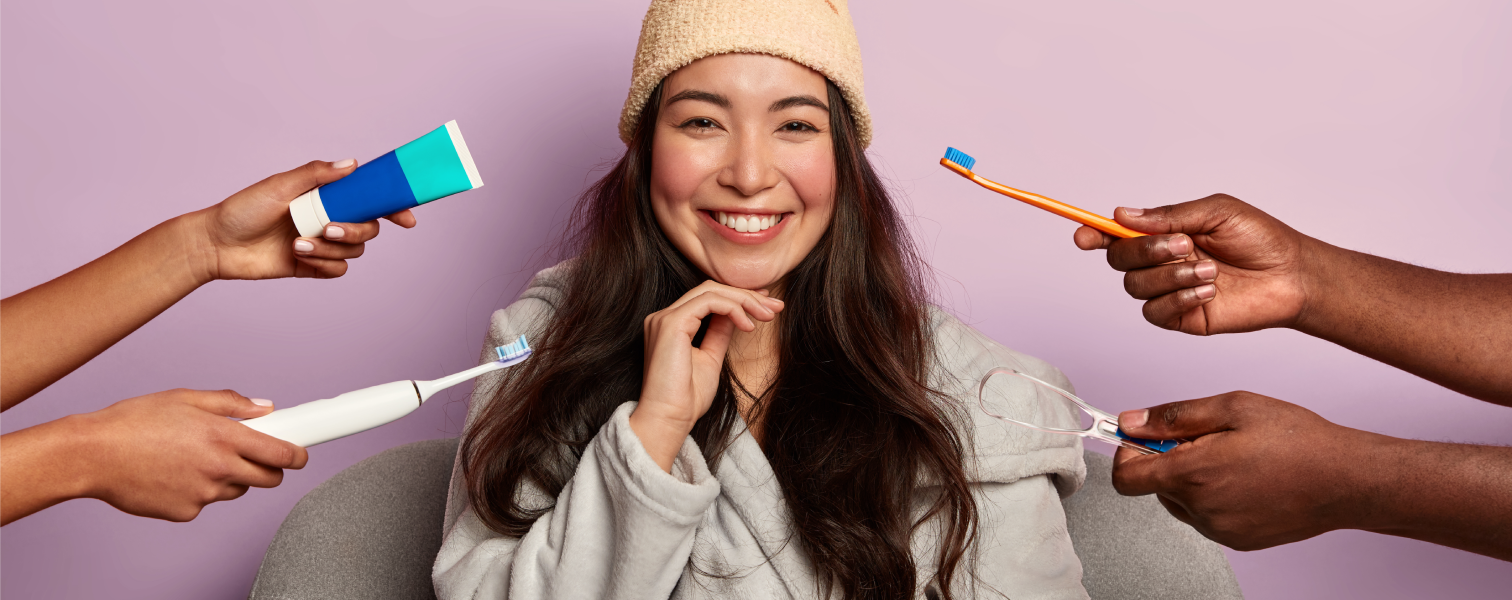
- Brush gently twice daily with a soft brush and non-abrasive toothpaste to avoid scratching ceramics or wearing composite edges.
- Clean between teeth every day. Floss works for most restorations; for implants and bridges, ask about interdental brushes or a water flosser.
- Use a night guard if you clench. Grinding can chip veneers, loosen crowns, and overload implants. Your dentist can confirm if you need one.
- Be careful with hard and sticky foods (ice, hard nuts, toffee). These can crack porcelain or pull at bonded work.
- Keep regular checkups and cleanings so early wear, bite changes, or gum inflammation are handled before they become bigger repairs.
If you notice bleeding, a new gap, clicking, or sensitivity, contact your dentist promptly rather than waiting for your next visit.
HealRoad can help you confirm the right home-care tools and follow-up schedule with your chosen clinic, so you know exactly how to protect your results after you return home.
Daily Habits That Keep Restorations, Veneers, and Implants Looking New
Your new smile can stay bright and comfortable for years, but it depends heavily on what you do at home every day.
Focus on habits that protect both the dental work and the gumline around it:
- Brush gently twice daily with a soft brush and non-abrasive toothpaste to avoid scratching ceramics or wearing composite edges.
- Clean between teeth every day. Floss works for most restorations; for implants and bridges, ask about interdental brushes or a water flosser.
- Use a night guard if you clench. Grinding can chip veneers, loosen crowns, and overload implants. Your dentist can confirm if you need one.
- Be careful with hard and sticky foods (ice, hard nuts, toffee). These can crack porcelain or pull at bonded work.
- Keep regular checkups and cleanings so early wear, bite changes, or gum inflammation are handled before they become bigger repairs.
If you notice bleeding, a new gap, clicking, or sensitivity, contact your dentist promptly rather than waiting for your next visit.
HealRoad can help you confirm the right home-care tools and follow-up schedule with your chosen clinic, so you know exactly how to protect your results after you return home.
Ask your clinic this after treatment:
“Which brush, toothpaste, and between-teeth cleaner do you recommend for my specific restorations or implants, and how often should I schedule professional cleanings?”

Food, Drink, and Lifestyle Triggers That Shorten the Lifespan of Results
Your daily choices can speed up staining, wear, or irritation after dental treatment, even when the work itself is done well.
Common triggers to watch for include:
- Frequent acidic drinks (soda, citrus water, sports drinks): can soften enamel and increase sensitivity.
- Dark pigments (coffee, tea, red wine, curry, berries): may discolor natural teeth and some restorations over time.
- Hard or sticky foods (ice, nuts, toffee): can chip edges, loosen bonding, or stress crowns and veneers.
- Tobacco and vaping: often worsen staining and can slow gum healing.
- Teeth grinding or nail biting: adds repeated force that may shorten the life of cosmetic work.
If you are unsure what is safe for your specific treatment, ask your dentist for a short do and do not list based on the materials used and your bite.
HealRoad can help you prepare questions for your clinic in Turkey so you know which foods and habits to avoid after your procedure.
Food, Drink, and Lifestyle Triggers That Shorten the Lifespan of Results
Your daily choices can speed up staining, wear, or irritation after dental treatment, even when the work itself is done well.
Common triggers to watch for include:
- Frequent acidic drinks (soda, citrus water, sports drinks): can soften enamel and increase sensitivity.
- Dark pigments (coffee, tea, red wine, curry, berries): may discolor natural teeth and some restorations over time.
- Hard or sticky foods (ice, nuts, toffee): can chip edges, loosen bonding, or stress crowns and veneers.
- Tobacco and vaping: often worsen staining and can slow gum healing.
- Teeth grinding or nail biting: adds repeated force that may shorten the life of cosmetic work.
If you are unsure what is safe for your specific treatment, ask your dentist for a short do and do not list based on the materials used and your bite.
HealRoad can help you prepare questions for your clinic in Turkey so you know which foods and habits to avoid after your procedure.
Long-Term Maintenance: Checkups, Cleanings, and When to Call Your Dentist
Your treatment may be finished, but the result is protected by routine care and early problem-solving.
Regular checkups help your dentist spot small changes before they become repairs. Many people do well with visits every 6 to 12 months, but your schedule can vary based on gum health, past decay, implants, or bite issues.
Professional cleanings remove hardened plaque that brushing cannot. They are also a good time to review home care, including flossing, interdental brushes, and whether a night guard is needed for clenching.
Contact your dentist sooner if you notice:
- Bleeding gums, swelling, or persistent bad taste
- New sensitivity, pain when chewing, or a tooth that feels higher than the others
- Chips, cracks, looseness, or a crown/veneer that feels rough at the edge
- Implant discomfort, movement, or gum recession around the implant
Quick advice often prevents bigger setbacks.
HealRoad can help you plan follow-up care and keep your questions organized while you compare trusted clinics in Turkey.
Long-Term Maintenance: Checkups, Cleanings, and When to Call Your Dentist
Your treatment may be finished, but the result is protected by routine care and early problem-solving.
Regular checkups help your dentist spot small changes before they become repairs. Many people do well with visits every 6 to 12 months, but your schedule can vary based on gum health, past decay, implants, or bite issues.
Professional cleanings remove hardened plaque that brushing cannot. They are also a good time to review home care, including flossing, interdental brushes, and whether a night guard is needed for clenching.
Contact your dentist sooner if you notice:
- Bleeding gums, swelling, or persistent bad taste
- New sensitivity, pain when chewing, or a tooth that feels higher than the others
- Chips, cracks, looseness, or a crown/veneer that feels rough at the edge
- Implant discomfort, movement, or gum recession around the implant
Quick advice often prevents bigger setbacks.
HealRoad can help you plan follow-up care and keep your questions organized while you compare trusted clinics in Turkey.
Conclusion
References


- Dental check-ups
- Oral Health Tips for Adults
- Oral Rinse to Reduce the Adhesion of Dental Plaque - Class II Special Controls Guidance for Industry and FDA Staff
- Ağız ve Diş Sağlığı: Sağlıklı Gülüşler İçin Uzman Bakımı Türkiye’de
- American Dental Association - MouthHealthy: Brushing Your Teeth
- American Dental Association - MouthHealthy: Flossing
- National Health Service (NHS) - How to keep your teeth clean
- Cochrane Library - Interdental cleaning for the prevention and control of periodontal diseases and dental caries in adults
Article Contributors

Heal Road Medical Reviewer
Medical Reviewer

Heal Road Writer
Writer
- Views
- 128 views
- Reading Time
- Last Updated