 146 views
Is Turkey Good for Dental Treatment?
Don't know
where to start ?
Find the right specialist with the best price guarantee
Which Dental Procedures in Turkey Deliver the Best Value and Which Need Extra Caution
Turkey can offer strong value for many dental services, but the best choice depends on how complex the work is and how easy it is to check quality before you commit.
- Often good value: Routine care such as check-ups, cleanings, simple fillings, and straightforward extractions when clinically appropriate.
- Predictable cosmetic upgrades: Whitening, minor bonding, and single crowns can be cost-effective if the clinic uses reputable materials and provides a clear plan.
- Higher-stakes treatments: Veneers across many teeth, full-arch bridges, complex root canal retreatment, and implant cases with bone grafting need extra scrutiny because small planning errors can affect bite, comfort, and long-term maintenance.
- Red flags to slow down: Pressure to shave healthy tooth structure, unclear brand or lab details, limited diagnostics (no proper X-rays/3D scan when needed), or no written aftercare and follow-up plan.
Before booking, ask for a written treatment plan, material options, and what happens if adjustments are needed after you return home.
HealRoad can help you compare trusted clinics in Turkey using clear, side-by-side treatment details, and support you with questions and planning throughout the process.
Which Dental Procedures in Turkey Deliver the Best Value and Which Need Extra Caution
Turkey can offer strong value for many dental services, but the best choice depends on how complex the work is and how easy it is to check quality before you commit.
- Often good value: Routine care such as check-ups, cleanings, simple fillings, and straightforward extractions when clinically appropriate.
- Predictable cosmetic upgrades: Whitening, minor bonding, and single crowns can be cost-effective if the clinic uses reputable materials and provides a clear plan.
- Higher-stakes treatments: Veneers across many teeth, full-arch bridges, complex root canal retreatment, and implant cases with bone grafting need extra scrutiny because small planning errors can affect bite, comfort, and long-term maintenance.
- Red flags to slow down: Pressure to shave healthy tooth structure, unclear brand or lab details, limited diagnostics (no proper X-rays/3D scan when needed), or no written aftercare and follow-up plan.
Before booking, ask for a written treatment plan, material options, and what happens if adjustments are needed after you return home.
HealRoad can help you compare trusted clinics in Turkey using clear, side-by-side treatment details, and support you with questions and planning throughout the process.
Helpful question to send before booking flights:
Can you outline my day-by-day schedule, including lab days and a buffer day before departure?
From First Consultation to Final Check: What a Realistic Turkey Dental Schedule Looks Like
A well-planned trip for dental care in Turkey usually follows a clear sequence: assessment, treatment days, and a safety buffer before you fly home. The exact pace depends on your diagnosis and what procedures are needed.
A typical flow may include:
- Day 1: In-person exam, X-rays or scans, bite check, and confirming the final plan.
- Days 2-4: Active treatment (for example, tooth preparation, fillings, extractions, or implant placement) depending on complexity.
- Mid-trip: Lab time for crowns or veneers, with short visits for try-ins or adjustments if needed.
- Last 1-2 days: Final fitting, bite refinement, aftercare instructions, and a review of medications and hygiene.
- Buffer day: Extra time in case swelling, sensitivity, or minor corrections require another appointment.
Ask your clinic to confirm the number of visits, expected chair time, and whether any steps require healing before the next phase.
HealRoad can help you compare clinics and clarify the planned visit schedule before you commit to travel dates.
From First Consultation to Final Check: What a Realistic Turkey Dental Schedule Looks Like
A well-planned trip for dental care in Turkey usually follows a clear sequence: assessment, treatment days, and a safety buffer before you fly home. The exact pace depends on your diagnosis and what procedures are needed.
A typical flow may include:
- Day 1: In-person exam, X-rays or scans, bite check, and confirming the final plan.
- Days 2-4: Active treatment (for example, tooth preparation, fillings, extractions, or implant placement) depending on complexity.
- Mid-trip: Lab time for crowns or veneers, with short visits for try-ins or adjustments if needed.
- Last 1-2 days: Final fitting, bite refinement, aftercare instructions, and a review of medications and hygiene.
- Buffer day: Extra time in case swelling, sensitivity, or minor corrections require another appointment.
Ask your clinic to confirm the number of visits, expected chair time, and whether any steps require healing before the next phase.
HealRoad can help you compare clinics and clarify the planned visit schedule before you commit to travel dates.
Helpful question to send before booking flights:
Can you outline my day-by-day schedule, including lab days and a buffer day before departure?
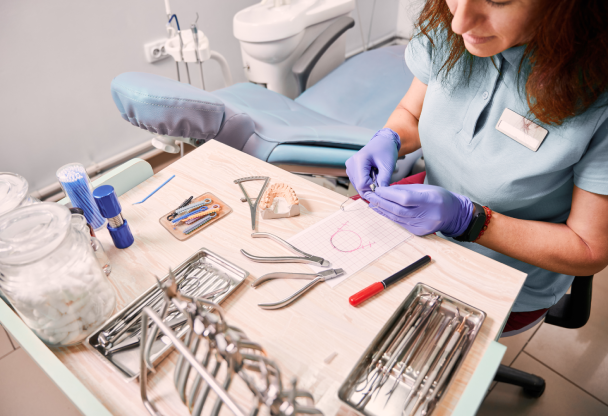
How to Vet a Turkish Dental Clinic: Credentials, Materials, and Aftercare Standards
Choosing a clinic in Turkey should feel like a clinical decision, not a bargain hunt.
Before you book, ask for clear answers in three areas:
- Professional credentials: Who will treat you, what is their training, and are they registered with relevant dental bodies? Request the dentist's name and a written treatment plan.
- Materials and lab work: For crowns, veneers, implants, or aligners, confirm the brand and origin of key components, whether the lab is in-house or external, and what documentation you will receive (invoices, batch labels, implant passport where applicable).
- Safety and aftercare: Ask about sterilization protocols, pain control options, and how complications are handled once you fly home. A reliable clinic explains follow-up visits, remote check-ins, and what is covered if adjustments are needed.
If a clinic avoids specifics or rushes you into a deposit, treat that as a warning sign and seek a second opinion.
HealRoad can help you compare clinics using transparent details like clinician info, materials, and aftercare plans, and support you with questions and planning throughout your trip.
How to Vet a Turkish Dental Clinic: Credentials, Materials, and Aftercare Standards
Choosing a clinic in Turkey should feel like a clinical decision, not a bargain hunt.
Before you book, ask for clear answers in three areas:
- Professional credentials: Who will treat you, what is their training, and are they registered with relevant dental bodies? Request the dentist's name and a written treatment plan.
- Materials and lab work: For crowns, veneers, implants, or aligners, confirm the brand and origin of key components, whether the lab is in-house or external, and what documentation you will receive (invoices, batch labels, implant passport where applicable).
- Safety and aftercare: Ask about sterilization protocols, pain control options, and how complications are handled once you fly home. A reliable clinic explains follow-up visits, remote check-ins, and what is covered if adjustments are needed.
If a clinic avoids specifics or rushes you into a deposit, treat that as a warning sign and seek a second opinion.
HealRoad can help you compare clinics using transparent details like clinician info, materials, and aftercare plans, and support you with questions and planning throughout your trip.
Travel Logistics and Patient Experience: Costs, Communication, and Follow Up Once You’re Home
Planning dental treatment abroad is not only about the procedure. Your experience often depends on practical details like what is included in the quote, how you will communicate, and what happens after you fly home.
When comparing costs, ask for a written breakdown that clarifies:
- What the price covers (consultation, imaging, lab work, anesthesia, temporary restorations)
- Whether medications, extractions, bone grafting, or additional scans could add fees
- How many visits are expected and what might change the plan
Communication matters just as much. Check who your main contact is, whether translation is available, and how quickly questions are answered before and after treatment.
Before you leave Turkey, confirm your aftercare plan: written instructions, expected symptoms, warning signs, and how to share photos or X-rays with the clinic. Also ask what support is available if a local dentist needs to see you at home.
HealRoad can help you compare clinics with clear inclusions and set expectations for communication and follow up before you book travel.
Travel Logistics and Patient Experience: Costs, Communication, and Follow Up Once You’re Home
Planning dental treatment abroad is not only about the procedure. Your experience often depends on practical details like what is included in the quote, how you will communicate, and what happens after you fly home.
When comparing costs, ask for a written breakdown that clarifies:
- What the price covers (consultation, imaging, lab work, anesthesia, temporary restorations)
- Whether medications, extractions, bone grafting, or additional scans could add fees
- How many visits are expected and what might change the plan
Communication matters just as much. Check who your main contact is, whether translation is available, and how quickly questions are answered before and after treatment.
Before you leave Turkey, confirm your aftercare plan: written instructions, expected symptoms, warning signs, and how to share photos or X-rays with the clinic. Also ask what support is available if a local dentist needs to see you at home.
HealRoad can help you compare clinics with clear inclusions and set expectations for communication and follow up before you book travel.
Conclusion
References


- Medical Tourism | CDC Yellow Book (Health Care Abroad) — Dental tourism, risks, and pre-travel advice
- Treatment abroad checklist - NHS (UK) — researching providers, aftercare, insurance, and complications
- HealthTürkiye Components - USHAŞ (official affiliate of Republic of Türkiye Ministry of Health) — official portal for international health services
- Dental tourists: treat, re-treat or do not treat? - PubMed (PMID: 33483660)
Article Contributors

Heal Road Medical Reviewer
Medical Reviewer

Heal Road Writer
Writer
- Views
- 146 views
- Reading Time
- Last Updated