
 108 views
What Affects the Long-Term Success of Dental Treatments?
Don't know
where to start ?
Find the right specialist with the best price guarantee
Choosing the Right Procedure and Materials for Durability
Long-lasting results start with matching the right treatment and right materials to your tooth, bite, and goals, not just choosing the fastest option. A dentist will weigh how much tooth structure is left, whether you grind your teeth, and how much chewing force the area takes.
- Fillings: Material choice (composite, amalgam where used) and cavity size can affect wear and edge breakdown over time.
- Crowns and bridges: Ceramic type, metal support, and how the margins fit can influence chipping risk and gum health.
- Veneers and bonding: Thin cosmetic work may be less forgiving if you have heavy bite forces or nail-biting habits.
- Implants: Implant design, abutment connection, and crown material should be selected with bone quality and bite in mind.
Ask your clinician why a specific option is recommended for your case, what trade-offs exist, and how repairs are handled if something chips or loosens.
HealRoad can help you compare clinic plans and material options side by side, so you can ask clearer questions before you commit.
Choosing the Right Procedure and Materials for Durability
Long-lasting results start with matching the right treatment and right materials to your tooth, bite, and goals, not just choosing the fastest option. A dentist will weigh how much tooth structure is left, whether you grind your teeth, and how much chewing force the area takes.
- Fillings: Material choice (composite, amalgam where used) and cavity size can affect wear and edge breakdown over time.
- Crowns and bridges: Ceramic type, metal support, and how the margins fit can influence chipping risk and gum health.
- Veneers and bonding: Thin cosmetic work may be less forgiving if you have heavy bite forces or nail-biting habits.
- Implants: Implant design, abutment connection, and crown material should be selected with bone quality and bite in mind.
Ask your clinician why a specific option is recommended for your case, what trade-offs exist, and how repairs are handled if something chips or loosens.
HealRoad can help you compare clinic plans and material options side by side, so you can ask clearer questions before you commit.
Helpful message to send your clinic:
“Can you write my aftercare instructions for the first week and the first month, including food limits, cleaning steps, and when I should come back for a check?”
Healing and Aftercare Habits That Protect Your Results
The work done in the chair is only part of what determines how long a dental result lasts. What you do during healing and in the months after can make a real difference.
Aftercare usually includes a mix of protection, cleanliness, and follow-up. Common habits that support stable outcomes include:
- Taking prescribed medicines exactly as directed and avoiding self-adjusting doses.
- Keeping the area clean with gentle brushing and any recommended rinses, without scrubbing fresh gum tissue.
- Choosing softer foods at first and limiting very hot, crunchy, or sticky items until your dentist says it is safe.
- Avoiding smoking or vaping during healing, since it can interfere with tissue recovery.
- Wearing a night guard if you clench or grind, especially after crowns, veneers, or implants.
- Attending review visits so small issues (like bite pressure or irritation) can be corrected early.
If pain, swelling, bleeding, or a loose restoration seems unusual, contact your clinic promptly. Healing speed and restrictions vary, so confirm your personal plan with your dentist.
HealRoad can help you compare clinics and understand what aftercare and follow-up are included, so you can plan your recovery with fewer surprises.
Healing and Aftercare Habits That Protect Your Results
The work done in the chair is only part of what determines how long a dental result lasts. What you do during healing and in the months after can make a real difference.
Aftercare usually includes a mix of protection, cleanliness, and follow-up. Common habits that support stable outcomes include:
- Taking prescribed medicines exactly as directed and avoiding self-adjusting doses.
- Keeping the area clean with gentle brushing and any recommended rinses, without scrubbing fresh gum tissue.
- Choosing softer foods at first and limiting very hot, crunchy, or sticky items until your dentist says it is safe.
- Avoiding smoking or vaping during healing, since it can interfere with tissue recovery.
- Wearing a night guard if you clench or grind, especially after crowns, veneers, or implants.
- Attending review visits so small issues (like bite pressure or irritation) can be corrected early.
If pain, swelling, bleeding, or a loose restoration seems unusual, contact your clinic promptly. Healing speed and restrictions vary, so confirm your personal plan with your dentist.
HealRoad can help you compare clinics and understand what aftercare and follow-up are included, so you can plan your recovery with fewer surprises.
Helpful message to send your clinic:
“Can you write my aftercare instructions for the first week and the first month, including food limits, cleaning steps, and when I should come back for a check?”
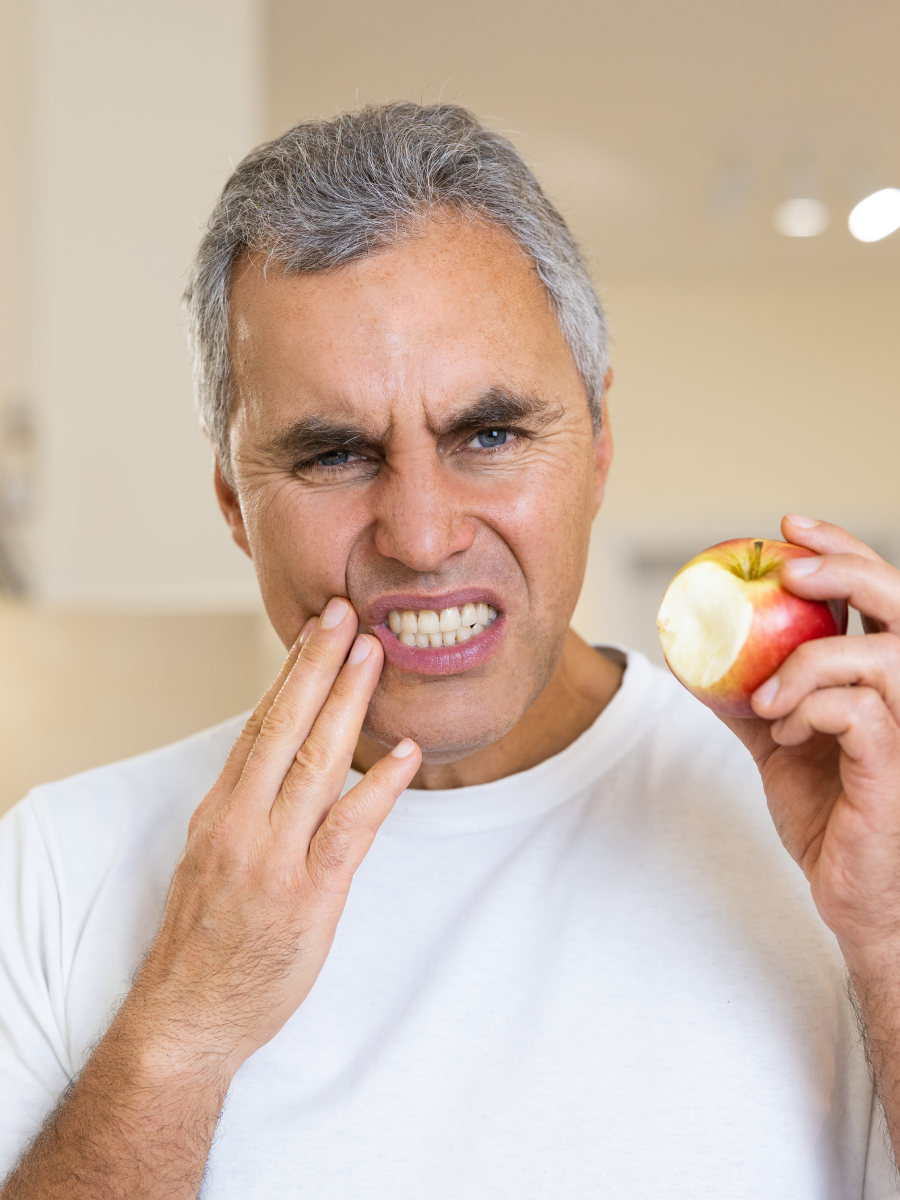
How Gum Health, Bite Forces, and Lifestyle Shape Longevity
How long a filling, crown, implant, or veneer lasts is not only about the material. The environment in your mouth matters every day.
Three areas often make the biggest difference:
- Gums and supporting bone: Ongoing inflammation, bleeding, or bone loss can shorten the life of many restorations and may increase maintenance needs.
- Bite forces: Clenching, grinding, or an uneven bite can overload teeth and restorations, leading to chips, looseness, or wear. A night guard or bite adjustment may be recommended in some cases.
- Lifestyle and habits: Smoking, frequent sugary or acidic drinks, and inconsistent cleaning can raise the risk of decay and gum problems around dental work.
A dentist can evaluate these factors and suggest practical steps to protect your results, such as periodontal care, occlusal checks, and tailored home hygiene.
HealRoad can help you compare clinics and ask the right questions about gum care, bite assessment, and aftercare planning before you travel.
How Gum Health, Bite Forces, and Lifestyle Shape Longevity
How long a filling, crown, implant, or veneer lasts is not only about the material. The environment in your mouth matters every day.
Three areas often make the biggest difference:
- Gums and supporting bone: Ongoing inflammation, bleeding, or bone loss can shorten the life of many restorations and may increase maintenance needs.
- Bite forces: Clenching, grinding, or an uneven bite can overload teeth and restorations, leading to chips, looseness, or wear. A night guard or bite adjustment may be recommended in some cases.
- Lifestyle and habits: Smoking, frequent sugary or acidic drinks, and inconsistent cleaning can raise the risk of decay and gum problems around dental work.
A dentist can evaluate these factors and suggest practical steps to protect your results, such as periodontal care, occlusal checks, and tailored home hygiene.
HealRoad can help you compare clinics and ask the right questions about gum care, bite assessment, and aftercare planning before you travel.
Clinic Standards, Technology, and Follow-Up: What Really Drives Outcomes
The long-term success of dental work is not only about the material used. It also depends on how the clinic plans, delivers, and monitors your care.
When comparing clinics, look for signs of consistent standards, such as:
- Clear diagnosis and planning (photos, X-rays, and when needed, 3D imaging) before any irreversible steps
- Good infection control and documented sterilization routines
- Quality lab coordination so crowns, veneers, or implant parts fit accurately
- Modern tools used appropriately (digital scans, guided implant planning, bite analysis) rather than as marketing
- Real follow-up with written aftercare instructions and a plan for checks and adjustments
Even excellent treatment can fail if bite issues, gum health, or small fit problems are not caught early. Ask who you should contact after you return home and what is included if a review is needed.
HealRoad can help you compare clinics on planning, technology, and follow-up support, and keep your questions organized before and after your trip.
Clinic Standards, Technology, and Follow-Up: What Really Drives Outcomes
The long-term success of dental work is not only about the material used. It also depends on how the clinic plans, delivers, and monitors your care.
When comparing clinics, look for signs of consistent standards, such as:
- Clear diagnosis and planning (photos, X-rays, and when needed, 3D imaging) before any irreversible steps
- Good infection control and documented sterilization routines
- Quality lab coordination so crowns, veneers, or implant parts fit accurately
- Modern tools used appropriately (digital scans, guided implant planning, bite analysis) rather than as marketing
- Real follow-up with written aftercare instructions and a plan for checks and adjustments
Even excellent treatment can fail if bite issues, gum health, or small fit problems are not caught early. Ask who you should contact after you return home and what is included if a review is needed.
HealRoad can help you compare clinics on planning, technology, and follow-up support, and keep your questions organized before and after your trip.
Conclusion
References


- Smoking, Gum Disease, and Tooth Loss (CDC)
- How do smoking, diabetes, and periodontitis affect outcomes of implant treatment? (Systematic Review) - PubMed
- Mercury-free restoration materials: a summary of the evidence (Cochrane Oral Health)
- Sigaranın Ağız ve Diş Sağlığı Üzerinde Olumsuz Etkileri Vardır! (T.C. Sağlık Bakanlığı / saglik.gov.tr)
- American Dental Association (ADA): MouthHealthy - Dental crowns
- American Association of Endodontists (AAE): Root Canal Treatment
- Cochrane Library: Interventions for replacing missing teeth - dental implants in patients with periodontitis (evidence on risk and maintenance)
Article Contributors

Heal Road Medical Reviewer
Medical Reviewer

Heal Road Writer
Writer
- Views
- 108 views
- Reading Time
- Last Updated