
Discover, Heal, Thrive:
HealRoad Articles
Welcome to HealRoad Articles
Explore insights into world-class healthcare and the beauty of Türkiye. From expert tips on treatments to travel guides, our articles are your companion on the journey to wellness and discovery.
64 articles found
More filters
Clear filters
Dental Treatment
64 articles found
More filters
Clear filters


Dental Treatment
Topic
Intent
Journey Stage
Concern
Travel Context
How to Compare Dental Treatment Offers the Right Way
When you receive two or more dental treatment offers, it can be hard to tell whether you are comparing like with like. Prices may differ because the plans are genuinely different, or because key details are missing from one quote. A careful comparison helps you avoid unexpected costs and choose a plan that fits your health needs, timeline, and budget.
This FAQ explains a practical way to compare dental offers, what to ask for in writing, and which red flags suggest you should seek clarification or a second opinion.
4-minute reading
3251 reading
 3251 reading

What Happens After I Request a Dental Evaluation?
Requesting a dental evaluation is usually the moment people feel both excited and a little unsure: What do I send, who reviews it, and will I get a clear plan or just a vague price?
At Heal Road, the goal is to reduce uncertainty through a clear, guided process from your first request to comparing clinic offers and choosing the option that fits you. Here is what typically happens after you request a dental evaluation.
4-minute reading
3146 reading

Is the Cheapest Dental Offer Always the Best Choice?
Not always. A very low price for dental treatment can be a genuine discount, but it can also signal shortcuts in materials, planning, infection control, or follow up care. Because dentistry is both medical care and a technical craft, the true value is often revealed by what is included in the quote, not the headline number.If you are comparing offers for fillings, crowns, implants, aligners, whitening, or cosmetic work, focus on safety, predictability, and long term cost. The cheapest option can become the most expensive if it leads to complications, repeat treatment, or damage to teeth and gums.
4-minute reading
3208 reading

Will My New Teeth Look Natural?
Yes, Modern dentistry can create very natural-looking new teeth, but the result depends on planning, materials, and the skill of the dental team. Natural smiles aren’t perfectly identical. Real teeth have subtle shade variation, light translucency, and small differences in shape, and high-quality ceramics can replicate this depth far better than a flat “one-white” look. A truly natural result also relies on the right proportions for your face and lip line, healthy gums with clean margins, and a bite that feels comfortable when you speak and chew. In this guide, we explain what to look for in the planning process, including digital smile design and temporary trial teeth, so you can avoid an overly bright, bulky, or “denture-like” finish.
4-minute reading
2972 reading

How Much Can I Really Save by Getting Dental Treatment in Turkey?
For procedures like dental implants, veneers, and crowns, savings can be significant, but only if you compare the same materials and steps, not just headline package prices. Turkey is one of the most searched destinations for these treatments, yet price tags alone don’t tell the full story. The true cost, and your true saving, depends on details like the implant system, crown/veneer material, diagnostics (X-ray/CBCT), temporaries, number of visits, and how aftercare works once you’re back home. Below, we’ll walk through a simple step-by-step method to calculate your real savings and a checklist of questions to ask before you book.
That’s where Heal Road helps: we make it easier to compare clinics and quotes transparently, so you can understand what’s included and what’s not. With clearer information and guidance on what to ask, you can choose more confidently and reduce the risk of unexpected costs later.
4-minute reading
3222 reading
Are Dental Treatments in Turkey Safe?
Dental tourism to Turkey has grown quickly, especially for veneers, crowns, implants and smile makeovers. Many people are attracted by lower prices and short waiting times, but safety depends less on the country and more on the specific clinic, clinician, materials and aftercare plan.In general, dental treatment in Turkey can be safe when it is properly planned and delivered by qualified professionals in a regulated setting. The main risks arise when treatment is rushed, overly aggressive, poorly documented, or difficult to follow up once you are home.
4-minute reading
3003 reading
E-max Crown or Zirconia Crown: How to Choose the Right Option
Both E-max crowns and zirconia crowns can restore a damaged tooth with a natural-looking, long-lasting cap. The best choice depends on where the tooth sits in your mouth, how hard you bite, how much healthy tooth remains, and what matters most to you: maximum aesthetics, maximum strength, or a balance of both. This FAQ explains the practical differences so you can have a clearer conversation with your dentist.
4-minute reading
3507 reading
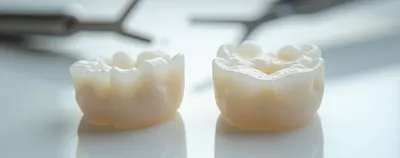
Turkey Teeth Gone Wrong: Why It Happens and How to Avoid It
"Turkey teeth" is a social media term for getting a fast, dramatic smile makeover abroad, often involving crowns or veneers placed on many teeth at once. When it goes well, results can look impressive. When it goes wrong, the problems can be painful, expensive, and difficult to fix.
Complications usually come from aggressive tooth preparation, rushed planning, unclear aftercare, or treatment that does not match a person’s bite and gum health. Knowing the common failure points can help you choose safer options and avoid irreversible damage.
4-minute reading
3052 reading
Best Dentist in Turkey: What to Check Before You Book
Choosing the best dentist in Turkey is less about finding the lowest price and more about checking safety, training, materials, and aftercare. Turkey has many reputable clinics that treat international patients, but standards can vary between providers. Before you book, focus on evidence you can verify: the dentist's credentials, infection control, a clear written treatment plan, and realistic timelines. This FAQ covers what to check so you can compare clinics fairly and reduce the risk of complications, unexpected costs, or results that are hard to maintain once you return home.
4-minute reading
3134 reading

Who Is Not a Good Candidate for Dental Treatment?
Most people can safely receive dental care, including fillings, crowns, implants, orthodontics, and cosmetic treatments. However, some health conditions and situations can make certain dental procedures unsafe or less likely to succeed, at least temporarily. In these cases, the goal is not to deny care but to adjust timing, choose safer alternatives, or coordinate treatment with a medical team.
There is rarely a single rule that makes someone a permanent "no" for all dental treatment. Instead, dentists assess risk based on your overall health, medications, infection status, ability to heal, and how urgent the dental problem is. Emergency care to control pain, swelling, or infection is often still possible even when elective treatment should wait.
Below are common scenarios where a person may not be a good candidate for specific dental treatments or may need treatment postponed until their condition is stabilized.
4-minute reading
2884 reading
Can Multiple Dental Treatments Be Done Together?
Many people have more than one dental issue at once and prefer to combine treatments to save time and reduce stress. Multiple procedures can often be done safely in the same visit, but the right approach depends on overall health, procedure complexity, appointment length, and healing needs. Dentists usually prioritise urgent problems first (pain, infection, trauma), then functional concerns, and plan cosmetic work once oral health is stable. Some treatments must be staged to allow proper healing or to achieve predictable results. A clear written treatment plan helps balance efficiency with safety and comfort.
4-minute reading
5652 reading
Is a Smile Makeover Right for Me?
A smile makeover is a personalised plan to improve the look of your teeth and gums. It can involve one treatment (such as whitening) or a combination (such as orthodontics plus bonding or veneers). The right choice depends on your goals, your oral health, and what changes are realistically possible.
This FAQ explains who may benefit, what to consider before starting, and how to weigh options like whitening, aligners, bonding, veneers, crowns, and gum treatments.
4-minute reading
2994 reading