


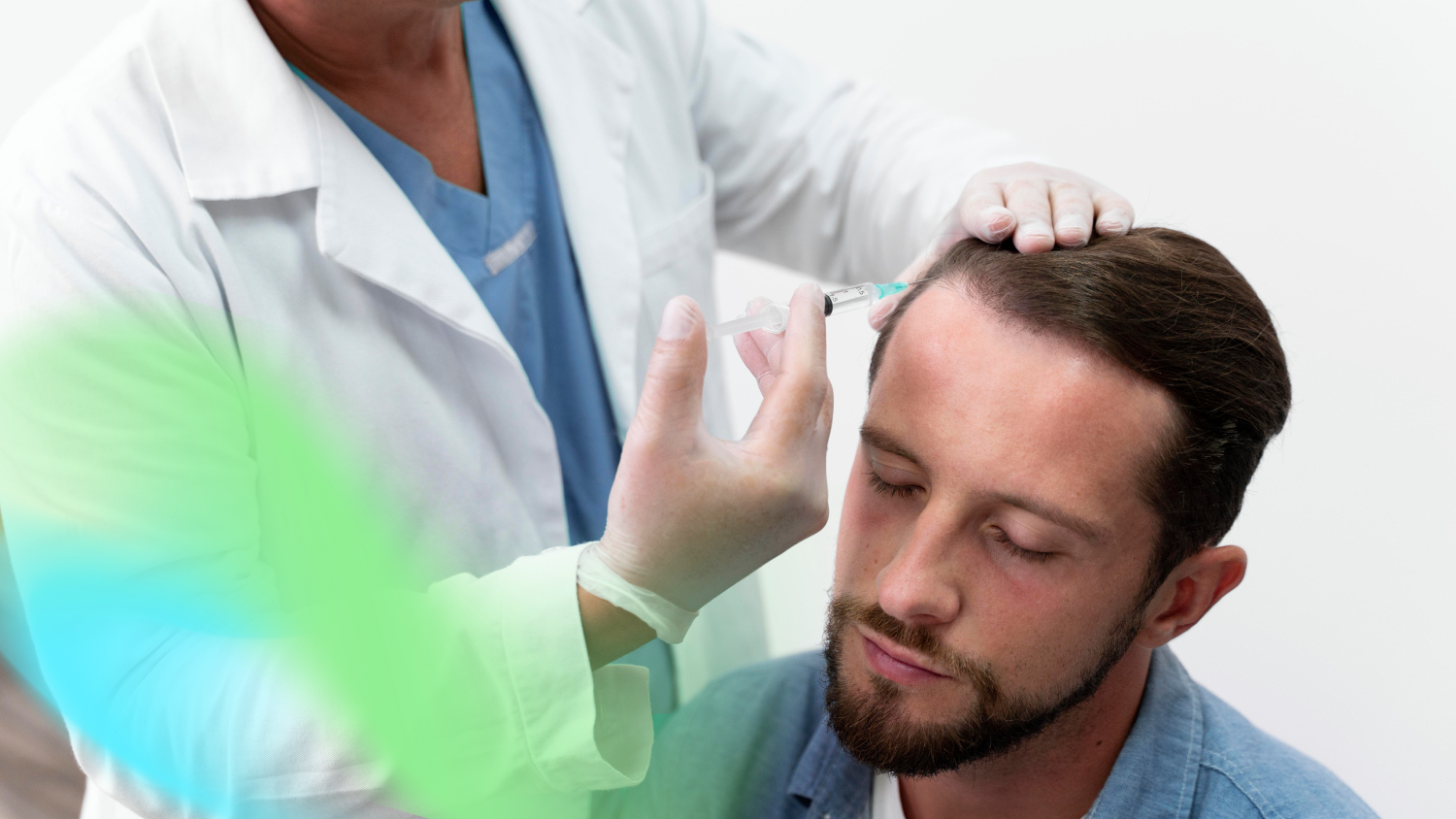
Percutaneous Hair Transplantation: Revive Your Roots
-
 Bestpreisgarantie
-
Nur akkreditierte Kliniken
-
Kostenlose medizinische Unterstützung rund um die Uhr
 6–8 h
Dauer
6–8 h
Dauer
 7–10 d
Erholung
7–10 d
Erholung
 Mild
Schmerzgrad
Mild
Schmerzgrad
 95–98 %
Erfolgsrate
95–98 %
Erfolgsrate
 Minimal
Narben
Minimal
Narben
 7 d
Arbeitsfreigabe
7 d
Arbeitsfreigabe
 3–5 d
Aufenthalt TR
3–5 d
Aufenthalt TR
Was ist Percutaneous Hair Transplantation?
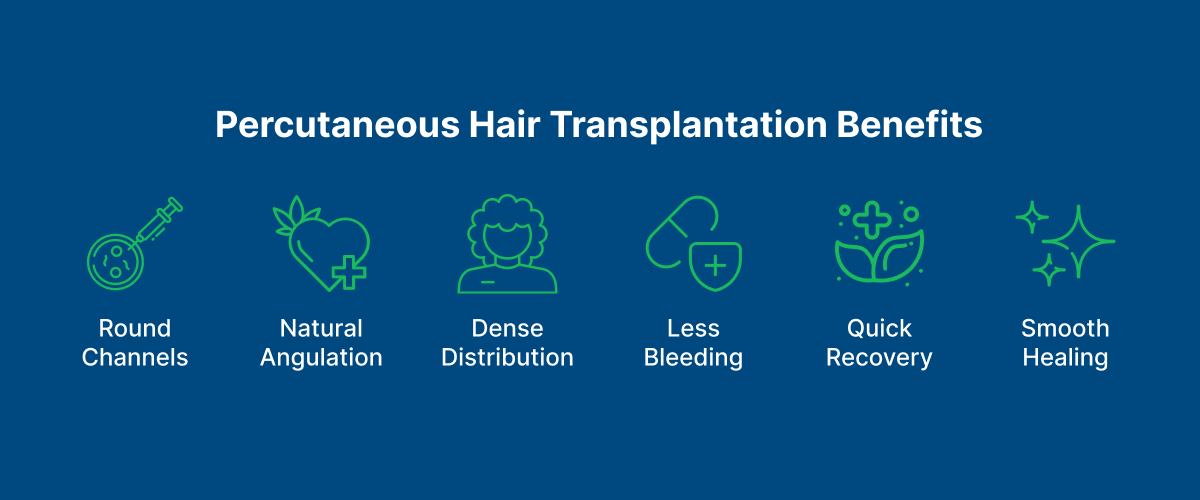
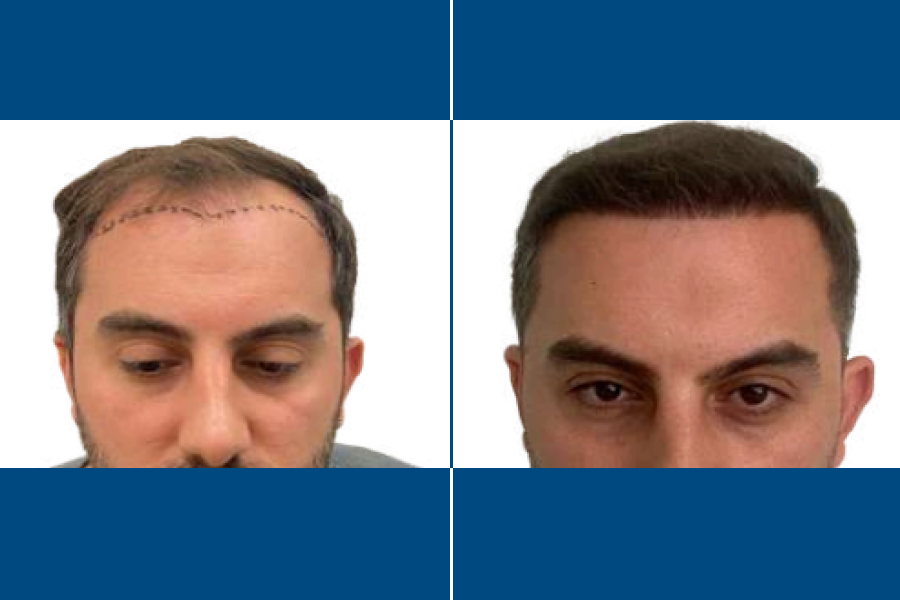
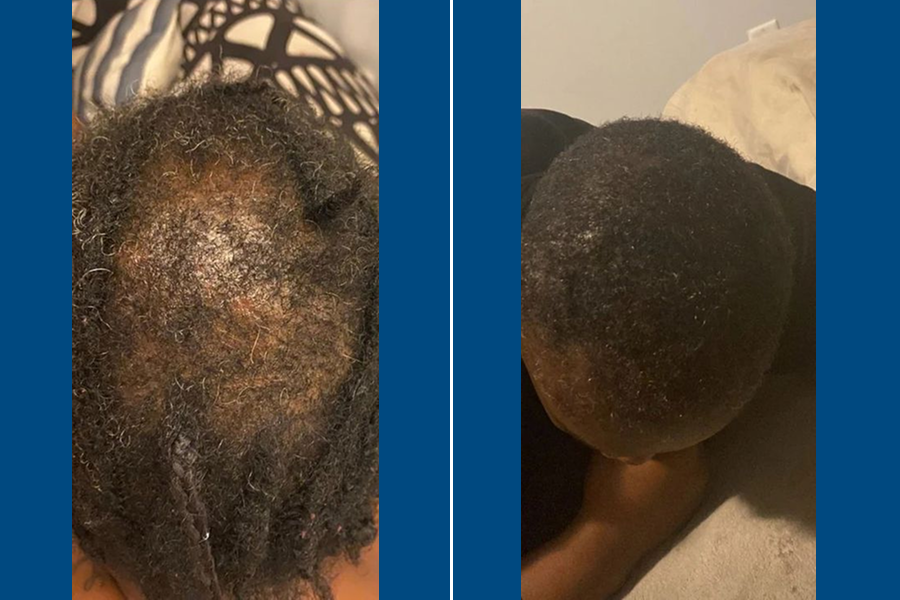
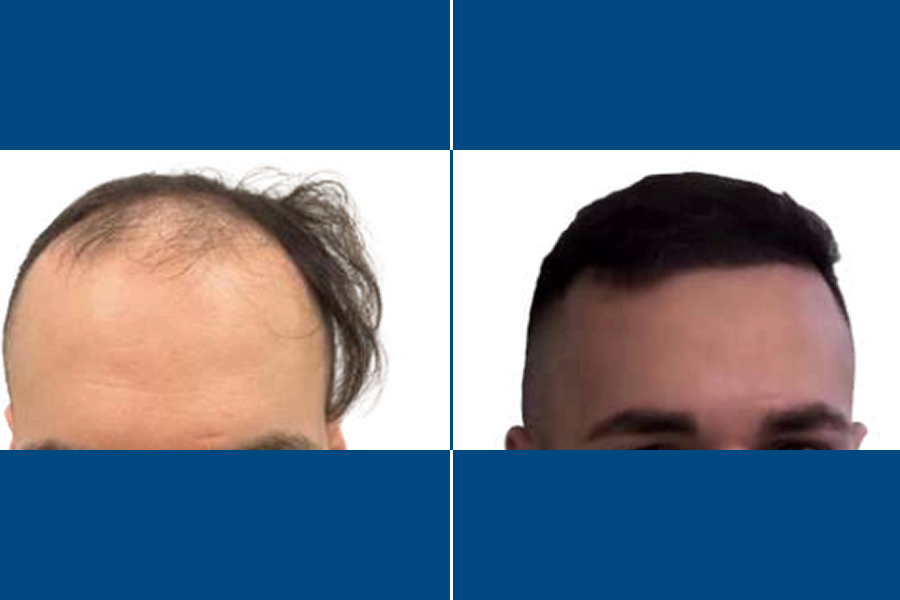
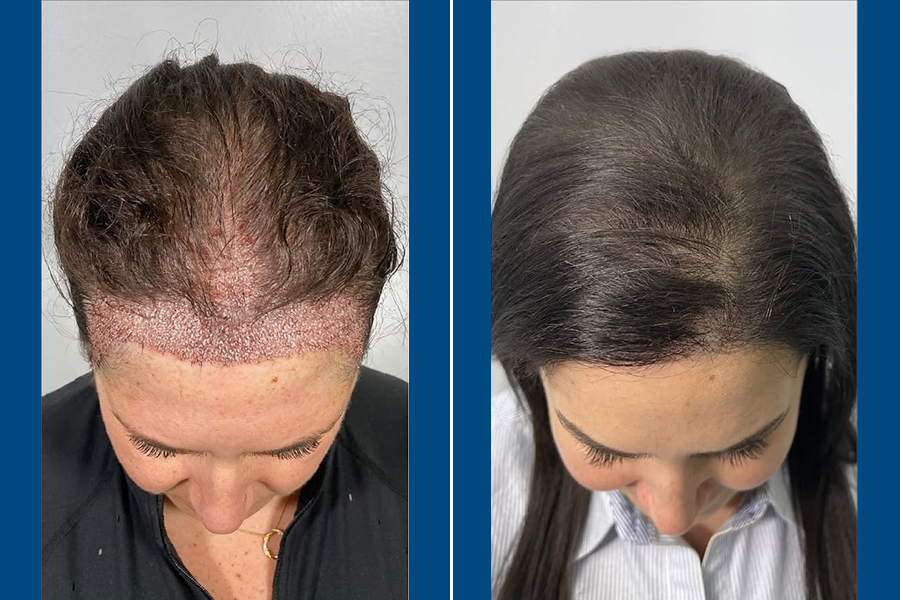
Percutaneous hair transplantation is a modern hair restoration technique designed to address hair loss with remarkable precision and natural results. Unlike traditional methods, this procedure uses specialized micro-instruments to create tiny, circular channels known as percutaneous incisions in the scalp. These incisions closely mimic the natural direction and angle of hair growth, allowing for denser and more aesthetically pleasing placement of transplanted follicles.
The treatment involves harvesting healthy hair follicles, typically from the back or sides of the head, and carefully implanting them into the prepared recipient areas. Because the channels are minimally invasive, patients often experience faster healing, reduced scarring, and a more comfortable recovery. Percutaneous hair transplantation is suitable for both men and women seeking a fuller, natural-looking hairline.

Für wen ist Percutaneous Hair Transplantation geeignet?
Percutaneous hair transplantation is best suited for individuals seeking a natural-looking solution to hair loss or thinning. This advanced technique is particularly recommended for:
- Men and women experiencing androgenetic alopecia (male or female pattern baldness) who desire fuller, denser hair coverage.
- Patients with localized hair loss due to trauma, burns, or previous surgeries.
- Individuals who have sufficient donor hair, typically at the back or sides of the scalp, to achieve optimal results.
- Those looking for a minimally invasive procedure with faster recovery and minimal scarring compared to traditional methods.
This technique is ideal for people who value precision in hairline design and want a discreet, long-lasting restoration of their natural hair appearance.
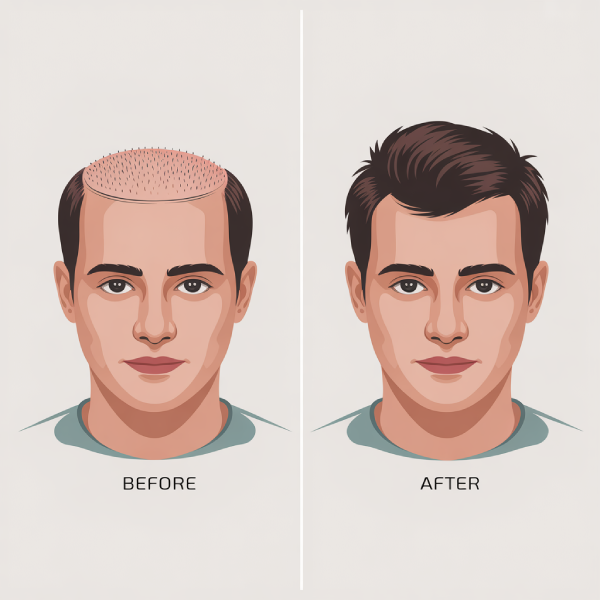
Wie wird Percutaneous Hair Transplantation durchgeführt?
Percutaneous hair transplantation is an advanced hair restoration technique that uses specialized micro-instruments to create tiny, precise channels in the scalp, allowing for natural-looking and dense hair implantation. This minimally invasive method is designed to maximize graft survival and deliver aesthetically pleasing results with minimal discomfort and downtime.
-
Comprehensive Consultation and Assessment
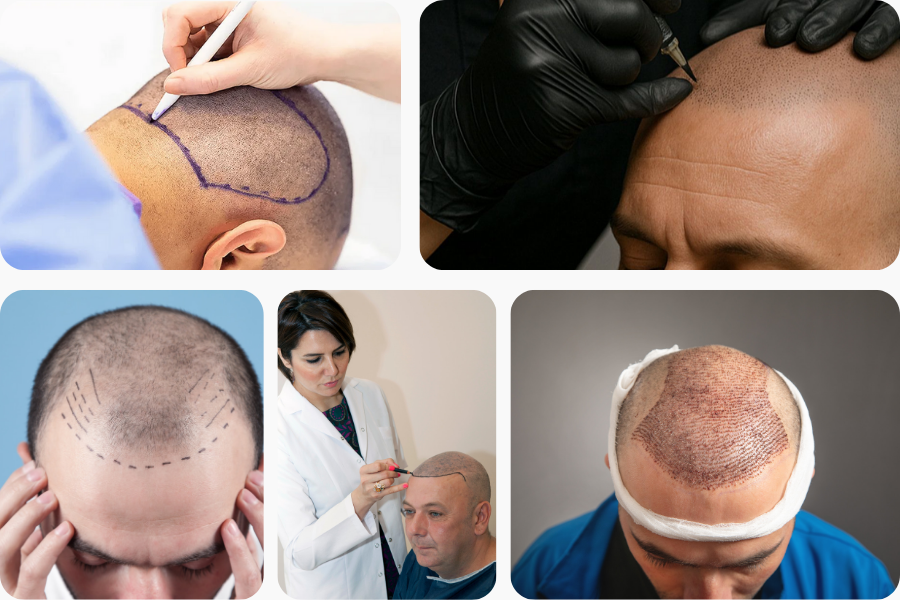
The process begins with a thorough consultation, where a hair transplant specialist evaluates your scalp, hair density, and donor area. Digital imaging and scalp analysis may be used to design your new hairline and plan graft distribution for optimal coverage and natural results.
-
Donor Hair Extraction
Under local anesthesia, healthy hair follicles are harvested from the donor area usually the back or sides of the scalp using the FUE (Follicular Unit Extraction) method. Each follicular unit is carefully extracted to preserve its integrity and ensure high survival rates.
-
Percutaneous Channel Creation
The hallmark of this technique is the use of ultra-fine, needle-like instruments to create micro-channels in the recipient area. These channels are made at specific angles and depths, closely mimicking the natural direction and growth pattern of your hair. This step minimizes trauma to the scalp and allows for dense, natural placement of grafts.
-
Graft Implantation
The harvested hair follicles are then meticulously implanted into the prepared micro-channels. The precise placement ensures optimal density, natural hairline design, and seamless blending with your existing hair. The procedure is performed with great attention to detail to achieve a full and aesthetically pleasing result.
-
Post-Procedure Care and Recovery
After the procedure, you will receive personalized aftercare instructions to promote healing and maximize graft survival. Mild swelling or redness may occur, but most patients resume normal activities within a few days. Follow-up visits are scheduled to monitor progress and ensure the best possible outcome.
Genesung und Erwartungen?
The recovery journey after percutaneous hair transplantation is a carefully guided process that unfolds in distinct stages. Understanding what to expect at each step will help you care for your scalp, optimize your results, and return to your daily life with confidence.
-
Immediate Post-Procedure (First 7–10 days)
In the first week, you may notice mild swelling, redness, and tiny scabs around the transplanted follicles. It is essential to avoid touching or scratching the area and to follow your surgeon’s cleaning instructions precisely. Sleep with your head elevated and avoid strenuous activities to reduce swelling. Most patients can return to non-physical work within 2–3 days.
-
Scab Shedding & Early Healing (Days 7–14)
By the end of the second week, scabs will naturally fall off as the scalp heals. Redness and sensitivity gradually subside. Gentle washing is usually permitted, but you should still avoid direct sun exposure, sweating, and swimming. Most visible signs of the procedure begin to fade during this period.
-
Shedding Phase (Weeks 2–6)
It is normal for the transplanted hairs to shed during this time a natural part of the process called "shock loss." This is temporary and expected, as the follicles enter a resting phase before new growth begins. Continue to follow all aftercare guidelines and avoid harsh hair products or styling tools.
-
Early Regrowth (Months 2–4)
New hair starts to emerge from the transplanted follicles. Initially, these hairs may appear fine or thin, but they will gradually thicken over time. Minor redness or sensitivity may persist, but most patients can resume all normal activities, including exercise and swimming, by this stage.
-
Full Results & Maturation (Months 6–12+)
Over the next several months, hair density and texture improve significantly. By 6–9 months, most patients see substantial growth, with final results typically visible at 12 months. The transplanted hair can be washed, cut, and styled like natural hair. Ongoing scalp care and periodic check-ins with your specialist are recommended to support optimal, lasting results.
Warum die Türkei für Percutaneous Hair Transplantation wählen?
Türkiye stands out as a premier destination for Percutaneous Hair Transplantation, offering a unique blend of medical expertise, innovative techniques, and affordable pricing. The percutaneous method, known for its natural-looking results and minimally invasive approach, is performed by some of the world’s most experienced hair restoration specialists in Türkiye’s state-of-the-art clinics.
Turkish hair transplant surgeons are internationally recognized for their advanced skills and meticulous attention to detail. The percutaneous technique uses ultra-fine blades to create recipient sites, allowing for denser implantation and a more natural hairline. Clinics in Türkiye are equipped with the latest technology and adhere to global standards of safety and hygiene, ensuring a comfortable and successful treatment journey.
- Türkiye’s hair transplant surgeons have extensive experience with the percutaneous method, performing thousands of successful procedures for international patients every year.
- Clinics utilize cutting-edge equipment and innovative techniques to maximize graft survival and achieve high-density, natural results.
- Competitive pricing and comprehensive packages make Türkiye an attractive option, offering significant savings without compromising on quality.
- Many clinics provide multilingual support and personalized care for international patients, ensuring a smooth and stress-free experience from consultation to aftercare.
- Türkiye’s central location and excellent connectivity make it easily accessible for patients from Europe, the Middle East, and beyond.
- Patients can combine their hair restoration journey with a memorable holiday, exploring Türkiye’s rich culture, cuisine, and scenic beauty.
Türkiye’s leadership in health tourism is reflected in the millions of international patients who choose the country each year for advanced treatments like percutaneous hair transplantation. With its commitment to quality, innovation, and patient satisfaction, Türkiye offers a rewarding and seamless experience for anyone seeking world-class hair restoration.
Behandlungskostenrechner
Erhalten Sie einen auf Ihre Bedürfnisse zugeschnittenen Durchschnittspreis.
Preis
Preise anderer Länder
Häufig gestellte Fragen zu Percutaneous Hair Transplantation
Mitwirkende an dieser Seite

Medizinischer Prüfer von Heal Road
Medizinischer Prüfer

Autor von Heal Road
Autor
- Aufrufe
- 1089 Aufrufe
- Lesezeit
- Zuletzt aktualisiert
Verwandte Artikel
Leitfäden und Einblicke zu dieser Behandlung.
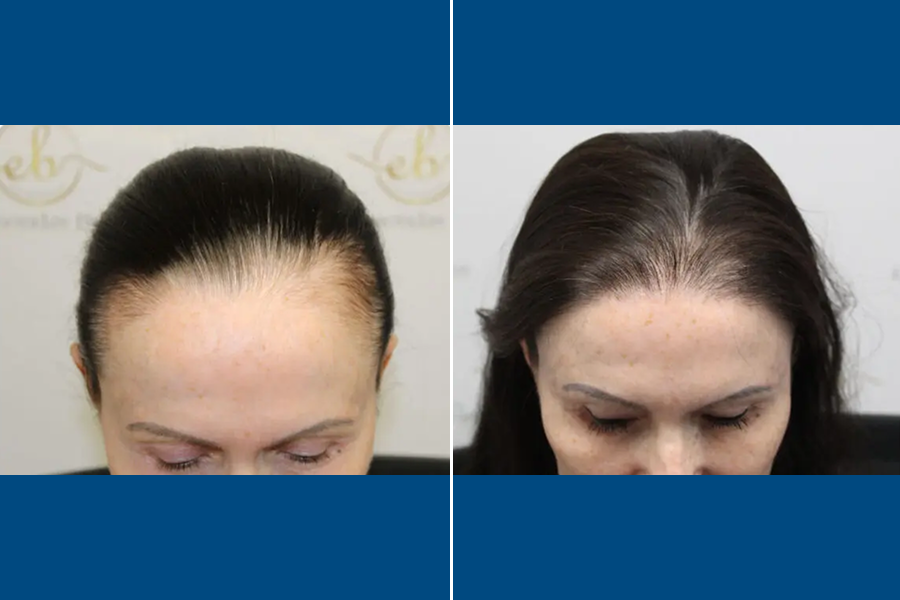
Schritt-für-Schritt-Anleitung zur perkutanen Haartransplantation in der Türkei
Die perkutane Haartransplantation ist eine minimalinvasive Technik zur Haarwiederherstellung, bei der Grafts durch winzige Hautöffnungen (Mikroinzisionen) implantiert werden, um einen natürlich wirkenden Haaransatz nachzubilden und die Dichte in ausgedünnten Bereichen zu verbessern. In der Türkei wird der Eingriff häufig in spezialisierten Haarkliniken durchgeführt, die moderne Methoden zur Handhabung von Grafts und Lokalanästhesie einsetzen. Die Behandlungspläne werden dabei an das Muster des Haarausfalls, die Spenderkapazität und die gewünschten Stylingziele angepasst. Diese Schritt-für-Schritt-Anleitung erklärt, was typischerweise vor, während und nach der perkutanen Implantation geschieht, wie der zeitliche Ablauf der Ergebnisse aussieht und wie sich Risiken wie Infektionen, ein schlechtes Anwachsen der Grafts oder eine unnatürliche Wuchsrichtung verringern lassen.
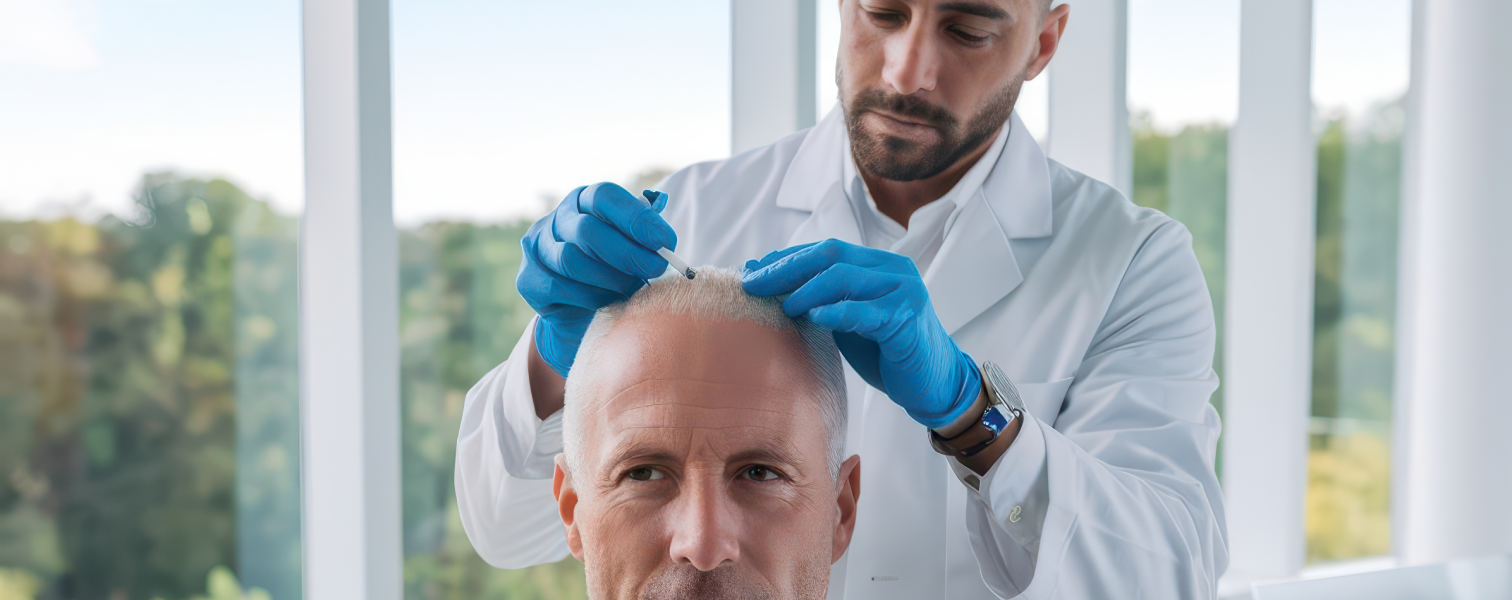
Schritt-für-Schritt-Anleitung zur Long-DHI-Haartransplantation in der Türkei
Long DHI (Direct Hair Implantation) ist eine Variante der FUE-Haartransplantation, bei der entnommene follikuläre Einheiten mit einem stiftähnlichen Implantierer direkt in die Kopfhaut eingesetzt werden, meist mit dem sogenannten Choi-Pen. Mit "Long DHI" ist in der Regel gemeint, dass die Grafts implantiert werden, während das Haar im Empfängerbereich länger belassen wird. Das kann bei geeigneten Kandidaten dazu beitragen, das frühe postoperative Erscheinungsbild besser zu kaschieren. Die Türkei ist für diesen Eingriff ein beliebtes Ziel, unter anderem wegen der hohen Fallzahlen, erfahrener OP-Teams und vergleichsweise niedrigerer Kosten. Diese Schritt-für-Schritt-Anleitung erklärt, was vor, während und nach einer Long-DHI-Haartransplantation passiert, wie der zeitliche Verlauf der Ergebnisse typischerweise aussieht und wie sich Risiken verringern und häufige Fehler bei der Wahl einer Klinik im Ausland vermeiden lassen.
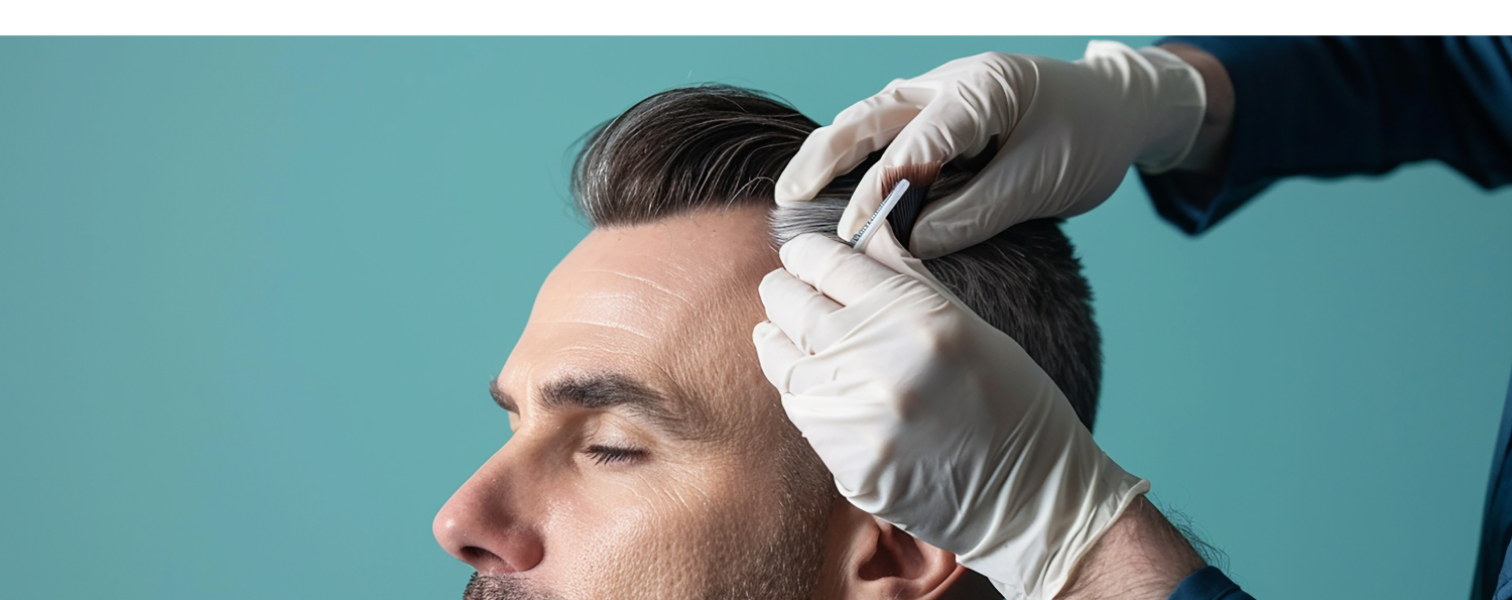
Schritt-für-Schritt-Anleitung zur Haartransplantation mit Rasur in der Türkei
Eine Haartransplantation mit Rasur ist eine Technik, bei der der Spenderbereich, in der Regel der Hinterkopf und die Seiten der Kopfhaut, und oft auch der Empfängerbereich rasiert werden, um eine präzise Entnahme und Platzierung der Grafts zu ermöglichen. In der Türkei wird die rasierte Transplantation häufig mit der FUE-Methode (Follicular Unit Extraction) durchgeführt und kann die Sicht für das Operationsteam verbessern, was eine effiziente Handhabung der Grafts und gleichmäßige Implantationsmuster unterstützen kann. Dieser Leitfaden erklärt, was vor, während und nach einer Haartransplantation mit Rasur in der Türkei typischerweise passiert, was Sie einpacken und planen sollten und wie Sie die Nachsorge und Kontrolltermine angehen, um eine möglichst sichere Erholung und die bestmögliche Chance auf ein natürlich wirkendes Wachstum zu erreichen.
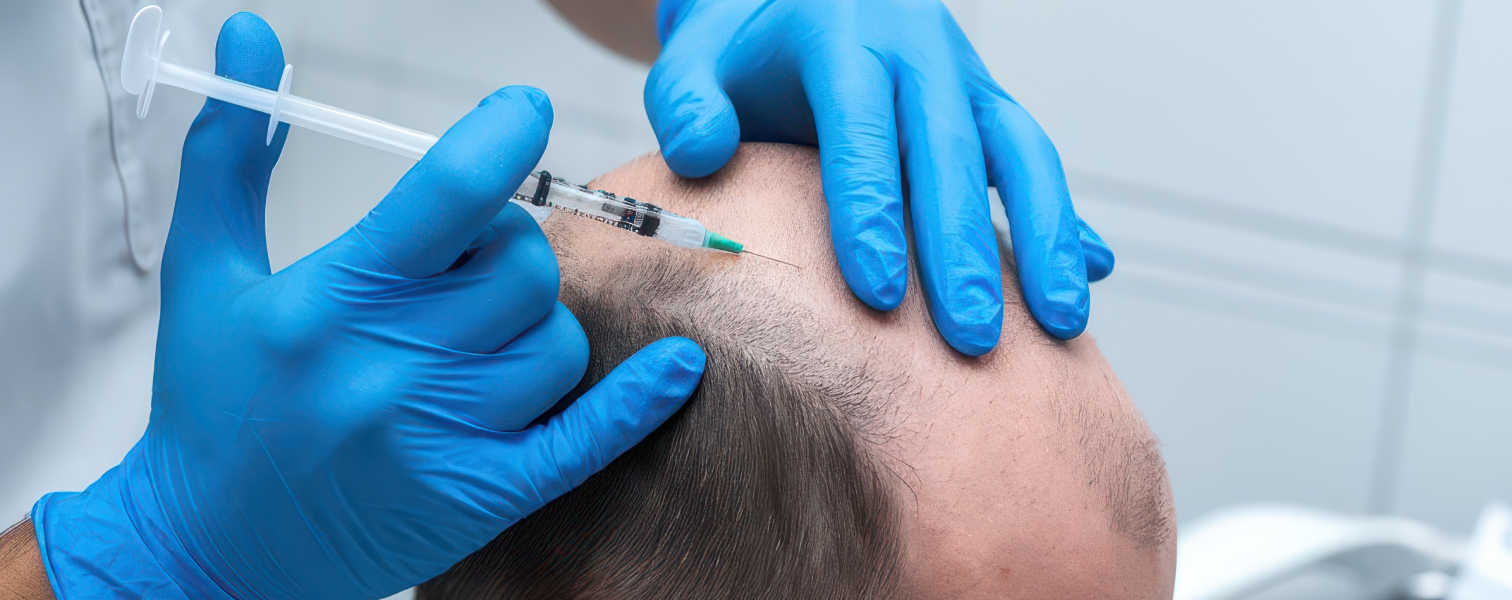
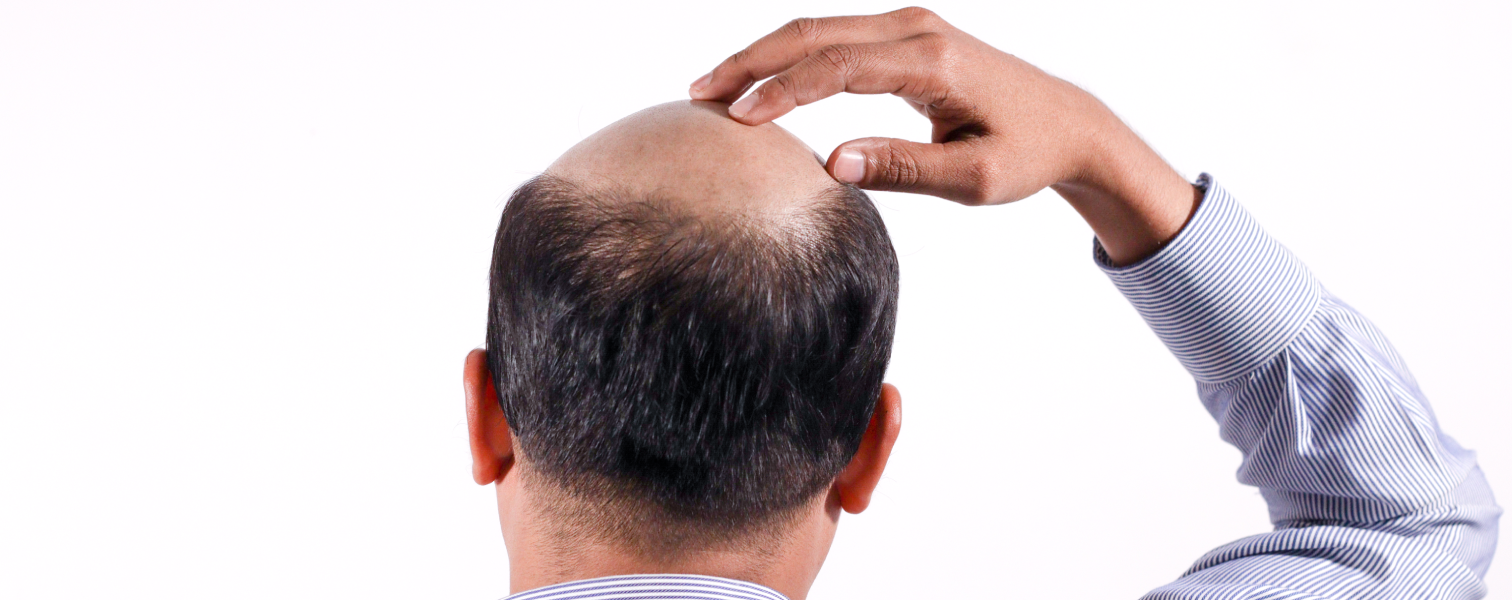
Eine Schritt-für-Schritt-Anleitung zur SDHI-Haartransplantation in der Türkei
SDHI (Sapphire Direct Hair Implantation) ist ein modernes Verfahren zur Haarwiederherstellung, das in der Türkei angewendet wird und Aspekte der DHI-Implantation mit Saphirklingen zur Erstellung der Empfängerkanäle kombiniert. Ziel ist es, follikuläre Einheiten mit hoher Präzision zu platzieren und dabei das umliegende Gewebe möglichst wenig zu traumatisieren. Dies kann bei Durchführung durch ein erfahrenes Team eine schnellere Erholung und eine natürlich wirkende Dichte unterstützen. Diese Schritt-für-Schritt-Anleitung erklärt, was vor, während und nach einer SDHI-Haartransplantation in der Türkei typischerweise geschieht, einschließlich Vorbereitung, dem Eingriffstag, Nachsorge und realistischer Zeiträume für das Nachwachsen der Haare.
WieHealRoad funktioniert
Mit Ihnen. Bei jedem Schritt der Reise | Von der Entdeckung bis zur Genesung

Eine Behandlungsanfrage erstellen
Teilen Sie uns Ihre Behandlung und Wunschtermine mit — einmal absenden (unter 2 Minuten). Ihr persönlicher Koordinator begrüßt Sie und bestätigt die Details.

Angebote von Kliniken erhalten
Verifizierte Kliniken prüfen Ihre Anfrage und senden transparente Angebote. Ihr Koordinator teilt Ihnen eine klare Auswahlliste mit und beantwortet Fragen.

Vergleichen und wählen
Prüfen Sie Klinik- und Arztprofile, sehen Sie, was enthalten ist, und wählen Sie die beste Option — mit der Unterstützung Ihres Koordinators.

Buchen Sie Ihre Behandlung und Reise
Derselbe Koordinator plant Ihre Termine, Nachsorge und Logistik (Flughafenabholung, Dolmetscher). Optionale leichte Besuche, wenn Ihr Arzt zustimmt. Genießen Sie Ihre Erfahrung in Türkiye.
Ihre Vorteile mit HealRoad

Sofortangebote
Erhalten und vergleichen Sie Behandlungsangebote von Top-Kliniken innerhalb weniger Minuten – ohne Warteliste.

Transparenter Festpreis
Behalten Sie Ihr Budget unter Kontrolle mit All-inclusive-Paketen ohne versteckte Zusatzkosten.

Persönlicher 24/7-Koordinator
Von der Flugbuchung bis zur vollständigen Genesung erhalten Sie engagierte Unterstützung, wann immer Sie Hilfe benötigen.

Botan
Persönlicher Heal Road Manager
Von der Entdeckung
bis zur Genesung


Von der Entdeckung bis zur Genesung
mit Ihnen, bei jedem Schritt der Reise
Teilen Sie uns ein paar Details mit, und wir melden uns mit den besten Optionen bei Ihnen.

Koordinator
WhatsApp-Schnellkontakt
Emin
Persönlicher Heal Road Manager

Über
Ich bin hier, um Sie während Ihrer gesamten medizinischen Reise mit Heal Road zu unterstützen.