All-on-4 Dental Implants: Secure Your Smile page background

All-on-4 Dental Implants: Secure Your Smile

  • Best Price Guaranteed
  • Accredited Clinics Only
  • Free 24/7 Medical Assistance
Anesthesia Local Anesthesia
Duration 2–3 h Duration
Recovery 3–5 d Recovery
Pain Level Moderate Pain Level
Success Rate 95–98 % Success Rate
Scarring None Scarring
Length of Stay in Türkiye 5–7 d Length of Stay in Türkiye

What is All-on-4 Dental Implants?

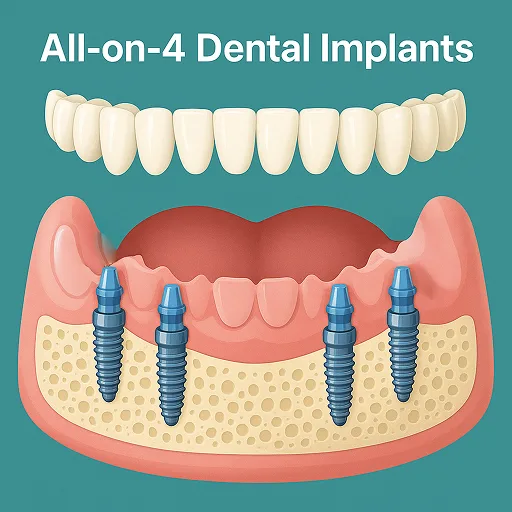
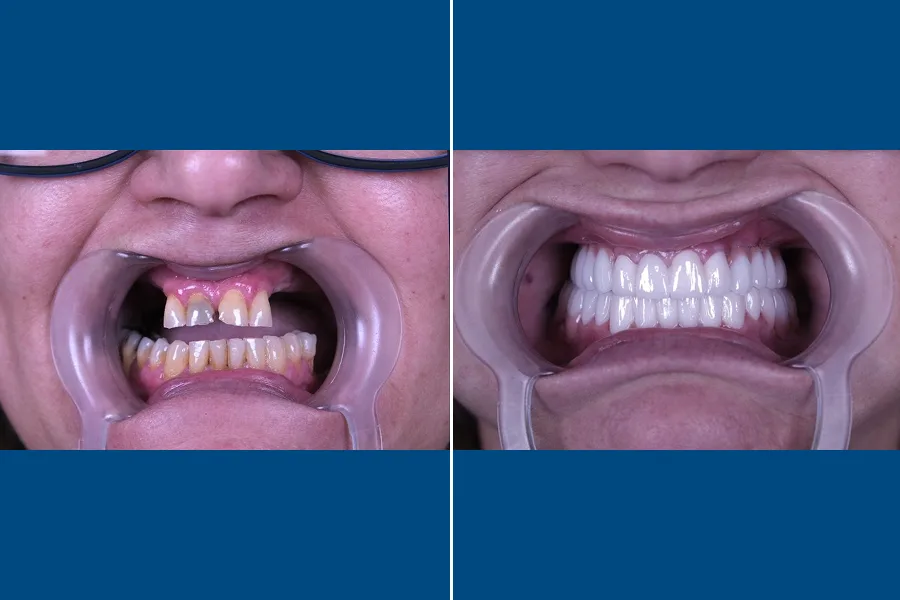
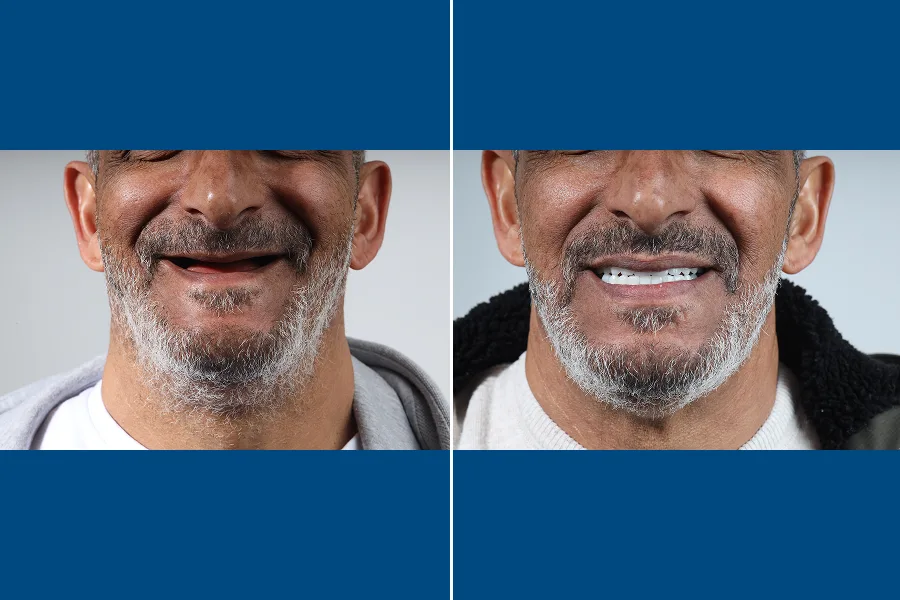
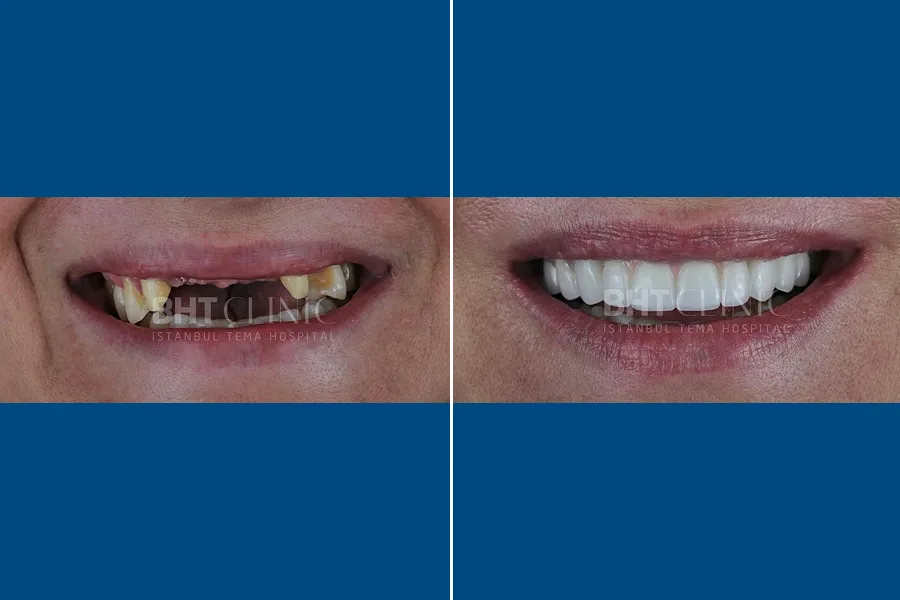
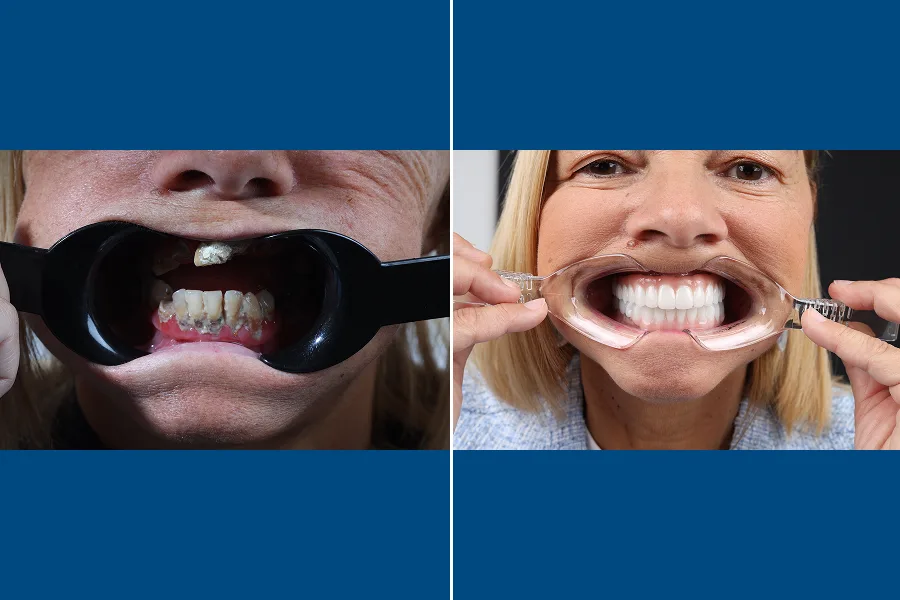
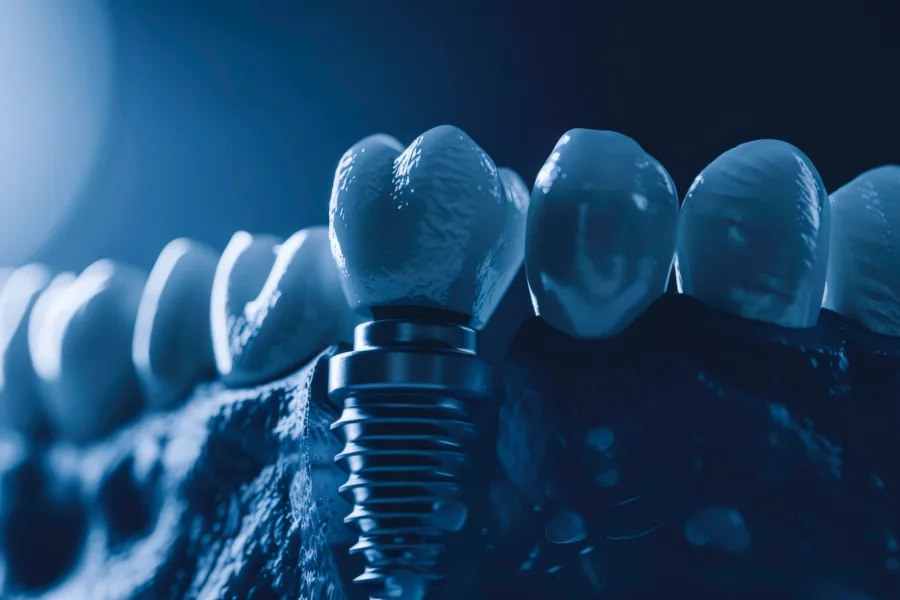
All-on-4 dental implants are a full-arch tooth replacement option designed for people who have lost most or all of their teeth, or whose remaining teeth cannot be saved. The treatment uses four dental implants placed in the jaw to support a fixed bridge, creating a stable set of replacement teeth that looks and functions like natural teeth.


Two implants are typically placed at the front of the jaw and two are angled toward the back to maximize bone support, often reducing the need for bone grafting. In many cases, a temporary fixed prosthesis can be attached soon after surgery, followed by a final custom bridge once healing is complete.

Who is All-on-4 Dental Implants for?

All-on-4 dental implants are well-suited for people who need a full-arch tooth replacement and want a fixed alternative to removable dentures. This treatment is particularly appropriate for:


  • Adults who are missing most or all teeth in the upper or lower jaw, or whose remaining teeth are failing and may need extraction.
  • Denture wearers who struggle with looseness, sore spots, reduced chewing ability, or lack of confidence when speaking or smiling.
  • Patients with moderate jawbone loss who may still qualify for implants without extensive bone grafting, depending on clinical assessment.
  • Individuals in good general health with realistic expectations, and who can commit to oral hygiene and follow-up care.

A dental evaluation, including imaging, helps confirm suitability and plan a stable, long-lasting result.

All-on-4 Dental Implants

How is All-on-4 Dental Implants done?

All-on-4 Dental Implants is a full-arch tooth replacement technique that uses four strategically placed implants to support a fixed bridge of teeth. It is commonly used for people with multiple missing teeth or failing teeth who want a stable, non-removable solution. In many cases, a temporary fixed set of teeth can be attached soon after surgery, allowing you to leave with a functional smile while healing takes place.

  1. Consultation, Imaging, and Treatment Planning

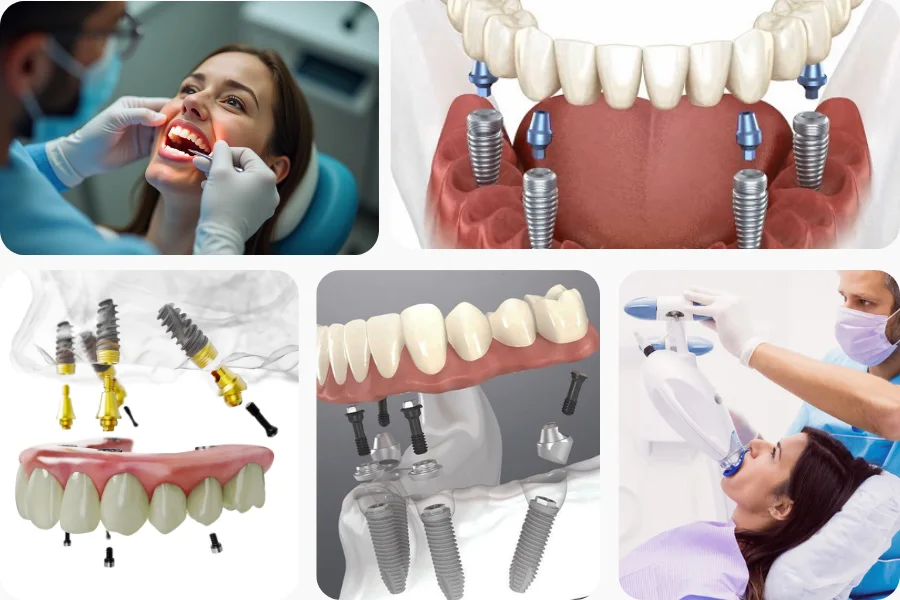
    The process starts with a detailed dental evaluation, including a review of your medical history, gum health, and bite. Your dentist or oral surgeon typically uses 3D imaging (CBCT scan) and digital impressions to assess bone volume and identify important structures such as nerves and sinuses. Based on this, a personalized plan is created for implant positions, the shape of the final teeth, and whether any teeth need to be removed.

  2. Anesthesia and Pre-Procedure Preparation

    On the day of treatment, the team ensures you are comfortable and safe. All-on-4 can be performed with local anesthesia, often combined with sedation, or in some cases general anesthesia, depending on complexity and patient preference. The mouth is disinfected, and the surgical plan is confirmed. If a temporary bridge is planned, measurements are finalized so it can be fitted accurately.

  3. Tooth Removal and Site Preparation (If Needed)

    If you have damaged or non-restorable teeth, they are gently extracted. The dentist then cleans any infection or inflamed tissue and shapes the bone and gum contours when necessary. This step helps create a healthy foundation for implants and improves how the final bridge will sit against the gums for comfort and hygiene.

  4. Placing the Four Implants (Angled for Stability)

    Four implants are placed into the jawbone, typically two in the front and two in the back. The back implants are often inserted at an angle to maximize contact with available bone and reduce the need for bone grafting in selected patients. The implants are positioned to provide strong support across the arch, and their stability is checked during surgery.

  5. Attaching Abutments and a Temporary Fixed Bridge

    Special connectors called abutments are attached to the implants to create the correct angle and height for the bridge. If the implants achieve sufficient initial stability, a temporary fixed prosthesis is secured the same day or within 24 to 72 hours. This temporary set is designed for healing, it restores appearance and basic function, but it usually requires a softer diet and careful chewing while the implants integrate.

  6. Healing, Follow-Up, and Final Teeth

    Over the next 3 to 6 months, the implants fuse with the bone in a process called osseointegration. During this period, you will have follow-up visits to monitor healing, adjust the bite if needed, and review cleaning techniques. Once healing is complete, the temporary bridge is replaced with a custom final bridge (often zirconia or high-strength acrylic on a titanium framework), designed for long-term comfort, function, and a natural look.

Recovery and expectation?

Recovery after All-on-4 dental implants is a staged process that combines healing of the gums with gradual integration of the implants into the jawbone. Most patients leave with a fixed temporary bridge the same day or within 24 hours, so you can function and smile while healing continues. Knowing what is typical at each stage helps you plan travel, work, diet, and follow-up visits with realistic expectations.

  1. Immediate Post-Procedure Period (First 24–72 Hours)

    It is normal to experience swelling, mild to moderate discomfort, and light bleeding or oozing from the gum sites. Some bruising of the cheeks or jaw can appear, especially if extractions were done. Your team will typically prescribe pain relief and sometimes antibiotics, and may recommend cold compresses and sleeping with your head elevated. Stick to a soft, cool diet, avoid smoking and alcohol, and do not rinse vigorously for the first day unless instructed.

  2. Early Healing and Temporary Teeth Adjustment (Days 3–10)

    Swelling usually peaks around day 2 or 3 and then gradually improves. You may notice tightness, gum tenderness, and changes in speech as you adapt to the temporary bridge. Many patients can return to desk work within a few days, but strenuous activity should be limited. Gentle oral hygiene is important, typically including careful brushing and a prescribed rinse. If sutures are used, they may dissolve on their own or be removed at a follow-up visit.

  3. Soft Tissue Recovery and Diet Progression (2–4 Weeks)

    By this stage, the gums generally look and feel much better, and most day-to-day discomfort has settled. You can often expand your diet slightly, but it is still essential to avoid hard, crunchy, or sticky foods that could overload the implants while they heal. The temporary bridge is designed for function and appearance, but it is not meant for heavy chewing. Your dentist may fine-tune the bite to reduce pressure points and support comfortable healing.

  4. Osseointegration Phase (6–12 Weeks and Beyond)

    The most important part of recovery is osseointegration, when the implants fuse with the jawbone. This process is mostly silent, meaning you may feel normal while healing continues underneath. Follow your care plan closely, keep excellent oral hygiene, and attend scheduled checkups so your team can monitor stability and gum health. If you grind your teeth, a night guard may be recommended to protect the implants and temporary bridge.

  5. Final Bridge Placement and Long-Term Recovery (3–6 Months)

    Many patients receive their final, custom-made bridge after about 3 to 6 months, depending on bone quality, whether grafting was needed, and how the implants are integrating. Once the final bridge is fitted, chewing comfort and confidence typically improve further. Minor gum adjustments and bite refinements can be part of this stage. Long-term success depends on routine professional cleanings, daily home care (often with floss threaders or water flossers), and avoiding smoking.

Why Choose Türkiye for All-on-4 Dental Implants?

Türkiye has become a trusted destination for All-on-4 dental implants, combining experienced implant dentists, modern digital dentistry, and more accessible pricing than many Western countries. For patients who want a fixed, full-arch smile with fewer implants and a shorter overall timeline, clinics in Türkiye often provide a well-organized process that supports both safety and comfort from the first consultation to the final bite adjustment.

All-on-4 treatment requires careful planning, precise implant placement, and close coordination between the surgical and prosthetic stages. Many Turkish clinics use 3D CBCT imaging, digital smile design, and guided implant surgery to map bone quality, nerve position, and implant angles before treatment begins. This level of planning is especially valuable for international patients, because it helps reduce surprises and supports predictable results. When bone volume is limited, teams can discuss options such as bone grafting or alternative implant approaches, always based on a thorough clinical assessment.

  • Türkiye offers access to highly experienced implantologists and prosthodontic teams who routinely manage full-arch cases, including complex bites and long-term maintenance planning.
  • Many clinics work with advanced diagnostics and in-house dental labs, supporting faster fabrication of temporary and final bridges, and more precise fit and aesthetics.
  • Patients often benefit from clear, step-by-step treatment plans, including evaluation of gum health, infection control, and whether extractions or sinus-related considerations are needed.
  • Clinics typically emphasize sterilization standards, sedation options, and pain management, with structured follow-up guidance for hygiene, diet, and healing.
  • Cost advantages can make full-arch rehabilitation more attainable, often with transparent packages that include imaging, surgery, temporary teeth, and planned check-ups.
  • Türkiye’s strong flight connections and medical tourism infrastructure help international patients coordinate appointments, accommodation, and transfers with less stress.

Beyond the procedure itself, patients appreciate the practical support offered during recovery, including instructions for cleaning around implants, managing swelling, and protecting the temporary bridge while the implants integrate. This focus on aftercare is important for long-term success, because All-on-4 outcomes depend not only on surgery, but also on bite balance, material choice, and consistent maintenance.

Türkiye’s position in the global health tourism market reflects years of investment in private healthcare facilities, international patient services, and high-volume clinical experience. Welcoming large numbers of visitors each year, Türkiye has built a reputation for delivering organized care pathways and dependable patient support, making it a confident choice for those seeking All-on-4 dental implants abroad.

All-on-4 Dental Implants

Frequently Asked Questions about All-on-4 Dental Implants

Page Contributors

Heal Road Medical Reviewer

Heal Road Medical Reviewer

Medical Reviewer

Views
1342 views
Reading Time
Last Updated

Related Articles

Guides and insights connected to this treatment.

A Step-by-Step Guide to All-on-4 Dental Implants in Turkey

A Step-by-Step Guide to All-on-4 Dental Implants in Turkey

All-on-4 dental implants have revolutionized full-arch tooth replacement, offering patients a fixed, natural-looking smile in a single procedure. Turkey has become a top destination for All-on-4 dental implants, thanks to its highly trained dental professionals, state-of-the-art clinics, and competitive pricing. This step-by-step guide will walk you through the process, helping you prepare for a smooth and successful dental experience in Turkey.
8 min 1022 reads
Sep. 19, 2025
Can Dental Treatments Be Done with Sedation?

Can Dental Treatments Be Done with Sedation?

Yes, many dental treatments can be done with sedation. It uses medication to help you relax and reduce anxiety (it’s different from local anaesthetic, which numbs the area, and you’ll usually still need local anaesthetic even with sedation). Sedation may be recommended for dental phobia, strong gag reflex, difficulty sitting still, special healthcare needs, or long/complex treatment. Common options include minimal sedation (nitrous oxide or tablets), moderate/conscious sedation (often IV), and in selected cases deep sedation or general anaesthesia (typically for major surgery or severe anxiety, with higher monitoring needs). It’s generally safe when delivered by trained teams with proper screening and monitoring, but it carries risks like nausea, dizziness, low oxygen levels, or deeper-than-intended sedation. Risk can be higher with conditions such as sleep apnoea, severe obesity, heart/lung disease, pregnancy, or use of opioids/alcohol/sedating meds. After oral/IV sedation you’ll usually need an escort and may be told not to drive, drink alcohol, or make important decisions for a period. Before booking, ask which type is recommended, who administers it, what monitoring is used, what fasting rules apply, how recovery works, and what restrictions you’ll have afterward.
4 min 524 reads
Feb. 14, 2026
What Affects the Long-Term Success of Dental Treatments?

What Affects the Long-Term Success of Dental Treatments?

Long-term dental results depend on more than the treatment itself. Success comes from how well your teeth, gums, bite, and daily habits work together over time. Fillings, crowns, implants, root canals, and orthodontic work can last for many years, but each has risk factors that may lead to repair or replacement. The biggest drivers of longevity are oral hygiene and gum health. Consistent plaque control, professional cleanings, and early treatment of gum disease reduce decay around restorations and lower implant complication risk. Smoking and active periodontal disease are linked to higher rates of implant problems and tooth loss. Bite forces and tooth strength also matter. Grinding (bruxism), cracks, large fillings, and heavy bite loads can shorten the life of crowns and restorations, and may require bite adjustments, stronger materials, or a night guard. For implants, excess force combined with poor plaque control can contribute to bone loss. Finally, outcomes depend on good diagnosis, technique, and materials, plus your general health. Diabetes, dry mouth, and certain medications can affect healing and increase decay risk. Regular follow-ups and X-rays when needed help catch small issues early before they become major failures.
4 min 478 reads
Feb. 13, 2026
How Many Clinics Will Review My Case?

How Many Clinics Will Review My Case?

In most cases, your file may be reviewed by more than one clinic, but the number depends on the service, how complete your records are, and how complex your needs are. Matching/referral programs usually share your case with clinics that fit your diagnosis, location preferences, budget, and timeline, sometimes with several clinics at once and sometimes starting with a short shortlist. Clinics decide whether to review or accept a case based on scope, specialist availability, safety, and whether key documents are included (recent imaging, reports, operative notes, doctor summary). Straightforward cases with flexible preferences can be reviewed by multiple clinics quickly, while highly specialised or complex cases may be reviewed by fewer clinics and can take longer because multiple departments may need to weigh in. You can influence the process by stating priorities (broad search vs one centre/surgeon) and sending complete records early. Also note that “review” can mean a quick eligibility screen or a deeper second opinion/treatment plan, with different timelines and fees. Finally, a review doesn’t guarantee acceptance; it’s meant to find the safest, most appropriate options and set realistic expectations.
4 min 397 reads
Feb. 12, 2026

How It Works?

File-up

Create Your
Treatment Request

Complete the form in less than 2 minutes.

Receive Offers
Privately

Offers are prepared by verified clinics without sharing your personal information.

Compare &
Choose

Review transparent pricing and package details side-by-side.

We Plan the
Entire Journey

Appointments, transfers, accommodation, and city tours are organized for you.

Your Advantages with HealRoad

Instant Offers icon

Instant Offers

Receive and compare treatment offers from top clinics within minutes—no waiting list.

Transparent Fixed Price icon

Transparent Fixed Price

Keep your budget under control with all-inclusive packages, free from hidden extra costs.

24/7 Personal Coordinator icon

24/7 Personal Coordinator

From flight booking to full recovery, get dedicated guidance whenever you need assistance.

Botan

Botan

Personal Heal Road Manager

From Discovery

to Recovery

Coordinator

WhatsApp quick contact

Coordinator

Emin

Personal Heal Road Manager

About

I am here to assist you throughout your entire medical journey with Heal Road.

By continuing, you’ll be redirected to WhatsApp.