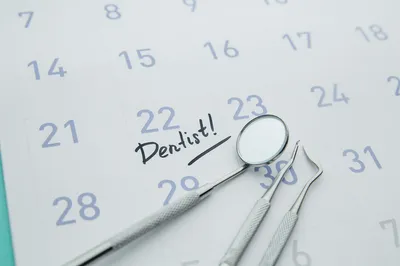

When Is the Best Time to Travel to Turkey for Dental Care?
- Turkey can be suitable for dental travel in any season, but spring and autumn are often more comfortable.
- Allow extra days after surgery for swelling, review appointments, and unexpected delays.
- Implant treatment may require staged visits separated by several months.
- Always ask your dentist when it is safe to fly after your procedure.
Don't know
where to start ?
Find the right specialist with the best price guarantee
Before your trip
Travel timing checklist for your dental procedure
- ✓Ask how many appointments your treatment needs and how long you should stay.
- ✓Check whether lab work, fitting, or healing time should be built into the trip.
- ✓Leave a buffer before your return flight for a final check or small adjustment.
- ✓If you are having implants or major work, ask whether a second trip will be needed.
- ✓Confirm the timeline with the clinic before you book flights and hotel.
Match Your Flight Window to the Procedure on Your Schedule
The right travel dates depend less on the season and more on what your dentist plans to do during that visit. Before booking flights, ask how many appointments are needed, whether a lab step is involved, and if any recovery time should be built into your stay.
- Short visits may suit exams, cleaning, whitening, or small repairs that can often be handled quickly.
- Several-day trips are more common for veneers, crowns, bridges, or other work that needs preparation, fabrication, and fitting.
- Staged treatment plans such as implants or larger reconstructions may require one trip for the procedure and another after healing.
It is also wise to leave a small buffer before your return flight in case your dentist wants a final check or minor adjustment. Exact timing varies by clinic, your oral health, and how your treatment responds, so confirm the schedule with the treating team before you finalize travel.
HealRoad can help you compare clinic timelines and plan your trip around the treatment steps, not just the flight price.
Match Your Flight Window to the Procedure on Your Schedule
The right travel dates depend less on the season and more on what your dentist plans to do during that visit. Before booking flights, ask how many appointments are needed, whether a lab step is involved, and if any recovery time should be built into your stay.
- Short visits may suit exams, cleaning, whitening, or small repairs that can often be handled quickly.
- Several-day trips are more common for veneers, crowns, bridges, or other work that needs preparation, fabrication, and fitting.
- Staged treatment plans such as implants or larger reconstructions may require one trip for the procedure and another after healing.
It is also wise to leave a small buffer before your return flight in case your dentist wants a final check or minor adjustment. Exact timing varies by clinic, your oral health, and how your treatment responds, so confirm the schedule with the treating team before you finalize travel.
HealRoad can help you compare clinic timelines and plan your trip around the treatment steps, not just the flight price.

Plan Around Recovery Days Before You Book the Return Trip
Your last appointment should not automatically be your flight day. After dental work, many people need a short window for swelling, tenderness, bite adjustments, or follow-up checks before traveling home.
That extra time depends on the procedure and your own response to treatment, but it is often wise to ask about:
- how many days you should remain nearby after crowns, veneers, implants, extractions, or gum treatment
- whether a review visit is needed to check healing, fit, or comfort
- what symptoms are expected, and which ones should be assessed before flying
- when eating, speaking, and daily activities usually feel more manageable
Leaving too soon can make a small issue harder to fix once you are back home. A safer plan is to build in a buffer of recovery days and confirm the timing with the treating dentist before you book return travel.
HealRoad helps patients compare clinics with clearer treatment timelines and planning support, so it is easier to factor in recovery days before booking flights.
Plan Around Recovery Days Before You Book the Return Trip
Your last appointment should not automatically be your flight day. After dental work, many people need a short window for swelling, tenderness, bite adjustments, or follow-up checks before traveling home.
That extra time depends on the procedure and your own response to treatment, but it is often wise to ask about:
- how many days you should remain nearby after crowns, veneers, implants, extractions, or gum treatment
- whether a review visit is needed to check healing, fit, or comfort
- what symptoms are expected, and which ones should be assessed before flying
- when eating, speaking, and daily activities usually feel more manageable
Leaving too soon can make a small issue harder to fix once you are back home. A safer plan is to build in a buffer of recovery days and confirm the timing with the treating dentist before you book return travel.
HealRoad helps patients compare clinics with clearer treatment timelines and planning support, so it is easier to factor in recovery days before booking flights.
Talk to a Coordinator
- Get help understanding how your current dental condition may affect travel timing.
- Ask which problems may need treatment or healing before the main procedure.
- Clarify whether scans, symptoms, or older dental work could change your schedule.
- Get practical guidance on trip length, follow-up, and possible return visits.
How Your Mouth’s Current Condition Can Shift the Ideal Travel Date
The right month to fly is not only about weather or prices. It also depends on what your dentist finds when your mouth is assessed.
A simple cosmetic case may fit easily into a short trip, while more complex dental needs can change both timing and trip length. Your preferred travel date may need to move if there are issues that should be treated first or monitored before the main procedure.
- Active problems: pain, swelling, decay, or gum inflammation may need attention before cosmetic or restorative work.
- Healing needs: extractions, bone grafting, or implant planning can require waiting periods that affect when you should travel.
- Older dental work: crowns, bridges, or failed treatments may make planning more detailed.
- Bite and jaw factors: grinding, clenching, or uneven wear can influence treatment choices and scheduling.
Because of this, the best travel window is usually based on a clinician's review of your scans, photos, and symptoms rather than a standard timeline. Confirming your starting point early can help you choose dates that are more realistic and less stressful.
HealRoad can help you compare clinics in Turkey and get clearer information before you choose travel dates. That can make planning easier when your treatment timeline is not straightforward.
How Your Mouth’s Current Condition Can Shift the Ideal Travel Date
The right month to fly is not only about weather or prices. It also depends on what your dentist finds when your mouth is assessed.
A simple cosmetic case may fit easily into a short trip, while more complex dental needs can change both timing and trip length. Your preferred travel date may need to move if there are issues that should be treated first or monitored before the main procedure.
- Active problems: pain, swelling, decay, or gum inflammation may need attention before cosmetic or restorative work.
- Healing needs: extractions, bone grafting, or implant planning can require waiting periods that affect when you should travel.
- Older dental work: crowns, bridges, or failed treatments may make planning more detailed.
- Bite and jaw factors: grinding, clenching, or uneven wear can influence treatment choices and scheduling.
Because of this, the best travel window is usually based on a clinician's review of your scans, photos, and symptoms rather than a standard timeline. Confirming your starting point early can help you choose dates that are more realistic and less stressful.
HealRoad can help you compare clinics in Turkey and get clearer information before you choose travel dates. That can make planning easier when your treatment timeline is not straightforward.

Season, Clinic Availability, and Stay Length: Choosing the Smartest Time to Go
There is no single best month for dental treatment in Turkey. The right time usually depends on your procedure, the clinic schedule, and how long you can stay.
Quieter travel periods may make flights and hotels easier to manage, while busy holiday seasons can mean higher prices and fuller appointment calendars. Weather can matter too, especially if you prefer a more comfortable recovery period or want to avoid traveling in extreme heat.
- Short treatments such as consultations, whitening, or simple restorations may fit into a brief trip
- More complex care, including implants or full smile work, may require extra days or a second visit
- Laboratory timing, review appointments, and healing needs can affect how long you should remain in Turkey
A smart plan is to choose your travel dates after the clinical timeline is reviewed, not before. Always confirm the expected number of visits, recovery considerations, and whether seasonal demand could affect availability.
HealRoad can help you compare clinic availability and plan travel dates around the treatment steps explained by the clinic.
Season, Clinic Availability, and Stay Length: Choosing the Smartest Time to Go
There is no single best month for dental treatment in Turkey. The right time usually depends on your procedure, the clinic schedule, and how long you can stay.
Quieter travel periods may make flights and hotels easier to manage, while busy holiday seasons can mean higher prices and fuller appointment calendars. Weather can matter too, especially if you prefer a more comfortable recovery period or want to avoid traveling in extreme heat.
- Short treatments such as consultations, whitening, or simple restorations may fit into a brief trip
- More complex care, including implants or full smile work, may require extra days or a second visit
- Laboratory timing, review appointments, and healing needs can affect how long you should remain in Turkey
A smart plan is to choose your travel dates after the clinical timeline is reviewed, not before. Always confirm the expected number of visits, recovery considerations, and whether seasonal demand could affect availability.
HealRoad can help you compare clinic availability and plan travel dates around the treatment steps explained by the clinic.
Conclusion
References


- Medical Tourism: Travel to Another Country for Medical Care | Travelers' Health | CDC
- Oral health fact sheet | WHO
- Dental abscess | NHS
- Health Tourism in Turkey | Süreyyapaşa Chest Diseases and Thoracic Surgery Training and Research Hospital, Republic of Türkiye Ministry of Health
- Oral Health Foundation - Dental implants
- CDC Yellow Book - Traveling Safely with Infants and Children: Air Travel
Article Contributors

Emin Albayrak
Writer
- Views
- 1567 views
- Reading Time
- Last Updated