
Discover, Heal, Thrive:
HealRoad Articles
Welcome to HealRoad Articles
Explore insights into world-class healthcare and the beauty of Türkiye. From expert tips on treatments to travel guides, our articles are your companion on the journey to wellness and discovery.
36 articles found
More filters
Clear filters
Preparation
36 articles found
More filters
Clear filters


Preparation
Topic
Intent
Journey Stage
Concern
Travel Context
When Is the Best Time to Travel to Turkey for Dental Care?
Turkey is a year-round destination for dental treatment, so the best time to travel usually depends more on your treatment plan, recovery needs, budget, and comfort than on one perfect season. Many international patients visit for implants, crowns, veneers, and full-mouth work throughout the year, and clinics in major cities and resort areas are used to treating travelers on tight schedules.If your procedure is simple, such as whitening or a small number of crowns, timing may be flexible. For more complex care, especially dental implants or oral surgery, it helps to choose dates that allow enough time for consultation, treatment, and early follow-up before flying home. Some treatments also require a second trip months later, so season, flight availability, and your own work or family commitments matter. Spring and autumn are often the most comfortable times to travel. Temperatures are milder, sightseeing is easier if you want to combine treatment with a holiday, and some patients find recovery more pleasant outside the hottest summer weeks. Summer can still work well, but high temperatures and crowded tourist areas may feel tiring after surgery. Winter may offer lower travel costs in some places, although weather and shorter daylight hours can affect convenience.
4-minute reading
1567 reading
 1567 reading

Can I Travel Alone for Dental Treatment?
Yes, many people travel alone for dental treatments, especially for planned procedures like implants, crowns, veneers, or oral surgery consultations. Solo travel can be practical if you’re organized, medically fit to travel, and receiving care from a reputable clinic. However, the key question isn’t just whether you can go alone, but whether it’s safe and sensible for your specific treatment, health status, and recovery needs.
Before booking, ask the clinic for a clear treatment plan, expected number of visits, possible discomfort, medications needed, and whether you’ll be fit to travel immediately after the procedure. Some treatments are minor and allow independent travel, while others may leave you tired, swollen, or unable to manage transport easily. Procedures like sedation, complex extractions, bone grafting, or full-mouth work may make solo travel more difficult.
It’s also important to think beyond the dental chair. If you're in pain, feeling anxious, or dealing with a complication, being alone in an unfamiliar place can be stressful. Good planning can reduce this risk, choose a clinic that communicates well in a language you understand, provides written aftercare instructions, and offers emergency contact details. Arrange accommodation close to the clinic, allow extra recovery time, and ensure someone at home knows your itinerary.
Solo travel may be fine for simple dental care, but after sedation, an escort may be needed. Complex surgery could require extra recovery time before flying or long transfers. Be sure to choose a clinic with clear aftercare and emergency contact arrangements.
4-minute reading
3128 reading

Can Dental Treatments Be Done with Sedation?
Yes, many dental treatments can be done with sedation. It uses medication to help you relax and reduce anxiety (it’s different from local anaesthetic, which numbs the area, and you’ll usually still need local anaesthetic even with sedation).
Sedation may be recommended for dental phobia, strong gag reflex, difficulty sitting still, special healthcare needs, or long/complex treatment. Common options include minimal sedation (nitrous oxide or tablets), moderate/conscious sedation (often IV), and in selected cases deep sedation or general anaesthesia (typically for major surgery or severe anxiety, with higher monitoring needs).
It’s generally safe when delivered by trained teams with proper screening and monitoring, but it carries risks like nausea, dizziness, low oxygen levels, or deeper-than-intended sedation. Risk can be higher with conditions such as sleep apnoea, severe obesity, heart/lung disease, pregnancy, or use of opioids/alcohol/sedating meds. After oral/IV sedation you’ll usually need an escort and may be told not to drive, drink alcohol, or make important decisions for a period.
Before booking, ask which type is recommended, who administers it, what monitoring is used, what fasting rules apply, how recovery works, and what restrictions you’ll have afterward.
4-minute reading
3452 reading
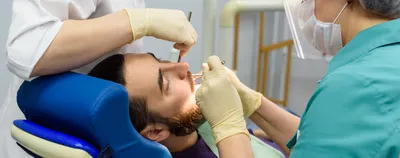
Do I Need Multiple Visits for Dental Treatment?
Whether you need multiple dental visits depends on the treatment type and how complex your case is. Simple care like exams, cleanings, basic fillings, or emergency pain relief is often done in one appointment, but many procedures are staged for safer planning, healing, and better long-term results.
You may need extra visits for assessment and stabilisation first, especially if X-rays show infection, gum disease, decay, or bone loss. Treatments that commonly require more than one visit include root canals, crowns/veneers/bridges (prep then fitting), dentures (several try-ins and adjustments), orthodontics (records, fitting, monitoring), gum therapy (multiple sessions plus review), and dental implants (planning, placement, healing, then the final crown).
If you’re travelling or short on time, ask the clinic to confirm the total number of visits, what happens at each one, appointment lengths, and warning signs that need urgent review (such as swelling, fever, worsening pain, or a broken temporary).
4-minute reading
3206 reading

Can I Combine Dental Treatment with a Holiday?
Yes, many people combine dental treatment in Turkey with a holiday, but it’s safest to plan it as a medical trip first. Dental work can require multiple appointments, recovery time, and sometimes follow-up care, so timing and activities matter.
Before booking, confirm exactly what will be done, how many visits are needed, and whether any steps are staged (implants often are). Get a written treatment plan covering materials, timeline, aftercare, and what happens if you need help once you’re home.
Build your holiday around recovery: after extractions, implant placement, or gum surgery you may need to avoid swimming, heavy exercise, alcohol, and long sun exposure for a short period. Schedule appointments early in the trip, add buffer days, and avoid flying immediately after major procedures if possible.
4-minute reading
3172 reading

What If I’m Afraid of Dentists? (Dental Anxiety Explained)
Being afraid of the dentist is common, and it can range from mild nerves to intense fear that makes it hard to book or attend appointments. You are not alone, and dental anxiety is not a sign of weakness.The good news is that there are practical, evidence-based ways to make dental care feel safer and more predictable. Understanding what dental anxiety is, why it happens, and what you can ask for can help you get the care you need with less stress.
4-minute reading
3224 reading
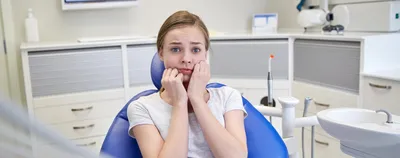
How Is Pain Managed During Dental Procedures?
Most dental procedures can be completed with little or no pain because dentists use several layers of pain control. The goal is to keep you comfortable during treatment and to reduce soreness afterward, while still allowing the dentist to work safely and effectively.Pain management is tailored to the procedure and to you: your medical history, anxiety level, past experiences with numbing, and any allergies or medications. If you are worried about pain, tell your dental team early so they can plan the best approach.
4-minute reading
3160 reading

What Is “Turkey Teeth” and How Can It Be Avoided?
"Turkey teeth" is a social media term for getting a fast cosmetic smile makeover abroad, often linked with dental tourism to Turkey. It usually refers to having teeth aggressively filed down and then covered with crowns or veneers to create a very white, uniform look.While many people have good outcomes with properly planned cosmetic dentistry, the concern behind "Turkey teeth" is not the country itself. The risk comes from rushed treatment, limited diagnostics, unclear aftercare, and irreversible tooth reduction that can lead to pain, infection, or long term dental problems.
4-minute reading
3202 reading
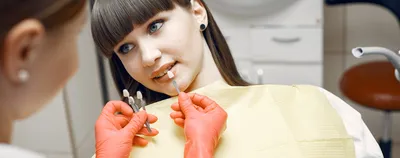
Will My New Teeth Look Natural?
Yes, Modern dentistry can create very natural-looking new teeth, but the result depends on planning, materials, and the skill of the dental team. Natural smiles aren’t perfectly identical. Real teeth have subtle shade variation, light translucency, and small differences in shape, and high-quality ceramics can replicate this depth far better than a flat “one-white” look. A truly natural result also relies on the right proportions for your face and lip line, healthy gums with clean margins, and a bite that feels comfortable when you speak and chew. In this guide, we explain what to look for in the planning process, including digital smile design and temporary trial teeth, so you can avoid an overly bright, bulky, or “denture-like” finish.
4-minute reading
2965 reading

Who Is Not a Good Candidate for Dental Treatment?
Most people can safely receive dental care, including fillings, crowns, implants, orthodontics, and cosmetic treatments. However, some health conditions and situations can make certain dental procedures unsafe or less likely to succeed, at least temporarily. In these cases, the goal is not to deny care but to adjust timing, choose safer alternatives, or coordinate treatment with a medical team.
There is rarely a single rule that makes someone a permanent "no" for all dental treatment. Instead, dentists assess risk based on your overall health, medications, infection status, ability to heal, and how urgent the dental problem is. Emergency care to control pain, swelling, or infection is often still possible even when elective treatment should wait.
Below are common scenarios where a person may not be a good candidate for specific dental treatments or may need treatment postponed until their condition is stabilized.
4-minute reading
2879 reading
A Step-by-Step Guide to Jalupro Youth Serum in Turkey
Jalupro Youth Serum is a skin-rejuvenation treatment used in aesthetic medicine to improve hydration, elasticity, and overall skin quality. In Turkey, it is commonly offered in dermatology and medical aesthetics clinics as a course of microinjections (often described as “biorevitalization” or “skin booster” therapy) that deliver a combination of amino acids and hyaluronic acid into the superficial skin layers. This step-by-step guide explains what the treatment is, who may benefit, how clinics typically structure sessions, what to expect during recovery, and how to choose a safe provider so you can plan your trip and treatment with realistic expectations and appropriate medical oversight.
15-minute reading
4019 reading

A Step-by-Step Guide to Chin & Jawline Contouring in Turkey
Chin and jawline contouring aims to improve lower-face definition by adjusting bone, soft tissue, and/or fat. In Turkey, these treatments range from non-surgical options (dermal fillers, botulinum toxin, and energy-based skin tightening) to minimally invasive fat reduction and surgical procedures (chin implant, genioplasty, mandibular angle reduction, and neck/lower-face liposuction). The best approach depends on your anatomy (chin projection, jaw width, bite alignment, skin quality) and goals (sharper jawline, stronger chin, facial symmetry). This step-by-step guide explains what to expect before, during, and after treatment, including typical timelines, safety checks, and recovery milestones for patients travelling to Turkey.
17-minute reading
3368 reading