HealRoad Articles Hero

Discover, Heal, Thrive: HealRoad Articles

Welcome to HealRoad Articles

Explore insights into world-class healthcare and the beauty of Türkiye. From expert tips on treatments to travel guides, our articles are your companion on the journey to wellness and discovery.

Searching...
61 articles found
More filters Clear filters

Topic

Intent

Journey Stage

Concern

Travel Context

Regenera Activa: The stem-cell boost your hair transplant needs.

Regenera Activa is a non-surgical treatment that uses a small sample of your own scalp tissue to create a cell-rich solution, which is then injected into areas of thinning hair. It is often discussed alongside hair transplantation because the goal is different: a transplant moves healthy follicles, while Regenera Activa aims to support existing miniaturizing hairs and improve scalp conditions around them.

For some people, that makes it a useful add-on rather than a replacement. It may be offered before a transplant to stabilize ongoing hair loss, or after a transplant to support the appearance of native hair around the grafted area. Results vary, and the treatment is generally considered most suitable for early to moderate androgenetic hair loss rather than advanced baldness.

3-minute reading 223 reading
Regenera Activa: The stem-cell boost your hair transplant needs.

Natural-Looking Eyebrows: How to restore your brows permanently

Eyebrows frame the eyes, shape facial expression, and help balance the face. When brows become thin from overplucking, aging, scarring, or certain medical conditions, many people want a result that looks natural rather than sharply drawn on. Permanent eyebrow restoration usually means moving your own hair into the brow area with a hair transplant. When it is planned carefully, this can create fuller brows that grow, can be trimmed, and are designed to match your features.

This FAQ explains how permanent eyebrow restoration works, who may be a good candidate, what results to expect, and why the skill of the surgeon matters so much. It also covers limits, recovery, and the importance of checking for medical causes of eyebrow loss before treatment.

3-minute reading 231 reading
Natural-Looking Eyebrows: How to restore your brows permanently

Can I Get a Hair Transplant Without Shaving My Head? The truth about "No-Shave" FUE

Yes, in some cases you can have a hair transplant without shaving your whole head. This is usually called a no-shave or unshaven FUE procedure. Instead of clipping the entire scalp, the surgeon may trim only a small donor area that can be hidden by surrounding hair, or leave the recipient area unshaven. For the right patient, this can make the procedure easier to keep private while reducing the dramatic short-term change in appearance.

That said, no-shave FUE is not a separate type of transplant and it is not suitable for everyone. It is still follicular unit extraction, with the same basic goals, limits, and healing process. The main difference is how much hair is trimmed to allow graft removal and placement. Whether it is possible depends on your hairstyle, hair length, donor density, the number of grafts needed, and your surgeon's technique.

The most important point is simple: no-shave does not mean no evidence of surgery. Tiny scabs, redness, and temporary shedding can still happen, and larger sessions are often harder to perform efficiently without some trimming. A good consultation should focus less on the label and more on what can realistically be achieved safely and naturally in your case.

4-minute reading 284 reading
Can I Get a Hair Transplant Without Shaving My Head? The truth about "No-Shave" FUE

Manual vs. Micromotor: Does the tool used for extraction change the final result?

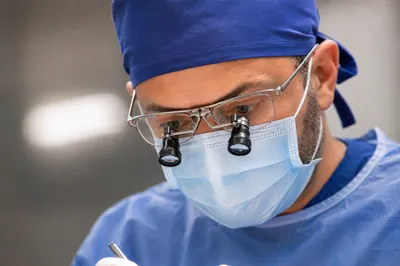
In hair transplantation, grafts can be removed with a manual punch or with a motorized micromotor punch. Patients often assume the device itself determines the outcome, but the final result depends far more on planning, surgeon skill, graft handling, and whether the chosen punch matches the hair and scalp characteristics. In other words, the tool matters, but technique matters more.

Both methods are used in follicular unit extraction, or FUE. A manual punch is advanced by hand, while a micromotor rotates or oscillates the punch with mechanical assistance. Each approach has strengths and trade-offs in speed, control, and tissue handling. The key question is not which tool sounds more advanced, but which method is most appropriate for the individual case and is used well.
3-minute reading 265 reading
Manual vs. Micromotor: Does the tool used for extraction change the final result?

FUE vs. FUT: Why modern clinics have stopped using the "strip" method
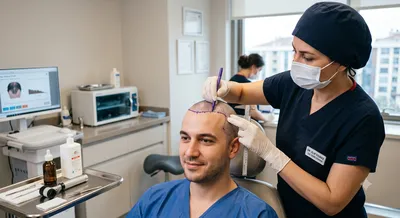
FUE and FUT are the two main surgical techniques used in hair transplantation. FUT, often called the strip method, removes a narrow strip of scalp from the back of the head so grafts can be prepared under a microscope. FUE removes follicular units one by one with a small punch. Both methods can move permanent hairs into thinning areas, but they differ in scarring, recovery, and how the donor area is managed.Many modern clinics now favor FUE for most patients. That shift is not because FUT never works. It is because patient priorities have changed, surgical tools have improved, and FUE often offers a more flexible, less invasive experience with no linear scar. Even so, the best method still depends on hair characteristics, donor supply, styling habits, and the skill of the surgical team.
4-minute reading 340 reading
FUE vs. FUT: Why modern clinics have stopped using the "strip" method

Fixing a Bad Hair Transplant: How Revision Surgery Can Restore a Natural Look
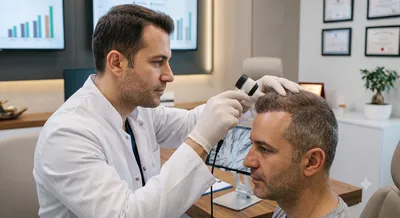
A hair transplant is often a long-awaited journey toward renewed self-confidence. However, when the results do not meet expectations, whether due to an unnatural hairline, poor density, or visible scarring, it can lead to significant emotional distress. The good news is that modern restorative medicine offers a second chance. Revision hair transplantation is a highly specialized field dedicated to correcting previous surgical errors and restoring the natural, undetectable appearance you originally desired.
4-minute reading 317 reading
Editorial-style portrait of a middle-aged man in a modern hair restoration clinic

Fix Your Patchy Beard: The Permanent Solution for a Full, Masculine Look
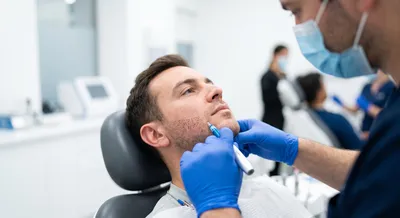
A thick, well-defined beard has long been a symbol of style and masculinity. However, many men struggle with uneven growth, "patchy" areas, or a complete lack of facial hair due to genetics, scarring, or hormonal factors. If you’ve tried every oil and serum without success, it's time to consider a permanent solution. Beard transplantation is the most effective way to redefine your facial aesthetics, providing the density and shape you’ve always wanted.
5-minute reading 299 reading
Fix Your Patchy Beard: The Permanent Solution for a Full, Masculine Look

Pain-Free Hair Transplant: How Needle-Free Anesthesia Makes It Possible
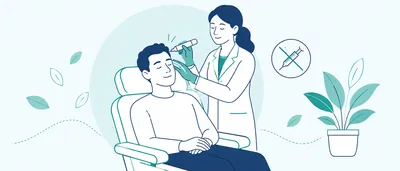
For many people, the dream of restoring their hair is often overshadowed by one major concern: Pain. The thought of needles and local anesthesia injections can be a significant barrier for those with low pain tolerance or needle phobia. However, modern hair restoration has undergone a comfort revolution. Today, a pain-free hair transplant is no longer a marketing promise but a medical reality, thanks to innovative needle-free anesthesia techniques.
3-minute reading 299 reading
Pain-Free Hair Transplant: How Needle-Free Anesthesia Makes It Possible

Sapphire FUE vs. DHI: Which is the best hair transplant method for you?
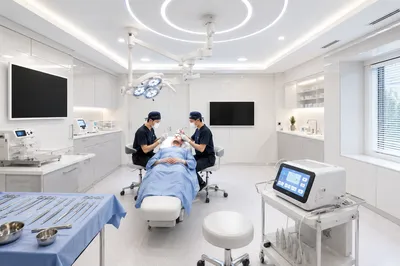
For many individuals experiencing hair loss, modern medicine offers natural and permanent solutions. However, the biggest confusion often arises when it comes to choosing the right technique. Sapphire FUE and DHI (Direct Hair Implantation) are two of the most popular and successful methods today. But what are the fundamental differences between these two technologies, and which one suits your hair structure better? In this guide, we will examine both methods in depth to help you make the right decision.
4-minute reading 291 reading
Sapphire FUE vs. DHI: Which is the best hair transplant method for you?

When Is the Best Time to Travel to Turkey for Dental Care?

Turkey is a year-round destination for dental treatment, so the best time to travel usually depends more on your treatment plan, recovery needs, budget, and comfort than on one perfect season. Many international patients visit for implants, crowns, veneers, and full-mouth work throughout the year, and clinics in major cities and resort areas are used to treating travelers on tight schedules.If your procedure is simple, such as whitening or a small number of crowns, timing may be flexible. For more complex care, especially dental implants or oral surgery, it helps to choose dates that allow enough time for consultation, treatment, and early follow-up before flying home. Some treatments also require a second trip months later, so season, flight availability, and your own work or family commitments matter. Spring and autumn are often the most comfortable times to travel. Temperatures are milder, sightseeing is easier if you want to combine treatment with a holiday, and some patients find recovery more pleasant outside the hottest summer weeks. Summer can still work well, but high temperatures and crowded tourist areas may feel tiring after surgery. Winter may offer lower travel costs in some places, although weather and shorter daylight hours can affect convenience.
4-minute reading 296 reading
When Is the Best Time to Travel to Turkey for Dental Care?

What Is the Recovery Process After Dental Treatment?

Recovery after dental treatment depends on the type of procedure, your general health, and how closely you follow aftercare instructions. Minor treatments such as fillings may cause only brief numbness or sensitivity, while extractions, root canal treatment, implants, or gum procedures can take several days or weeks to settle. Most people recover well with simple home care, but it is normal to have questions about pain, swelling, eating, and when to call the dentist. In the first 24 hours, rest is often the most important step. If you had a tooth removed or oral surgery, you may be asked to bite on gauze, avoid rinsing forcefully, and skip smoking, alcohol, and strenuous exercise. These steps help protect the blood clot and lower the risk of dry socket or bleeding. Cold packs on the outside of the face can help reduce swelling, and prescribed or over-the-counter pain relief may be recommended.Healing times vary. Sensitivity after a filling may improve within days. Recovery after a simple extraction often takes about 1 to 2 weeks, while more involved surgery or dental implants may require a longer healing period. Contact your dentist promptly if you develop heavy bleeding, worsening pain after a few days, fever, pus, bad taste, increasing swelling, or trouble swallowing or breathing.
4-minute reading 306 reading
What Is the Recovery Process After Dental Treatment?

What Should I Avoid After Dental Procedures?


After a dental procedure, what you avoid can matter as much as what you do. The mouth heals quickly, but fresh treatment areas are easy to irritate. Whether you had a filling, tooth extraction, root canal, crown, implant, or deep cleaning, the first few hours and days are important. Following your dentist's instructions helps reduce bleeding, pain, swelling, dry socket, infection, and damage to new dental work. Common restrictions depend on the procedure, but several rules apply broadly. Avoid eating until numbness wears off so you do not bite your cheek, lip, or tongue. Skip very hot foods and drinks at first, since heat can increase bleeding and discomfort, and numbness may prevent you from noticing burns. Hard, crunchy, sticky, or chewy foods can disturb healing sites or pull at temporary restorations, so softer foods are usually safer. After an extraction or oral surgery, avoid smoking, vaping, spitting, using straws, or vigorous rinsing for at least the first day, or longer if your dentist advises it. Suction and pressure can dislodge the blood clot and lead to dry socket, a painful complication. Alcohol is also best avoided for at least 24 hours, especially if you are taking pain medicine, antibiotics, or sedatives. It is also wise to avoid intense exercise immediately after many dental procedures, particularly extractions, implants, and gum surgery. Heavy activity may restart bleeding or worsen swelling. If you received sedation, do not drive, operate machinery, drink alcohol, or make important decisions until fully recovered and cleared by your clinician.
4-minute reading 294 reading
What Should I Avoid After Dental Procedures?