
Natural-Looking Eyebrows: How to restore your brows permanently
Eyebrows frame the eyes, shape facial expression, and help balance the face. When brows become thin from overplucking, aging, scarring, or certain medical conditions, many people want a result that looks natural rather than sharply drawn on. Permanent eyebrow restoration usually means moving your own hair into the brow area with a hair transplant. When it is planned carefully, this can create fuller brows that grow, can be trimmed, and are designed to match your features.
This FAQ explains how permanent eyebrow restoration works, who may be a good candidate, what results to expect, and why the skill of the surgeon matters so much. It also covers limits, recovery, and the importance of checking for medical causes of eyebrow loss before treatment.
- Most permanent option: Eyebrow transplantation uses your own hair follicles to rebuild sparse brows.
- Best candidates: People with stable brow loss from overplucking, scars, genetics, or aging, with enough donor hair.
- Not for every cause: Active skin disease, uncontrolled hair-pulling, or ongoing autoimmune loss may need treatment first.
- Technique matters: Natural results depend on very fine grafts placed at a low angle and in the right growth direction.
- Recovery: Mild redness and crusting are common at first; transplanted hairs often shed before regrowing.
- Maintenance: Transplanted brow hairs may need regular trimming because donor hairs often keep scalp-like growth traits.
Don't know
where to start ?
Find the right specialist with the best price guarantee
What causes eyebrow thinning or hair loss?
Yes, in some cases you can have an FUE hair transplant without shaving your whole head.
This is usually called no-shave FUE or unshaven FUE.
Instead of clipping the entire donor area, the surgeon may:
- Trim only small hidden patches
- Work around longer hair
This can make the procedure easier to conceal during recovery, especially for people who want to return to work quickly.
Sometimes the cause is temporary, and brows may regrow once the trigger is addressed.
In other cases, regrowth may be limited, especially after:
- Long-term overplucking
- Scarring
- Certain medical conditions
If eyebrow loss is sudden, patchy, or accompanied by other symptoms, it is a good idea to see a qualified medical professional for evaluation.
What causes eyebrow thinning or hair loss?
Yes, in some cases you can have an FUE hair transplant without shaving your whole head.
This is usually called no-shave FUE or unshaven FUE.
Instead of clipping the entire donor area, the surgeon may:
- Trim only small hidden patches
- Work around longer hair
This can make the procedure easier to conceal during recovery, especially for people who want to return to work quickly.
Sometimes the cause is temporary, and brows may regrow once the trigger is addressed.
In other cases, regrowth may be limited, especially after:
- Long-term overplucking
- Scarring
- Certain medical conditions
If eyebrow loss is sudden, patchy, or accompanied by other symptoms, it is a good idea to see a qualified medical professional for evaluation.
Information
How can eyebrow hair be restored permanently?
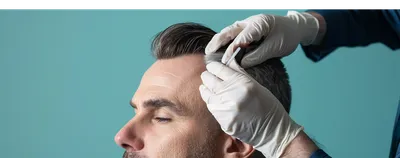
Permanent eyebrow restoration is usually done with an eyebrow hair transplant.
In this procedure, hair follicles are taken from a donor area, often the scalp, and carefully placed into the brow to rebuild:
- Shape
- Density
Because the transplanted follicles are living hair roots, the results can be long lasting.
Not everyone with thinning brows needs a transplant, so the first step is finding the cause.
Common causes that can affect eyebrow growth include:
- Over-plucking
- Scarring
- Genetics
- Aging
- Hormonal changes
- Thyroid problems
- Autoimmune conditions
- Some skin disorders
If the cause is treatable, medical care may help improve the brows without surgery.
A specialist can assess whether permanent restoration is appropriate and what result is realistic.
How can eyebrow hair be restored permanently?
Permanent eyebrow restoration is usually done with an eyebrow hair transplant.
In this procedure, hair follicles are taken from a donor area, often the scalp, and carefully placed into the brow to rebuild:
- Shape
- Density
Because the transplanted follicles are living hair roots, the results can be long lasting.
Not everyone with thinning brows needs a transplant, so the first step is finding the cause.
Common causes that can affect eyebrow growth include:
- Over-plucking
- Scarring
- Genetics
- Aging
- Hormonal changes
- Thyroid problems
- Autoimmune conditions
- Some skin disorders
If the cause is treatable, medical care may help improve the brows without surgery.
A specialist can assess whether permanent restoration is appropriate and what result is realistic.

Who is a good candidate for eyebrow restoration?
A good candidate for eyebrow restoration is someone with thinning, sparse, or missing eyebrow hair who wants a fuller, natural-looking result that lasts.
This can include people who have:
- Overplucked in the past
- Naturally thin brows
- Hair loss related to aging, genetics, scarring, or certain medical conditions
You should also have enough healthy donor hair, usually from the scalp, and realistic expectations about the process and results.
A consultation is important to review:
- Your hair growth pattern
- Your skin and scar history
- Your overall health
- Whether any active hair loss or medical issue should be treated before moving forward
Who is a good candidate for eyebrow restoration?
A good candidate for eyebrow restoration is someone with thinning, sparse, or missing eyebrow hair who wants a fuller, natural-looking result that lasts.
This can include people who have:
- Overplucked in the past
- Naturally thin brows
- Hair loss related to aging, genetics, scarring, or certain medical conditions
You should also have enough healthy donor hair, usually from the scalp, and realistic expectations about the process and results.
A consultation is important to review:
- Your hair growth pattern
- Your skin and scar history
- Your overall health
- Whether any active hair loss or medical issue should be treated before moving forward
Recovery overview
What to expect before and after eyebrow restoration
Visible healing and internal healing do not always move at the same speed.
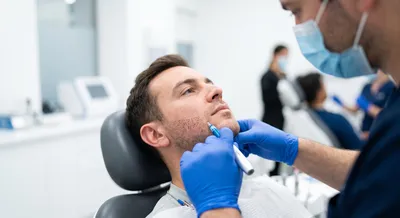
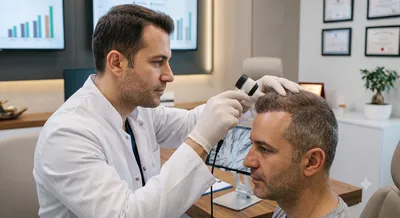
Your surgeon reviews your goals, brow shape, hair type, skin health, and medical history. You will also discuss graft numbers, realistic results, and how to prepare.
Mild redness, swelling, tenderness, and small scabs around the transplanted hairs are common for several days after the procedure.
The transplanted hairs often shed in the first few weeks, then begin to regrow over the following months. This is a normal part of the process.
Final brow fullness takes time. Because transplanted hairs may grow like scalp hair, regular trimming and shaping are often needed.
What should you expect before and after the procedure?
Before the procedure, you can expect a consultation to review:
- Your goals
- Your natural brow shape
- Your hair type
- Your skin health
- Your medical history
The surgeon will usually explain:
- How many grafts may be needed
- What kind of result is realistic
- How to prepare before treatment
You may be asked to:
- Stop smoking
- Avoid certain medications or supplements that may increase bleeding
- Pause plucking, waxing, or tinting for a short time before treatment
After the procedure, it is common to have some temporary healing signs for several days, including:
- Mild redness
- Swelling
- Tenderness
- Small scabs around the transplanted hairs
The new hairs often shed within the first few weeks, which is expected. They then begin to regrow over the following months.
Because transplanted brow hairs may continue to grow like scalp hair, regular trimming and shaping are often needed.
Final results usually take time, so it is important to expect gradual improvement rather than an immediate finished look.
What should you expect before and after the procedure?
Before the procedure, you can expect a consultation to review:
- Your goals
- Your natural brow shape
- Your hair type
- Your skin health
- Your medical history
The surgeon will usually explain:
- How many grafts may be needed
- What kind of result is realistic
- How to prepare before treatment
You may be asked to:
- Stop smoking
- Avoid certain medications or supplements that may increase bleeding
- Pause plucking, waxing, or tinting for a short time before treatment
After the procedure, it is common to have some temporary healing signs for several days, including:
- Mild redness
- Swelling
- Tenderness
- Small scabs around the transplanted hairs
The new hairs often shed within the first few weeks, which is expected. They then begin to regrow over the following months.
Because transplanted brow hairs may continue to grow like scalp hair, regular trimming and shaping are often needed.
Final results usually take time, so it is important to expect gradual improvement rather than an immediate finished look.
Conclusion
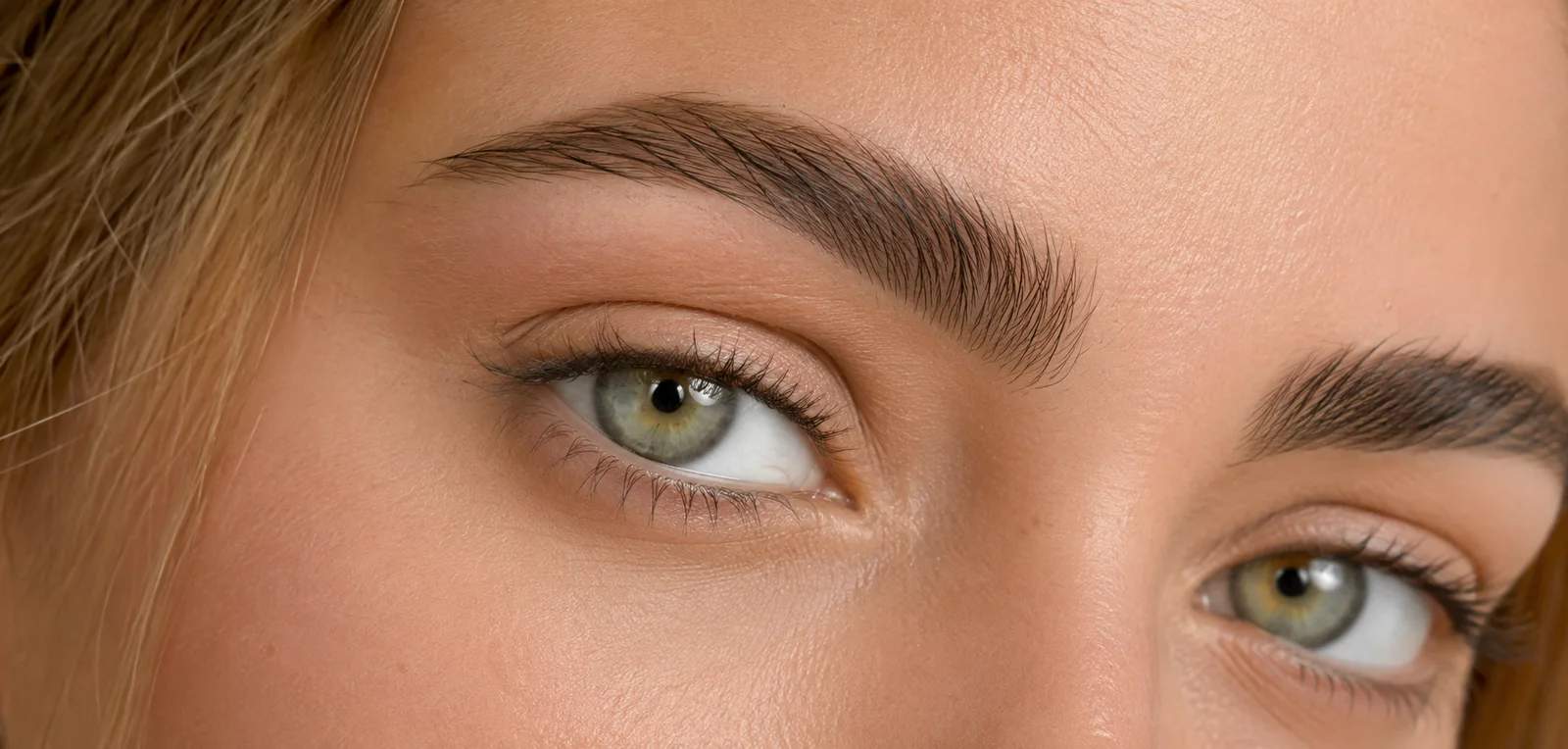
Permanent eyebrow restoration can be an effective option for people who want fuller, natural-looking brows and have stable hair loss or thinning. The best results depend on careful diagnosis, realistic expectations, and meticulous placement of each graft so the direction, angle, and density suit the face.
Before moving ahead, it is worth confirming why the brows thinned in the first place and discussing non-surgical options as well. If you do choose surgery, look for a qualified hair restoration specialist who has specific experience with eyebrow transplantation and can show consistent, natural results.


Article Contributors

Emin Albayrak
Writer
- Views
- 1746 views
- Reading Time
- Last Updated