
Fixing a Bad Hair Transplant: How Revision Surgery Can Restore a Natural Look
Don't know
where to start ?
Find the right specialist with the best price guarantee
Identifying the Common Signs of a Failed Hair Transplant
Recognizing exactly what went wrong is the first step toward a successful correction. Poorly executed transplants typically manifest in several recognizable ways that can be fixed with the right expertise. Some of the most common issues include:
- The Pluggy Look: This occurs when large grafts containing multiple hairs are placed in the front hairline instead of delicate single hair follicles, creating a doll-like appearance.
- Incorrect Growth Angles: When hair is implanted perpendicular to the scalp rather than following its natural flow, it results in a stiff and artificial look that is hard to style.
- Unnatural Hairline Design: A hairline that is drawn too low, too straight, or does not respect facial proportions is a clear sign of an inexperienced surgical approach.
- Over-Harvesting: This happens when too many grafts are taken from the donor area, leaving the back of the head looking thin or patchy.
Technical failures such as low survival rates or visible scarring are also serious concerns for patients. Understanding these specific flaws is essential because a revision procedure requires a different strategic mindset than a primary transplant. It is about working with limited resources to camouflage past mistakes and repair the health of the scalp tissue.
Identifying the Common Signs of a Failed Hair Transplant
Recognizing exactly what went wrong is the first step toward a successful correction. Poorly executed transplants typically manifest in several recognizable ways that can be fixed with the right expertise. Some of the most common issues include:
- The Pluggy Look: This occurs when large grafts containing multiple hairs are placed in the front hairline instead of delicate single hair follicles, creating a doll-like appearance.
- Incorrect Growth Angles: When hair is implanted perpendicular to the scalp rather than following its natural flow, it results in a stiff and artificial look that is hard to style.
- Unnatural Hairline Design: A hairline that is drawn too low, too straight, or does not respect facial proportions is a clear sign of an inexperienced surgical approach.
- Over-Harvesting: This happens when too many grafts are taken from the donor area, leaving the back of the head looking thin or patchy.
Technical failures such as low survival rates or visible scarring are also serious concerns for patients. Understanding these specific flaws is essential because a revision procedure requires a different strategic mindset than a primary transplant. It is about working with limited resources to camouflage past mistakes and repair the health of the scalp tissue.
The Technical Complexity of Restorative Procedures
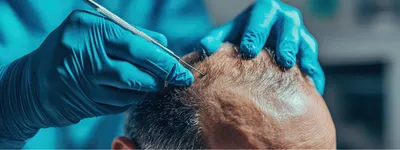
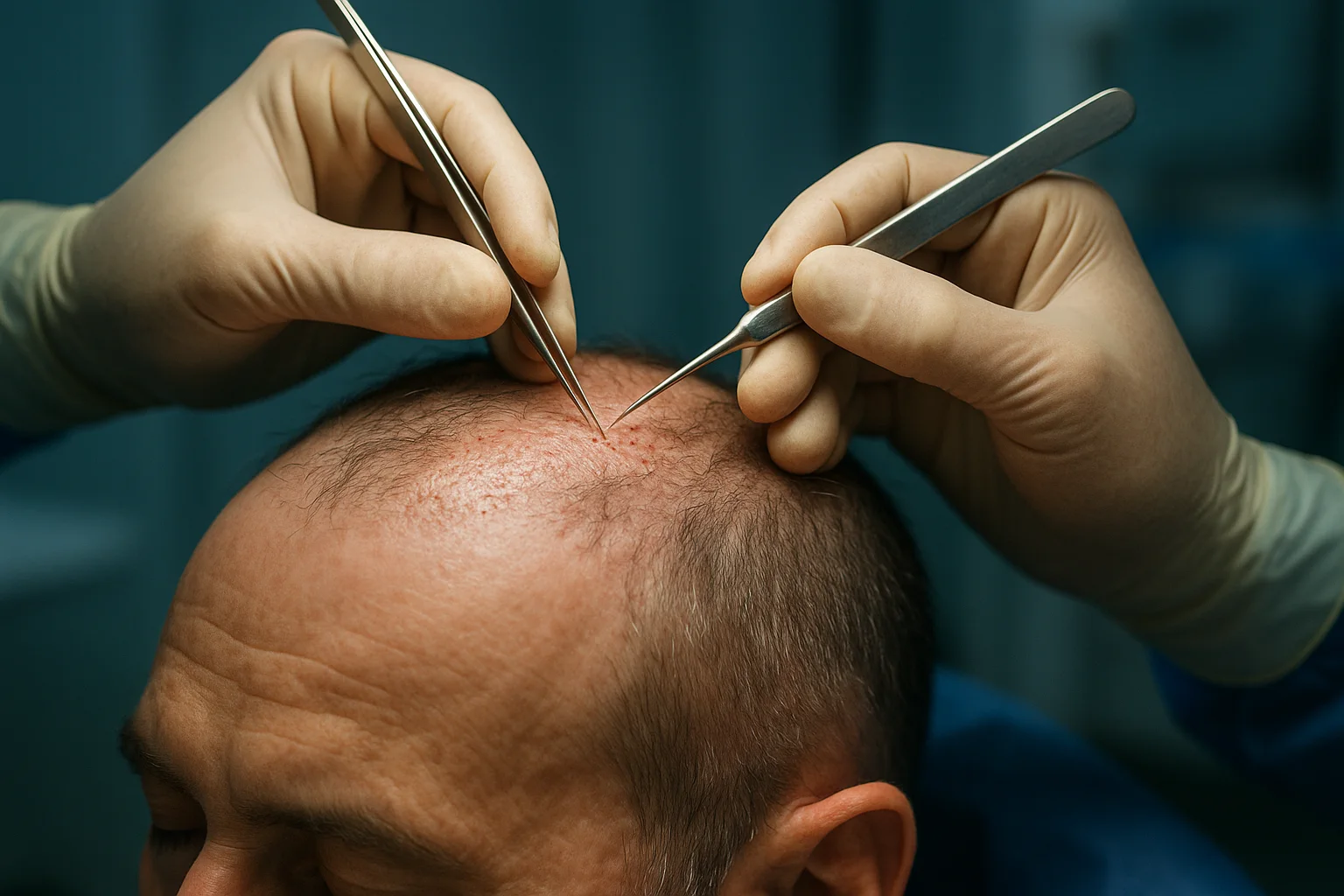
Revision surgery is significantly more complex than the initial procedure because the surgeon must navigate through existing scar tissue and a potentially depleted donor area. This requires a master-level understanding of tissue vascularity and graft placement to ensure the new hair survives in a compromised environment. Surgeons often use specialized tools to create new channels without further damaging the skin. The focus shifts from simply adding hair to strategically placing each graft to hide old scars and soften the previous harsh hairline.
Because this is a high-stakes second chance, choosing a surgical team with a verified history in complex restorative cases is the most critical decision you will make. Healroad acts as your independent partner in this delicate stage, helping you compare clinics that specialize specifically in revision surgery to ensure your case is handled by the most capable experts.
The Technical Complexity of Restorative Procedures
Revision surgery is significantly more complex than the initial procedure because the surgeon must navigate through existing scar tissue and a potentially depleted donor area. This requires a master-level understanding of tissue vascularity and graft placement to ensure the new hair survives in a compromised environment. Surgeons often use specialized tools to create new channels without further damaging the skin. The focus shifts from simply adding hair to strategically placing each graft to hide old scars and soften the previous harsh hairline.
Because this is a high-stakes second chance, choosing a surgical team with a verified history in complex restorative cases is the most critical decision you will make. Healroad acts as your independent partner in this delicate stage, helping you compare clinics that specialize specifically in revision surgery to ensure your case is handled by the most capable experts.
Revision is usually layered. The best plans fix design first, then rebuild coverage with donor safety in mind.
Advanced Methods for Correcting Unnatural Results
The roadmap to fixing a bad transplant involves several advanced corrective techniques that go beyond standard extraction. Depending on the damage, specialists may use the following methods:
- Graft Removal and Redistribution: Thick or misplaced grafts are carefully removed, dissected into smaller units, and re-implanted in the correct position and angle.
- Body Hair Transplant (BHT): If the scalp donor area is exhausted, follicles can be harvested from the beard or chest to provide the necessary density.
- Inter-Grafting: New hair is planted between existing, poorly placed follicles to create a softer, more natural transition and increase overall volume.
- Scar Camouflage: Using FUE or DHI techniques to plant hair directly into old surgical scars, making them virtually invisible.
Regenerative therapies such as PRP or Mesotherapy are also frequently integrated into revision plans to stimulate the scarred scalp tissue and improve blood supply. This multi-layered approach is the only way to achieve a result that looks like you never had a transplant in the first place. The goal is total camouflage, where the old surgical marks disappear under a new, professionally designed hair pattern that respects your age and facial structure.
Advanced Methods for Correcting Unnatural Results
The roadmap to fixing a bad transplant involves several advanced corrective techniques that go beyond standard extraction. Depending on the damage, specialists may use the following methods:
- Graft Removal and Redistribution: Thick or misplaced grafts are carefully removed, dissected into smaller units, and re-implanted in the correct position and angle.
- Body Hair Transplant (BHT): If the scalp donor area is exhausted, follicles can be harvested from the beard or chest to provide the necessary density.
- Inter-Grafting: New hair is planted between existing, poorly placed follicles to create a softer, more natural transition and increase overall volume.
- Scar Camouflage: Using FUE or DHI techniques to plant hair directly into old surgical scars, making them virtually invisible.
Regenerative therapies such as PRP or Mesotherapy are also frequently integrated into revision plans to stimulate the scarred scalp tissue and improve blood supply. This multi-layered approach is the only way to achieve a result that looks like you never had a transplant in the first place. The goal is total camouflage, where the old surgical marks disappear under a new, professionally designed hair pattern that respects your age and facial structure.
Revision is usually layered. The best plans fix design first, then rebuild coverage with donor safety in mind.
The Importance of Specialized After-Care and Follow-Up
The recovery process for a revision transplant requires extra patience and specialized care. Because the scalp has undergone previous trauma, blood circulation may be slower, making strict adherence to post-operative protocols mandatory. A successful outcome depends as much on the recovery phase as it does on the surgery itself. Here are key factors for a smooth healing process:
- Gentle Hygiene: Using specific medical washes to prevent infection without disturbing the delicate grafts in scarred tissue.
- Monitoring Inflammation: Closer observation is needed to ensure the skin is healing correctly around the new implants.
- Patience with Growth: Hair growth in revision cases can sometimes be slightly slower, requiring a structured follow-up plan to track progress accurately.
A successful transformation depends on the first few weeks of care, as the delicate grafts need a stable environment to take root in the previously treated tissue. To support this delicate phase, Healroad provides a structured follow-up system and logistical assistance, connecting you with support experts who guide you through every day of your recovery for the best possible outcome.
The Importance of Specialized After-Care and Follow-Up
The recovery process for a revision transplant requires extra patience and specialized care. Because the scalp has undergone previous trauma, blood circulation may be slower, making strict adherence to post-operative protocols mandatory. A successful outcome depends as much on the recovery phase as it does on the surgery itself. Here are key factors for a smooth healing process:
- Gentle Hygiene: Using specific medical washes to prevent infection without disturbing the delicate grafts in scarred tissue.
- Monitoring Inflammation: Closer observation is needed to ensure the skin is healing correctly around the new implants.
- Patience with Growth: Hair growth in revision cases can sometimes be slightly slower, requiring a structured follow-up plan to track progress accurately.
A successful transformation depends on the first few weeks of care, as the delicate grafts need a stable environment to take root in the previously treated tissue. To support this delicate phase, Healroad provides a structured follow-up system and logistical assistance, connecting you with support experts who guide you through every day of your recovery for the best possible outcome.
Conclusion
Living with the results of a failed hair transplant can be frustrating, but it does not have to be permanent. With the right corrective strategy and a surgeon who possesses both the technical skill and the artistic eye, it is entirely possible to achieve the natural look you were promised. Revision surgery is about more than just adding hair; it is about restoring symmetry, softening harsh lines, and repairing the donor area for a lifetime of confidence. At Healroad, we are dedicated to helping you find that path to restoration by offering a platform built on transparency and expert verification. We empower you to make an informed choice for your revision procedure so you can move past previous experiences. Let us help you find the specialist who can turn your vision into a reality and provide the quality care you deserve. Contact us today to begin your personalized consultation and take the final step toward a hair restoration you can be proud of.
Article Contributors

Emin Albayrak
Writer
- Views
- 1655 views
- Reading Time
- Last Updated