
Manual vs. Micromotor: Does the tool used for extraction change the final result?
In hair transplantation, grafts can be removed with a manual punch or with a motorized micromotor punch. Patients often assume the device itself determines the outcome, but the final result depends far more on planning, surgeon skill, graft handling, and whether the chosen punch matches the hair and scalp characteristics. In other words, the tool matters, but technique matters more.
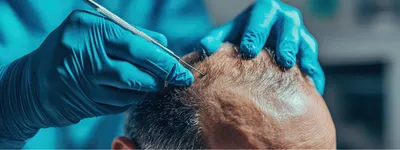
Both methods are used in follicular unit extraction, or FUE. A manual punch is advanced by hand, while a micromotor rotates or oscillates the punch with mechanical assistance. Each approach has strengths and trade-offs in speed, control, and tissue handling. The key question is not which tool sounds more advanced, but which method is most appropriate for the individual case and is used well.
- Both tools are used for FUE: manual punches are hand-driven, while micromotor punches are mechanically driven.
- Final results depend mostly on technique: surgeon experience, punch selection, graft handling, and donor planning matter more than the device alone.
- Micromotors can be faster: this may help in larger sessions, but speed should not come at the expense of graft quality.
- Manual punches may offer tactile feedback: this can be useful in certain scalp or hair characteristics.
- Ask about outcomes, not marketing: transection rate, donor preservation, and graft survival are more meaningful than the tool name.
Don't know
where to start ?
Find the right specialist with the best price guarantee
Graft Quality
What Most Affects Graft Quality in FUE?
Does the extraction tool affect graft quality?
In experienced hands, both manual extraction and micromotor extraction can produce excellent grafts.
The final result depends more on the surgeon's technique, planning, and consistency than on the tool alone.
Graft quality is usually judged by several key factors:
- Transection rate
- How intact the follicular units remain
- Hydration
- Handling
- Time out of the body
A manual punch may offer more tactile feedback in some cases, while a micromotor can improve speed and efficiency.
Neither method is automatically better for every patient.
The better fit depends on several patient-specific and team-related factors:
- Hair characteristics
- Scalp firmness
- Curl pattern
- The team's experience
Does the extraction tool affect graft quality?
In experienced hands, both manual extraction and micromotor extraction can produce excellent grafts.
The final result depends more on the surgeon's technique, planning, and consistency than on the tool alone.
Graft quality is usually judged by several key factors:
- Transection rate
- How intact the follicular units remain
- Hydration
- Handling
- Time out of the body
A manual punch may offer more tactile feedback in some cases, while a micromotor can improve speed and efficiency.
Neither method is automatically better for every patient.
The better fit depends on several patient-specific and team-related factors:
- Hair characteristics
- Scalp firmness
- Curl pattern
- The team's experience
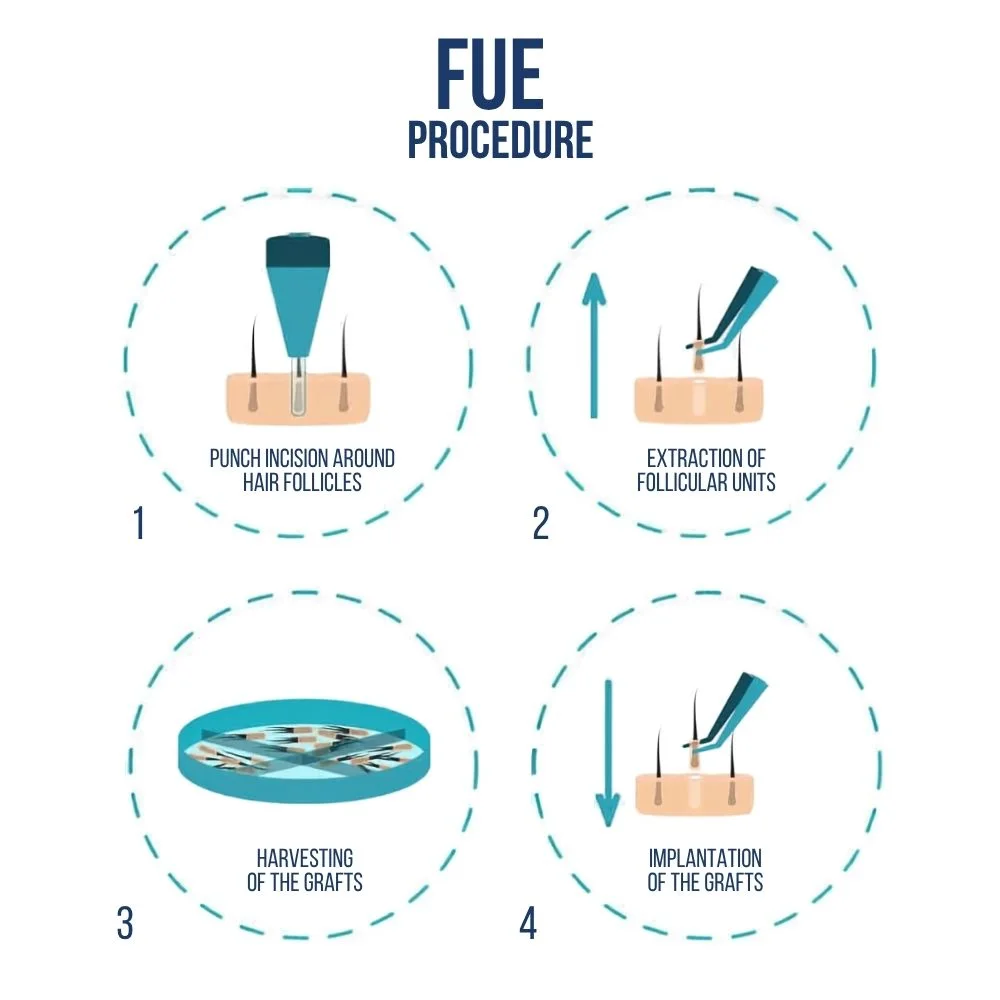
How do manual and micromotor extraction differ during the procedure?
During FUE, the main difference is how the punch is driven.
- Manual extraction: The surgeon advances the punch by hand and directly controls speed, pressure, and angle with the fingers.
- Micromotor extraction: A small motor rotates or oscillates the punch. The tool provides the motion, while the surgeon guides depth and direction.
Both methods aim to remove follicular units with minimal trauma.
- Manual extraction: Can offer very fine tactile feedback, which some surgeons prefer in curly hair, scarred skin, or other technically demanding areas.
- Micromotor extraction: Can improve efficiency and consistency, especially in larger sessions.
In practice, the final result usually depends more on surgeon technique, graft handling, and case selection than on whether the punch was manual or motorized.
How do manual and micromotor extraction differ during the procedure?
During FUE, the main difference is how the punch is driven.
- Manual extraction: The surgeon advances the punch by hand and directly controls speed, pressure, and angle with the fingers.
- Micromotor extraction: A small motor rotates or oscillates the punch. The tool provides the motion, while the surgeon guides depth and direction.
Both methods aim to remove follicular units with minimal trauma.
- Manual extraction: Can offer very fine tactile feedback, which some surgeons prefer in curly hair, scarred skin, or other technically demanding areas.
- Micromotor extraction: Can improve efficiency and consistency, especially in larger sessions.
In practice, the final result usually depends more on surgeon technique, graft handling, and case selection than on whether the punch was manual or motorized.
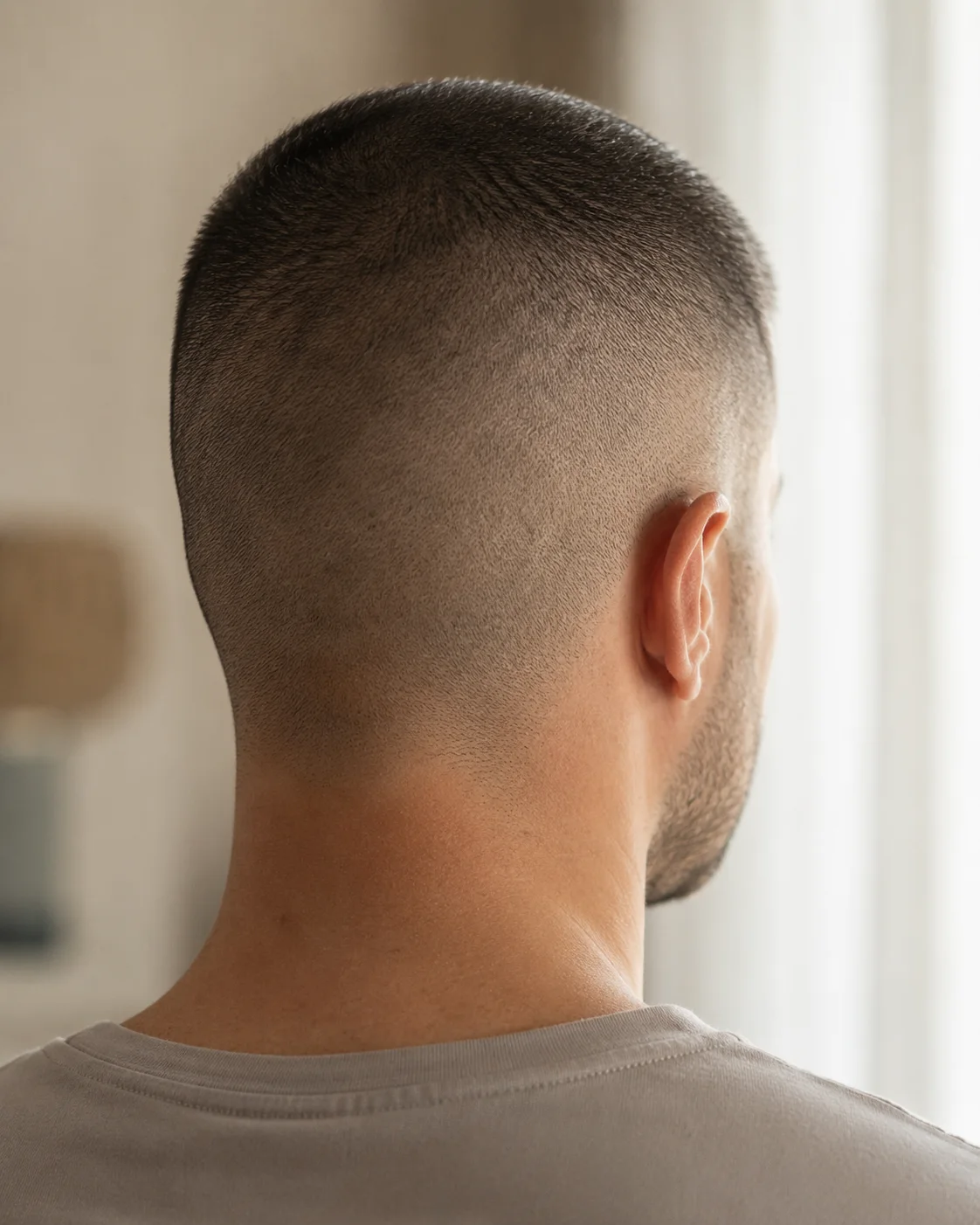
Can the tool used change healing or scarring?
Usually, no.
In modern FUE, both manual punches and micromotor systems can produce excellent healing when they are used well.
The main factors that affect healing and visible scarring are:
- Surgeon's technique
- Punch size
- How the grafts are removed
- Your own skin healing tendency
These factors matter more than simply whether the tool is hand-driven or motor-driven.
A manual punch may give the surgeon more tactile feedback, while a micromotor may improve speed and consistency in some hands.
However, either method can:
- Heal very cleanly when performed well
- Leave more noticeable dot scarring if technique is poor
The factors that usually matter more than the label on the tool are:
- Following aftercare instructions
- Avoiding trauma to the donor area
- Choosing an experienced team
Can the tool used change healing or scarring?
Usually, no.
In modern FUE, both manual punches and micromotor systems can produce excellent healing when they are used well.
The main factors that affect healing and visible scarring are:
- Surgeon's technique
- Punch size
- How the grafts are removed
- Your own skin healing tendency
These factors matter more than simply whether the tool is hand-driven or motor-driven.
A manual punch may give the surgeon more tactile feedback, while a micromotor may improve speed and consistency in some hands.
However, either method can:
- Heal very cleanly when performed well
- Leave more noticeable dot scarring if technique is poor
The factors that usually matter more than the label on the tool are:
- Following aftercare instructions
- Avoiding trauma to the donor area
- Choosing an experienced team
Expectation check
What matters most for a strong hair transplant result
The device used for extraction is the main reason results turn out well or poorly.
The tool matters, but planning, technique, and careful graft handling usually matter more.
A micromotor always gives better growth, less scarring, or a more natural result.
Neither method guarantees a better outcome on its own when compared with skilled use of the other.
If the surgeon uses the right tool, the rest of the process matters less.
Donor management, graft protection, recipient design, healing, and aftercare all shape the final result.
The best choice is usually the method the surgeon can use most precisely for your hair, scalp, and treatment plan.
What matters most for the final result besides the tool?
Yes.
The tool matters less than the surgeon's technique, planning, and graft handling.
A manual punch and a micromotor can both produce excellent results when used well, and either can lead to poor results if used poorly.
The final outcome depends most on:
- Surgeon skill and experience: choosing the right angle, depth, and extraction pattern
- Donor management: avoiding overharvesting and visible thinning
- Graft quality: minimizing transection and protecting follicles during removal
- Storage and handling: keeping grafts hydrated and out of the body for as little time as possible
- Recipient site design: natural hairline planning, density, and direction
- Your hair characteristics: curl, thickness, contrast with skin, and donor supply
- Healing and aftercare: how well the scalp recovers and how closely instructions are followed
In short, the best tool is the one the surgeon uses most precisely and consistently for your scalp and hair type.
What matters most for the final result besides the tool?
Yes.
The tool matters less than the surgeon's technique, planning, and graft handling.
A manual punch and a micromotor can both produce excellent results when used well, and either can lead to poor results if used poorly.
The final outcome depends most on:
- Surgeon skill and experience: choosing the right angle, depth, and extraction pattern
- Donor management: avoiding overharvesting and visible thinning
- Graft quality: minimizing transection and protecting follicles during removal
- Storage and handling: keeping grafts hydrated and out of the body for as little time as possible
- Recipient site design: natural hairline planning, density, and direction
- Your hair characteristics: curl, thickness, contrast with skin, and donor supply
- Healing and aftercare: how well the scalp recovers and how closely instructions are followed
In short, the best tool is the one the surgeon uses most precisely and consistently for your scalp and hair type.
Conclusion
Manual and micromotor extraction can both produce excellent FUE results when they are used thoughtfully and by an experienced team. A micromotor may improve efficiency, especially in larger sessions, while a manual punch may offer tactile control in selected cases. Neither tool guarantees better growth, less scarring, or a more natural result on its own.
For patients, the most useful question is not simply, "Which device do you use?" Ask how the surgeon chooses the punch type and size, how graft quality is protected, what the expected transection rate is, and how donor area safety is planned. The best results come from sound judgment, careful technique, and realistic treatment design, not from the label on the instrument.


Article Contributors

Emin Albayrak
Writer
- Views
- 1523 views
- Reading Time
- Last Updated