



5.0/5
Dentica is echt heel goed zeer mooie clinic met echte vakmensen heb alles laten doen aan me tanden en ben meer dan tevreden voor tand renovatie ga naar dentica Patrick from holland
Read original reviewDental Treatments · Makeover Smile
Dental Treatments
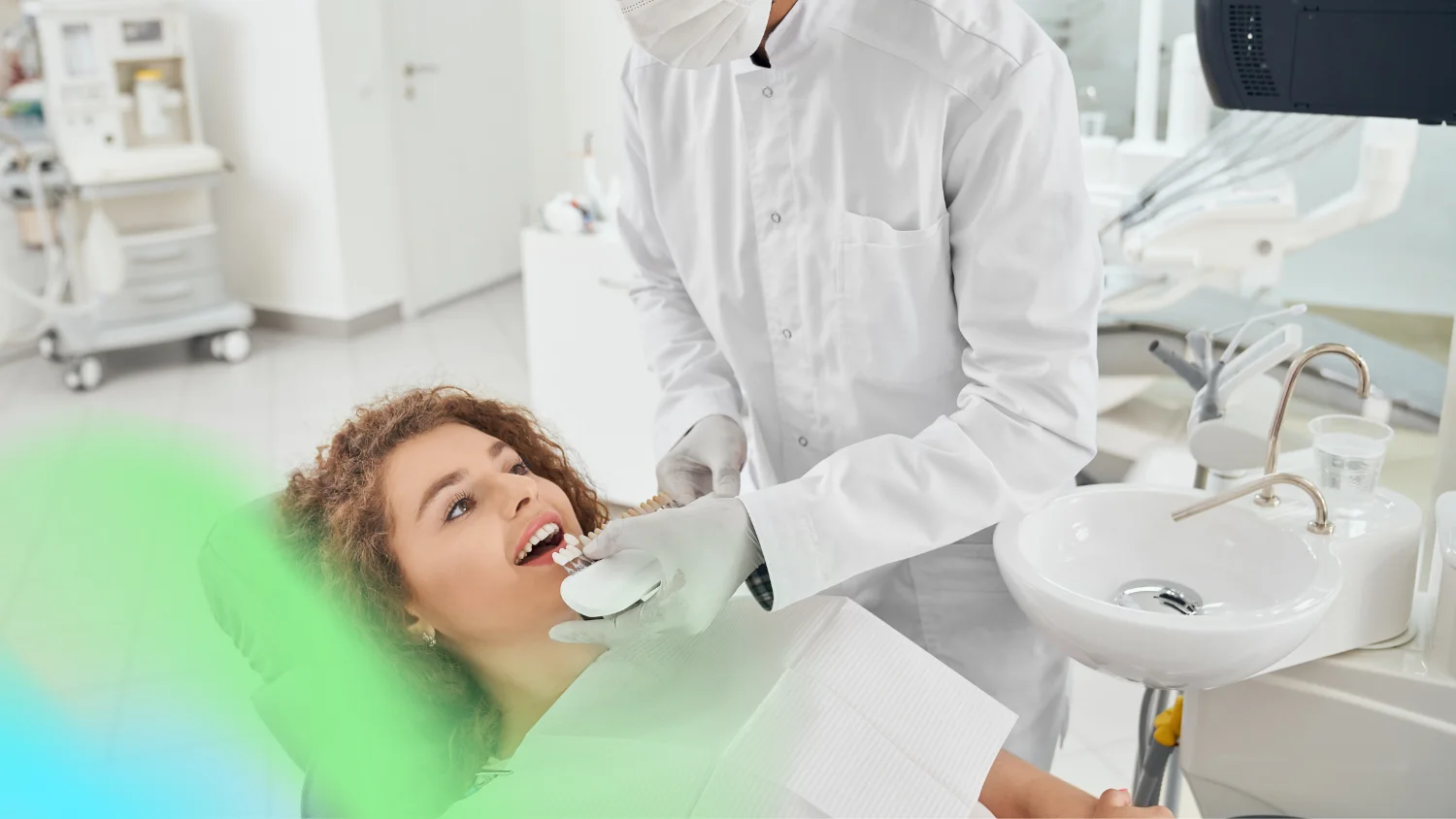
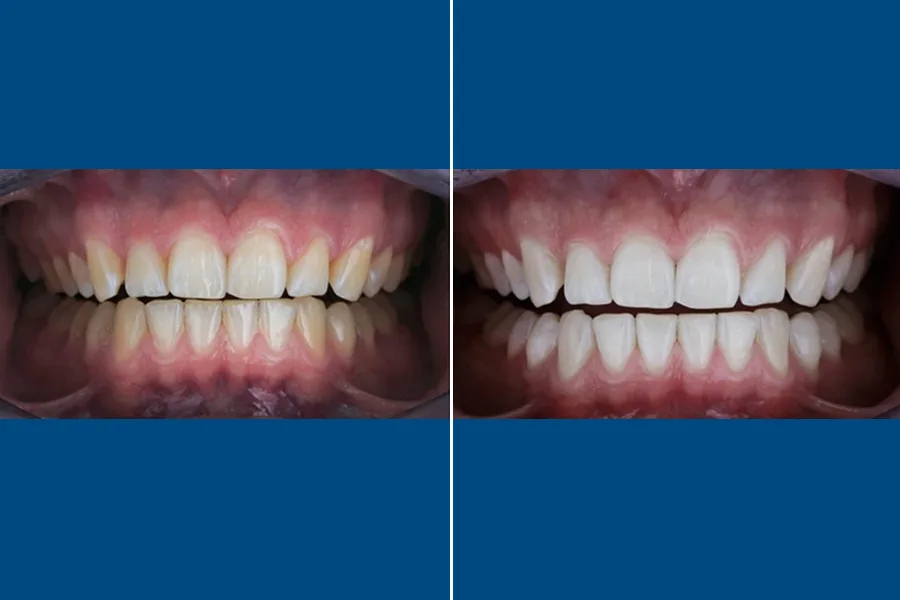
Makeover Smile in Türkiye: A customized combination of cosmetic dental treatments that improves smile appearance, confidence, and overall facial harmony.

2–3 h
Duration

Local
Anesthesia

1–2 d
Recovery

Mild
Pain Level

Immediate
Result Appearance

90–95 %
Success Rate
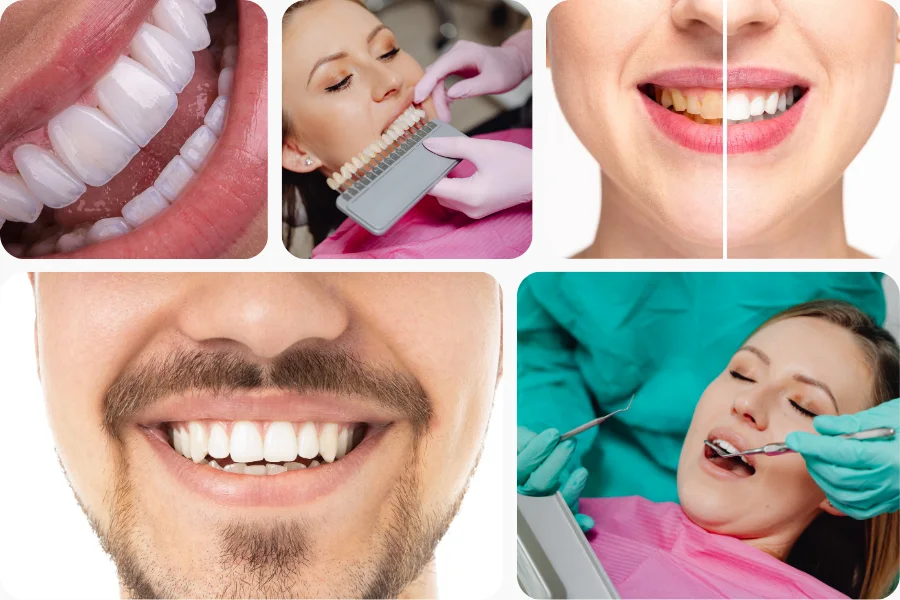
Smile makeover is a personalized combination of cosmetic and restorative dental treatments used to improve the appearance, balance, and sometimes function of a person’s smile. It is designed for people who may have concerns such as stained, chipped, uneven, worn, misaligned, or missing teeth, as well as issues with gum shape or overall smile symmetry.
The treatment plan is tailored to each patient and may include procedures such as teeth whitening, veneers, crowns, bonding, orthodontics, dental implants, or gum contouring. A dentist usually assesses the teeth, gums, bite, and facial features before recommending the most suitable approach. Depending on the goals and complexity, a smile makeover may be completed in one stage or over several appointments.

Smile makeover is best suited for people who want to improve the overall appearance of their teeth and gums through a personalized combination of cosmetic dental treatments. This option is particularly appropriate for:
A full dental assessment helps determine whether a smile makeover is appropriate and which combination of treatments can safely achieve the desired outcome.
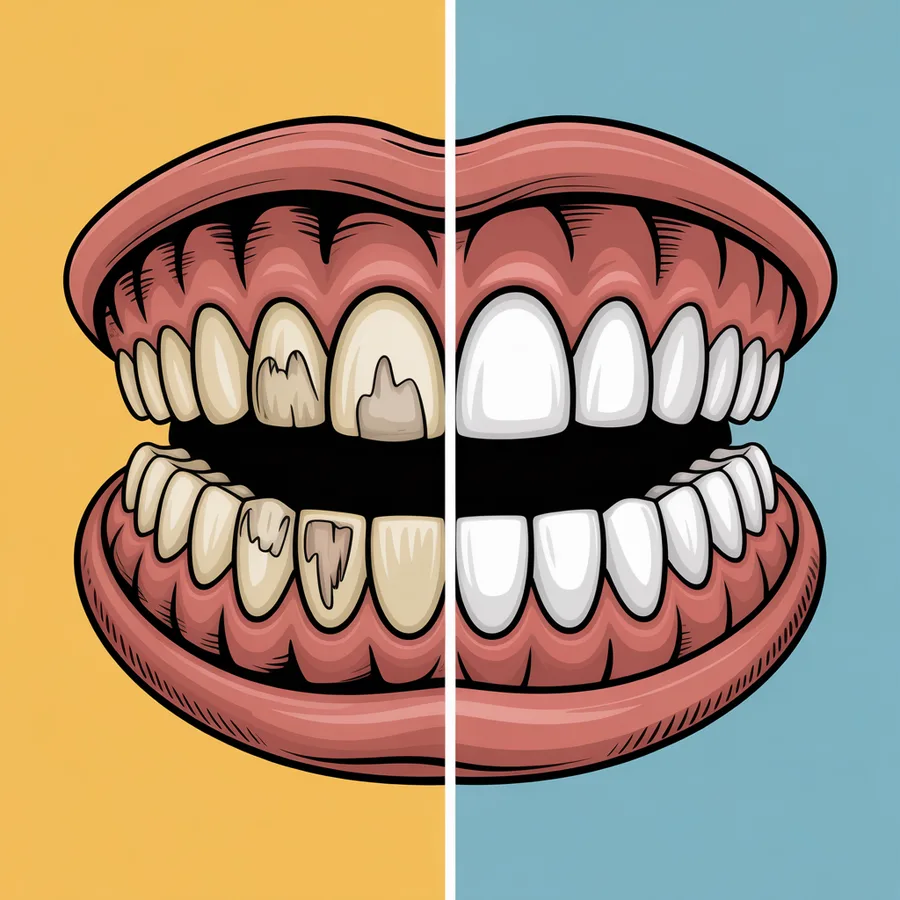
A Smile Makeover is a personalized combination of cosmetic and sometimes restorative dental treatments designed to improve the appearance, balance, and harmony of your smile. It may involve procedures such as teeth whitening, veneers, crowns, bonding, gum contouring, orthodontics, or implants, depending on your needs. Rather than being a single procedure, it is a carefully planned process that focuses on tooth color, shape, size, alignment, and how your smile fits your facial features.
The process begins with a detailed consultation to understand what you would like to change about your smile. The dentist examines your teeth, gums, bite, and overall oral health, and discusses concerns such as discoloration, gaps, worn edges, uneven gums, chipped teeth, or missing teeth. Photos, digital scans, and X-rays are often taken to evaluate both appearance and function. This stage is important because a smile makeover should not only look attractive, but also feel comfortable and work properly when you bite and chew.
Once the assessment is complete, the dentist creates a customized treatment plan based on your facial proportions, lip line, tooth display, and desired result. Many clinics use digital smile design or mock-up tools to show how changes in tooth shape, length, and color may look before treatment begins. At this point, the dentist also decides the order of procedures. For example, gum treatment or orthodontics may need to come before veneers or crowns, while whitening is often done before selecting the final shade of restorations.
Before cosmetic work starts, the mouth needs to be healthy. If you have gum disease, tooth decay, old leaking fillings, or bite problems, these are treated first. A professional cleaning may be performed, and any inflammation is brought under control to create a stable foundation. In some cases, missing teeth are addressed with implants or bridges, and minor orthodontic treatment may be recommended to improve alignment before the final cosmetic stage. This preparation helps the results last longer and reduces the risk of complications later.
The main makeover phase depends on your treatment plan. Teeth whitening may be used to brighten natural teeth. Composite bonding can repair chips, close small gaps, and reshape edges in a conservative way. Porcelain veneers are thin custom shells bonded to the front of teeth to improve color, size, and contour, while crowns may be used when teeth need more strength as well as cosmetic improvement. If the gum line looks uneven or too prominent, gum contouring may be performed to create a more balanced frame around the teeth.
If veneers or crowns are part of the makeover, the dentist may gently remove a small amount of enamel so the restorations fit naturally and do not feel bulky. Impressions or digital scans are then taken and sent to a dental laboratory, where the final restorations are crafted to match the planned shape and shade. In many cases, temporary veneers or crowns are placed while the final pieces are being made. These temporaries protect the teeth and give you an early idea of how your new smile will look and feel.
Once the final restorations are ready, they are carefully checked for fit, color, bite, and overall symmetry. Veneers, crowns, or other restorations are bonded or cemented into place, and the dentist makes small adjustments so your bite feels even and natural. After treatment, you may be advised to wear a night guard if you grind your teeth, and regular follow-up visits are important to monitor the condition of the restorations and gums. Good brushing, flossing, and routine dental care help maintain the appearance and health of your new smile over time.
Recovery after a smile makeover depends on which treatments are included, such as veneers, crowns, whitening, bonding, gum contouring, or implants. For many patients, it is less about one long healing period and more about adjusting to several dental changes at once. Some parts of treatment, like whitening or bonding, involve little downtime, while others, like gum work or implant-related procedures, can extend recovery. Understanding the usual timeline helps you plan meals, social activities, travel, and follow-up visits with realistic expectations.
In the first few days, it is common to notice tooth sensitivity, mild gum soreness, and a different bite sensation, especially if veneers, crowns, whitening, or contouring were part of your makeover. If local anesthesia was used, numbness usually wears off within a few hours. Some patients also feel tenderness in the jaw muscles from keeping the mouth open during longer appointments. Soft foods, lukewarm drinks, and careful brushing are usually recommended at this stage. If temporary veneers or crowns were placed, avoid biting directly into hard foods until the final restorations are fitted.
During the first week, most initial irritation begins to settle, but you may still be adapting to the shape, length, and feel of your new teeth. Speech can sound slightly different at first, particularly with veneers on the front teeth, though this usually improves quickly as the tongue adjusts. If whitening was included, sensitivity to cold foods or drinks may continue for several days. Gum tissues around new restorations can look mildly inflamed at first, then gradually calm down with good oral hygiene. Many patients return to normal work and social routines almost immediately, but it is still wise to avoid very hard, sticky, or staining foods while everything settles.
By this point, any gum tenderness from preparation, contouring, or impressions is usually much improved. If your smile makeover included gum reshaping, the gums often continue to refine in appearance over several weeks. This is also the stage when bite adjustments and minor polishing refinements may be needed, especially if your teeth feel like they touch unevenly or if one area feels too prominent. It is important not to ignore persistent pressure points, because even small bite imbalances can lead to discomfort or chipping over time. Most patients can eat more normally by now, although caution with very hard foods is still sensible, particularly if temporary restorations are still in place.
If your treatment was completed in stages, this period often includes placement of the final veneers, crowns, or other definitive restorations. Once these are bonded or cemented, the smile usually feels more stable and natural than it did with temporaries. Even so, a short adaptation period is normal. Teeth may feel slightly bulky, smoother than expected, or unusually prominent when you bite or speak, but this sensation generally fades as your mouth adjusts. Your dentist may review flossing technique, brushing methods, and any special cleaning tools needed to protect the margins of the restorations and keep the gums healthy.
Over the following months, your smile makeover continues to settle in a functional and cosmetic sense. The gums mature around the restorations, your bite becomes more familiar, and any lingering sensitivity usually decreases. If your treatment plan included implants, orthodontic finishing, or more extensive gum procedures, this longer phase may be especially important because those elements heal on their own timeline. Long-term success depends on excellent oral hygiene, routine dental reviews, and protecting the new work from excessive force. Patients who clench or grind their teeth are often advised to wear a night guard to reduce the risk of chipping, loosening, or premature wear.
Türkiye has become a popular destination for a smile makeover, offering patients access to experienced cosmetic dentists, modern digital planning tools, and more accessible pricing than many countries in Europe or North America. For people who want to improve the color, shape, alignment, and overall harmony of their teeth, clinics in Türkiye often provide a well-structured treatment journey that combines aesthetics with careful dental assessment.
A smile makeover is not a single procedure, but a personalized combination of treatments such as veneers, crowns, teeth whitening, gum contouring, or sometimes orthodontic correction. Because of this, planning is especially important. Many Turkish clinics use digital smile design, intraoral scanners, and high-resolution imaging to evaluate tooth proportions, bite alignment, gum levels, and facial balance before treatment begins. This detailed approach helps patients understand what is realistic, what is healthy for their teeth, and how the final result is expected to look.
Another reason patients choose Türkiye is the balance between speed and personalization. Many clinics are experienced in treating international visitors within a limited travel window, while still allowing time for consultation, tooth preparation, temporary restorations, and final adjustments. This can be especially helpful for patients seeking a more efficient process without overlooking important details such as bite comfort, speech, and natural-looking aesthetics. In cases where a patient is not an ideal candidate for veneers alone, clinics may also recommend more conservative or staged options based on clinical findings.
Aftercare is also an important part of a successful smile makeover. Patients usually receive guidance on caring for veneers or crowns, managing sensitivity, maintaining gum health, and protecting the new smile from habits such as grinding or biting hard objects. This follow-up support matters because long-term results depend not only on the cosmetic procedure itself, but also on material choice, bite stability, oral hygiene, and regular dental reviews.
Türkiye’s strong position in the global health tourism market reflects years of investment in private dental clinics, international patient coordination, and high-volume cosmetic dentistry experience. By welcoming large numbers of overseas patients each year, Türkiye has built a reputation for organized care, modern treatment environments, and dependable service, making it a trusted choice for those considering a smile makeover abroad.
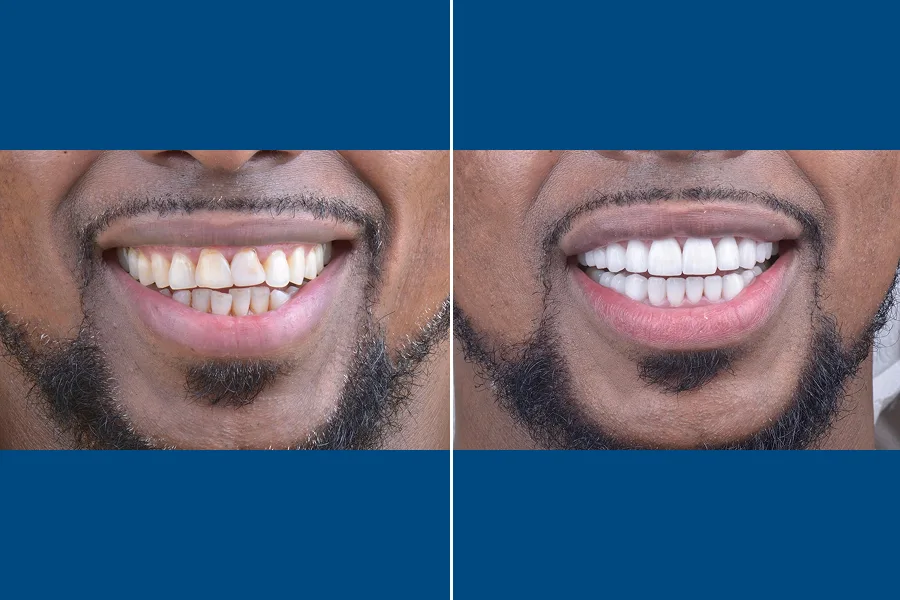
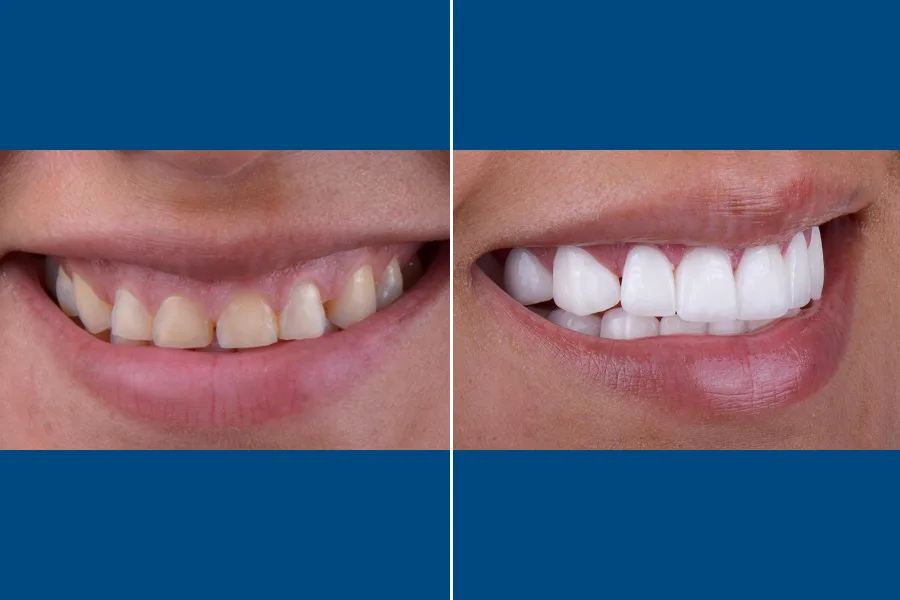
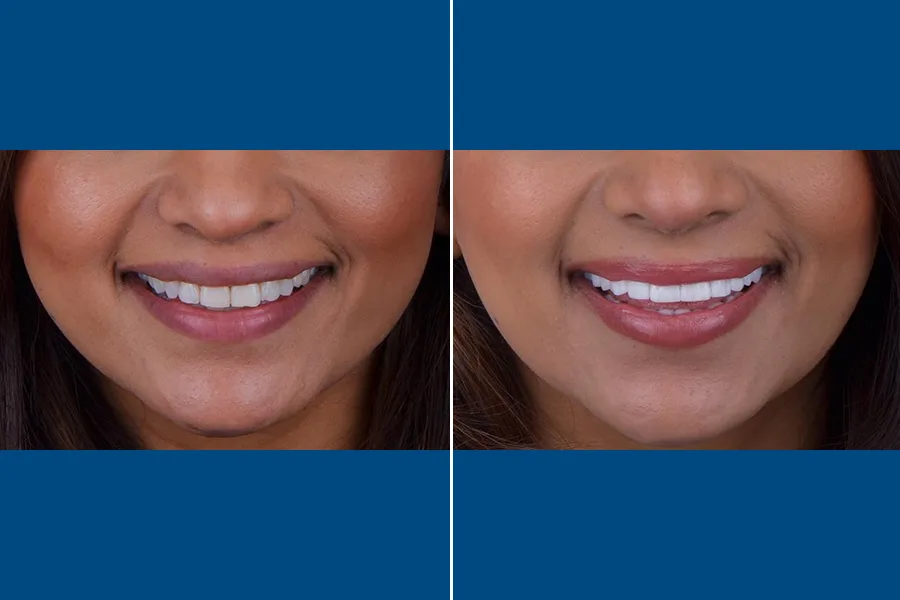
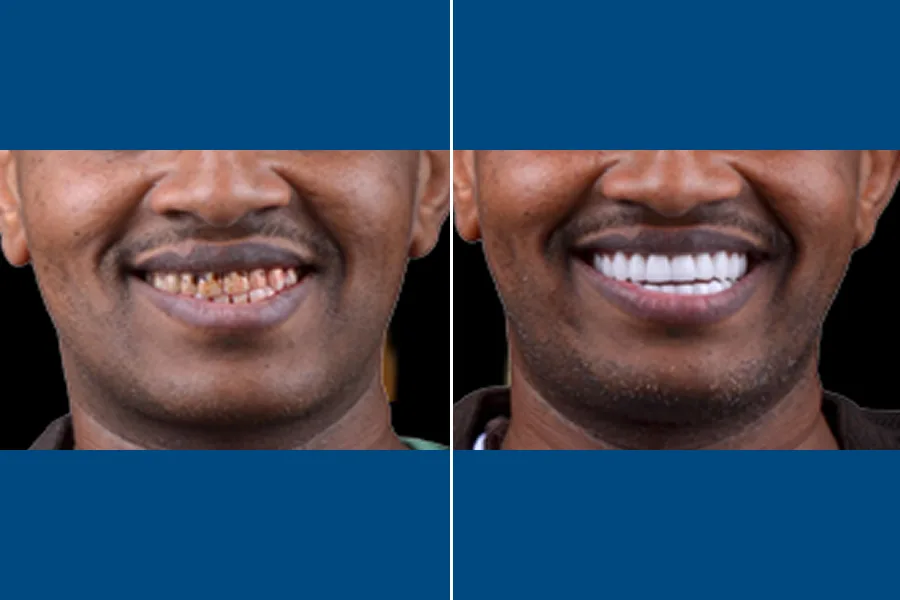
Start with Makeover Smile selected. Adjust the answers below to refine the average estimate shown above.
Your estimate will appear here.
Makeover Smile results can typically last for 5 to 15 years or longer, depending on the treatments included, the materials used, and how well you care for your teeth.
A smile makeover may combine procedures such as veneers, crowns, teeth whitening, bonding, or orthodontics, and each one has a different lifespan.
To help maintain the aesthetic results of a Makeover Smile, it is important to practice good oral hygiene, attend regular dental check-ups, and avoid habits such as smoking, nail biting, or chewing hard objects. Your dentist can give you a more specific estimate based on your personalized treatment plan.
Makeover Smile treatments are usually designed to look natural and to complement the rest of your facial features, rather than appear overly white, bulky, or artificial.
A well-planned smile makeover takes into account your face shape, skin tone, lip line, gum display, and the size and shape of your natural teeth. The goal is to create a smile that looks balanced and suits you personally.
The final result depends on the treatment plan, the materials used, and the skill of the dental team. Discussing your preferences clearly with your dentist can help achieve a natural-looking smile that fits your face well.
Yes, after a Makeover Smile, there are often some temporary lifestyle restrictions while your teeth, gums, and any new restorations adjust and heal.
The exact recommendations depend on the treatments included, such as veneers, crowns, whitening, bonding, implants, or gum contouring, but most restrictions are short term.
Most patients can return to normal daily activities quickly, but following your dentist’s instructions helps protect your Makeover Smile and support the best long-term result.
Makeover Smile treatment usually takes 2 to 5 clinic visits, depending on the procedures included and whether the treatment is completed in a single phase or over several appointments.
The exact number of visits depends on your individual treatment plan. A simple smile makeover with treatments such as teeth whitening or minor bonding may need only a few visits, while a more comprehensive makeover involving veneers, crowns, orthodontics, or gum contouring may require more.
Your dentist can give you a more precise estimate after evaluating your goals, oral health, and the treatments included in your Makeover Smile plan.
Yes, a Makeover Smile is typically highly customized to suit a person’s face shape, facial features, dental condition, and personal preferences.
The goal is to create a smile that looks natural, balanced, and harmonious with your overall appearance rather than using a one-size-fits-all approach.
Your dentist will usually assess your facial proportions, lip line, gum display, and bite to design a result that fits both your appearance and your goals.
Makeover Smile treatment is usually completed over multiple appointments, although the exact timeline depends on the procedures included in your treatment plan.
Some patients can complete certain cosmetic treatments in one trip, especially if the makeover involves procedures such as teeth whitening, composite bonding, or sometimes veneers. However, more complex smile makeovers often require additional visits for planning, preparation, fitting, and follow-up.
If you are traveling for treatment, many clinics can organize a two-trip plan or, in selected cases, condense treatment into a shorter stay. Your dentist can tell you whether your Makeover Smile can be done in one visit or will need multiple appointments.
The final appearance of a Makeover Smile can be influenced by several factors, including your natural facial features, oral health, and the specific treatments included in your smile makeover plan.
A smile makeover is usually customized to create a result that looks attractive, balanced, and natural for your individual face and teeth.
Your dentist will usually assess these factors carefully and may use photos, digital smile design, or mock-ups to help plan the most suitable and natural-looking result for your Makeover Smile.
After a Makeover Smile, good daily care and regular dental visits are important to help maintain the appearance and longevity of your results. The exact aftercare may depend on whether your treatment included veneers, crowns, whitening, bonding, or orthodontics.
In general, patients should follow a consistent oral hygiene routine and avoid habits that can damage the teeth or restorations.
If you notice sensitivity, discomfort, or any damage to your dental work, contact your dentist promptly. Following your dentist’s aftercare advice will help keep your Makeover Smile looking healthy and attractive for as long as possible.
Makeover Smile treatment can temporarily change how speech and everyday eating feel at first, especially in the first few days or weeks as your mouth adjusts to the new shape, size, or position of the teeth.
Most patients adapt quickly, and these changes usually improve as you become used to your new smile.
Your dentist will usually provide guidance on what to eat, how to care for your new restorations, and when to return if any discomfort or bite issues continue.
Makeover Smile results can last for many years, but touch-ups, maintenance, or replacement of some restorations may be needed over time depending on the treatments used and how well they are cared for.
A smile makeover often combines procedures such as veneers, crowns, bonding, whitening, or implants, and each one has a different lifespan.
Good oral hygiene, regular dental check-ups, and avoiding habits like teeth grinding or biting hard objects can help your Makeover Smile last longer. Your dentist can give you a better idea of what maintenance to expect based on your treatment plan.
Compare verified clinic profiles connected to this treatment.
Patient reviews
These reviews are linked to Makeover Smile and published from clinic review sources.
Dentica is echt heel goed zeer mooie clinic met echte vakmensen heb alles laten doen aan me tanden en ben meer dan tevreden voor tand renovatie ga naar dentica Patrick from holland
Read original reviewMy experience was the most Amazing one ..for REAL After searching and dealing with a lot of clinics, I came across to Estherian Clinic where ive being attended by Amin ; searching some more info about my dental issues. He was so helpful and friendly that g…
Read original reviewGuides and insights connected to this treatment.