Dental Treatments · E-Max Veneer

E-Max Veneer

Page Contributors

Views
3366 views
Reading Time
Last Updated
Anesthesia

Local

Anesthesia

Duration

1–2 h

Duration

Recovery

1–2 d

Recovery

Pain Level

Mild

Pain Level

Result Appearance

Immediate

Result Appearance

Success Rate

90–95 %

Success Rate

Dental Treatments

E-Max Veneer: Refine Your Smile

Thin ceramic veneers that enhance tooth shape, color, and strength to create a balanced, natural-looking smile.

What is E-Max Veneer?

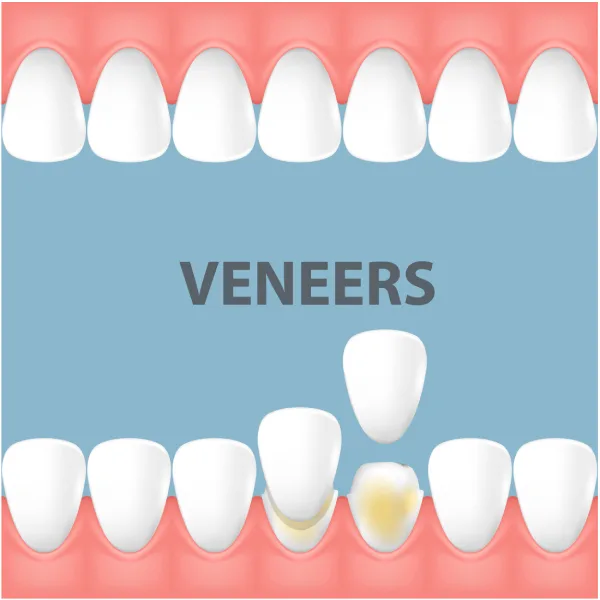
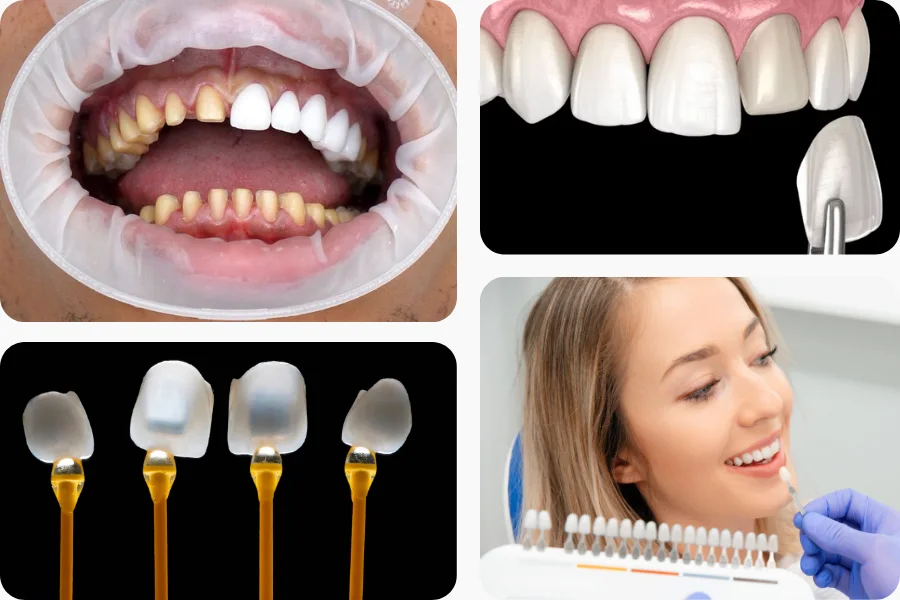
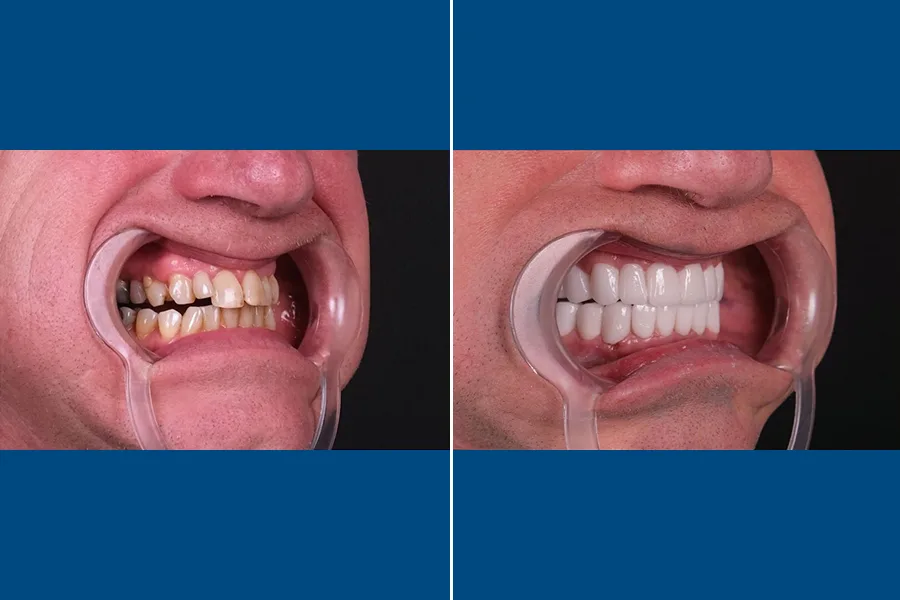
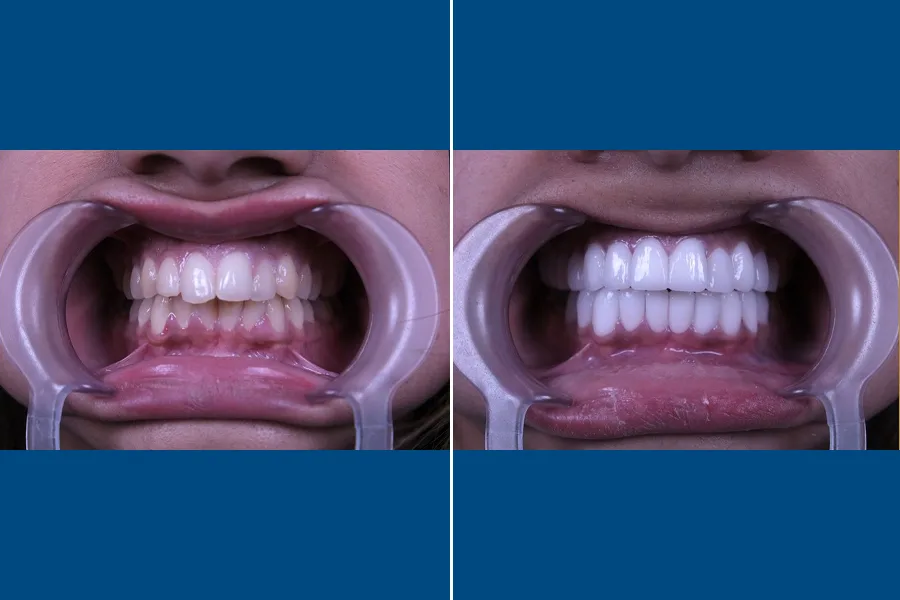
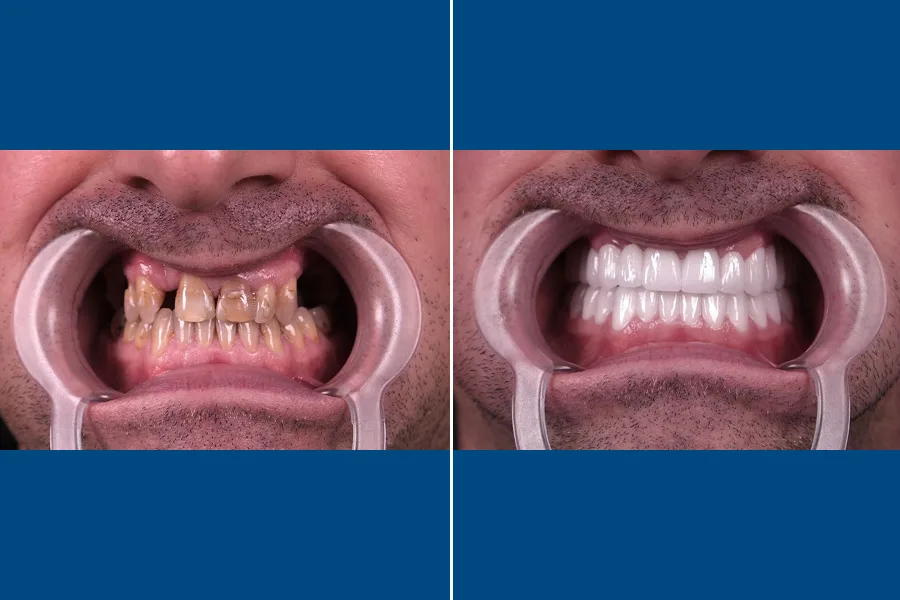
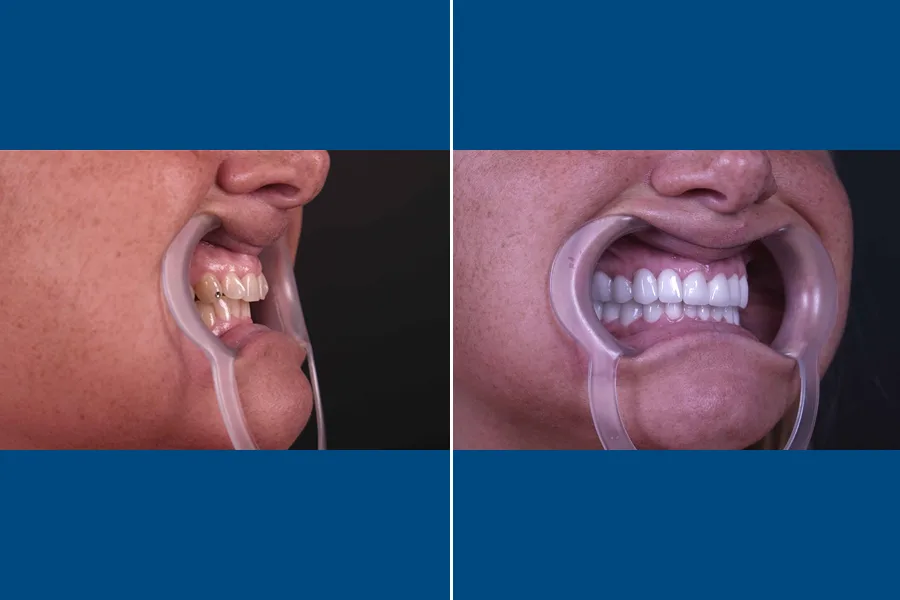
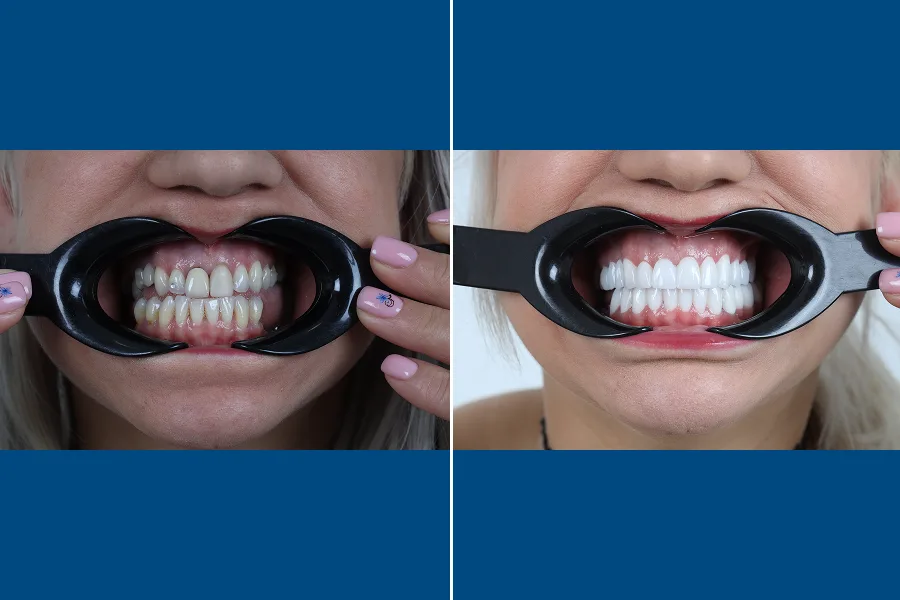
E-Max veneers are thin, custom-made shells of lithium disilicate ceramic that are bonded to the front surface of the teeth to improve their shape, color, size, and overall appearance. They are commonly used to treat stained, chipped, slightly misaligned, uneven, or worn teeth, creating a more balanced and natural-looking smile.


E-Max is known for combining strength with a lifelike translucency, which helps the veneers blend closely with natural teeth. The treatment usually involves preparing a small amount of enamel, taking digital or physical impressions, and then placing the finished veneers with a strong dental adhesive. In some cases, minimal-prep or no-prep options may be possible, depending on the condition and position of the teeth.

Who is E-Max Veneer for?

E-Max veneers are best suited for people who want to improve the appearance of their front teeth with a natural-looking, durable ceramic option. This treatment is particularly appropriate for:


  • Adults with healthy teeth and gums who are bothered by discoloration, minor chips, small gaps, uneven edges, or slightly misshapen teeth.
  • Patients seeking a more aesthetic smile and who want veneers that closely mimic the translucency and shine of natural enamel.
  • Individuals with enough natural tooth structure to support veneers, and whose cosmetic concerns cannot be fully corrected with whitening or simple bonding.
  • People with realistic expectations who understand the need for careful oral hygiene, regular dental visits, and long-term maintenance.

A dental examination is important to confirm suitability. People with active gum disease, untreated decay, or significant teeth grinding may need other treatment or protective measures before getting E-Max veneers.

E-Max Veneer
E-Max Veneer

Benefits

Benefits of E-Max Veneer with HealRoad

Use these points to compare E-Max Veneer options with clearer expectations before speaking with clinics.

Clear procedure guidance

E-Max veneers are thin, custom-made shells of lithium disilicate ceramic that are bonded to the front surface of the teeth to improve their shape, co…

Verified clinic options

3 active clinic options are connected to this treatment on HealRoad.

Transparent cost planning

Use the treatment estimate as a starting point, then refine it with your medical needs and travel details.

Human support from first question

A HealRoad coordinator helps compare clinic options, next steps, and quote details before you commit.

How is E-Max Veneer done?

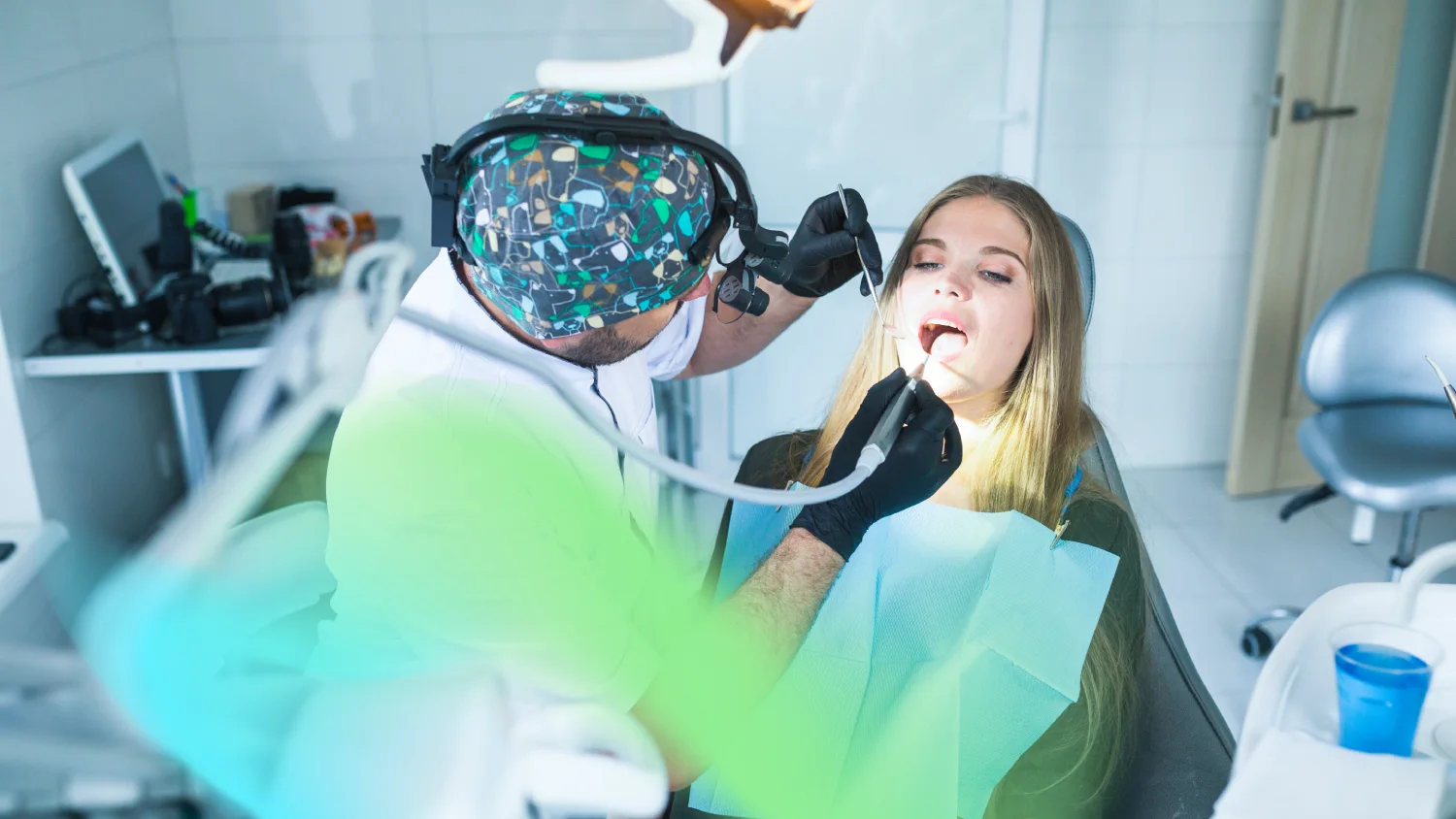
E-Max Veneer is a cosmetic dental treatment that uses thin shells made from lithium disilicate ceramic to improve the shape, color, size, and overall appearance of visible teeth. It is commonly chosen for teeth that are stained, slightly uneven, chipped, worn, or have small gaps. Because E-Max is known for its combination of strength, translucency, and natural-looking esthetics, it is often used for front teeth where appearance matters most.

  1. Consultation, Smile Assessment, and Treatment Planning

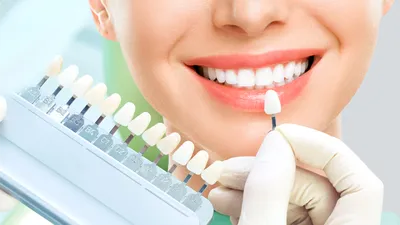
    The process begins with a detailed consultation to understand your goals and check whether veneers are the right option. The dentist examines your teeth, gums, bite, and oral health, and may take photographs, digital scans, and X-rays. Shade selection and smile design are discussed carefully, including the desired tooth length, contour, and brightness. In some cases, a digital preview or mock-up is used so you can better visualize the expected result before treatment starts.

  2. Preparation of the Teeth

    Once the plan is confirmed, the dentist prepares the front surface of the teeth that will receive veneers. This usually involves removing a very thin layer of enamel, often around 0.3 to 0.7 mm, to create space for the ceramic and help the veneers sit naturally without looking bulky. The amount removed depends on the position, color, and shape of the teeth. In selected cases, minimal-prep or no-prep veneers may be possible, but this depends on careful case selection and the final esthetic goals.

  3. Impressions, Digital Scans, and Temporary Veneers

    After preparation, the dentist records the exact shape of your teeth using digital scanning or traditional impressions. These records are sent to a dental laboratory, where the custom E-Max veneers are designed to match your smile plan. If enough enamel has been reduced or the teeth are sensitive, temporary veneers may be placed to protect the teeth and maintain appearance while the final restorations are being made. These temporaries also give you a short trial period to assess the look and feel.

  4. Fabrication of the Custom E-Max Veneers

    In the laboratory, each veneer is crafted from high-quality E-Max ceramic, a material valued for its lifelike translucency and durability. The technician shapes the veneers according to the dentist's instructions, your facial features, and the selected shade. The goal is to create restorations that blend naturally with nearby teeth and reflect light in a way that resembles real enamel. This stage is highly precise, because even small differences in contour or thickness can affect both appearance and bite.

  5. Try-In, Adjustments, and Bonding

    At the fitting appointment, the temporary veneers are removed and the final E-Max veneers are placed on the teeth for a trial evaluation. The dentist checks the fit, color, edge shape, and how the veneers look when you smile and speak. Small adjustments can be made before final bonding. Once everything is approved, the teeth are cleaned and conditioned, and the inner surface of each veneer is specially treated to improve adhesion. A strong dental bonding cement is then used to attach the veneers permanently, and a curing light helps harden the material securely.

  6. Polishing, Bite Check, and Aftercare

    After bonding, the dentist removes excess cement, polishes the veneers, and carefully checks your bite and tooth contacts. This is important to make sure the veneers feel comfortable and are not exposed to unnecessary pressure. You will receive instructions on brushing, flossing, and avoiding habits such as biting nails, chewing ice, or opening packages with your teeth. A follow-up visit may be scheduled to confirm that the gums are settling well and that the veneers feel natural in daily use.

Recovery and expectation?

Recovery after E-Max veneers is usually quicker and easier than recovery from surgical dental procedures, because treatment mainly involves preparing the tooth surface and bonding thin ceramic shells to the front of the teeth. Even so, it is normal to need a short adjustment period as your teeth, gums, and bite settle. Understanding what to expect in the hours, days, and weeks after treatment can help you plan meals, social activities, and follow-up care with confidence.

  1. Immediate Post-Treatment Period (First 24 Hours)

    After your veneers are placed, you may notice mild tooth sensitivity, slight gum tenderness, and an unfamiliar feeling when you bite. This is common, especially if a small amount of enamel was removed during preparation. Some patients also feel temporary sensitivity to cold drinks or air. If local anesthesia was used, numbness may last for a few hours. It is best to avoid very hot or very cold foods on the first day, and wait until numbness has fully worn off before chewing to prevent accidentally biting your lips or cheeks.

  2. Early Adjustment Phase (Days 2–7)

    During the first week, most patients adapt gradually to the shape, thickness, and smooth surface of their new veneers. Your smile may look immediately improved, but your mouth can still need a few days to feel natural. Mild gum irritation around the veneer margins usually settles quickly, particularly if several teeth were treated. You can generally return to work and normal daily activities right away, but it is wise to avoid biting directly into hard foods such as crusty bread, nuts, or ice. Gentle brushing, flossing, and any care instructions from your dentist should be followed closely to keep the gums calm and clean.

  3. Sensitivity Improvement and Bite Settling (1–2 Weeks)

    By the end of the first one to two weeks, most sensitivity and gum soreness have significantly improved or disappeared. Your bite should begin to feel more balanced, and speaking or smiling usually becomes fully comfortable. If the veneers feel slightly bulky, too long, or if one tooth seems to hit first when you close your mouth, a review visit may be needed for small polishing or bite adjustments. These refinements are common and can make a big difference in comfort. At this stage, many patients are eating more normally again, although very hard objects should still be treated with caution.

  4. Short-Term Stabilization (2–4 Weeks)

    Over the next few weeks, the teeth and surrounding gums continue to settle around the final restorations. The bonded veneers themselves are already fixed in place, but your mouth is still adapting to the new contours. By this point, daily function should feel normal for most patients, including eating, speaking, and smiling in photos or social settings. If you have a habit of clenching or grinding, your dentist may recommend a night guard to protect the veneers from excessive pressure. Good oral hygiene remains essential, because healthy gums help the veneers look natural and last longer.

  5. Long-Term Recovery and Maintenance (1 Month and Beyond)

    In the longer term, recovery is less about healing from the procedure and more about protecting the veneers and maintaining gum health. E-Max veneers are strong and highly aesthetic, but they still require sensible habits. Avoid using your teeth to open packaging, chewing ice, or biting fingernails and other hard items. Continue regular dental checkups and professional cleanings so your dentist can monitor the margins, polish the restorations if needed, and check that your bite remains stable. With proper care, veneers should feel completely natural and function comfortably in everyday life.

Why Choose Türkiye for E-Max Veneer?

Türkiye has become a popular destination for E-Max veneer treatment, offering a combination of experienced cosmetic dentists, advanced digital smile planning, and more accessible pricing than many countries in Europe or North America. For patients who want a natural-looking smile improvement with strong, highly aesthetic ceramic veneers, clinics in Türkiye often provide a streamlined treatment journey that balances appearance, function, and patient comfort.

E-Max veneers require careful case selection, precise tooth preparation, and close attention to facial harmony, bite, and shade matching. Many Turkish dental clinics use digital smile design, intraoral scanners, and high-quality ceramic systems to plan each veneer in detail before treatment begins. This is especially helpful for international patients, because it allows the dentist to assess tooth proportions, gum symmetry, and smile line in advance, helping create results that look refined rather than overdone. When needed, dentists may also recommend preliminary treatments such as whitening, gum contouring, or minor restorative work to improve the final outcome.

  • Türkiye offers access to cosmetic dentists with strong experience in veneer design, including cases that require subtle reshaping, color correction, or full smile makeovers.
  • Many clinics use modern digital diagnostics and skilled dental laboratory support, which can improve precision, shade selection, and the natural translucency that E-Max veneers are known for.
  • Patients often receive personalized treatment planning, with careful evaluation of enamel thickness, bite alignment, gum health, and whether veneers are the most suitable option compared with bonding or crowns.
  • Clinics commonly focus on conservative techniques, sterilization standards, and patient comfort, while also explaining how to protect veneers from habits such as teeth grinding or nail biting.
  • Cost advantages make cosmetic dentistry more attainable for many patients, often with transparent packages that may include consultation, imaging, temporary restorations, and follow-up visits.
  • Türkiye’s well-developed medical tourism infrastructure and strong international flight network make it easier for visitors to organize treatment, accommodation, and local transport in a practical way.

Beyond the procedure itself, many patients value the attention given to smile aesthetics and aftercare. E-Max veneers are designed not only to improve color and shape, but also to preserve a natural appearance under different lighting conditions. Turkish clinics often provide detailed guidance on oral hygiene, dietary habits, and long-term maintenance, including how to avoid excessive pressure on veneers and when to schedule future polishing or check-ups. This support is important, because the long-term success of veneers depends on both the quality of the ceramic work and the patient’s ongoing care.

Türkiye’s strong reputation in the global health tourism market is built on years of investment in private dental clinics, international patient coordination, and high-volume cosmetic dentistry experience. By welcoming patients from many different countries each year, Türkiye has developed an organized and reliable approach to treatment planning, communication, and follow-up. This combination of clinical expertise, modern technology, and patient-focused service is one of the main reasons why many people choose Türkiye for E-Max veneer treatment.

E-Max Veneer

Customize your treatment estimate

Start with E-Max Veneer selected. Adjust the answers below to refine the average estimate shown above.

Loading...
Calculating...
Start by selecting a service.

Your estimate will appear here.

Frequently Asked Questions about E-Max Veneer

How natural do E-Max Veneers typically look in different lighting conditions?

E-Max Veneers are widely known for their natural appearance, and they typically look very lifelike in different lighting conditions because of their translucency and ability to reflect light in a way similar to natural tooth enamel.

This means they usually look attractive not only in normal daylight, but also under indoor lighting and in photographs. Their all-ceramic material helps avoid the opaque or overly artificial look that can sometimes occur with less aesthetic restorations.

  • Daylight: They often appear bright yet natural, closely resembling real enamel.
  • Indoor lighting: Their balanced translucency helps them maintain a realistic look under softer or warmer light.
  • Photography and flash: Well-made E-Max Veneers usually photograph well without looking overly dull or unnatural.
  • Customization: Shade, shape, and translucency can be tailored to blend with your surrounding teeth for the most natural result.

The final appearance depends on factors such as the underlying tooth color, veneer thickness, dentist and lab skill, and the chosen shade. Your dentist can help select the right design so your E-Max Veneers look as natural as possible in everyday settings.

How stain-resistant are E-Max Veneers compared with other veneer materials?

E-Max Veneers are generally considered highly stain-resistant, especially when compared with composite veneers. Because they are made from a dense lithium disilicate ceramic, their surface is less porous and less likely to absorb pigments from foods and drinks such as coffee, tea, or red wine.

Compared with other veneer materials, E-Max Veneers usually perform very well for maintaining their color over time.

  • More stain-resistant than composite: Composite resin is more porous and tends to discolor more easily.
  • Similar to other high-quality porcelain veneers: E-Max offers excellent color stability comparable to other premium ceramic materials.
  • Surface finish matters: A well-polished or glazed veneer is better at resisting stains.

Although E-Max Veneers resist staining very well, they are not completely immune. Good oral hygiene, regular professional cleanings, and limiting frequent exposure to strongly staining substances can help keep them looking bright for longer.

How durable are E-Max Veneers during everyday eating and drinking?

E-Max Veneers are generally very durable for normal everyday eating and drinking when they are properly bonded and well cared for. They are made from strong lithium disilicate ceramic, which offers a good balance of aesthetics and strength.

In daily life, most patients can comfortably enjoy a wide range of foods and beverages, but veneers are still a cosmetic restoration and should be treated with reasonable care.

  • Everyday use: They usually handle normal biting and chewing well.
  • Food and drinks: Drinking coffee, tea, or cold beverages is generally fine, and E-Max material is known for good stain resistance.
  • Avoid excessive force: Biting very hard items such as ice, hard candy, or using teeth to open packaging can increase the risk of chipping or cracking.
  • Longevity: With good oral hygiene and regular dental checkups, E-Max Veneers can last for many years.

If you grind your teeth, clench your jaw, or have a heavy bite, your dentist may recommend a night guard to help protect the veneers and improve their long-term durability.

Can E-Max Veneers be matched closely to the color of surrounding natural teeth?

Yes, E-Max Veneers can usually be matched very closely to the color of your surrounding natural teeth. They are made from high-quality ceramic that offers excellent translucency and a lifelike appearance, which helps them blend in naturally with your smile.

Your dentist will typically use a shade guide and may also consider factors such as the color of nearby teeth, lighting, and your overall smile design to choose the most suitable shade.

  • Custom shade matching: Veneers are selected and fabricated to harmonize with adjacent teeth.
  • Natural appearance: E-Max material reflects light in a way that closely resembles real enamel.
  • Whitening consideration: If you plan to whiten your natural teeth, this is usually done before veneer shade selection.

In many cases, a well-made E-Max Veneer can blend so well that it is difficult to distinguish from the surrounding natural teeth. Your dentist can advise whether one veneer or multiple veneers will give the most even and natural-looking result.

How many clinic visits are usually needed to complete E-Max Veneer treatment?

E-Max Veneer treatment usually takes 2 to 3 clinic visits to complete, although the exact number can vary depending on your dental condition and whether any additional preparation is needed.

  • First visit: Consultation, smile assessment, and treatment planning. In many cases, the teeth are also prepared and impressions or digital scans are taken.
  • Second visit: The custom E-Max veneers are checked for fit, shape, and color, then bonded to the teeth.
  • Possible extra visit: Some patients may need a separate preparation appointment, a try-in visit, or a follow-up adjustment after placement.

In many clinics, the process is completed over about 1 to 2 weeks, depending on the dental laboratory turnaround time. Your dentist can give you a more exact schedule based on the number of veneers and your treatment plan.

What kind of maintenance and long-term care do E-Max Veneers usually require?

E-Max Veneers usually require good daily oral hygiene and regular dental check-ups to help them stay attractive and durable for many years.

Although they are made from strong ceramic, they still need careful long-term care to protect both the veneers and the natural teeth underneath.

  • Brush and floss daily: Clean your teeth thoroughly with a soft toothbrush and non-abrasive toothpaste.
  • Attend regular dental visits: Routine check-ups and professional cleanings help monitor the condition of the veneers and your gums.
  • Avoid excessive force: Do not use your teeth to bite hard objects such as ice, pens, or fingernails, as this can damage the veneers.
  • Manage teeth grinding: If you grind your teeth, your dentist may recommend a night guard to protect the veneers.
  • Limit staining habits: While E-Max Veneers are stain-resistant, reducing smoking and heavy consumption of staining drinks can help maintain the overall appearance of your smile.

With proper care, E-Max Veneers can often last for many years. Your dentist will give you specific maintenance advice based on your bite, oral health, and lifestyle habits.

Are E-Max Veneers commonly used for both single-tooth and multiple-tooth smile makeovers?

E-Max Veneers are commonly used for both single-tooth corrections and multiple-tooth smile makeovers, depending on the patient’s goals and the condition of the teeth.

Because they are made from strong, highly aesthetic lithium disilicate ceramic, they are a popular option when patients want to improve the shape, color, size, or symmetry of visible teeth.

  • Single-tooth treatment: E-Max veneers can be used to enhance one tooth that is chipped, discolored, slightly misshapen, or uneven.
  • Multiple-tooth treatment: They are also frequently used in smile makeovers involving several front teeth to create a more balanced and uniform appearance.
  • Best aesthetic results: When used on multiple teeth, they can provide a consistent shade and contour across the smile.

Your dentist will assess your bite, enamel, tooth color, and cosmetic goals to decide whether E-Max Veneers are the best choice for treating one tooth or several teeth together.

How easy is it to repair or replace an E-Max Veneer if it becomes chipped or damaged?

E-Max Veneers can sometimes be repaired if the damage is minor, but in many cases a significantly chipped, cracked, or damaged veneer is more reliably treated by replacement.

Because E-Max is a strong and highly aesthetic ceramic, small surface chips may occasionally be smoothed or repaired with bonding material, depending on the location and extent of the damage. However, larger fractures usually cannot be invisibly or durably repaired and may require a new veneer.

  • Minor damage: Small chips or rough edges may sometimes be polished or repaired.
  • Moderate to severe damage: A replacement veneer is often the best option for appearance and long-term strength.
  • Assessment: Your dentist will check whether only the veneer is affected or if the underlying tooth is also damaged.
  • Replacement process: If needed, the old veneer is removed, the tooth is evaluated, and a new custom veneer is made and bonded.

In general, replacing an E-Max Veneer is a routine cosmetic dental procedure, but the exact ease of repair or replacement depends on the extent of the damage, the condition of the tooth underneath, and how well the veneer was bonded originally.

How long do E-Max Veneers generally last before they may need replacement?

E-Max Veneers generally last around 10 to 15 years, and in many cases they can last even longer with good oral hygiene and proper care.

Their lifespan depends on several factors, including the quality of placement, your bite, daily habits, and how well you maintain your teeth and gums.

  • Average lifespan: Most E-Max Veneers remain in good condition for 10 to 15 years.
  • Can last longer: Some veneers may last 15 to 20 years or more if they are well cared for.
  • Reasons for replacement: They may need replacement due to chipping, wear, debonding, gum recession, decay around the tooth, or changes in appearance over time.
  • How to help them last: Brush and floss regularly, avoid biting hard objects, wear a night guard if you grind your teeth, and attend regular dental check-ups.

Your dentist can give you a more personalized estimate based on your oral health, bite forces, and whether you have habits such as clenching or teeth grinding.

Are there any temporary diet or lifestyle restrictions commonly recommended after getting E-Max Veneers?

Yes, after getting E-Max Veneers, dentists commonly recommend a few temporary diet and lifestyle precautions to help protect the veneers and allow any bonding sensitivity to settle.

For the first few days, it is usually best to choose softer foods and avoid putting excessive pressure on the treated teeth.

  • Avoid very hard foods such as ice, hard candy, nuts, or biting directly into tough foods.
  • Limit strongly staining items like coffee, tea, red wine, and tobacco for the first 24 to 48 hours, especially right after placement.
  • Avoid sticky foods that may place extra stress on the veneers.
  • Do not use your teeth as tools to open packaging or bite nails.

If you grind or clench your teeth, your dentist may also recommend wearing a night guard to protect the veneers.

Once you have adjusted and your dentist confirms everything is stable, you can usually return to a normal routine with sensible care. Following your dentist’s aftercare advice helps maintain the appearance and durability of your veneers.

Clinics offering E-Max Veneer

Compare verified clinic profiles connected to this treatment.

Patient reviews

Patient reviews for E-Max Veneer

These reviews are linked to E-Max Veneer and published from clinic review sources.

5.0/5
2 reviews
5.0/5

I flew all the way from the USA to Istanbul specifically to see Dr. Burak Akçoral at Prime Dent Istanbul—and it was absolutely worth the trip! His precision, artistry, and attention to detail are truly unmatched. I had Emax veneers done, and the results excee…

Tatiana Vostrikov Prime Dent İstanbul Google
Read original review
5.0/5

I discovered Prime Dent on Instagram by chance while searching for a clinic to get 20 emax veneers. My goal was to achieve the most natural look possible – I didn’t want my teeth to appear overly shiny or fake. Before arriving, I had many concerns and doubts,…

Aneta Skowronska Prime Dent İstanbul Google
Read original review

Related Articles

Guides and insights connected to this treatment.