All-on-6 Dental Implants: Strengthen Your Smile page background

All-on-6 Dental Implants: Strengthen Your Smile

  • Best Price Guaranteed
  • Accredited Clinics Only
  • Free 24/7 Medical Assistance
Duration 2–4 h Duration
Anesthesia Local Anesthesia
Recovery 3–5 d Recovery
Pain Level Mild Pain Level
Hospital Stay None Hospital Stay
Success Rate 95–98 % Success Rate
Length of Stay in Türkiye 5–7 d Length of Stay in Türkiye

What is All-on-6 Dental Implants?

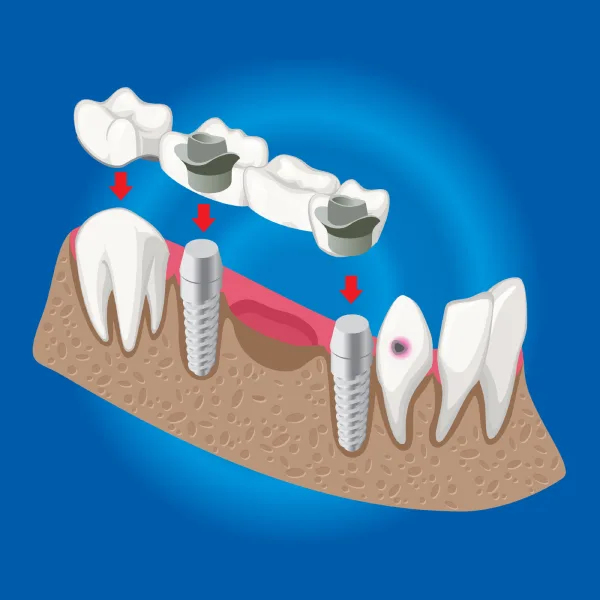
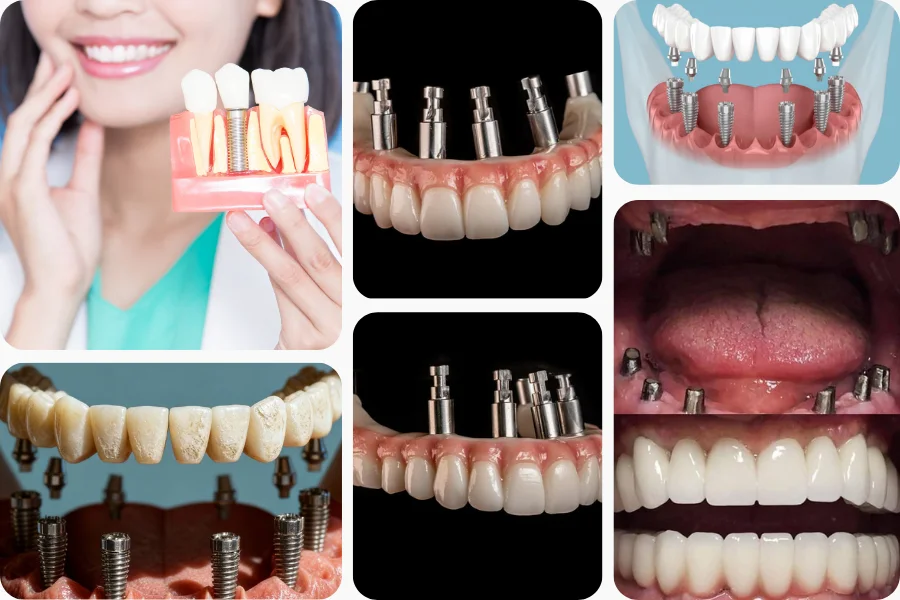
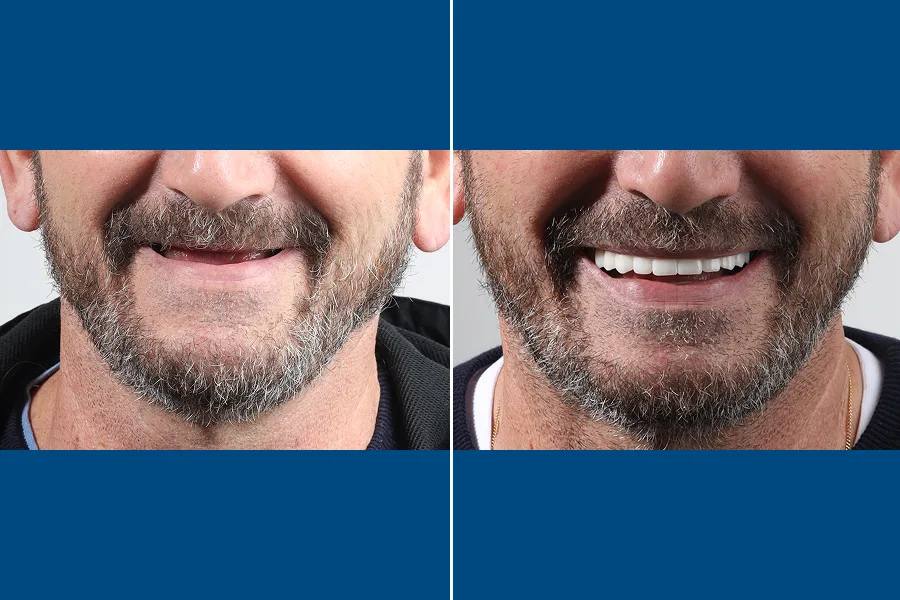
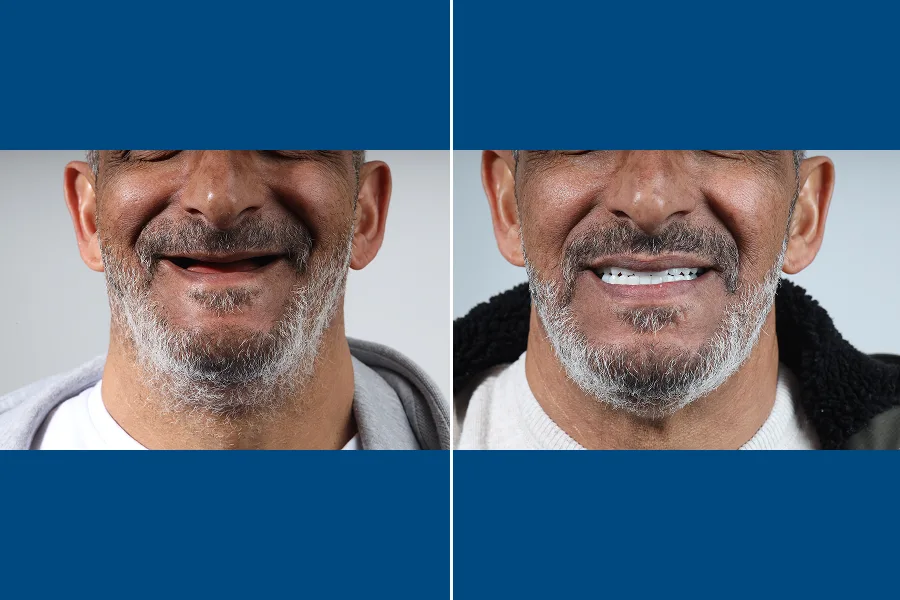
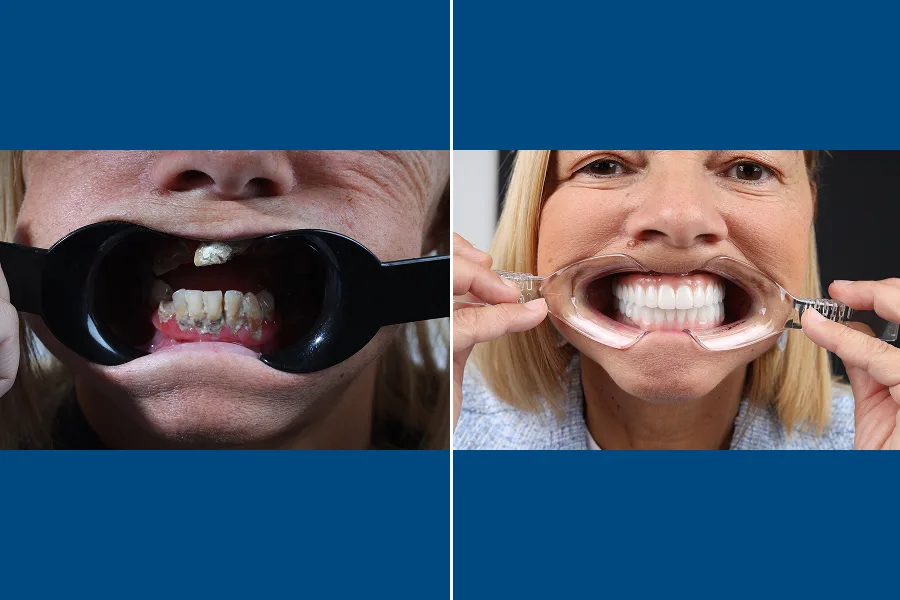
All-on-6 dental implants are a full-arch tooth replacement option for people who have lost most or all of their teeth, or whose remaining teeth are too damaged to keep. The treatment uses six dental implants placed in the jaw to support a fixed bridge, creating a secure set of replacement teeth that looks and works more like natural teeth.


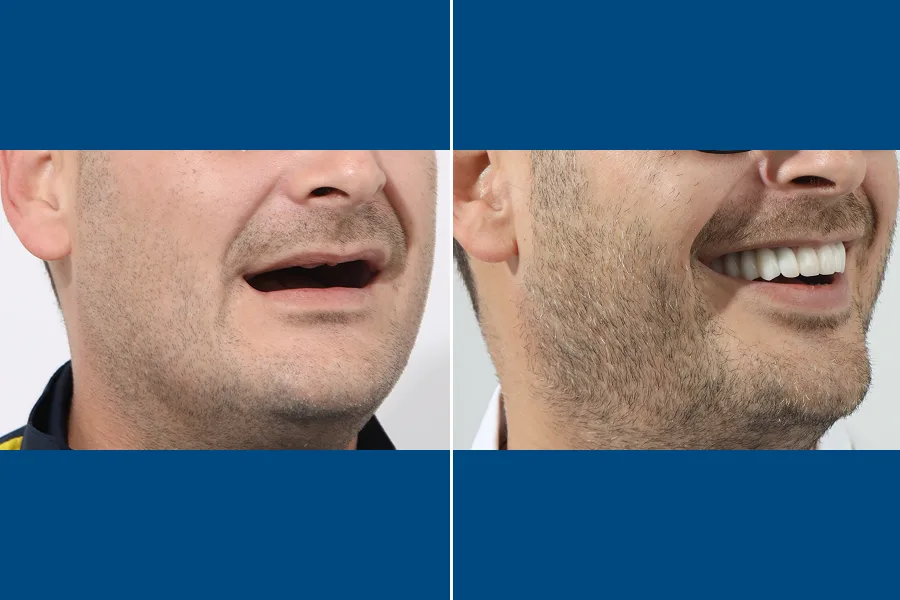
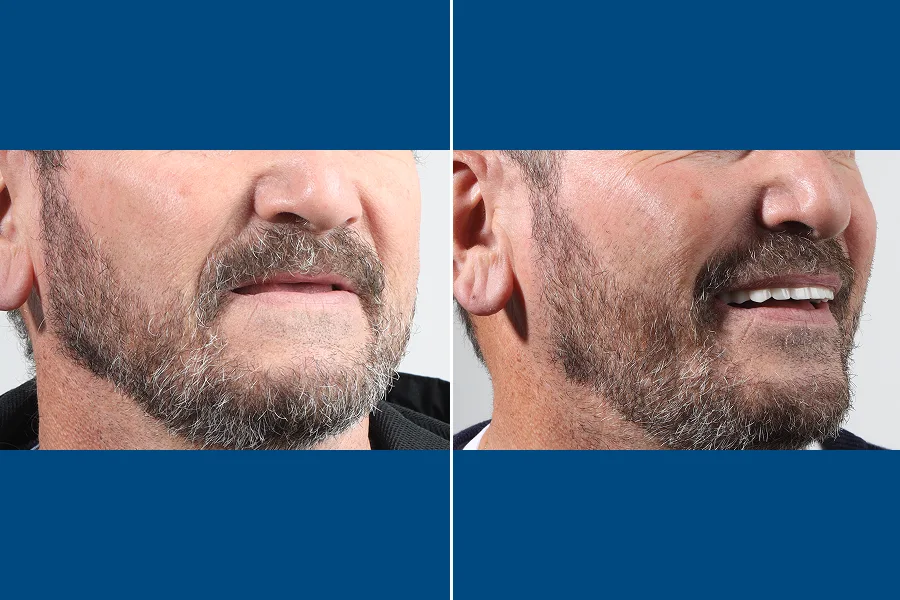
By using six implants instead of four, this approach can provide additional support and help distribute biting forces more evenly across the jaw. It is often recommended for patients who need extra stability, especially in areas with stronger bone volume. In many cases, a temporary fixed prosthesis is fitted first, followed by a final custom bridge after the implants have healed.

Who is All-on-6 Dental Implants for?

All-on-6 dental implants are best suited for people who need a full-arch tooth replacement and want a fixed, stable solution that feels more secure than removable dentures. This treatment is particularly appropriate for:


  • Adults who are missing most or all teeth in the upper or lower jaw, or who have several damaged or failing teeth that may need to be removed.
  • Denture wearers who want improved comfort, stronger biting ability, and more confidence when eating, speaking, and smiling.
  • Patients with sufficient jawbone to support six implants, or those who may still qualify after a detailed dental assessment and imaging.
  • Individuals in good general health who do not have uncontrolled medical conditions, and who are willing to maintain good oral hygiene and attend follow-up visits.

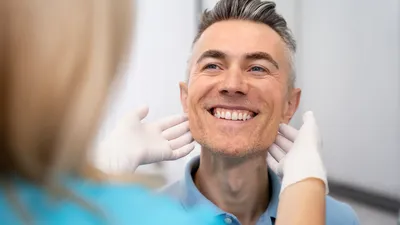
A full dental evaluation helps determine whether All-on-6 is the right option and supports safe, long-term treatment planning.

All-on-6 Dental Implants

How is All-on-6 Dental Implants done?

All-on-6 Dental Implants is a full-arch restoration method that replaces an entire upper or lower set of teeth using six dental implants to support a fixed bridge. It is often recommended for people who have lost most or all teeth in one arch, or whose remaining teeth cannot be saved. By spreading support across six implants instead of four, this approach can offer excellent stability and load distribution, especially in patients with adequate jawbone. In many cases, a temporary fixed bridge can be attached shortly after surgery, so you can leave with a functional and natural-looking smile while the implants heal.

  1. Consultation, Oral Assessment, and Digital Planning

    Treatment begins with a comprehensive evaluation of your teeth, gums, bite, and overall oral health. The dentist or implant surgeon reviews your medical history, discusses your goals, and checks whether you are a suitable candidate for a fixed full-arch solution. 3D scans, panoramic X-rays, photographs, and digital impressions are commonly used to measure bone volume, identify nerves or sinus spaces, and plan the exact implant positions. This planning stage also helps determine whether any teeth need extraction, whether bone grafting is necessary, and what the final bridge should look like.

  2. Anesthesia and Preparation for Surgery

    On the day of the procedure, the team prepares the mouth in a sterile setting and confirms the treatment plan. All-on-6 is usually performed under local anesthesia, often with sedation to help you stay relaxed. In selected cases, general anesthesia may be used. The gums and jaw are numbed thoroughly, and any surgical guides created during planning may be used to improve precision. If an immediate temporary bridge is planned, final measurements are checked before implant placement begins.

  3. Removing Unsalvageable Teeth and Preparing the Jaw

    If damaged, loose, or infected teeth are still present, they are carefully removed. The surgeon then cleans the area, removes unhealthy tissue if needed, and smooths or reshapes the bone to create a stable base for the implants and a better fit for the future bridge. This step is important because it helps improve both healing and the final appearance of the gums. If there is active infection, it is treated before or during the procedure to support a healthier implant environment.

  4. Placing the Six Implants Across the Arch

    The surgeon places six implants into carefully selected areas of the jawbone to support the full-arch prosthesis. In many cases, the implants are distributed from the front to the back of the arch to create broad, balanced support. Depending on your anatomy, some posterior implants may be placed at a slight angle to make the best use of available bone and avoid important structures. Each implant site is prepared with precision, and the implants are inserted and checked for primary stability, which is especially important if immediate loading is planned.

  5. Attaching Abutments and Fitting a Temporary Fixed Bridge

    After the implants are placed, the dentist attaches abutments, which are connector pieces that link the implants to the bridge. These components help correct angulation and create the proper path for the prosthesis. If the implants are stable enough, a temporary fixed bridge is attached on the same day or within the next few days. This temporary restoration allows you to smile and speak more normally during healing, but it is not the final set of teeth. You will usually need to follow a soft-food diet and avoid heavy biting while the implants integrate with the bone.

  6. Healing, Final Prosthesis, and Long-Term Maintenance

    Over the following 3 to 6 months, the implants heal and fuse with the jawbone through a process called osseointegration. During this time, you will attend follow-up visits so the dental team can monitor healing, check the bite, and make any needed adjustments to the temporary bridge. Once the implants are fully integrated, detailed impressions or digital scans are taken to create the final full-arch bridge, which may be made from materials such as zirconia or high-strength acrylic over a strong framework. The final prosthesis is designed for durability, comfort, and a natural appearance. You will also be shown how to clean around the bridge and implants properly, since long-term success depends on good oral hygiene and regular professional reviews.

Recovery and expectation?

Recovery after All-on-6 dental implants happens in stages, beginning with gum healing and continuing with the slower process of the implants bonding to the jawbone. Because six implants are used to support a full arch, the treatment is designed to provide strong long-term support, but the healing timeline is still gradual. Many patients leave with a fixed temporary bridge on the same day or shortly after surgery, which allows you to speak, smile, and eat a modified diet while the deeper healing continues.

  1. Immediate Post-Procedure Period (First 24–72 Hours)

    During the first few days, it is common to have swelling, soreness, mild bleeding or oozing, and some bruising around the cheeks or jaw. If teeth were removed or bone shaping was needed, these symptoms can be a little more noticeable. Your dental team will usually provide pain medication, and in some cases antibiotics or an antimicrobial mouth rinse. Cold compresses, rest, and keeping your head elevated can help reduce swelling. You will need to follow a soft, cool diet and avoid smoking, alcohol, vigorous rinsing, and heavy physical activity during this early period.

  2. Early Healing and Adjustment to Temporary Teeth (Days 3–10)

    Swelling often peaks around day 2 or 3, then gradually starts to settle. The gums may feel tender, tight, or slightly uneven as they heal around the implants and temporary bridge. It is also normal to need a short adjustment period for speech, chewing, and bite comfort. Many people are able to return to non-physical work within a few days, although this depends on the extent of surgery and how they feel. Gentle cleaning is important, usually with careful brushing and any rinses recommended by your dentist. Follow-up visits during this stage may be used to check healing, remove sutures if needed, and make small bite adjustments.

  3. Soft Tissue Recovery and Protected Function (2–4 Weeks)

    By the second to fourth week, most visible swelling and day-to-day discomfort have improved significantly. The gums usually begin to look healthier and feel more stable, although some sensitivity can still be present. At this point, many patients feel more comfortable socially and in daily routines, but the implants are still in an important healing phase. You can often broaden your diet slightly, but it remains essential to avoid hard, crunchy, sticky, or very chewy foods. The temporary bridge is meant to provide appearance and light function, not to handle full biting force while the implants are integrating.

  4. Osseointegration and Bone Healing (6–12 Weeks and Beyond)

    The key part of recovery is osseointegration, the process in which the six implants gradually fuse with the jawbone. This stage often happens without obvious symptoms, so even if you feel well, the implants still need protection from overload. Good oral hygiene, a careful diet, and regular review appointments are especially important during this time. Your dentist may monitor the gums, implant stability, and bite balance to make sure healing is progressing as expected. If you clench or grind your teeth, you may be advised to use a protective night guard later in the process to reduce stress on the restoration.

  5. Final Prosthesis Placement and Long-Term Recovery (3–6 Months)

    In many cases, the final full-arch bridge is placed after about 3 to 6 months, once the implants have shown good stability and the tissues have matured. The exact timing depends on bone quality, whether grafting was required, your general healing response, and the treatment plan used by the clinic. After the final bridge is fitted, chewing efficiency, comfort, and confidence often improve further. Some patients still need minor bite refinements or small gum contour adjustments. Long-term success depends on daily cleaning around the bridge, regular professional maintenance, and avoiding smoking or habits that place excessive force on the implants.

Why Choose Türkiye for All-on-6 Dental Implants?

Türkiye is a popular choice for All-on-6 dental implants because it brings together experienced implant teams, advanced digital planning, and more accessible treatment costs compared with many countries in Europe and North America. For patients who need a full-arch fixed restoration with strong support and long-term stability, clinics in Türkiye often offer a streamlined treatment journey that combines clinical precision with practical support for international visitors.

All-on-6 treatment involves placing six implants to support a full set of fixed teeth, so careful assessment is essential before surgery begins. Many Turkish clinics use 3D CBCT scans, digital intraoral scanning, and computer-guided implant planning to evaluate bone volume, sinus anatomy, bite alignment, and implant positioning. This detailed preparation helps reduce uncertainty and supports predictable outcomes, especially for patients traveling from abroad who want a clear plan before committing to treatment. If bone quality is reduced or additional procedures are needed, such as bone grafting or sinus lift evaluation, these options are usually discussed after a full clinical review.

  • Türkiye offers access to skilled oral surgeons, implantologists, and prosthodontic teams who regularly perform full-arch implant cases and understand the functional and aesthetic demands of All-on-6 treatment.
  • Many clinics use modern imaging systems, digital workflows, and in-house or closely partnered dental laboratories, which can improve planning accuracy and help speed up the production of temporary and final prostheses.
  • Patients often receive structured treatment plans that explain whether extractions, gum treatment, bone support procedures, or staged healing periods are needed before the final bridge is placed.
  • Clinics commonly focus on sterilization protocols, sedation options, and post-operative care, with guidance on swelling control, oral hygiene, diet, and protecting the implants during healing.
  • Cost advantages make full-mouth implant rehabilitation more attainable for many patients, often with transparent packages covering consultation, imaging, surgery, temporary teeth, and follow-up visits.
  • Türkiye’s well-developed medical travel infrastructure helps patients organize airport transfers, accommodation, interpreters, and appointment scheduling more easily.

Another reason patients choose Türkiye is the attention many clinics give to the full treatment experience, not only the surgery itself. All-on-6 cases often require coordination between diagnostics, implant placement, temporary restoration, and final prosthetic design. Turkish providers that work frequently with international patients are often experienced in arranging these stages efficiently while still allowing time for healing and bite adjustments. This can be especially valuable for people who want a fixed smile solution with a clear timeline and practical communication throughout the process.

Aftercare is also an important part of successful All-on-6 treatment. Patients usually receive instructions on cleaning around the bridge, using recommended hygiene tools, attending follow-up checks, and recognizing signs that need professional review. Long-term success depends on implant integration, bite balance, prosthesis quality, and regular maintenance, so clinics that emphasize follow-up support can offer added reassurance.

Türkiye’s strong position in the global health tourism market reflects years of investment in private dental clinics, international patient coordination, and high-volume clinical experience. By welcoming large numbers of overseas patients each year, the country has built a reputation for organized care, modern facilities, and dependable service. This success in health tourism is one of the main reasons many patients feel confident choosing Türkiye for All-on-6 dental implants.

All-on-6 Dental Implants

Frequently Asked Questions about All-on-6 Dental Implants

Page Contributors

Heal Road Medical Reviewer

Heal Road Medical Reviewer

Medical Reviewer

Views
1410 views
Reading Time
Last Updated

Related Articles

Guides and insights connected to this treatment.

A Step-by-Step Guide to All-on-6 Dental Implants in Turkey

A Step-by-Step Guide to All-on-6 Dental Implants in Turkey

All-on-6 dental implants offer a reliable, long-lasting solution for patients seeking full-arch tooth replacement. This advanced procedure uses six strategically placed implants to support a full set of prosthetic teeth, providing enhanced stability and function compared to traditional dentures. Turkey has emerged as a leading destination for All-on-6 dental implants, thanks to its highly qualified dental professionals, modern clinics, and affordable prices. This step-by-step guide will help you navigate the All-on-6 implant process in Turkey, from initial consultation to final restoration, ensuring you are well-prepared for your dental journey.
9 min 905 reads
Sep. 20, 2025
Can Dental Treatments Be Done with Sedation?

Can Dental Treatments Be Done with Sedation?

Yes, many dental treatments can be done with sedation. It uses medication to help you relax and reduce anxiety (it’s different from local anaesthetic, which numbs the area, and you’ll usually still need local anaesthetic even with sedation). Sedation may be recommended for dental phobia, strong gag reflex, difficulty sitting still, special healthcare needs, or long/complex treatment. Common options include minimal sedation (nitrous oxide or tablets), moderate/conscious sedation (often IV), and in selected cases deep sedation or general anaesthesia (typically for major surgery or severe anxiety, with higher monitoring needs). It’s generally safe when delivered by trained teams with proper screening and monitoring, but it carries risks like nausea, dizziness, low oxygen levels, or deeper-than-intended sedation. Risk can be higher with conditions such as sleep apnoea, severe obesity, heart/lung disease, pregnancy, or use of opioids/alcohol/sedating meds. After oral/IV sedation you’ll usually need an escort and may be told not to drive, drink alcohol, or make important decisions for a period. Before booking, ask which type is recommended, who administers it, what monitoring is used, what fasting rules apply, how recovery works, and what restrictions you’ll have afterward.
4 min 524 reads
Feb. 14, 2026
What Affects the Long-Term Success of Dental Treatments?

What Affects the Long-Term Success of Dental Treatments?

Long-term dental results depend on more than the treatment itself. Success comes from how well your teeth, gums, bite, and daily habits work together over time. Fillings, crowns, implants, root canals, and orthodontic work can last for many years, but each has risk factors that may lead to repair or replacement. The biggest drivers of longevity are oral hygiene and gum health. Consistent plaque control, professional cleanings, and early treatment of gum disease reduce decay around restorations and lower implant complication risk. Smoking and active periodontal disease are linked to higher rates of implant problems and tooth loss. Bite forces and tooth strength also matter. Grinding (bruxism), cracks, large fillings, and heavy bite loads can shorten the life of crowns and restorations, and may require bite adjustments, stronger materials, or a night guard. For implants, excess force combined with poor plaque control can contribute to bone loss. Finally, outcomes depend on good diagnosis, technique, and materials, plus your general health. Diabetes, dry mouth, and certain medications can affect healing and increase decay risk. Regular follow-ups and X-rays when needed help catch small issues early before they become major failures.
4 min 478 reads
Feb. 13, 2026
How Many Clinics Will Review My Case?

How Many Clinics Will Review My Case?

In most cases, your file may be reviewed by more than one clinic, but the number depends on the service, how complete your records are, and how complex your needs are. Matching/referral programs usually share your case with clinics that fit your diagnosis, location preferences, budget, and timeline, sometimes with several clinics at once and sometimes starting with a short shortlist. Clinics decide whether to review or accept a case based on scope, specialist availability, safety, and whether key documents are included (recent imaging, reports, operative notes, doctor summary). Straightforward cases with flexible preferences can be reviewed by multiple clinics quickly, while highly specialised or complex cases may be reviewed by fewer clinics and can take longer because multiple departments may need to weigh in. You can influence the process by stating priorities (broad search vs one centre/surgeon) and sending complete records early. Also note that “review” can mean a quick eligibility screen or a deeper second opinion/treatment plan, with different timelines and fees. Finally, a review doesn’t guarantee acceptance; it’s meant to find the safest, most appropriate options and set realistic expectations.
4 min 397 reads
Feb. 12, 2026

How It Works?

File-up

Create Your
Treatment Request

Complete the form in less than 2 minutes.

Receive Offers
Privately

Offers are prepared by verified clinics without sharing your personal information.

Compare &
Choose

Review transparent pricing and package details side-by-side.

We Plan the
Entire Journey

Appointments, transfers, accommodation, and city tours are organized for you.

Your Advantages with HealRoad

Instant Offers icon

Instant Offers

Receive and compare treatment offers from top clinics within minutes—no waiting list.

Transparent Fixed Price icon

Transparent Fixed Price

Keep your budget under control with all-inclusive packages, free from hidden extra costs.

24/7 Personal Coordinator icon

24/7 Personal Coordinator

From flight booking to full recovery, get dedicated guidance whenever you need assistance.

Botan

Botan

Personal Heal Road Manager

From Discovery

to Recovery

Coordinator

WhatsApp quick contact

Coordinator

Emin

Personal Heal Road Manager

About

I am here to assist you throughout your entire medical journey with Heal Road.

By continuing, you’ll be redirected to WhatsApp.