
HealRoad Articles Hero

Discover, Heal, Thrive: HealRoad Articles

Welcome to HealRoad Articles

Explore insights into world-class healthcare and the beauty of Türkiye. From expert tips on treatments to travel guides, our articles are your companion on the journey to wellness and discovery.

Searching...
35 articles found
More filters Clear filters
Comparison

Topic

Intent

Journey Stage

Concern

Travel Context

How Most Patients Choose the Wrong Clinic in Türkiye (And How to Choose the Right One)

Choosing a clinic in Türkiye can feel easier than it actually is.

You open a few websites, scroll through social media, read some reviews and quickly start forming an opinion.

Some clinics look more professional. Some feel more trustworthy. Some seem more popular.

And without realizing it, you start making a decision based on what you see.

But this is where many patients go wrong.

Because what looks convincing online does not always reflect what is right for your treatment.

3-minute reading 2516 reading
How Most Patients Choose the Wrong Clinic in Türkiye (And How to Choose the Right One)

5 Things to Check Before Booking a Clinic in Türkiye

Choosing a clinic in another country is a major decision, and the process can feel overwhelming at first. Many patients compare prices, reviews, or before-and-after photos, but these details alone are not always enough to understand the full picture. A safer and more confident decision usually comes from looking at the practical factors behind the offer, including who will perform the treatment, how clearly the plan is explained, and what kind of support is provided before and after the visit.

Türkiye has become one of the most searched destinations for dental and medical treatment, offering experienced clinicians, modern facilities, and competitive prices. Still, not every clinic is the right fit for every patient. Before confirming a booking, it is worth slowing down and checking a few essential details that can directly affect safety, comfort, and the overall treatment experience.

4-minute reading 3160 reading
5 Things to Check Before Booking a Clinic in Türkiye

Regenera Activa: The stem-cell boost your hair transplant needs.

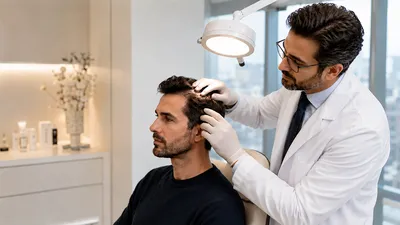
Regenera Activa is a non-surgical treatment that uses a small sample of your own scalp tissue to create a cell-rich solution, which is then injected into areas of thinning hair. It is often discussed alongside hair transplantation because the goal is different: a transplant moves healthy follicles, while Regenera Activa aims to support existing miniaturizing hairs and improve scalp conditions around them.

For some people, that makes it a useful add-on rather than a replacement. It may be offered before a transplant to stabilize ongoing hair loss, or after a transplant to support the appearance of native hair around the grafted area. Results vary, and the treatment is generally considered most suitable for early to moderate androgenetic hair loss rather than advanced baldness.
3-minute reading 70 reading
Regenera Activa: The stem-cell boost your hair transplant needs.

Can I Get a Hair Transplant Without Shaving My Head? The truth about "No-Shave" FUE

Yes, in some cases you can have a hair transplant without shaving your whole head. This is usually called a no-shave or unshaven FUE procedure. Instead of clipping the entire scalp, the surgeon may trim only a small donor area that can be hidden by surrounding hair, or leave the recipient area unshaven. For the right patient, this can make the procedure easier to keep private while reducing the dramatic short-term change in appearance.

That said, no-shave FUE is not a separate type of transplant and it is not suitable for everyone. It is still follicular unit extraction, with the same basic goals, limits, and healing process. The main difference is how much hair is trimmed to allow graft removal and placement. Whether it is possible depends on your hairstyle, hair length, donor density, the number of grafts needed, and your surgeon's technique.

The most important point is simple: no-shave does not mean no evidence of surgery. Tiny scabs, redness, and temporary shedding can still happen, and larger sessions are often harder to perform efficiently without some trimming. A good consultation should focus less on the label and more on what can realistically be achieved safely and naturally in your case.

4-minute reading 132 reading
Can I Get a Hair Transplant Without Shaving My Head? The truth about "No-Shave" FUE

Manual vs. Micromotor: Does the tool used for extraction change the final result?

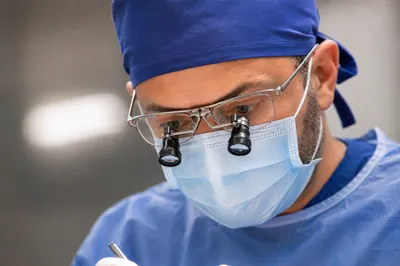
In hair transplantation, grafts can be removed with a manual punch or with a motorized micromotor punch. Patients often assume the device itself determines the outcome, but the final result depends far more on planning, surgeon skill, graft handling, and whether the chosen punch matches the hair and scalp characteristics. In other words, the tool matters, but technique matters more.

Both methods are used in follicular unit extraction, or FUE. A manual punch is advanced by hand, while a micromotor rotates or oscillates the punch with mechanical assistance. Each approach has strengths and trade-offs in speed, control, and tissue handling. The key question is not which tool sounds more advanced, but which method is most appropriate for the individual case and is used well.
3-minute reading 108 reading
Manual vs. Micromotor: Does the tool used for extraction change the final result?

FUE vs. FUT: Why modern clinics have stopped using the "strip" method
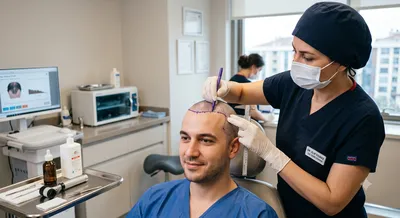
FUE and FUT are the two main surgical techniques used in hair transplantation. FUT, often called the strip method, removes a narrow strip of scalp from the back of the head so grafts can be prepared under a microscope. FUE removes follicular units one by one with a small punch. Both methods can move permanent hairs into thinning areas, but they differ in scarring, recovery, and how the donor area is managed.Many modern clinics now favor FUE for most patients. That shift is not because FUT never works. It is because patient priorities have changed, surgical tools have improved, and FUE often offers a more flexible, less invasive experience with no linear scar. Even so, the best method still depends on hair characteristics, donor supply, styling habits, and the skill of the surgical team.
4-minute reading 228 reading
FUE vs. FUT: Why modern clinics have stopped using the "strip" method

Sapphire FUE vs. DHI: Which is the best hair transplant method for you?
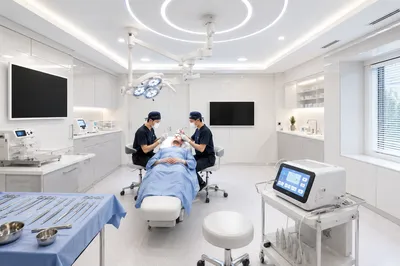
For many individuals experiencing hair loss, modern medicine offers natural and permanent solutions. However, the biggest confusion often arises when it comes to choosing the right technique. Sapphire FUE and DHI (Direct Hair Implantation) are two of the most popular and successful methods today. But what are the fundamental differences between these two technologies, and which one suits your hair structure better? In this guide, we will examine both methods in depth to help you make the right decision.
4-minute reading 180 reading
Sapphire FUE vs. DHI: Which is the best hair transplant method for you?

Which City in Turkey Is Best for Dental Treatment?

Turkey has become a popular destination for dental care because treatment can be more affordable than in many parts of Europe, North America, and the Gulf. Patients often ask which city is best, but the answer depends on the type of treatment you need, the clinic's standards, the dentist's experience, and how easy the city is for travel and follow-up. In practice, Istanbul is usually the top choice for the widest range of dental services, while Antalya, Izmir, and Ankara may suit some patients better depending on budget, convenience, and whether they want a holiday-style stay. The best city is the one where you can find a well-qualified dental team, clear communication, strong infection control, and a realistic treatment plan.
4-minute reading 1276 reading
Which City in Turkey Is Best for Dental Treatment?

How Many Clinics Will Review My Case?

In most cases, your file may be reviewed by more than one clinic, but the number depends on the service, how complete your records are, and how complex your needs are. Matching/referral programs usually share your case with clinics that fit your diagnosis, location preferences, budget, and timeline, sometimes with several clinics at once and sometimes starting with a short shortlist. Clinics decide whether to review or accept a case based on scope, specialist availability, safety, and whether key documents are included (recent imaging, reports, operative notes, doctor summary). Straightforward cases with flexible preferences can be reviewed by multiple clinics quickly, while highly specialised or complex cases may be reviewed by fewer clinics and can take longer because multiple departments may need to weigh in. You can influence the process by stating priorities (broad search vs one centre/surgeon) and sending complete records early. Also note that “review” can mean a quick eligibility screen or a deeper second opinion/treatment plan, with different timelines and fees. Finally, a review doesn’t guarantee acceptance; it’s meant to find the safest, most appropriate options and set realistic expectations.
4-minute reading 1876 reading
How Many Clinics Will Review My Case?

What Is the Best Country for Dental Work?

There isn’t one “best country” for dental work. The best choice depends on the treatment you need, your budget, how easily you can access follow-up care, and how confidently you can verify a clinic’s quality. Savings abroad can be real for higher-cost work like implants, crowns, veneers, and full-mouth rehabilitation, but outcomes depend more on the dentist, materials, infection control, and aftercare planning than the country name. Start by getting a clear diagnosis at home (written plan + X-rays), then compare overseas quotes on the same scope of work. Be cautious with unusually low prices for complex procedures that require careful planning and healing time. Popular dental tourism destinations include Mexico, Costa Rica, Colombia, Turkey, Hungary, Poland, Thailand, Vietnam, and India, but quality varies within every country. When comparing options, focus on: clinician credentials for your procedure, sterilisation standards, traceable implant/material brands, access to CBCT imaging when needed, clear documentation you understand, realistic timelines, and a solid plan for aftercare once you return home. Finally, calculate total cost including travel, accommodation, time off work, insurance limits, and possible return visits. In many cases, the best value is where standards are verifiable and follow-up is straightforward.
4-minute reading 2305 reading
What Is the Best Country for Dental Work?

Is It Worth Getting Your Teeth Done in Turkey?

Getting your teeth done in Turkey can be worth it for some people, mainly because prices for cosmetic and restorative dentistry are often lower than in the UK, Ireland, parts of Europe, and North America. Many clinics also package treatment with accommodation and transfers, which can make planning feel simpler. But value is not just the upfront cost. The real question is whether the treatment plan is appropriate, the materials and lab work are high quality, and you can access safe aftercare if something goes wrong. Dental work is medical care, and complications can be expensive and stressful to fix once you are back home.
4-minute reading 1980 reading
Is It Worth Getting Your Teeth Done in Turkey?

How Much Is a Full Set of Dental Crowns in Turkey?


A “full set of dental crowns in Turkey” can be an affordable way to upgrade your smile, but the real cost depends on more than the per-crown headline price. It changes with how many teeth you are treating (some mean 20, others 24 to 28), the crown material (for example zirconia vs PFM), and whether you also need gum treatment, root canals, or bite correction. Because crowns are irreversible and often take at least two stages (prep and scans, then fitting), it is important to compare quotes based on a full, itemised plan. In this guide, we break down what is usually included, what can raise the total budget, how long treatment typically takes, and the key quality checks and aftercare questions to ask before committing to a full-mouth crown plan.
4-minute reading 2080 reading
How Much Is a Full Set of Dental Crowns in Turkey?

Coordinator

WhatsApp quick contact

Coordinator

Emin

Personal Heal Road Manager

About

I am here to assist you throughout your entire medical journey with Heal Road.

By continuing, you’ll be redirected to WhatsApp.