Clear procedure guidance
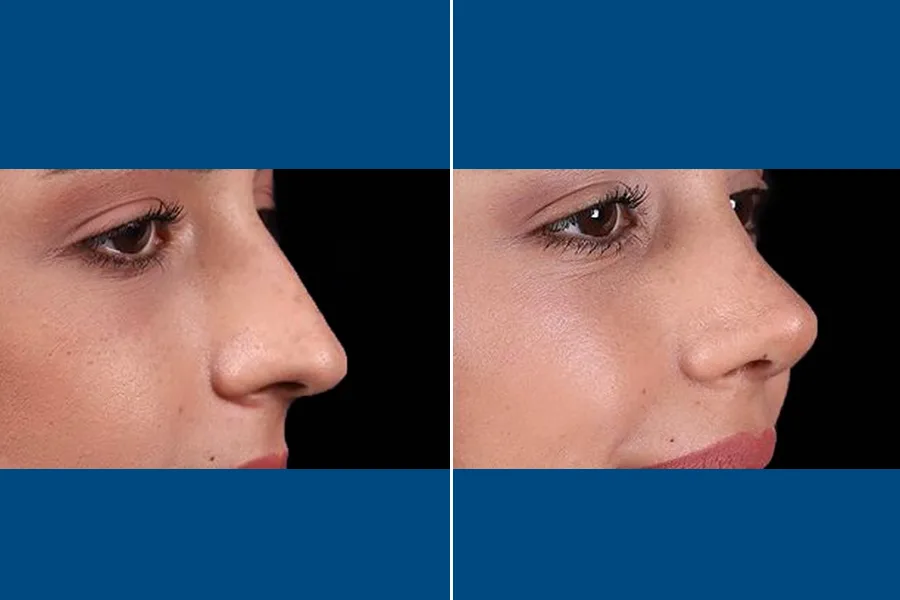
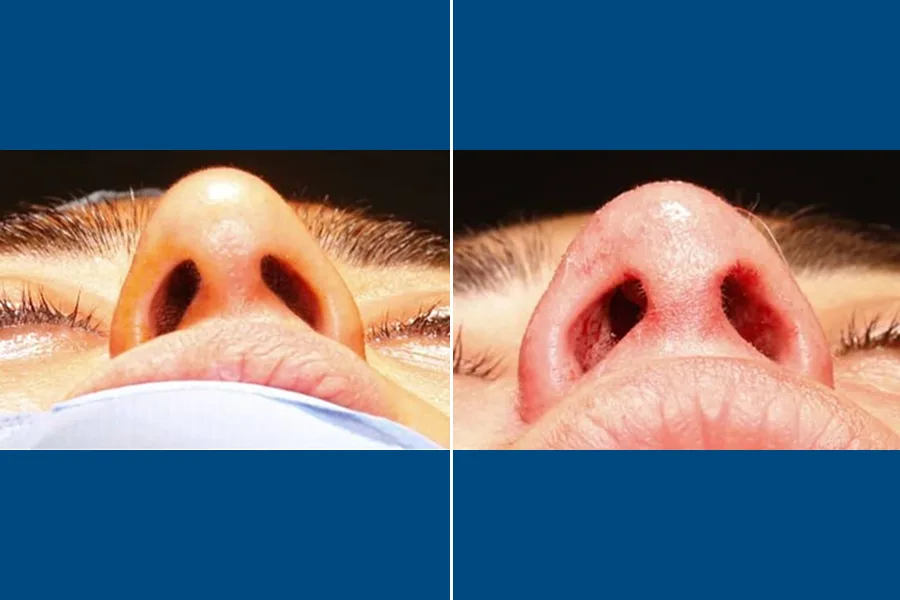
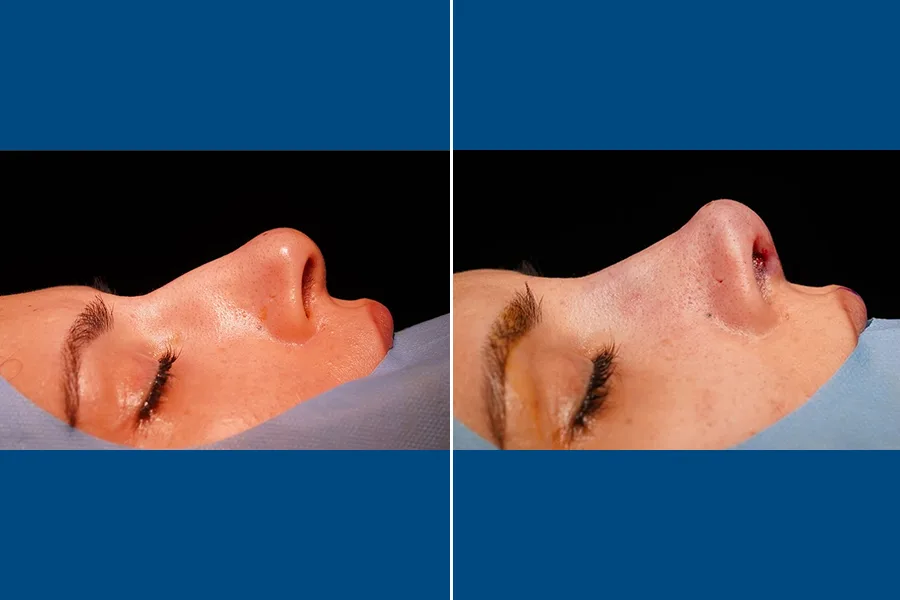
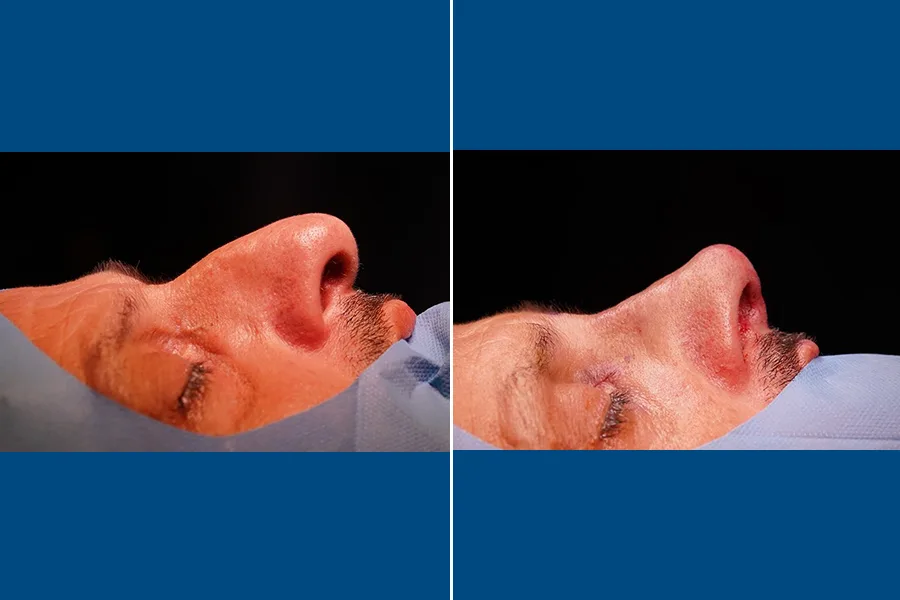
Rhinoplasty, commonly known as a "nose job," is a surgical procedure focused on reshaping or resizing the nose to improve its appearance or function.…
Plastic Surgery · Rhinoplasty
Genel
Anesthesia
2–4 sn
Duration
7–14 g
Recovery
Orta
Pain Level
Minimal
Scarring
%85–90
Success Rate
Plastic Surgery
Surgical nose reshaping to improve facial harmony and breathing, with treatment tailored to nasal structure and aesthetic goals.
Rhinoplasty, commonly known as a "nose job," is a surgical procedure focused on reshaping or resizing the nose to improve its appearance or function. This treatment addresses a range of concerns, including correcting structural deformities, refining the nasal tip, altering the bridge, or resolving breathing difficulties caused by congenital issues or injury.
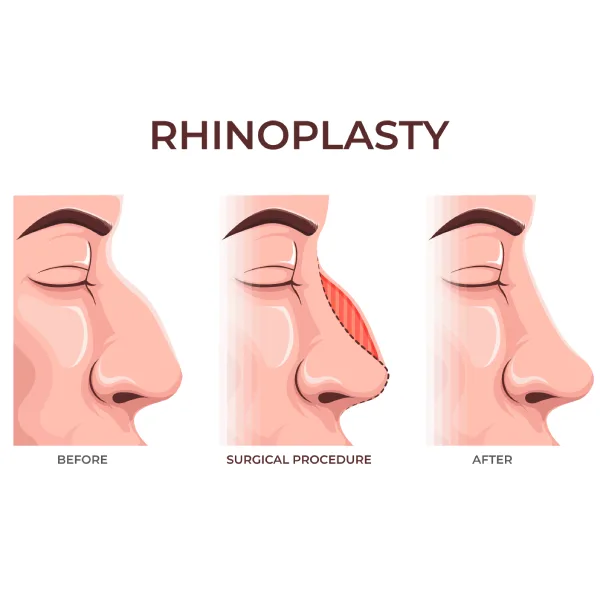
During rhinoplasty, surgeons carefully modify bone, cartilage, and soft tissue to achieve the desired shape and symmetry. The procedure can be performed using open or closed techniques, depending on the complexity of the case. Rhinoplasty offers both cosmetic and functional benefits, enhancing facial harmony while potentially improving nasal airflow and overall respiratory health.
Rhinoplasty is well-suited for individuals who wish to enhance the appearance or function of their nose. This procedure is particularly appropriate for:
Rhinoplasty offers personalized solutions for both aesthetic and functional nasal concerns, helping patients achieve improved confidence and quality of life.
Benefits
Use these points to compare Rhinoplasty options with clearer expectations before speaking with clinics.
Rhinoplasty, commonly known as a "nose job," is a surgical procedure focused on reshaping or resizing the nose to improve its appearance or function.…
3 active clinic options are connected to this treatment on HealRoad.
Use the treatment estimate as a starting point, then refine it with your medical needs and travel details.
A HealRoad coordinator helps compare clinic options, next steps, and quote details before you commit.
Rhinoplasty, commonly known as a "nose job," is a surgical procedure designed to reshape or enhance the structure of the nose for aesthetic or functional reasons. Whether you seek to improve breathing, correct congenital or traumatic deformities, or refine your nose’s appearance, rhinoplasty is a highly personalized treatment tailored to your unique facial features and goals.
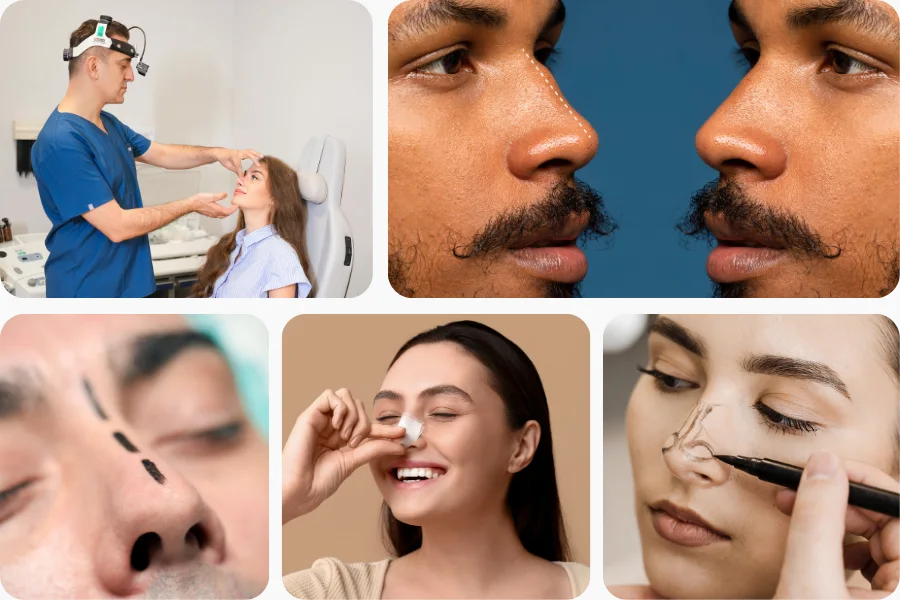
The process begins with an in-depth consultation with your plastic surgeon. Your facial anatomy, skin quality, and nasal structure are carefully evaluated. Advanced imaging or digital simulations may be used to visualize potential outcomes and align expectations. The surgeon will discuss your goals and recommend the most suitable surgical approach.
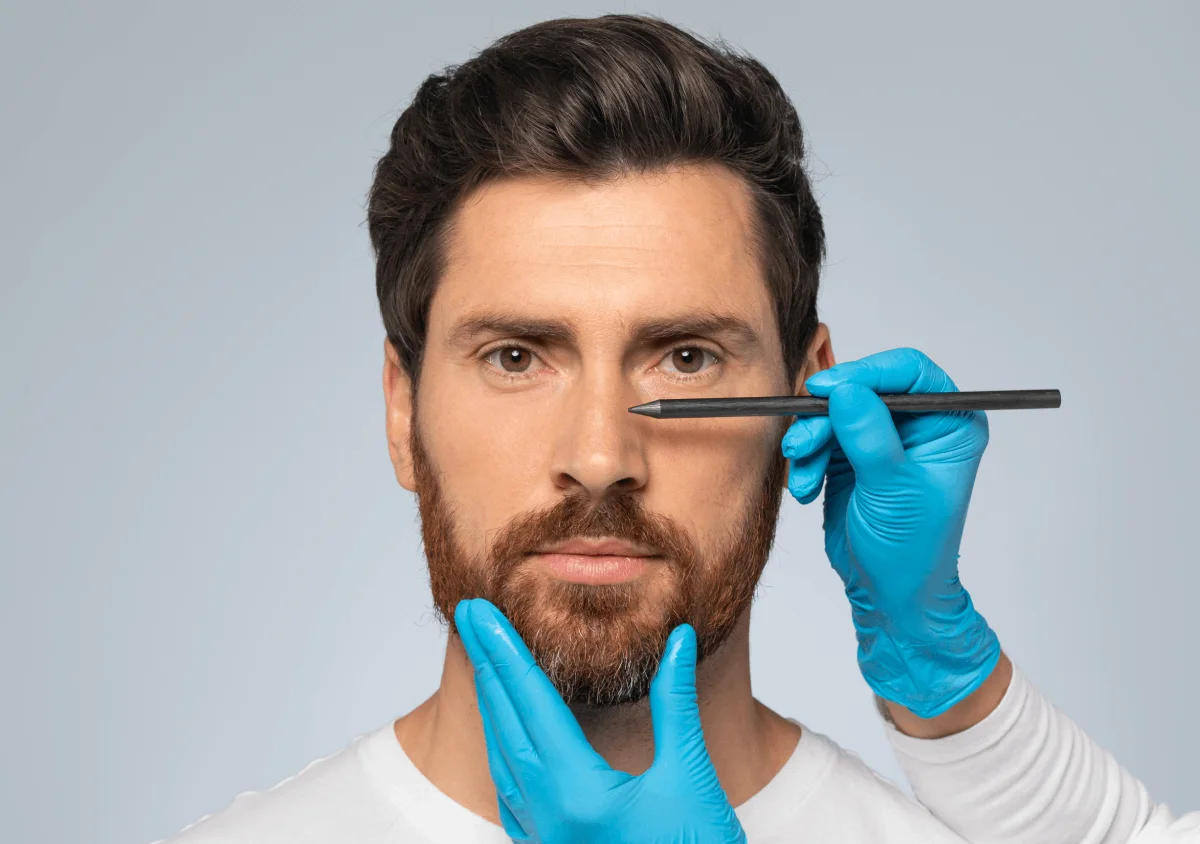
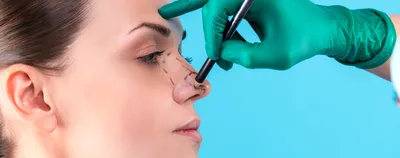
On the day of surgery, you will receive either general anesthesia or local anesthesia with sedation to ensure your comfort. The surgical area is cleansed and prepped, and the surgeon marks the nose to guide precise modifications.
The surgeon performs either an open rhinoplasty (with a small incision across the columella, the tissue between the nostrils) or a closed rhinoplasty (with incisions hidden inside the nostrils). The choice depends on the complexity of the changes required.
The underlying bone and cartilage are carefully sculpted to achieve the desired shape. This may involve removing, repositioning, or adding tissue (sometimes using cartilage grafts from the septum, ear, or rib). If functional issues are present, such as a deviated septum, these are corrected to improve breathing.
Once reshaping is complete, the skin and tissue are redraped over the new nasal framework, and incisions are meticulously closed. A splint or cast is applied to support the nose as it heals, and soft packing may be placed inside the nostrils to stabilize the septum.
You will receive detailed aftercare instructions to manage swelling, bruising, and discomfort. Follow-up visits are scheduled to monitor healing and remove splints or sutures. Most patients can return to normal activities within 1–2 weeks, with final results becoming apparent as swelling gradually subsides over several months.
The recovery journey after rhinoplasty (nose reshaping surgery) is a gradual process, with each stage bringing you closer to your desired results. Understanding the typical recovery timeline will help you prepare, set realistic expectations, and optimize your healing for the best possible outcome.
In the first week, you can expect swelling, bruising, and mild discomfort around the nose and eyes. A nasal splint and sometimes internal packing are typically used to support the new shape. It is important to keep your head elevated, apply cold compresses as advised, and avoid strenuous activities. Most patients can return to light daily tasks within a few days, but visible bruising may persist.
Around one week after surgery, your surgeon will typically remove the nasal splint and any external sutures. Swelling and bruising will begin to subside, and you may notice an improvement in nasal appearance. Many patients feel comfortable returning to work or social activities at this stage, though some residual swelling and minor bruising may remain.
During this period, most of the visible bruising resolves, and swelling continues to decrease. You should still avoid heavy exercise, contact sports, and wearing glasses directly on the nose. Gentle cleansing and following your surgeon’s care instructions are crucial for optimal healing. Nasal congestion and mild numbness are common but usually improve with time.
By this stage, the majority of swelling has resolved, and the nose begins to refine in shape. Subtle swelling especially at the tip may persist but is generally only noticeable to you and your surgeon. Most patients can safely resume all normal activities, including exercise. Your nose will continue to settle and mature in appearance.
Full healing and the final shape of your nose typically become apparent within 6 to 12 months after surgery. Any lingering swelling will resolve, and your nose will achieve its permanent contour. Regular follow-up visits with your surgeon are important to monitor your progress and address any concerns.
Türkiye stands out as a premier destination for rhinoplasty, offering a unique blend of medical expertise, cutting-edge technology, and affordable pricing. Renowned for its highly trained plastic surgeons and world-class clinics, Türkiye has become a top choice for those seeking to enhance their appearance with natural-looking results.
Turkish plastic surgeons are internationally recognized for their artistic approach and meticulous attention to detail in rhinoplasty procedures. Whether you desire subtle refinement or a transformative change, Türkiye’s clinics provide personalized treatment plans tailored to your facial features and aesthetic goals, ensuring harmonious and balanced outcomes.
Türkiye’s leadership in health tourism is reflected by the millions of international patients it welcomes each year. With its reputation for excellence in cosmetic surgery, Türkiye ensures that your rhinoplasty journey is safe, rewarding, and supported by trusted medical professionals in a welcoming environment.
Start with Rhinoplasty selected. Adjust the answers below to refine the average estimate shown above.
Your estimate will appear here.
Rhinoplasty swelling usually improves in stages. Most patients notice a clear reduction within the first 2–4 weeks, with the nose looking much less puffy by about 4–6 weeks.
Typical swelling timeline:
Swelling can last longer if you had thick skin, a tip-focused procedure, or revision rhinoplasty. Your surgeon can tell you what’s typical for your anatomy and technique.
After Rhinoplasty, many patients feel comfortable returning to desk work or low-key public activities in about 7–10 days, once the splint is removed and the most noticeable swelling/bruising has improved.
Typical timeline (varies by person and technique):
You may want more time if your job involves heavy lifting, lots of public-facing interaction, or if you bruise easily. Your surgeon will give personalized guidance based on whether you had an open vs. closed approach and any additional procedures (e.g., septoplasty).
After Rhinoplasty, it’s normal to have bruising and swelling around the nose and especially under the eyes ("black eyes"). Bruising is usually most noticeable in the first few days and then gradually fades.
Typical timeline:
How much bruising you get depends on factors such as whether nasal bones are repositioned (osteotomies), your individual tendency to bruise, medications/supplements that thin blood (e.g., aspirin/NSAIDs), and smoking.
Contact your surgeon urgently if bruising is rapidly worsening, very one-sided with increasing pain/pressure, you have vision changes, or there is significant bleeding—these are not typical and need prompt assessment.
After Rhinoplasty, an external nasal splint/cast is most commonly worn for about 5–7 days, and it is usually removed at your first postoperative visit.
Timing can vary based on your procedure and your surgeon’s preference:
Keep the splint dry and in place until your surgeon removes it. Contact your clinic sooner if it becomes loose, causes worsening pain/pressure, you develop fever, or you have persistent heavy bleeding.
Rhinoplasty scars are usually minimal and often hard to see, because most incisions are placed in natural creases or inside the nose.
Where scars are located depends on the technique:
Scar visibility can vary based on skin type, healing tendency, and how well you follow aftercare (e.g., keeping the area clean, avoiding sun exposure, and attending follow-ups). If you have a history of thick or raised scars, tell your surgeon in advance.
After Rhinoplasty, most people can return to light activity (easy walking) within 24–48 hours, but you should avoid anything that raises your heart rate or blood pressure too much in the first couple of weeks because it can increase swelling and the risk of bleeding.
A common timeline (your surgeon’s plan may differ) is:
Stop and contact your clinic if you develop fresh bleeding, worsening pain, significant swelling, or a feeling of pressure during exercise. Always follow your surgeon’s specific restrictions, especially if you had osteotomies (nasal bone work) or a more complex revision procedure.
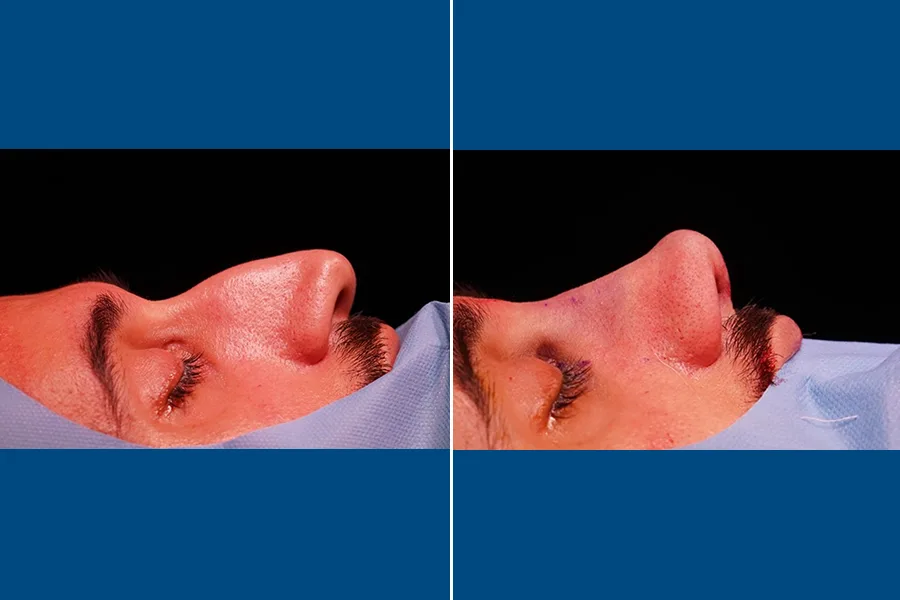
Rhinoplasty results appear gradually as swelling settles. Most patients see a clear “new nose” shape by about 6–12 weeks, but the final result typically takes around 12 months—and sometimes up to 18 months for thicker skin or more complex revisions.
A typical healing timeline looks like this:
Swelling often resolves unevenly, and the tip is usually the last area to fully refine. Your surgeon will guide you on what’s normal for your specific procedure and skin type.
After Rhinoplasty, it’s very common to feel blocked or more congested than usual. This is usually temporary and related to post-operative swelling, internal healing, and sometimes splints/packing.
Common temporary breathing or congestion changes include:
Typical improvement timeline:
Contact your surgeon promptly if you have worsening blockage after initial improvement, fever, increasing pain, foul-smelling drainage, heavy bleeding, or signs of a septal hematoma (rapid severe blockage with significant pressure), as these may need urgent assessment.
After Rhinoplasty, most restrictions focus on protecting the healing nasal bones/cartilage, reducing swelling, and avoiding pressure on the nose. Your surgeon’s instructions always come first, especially if you had osteotomies (nasal bone work) or a septoplasty.
Typical post-op care restrictions include:
Also commonly advised: avoid strenuous exercise, bending/heavy lifting, and anything that raises blood pressure for about 2 weeks; avoid blowing your nose until cleared; and avoid any risk of trauma (contact sports) for several weeks. Contact your clinic urgently if you have heavy bleeding, fever, worsening one-sided swelling, or severe pain not controlled with prescribed medication.
Rhinoplasty pricing in a health-tourism setting can vary widely because the total quote often bundles multiple components (and sometimes excludes others). The main factors that influence the overall cost include:
To avoid surprises, ask for an itemized quote that clearly states what is included (surgeon, facility, anesthesia, medications, follow-ups) and what is excluded (extra nights, revision policy, complication-related care, or additional procedures).
Compare verified clinic profiles connected to this treatment.
Patient reviews
These reviews are linked to Rhinoplasty and published from clinic review sources.
I had been self-conscious about my nose since I was a teenager. The surgeon listened carefully to what I wanted, and the result is absolutely perfect! It looks natural and fits my face so well. I feel much more confident now!
Read original reviewMy nose turned out exactly how I wanted! The shape is perfect, and my breathing is much better now. The doctor was very patient and listened to all my concerns. I am very happy with the results!
Read original reviewAfter doing a lot of research, I chose Estetik International for my rhinoplasty and chin augmentation. I was nervous, but the whole team made me feel at ease. My face now has better proportions, and I look more balanced. Thank you for your amazing work!
Read original reviewGuides and insights connected to this treatment.