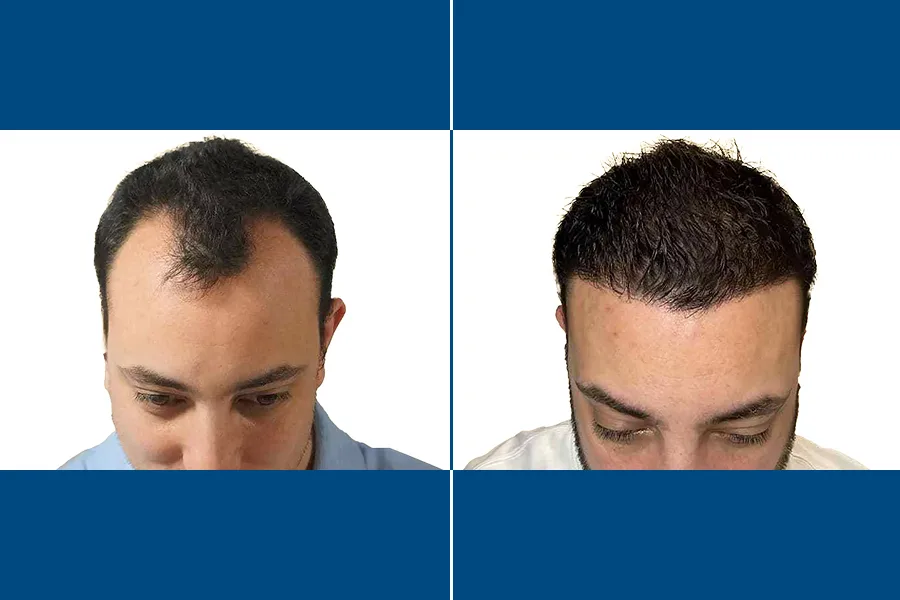
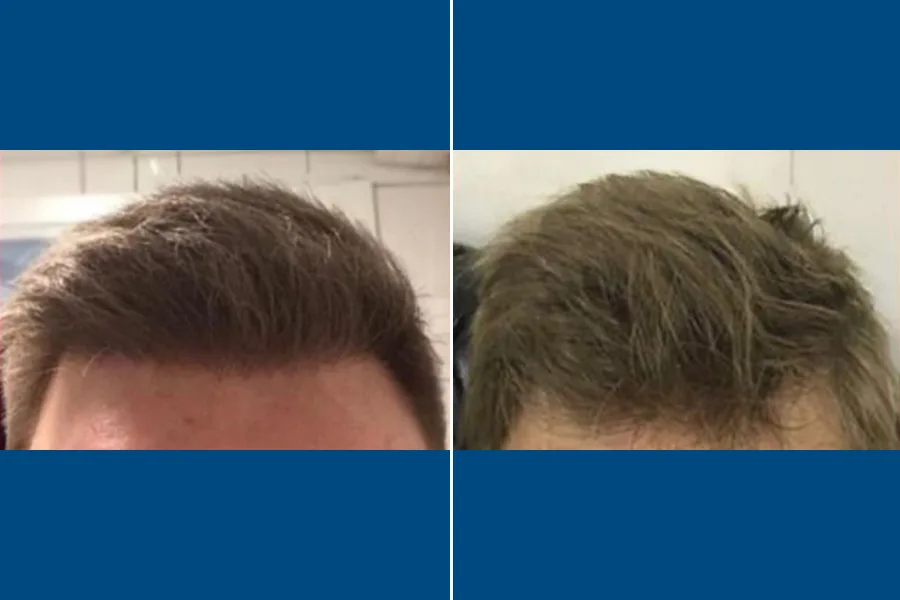
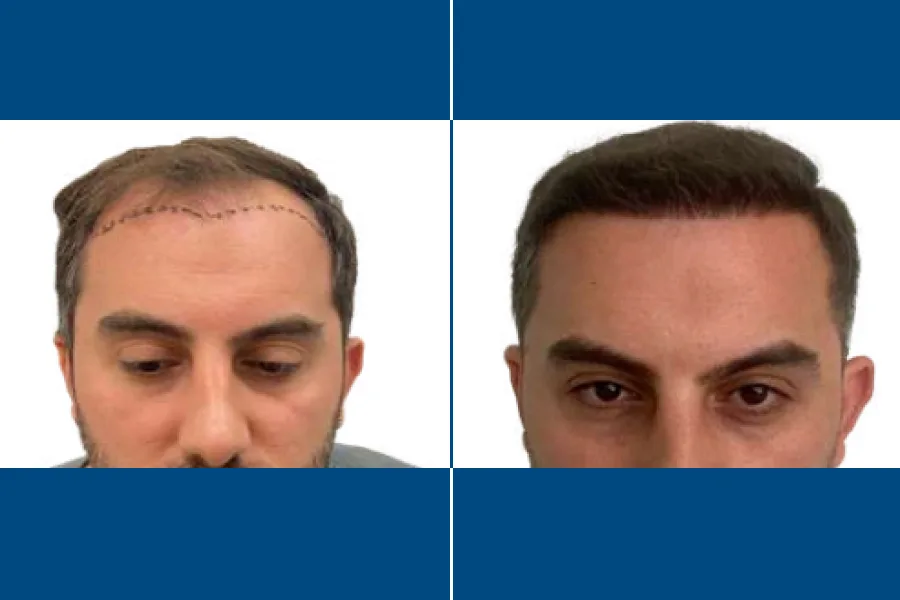
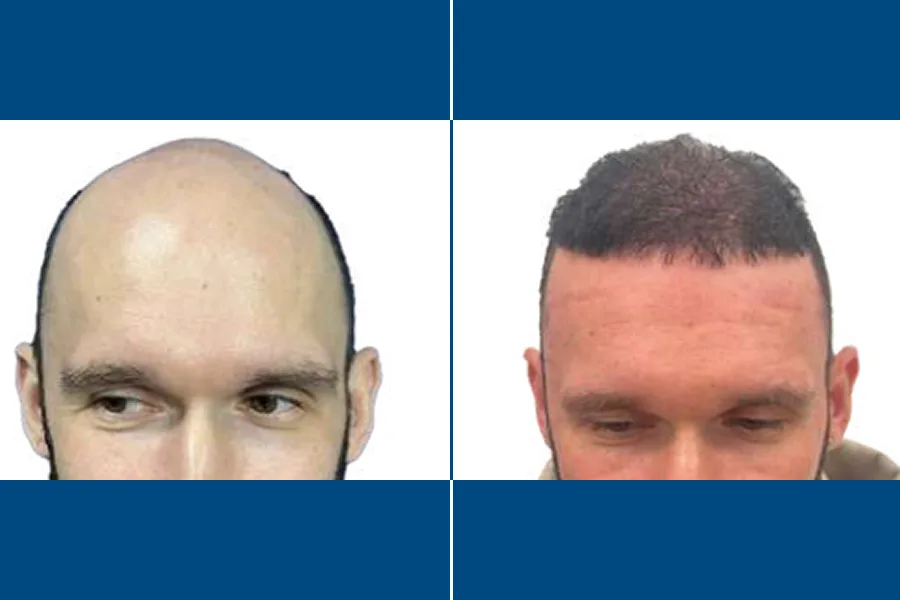
Hair Transplant · Hair Transplantation

Hair Transplantation

Page Contributors

Views
3240 views
Reading Time
Last Updated
Duration

6–8 h

Duration

Recovery

7–10 d

Recovery

Pain Level

Mild

Pain Level

Success Rate

90–98 %

Success Rate

Scarring

Minimal

Scarring

Permission to Work

7 d

Permission to Work

Hair Transplant

Hair Transplantation: Restore Your Confidence

Surgical hair restoration by transplanting healthy follicles to thinning or balding areas for fuller-looking hair.

What is Hair Transplantation?

Hair transplantation is a surgical procedure designed to address hair loss by relocating healthy hair follicles from one part of the body typically the back or sides of the scalp to areas experiencing thinning or baldness. This technique is most commonly used to treat male and female pattern baldness, but it can also restore eyebrows, beard hair, or eyelashes.


The treatment involves extracting individual hair follicles or strips of skin containing hair, and then carefully implanting them into the desired area. Modern methods, such as Follicular Unit Extraction (FUE) and Follicular Unit Transplantation (FUT), ensure natural-looking, permanent results with minimal scarring. Hair transplantation offers a long-term solution for those seeking to regain fuller, healthier hair.

Who is Hair Transplantation for?

Hair transplantation is an effective solution for individuals experiencing hair loss or thinning who desire a fuller, natural-looking head of hair. This treatment is particularly suitable for:


  • Men and women with pattern baldness (androgenetic alopecia) or localized hair loss due to scarring or trauma.
  • Individuals who have sufficient healthy donor hair, typically at the back or sides of the scalp, to achieve optimal results.
  • Patients seeking a permanent, minimally invasive alternative to wigs, topical treatments, or medications.

Hair transplantation offers a long-lasting and natural restoration of hair, making it ideal for those looking to improve their confidence and appearance with minimal downtime.

Hair Transplantation

Benefits

Benefits of Hair Transplantation with HealRoad

Use these points to compare Hair Transplantation options with clearer expectations before speaking with clinics.

Clear procedure guidance

Hair transplantation is a surgical procedure designed to address hair loss by relocating healthy hair follicles from one part of the body typically t…

Verified clinic options

3 active clinic options are connected to this treatment on HealRoad.

Transparent cost planning

Use the treatment estimate as a starting point, then refine it with your medical needs and travel details.

Human support from first question

A HealRoad coordinator helps compare clinic options, next steps, and quote details before you commit.

How is Hair Transplantation done?

Hair transplantation is a modern, minimally invasive procedure designed to restore natural hair growth in areas affected by thinning or baldness. Using advanced techniques, healthy hair follicles are transferred from a donor area (usually the back or sides of the scalp) to the areas where hair is needed, resulting in a fuller, natural-looking head of hair.

  1. Comprehensive Consultation and Assessment

    The process begins with a detailed consultation with a hair restoration specialist. Your scalp, hair density, and hair loss pattern are thoroughly assessed. The doctor discusses your goals and creates a personalized treatment plan tailored to your needs.

  2. Preparation and Anesthesia

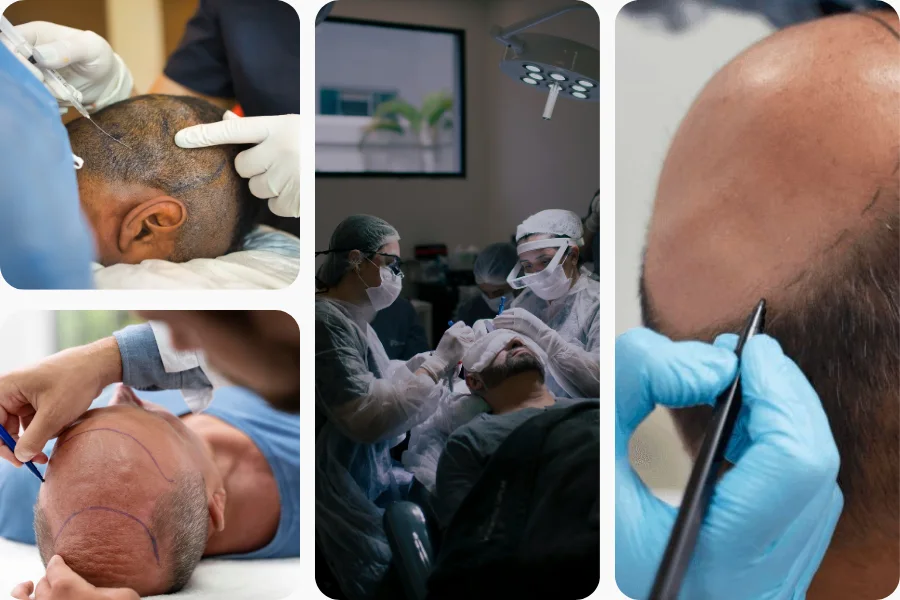
    On the day of the procedure, the donor and recipient areas are cleansed and numbed with local anesthesia to ensure your comfort. The hair in the donor area may be trimmed to facilitate precise extraction.

  3. Harvesting Hair Follicles

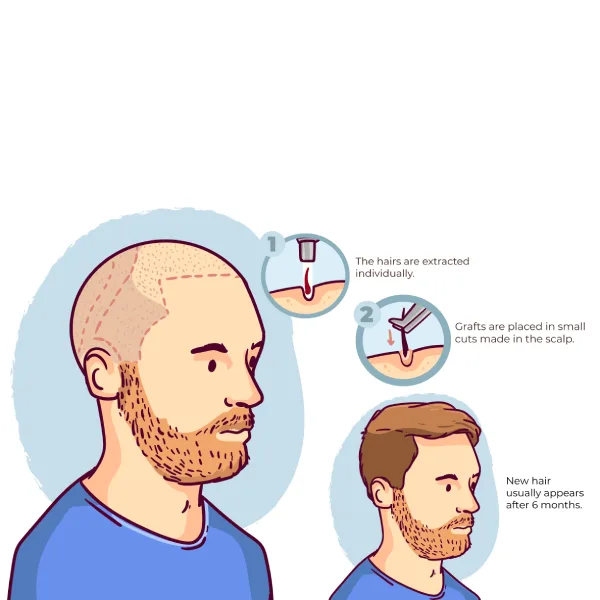
    Depending on the chosen technique FUE (Follicular Unit Extraction) or FUT (Follicular Unit Transplantation) hair follicles are carefully removed from the donor area. FUE involves extracting individual follicles, while FUT involves removing a thin strip of scalp and dissecting it into follicular units.

  4. Graft Preparation and Placement

    The harvested follicles are meticulously prepared and sorted under a microscope. Tiny incisions are made in the recipient area, following the natural direction and density of your hair. Each follicle is then individually implanted for a seamless, natural look.

  5. Post-Procedure Care and Recovery

    After the procedure, you will receive comprehensive aftercare instructions to promote healing and maximize results. Mild swelling or discomfort may occur, but most patients resume normal activities within a few days. Follow-up appointments are scheduled to monitor progress and ensure optimal hair growth.

Recovery and expectation?

The recovery journey after a hair transplantation procedure unfolds in distinct phases, each contributing to optimal hair growth and natural-looking results. Understanding what to expect during each stage will help you plan your activities and care for your scalp effectively.

  1. Immediate Post-Procedure (First 3–5 Days)

    In the initial days, you may notice mild swelling, redness, and scabbing in the treated area. It is crucial to avoid touching or scratching your scalp, keep your head elevated while sleeping, and follow your surgeon’s cleaning instructions. Most patients can return to non-strenuous work within 2–3 days, but should avoid heavy exercise and direct sun exposure.

  2. Early Healing Phase (1–2 Weeks)

    By the end of the first week, scabs begin to fall off naturally and any lingering swelling or redness typically subsides. Gentle washing of the scalp is usually permitted, but you should still avoid scratching or picking at the grafts. Most visible signs of the procedure fade, allowing you to resume most daily activities.

  3. Shedding Phase (2–8 Weeks)

    It is normal for the newly transplanted hairs to shed during this period. This is a natural part of the hair growth cycle and not a cause for concern. The scalp continues to heal beneath the surface, and you may notice some mild itching or tingling as new follicles settle in.

  4. Early Growth Phase (3–6 Months)

    Around the third month, new hair growth becomes visible. The hair may initially appear fine and thin, but it will gradually thicken over time. Most patients can resume all normal activities, including exercise and swimming, by this stage. Regular gentle scalp care and sun protection remain important.

  5. Full Results (6–12 Months)

    Significant improvements in hair density and coverage are typically seen between 6 and 12 months post-procedure. The transplanted hair continues to mature, blending seamlessly with your natural hair. By the one-year mark, final results are usually achieved, and you can style, cut, or color your hair as desired.

Why Choose Türkiye for Hair Transplantation?

Türkiye stands out as a premier destination for hair transplantation, offering a blend of medical excellence, cutting-edge technology, and affordable pricing. The country’s clinics are renowned for their expertise in advanced hair restoration techniques, including FUE (Follicular Unit Extraction) and DHI (Direct Hair Implantation), ensuring natural-looking and lasting results.

Turkish hair transplant surgeons are globally recognized for their meticulous skill and artistic approach to hairline design, providing personalized solutions tailored to each patient’s unique needs. State-of-the-art facilities across Türkiye adhere to international healthcare standards, combining comfort, safety, and innovation throughout your treatment journey.

  • Türkiye’s hair transplant specialists have years of experience and perform thousands of successful procedures annually, ensuring high success rates and patient satisfaction.
  • Clinics utilize the latest technologies and minimally invasive methods, resulting in faster recovery and minimal scarring.
  • Cost-effective packages include consultation, procedure, aftercare, and accommodation, making world-class hair transplantation accessible to international patients.
  • Multilingual staff and personalized patient coordinators ensure a seamless experience from arrival to recovery.
  • Türkiye’s strategic location and excellent flight connections make it easy for patients from Europe, the Middle East, and beyond to access top-tier care.
  • Patients can combine their treatment with a memorable holiday, exploring Türkiye’s vibrant culture, cuisine, and scenic beauty.

Türkiye’s leadership in health tourism is reflected in the hundreds of thousands of international patients who choose the country for hair transplantation each year. With a reputation for reliability, quality, and outstanding results, Türkiye offers a rewarding and transformative experience for anyone seeking hair restoration abroad.

Hair Transplantation

Customize your treatment estimate

Start with Hair Transplantation selected. Adjust the answers below to refine the average estimate shown above.

Loading...
Calculating...
Start by selecting a service.

Your estimate will appear here.

Frequently Asked Questions about Hair Transplantation

How long does a typical hair transplant session take?

The duration of a hair transplant session depends on the technique used and the number of grafts required.

  • FUE (Follicular Unit Extraction): Usually takes between 4 to 8 hours for a standard session.
  • FUT (Follicular Unit Transplantation): Typically lasts 4 to 6 hours.

Larger procedures or cases requiring more grafts may take longer, and some patients may need multiple sessions for optimal results.

Will the transplanted hair look natural and match my existing hair?

Hair transplantation is designed to provide natural-looking results that blend seamlessly with your existing hair.

  • Your own hair: The procedure uses hair follicles from your own scalp, usually from the back or sides of the head, ensuring a natural color, texture, and growth pattern.
  • Expert placement: Skilled surgeons carefully place each graft to mimic the natural direction and density of your hair, creating a realistic hairline and overall appearance.
  • Gradual growth: Transplanted hair grows in gradually over several months, further enhancing the natural look.

When performed by an experienced specialist, a hair transplant should be virtually indistinguishable from your original hair.

How noticeable will the results be immediately after the procedure?

Immediately after a hair transplantation procedure, the results will be visible, but not in their final form.

  • Transplanted area: You will notice small scabs or redness where the hair follicles were implanted. The new hair grafts will be visible as short stubble.
  • Donor area: There may be some swelling, redness, or minor discomfort in the area where hair was taken.
  • Initial appearance: The overall look may appear unnatural or patchy at first due to swelling and healing.

Over the next few weeks, the transplanted hairs may shed before new growth begins. Visible, natural-looking results typically develop within 6–12 months after the procedure.

Can I travel soon after undergoing a hair transplant?

After a hair transplant, it is generally possible to travel, but there are important considerations to ensure proper healing and minimize risks.

  • Short local trips: Most patients can travel locally (by car or train) within a day or two after the procedure, as long as they avoid strenuous activity.
  • Air travel: Many clinics recommend waiting at least 2–3 days before flying to reduce the risk of swelling and infection. This also allows for an initial follow-up visit if needed.
  • Postoperative care: You must follow all aftercare instructions, such as avoiding touching or scratching the transplanted area and protecting your scalp from direct sunlight.
  • Comfort and hygiene: Consider your comfort during travel and ensure you can maintain scalp hygiene, especially in the first few days after surgery.

Always consult your surgeon before making travel plans to ensure your specific situation is safe for travel.

###DISCLAIMER### This answer is for informational purposes only and does not replace professional medical advice. Always follow your surgeon's recommendations regarding travel after a hair transplant.
Are there any age restrictions for having a hair transplant?

Hair transplantation does not have strict age restrictions, but most specialists recommend waiting until hair loss has stabilized, which typically happens after the age of 25.

  • Young patients (under 25) may not be ideal candidates, as their hair loss pattern may not be fully developed, making it difficult to plan for natural-looking, long-term results.
  • Older adults can also be good candidates, provided they are in good general health and have sufficient donor hair.

The most important factors are the extent and stability of hair loss, overall health, and realistic expectations about the results.

A thorough consultation with a qualified hair transplant specialist is necessary to determine the best timing and approach for each individual.

Is it possible to undergo a hair transplant more than once?

Yes, it is possible to undergo a hair transplant more than once. Many patients choose to have additional procedures to achieve their desired hair density or to address further hair loss over time.

  • Additional sessions: Some people may need more than one session if the area to be covered is large or if hair loss progresses after the initial transplant.
  • Donor area limitations: The ability to have multiple transplants depends on the availability and quality of hair in the donor area (usually the back or sides of the scalp).
  • Timing: Doctors typically recommend waiting several months between procedures to allow the scalp to heal and to assess the results of the previous transplant.

Consultation with an experienced hair transplant specialist is essential to determine if multiple procedures are appropriate and safe in your individual case.

What should I expect during the recovery period?

Hair transplantation is a minimally invasive procedure, but the recovery period is important for optimal results.

  • First few days: You may experience mild swelling, redness, or discomfort in the treated area. Tiny scabs will form around the transplanted follicles.
  • Washing: Gentle washing is usually allowed after a few days, following your surgeon’s instructions.
  • Activity: Most patients can return to work and normal activities within 2–5 days, but strenuous exercise should be avoided for at least a week.
  • Shedding: The transplanted hair may fall out in 2–3 weeks (a normal part of the process), with new growth starting after 3–4 months.
  • Results: Full results are typically visible after 9–12 months, as your new hair continues to grow and thicken.

Follow all post-operative care instructions provided by your clinic to ensure the best possible outcome.

###DISCLAIMER### This information is for general guidance only and does not replace professional medical advice. Always consult your doctor for personalized recommendations.
How soon after the procedure can I wash my hair?

After a hair transplantation procedure, it is generally recommended to wait 48–72 hours before washing your hair for the first time. This allows the transplanted grafts to settle and reduces the risk of dislodging them.

  • Use only the special shampoo and washing technique recommended by your surgeon.
  • Wash your hair gently, avoiding rubbing or scratching the scalp.
  • Do not use hot water, strong water pressure, or hair dryers for the first several days.

Your clinic will provide specific instructions tailored to your case. Always follow your surgeon’s advice for the best results and to avoid complications.

Are there any special shampoos or products recommended after a hair transplant?

After a hair transplant, it is important to use gentle and specially formulated products to support healing and protect the newly transplanted grafts.

  • Mild or medical shampoos: Most clinics recommend using a gentle, sulfate-free shampoo or a special medical shampoo provided by your surgeon for the first 2–4 weeks.
  • No harsh chemicals: Avoid shampoos with strong fragrances, alcohol, or harsh chemicals that can irritate the scalp.
  • Moisturizing sprays or saline solutions: Some clinics suggest using saline sprays to keep the scalp hydrated and promote healing in the first few days.
  • Follow your surgeon's instructions: Always use the products and washing techniques recommended by your medical team, as individual protocols may vary.

Switching back to your regular hair care products should only be done after your doctor confirms it is safe, usually a few weeks after the procedure.

Will the results of a hair transplant last a lifetime?

Hair transplantation offers a long-lasting solution for hair loss by moving healthy hair follicles (usually from the back or sides of the scalp) to areas with thinning or no hair.

The transplanted hair follicles are generally resistant to the hormone that causes hair loss, so they typically continue to grow for many years—often for a lifetime.

  • Permanent results: The transplanted hair is expected to be permanent, as it retains the characteristics of the donor area.
  • Natural aging: Over time, some thinning may still occur due to the natural aging process or ongoing hair loss in non-transplanted areas.
  • Maintenance: Additional procedures or treatments may be needed in the future to maintain the desired appearance if hair loss continues elsewhere on the scalp.

With proper care and realistic expectations, most patients enjoy the results of their hair transplant for many years.

Clinics offering Hair Transplantation

Compare verified clinic profiles connected to this treatment.

Patient reviews

Patient reviews for Hair Transplantation

These reviews are linked to Hair Transplantation and published from clinic review sources.

4.3/5
118 reviews
1.0/5

Avoid this place - cheap means cheap in every sense. After 6 months, my crown area is still bald, and there are small patches on the front. To make things worse I've new thinning on the sides from where they extracted. I paid for 5000 graft/hair transplant. 3…

Khurram Chaudhry Estecenter Google
Read original review
4.0/5

I had an excellent experience with this Asli Tarcan hair clinic from start to finish. The team was professional, attentive, and made me feel comfortable throughout the entire process. A special mention goes to **Kubi**, who was an outstanding point of contact…

Fabian Perez Aslı Tarcan Clinic Google
Read original review
5.0/5

After a lot of research on hair transplant clinics and consulting friends, Turkiana Clinic clearly stood out—and I’m very happy I chose to have my hair transplant with them. Their reputation truly matches the experience I had. Mr. Emad, who was my main point…

Zaid Saifi Turkeyana Clinic Google
Read original review

Related Articles

Guides and insights connected to this treatment.