Create Your
Treatment Request
Create Your
Treatment
Request
Complete the form in less than 2 minutes.
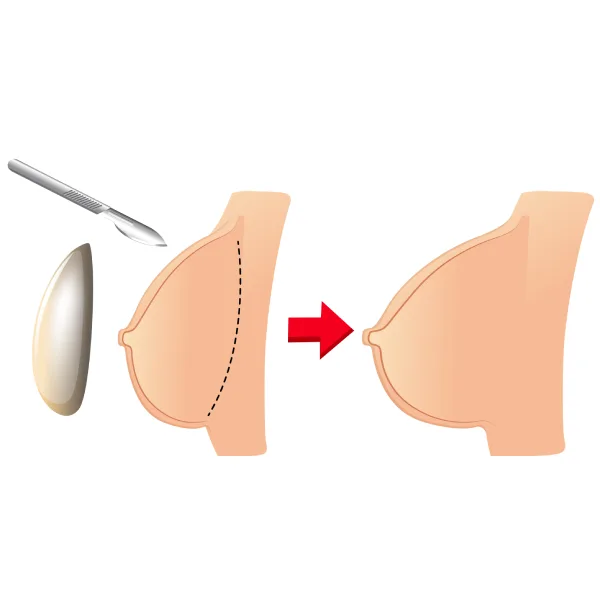
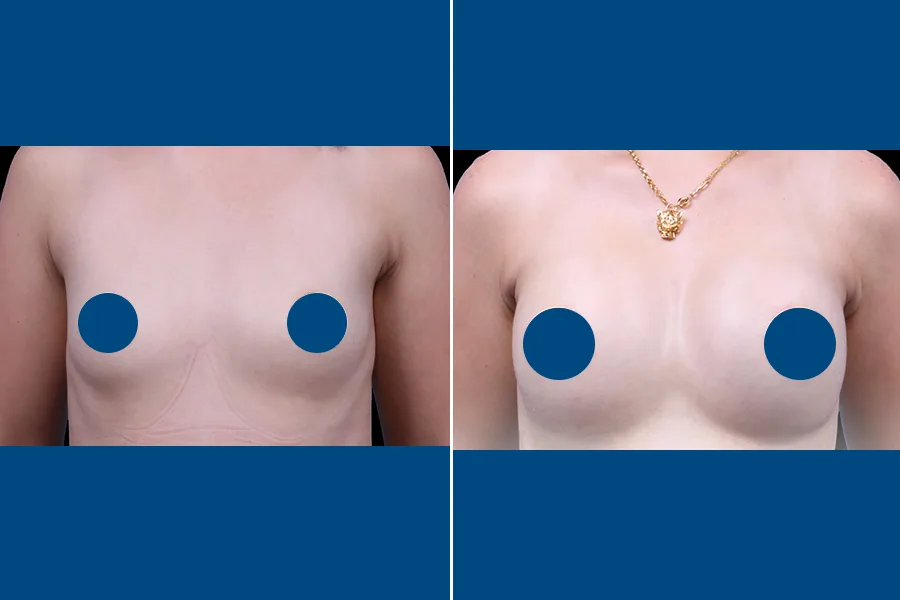
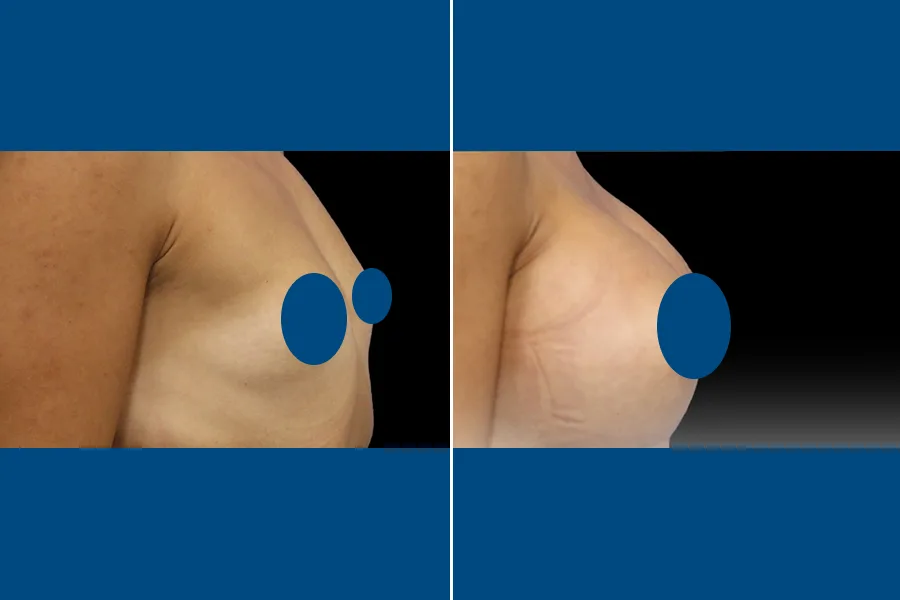
Breast augmentation is a cosmetic surgical procedure that increases breast size and improves breast shape using implants or, in some cases, fat transferred from another area of the body. It is commonly chosen by people who want fuller breasts, better symmetry, or restoration of volume lost after pregnancy, weight changes, or aging.
The procedure usually involves placing silicone or saline implants either behind the breast tissue or beneath the chest muscle, depending on the patient’s anatomy and goals. Breast augmentation can also be combined with a breast lift when needed to improve position as well as volume. The treatment plan is tailored to achieve a natural-looking result that fits the body’s proportions.
Breast augmentation is generally suited for adults who want to increase breast volume, improve shape, or restore fullness that has changed over time. This treatment is often appropriate for:
A consultation with a qualified plastic surgeon helps determine whether breast augmentation is suitable, and which implant type or surgical approach best matches the patient’s goals and anatomy.
Breast Augmentation is a cosmetic surgery designed to increase breast volume, improve shape, and enhance overall body proportions. It is most commonly performed using breast implants, either silicone or saline, and in some cases may be combined with a breast lift if there is noticeable sagging. The procedure is tailored to each person’s anatomy and goals, with careful planning around implant size, shape, placement, and incision type to create a result that looks balanced and natural.
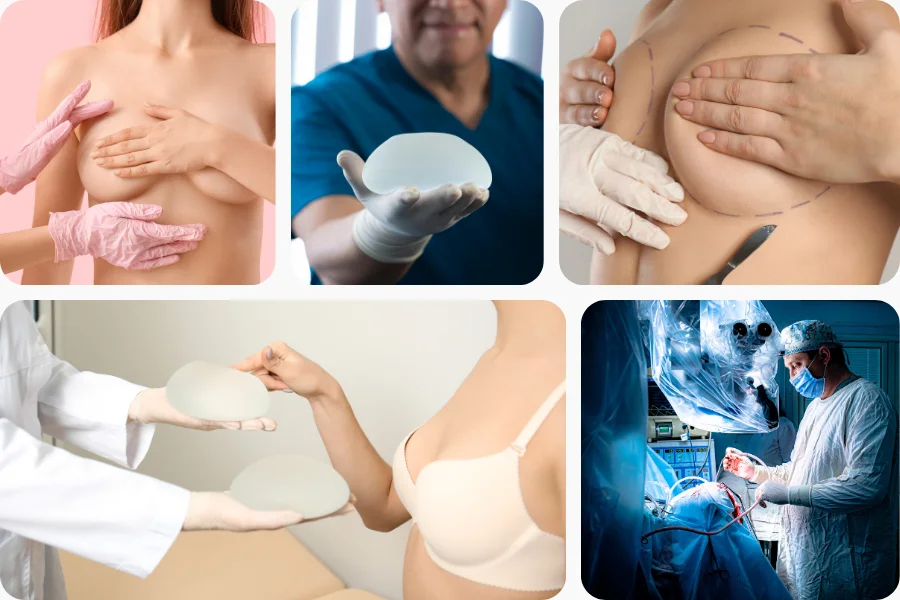
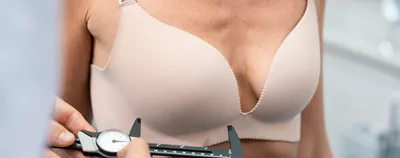
The process begins with a detailed consultation with a plastic surgeon. Your medical history is reviewed, including previous surgeries, pregnancies, breast changes, medications, and any family history of breast disease. The surgeon examines the chest wall, skin quality, nipple position, and natural breast asymmetry. Measurements are taken to help choose the most suitable implant size, profile, and shape. You will also discuss whether the implant should be placed above or below the chest muscle, and where the incision will be made, such as in the breast fold, around the areola, or in the armpit.
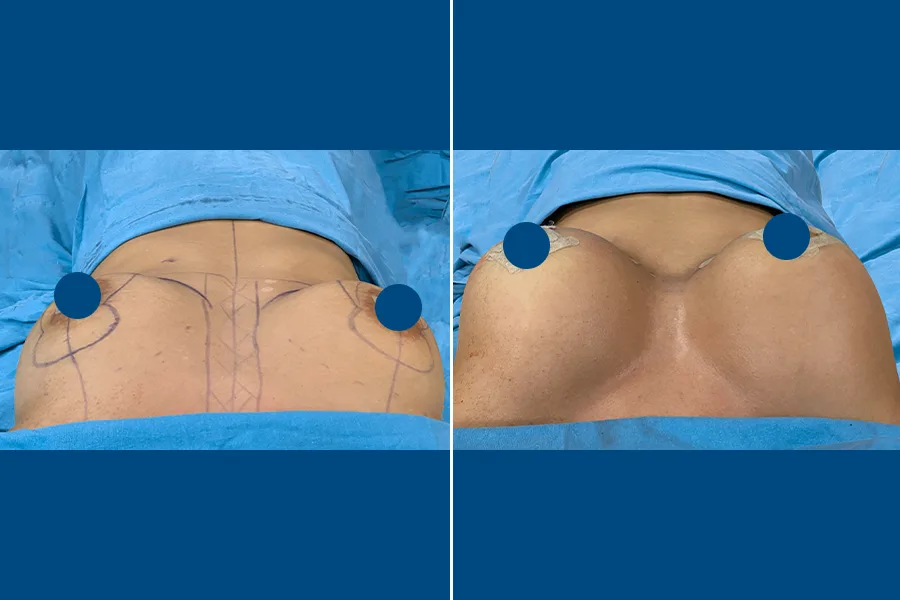
Before surgery, you may be asked to complete blood tests or breast imaging, depending on your age and medical background. The surgeon gives instructions about stopping smoking, avoiding certain medications or supplements that increase bleeding risk, and fasting before the procedure. On the day of surgery, the breasts are marked while you are standing so the surgeon can plan pocket position and symmetry. Breast augmentation is usually performed under general anesthesia, so you are asleep and monitored throughout the operation.
Once anesthesia has taken effect, the surgeon makes the planned incision. The most common approach is the inframammary incision, placed in the natural fold beneath the breast, because it offers good visibility and control. Other options may be used in selected cases. Through this opening, the surgeon carefully creates a pocket for the implant. This pocket may be positioned under the breast tissue (subglandular), under the chest muscle (submuscular), or in a dual-plane position, depending on your anatomy, tissue coverage, and desired appearance.
After the pocket is prepared, the selected implant is inserted using sterile techniques designed to reduce contamination. Silicone implants are pre-filled, while saline implants may be filled after placement, depending on the type used. The surgeon positions each implant carefully and checks breast shape, height, projection, and symmetry. In some cases, temporary sizers are used during surgery to confirm the best volume before the final implants are placed. Small adjustments may be made to the pocket so both sides sit as evenly and naturally as possible.
Once the implants are in the correct position, the surgeon closes the incisions in layers to support healing and help minimize tension on the skin. Sutures are usually placed beneath the skin, and dressings or surgical tape are applied. Some patients are fitted with a surgical bra or compression garment to support the breasts during early recovery. You are then moved to a recovery area where the medical team monitors you as you wake from anesthesia. In most cases, breast augmentation is performed as a day surgery, meaning you can go home the same day with a responsible adult.
It is normal to have swelling, tightness, soreness, and a feeling of pressure in the chest during the first days after surgery. Most patients return to light daily activities within about 1 week, but strenuous exercise and heavy lifting usually need to be avoided for several weeks. Follow-up visits allow the surgeon to check healing, scar progress, and implant position. Over time, the implants settle into a more natural position, a process often called "dropping and fluffing." The final result becomes clearer as swelling improves over the following weeks to months.
Recovery after breast augmentation happens in stages, with the first few days focused on comfort and swelling control, followed by several weeks of gradual tissue healing and implant settling. Most patients can walk and do light daily activities soon after surgery, but it takes time for the chest muscles, skin, and soft tissues to adjust, especially if implants are placed under the muscle. Understanding the usual timeline can help you plan travel, work, exercise, sleep, and follow-up care with realistic expectations.
It is common to feel tightness in the chest, soreness, fatigue, and pressure during the first couple of days. Swelling begins early, and some bruising around the breasts or sides of the chest may appear. Many patients describe the discomfort as more noticeable when changing position, using the arms, or taking deep breaths. You will usually be asked to wear a surgical bra or compression garment to support the breasts and reduce swelling. Short walks are encouraged to promote circulation, but lifting, reaching overhead, and strenuous movement should be avoided. Prescription pain medication, or a combination of pain relief and muscle relaxants, may be recommended depending on the surgical technique.
Swelling often peaks within the first several days and then slowly starts to improve. The breasts may sit high, firm, or uneven at first, which is usually a normal part of early healing rather than a sign that something is wrong. Incisions can feel tender, itchy, or slightly numb as the skin begins to recover. Many people are able to return to desk work or light routines within about 5 to 7 days, although this varies based on pain levels, implant placement, and the physical demands of work. Sleeping on your back with your upper body slightly elevated is often recommended. Your surgeon may also give specific instructions about showering, scar care, and when to restart gentle arm movement.
By this stage, most patients feel more comfortable in daily life, and much of the bruising has faded. However, the breasts may still feel swollen, heavy, or unusually firm, and the final shape is not yet visible. If implants were placed under the chest muscle, muscle tightness can continue for several weeks. Light walking is usually fine, and many patients can resume non-strenuous activities, but high-impact exercise, chest workouts, heavy lifting, and intense upper body movement are still restricted. Sensation changes, including temporary numbness or increased nipple sensitivity, can occur during this period and often improve gradually. Follow-up visits are important so your surgeon can check incision healing, implant position, and overall recovery.
Over the next several weeks, the implants usually begin to settle into a more natural position, sometimes called the "drop and fluff" phase. The breasts often look less tight and start to soften as swelling continues to go down. Many patients are cleared to return to fuller exercise routines around this time, but only after approval from their surgeon. Incision lines may still appear pink or firm, which is expected in the early stages of scar maturation. Consistent scar care, supportive bras, and avoiding smoking can all help support better healing. It is also normal for one side to settle a little faster than the other before the final result becomes more balanced.
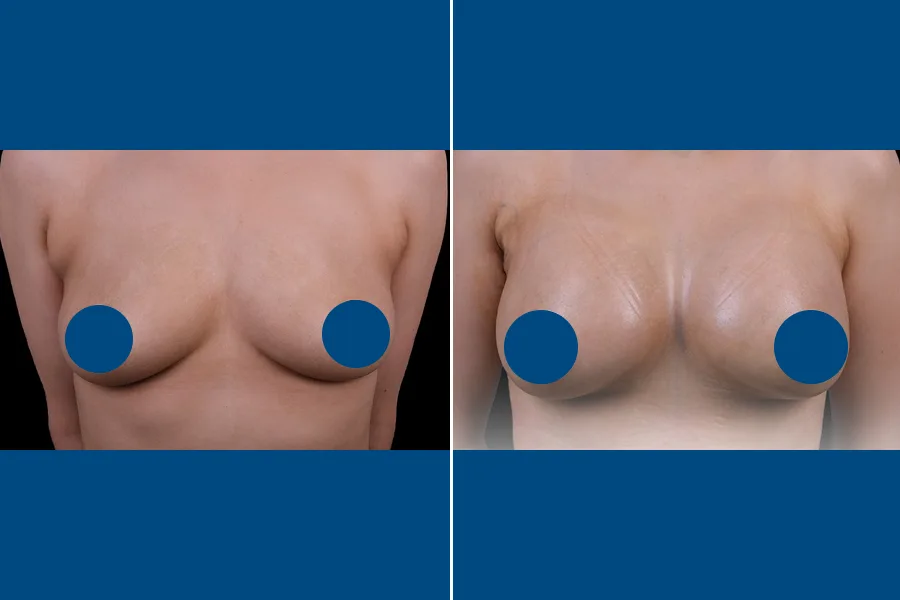
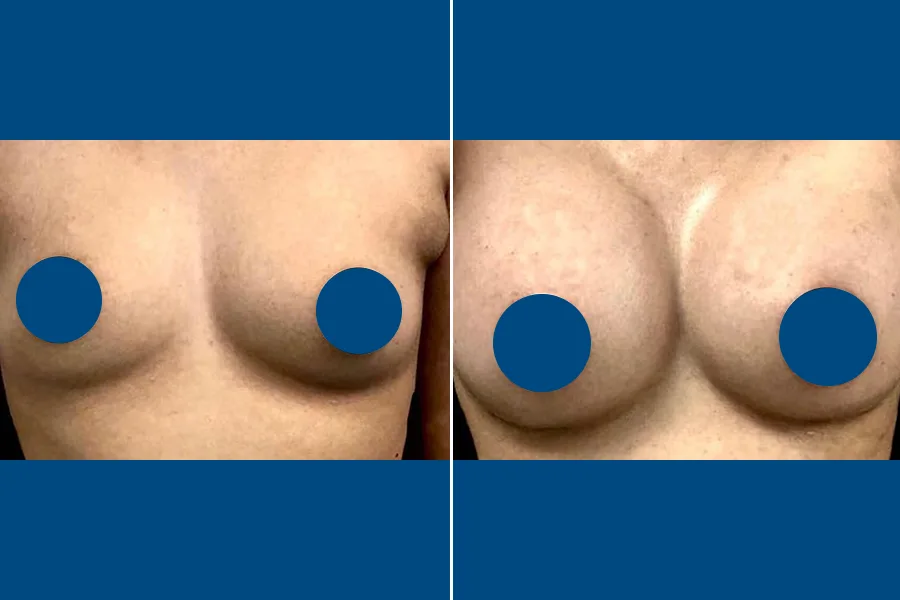
Most of the visible recovery is well underway by 2 to 3 months, but subtle changes can continue for several more months. The breasts generally become softer, lower, and more natural in movement and appearance as the tissues relax around the implants. Scars usually continue to fade over 6 to 12 months or longer. Final results depend on factors such as implant size, placement, skin quality, healing tendency, and whether a lift was performed at the same time. Ongoing follow-up is important, especially if you notice persistent firmness, increasing asymmetry, unusual swelling, or changes in breast shape.
Türkiye has become a widely preferred destination for breast augmentation, offering a combination of experienced plastic surgeons, modern private hospitals, and more accessible pricing than many countries in Europe or North America. For patients considering implants or fat transfer to improve breast volume, shape, or symmetry, clinics in Türkiye often provide a structured treatment journey that supports safety, comfort, and clear communication from the first consultation through recovery.
Breast augmentation is not a one-size-fits-all procedure. Good results depend on careful planning, implant selection, body proportions, skin quality, and the patient’s long-term expectations. Many clinics in Türkiye use detailed preoperative assessment, digital imaging, and personalized surgical planning to help determine the most suitable implant size, profile, and placement. Surgeons also discuss important choices such as silicone implants versus fat transfer, incision location, and whether the implant should be placed above or below the muscle. This individualized approach is especially valuable for international patients, because it helps create realistic expectations and supports balanced, natural-looking outcomes.
Türkiye’s strong position in the global health tourism market reflects years of investment in private healthcare facilities, international patient coordination, and high-volume aesthetic surgery experience. By welcoming large numbers of medical travelers each year, Türkiye has built a reputation for organized care, reliable hospitality, and consistent patient support, making it a trusted choice for those seeking breast augmentation abroad.
Get a tailored average price for your needs.
Medical Reviewer
Writer
Guides and insights connected to this treatment.
Complete the form in less than 2 minutes.
Offers are prepared by verified clinics without sharing your personal information.
Review transparent pricing and package details side-by-side.
Appointments, transfers, accommodation, and city tours are organized for you.
Receive and compare treatment offers from top clinics within minutes—no waiting list.
Keep your budget under control with all-inclusive packages, free from hidden extra costs.
From flight booking to full recovery, get dedicated guidance whenever you need assistance.
Botan
Personal Heal Road Manager
From Discovery
to Recovery
with you, every step of the journey
Share a few details and we’ll get back to you with the best options.
WhatsApp quick contact