


Hair Transplant · No-Shave Hair Transplantation
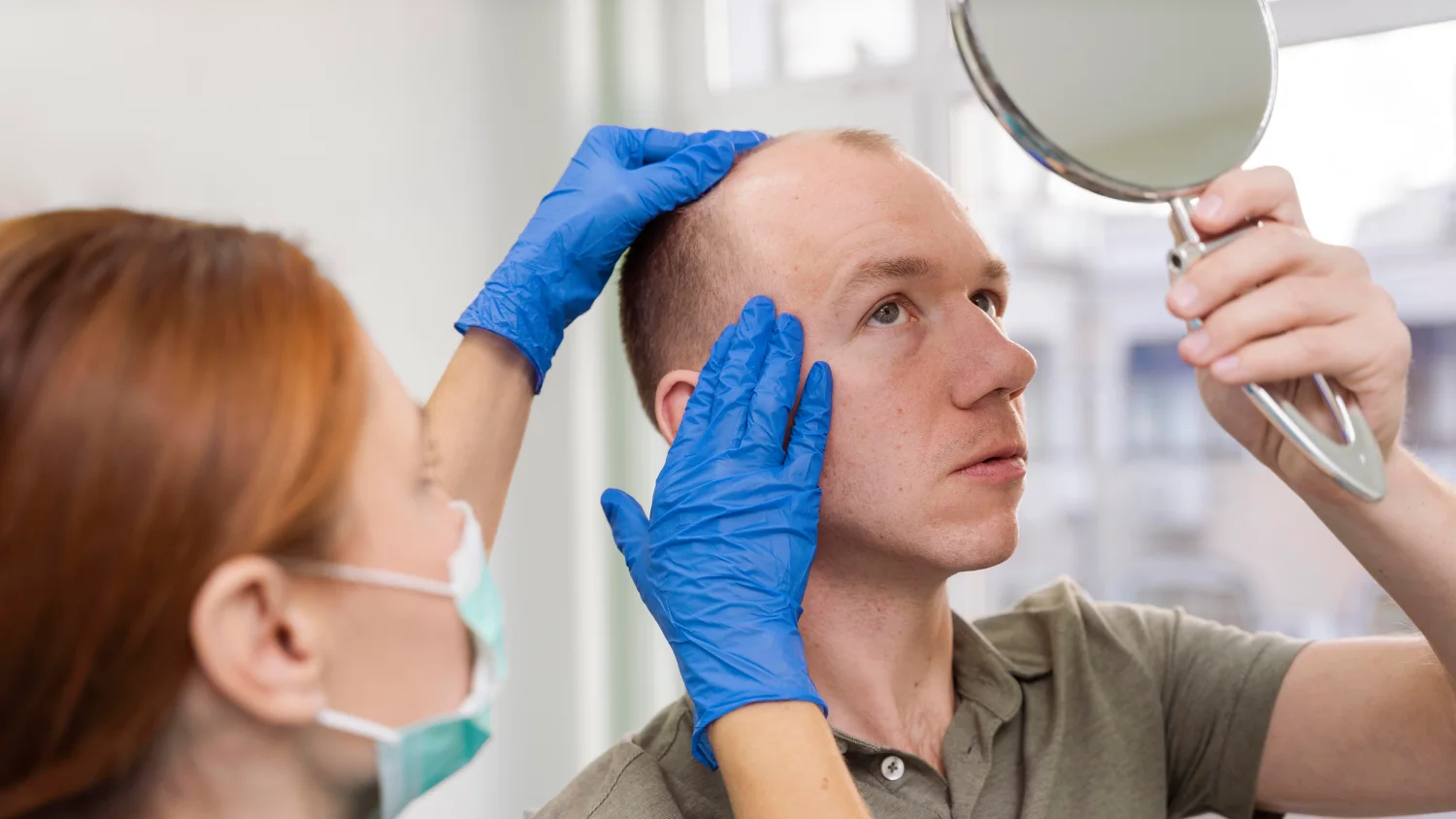
Hair Transplant
No-Shave Hair Transplantation: Regrow Hair Seamlessly
A minimally invasive hair restoration method without shaving, offering discreet treatment and natural-looking results.
Page Contributors


6–8 h
Duration

7–10 d
Recovery

Mild
Pain Level

Minimal
Scarring

95–98 %
Success Rate

7 d
Permission to Work
What is No-Shave Hair Transplantation?
No-Shave Hair Transplantation is a cutting-edge hair restoration technique designed for individuals seeking a discreet solution to hair loss. Unlike traditional hair transplant methods that require shaving the donor or recipient areas, this approach allows patients to maintain their existing hairstyle throughout the procedure. Specialized tools and careful extraction techniques enable surgeons to harvest and implant individual hair follicles without the need for visible shaving.
This method is ideal for those who wish to avoid any noticeable signs of surgery, making it especially popular among professionals and individuals with active social lives. No-shave hair transplantation delivers natural-looking results with minimal downtime, allowing patients to return to their daily routines quickly and confidently.

Who is No-Shave Hair Transplantation for?
No-Shave Hair Transplantation is an excellent option for individuals who want to restore hair density without the visible signs of surgery. This treatment is particularly suitable for:
- Men and women experiencing mild to moderate hair loss who wish to maintain discretion during the recovery period.
- Professionals or public figures who cannot afford a noticeable change in appearance immediately after the procedure.
- Patients seeking a natural-looking result without shaving the recipient or donor areas of the scalp.
- Individuals with realistic expectations about hair restoration and adequate donor hair availability.
No-shave hair transplantation allows patients to resume daily activities quickly, making it a discreet and convenient choice for those prioritizing privacy and minimal downtime.
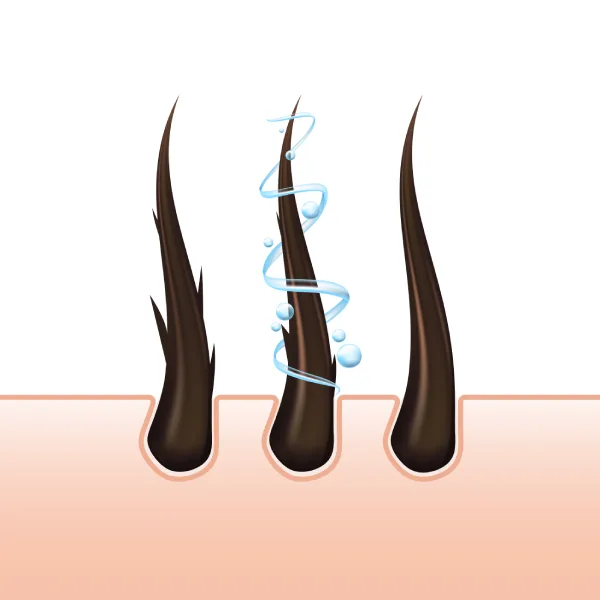
No-Shave Hair Transplantation benefits
-
Maintains existing style
-
Discreet procedure
-
Camouflaged donor area
-
Return-to-work planning
-
Minimal disruption
-
No-shave technique option
How is No-Shave Hair Transplantation done?
No-Shave Hair Transplantation is a modern hair restoration technique that allows patients to maintain their existing hairstyle throughout the procedure. Unlike traditional methods, this approach does not require shaving the donor or recipient areas, making it a discreet option for those who wish to avoid noticeable signs of surgery.
-
Personalized Consultation and Assessment
The process begins with a thorough consultation with a hair transplant specialist. Your hair density, scalp health, and desired outcome are evaluated. The surgeon discusses your goals and explains how the no-shave technique can be tailored to your needs.
-
Preparation Without Shaving
Unlike conventional methods, only tiny, selective areas in the donor region are trimmed just enough to extract individual follicular units. The rest of your hair remains untouched, effectively concealing any signs of the procedure both before and after surgery.
-
Follicular Unit Extraction (FUE)
Using advanced FUE technology, the surgeon carefully removes individual hair follicles from the trimmed donor spots. This is performed under local anesthesia for maximum comfort. The extracted grafts are then meticulously prepared for transplantation.
-
Recipient Site Creation and Graft Placement
Tiny incisions are made in the recipient area, following the natural direction and pattern of your hair. The prepared grafts are then implanted one by one into these sites, ensuring a seamless blend with your existing hair and a natural-looking result.
-
Immediate Recovery and Aftercare
Since the majority of your hair remains unshaved, post-procedure signs are minimal and easily hidden. You will receive specific aftercare instructions to promote healing and optimize graft survival. Most patients can return to daily activities quickly, enjoying a discreet recovery process.
Recovery and expectation?
The recovery journey after a No-Shave Hair Transplantation is designed to be discreet and comfortable, allowing you to resume your daily life with minimal interruption. Understanding each stage of recovery will help you manage expectations, optimize healing, and achieve the most natural-looking results.
-
Immediate Post-Procedure (1–3 days)
In the first days following your procedure, you may notice mild swelling, redness, or slight discomfort in the donor and recipient areas. Since the surrounding hair is left intact, the signs of surgery are less visible. Avoid touching or washing your scalp during this time, and follow your surgeon’s instructions regarding medications and aftercare.
-
Early Healing Phase (4–10 days)
Tiny scabs may form around the transplanted follicles, but these are usually well-camouflaged by your existing hair. Most patients can return to work and social activities within a few days due to the no-shave technique. You may begin gentle scalp washing as directed, and any residual swelling or redness typically subsides by the end of this period.
-
Shedding & Resting Stage (2–6 weeks)
It is normal for the transplanted hairs to shed during this phase a process called "shock loss." This is a temporary and expected part of recovery as the follicles enter a resting phase. The scalp should look nearly normal, and you can resume most regular activities, including gentle exercise and hair styling, as advised by your doctor.
-
Initial Hair Growth (3–4 months)
New hair growth begins to emerge from the transplanted follicles. The hair may appear fine or thin at first but will gradually thicken over time. You can typically return to your full hair care routine, including haircuts and coloring, as recommended by your specialist.
-
Full Results & Maturation (6–12 months)
By six months, you will notice significant improvement in hair density and coverage. The final results including natural texture and volume are usually visible within 9 to 12 months. Ongoing scalp care and healthy lifestyle habits will help maintain your results for years to come.
Why Choose Türkiye for No-Shave Hair Transplantation?
Türkiye has rapidly emerged as a top destination for No-Shave Hair Transplantation, offering a blend of medical expertise, cutting-edge technology, and exceptional patient care. This innovative procedure allows patients to restore hair density without shaving the donor or recipient areas, ensuring a discreet and seamless experience from start to finish.
Turkish hair transplant surgeons are internationally recognized for their advanced skills and artistic approach to hair restoration. Clinics across Türkiye are equipped with state-of-the-art facilities that adhere to global standards, ensuring patient safety, comfort, and outstanding results for every individual.
- Türkiye’s hair transplant specialists have extensive experience with No-Shave techniques, delivering natural-looking outcomes with minimal downtime.
- Clinics utilize the latest FUE and DHI technologies, enabling precise graft placement and maximum hair survival rates.
- The No-Shave method is performed with meticulous attention to detail, allowing patients to maintain their existing hairstyle and resume daily activities quickly.
- Affordable pricing and comprehensive packages make Türkiye a cost-effective choice for high-quality hair transplantation.
- Türkiye’s convenient location and excellent flight connections make it easily accessible for international patients seeking discreet, world-class care.
- Patients can combine their hair restoration journey with a relaxing holiday, exploring Türkiye’s vibrant culture, cuisine, and scenic beauty.
With its proven track record in health tourism, Türkiye attracts hundreds of thousands of hair transplant patients each year. The country’s commitment to quality, safety, and patient satisfaction ensures that your No-Shave Hair Transplantation experience is both successful and memorable, making Türkiye a trusted leader in the global hair restoration market.
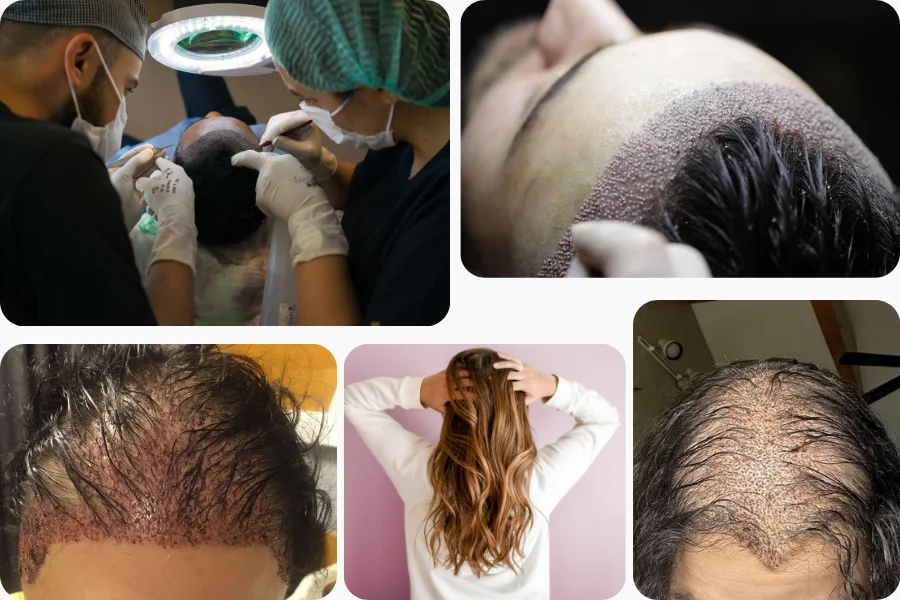
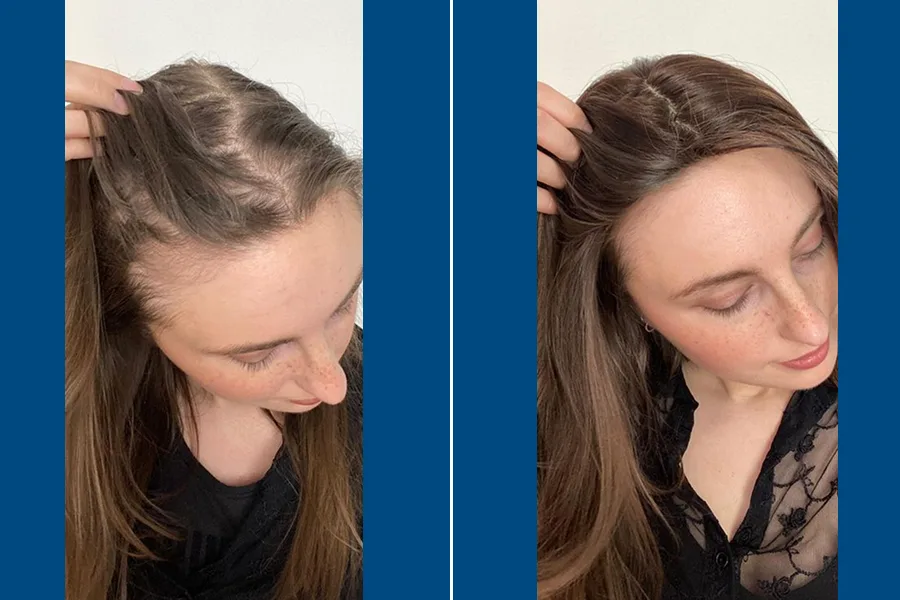
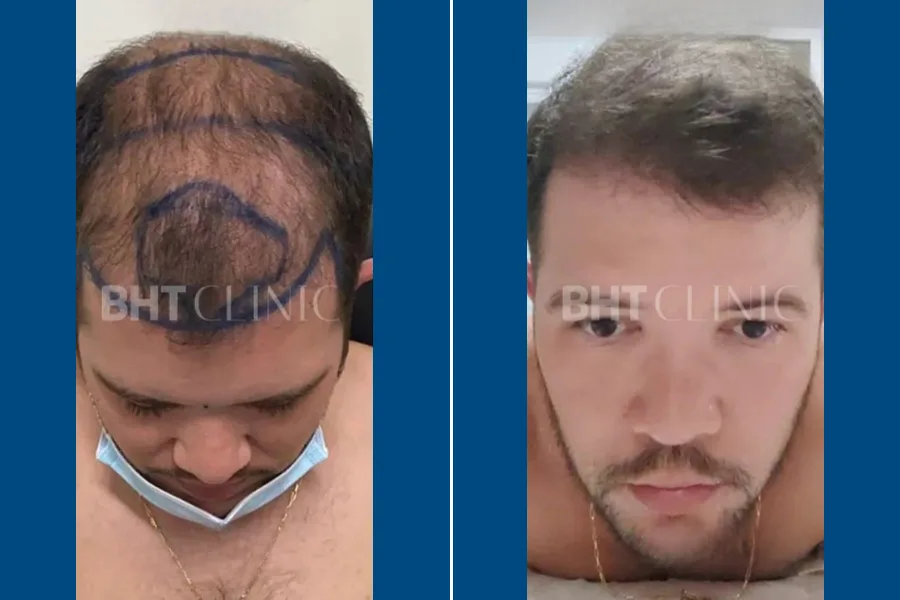
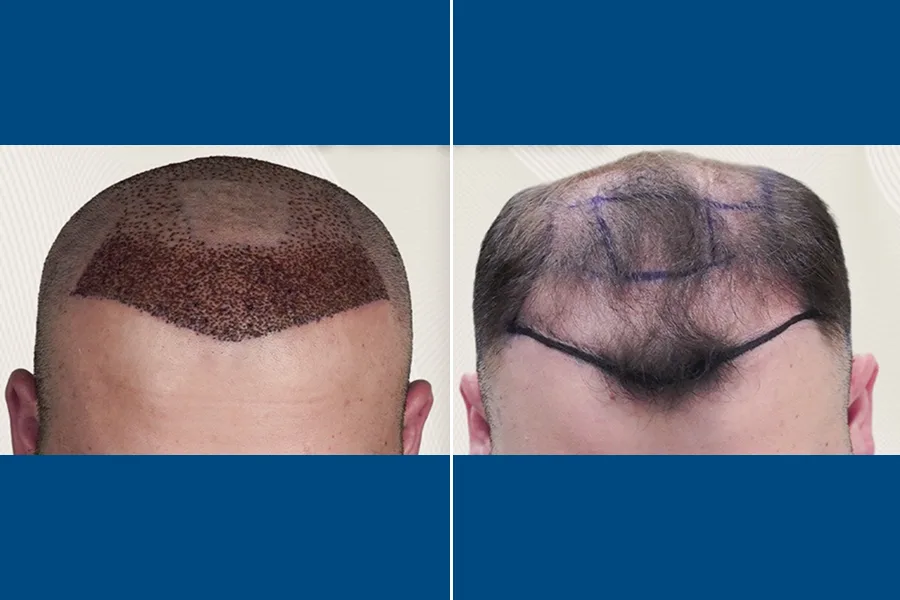
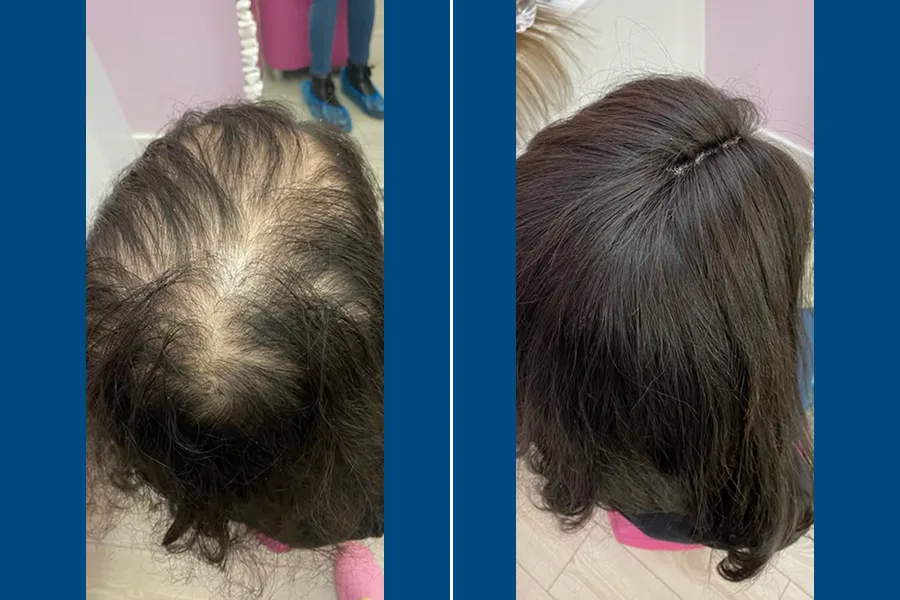
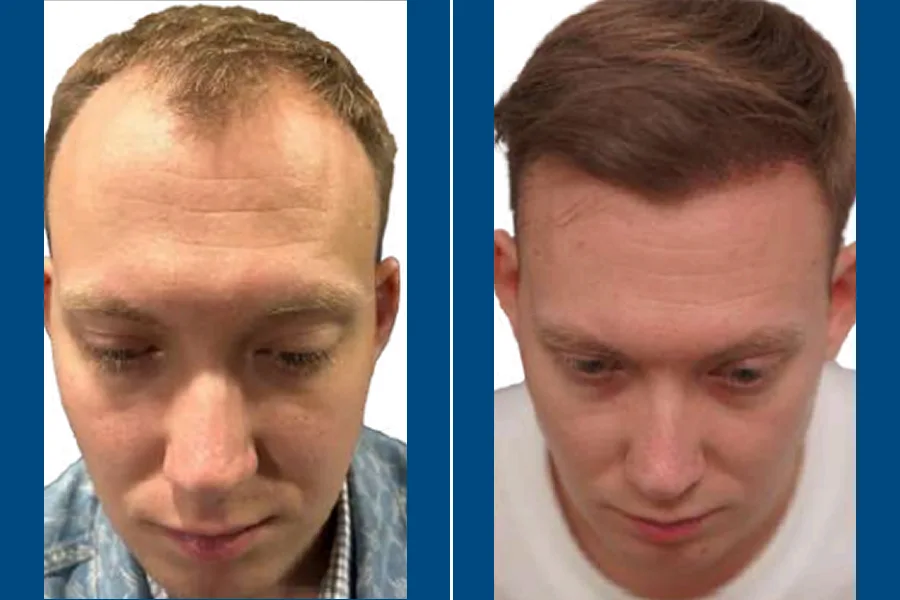
Customize the closest treatment estimate
Choose the closest active Hair Transplant calculator for No-Shave Hair Transplantation, then adjust the answers to refine your price range.
Your estimate will appear here.
Frequently Asked Questions about No-Shave Hair Transplantation
How long does the no-shave hair transplant procedure typically take compared to traditional methods?

No-Shave Hair Transplantation usually takes longer to perform than traditional hair transplant methods where the donor area is shaved.
- No-shave technique: Each graft is carefully extracted and implanted without shaving the surrounding hair, which requires more precision and time.
- Procedure duration: Depending on the number of grafts, a no-shave session can last 8–10 hours or more, while a traditional hair transplant may take 6–8 hours for a similar number of grafts.
The extra time is due to the meticulous work needed to preserve the existing hair and achieve natural-looking results.
Will people notice that I recently had a no-shave hair transplant?
No-shave hair transplantation is designed to be as discreet as possible, allowing you to maintain your usual hairstyle without the need to shave the donor or recipient areas.
- Minimal visible signs: Since the surrounding hair remains intact, it helps conceal any redness, scabbing, or swelling that may occur after the procedure.
- Faster return to daily life: Most patients can resume social and professional activities soon after the transplant with little risk of others noticing.
- Close inspection: In the first few days, very close observation might reveal some minor signs (such as small scabs or slight redness), but these typically fade quickly.
Overall, no-shave hair transplantation offers a highly discreet option for hair restoration, making it unlikely that others will notice you recently had the procedure.
Is it necessary to take time off work after a no-shave hair transplant?
No-shave hair transplantation is designed to minimize visible signs of surgery, allowing patients to maintain their usual hairstyle and appearance immediately after the procedure.
Many people return to work within 1–2 days, as there is no need to shave the recipient or donor areas, and post-operative signs are much less noticeable compared to traditional methods.
- Minimal downtime: Most patients experience only mild redness or swelling, which typically subsides within a few days.
- Discreet recovery: Since the hair is not shaved, the procedure is less noticeable to others, making it easier to resume social and professional activities quickly.
However, the final decision about when to return to work should be made in consultation with your surgeon, based on your individual healing process and job requirements.
What kind of aftercare is required following a no-shave hair transplant?
No-shave hair transplantation requires careful aftercare to ensure optimal healing and the best possible results.
- Gentle washing: Follow your surgeon’s instructions on when and how to wash your hair. Usually, gentle rinsing with a mild shampoo is recommended after a few days.
- Avoid touching or scratching: Do not touch, scratch, or pick at the transplanted area to prevent dislodging grafts and reduce infection risk.
- Sleep with your head elevated: Use extra pillows to keep your head elevated for the first few nights to minimize swelling.
- Avoid strenuous activity: Refrain from heavy exercise, swimming, or activities that cause sweating for at least 1–2 weeks.
- Protect from sun exposure: Keep the scalp out of direct sunlight and avoid tanning beds for several weeks.
- Follow medication instructions: Take any prescribed medications, such as antibiotics or pain relievers, as directed by your doctor.
Always follow your clinic’s specific aftercare guidelines and attend all recommended follow-up appointments to monitor healing and progress.
###DISCLAIMER### This information is for general guidance only and does not replace professional medical advice. Always consult your healthcare provider for personalized recommendations.How soon can I wash my hair after the procedure?
After a No-Shave Hair Transplantation, it is generally recommended to wait 48–72 hours before washing your hair for the first time. This helps protect the newly transplanted grafts and allows the scalp to begin healing.
- Use only the gentle shampoo and washing technique recommended by your surgeon.
- Avoid strong water pressure and rubbing the scalp for at least the first week.
- Pat your hair dry gently with a soft towel—do not rub.
Your clinic will provide specific aftercare instructions tailored to your procedure. Always follow your surgeon’s advice for the best results and to minimize the risk of complications.
Are there any special hair products recommended after a no-shave hair transplant?
After a No-Shave Hair Transplantation, it is important to use gentle hair care products to support healing and promote healthy hair growth.
- Mild, sulfate-free shampoos: These help cleanse the scalp without irritating the sensitive transplanted area.
- Moisturizing conditioners: Lightweight conditioners can help keep hair soft, but should be applied carefully, avoiding direct contact with graft sites in the first weeks.
- Specialized post-transplant sprays or foams: Some clinics may recommend soothing or healing sprays to reduce redness and support recovery.
Avoid harsh chemicals, styling products, and heat treatments for at least a few weeks after the procedure. Always follow your surgeon’s specific aftercare instructions, as recommendations may vary based on your individual case.
Can I style or color my hair as usual following a no-shave hair transplant?
After a No-Shave Hair Transplantation, it is important to follow your surgeon’s aftercare instructions before resuming your usual hair styling or coloring routines.
- Styling: Gentle styling (such as combing or using light products) is usually allowed after the initial healing period, which typically lasts 1–2 weeks. Avoid tight hairstyles or excessive manipulation during this time.
- Coloring: Hair coloring and chemical treatments should generally be postponed for at least 3–4 weeks after the procedure to prevent irritation or damage to the healing scalp and newly transplanted follicles.
Always consult your hair transplant specialist before applying any products or undergoing chemical treatments to ensure optimal healing and results.
Is there a difference in cost between no-shave and traditional hair transplant procedures?
No-shave hair transplantation typically costs more than traditional hair transplant methods.
- Labor intensity: The no-shave technique is more time-consuming and requires greater precision from the surgical team, as individual hairs are transplanted without shaving the donor or recipient area.
- Specialized expertise: Not all clinics offer this service, and it often requires surgeons with advanced experience, which can increase the price.
- Longer procedure time: Because the process is more meticulous, the overall duration of the surgery is longer, contributing to higher costs.
While prices vary by clinic and country, you can generally expect to pay a premium for the discretion and convenience of a no-shave hair transplant compared to traditional methods.
How does the recovery experience compare between no-shave and regular hair transplants?
No-Shave Hair Transplantation offers a more discreet and comfortable recovery compared to regular (shaved) hair transplants.
- Minimal visible signs: Since the donor and recipient areas are not shaved, redness, scabbing, and swelling are less noticeable, allowing patients to return to daily activities sooner and with greater confidence.
- Faster social recovery: The existing hair helps conceal any temporary side effects, so most people can resume work or social events within a few days.
- Similar medical healing: The physical healing process (such as graft settling and scalp recovery) is generally the same as with regular transplants, but the no-shave method offers a psychological advantage due to less visible evidence of surgery.
Overall, no-shave hair transplantation is preferred by those seeking a more private and less disruptive recovery experience.
Are there any travel restrictions after undergoing a no-shave hair transplant?
No-shave hair transplantation is a minimally invasive procedure, and most patients can travel shortly after the surgery.
- Short local travel: You can usually travel locally or return to your hotel the same day.
- Air travel: Most clinics recommend waiting at least 24–48 hours before flying to reduce the risk of swelling and infection.
- Physical activity: Avoid strenuous activities, heavy lifting, or swimming for at least 7–10 days after the procedure.
Always follow your surgeon’s specific instructions regarding travel and post-operative care to ensure optimal healing and results.
###DISCLAIMER### This information is for general guidance only and does not replace medical advice from your treating physician.Clinics offering No-Shave Hair Transplantation
Compare verified clinic profiles connected to this treatment.



Related Articles
Guides and insights connected to this treatment.
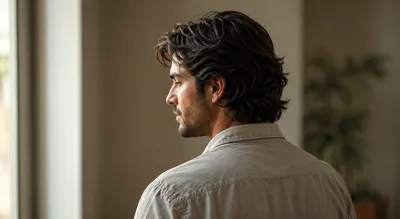
Can I Get a Hair Transplant Without Shaving My Head? The truth about "No-Shave" FUE
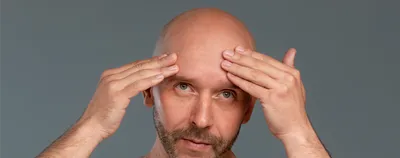
A Step-by-Step Guide to No-Shave Hair Transplantation in Turkey
