Hair Transplant · FUE Hair Transplantation

FUE Hair Transplantation

Page Contributors

Views
3225 views
Reading Time
Last Updated
Duration

6–8 h

Duration

Recovery

7–10 d

Recovery

Pain Level

Mild

Pain Level

Scarring

Minimal

Scarring

Success Rate

90–95 %

Success Rate

Permission to Work

7 d

Permission to Work

Hair Transplant

FUE Hair Transplantation: Restore Your Hairline

A minimally invasive hair restoration technique that transplants individual follicles to improve hairline and density.

What is FUE Hair Transplantation?

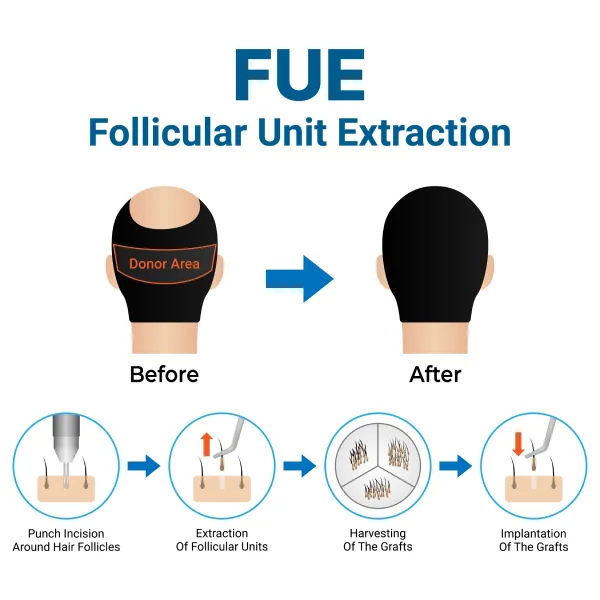
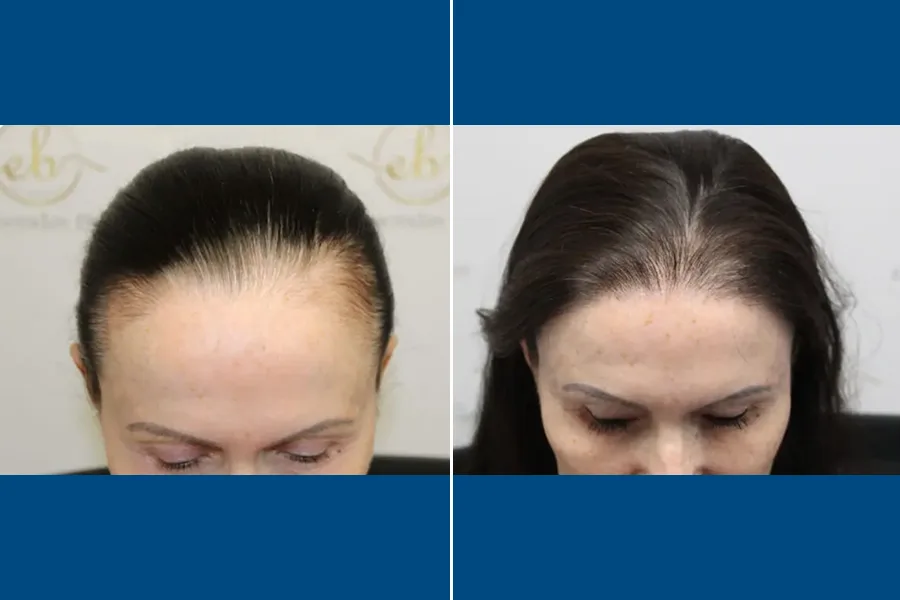
FUE Hair Transplantation (Follicular Unit Extraction) is a modern, minimally invasive procedure designed to address hair loss and thinning. This technique involves individually extracting healthy hair follicles from a donor area typically the back or sides of the scalp using a specialized micro-punch tool. These follicles are then meticulously implanted into areas experiencing hair loss, ensuring a natural-looking hairline and density.


Unlike traditional strip methods, FUE leaves no linear scar and offers a quicker recovery time, making it a popular choice for both men and women. The procedure is performed under local anesthesia, and patients can usually resume normal activities within a few days, enjoying long-lasting, natural results.

Who is FUE Hair Transplantation for?

FUE hair transplantation is an excellent option for individuals looking to address hair loss or thinning hair with natural-looking results. This treatment is particularly suitable for:


  • Men and women experiencing pattern baldness, receding hairlines, or thinning in specific areas of the scalp.
  • Patients who have sufficient donor hair at the back or sides of the scalp for transplantation.
  • Individuals seeking a minimally invasive procedure with a quick recovery and minimal scarring.

FUE is ideal for those who want a permanent solution to hair loss and wish to restore hair density without the linear scar associated with traditional strip methods. It is also suitable for those who want to wear short hairstyles post-procedure.

FUE Hair Transplantation

Benefits

Benefits of FUE Hair Transplantation with HealRoad

Use these points to compare FUE Hair Transplantation options with clearer expectations before speaking with clinics.

Clear procedure guidance

FUE Hair Transplantation (Follicular Unit Extraction) is a modern, minimally invasive procedure designed to address hair loss and thinning. This tech…

Verified clinic options

3 active clinic options are connected to this treatment on HealRoad.

Transparent cost planning

Use the treatment estimate as a starting point, then refine it with your medical needs and travel details.

Human support from first question

A HealRoad coordinator helps compare clinic options, next steps, and quote details before you commit.

How is FUE Hair Transplantation done?

FUE (Follicular Unit Extraction) hair transplantation is a minimally invasive procedure designed to restore natural hair growth by transplanting individual hair follicles from a donor area (typically the back or sides of the scalp) to areas affected by hair loss. This advanced technique leaves minimal scarring and offers a natural-looking result.

  1. Consultation and Hairline Design

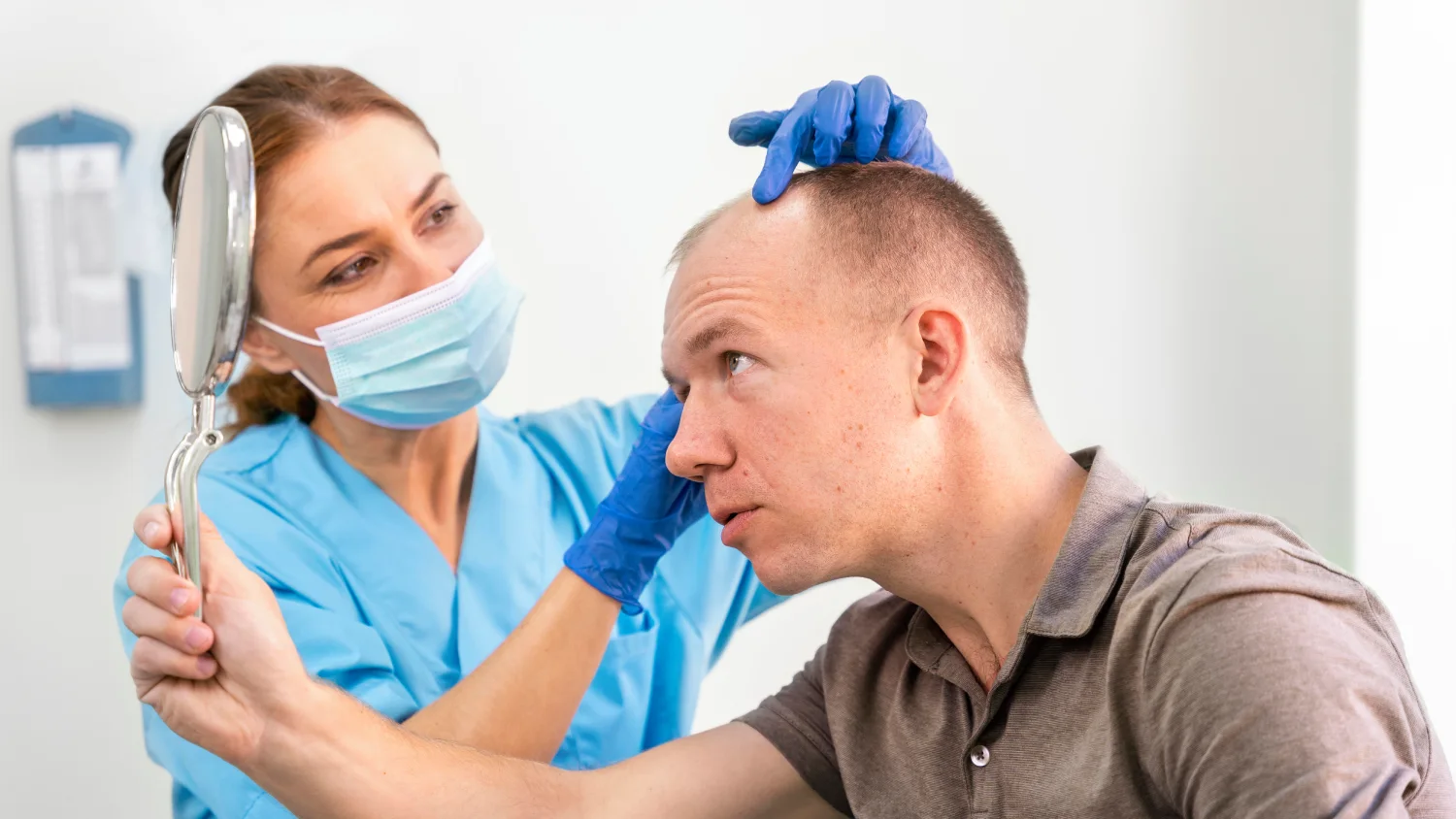
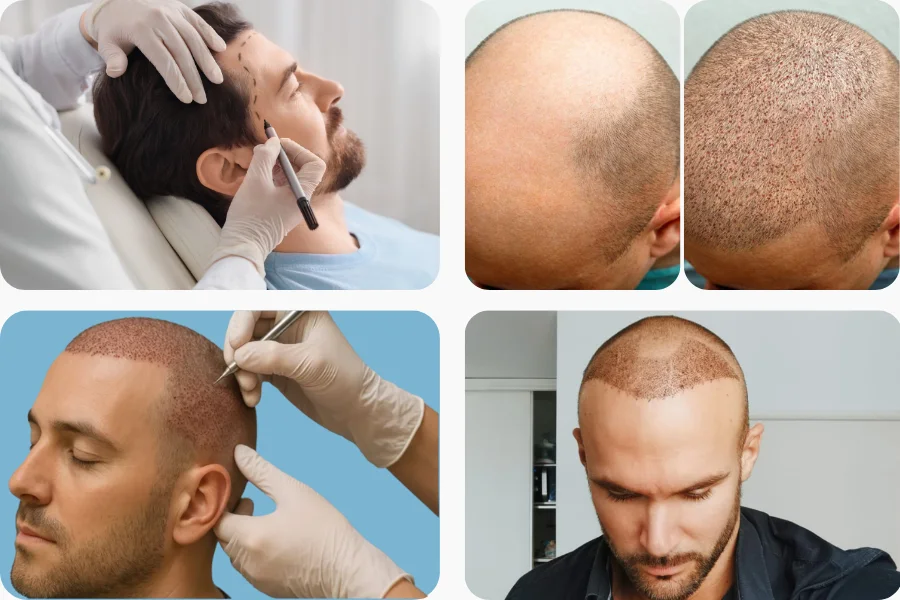
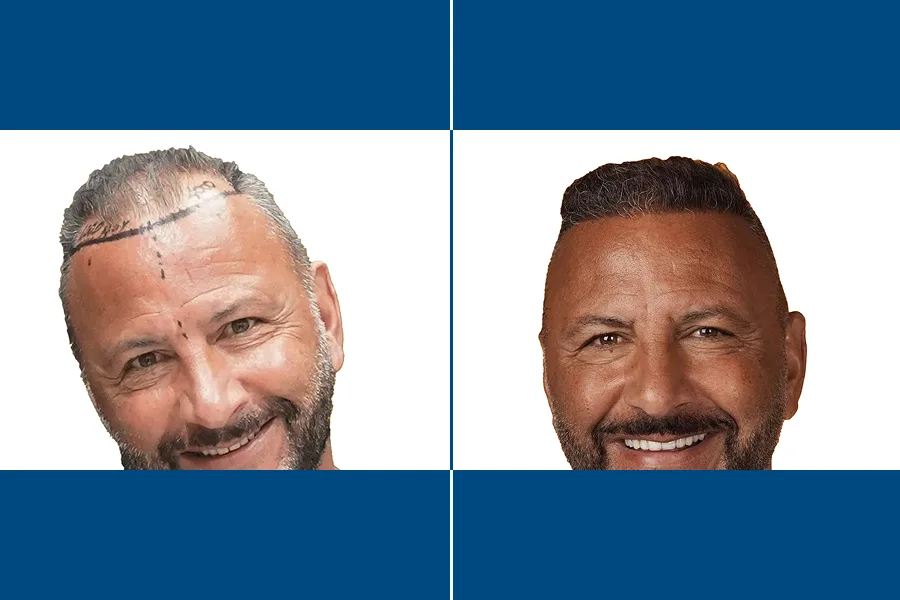
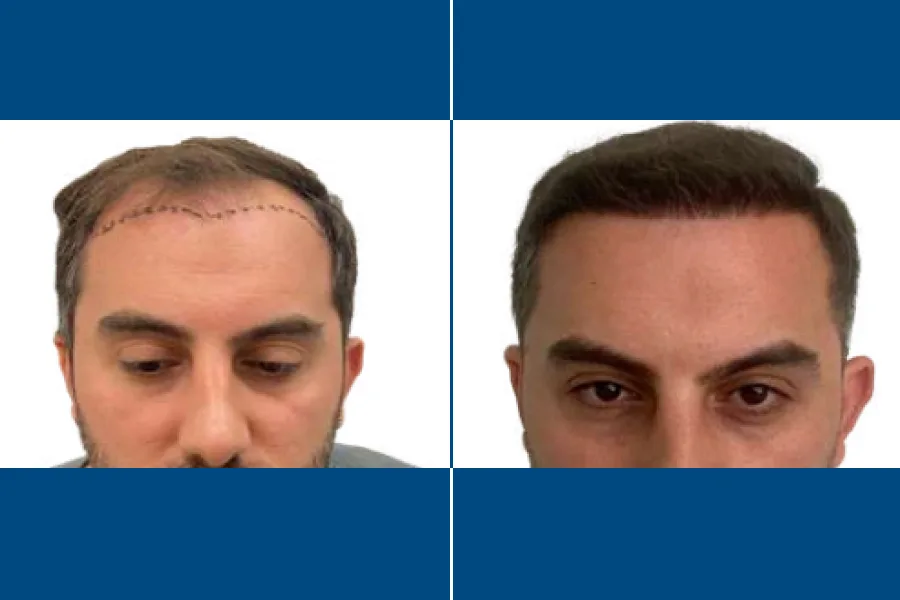
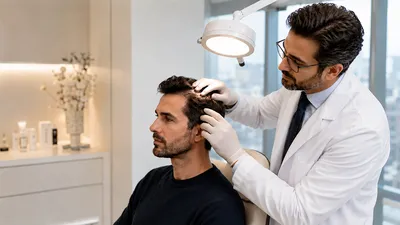
    The process begins with a comprehensive consultation where your hair loss pattern, scalp condition, and expectations are assessed. The surgeon works with you to design a personalized hairline and determine the number of grafts required for optimal coverage and density.

  2. Preparation and Anesthesia

    On the day of the procedure, the donor and recipient areas are cleaned and shaved as needed. Local anesthesia is administered to ensure your comfort throughout the treatment.

  3. Follicle Extraction

    Using a specialized micro-punch tool (typically 0.7–1.0 mm in diameter), the surgeon individually extracts healthy hair follicles from the donor area. Each follicular unit is carefully collected and preserved in a nutrient solution to maintain viability.

  4. Recipient Site Creation

    Tiny incisions are made in the recipient area, following the natural direction and angle of hair growth. The surgeon meticulously plans the placement to achieve a dense and natural appearance.

  5. Graft Implantation

    The preserved hair follicles are carefully implanted into the prepared sites one by one. This step requires precision to ensure that each graft is placed at the correct depth and orientation for optimal growth and a seamless look.

  6. Post-Operative Care

    After the procedure, you will receive detailed aftercare instructions to promote healing and maximize graft survival. Mild swelling or redness may occur and typically resolves within a few days. Follow-up appointments are scheduled to monitor progress and address any concerns.

Recovery and expectation?

The recovery journey after a FUE (Follicular Unit Extraction) hair transplant is designed to be minimally invasive, with most patients resuming daily activities quickly. Understanding each stage of recovery will help you set realistic expectations and optimize your results by following recommended aftercare.

  1. Immediate Post-Procedure (First 3–5 Days)

    In the first few days, you may notice mild swelling, redness, and tiny scabs around the transplanted and donor areas. It is important to avoid touching or scratching your scalp. Sleep with your head elevated, refrain from strenuous activities, and follow your surgeon’s instructions for gentle washing and medication use.

  2. Early Healing Phase (1–2 Weeks)

    By the end of the first week, most swelling and discomfort subside. Scabs begin to flake off naturally do not pick at them. You can typically return to work and light activities after 3–7 days, but avoid direct sun exposure, swimming, and intense exercise. Gentle hair washing is usually permitted after a few days, as advised by your clinic.

  3. Shedding Phase (2–6 Weeks)

    It is normal for the transplanted hairs to shed during this period a natural part of the process called "shock loss." This is temporary and makes way for new hair growth. The scalp may still be sensitive, so continue to avoid harsh chemicals, heat styling, and vigorous rubbing.

  4. Initial Hair Regrowth (3–4 Months)

    New hair begins to emerge, often appearing fine and soft at first. The donor area is typically fully healed, and the transplanted area gradually regains a natural appearance. You can resume most normal hair care routines, but continue to protect your scalp from sun and trauma.

  5. Visible Results & Maturation (6–12 Months)

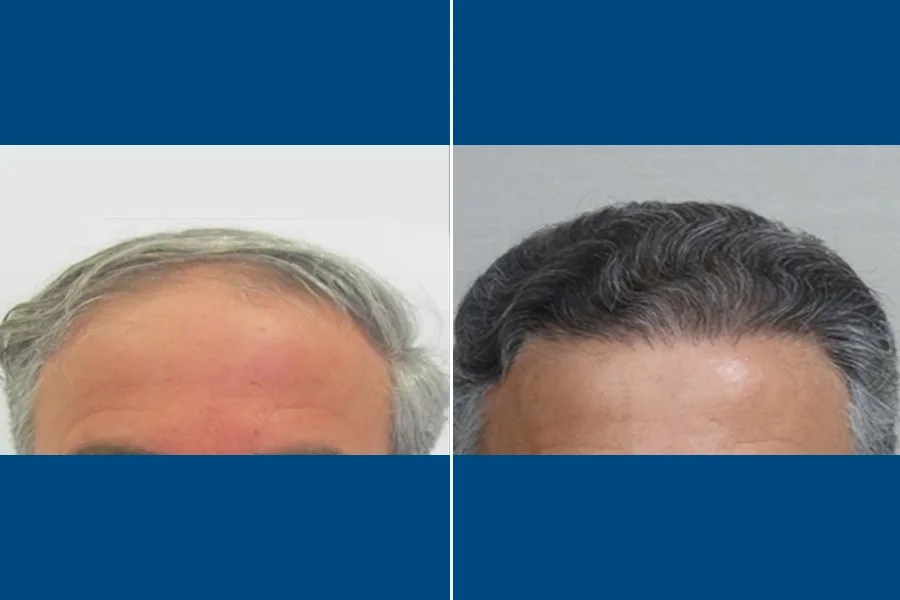
    Hair growth becomes more noticeable, with increased density and thickness. By 12 months, most patients see final results fuller, natural-looking hair. Some minor improvements may continue up to 18 months. Routine care, such as gentle washing and avoiding harsh treatments, will help maintain your results.

Why Choose Türkiye for FUE Hair Transplantation?

Türkiye stands out as a premier destination for FUE hair transplantation, offering a blend of medical expertise, cutting-edge technology, and affordable pricing. The Follicular Unit Extraction (FUE) method is performed by highly experienced specialists in modern clinics that adhere to international standards.

Turkish hair transplant surgeons are renowned for their precision and artistic skill, ensuring natural-looking results tailored to each patient’s unique needs. With a focus on patient comfort and safety, clinics in Türkiye utilize the latest advancements in FUE technology, minimizing downtime and maximizing hair density and growth.

  • Türkiye’s hair transplant specialists have extensive experience, performing thousands of FUE procedures annually with consistently high success rates.
  • Clinics are equipped with advanced FUE technology, including sapphire blades and micro-motor devices, ensuring minimally invasive procedures and optimal outcomes.
  • Competitive pricing and comprehensive packages make Türkiye a cost-effective choice, often including accommodation, transfers, and post-operative care.
  • Multilingual staff and personalized patient coordinators ensure a smooth and comfortable experience for international patients.
  • Türkiye’s strategic location and excellent flight connections make it easily accessible from Europe, the Middle East, and beyond.
  • Patients can combine their hair restoration journey with a memorable vacation, exploring Türkiye’s vibrant culture, cuisine, and scenic attractions.

As a global leader in health tourism, Türkiye attracts hundreds of thousands of international patients each year for FUE hair transplantation. With its reputation for quality care, exceptional results, and comprehensive support, Türkiye offers a rewarding and seamless experience for anyone seeking hair restoration abroad.

FUE Hair Transplantation

Customize the closest treatment estimate

Choose the closest active Hair Transplant calculator for FUE Hair Transplantation, then adjust the answers to refine your price range.

Loading...
Calculating...
Start by selecting a service.

Your estimate will appear here.

Frequently Asked Questions about FUE Hair Transplantation

How long does it usually take to see the final cosmetic result after FUE hair transplantation?

FUE Hair Transplantation results develop gradually, and the final cosmetic result is usually seen after about 12 months. In some patients, especially depending on the treatment area and hair characteristics, full maturation may continue for up to 12 to 18 months.

It is normal for the timeline to happen in stages rather than all at once.

  • First 2 to 4 weeks: The transplanted hairs often shed, which is a normal part of the process.
  • Around 3 to 4 months: New hair growth usually begins to appear.
  • About 6 months: Many patients notice a clear improvement in density and coverage.
  • Around 9 to 12 months: The hair typically looks much fuller and more natural.
  • Up to 12 to 18 months: Final thickness, texture, and overall refinement may continue to improve.

Your exact timeline can vary based on factors such as the size of the transplant, the area treated, your natural hair growth cycle, and how well you heal after the procedure.

Will the transplanted hair look natural in terms of density and hairline design?

FUE Hair Transplantation can produce a very natural-looking result when it is carefully planned and performed by an experienced surgeon. The final appearance depends on factors such as your donor hair quality, the number of grafts available, your natural hair characteristics, and the design of the hairline.

A well-designed transplant aims to create a hairline that suits your age, facial features, and existing hair pattern, rather than one that looks too low or artificial. Density is usually improved significantly, but it may not always match the exact thickness of your original natural hair.

  • Natural hairline design: The hairline is typically customized to look soft, irregular, and realistic.
  • Density: Good coverage can often be achieved, but results depend on the available donor area and the extent of hair loss.
  • Hair direction and angle: Proper placement of grafts helps the new hair grow in a natural pattern.
  • Final result timeline: The full cosmetic outcome usually becomes clearer after 9 to 12 months.

Your surgeon should discuss what level of density is realistically achievable in your case and show how the planned hairline design will complement your overall appearance.

How many grafts are typically needed to achieve a noticeable improvement?

For FUE Hair Transplantation, the number of grafts needed for a noticeable improvement usually depends on the size of the thinning or bald area, your hair characteristics, and the density you want to achieve.

In many cases, patients begin to see a clear cosmetic improvement with around 1,000 to 2,500 grafts, while larger areas of hair loss may require 2,500 to 4,000 or more grafts.

  • Mild hairline or temple restoration: Often about 800 to 1,500 grafts.
  • Moderate thinning in the front or crown: Commonly around 1,500 to 2,500 grafts.
  • More extensive hair loss: May need 2,500 to 4,000+ grafts for a fuller result.

The exact number is best determined during a consultation, where the surgeon assesses your donor hair supply, hair texture, scalp contrast, and treatment goals. Your specialist can then recommend a plan that gives the most natural and noticeable outcome.

Does the transplanted hair continue to grow permanently over time?

FUE Hair Transplantation is generally considered a long-lasting solution because the transplanted hair follicles are usually taken from areas of the scalp that are more resistant to hair loss.

In most cases, once the transplanted follicles heal and begin growing, they continue to grow permanently over time. However, this does not mean that all of your existing non-transplanted hair will stop thinning, so some patients may still notice ongoing hair loss in untreated areas.

  • Transplanted hair: Usually continues to grow naturally after the initial shedding and regrowth phase.
  • Early shedding: It is normal for transplanted hairs to shed in the first few weeks before new growth starts.
  • Long-term results: Final results typically develop over several months, and the transplanted hair can usually be cut, washed, and styled like natural hair.
  • Future hair loss: Native hair may continue to thin with age, so some patients may benefit from medications or additional treatments to maintain overall density.

Your surgeon can explain what results to expect based on your pattern of hair loss, donor hair quality, and long-term treatment plan.

Is it possible to undergo more than one FUE session if additional coverage is desired later?

Yes, it is often possible to undergo more than one FUE session if you want additional coverage later. This depends on factors such as your donor hair availability, the condition of your scalp, and your overall hair restoration goals.

FUE Hair Transplantation is commonly performed in stages when a patient wants to increase density, address further hair loss, or treat new areas over time.

  • Donor area matters: A second or third session is only possible if there are enough healthy grafts left in the donor area.
  • Timing is important: Doctors usually recommend waiting until the results of the first procedure have fully developed before planning another session.
  • Future hair loss: Additional sessions may be used if natural hair loss continues after the first transplant.
  • Personalized planning: Your surgeon can design a long-term strategy to balance natural-looking results with careful use of donor grafts.

A qualified hair transplant specialist can assess whether another FUE Hair Transplantation session is appropriate and how many grafts can be safely harvested for the best outcome.

How short can the hair be worn after FUE without the donor area being obvious?

After FUE Hair Transplantation, many patients can wear their hair fairly short without the donor area being obvious, but the exact length depends on factors such as hair density, hair color, skin-to-hair contrast, the number of grafts taken, and how evenly the extractions were performed.

In general, the donor area is often less noticeable once the hair is kept at around a #2 to #4 clipper guard or longer, although some people may be able to go shorter and others may need more length for the area to blend naturally.

  • Less visible donor area: Usually easier to achieve if only a moderate number of grafts were harvested.
  • More noticeable extraction pattern: Can happen if the hair is shaved very close, especially with a #0 or #1 guard.
  • Better camouflage: Thick hair, curly hair, or low contrast between hair and scalp often helps hide the donor area more effectively.

Once healing is complete, your surgeon can usually advise the shortest practical haircut based on your donor density and results. If wearing the hair very short is important to you, it is a good idea to discuss this before treatment planning.

Are there differences in results between scalp hair transplants and beard or body hair transplants using FUE?

Yes, there can be important differences in results between scalp hair transplants and beard or body hair transplants using FUE Hair Transplantation.

Scalp donor hair is usually the preferred option because it most closely matches the natural hair on the head in terms of texture, growth cycle, thickness, and appearance. In many cases, it provides the most natural-looking and predictable results.

Beard hair can be a useful alternative when scalp donor hair is limited. It is often thicker and coarser than scalp hair, so it may work well for adding density, especially in the mid-scalp or crown, but it may be less ideal for the hairline where a softer, finer look is usually needed.

Body hair, such as chest hair, may also be used in selected cases, but results are often less predictable. Body hair may differ more from scalp hair in:

  • Thickness and texture
  • Curl pattern
  • Growth length
  • Growth rate and cycle
  • Overall survival rate after transplantation

Because of these differences, body hair transplants are usually considered a supplementary option rather than the first choice for full scalp coverage.

In summary:

  • Scalp hair: Best match and most natural overall results.
  • Beard hair: Good for added density, but usually coarser.
  • Body hair: Can help in selected cases, but results may be less consistent.

A qualified hair transplant surgeon can assess your donor hair quality, hair characteristics, and treatment goals to decide the best combination for a natural result.

How much downtime do most people plan for before returning to work or social activities after FUE?

After FUE Hair Transplantation, most people plan for about 2 to 7 days of downtime before returning to work or light social activities, although this depends on the type of work, the size of the procedure, and how comfortable they feel about temporary visible signs of treatment.

Many patients feel well enough to return to a desk job within a few days, but they may still have redness, small scabs, and mild swelling during the first week.

  • Work: Office-based work is often possible after 2 to 5 days.
  • Social activities: Some people wait about 7 to 10 days until scabbing is less noticeable.
  • Exercise and strenuous activity: Usually avoided for at least 1 to 2 weeks, depending on your surgeon’s advice.
  • Visible healing: Tiny crusts usually shed within about 7 to 10 days.

If your job is physically demanding or public-facing, you may prefer to take a little more time off. Your hair transplant specialist can give you the most accurate guidance based on your treatment plan and recovery progress.

Can FUE be combined with other cosmetic hair-restoration treatments for a fuller overall result?

Yes, FUE Hair Transplantation can often be combined with other hair-restoration treatments to create a fuller and more natural-looking overall result. The best combination depends on your degree of hair loss, donor hair availability, scalp condition, and long-term goals.

Many clinics use a combined treatment plan to improve both the density of transplanted hair and the health of existing hair, especially in patients who are still experiencing ongoing thinning.

  • Medical therapy: Treatments such as minoxidil or finasteride may help support existing hair and reduce further loss.
  • PRP therapy: Platelet-rich plasma (PRP) is sometimes used alongside FUE to support scalp health and healing.
  • Scalp micropigmentation: This cosmetic treatment can create the appearance of greater density by reducing contrast between the hair and scalp.
  • Additional transplant sessions: Some patients choose a second FUE session later on for added coverage or density.

Not every treatment is suitable for every patient, and timing matters. Your hair-restoration specialist can recommend a personalized plan based on your hair characteristics and expectations.

What factors most influence the overall cost of an FUE hair transplantation procedure?

The overall cost of FUE Hair Transplantation is mainly influenced by the number of grafts needed, the extent of hair loss, and the complexity of the procedure.

Because FUE is usually priced based on the size of the treatment area and the amount of work required, costs can vary significantly from one patient to another.

  • Number of grafts: The more grafts required to achieve the desired density and coverage, the higher the total cost.
  • Degree of hair loss: Larger or more advanced areas of thinning or baldness usually require more time and grafts.
  • Clinic and surgeon experience: Highly experienced surgeons and well-known clinics may charge more.
  • Technique and technology used: Advanced tools, implantation methods, or combined treatments can affect pricing.
  • Location of the clinic: Prices often vary by country and city, which is especially relevant in medical tourism.
  • What is included in the package: Consultation, medications, PRP therapy, accommodation, airport transfers, and follow-up care may or may not be included.

To understand the true cost, it is important to ask for a detailed quote that explains how many grafts are planned, what services are included, and whether any additional sessions may be needed in the future.

Clinics offering FUE Hair Transplantation

Compare verified clinic profiles connected to this treatment.

Patient reviews

Patient reviews for FUE Hair Transplantation

These reviews are linked to FUE Hair Transplantation and published from clinic review sources.

5.0/5
1 review
5.0/5

I had my hair transplant at Estetik International using the FUE technique, and I’m already seeing great results. The procedure was quick and the team was very supportive. My hair feels thicker, and I’m looking forward to seeing the full results in a few month…

Jason Backet Estetik International Trustpilot
Read original review

Related Articles

Guides and insights connected to this treatment.