Create Your
Treatment Request
Create Your
Treatment
Request
Complete the form in less than 2 minutes.
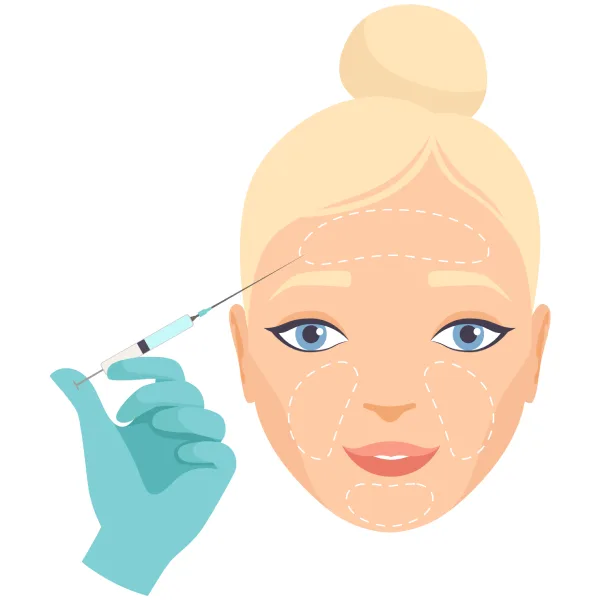
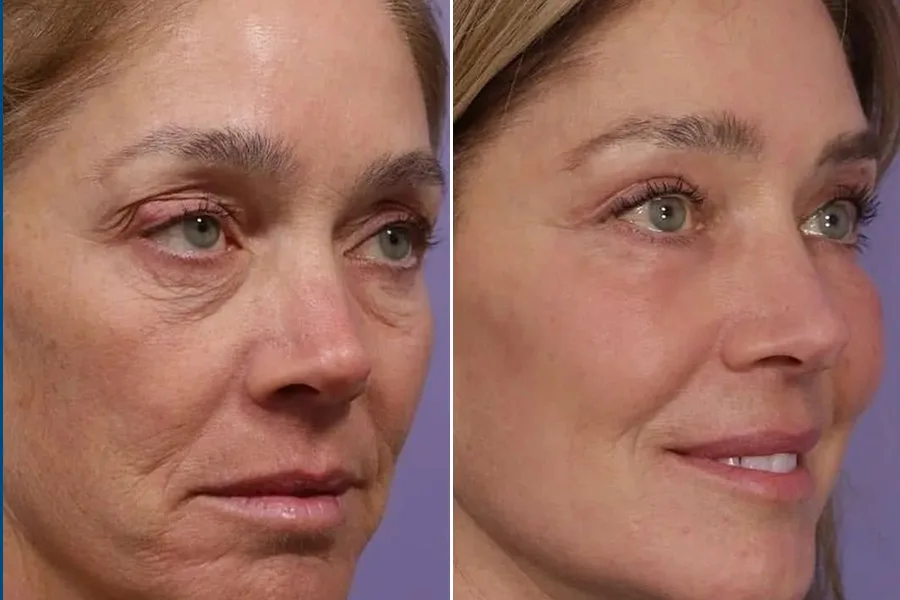
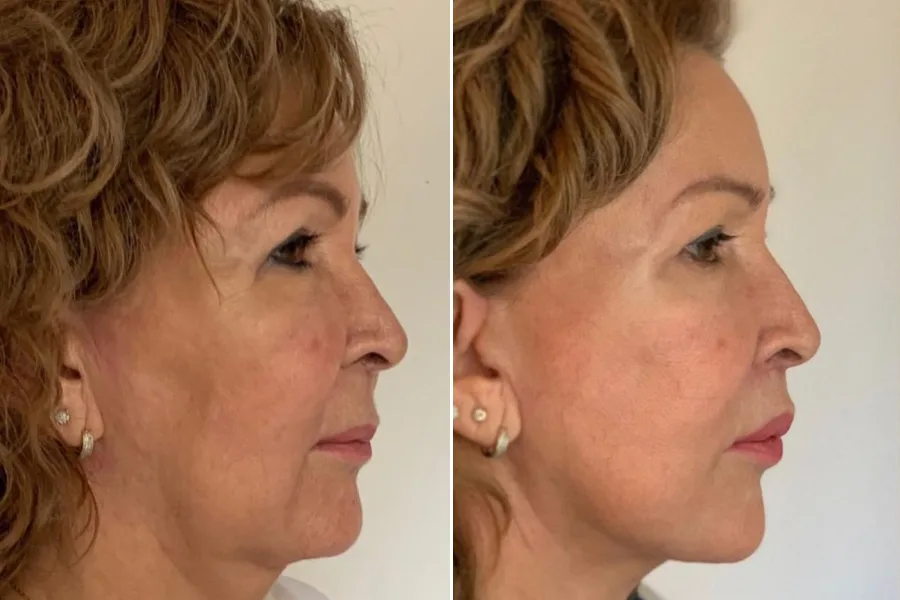
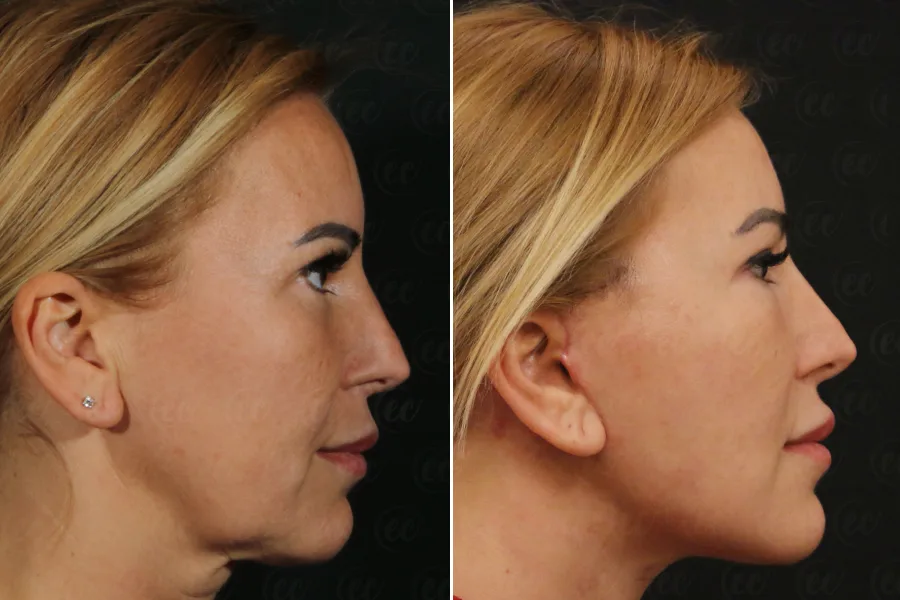
Facelift, also called rhytidectomy, is a cosmetic surgical procedure that lifts and tightens sagging facial tissues to create a smoother, more youthful appearance. It is commonly used to treat visible signs of aging in the lower face and jawline, such as deep folds, jowls, and loose skin around the cheeks and neck.
During the procedure, a surgeon repositions the underlying tissues, removes or redistributes excess skin and fat, and then closes the incisions in a way that aims to keep scars as discreet as possible. A facelift is often combined with other treatments, such as a neck lift, eyelid surgery, or fat transfer, depending on the person's goals and facial structure.
Facelift surgery is generally suited to adults who want to address visible signs of facial aging and are looking for a longer-lasting improvement than non-surgical treatments can provide. This procedure is often appropriate for:
A consultation with a qualified plastic surgeon helps determine whether a facelift is the right option, and whether it should be combined with other procedures for balanced results.
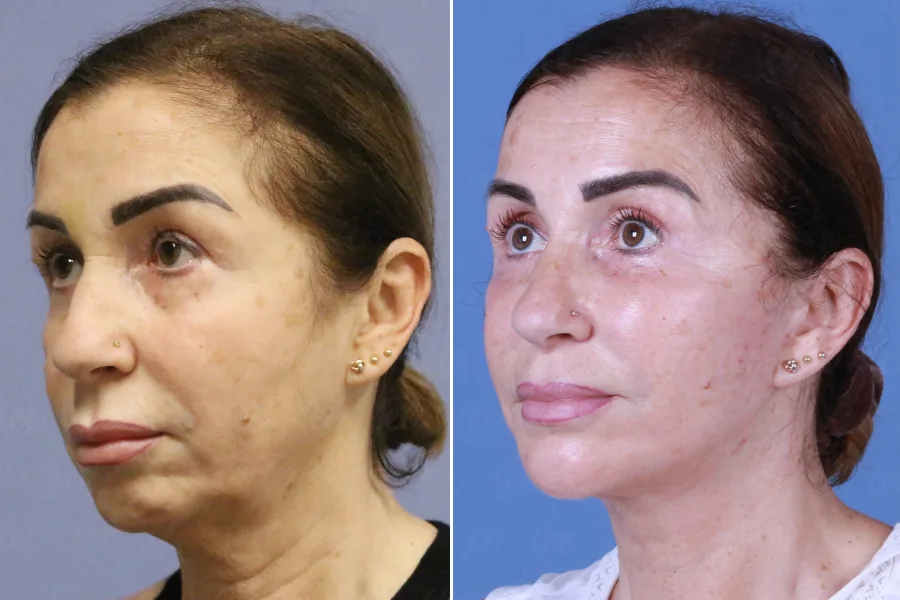
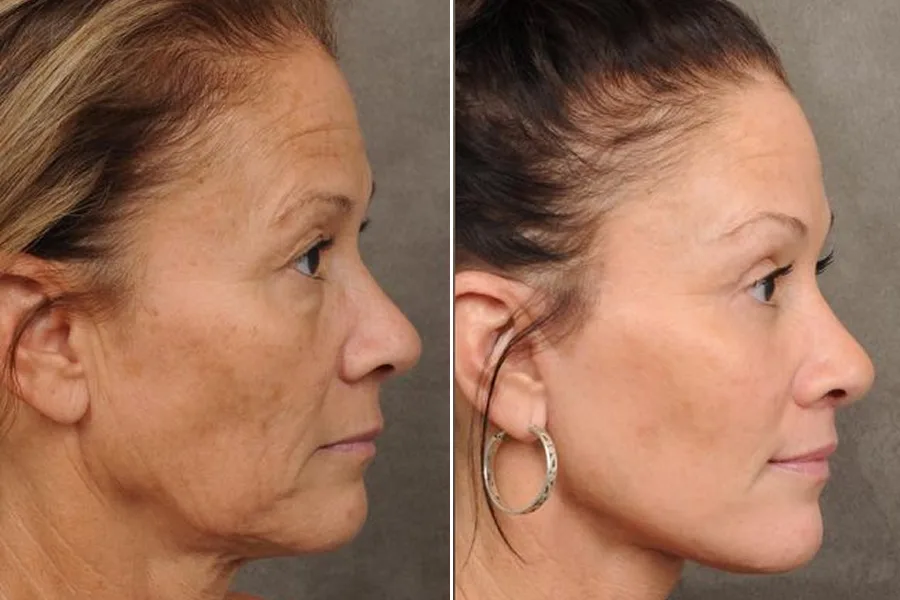
Facelift, also called rhytidectomy, is a surgical procedure designed to reduce visible signs of facial aging by lifting and repositioning deeper tissues, removing or redraping excess skin, and improving the contour of the cheeks, jawline, and neck. It is commonly chosen by people who have sagging skin, deep folds around the nose and mouth, jowls, or loose skin under the chin that cannot be meaningfully improved with non-surgical treatments alone. Depending on your anatomy and goals, a facelift may be combined with a neck lift, eyelid surgery, fat grafting, or skin resurfacing for a more balanced result.
The process begins with a detailed consultation with a plastic surgeon. Your medical history, medications, smoking status, previous surgeries, and any conditions that may affect healing are reviewed carefully. The surgeon examines your skin quality, facial volume, bone structure, degree of laxity, and the position of deeper tissues in the face and neck. Photographs are often taken for planning. Based on this assessment, the surgeon explains the most suitable technique, such as a traditional facelift, mini facelift, or facelift combined with neck contouring, and discusses the expected scars, recovery, and realistic outcome.
On the day of surgery, the treatment plan is confirmed and the surgeon marks the incision lines while you are upright, so natural folds and hairline landmarks can be used. A facelift is usually performed under general anesthesia or intravenous sedation with local anesthesia, depending on the extent of surgery and patient factors. The face and surrounding areas are cleaned with antiseptic solution, the hair is protected, and sterile drapes are placed. The surgical team monitors your breathing, heart rate, blood pressure, and comfort throughout the procedure.
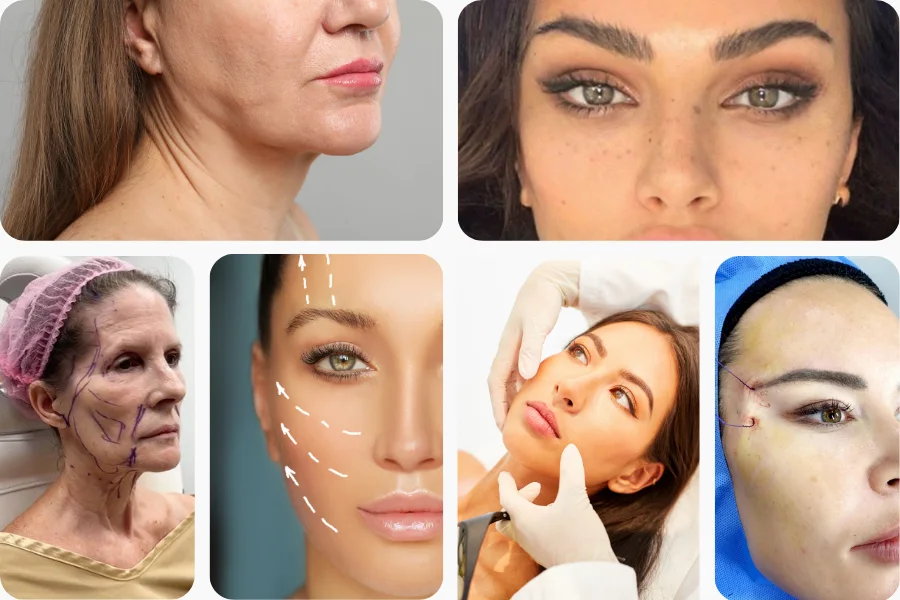
The surgeon makes carefully planned incisions that are designed to be as discreet as possible once healed. In a standard facelift, the incision often begins in the hairline near the temples, continues around the front of the ear, curves behind the earlobe, and may extend into the lower scalp. If the neck also needs more correction, a small incision under the chin may be added. These access points allow the surgeon to lift the skin and reach the deeper support layers without placing scars in highly visible areas.
A modern facelift does not rely only on pulling the skin tighter. After the skin is gently elevated, the surgeon works on the deeper structural layer, often the SMAS (superficial musculoaponeurotic system). This layer is lifted, tightened, or repositioned to restore support to the cheeks and jawline in a more natural way. In the neck, underlying muscles may also be tightened if there is banding or looseness. By adjusting these deeper tissues rather than simply stretching the skin, the result usually looks smoother, longer lasting, and less artificial.
Once the deeper layers are secured, the skin is redraped over the new contours without excessive tension. Any extra skin is trimmed away carefully, and in some cases small amounts of fat may be sculpted or redistributed to improve definition around the jaw or neck. If volume loss is part of the aging pattern, fat grafting may be added to areas such as the cheeks or nasolabial folds. The goal at this stage is to create a refreshed contour while preserving natural facial expression and avoiding an over-pulled appearance.
The incisions are closed with fine sutures, skin adhesives, or small clips in the hair-bearing areas. In some cases, temporary drains are placed to reduce fluid buildup, and a light dressing or compression wrap is applied. After surgery, it is normal to have swelling, bruising, tightness, and mild discomfort for the first days to weeks. You will receive instructions on head elevation, wound care, bathing, activity limits, and when to return for suture removal. Most patients gradually resume social activities within 2 to 3 weeks, although subtle swelling can take longer to settle. Follow-up visits allow the surgeon to monitor healing and scar maturation, and the final result becomes clearer over the following months.
Recovery after a facelift happens gradually, with the most visible swelling and bruising improving in the first couple of weeks and more refined results appearing over the following months. Although many patients feel presentable relatively early, the tissues under the skin continue to settle for some time. Understanding the usual recovery timeline can help you plan travel, time away from work, social activities, and follow-up care with realistic expectations.
It is normal to have tightness, swelling, bruising, and mild to moderate discomfort around the cheeks, jawline, neck, and around the ears. Some numbness and a feeling of pressure are also common. Depending on the technique used, you may go home the same day or stay overnight for observation. Dressings are often placed around the face, and some patients have small drains for a short time to reduce fluid buildup. Keeping your head elevated, resting quietly, and using prescribed pain medication can help control swelling and discomfort. Light walking is usually encouraged, but bending, lifting, and strenuous activity should be avoided.
Swelling and bruising often peak during the first several days and then begin to improve. Your surgeon will usually check the incisions, remove drains if used, and advise when dressings can come off. You may still feel facial tightness, stiffness when turning the neck, and temporary numbness near the incision lines. Most patients are asked to continue sleeping on their back with the head elevated and to avoid smoking, alcohol, and anything that raises blood pressure significantly. Gentle washing and careful incision care are important. Sutures or clips may be removed in stages, depending on the areas treated and how you are healing.
By this stage, much of the obvious bruising has faded, and swelling is usually noticeably better, though the face may still look slightly puffy or uneven, especially in the morning. Many patients feel comfortable returning to desk work and limited social activities within 10 to 14 days, while others prefer closer to 2 to 3 weeks before being seen publicly. Makeup can often be used once your surgeon says the incisions are ready. Light daily activities are usually fine, but vigorous exercise, heavy lifting, and high-impact movement should still be limited until you are cleared. Incision lines may look pink or firm at first, which is a normal part of healing.
As the deeper tissues continue to heal, the face and neck begin to look more natural and less tight. Residual swelling, numbness, and firmness under the skin can still be present, even if others do not notice it. Most patients can gradually return to more regular exercise during this period, based on their surgeon's advice. It is important to protect healing skin from sun exposure, avoid pressure on the incision areas, and continue any scar care recommended by your clinic. If you had a combined procedure, such as eyelid surgery, fat transfer, or a neck lift, recovery may be slightly longer or involve additional instructions.
A facelift result continues to refine over several months as lingering swelling resolves and the skin and deeper support layers settle into place. Areas of numbness usually improve gradually, though some altered sensation can last longer. Scars typically soften and fade with time, often becoming less noticeable over several months. By around 2 to 3 months, many patients feel they look like themselves again, just more rested and lifted, but subtle changes can continue beyond that. Long-term recovery is supported by good skincare, sun protection, stable weight, and attending follow-up visits so your surgeon can monitor healing and scar quality.
Türkiye has become a well-known destination for facelift surgery, offering patients access to experienced plastic surgeons, modern surgical facilities, and more accessible pricing than many countries in Europe or North America. For people seeking a more refreshed facial appearance with careful attention to natural-looking results, clinics in Türkiye often provide a structured treatment journey that combines medical planning, comfort, and practical support for international visitors.
A facelift is a highly individualized procedure that requires detailed assessment of facial anatomy, skin quality, tissue laxity, and overall aesthetic balance. Many clinics in Türkiye use comprehensive facial analysis, digital photography, and detailed preoperative consultations to decide whether a patient may benefit from a full facelift, mini facelift, neck lift, or combined procedures such as eyelid surgery or fat transfer. This planning stage is especially important for international patients, because it helps set realistic expectations and supports a safer, more predictable surgical process.
Beyond the operation itself, many patients value the support they receive during recovery. Facelift healing involves more than waiting for swelling to settle, it also includes wound care, sleeping position, medication use, and follow-up checks to monitor how the tissues are settling. Turkish clinics that regularly treat international patients often provide detailed recovery instructions and remote communication after discharge, which can be reassuring for those returning home soon after surgery.
Another reason patients choose Türkiye is the availability of tailored treatment plans. Some individuals need a subtle lift focused on the lower face, while others may require a more comprehensive approach involving the cheeks, jawline, and neck. Surgeons in Türkiye frequently manage a high volume of aesthetic facial procedures, which can be valuable when balancing rejuvenation with facial harmony, scar concealment, and long-term results.
Türkiye's strong position in the global health tourism market reflects years of investment in private healthcare facilities, international patient coordination, and specialist surgical experience. By welcoming large numbers of medical travelers each year, the country has developed organized care pathways and dependable support systems that make treatment abroad feel more manageable. This combination of clinical expertise, practical convenience, and patient-focused service is a key reason why many people choose Türkiye for facelift surgery.
Get a tailored average price for your needs.
Medical Reviewer
Writer
Guides and insights connected to this treatment.
Complete the form in less than 2 minutes.
Offers are prepared by verified clinics without sharing your personal information.
Review transparent pricing and package details side-by-side.
Appointments, transfers, accommodation, and city tours are organized for you.
Receive and compare treatment offers from top clinics within minutes—no waiting list.
Keep your budget under control with all-inclusive packages, free from hidden extra costs.
From flight booking to full recovery, get dedicated guidance whenever you need assistance.
Botan
Personal Heal Road Manager
From Discovery
to Recovery
with you, every step of the journey
Share a few details and we’ll get back to you with the best options.
WhatsApp quick contact