


Dental Treatments · Composite Bonding

Dental Treatments
Composite Bonding: Refine Your Smile
A cosmetic dental treatment using tooth-colored resin to repair chips, close gaps, and improve smiles. Learn more about treatment in Turkey.
Page Contributors


Local
Anesthesia

30–60 m
Duration

1–2 d
Recovery

Mild
Pain Level

Immediate
Result Appearance

90–95 %
Success Rate
What is Composite Bonding?
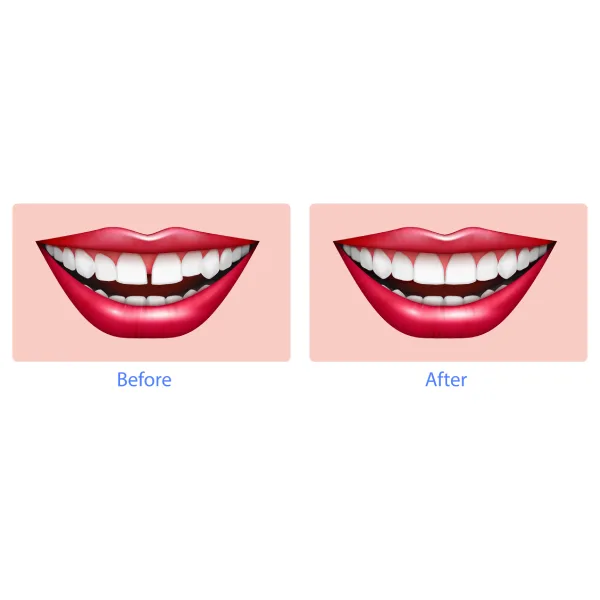
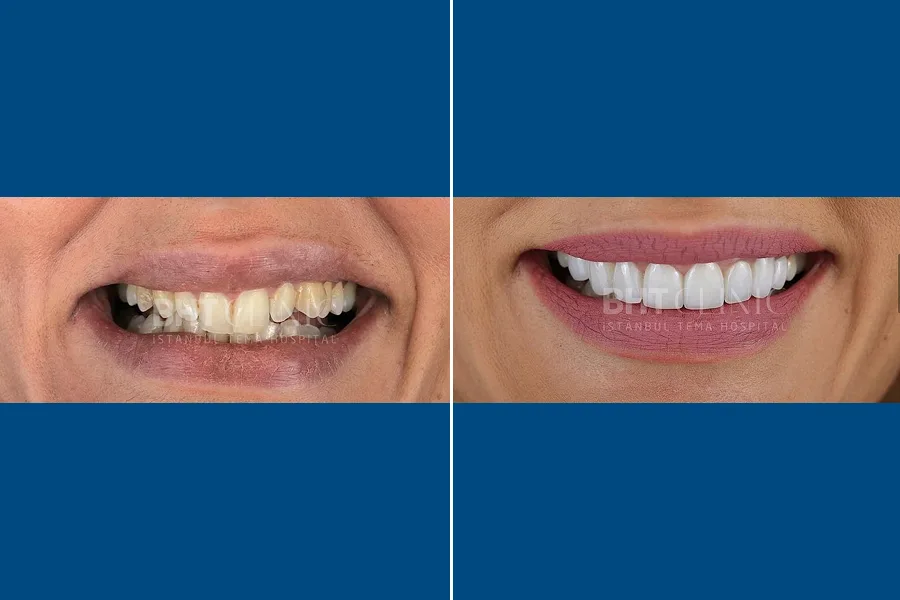
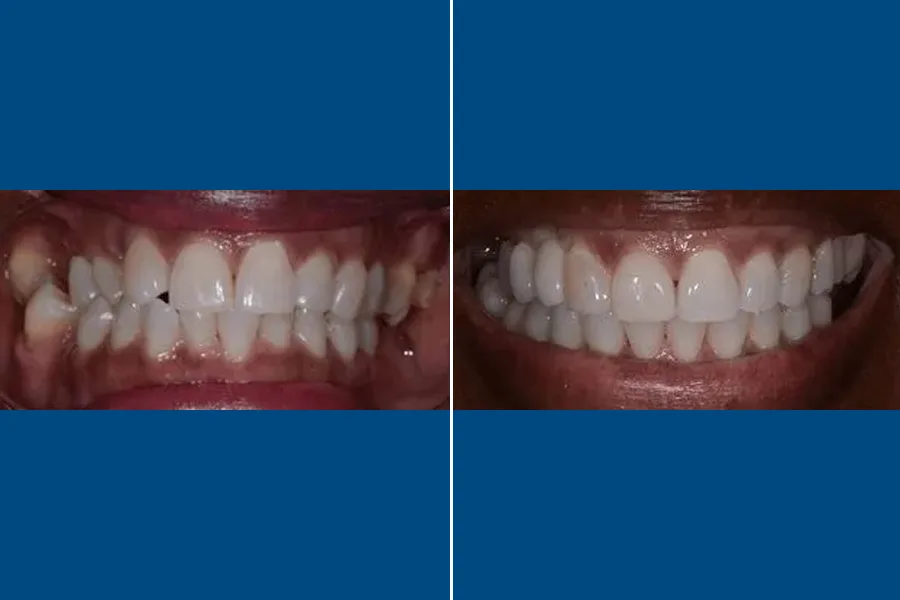
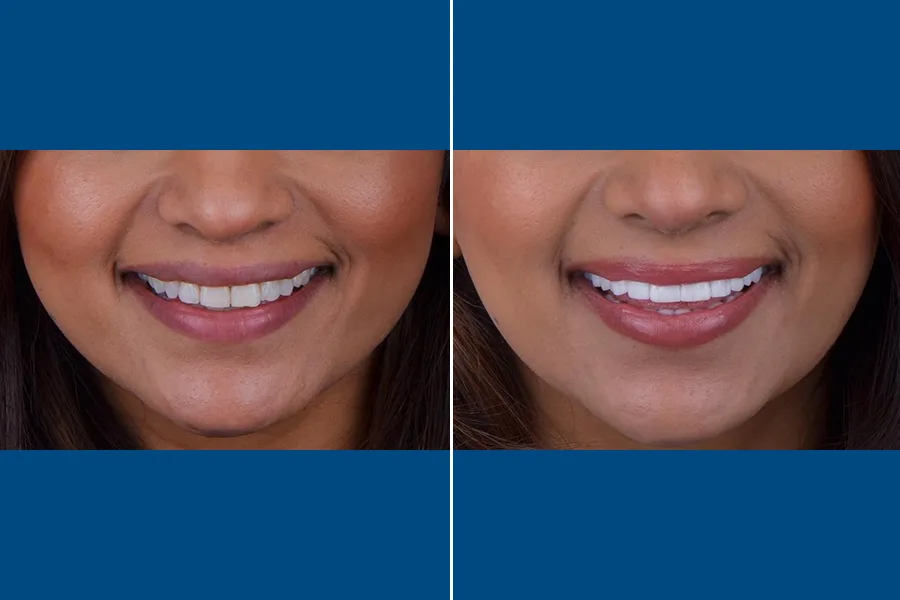
Composite bonding is a cosmetic dental treatment used to improve the shape, color, and overall appearance of teeth. It involves applying a tooth-colored resin material directly to the tooth surface, then carefully shaping and polishing it so it blends in with the natural tooth.
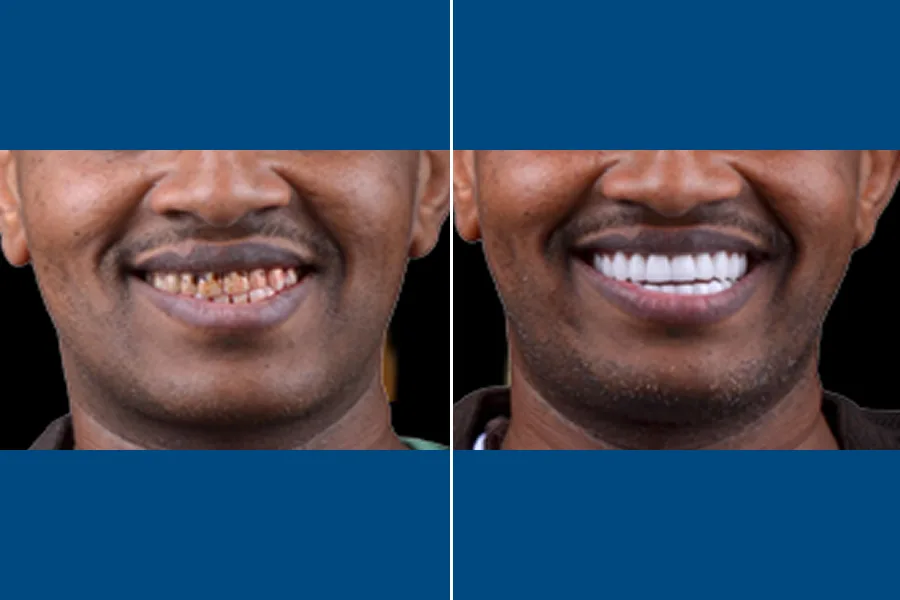
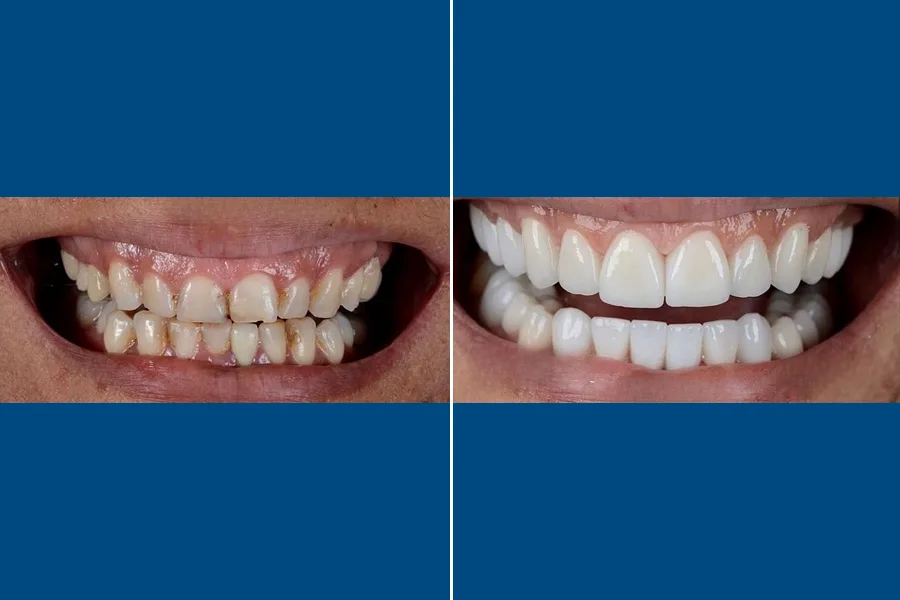
This treatment is commonly used to repair small chips or cracks, close minor gaps, cover discoloration, and make uneven or worn teeth look more balanced. Composite bonding is usually completed in a single visit and often requires little to no removal of natural tooth structure, which makes it a more conservative option than veneers or crowns. The results can look very natural when matched closely to the surrounding teeth.

Who is Composite Bonding for?
Composite bonding is a good option for people who want to improve the appearance of their teeth with a minimally invasive and relatively quick cosmetic treatment. It is often most suitable for:
- Adults with small chips, cracks, uneven edges, or minor wear affecting the front teeth.
- People who want to close small gaps, improve tooth shape, or make slightly uneven teeth look more balanced.
- Patients with mild discoloration or surface imperfections that may not respond well to whitening alone.
- Individuals who prefer a conservative treatment that usually requires little to no removal of natural tooth structure.
- Those with generally healthy teeth and gums, and realistic expectations about the cosmetic result and longevity of the bonding material.
A dental examination helps confirm whether composite bonding is the right choice, especially if there are bite issues, decay, gum disease, or habits such as teeth grinding that could affect the outcome.
Composite Bonding benefits
-
Minimally invasive repair
-
Shape correction
-
Natural smile aesthetics
-
Repairable material
-
Comfort-focused procedure
-
Cost-conscious option
How is Composite Bonding done?
Composite Bonding is a cosmetic dental treatment used to improve the shape, color, and overall appearance of teeth by applying a tooth-colored resin material directly to the enamel. It is commonly chosen to repair small chips, close minor gaps, smooth uneven edges, cover discoloration, or make teeth look more symmetrical. In most cases, the treatment is completed in one visit, with little to no drilling and usually no need for anesthesia unless the bonding is also being used to repair decay or damage near a sensitive area.
-
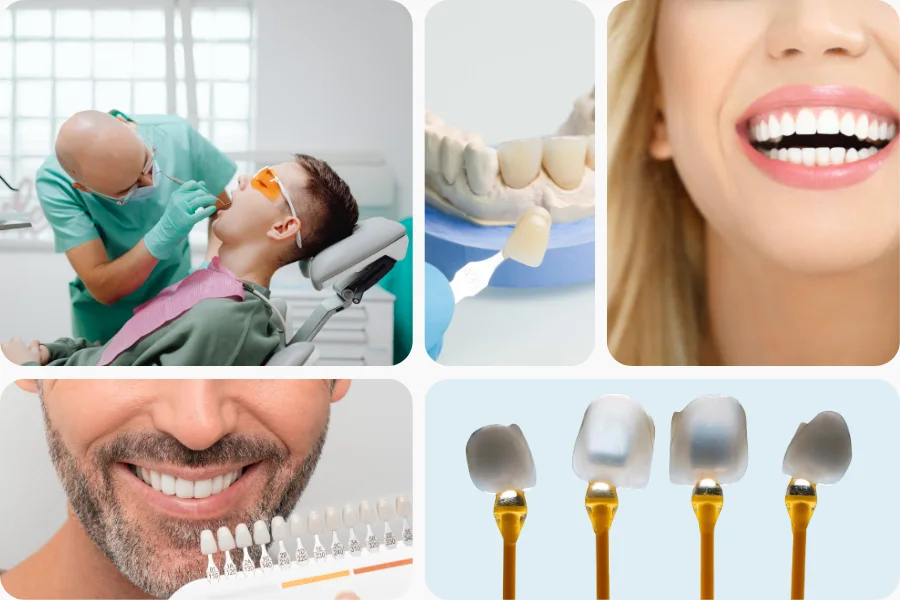
Consultation, Smile Assessment, and Shade Selection
The process begins with a dental consultation to understand what you would like to improve and to check whether composite bonding is the right option. The dentist examines your teeth, gums, and bite, and may take photographs or X-rays if needed. This helps identify issues such as tooth wear, grinding, decay, or gum disease that may need attention first. A shade-matching process is then carried out so the composite blends naturally with your surrounding teeth, or matches the brighter shade planned after whitening if that is part of your treatment plan.
-
Preparation of the Tooth Surface
One reason composite bonding is popular is that it is usually a minimally invasive procedure. In many cases, very little natural tooth structure needs to be removed. The dentist first cleans the tooth thoroughly to remove plaque and surface stains. If the goal is purely cosmetic, the enamel may only need light preparation. A small amount of roughening is often created on the surface so the bonding material can attach more securely. The area is then kept dry, sometimes with cotton rolls or a rubber dam, because moisture control is important for a strong bond.
-
Etching and Bonding Agent Application
After the tooth is prepared, the dentist applies a mild etching gel to the enamel for a short time. This creates microscopic texture on the surface, which helps the material adhere better. The gel is then rinsed away and the tooth is dried carefully. Next, a liquid bonding agent is painted onto the tooth. This adhesive layer acts as the link between the natural tooth and the composite resin. It is usually hardened with a special blue curing light before the main shaping begins.
-
Layering and Sculpting the Composite Resin
The dentist places the composite resin in small increments rather than all at once. This allows better control over shape, strength, and color blending. Each layer is carefully molded to build the desired contour, whether that means repairing a chipped corner, lengthening a short tooth, closing a gap, or improving symmetry across the smile. Different shades or translucencies of composite may be combined to create a more natural result, especially on front teeth. Each layer is hardened with the curing light before the next one is added.
-
Shaping, Bite Adjustment, and Polishing
Once the resin has fully set, the dentist refines the bonded area using fine instruments and polishing discs. This step is important because it determines how natural the tooth looks and how comfortable it feels. The dentist checks the bite alignment to make sure the bonded tooth does not hit too early when you close or chew, which could increase the risk of chipping. The surface is then polished until it has a smooth, glossy finish that resembles natural enamel. Good polishing also helps reduce stain buildup over time.
-
Aftercare, Longevity, and Follow-Up
Composite bonding usually requires little recovery time, and most people can return to normal daily activities straight away. You may be advised to avoid very hard foods, nail biting, or using your teeth to open packaging, especially if bonding was placed on the front teeth. It is also wise to limit staining habits such as smoking or frequent intake of coffee, tea, and red wine, because composite can discolor over time more easily than porcelain. With good oral hygiene, regular dental checkups, and occasional polishing or touch-ups, bonding can remain attractive for several years, although it may eventually need repair or replacement depending on wear and lifestyle.
Recovery and expectation?
Recovery after composite bonding is usually quick and straightforward because the treatment is minimally invasive and often completed in a single visit. In most cases, there is little to no true healing period compared with crowns, veneers, or implant procedures. What patients notice most is a short adjustment phase as the teeth settle, the bite is checked, and the lips and tongue get used to the new shape and surface of the bonded areas. Understanding what is normal in the hours and days after treatment can help you eat, speak, and care for your teeth with confidence.
-
Immediately After Treatment (First Few Hours)
Once the bonding is polished and the bite is adjusted, most patients can return to normal daily activities right away. If local anesthetic was used, your lips, cheeks, or gums may stay numb for a few hours, so it is best to avoid chewing until sensation returns fully. Some people notice mild tooth sensitivity, slight gum tenderness, or an unusual feeling when the teeth come together, especially if the bonding changed the edge, contour, or length of a tooth. These sensations are usually temporary and often improve within the same day.
-
Early Adjustment Period (First 24–72 Hours)
During the first couple of days, it is common to become more aware of the treated tooth or teeth when biting, flossing, or speaking. If bonding was placed on front teeth, you may briefly notice changes in pronunciation of certain sounds until your tongue adapts. Mild sensitivity to cold drinks or air can happen, particularly if the tooth surface was lightly prepared before the resin was applied. Most patients do not need time off work, and discomfort is usually minimal. If your bite feels uneven or one tooth seems to hit first, contact the clinic, because a small polish or adjustment can often solve the problem quickly.
-
First Week of Recovery (Days 3–7)
By this stage, any minor sensitivity or awareness of the bonding usually settles. The material itself is fully hardened at the end of the appointment, so there is no waiting period for it to set, but the surrounding tissues and your bite may still be adjusting. You can generally eat normally, although it is wise to be cautious with very hard foods, ice, fingernail biting, pen chewing, or opening packages with your teeth, as these habits can chip the bonded edge. Good oral hygiene is important, and gentle brushing with a non-abrasive toothpaste helps keep the surface smooth and polished.
-
Short-Term Stability and Daily Care (1–4 Weeks)
Over the next few weeks, the bonded teeth should feel increasingly natural. Most people forget about the treatment in day-to-day life once the initial awareness fades. At this point, the main focus is not healing in the medical sense, but protecting the bonding from staining, wear, and accidental damage. Coffee, tea, red wine, tobacco, and strongly colored foods can gradually discolor composite resin more easily than natural enamel, especially if consumed frequently. If you grind your teeth at night, your dentist may recommend a night guard to reduce the risk of chipping or premature wear.
-
Long-Term Maintenance and Follow-Up (Months and Beyond)
Composite bonding does not usually require a long recovery timeline, but it does benefit from regular review. At routine dental checkups, your dentist can assess the margins, polish away minor surface staining, and make small refinements if needed. Depending on the location of the bonding, your bite, diet, and habits, the material may last several years before needing touch-ups or replacement. Front-edge bonding can be especially vulnerable to chipping if used heavily. With sensible eating habits, good brushing and flossing, and professional maintenance, many patients enjoy a stable and natural-looking result for a long time.
Why Choose Türkiye for Composite Bonding?
Türkiye has become a popular destination for composite bonding, offering a strong combination of skilled cosmetic dentists, modern smile design technology, and more accessible pricing than many countries in Europe or North America. For patients who want to improve chipped, uneven, discolored, or slightly gapped teeth without extensive drilling, clinics in Türkiye often provide a practical and well-coordinated treatment journey that balances aesthetics, function, and comfort.
Composite bonding may look simple from the outside, but achieving a natural result requires careful shade matching, artistic contouring, and a good understanding of bite balance. Many Turkish clinics use digital photography, intraoral scanning, and smile design planning to assess tooth shape, facial proportions, and the way the teeth come together before treatment starts. This is especially helpful for international patients, because it supports clear communication about expectations and helps the dentist plan a result that looks attractive but still natural. When needed, dentists can also evaluate whether whitening, gum contouring, or minor orthodontic correction should be considered before bonding for a better final outcome.
- Türkiye offers access to experienced cosmetic dentists who regularly perform bonding for smile enhancement, tooth repair, and subtle aesthetic corrections, often with a conservative approach that preserves natural enamel.
- Many clinics use high-quality composite materials and modern finishing techniques, helping create restorations with smooth surfaces, natural translucency, and improved stain resistance.
- Patients often benefit from personalized treatment planning, including assessment of tooth color, edge length, symmetry, and bite forces, which are all important for both appearance and durability.
- Clinics typically place strong emphasis on hygiene standards, minimally invasive techniques, and patient comfort, with clear advice on polishing, maintenance, and habits that may affect the lifespan of bonding.
- Cost advantages make cosmetic dental care more attainable, and many patients appreciate transparent packages that may include consultation, imaging, treatment, and follow-up review.
- Türkiye’s well-developed medical tourism infrastructure and strong international flight network make it easier for visitors to organize appointments, accommodation, and local transport in a short timeframe.
Another reason patients choose Türkiye for composite bonding is the efficiency of care. In many cases, bonding can be completed in one visit or over a short stay, which suits travelers looking for visible cosmetic improvement without a long recovery period. Dentists usually provide guidance on protecting the bonded teeth, avoiding excessive pressure from nail biting or hard foods, and maintaining regular polishing and oral hygiene. This aftercare matters, because the long-term appearance of composite bonding depends not only on the dentist’s technique, but also on daily habits and routine maintenance.
Türkiye’s success in the health tourism market is closely linked to its investment in private dental clinics, international patient coordination, and high-volume experience in cosmetic dentistry. By welcoming patients from many different countries each year, Türkiye has developed a reputation for organized care, clear communication, and dependable service standards. This combination of clinical experience, practical travel support, and patient-focused planning is one of the main reasons why many people feel confident choosing Türkiye for composite bonding.
Customize your treatment estimate
Start with Composite Bonding selected. Adjust the answers below to refine the average estimate shown above.
Your estimate will appear here.
Frequently Asked Questions about Composite Bonding
How long does composite bonding typically last before it may need touch-ups or replacement?

Composite Bonding typically lasts around 3 to 10 years before it may need touch-ups, repair, or replacement, depending on the location of the bonding and how well it is cared for.
Bonding on front teeth used mainly for cosmetic improvements may last several years, but the material can gradually chip, stain, wear down, or lose its polish over time.
- Average lifespan: Usually about 3 to 10 years.
- Touch-ups may be needed sooner: Especially if you bite hard objects, grind your teeth, or consume staining foods and drinks frequently.
- Longer-lasting results: Good oral hygiene, regular dental check-ups, and avoiding habits like nail-biting or chewing ice can help extend its lifespan.
- Replacement: If the bonding becomes noticeably worn, chipped, discolored, or detached, your dentist may recommend replacing it.
Your dentist can give you a better estimate based on which teeth are treated, your bite, and your daily habits.
Will composite bonding look natural and match the color of surrounding teeth?
Composite Bonding is designed to look very natural, and in most cases it can be closely matched to the color, shape, and texture of your surrounding teeth.
Your dentist selects the bonding material shade carefully so it blends in with your natural smile, making the repair or cosmetic improvement usually hard to notice.
- Shade matching: Composite resin comes in different shades to help match nearby teeth.
- Natural appearance: It can be shaped and polished to mimic the look of natural enamel.
- Best results: Bonding tends to look most seamless on small to moderate repairs, such as chips, gaps, or uneven edges.
- Staining over time: Composite material can stain gradually from coffee, tea, red wine, or smoking, so good care is important.
If you are considering whitening, it is often best to whiten your teeth before composite bonding, since the bonded material does not whiten in the same way as natural teeth. Your dentist can help choose the most natural match for your smile.
Can composite bonding stain over time from coffee, tea, or smoking?
Yes, Composite Bonding can stain over time, especially with frequent exposure to coffee, tea, red wine, curry, and smoking. The bonding material is more porous than natural enamel or some other dental restorations, so it can pick up discoloration gradually.
How quickly staining happens depends on your habits and how well the bonded teeth are cared for.
- Common causes: Coffee, tea, tobacco, and strongly colored foods and drinks.
- Risk over time: Staining is usually more noticeable after months or years, particularly on the front teeth.
- Prevention: Rinsing after dark drinks, using a straw when appropriate, avoiding smoking, and maintaining good oral hygiene can help reduce staining.
- Maintenance: Professional polishing may improve surface stains, but composite bonding cannot be whitened in the same way as natural teeth.
If the bonding becomes significantly discolored, your dentist may recommend polishing, repair, or replacement to restore its appearance.
Are there any dietary restrictions after getting composite bonding?
After Composite Bonding, there are usually only temporary dietary restrictions, especially during the first 24 to 48 hours after treatment. This helps protect the bonded area and reduce the risk of staining or chipping.
Your dentist may recommend avoiding very hard, sticky, or strongly colored foods and drinks right after the procedure, particularly if the bonding was done on the front teeth.
- Avoid hard foods: Ice, hard candies, nuts, and similar foods can chip the bonding material.
- Be careful with sticky foods: Chewy sweets and sticky snacks may place extra stress on the bonded tooth.
- Limit staining items: Coffee, tea, red wine, curry, and tobacco can stain composite resin over time.
- Choose softer foods at first: Softer meals can be more comfortable if your teeth feel slightly sensitive after treatment.
In the long term, most people can return to a normal diet, but it is best to avoid biting directly into very hard foods with bonded teeth. Good oral hygiene and regular dental check-ups can help keep Composite Bonding looking its best for longer.
How should composite bonding be cared for at home to help it last longer?
Composite Bonding can last longer with good daily care and by avoiding habits that may chip, stain, or wear the bonded areas.
At home, it is important to keep your teeth and gums healthy and to protect the bonding from unnecessary pressure.
- Brush twice a day with a soft-bristled toothbrush and a non-abrasive toothpaste.
- Floss daily to help prevent plaque buildup around the bonded teeth.
- Avoid biting hard objects such as ice, pens, fingernails, or hard sweets, as this can chip the bonding.
- Limit staining foods and drinks such as coffee, tea, red wine, and tobacco, because composite material can stain over time.
- Wear a night guard if you grind or clench your teeth, as this can shorten the life of the bonding.
- Attend regular dental check-ups so your dentist can polish, monitor, and repair the bonding if needed.
With proper care, Composite Bonding can stay attractive and functional for several years, but it may eventually need touch-ups or replacement depending on wear and lifestyle habits.
Is composite bonding reversible, or does it permanently alter the teeth?
Composite Bonding is often considered minimally invasive, but it is not always completely reversible. In many cases, little to no natural tooth structure is removed, which means the treatment may be reversible to some extent. However, this depends on how the teeth are prepared before the bonding is applied.
If the dentist needs to reshape, roughen, or remove a small amount of enamel to improve the fit or appearance, that change is usually permanent. Even when no major drilling is needed, bonded teeth typically require ongoing maintenance because the material can chip, stain, or need replacement over time.
- Sometimes reversible: If no enamel is removed, the bonding may be taken off with minimal long-term change.
- Sometimes permanent: If the tooth is altered during preparation, the procedure is not fully reversible.
- Maintenance needed: Composite bonding is not permanent and may need polishing, repair, or replacement after several years.
Your dentist can tell you whether your planned Composite Bonding treatment will involve any permanent changes to your natural teeth.
Can composite bonding chip or wear down easily during normal daily use?
Composite Bonding is generally durable for normal daily use, but it can chip, stain, or wear down over time, especially if it is exposed to heavy biting forces or poor oral habits.
In everyday life, bonded teeth usually hold up well for activities like speaking, smiling, and normal eating. However, the material is not as strong as natural enamel or some other dental restorations, so it does require some care.
- Normal use: Usually suitable for routine daily function.
- Higher risk of chipping: Can happen if you bite hard foods, chew ice, bite nails, or use your teeth to open things.
- Wear over time: The bonded surface may gradually become less smooth or lose its polish.
- Maintenance: Regular dental check-ups and good oral hygiene help keep the bonding in good condition.
With proper care, Composite Bonding can last for several years, but occasional touch-ups or repairs may be needed. Your dentist can advise you on how to make it last as long as possible.
How does composite bonding compare with veneers in terms of appearance, durability, and maintenance?
Composite Bonding and veneers can both improve the appearance of teeth, but they differ in appearance, durability, and maintenance.
In terms of appearance, veneers usually provide a more polished and highly stain-resistant result, especially for patients seeking a very uniform smile makeover. Composite Bonding can still look very natural and attractive, particularly for small chips, gaps, uneven edges, or minor discoloration, but it may not always match the translucency and long-term color stability of porcelain veneers.
- Appearance: Veneers often offer the most refined and consistent cosmetic finish, while Composite Bonding is a more conservative option that can achieve excellent results for minor to moderate corrections.
- Durability: Composite bonding is generally less durable than porcelain veneers and may be more likely to chip, wear, or stain over time. Bonding often lasts around 3 to 7 years, while veneers may last 10 to 15 years or longer with good care.
- Maintenance: Composite Bonding usually requires more touch-ups or repairs over time. Veneers are more stain-resistant, but both options still need good oral hygiene, regular dental check-ups, and avoiding habits like biting nails or chewing hard objects.
One advantage of Composite Bonding is that it is usually quicker, less invasive, and more affordable than veneers, often requiring little or no removal of natural tooth structure. Veneers, however, may be the better choice for patients who want the most durable and long-lasting cosmetic result.
Your dentist can help you decide between Composite Bonding and veneers based on your smile goals, budget, and the condition of your teeth.
Will composite bonding affect eating, speaking, or brushing in the first few days?
Composite Bonding may feel slightly different for the first few days, but most patients adjust very quickly and can return to normal daily activities soon after treatment.
You may notice a small change in how your teeth come together or how the bonded area feels against your lips and tongue, especially if bonding was done on the front teeth. Mild sensitivity is also possible at first.
- Eating: You can usually eat normally, but it is best to avoid very hard, sticky, or staining foods for the first day or two.
- Speaking: Speech is usually not affected for long, though some patients notice a brief adjustment period if the shape of the teeth has changed.
- Brushing: You should continue brushing and flossing gently as normal, using good oral hygiene to keep the bonded teeth in good condition.
If the bonding feels rough, too bulky, or your bite seems uneven after a few days, you should contact your dentist, as a small adjustment may be needed.
How often are follow-up visits or maintenance appointments usually needed after composite bonding?
After Composite Bonding, follow-up and maintenance appointments are usually needed at your routine dental check-ups every 6 months, although some patients may be advised to return sooner depending on the location of the bonding and their oral habits.
These visits help your dentist check that the bonded areas remain smooth, secure, and stain-free, and allow any small chips, wear, or rough edges to be corrected early.
- Routine reviews: Commonly every 6 months during regular dental examinations and cleanings.
- Earlier follow-up if needed: You may need an earlier visit if the bonding feels rough, becomes chipped, stains, or affects your bite.
- Long-term maintenance: Composite bonding may need polishing, touch-ups, or repair over time, especially on edges of front teeth.
Good oral hygiene, avoiding habits like biting nails, chewing ice, or opening packages with your teeth, and attending regular dental visits can help your bonding last longer.
Clinics offering Composite Bonding
Compare verified clinic profiles connected to this treatment.



Related Articles
Guides and insights connected to this treatment.

A Step-by-Step Guide to Composite Bonding in Turkey

When Is the Best Time to Travel to Turkey for Dental Care?
