Create Your
Treatment Request
Create Your
Treatment
Request
Complete the form in less than 2 minutes.
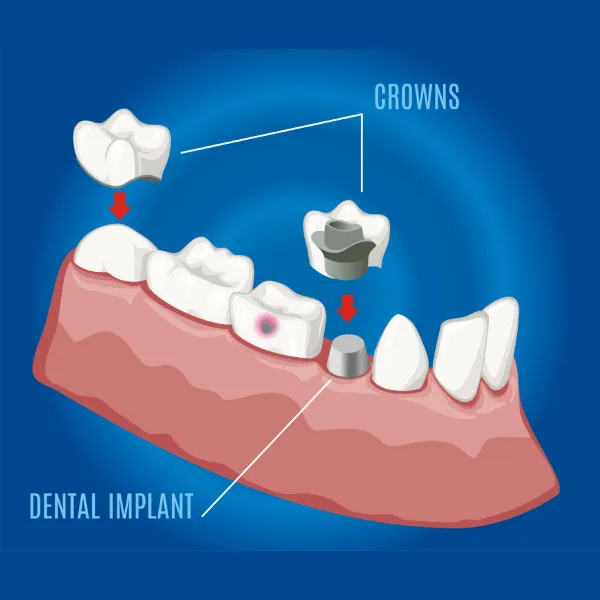
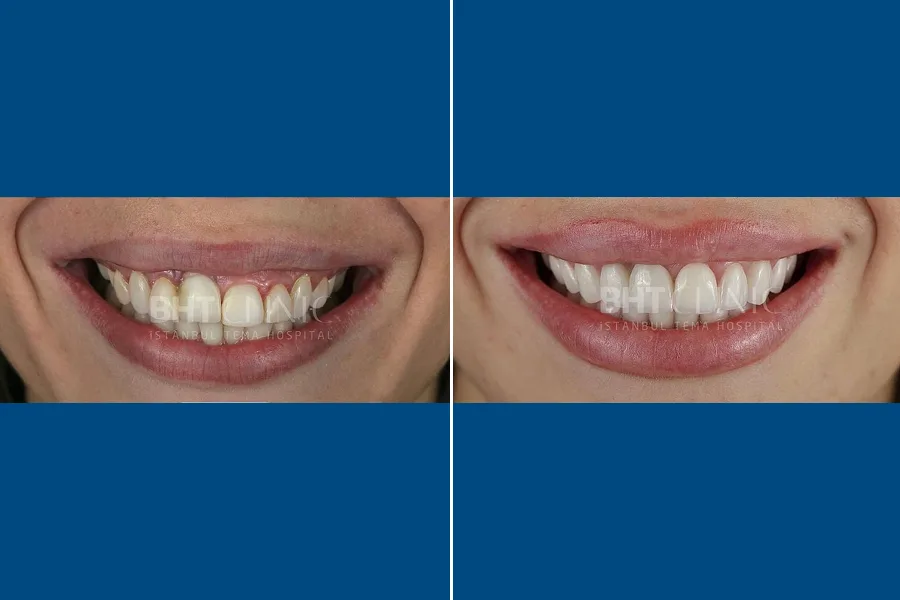
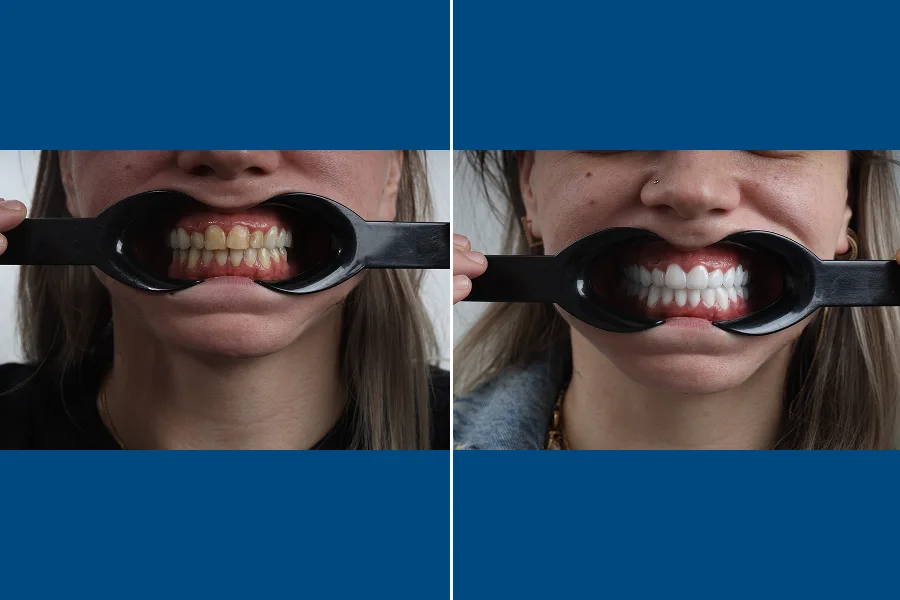
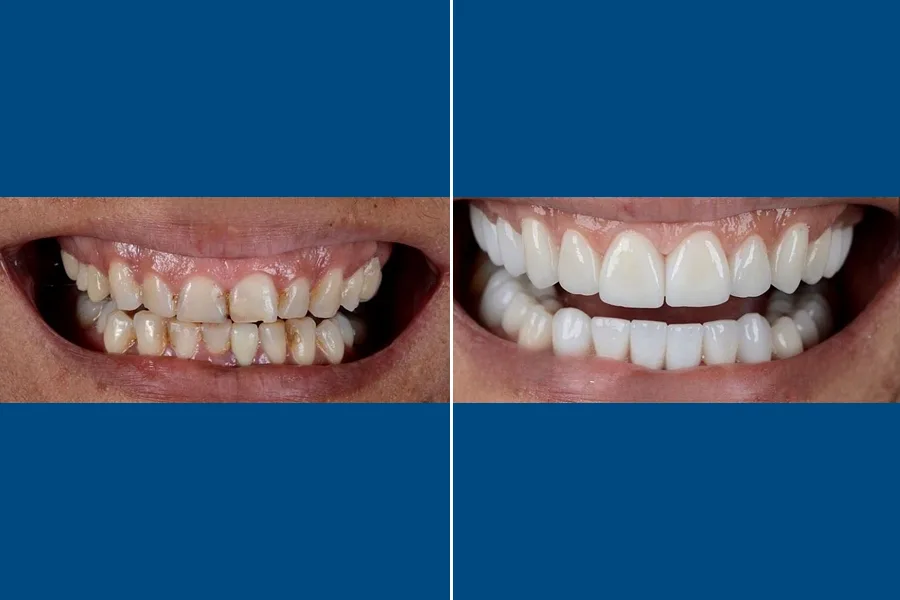
Zirconium crown is a type of dental crown used to restore and protect a damaged, weakened, or heavily filled tooth. It is made from zirconia, a strong ceramic material known for its durability and tooth-like appearance, making it a popular option for both front and back teeth.
The crown is custom-made to fit over the prepared tooth, covering it completely to improve its shape, strength, and function. Zirconium crowns are often chosen when a tooth needs long-term support after decay, fracture, root canal treatment, or cosmetic correction. They are also metal-free, which can be helpful for patients who want a more natural look or prefer to avoid metal-based restorations.
Zirconium crowns are a good option for people who need to restore a damaged or weakened tooth and want a durable, natural-looking result. This treatment is often suitable for:
A dental examination helps determine whether a zirconium crown is the right choice, or if another restorative treatment would be more appropriate for long-term function and appearance.
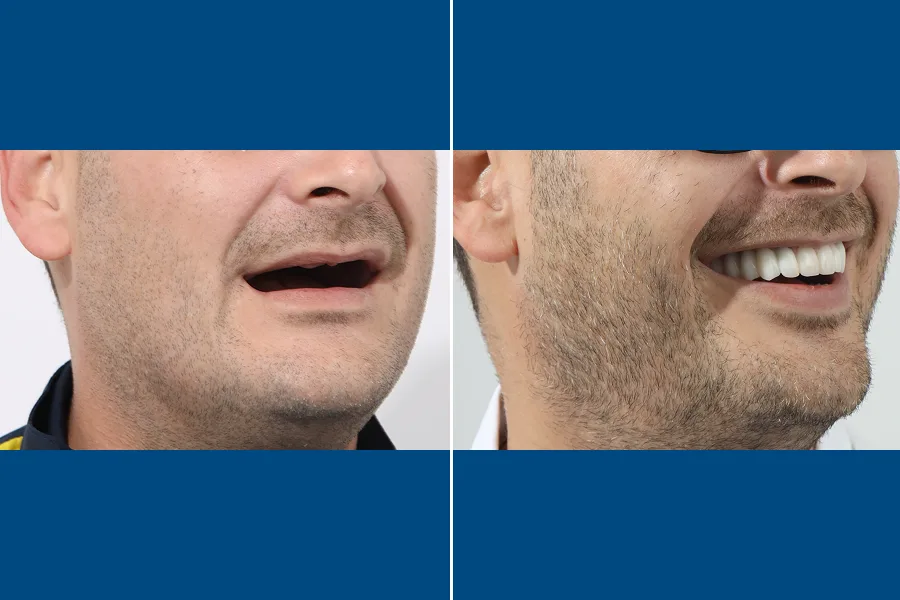
A zirconium crown is a tooth-shaped cap made from strong, tooth-colored zirconia ceramic that is placed over a damaged, weakened, heavily filled, or root canal treated tooth. It is used to restore strength, shape, and appearance while protecting the remaining natural tooth structure underneath. Zirconium crowns are popular because they combine durability with a natural look, and they can be used on both front and back teeth.
The process begins with a dental examination to assess whether the tooth can be restored with a crown. Your dentist checks the amount of healthy tooth structure left, the condition of the gums, your bite, and whether there is decay, fracture, or infection. X-rays are often taken to evaluate the roots and surrounding bone. If the tooth is suitable, the dentist plans the crown shape, shade, and material type, and explains whether any additional treatment, such as a filling buildup or root canal treatment, is needed before the crown is made.
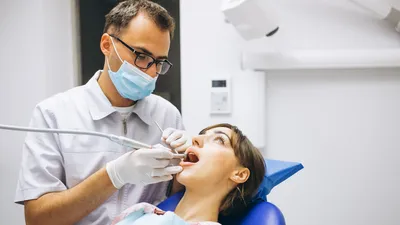
On the treatment day, the area is usually numbed with local anesthesia so the procedure is comfortable. The dentist then reshapes the tooth by removing a thin layer from the outer surfaces and chewing edge to create space for the zirconium crown. The amount removed is carefully controlled so the final crown will fit securely without looking bulky. If the tooth has old fillings, weakened walls, or decay, these are cleaned out first, and the tooth may be rebuilt with a core buildup to provide a stable foundation.
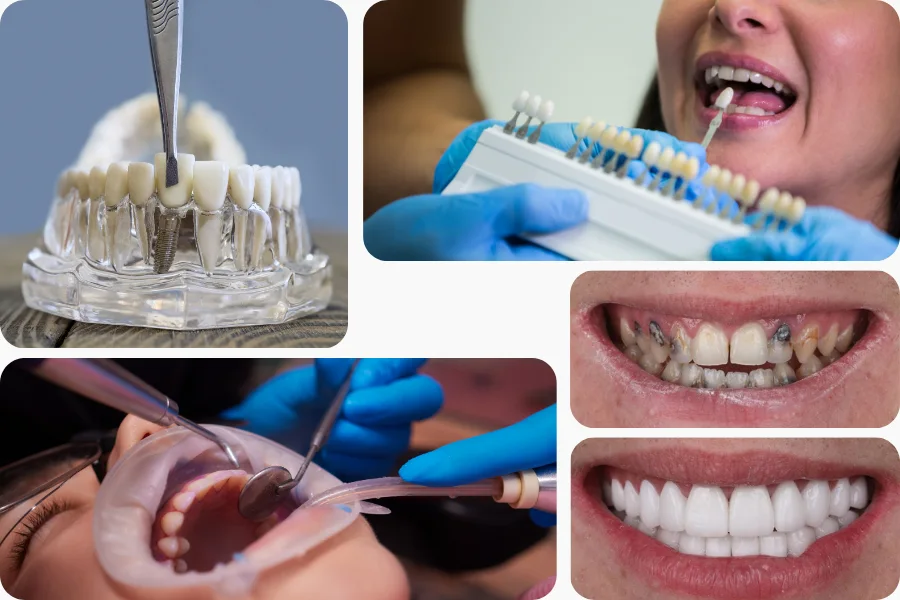
Once the tooth is prepared, the dentist needs an accurate record of its shape and position. To make the crown margins clear, the gum around the tooth may be gently moved aside with a fine cord or a soft tissue technique. Then an impression is taken, either with a digital intraoral scanner or with a traditional impression material. The dentist also records your bite so the crown will meet the opposing teeth properly. A tooth shade is selected to match the surrounding teeth as closely as possible, especially when the crown is placed in a visible area.
In most cases, a temporary crown is placed to protect the prepared tooth while the final zirconium crown is being made. This temporary helps reduce sensitivity, maintains appearance, and keeps the tooth from shifting. The impression or digital scan is then sent to a dental laboratory, where the crown is designed using CAD/CAM technology. A zirconia block is milled into the planned shape, then refined, shaded, and sintered at high temperature to achieve its final strength. Depending on the case, the crown may be monolithic zirconia for durability or layered for enhanced esthetics.
At the fitting appointment, the temporary crown is removed and the final zirconium crown is tried in. The dentist checks the fit, margin seal, contact points, bite, and color. Small adjustments may be made so the crown feels comfortable and functions naturally when you bite and chew. Once everything is correct, the tooth is cleaned and dried, and the crown is fixed in place using a dental cement or adhesive system chosen for the specific case. Excess cement is carefully removed, and the bite is checked again to make sure there are no high spots.
After placement, the tooth may feel slightly different for a short time as you get used to the new crown, but it should not remain painful or interfere with your bite. Your dentist may advise avoiding very sticky or hard foods for the first day, depending on the cement used. Good oral hygiene is important, including brushing, flossing around the crown, and attending regular dental checkups. With proper care, zirconium crowns can last for many years, helping protect the tooth and maintain a natural-looking smile.
Recovery after a zirconium crown is usually straightforward and much shorter than recovery from surgical dental treatments. In most cases, the tooth and surrounding gum need a little time to settle after preparation, impressions or digital scanning, and placement of either a temporary or final crown. Most patients can return to normal daily activities the same day, but it is still helpful to understand what is typical in the hours, days, and weeks after treatment so you can eat comfortably, care for the tooth properly, and know when to contact your dentist.
Once the tooth has been shaped for the crown, it is common to have mild soreness, gum tenderness, or sensitivity, especially if local anesthesia was used or if the tooth was already irritated beforehand. If a temporary crown is placed, it may feel slightly different from your natural tooth at first. Avoid chewing until numbness has fully worn off so you do not accidentally bite your cheek or tongue. For the rest of the day, it is best to choose softer foods and avoid anything very sticky, hard, or extremely hot or cold if the tooth feels sensitive.
During the first few days, the most common issues are temperature sensitivity, mild discomfort when biting, and slight gum inflammation around the treated tooth. This is usually temporary and improves as the tooth settles. If you have a temporary crown, you should be especially careful with chewing and oral hygiene because temporary cement is not as strong as the final bond. Brush gently, and when flossing around a temporary crown, your dentist may advise sliding the floss out from the side rather than lifting it straight up. Many patients feel well enough to eat normally on the opposite side of the mouth within a day.
If your zirconium crown is being made in a dental laboratory, you may wear a temporary crown for several days or up to about 1 to 2 weeks. During this stage, the goal is to protect the prepared tooth while waiting for the permanent restoration. It is normal to notice that the temporary crown feels less smooth or less precise than the final one. Avoid chewing gum, caramel, hard nuts, ice, or very crunchy foods, since these can loosen or dislodge it. If the temporary crown comes off, contact the clinic promptly so the tooth can be protected and the fit of the final crown is not affected.
After the final zirconium crown is cemented or bonded, the tooth usually begins to feel more stable and comfortable. Your dentist will check the fit, contact points, and bite carefully, but it can still take a few days for your mouth to adapt. Mild pressure when biting is not unusual at first. However, the crown should not feel high, sharp, or painful during chewing. If your bite feels uneven or you keep hitting that tooth first, a small adjustment may be needed. Once the fit is correct, most patients can return to a more normal diet quickly, while still being sensible with very hard foods.
Over the next couple of weeks, the gum around the crown margin usually calms down and the tooth feels increasingly natural. Any lingering sensitivity should continue to decrease, particularly if the nerve of the tooth is healthy and the bite is balanced. Good oral hygiene is essential during this period. Brush twice daily, clean carefully between the teeth, and follow any special instructions if the crown extends close to the gumline. Zirconium crowns are known for their strength, durability, and natural appearance, but long-term success still depends on keeping the underlying tooth and surrounding gum healthy.
Türkiye has become a popular destination for zirconium crowns, offering a strong combination of experienced cosmetic dentists, modern digital technology, and more accessible pricing than many patients find in Europe or North America. For people who want to improve the shape, strength, and appearance of their teeth, clinics in Türkiye often provide a streamlined treatment journey that balances aesthetics, function, and patient comfort.
Zirconium crown treatment is not only about placing a tooth-colored cap. It requires careful assessment of the tooth structure, bite alignment, gum condition, and overall smile harmony. Many Turkish clinics use digital intraoral scanners, 3D imaging, and CAD/CAM systems to plan and produce crowns with a more precise fit and natural look. This is especially helpful for international patients, because efficient planning can reduce the number of visits while still supporting predictable results. Dentists also evaluate whether any underlying issues, such as decay, old fillings, root canal needs, or gum inflammation, should be treated before the crown is placed.
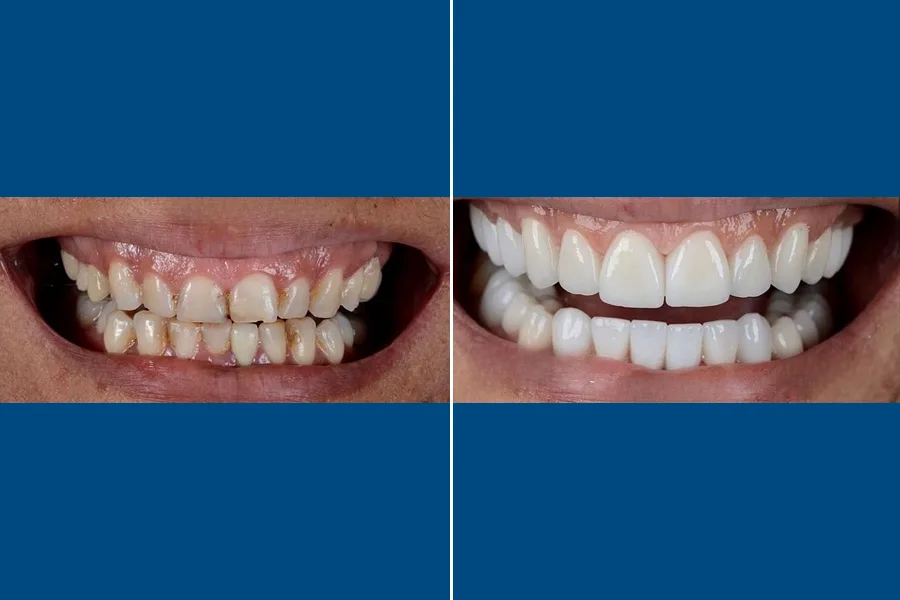
Another reason patients choose Türkiye is the focus on aesthetics as well as durability. Zirconium crowns are often selected because they can provide a natural appearance without the dark metal edge associated with some older crown types. Turkish dentists commonly pay close attention to smile proportions, translucency, gum line symmetry, and facial features when planning treatment. This can be particularly important for front teeth, where even small differences in shape or shade can affect the overall result. Patients are usually involved in shade selection and trial evaluations, which helps create a more personalized outcome.
Beyond the procedure itself, aftercare is an important part of treatment. Patients are typically given guidance on brushing, flossing around crowns, avoiding excessive pressure, and attending future dental checks to protect both the restoration and the underlying tooth. This practical support matters, because long-term success depends not only on the crown material, but also on oral hygiene, bite balance, and regular maintenance.
Türkiye’s success in the global health tourism market is closely linked to its investment in modern private clinics, international patient coordination, and high-volume dental experience. By welcoming large numbers of overseas visitors each year, Türkiye has developed organized systems that make treatment abroad feel more manageable and dependable. For patients considering zirconium crowns, this combination of clinical expertise, efficient service, and trusted medical tourism infrastructure makes Türkiye a confident and practical choice.
Get a tailored average price for your needs.
Medical Reviewer
Writer
Guides and insights connected to this treatment.
Complete the form in less than 2 minutes.
Offers are prepared by verified clinics without sharing your personal information.
Review transparent pricing and package details side-by-side.
Appointments, transfers, accommodation, and city tours are organized for you.
Receive and compare treatment offers from top clinics within minutes—no waiting list.
Keep your budget under control with all-inclusive packages, free from hidden extra costs.
From flight booking to full recovery, get dedicated guidance whenever you need assistance.
Botan
Personal Heal Road Manager
From Discovery
to Recovery
with you, every step of the journey
Share a few details and we’ll get back to you with the best options.
WhatsApp quick contact