Hair Transplant · Beard Transplantation

Beard Transplantation

Page Contributors

Views
3160 views
Reading Time
Last Updated
Duration

6–8 h

Duration

Recovery

7–10 d

Recovery

Pain Level

Mild

Pain Level

Scarring

Minimal

Scarring

Success Rate

95–98 %

Success Rate

Permission to Work

5–7 d

Permission to Work

Hair Transplant

Beard Transplantation: Frame Your Face

A cosmetic procedure that restores facial hair growth and improves beard density for a fuller, natural-looking appearance.

What is Beard Transplantation?

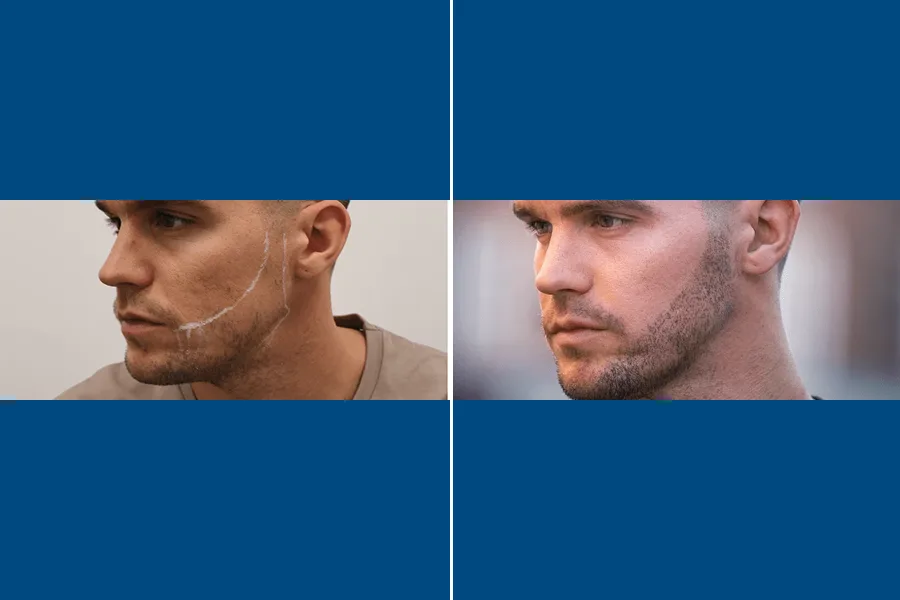
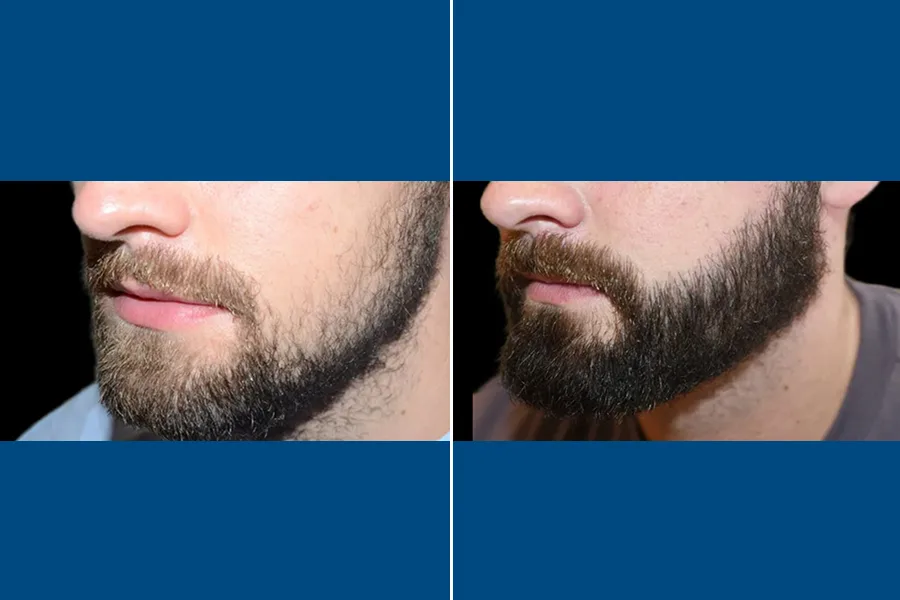
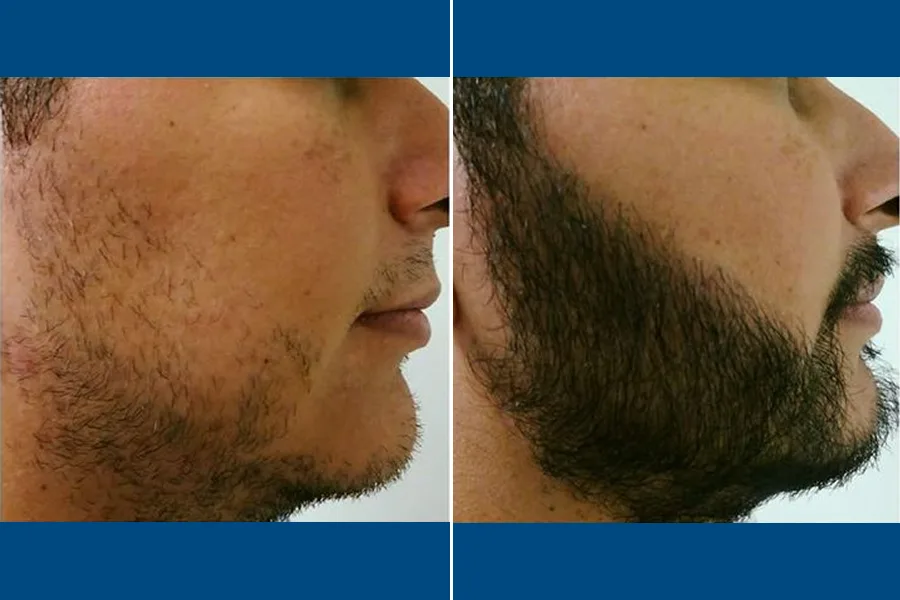
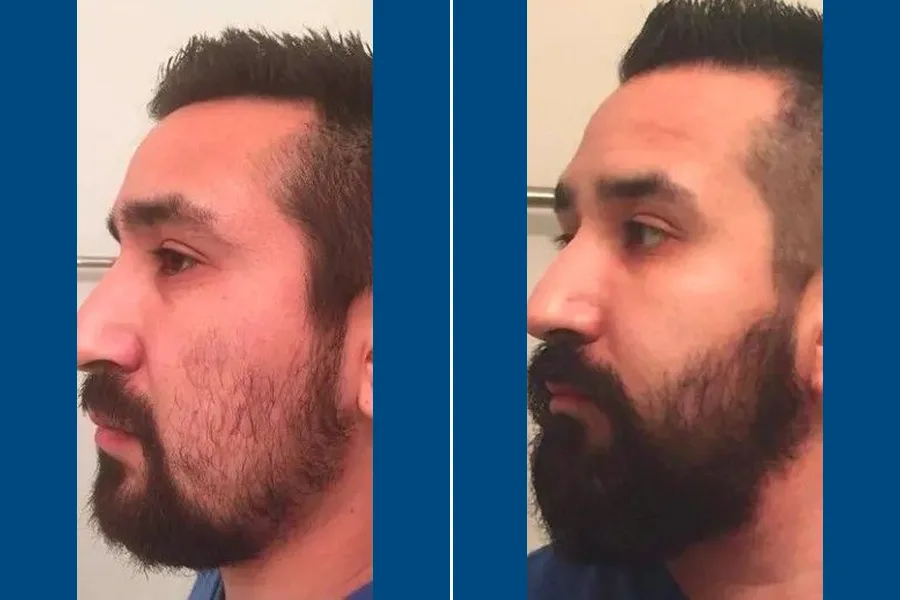
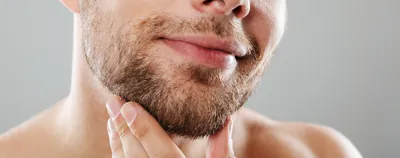
Beard transplantation is a specialized cosmetic procedure designed to restore or enhance facial hair growth in areas where the beard is thin, patchy, or absent. This treatment is ideal for individuals seeking a fuller, well-defined beard due to genetics, scarring, or previous hair loss. The procedure typically involves harvesting healthy hair follicles most commonly from the back or sides of the scalp and meticulously implanting them into the desired beard region.


Using advanced techniques such as Follicular Unit Extraction (FUE), surgeons ensure that the transplanted hairs blend seamlessly with existing facial hair. The result is a natural-looking, permanent beard that can be groomed, shaved, and styled just like natural facial hair, significantly boosting confidence and appearance.

Who is Beard Transplantation for?

Beard transplantation is designed for individuals who desire a fuller, more defined beard or wish to address areas of patchiness or thinning facial hair. This treatment is particularly suitable for:


  • Men who have sparse or uneven beard growth due to genetics, scarring, or previous trauma.
  • Individuals who have lost facial hair as a result of medical conditions such as alopecia or hormonal imbalances.
  • Those seeking to enhance the shape, density, or symmetry of their beard for aesthetic reasons.

Ideal candidates should be in good general health, have sufficient donor hair (usually from the scalp), and maintain realistic expectations about the results of beard transplantation.

Beard Transplantation

Benefits

Benefits of Beard Transplantation with HealRoad

Use these points to compare Beard Transplantation options with clearer expectations before speaking with clinics.

Clear procedure guidance

Beard transplantation is a specialized cosmetic procedure designed to restore or enhance facial hair growth in areas where the beard is thin, patchy,…

Verified clinic options

3 active clinic options are connected to this treatment on HealRoad.

Transparent cost planning

Use the treatment estimate as a starting point, then refine it with your medical needs and travel details.

Human support from first question

A HealRoad coordinator helps compare clinic options, next steps, and quote details before you commit.

How is Beard Transplantation done?

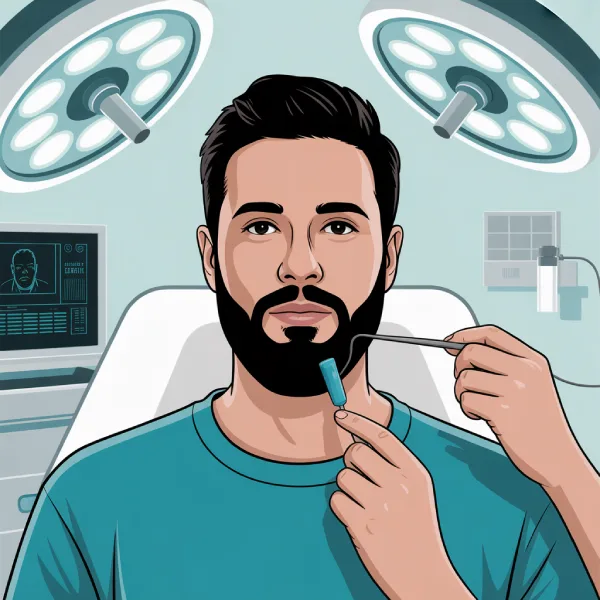
Beard transplantation is a specialized procedure designed to restore or enhance facial hair by transferring healthy hair follicles from one part of your body usually the back of the scalp to areas of the face where beard growth is thin or patchy. This technique allows for the creation of a natural-looking, fuller beard tailored to your desired style.

  1. Initial Consultation and Assessment

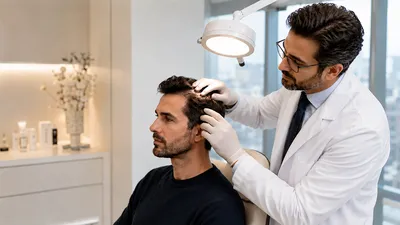
    During your first visit, the surgeon evaluates your facial hair growth patterns, discusses your goals, and examines the potential donor area (usually the scalp). A customized treatment plan is developed, including the number of grafts needed and the design of your new beard.

  2. Preparation and Anesthesia

    On the day of the procedure, the donor and recipient areas are cleaned and numbed with local anesthesia to ensure your comfort. The surgeon may also trim the donor hair for easier extraction.

  3. Harvesting Hair Follicles

    Using advanced techniques such as Follicular Unit Extraction (FUE), individual hair follicles are carefully removed from the donor site. Each follicle is selected to match the texture and growth pattern of natural beard hair.

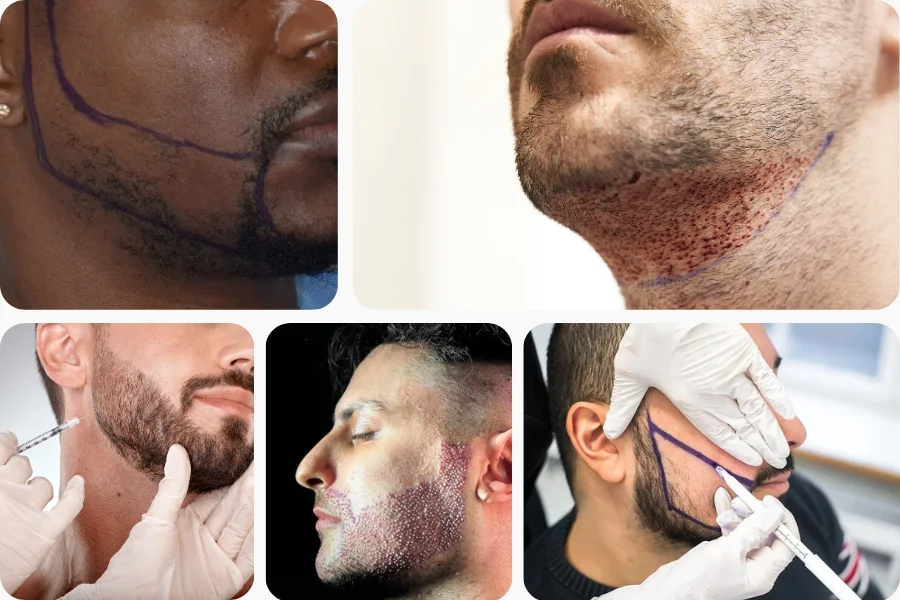
  4. Designing and Creating Recipient Sites

    The surgeon meticulously creates tiny incisions in the beard area, following the agreed-upon design and direction of natural hair growth. This step is crucial for achieving a realistic and aesthetically pleasing result.

  5. Implantation of Hair Follicles

    The harvested follicles are individually implanted into the prepared sites. The surgeon pays close attention to the angle, depth, and density of each graft to ensure a natural-looking beard that blends seamlessly with your existing facial hair.

  6. Post-Procedure Care and Recovery

    After the procedure, you will receive detailed aftercare instructions to support healing and maximize graft survival. Mild redness, swelling, or tiny scabs are common and usually resolve within a week. Follow-up appointments are scheduled to monitor your progress and address any concerns.

Recovery and expectation?

The recovery journey after a beard transplantation is a gradual process, with each stage marking important milestones toward achieving a natural, fuller beard. Understanding the phases of healing will help you set realistic expectations, care for your new grafts, and ensure optimal results.

  1. Immediate Post-Procedure (First 3–5 Days)

    In the initial days after your beard transplant, you may experience redness, mild swelling, and tiny scabs at both the donor and recipient sites. It is crucial to avoid touching or scratching the area and to follow your surgeon’s cleaning instructions. Sleeping with your head elevated and refraining from strenuous activity will help minimize swelling.

  2. Early Healing Phase (1–2 Weeks)

    By the end of the first week, most scabs will begin to fall off naturally. Mild itching is common as the skin heals, but it is important not to pick at the area. You may notice some shedding of transplanted hairs this is a normal part of the process called "shock loss" and should not be a cause for concern.

  3. Shedding and Rest Phase (2–8 Weeks)

    During this period, most of the transplanted hairs will shed, making the beard appear patchy. This is a natural and temporary phase as the follicles enter a resting state. The skin will gradually return to its normal appearance, and you can usually resume gentle shaving after 2–3 weeks, as advised by your doctor.

  4. New Hair Growth (3–6 Months)

    Around the third month, you will begin to see new beard hairs emerging. These hairs may initially be fine and lighter in color, but they will thicken and darken over time. Consistent care and patience are key during this phase, as full results are still developing.

  5. Final Results & Maturation (6–12 Months)

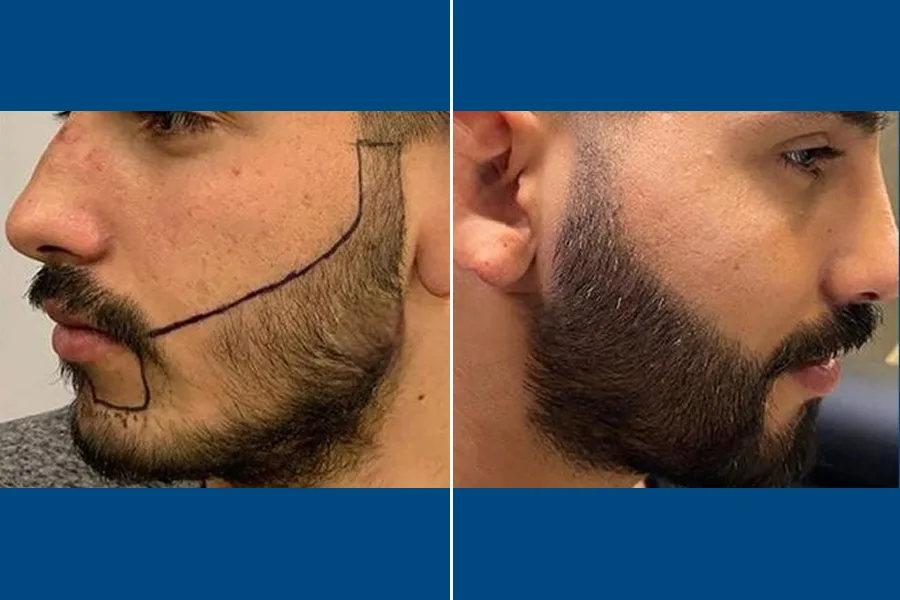
    By six to twelve months post-transplant, most patients achieve a fuller, natural-looking beard. The transplanted hairs will have matured, blending seamlessly with your existing facial hair. You can now trim and style your beard as usual. Regular moisturizing and gentle care will help maintain the health and appearance of your new beard.

Why Choose Türkiye for Beard Transplantation?

Türkiye has emerged as a premier destination for beard transplantation, offering a blend of medical expertise, cutting-edge technology, and affordability that attracts patients from all over the world. The country’s highly skilled hair restoration specialists are renowned for their artistic approach and natural-looking results in facial hair transplantation.

Clinics in Türkiye utilize the latest techniques, such as FUE (Follicular Unit Extraction) and DHI (Direct Hair Implantation), ensuring minimally invasive procedures with quick recovery times. Patients benefit from personalized treatment plans tailored to their unique facial structure and aesthetic goals, all within state-of-the-art medical facilities that comply with international standards.

  • Türkiye’s experienced surgeons specialize in beard transplantation, with thousands of successful procedures and a focus on natural density and symmetry.
  • Clinics are equipped with the latest hair restoration technologies, ensuring precision and minimal scarring for optimal outcomes.
  • Competitive pricing and comprehensive packages make beard transplantation in Türkiye significantly more affordable than in many other countries without compromising on quality.
  • Türkiye’s central location and excellent transport links make it easily accessible for international patients seeking world-class care.
  • Many clinics offer all-inclusive services, including airport transfers, accommodation, and translation assistance, ensuring a seamless and comfortable experience.
  • Patients can combine their beard transplant journey with a memorable holiday, exploring Türkiye’s vibrant culture, cuisine, and scenic attractions.

Türkiye’s leadership in health tourism is reflected in the millions of international patients it welcomes each year. With its proven track record of excellence, safety, and patient satisfaction, Türkiye stands out as a top choice for beard transplantation, making your transformation both successful and unforgettable.

Beard Transplantation

Customize your treatment estimate

Start with Beard Transplantation selected. Adjust the answers below to refine the average estimate shown above.

Loading...
Calculating...
Start by selecting a service.

Your estimate will appear here.

Frequently Asked Questions about Beard Transplantation

How long does it typically take to see the final results after a beard transplant?

Beard transplantation is a procedure that requires patience before the final results become visible.

  • Initial healing: Most swelling and redness subside within 1–2 weeks after the procedure.
  • Shedding phase: Transplanted hairs usually fall out within the first 2–4 weeks—this is normal and temporary.
  • Regrowth: New hair growth typically starts around 3–4 months after the transplant.
  • Final results: The full, mature appearance of your new beard is usually visible 8–12 months after the procedure.

Individual healing times can vary, but most patients see the final, natural-looking results within a year.

Will the transplanted beard hairs grow like natural facial hair?

Beard transplantation uses hair follicles—usually taken from the back of the scalp—which are then implanted into the beard area.

After the procedure, the transplanted hairs typically behave like natural facial hair:

  • Growth pattern: The new hairs will grow, can be shaved, trimmed, and styled just like your natural beard.
  • Texture and appearance: Because scalp hair is used, the texture may be slightly softer at first, but over time it often becomes more similar to native beard hair.
  • Permanence: The transplanted follicles are permanent and will continue to grow throughout your life.

Full results are usually visible within 6–12 months after the procedure, as the hairs go through normal growth cycles.

Are there any visible differences between transplanted and natural beard hair?

Beard transplantation is designed to create a natural-looking beard by using your own hair, typically taken from the back of the scalp. In most cases, the differences between transplanted and natural beard hair are minimal and not easily noticeable.

  • Texture and growth: Transplanted hair may initially have a slightly different texture or growth pattern compared to native beard hair, as scalp hair can be finer or grow faster. However, over time, many patients find that the transplanted hair blends well with the natural beard.
  • Direction: Skilled surgeons carefully place each graft to mimic the natural direction and angle of beard growth, making visible differences unlikely.
  • Color match: Since your own hair is used, color differences are usually minimal, but slight variations may occur if your scalp and beard hair differ in shade.

With proper technique and after the healing period, most people cannot distinguish between transplanted and natural beard hair.

Can I choose the shape or density of my new beard during the consultation?

Yes, during the consultation for beard transplantation, you can discuss and choose the desired shape and density of your new beard.

  • Shape: You can bring reference photos or describe your preferred beard style, and the specialist will help design a beard that complements your facial features.
  • Density: You can specify how thick or full you want your beard to appear. The surgeon will assess your donor hair and recommend what is realistically achievable.

The final result depends on factors such as your natural hair characteristics and the availability of donor hair, but your preferences are a key part of the planning process.

How long should I wait before shaving or trimming my transplanted beard?

After a beard transplantation, it is important to allow the transplanted hair follicles to fully heal and establish themselves before shaving or trimming.

  • Shaving: Most surgeons recommend waiting at least 2 to 3 weeks before shaving the transplanted area. This helps prevent irritation and accidental removal of newly implanted grafts.
  • Trimming: You can gently trim the beard with scissors after about 10 to 14 days, but avoid using electric trimmers or razors directly on the skin until the area has completely healed.

Always follow your surgeon’s specific instructions, as healing times may vary based on individual factors and the technique used.

###DISCLAIMER### This answer is for informational purposes only and does not replace professional medical advice. Always consult your surgeon for personalized recommendations.
Is beard transplantation suitable for patchy or uneven facial hair growth?

Beard transplantation is an effective solution for individuals with patchy or uneven facial hair growth who desire a fuller, more uniform beard.

  • Targeted coverage: The procedure allows for precise placement of hair follicles in areas with sparse or missing hair, improving density and symmetry.
  • Natural results: Transplanted hair is typically taken from the back of the scalp, ensuring a natural look and feel once it grows in.
  • Permanent solution: The results are long-lasting, as the transplanted hair continues to grow like natural facial hair.

Beard transplantation is suitable for most healthy adults experiencing patchiness due to genetics, scarring, or other factors. A thorough consultation with a qualified specialist is necessary to determine candidacy and expected outcomes.

Will the results of a beard transplant last permanently?

Beard transplantation typically provides permanent results. The transplanted hair follicles are taken from areas of the scalp that are genetically resistant to hair loss, such as the back or sides of the head.

  • Permanent growth: Once the transplanted follicles take root, they will continue to grow hair for a lifetime, just like they would in their original location.
  • Natural appearance: The new beard hair can be trimmed, shaved, and styled as desired.
  • Initial shedding: It is normal for the transplanted hairs to fall out within the first few weeks after the procedure, but new growth will begin within a few months.

Proper aftercare and following your surgeon’s instructions are important to ensure the best long-term results.

###DISCLAIMER###
Individual results may vary. A consultation with a qualified specialist is necessary to assess your suitability and expected outcome.
Are there any special care instructions immediately after the procedure?

Yes, after a beard transplantation, it is important to follow specific care instructions to ensure proper healing and optimal results.

  • Avoid touching or scratching the transplanted area for the first few days to prevent dislodging grafts.
  • Keep the area clean by gently rinsing as instructed by your doctor, usually starting a day or two after the procedure.
  • Do not wash your face with strong water pressure or use harsh cleansers for at least a week.
  • Avoid direct sunlight and excessive sweating to reduce the risk of irritation or infection.
  • Refrain from shaving the transplanted area until your doctor advises it is safe, typically after 10–14 days.
  • Take prescribed medications (such as antibiotics or pain relievers) exactly as directed.

Always follow your surgeon’s specific instructions for the best recovery and results.

###DISCLAIMER### This information is for general guidance only and does not replace professional medical advice. Always consult your healthcare provider for personalized instructions.
Can beard transplants be combined with mustache or sideburn transplants?

Yes, beard transplants can be combined with mustache and sideburn transplants in a single procedure. This approach is common for patients who wish to achieve a fuller, more uniform facial hair appearance.

  • Comprehensive design: The surgeon can plan the distribution of transplanted hair to cover the beard, mustache, and sideburns according to your desired style and density.
  • Single session: Combining areas often allows for all desired regions to be addressed in one surgery, minimizing recovery time and maximizing convenience.
  • Natural results: Hair follicles are carefully placed to match the natural growth patterns of each facial area, ensuring a seamless and natural look.

During your consultation, the surgeon will assess your goals and donor hair availability to create a personalized treatment plan.

How do I select a qualified clinic or surgeon for beard transplantation?

Choosing a qualified clinic or surgeon for beard transplantation is crucial for achieving natural-looking and safe results.

  • Check credentials: Ensure the surgeon is certified in dermatology or plastic surgery and has specific training in hair restoration procedures.
  • Experience matters: Look for clinics and surgeons with extensive experience in beard transplantation and a proven track record of successful cases.
  • Review before-and-after photos: Ask to see photos of previous patients to assess the quality and naturalness of their work.
  • Read patient reviews: Look for independent reviews and testimonials to gauge patient satisfaction and clinic reputation.
  • Consultation process: A reputable clinic will offer a thorough consultation, discuss your goals, explain the procedure, and answer all your questions.
  • Hygiene and safety standards: Make sure the clinic follows strict sterilization and safety protocols.

Taking the time to research and consult with multiple clinics will help you make an informed decision and increase the likelihood of a successful outcome.

Clinics offering Beard Transplantation

Compare verified clinic profiles connected to this treatment.

Patient reviews

Patient reviews for Beard Transplantation

These reviews are linked to Beard Transplantation and published from clinic review sources.

5.0/5
2 reviews
5.0/5

I just finished my beard transplant and it was surprisingly better than I imagined. I was prepared through every step, the service and accommodations were amazing and very clear detail instructions. I’m very happy with my results so far and I’m looking forwar…

Marlon Burleigh Aslı Tarcan Clinic Trustpilot
Read original review
5.0/5

Je permet decrire ce message sur google avis car je suis énormement content de mon déplacement en Turquie je reside en France en region Parisienne et je suis venue dans la clinic estherian clinic car jai été merveilleusement bien conseiller par une excellente…

HCER Boutique en ligne Estherian Clinic Trustpilot
Read original review

Related Articles

Guides and insights connected to this treatment.